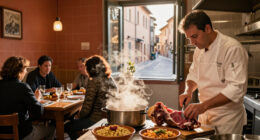
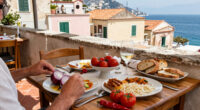
TL;DR
Maritozzi con la panna are soft, lightly sweet Roman buns split open and filled with whipped cream. In Rome, people often eat them with coffee for breakfast; recipes vary, and the classic reference point is a fresh bun with plain cream. Choose one with tender bread and fresh-tasting filling, and keep the dairy cream chilled until serving.
In a Roman bar, breakfast can arrive in your hand: a soft golden bun, split from end to end and packed with a cool sweep of whipped cream. One bite gives you tender bread, airy dairy, and a little cream on your thumb. That is the pleasure of maritozzo con la panna, Rome’s familiar cream-filled breakfast bun.

Get kitchen staples and gadgets delivered free with Prime
- Fast, free delivery on millions of items
- Prime Video, Amazon Music and more included
- Member-only deals all year
This guide explains what maritozzi are, how their mildly sweet dough balances the filling, and why they belong to the rhythm of a Roman morning. You’ll also get practical tips for choosing one, pairing it with coffee, making the buns ahead, and keeping cream-filled pastries safe to eat. Recipes differ, so think of the classic version as a helpful reference point, not a rigid rulebook.
A maritozzo con la panna is a soft, mildly sweet Roman bun filled with whipped cream, commonly eaten for breakfast with coffee.
Raisins, candied citrus, and the choice of olive oil or butter vary by recipe; the cream-filled bun is the defining idea.
Choose bread that feels tender and cream that tastes fresh, and eat the pastry soon after assembly.
Bake buns ahead if you like, but fill them shortly before serving and keep dairy cream refrigerated at 40°F (4°C) or below.
Ask about wheat, egg, milk, and possible cross-contact if you have food allergies; check for nuts in pistachio versions.
Maritozzi con la Panna Rome’s Cream-Filled Breakfast Bun
A soft, mildly sweet bun meets cool whipped cream in a familiar Roman morning ritual. Recipes vary, but the cream-filled bun is the classic reference point.
The classic balance
Tender, slightly chewy bread gives structure to airy, rich cream.
- Soft and mildly sweet
- May include citrus zest
- Some recipes add raisins or candied citrus
- Usually whipped cream
- Cool, airy and lightly sweet
- Best enjoyed soon after assembly
A Roman morning ritual
Order one at a bar or pastry shop and enjoy it with coffee.
Espresso brings a bitter contrast; cappuccino makes the pairing gentler and more filling.
The bun stays tender and the cream light when served soon after filling.
Eat it by hand; generous cream can make each bite messy.
Choose a fresh, balanced bun
Look for tenderness and fresh-tasting cream, not the tallest mound or most uniform shape.
- Bread: Soft and springy, not dry, dense or stale.
- Cream: Fresh, airy and lightly sweet.
- Balance: Each bite should bring bread and cream together.
- Timing: Ask for one filled to order when possible.
Recipes vary by bakery
The shared tradition leaves room for different doughs and modern fillings.
| Version | What to expect |
|---|---|
| Classic | Soft bun with whipped cream |
| Traditional variations | May include raisins, candied citrus, or citrus zest |
| Modern fillings | Pistachio, chocolate, custard, or seasonal fruit |
What Makes a Maritozzo Con la Panna So Good With Coffee?
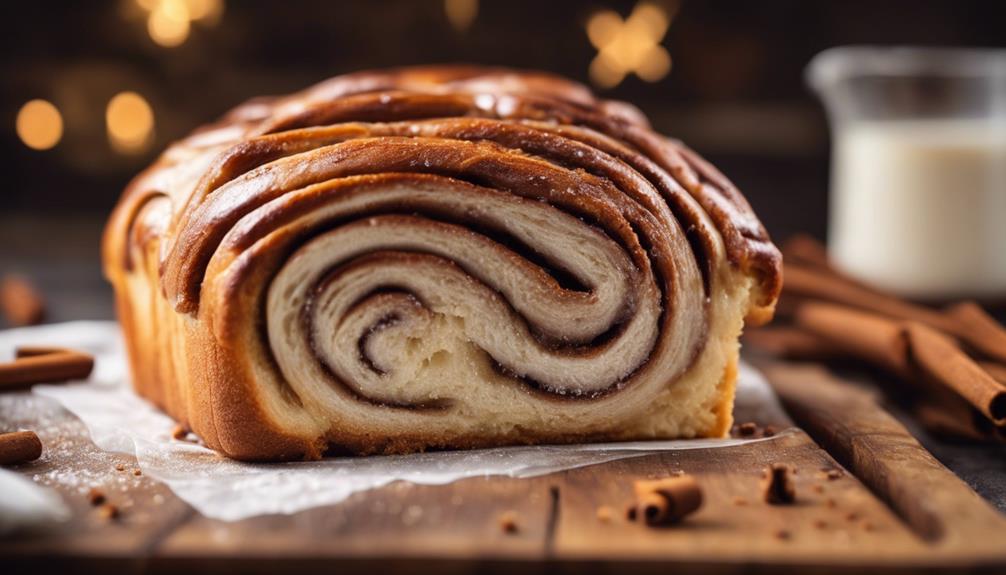
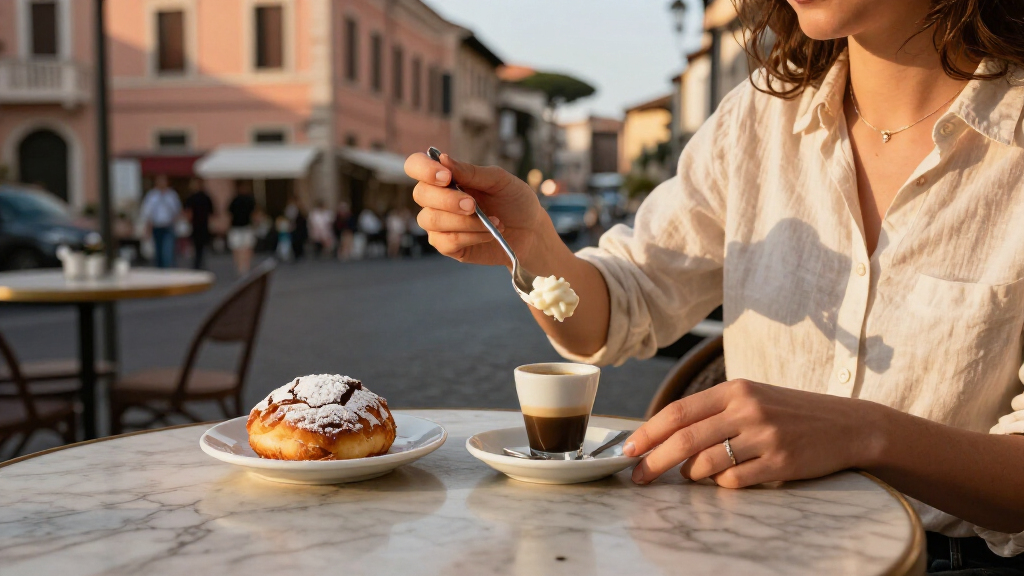
A maritozzo con la panna is a soft, lightly sweet Roman bun split open and filled generously with whipped cream. The bread is tender with a slight chew; the filling is cool, airy, and rich. In Rome, you’ll often find one at a pastry shop or bar in the morning, served alongside espresso or cappuccino.
The pleasure comes from contrast. The bun gives the cream enough structure to make each bite feel like a pastry rather than a spoonful of topping, while its restrained sweetness leaves room for the filling. The cream, in turn, softens the bread’s chew and adds richness without the dense, uniform sweetness of a slice of cake. Coffee completes that balance: espresso’s bitterness offsets the dairy and sugar, while cappuccino’s milk makes the pairing gentler and more filling. Your choice changes the experience, so order espresso when you want contrast and cappuccino when you want a softer breakfast.
Citrus zest may perfume the dough, and some versions include raisins or candied citrus. These additions shift the bun’s flavor and texture: citrus brightens the cream, while dried or candied fruit adds bursts of sweetness. Neither is required for the cream-filled pastry to make sense. The name tells you the central idea: con la panna means “with cream,” and panna here is usually whipped cream.
That generous filling is part of the pleasure, but it also makes the bun fragile and a little messy. The long cut across the bun creates a pocket for the cream, which the baker may smooth or ridge with a spatula. Eat it by hand, take a napkin, and don’t worry about making a neat job of it. A fresh bun is best eaten soon after serving, before the cream warms and the bread softens where they meet.
Products Worth Considering

Philips Hue Play Floor Lamp, RGBWWIC LED, 53 Inch, Black

Ring Wired Doorbell Pro (3rd Gen) and Indoor Cam Plus Bundle, White

Bose QuietComfort Headphones (2nd Generation), Wireless Over‑Ear Noise‑Cancelling with Mic, USB‑C Charging, Lossless Audio, up to 24 h Playb
As an affiliate, we earn on qualifying purchases.
How to Choose a Fresh, Balanced Bun in Rome
A good maritozzo con la panna has soft bread that holds its shape, fresh-tasting cream, and enough filling to balance each mouthful. Freshness matters more than a perfectly uniform shape: the bun should feel tender rather than dry or heavy, and the cream should taste clean and lightly sweet.
When you stop at a Roman bar before sightseeing, look at the bun as well as the cream. A golden top and a delicate citrus aroma can signal an inviting pastry, though no single appearance proves how it will taste. Ask what’s in the dough if raisins or candied fruit matter to you; recipes vary from shop to shop. Texture gives you a more useful clue than appearance alone: a bun that is too dry can make the cream seem heavy, while very soft bread may collapse under a generous filling.
Use this quick checklist when you’re comparing two bakeries. The aim is balance, not maximum size or the tallest mound of cream. For example, if one bun has a fragrant, yielding crumb and freshly whipped cream while another looks dry and has a stiff filling, the first is more likely to give you the classic tender-and-cool contrast.
- Bread: Choose a bun that feels soft and springy, not dense or stale.
- Cream: Look for a fresh, airy filling with restrained sweetness.
- Balance: Check that each bite can include both bread and cream, rather than a huge empty pocket or a thin smear.
- Timing: If the bakery fills buns to order, ask for one just assembled. It will usually have a clearer contrast between the bread and cream, though it may be less convenient to carry around.
A classic Roman reference point is the plain bun with whipped cream. Modern bakeries may offer pistachio, chocolate, custard, or seasonal fruit. Those options can be delicious, but they change the character of the pastry: denser or stronger fillings can overwhelm the mild bread. Ask for the plain cream version if you want to taste the balance that made the pastry a Roman staple, then use a variation to explore a bakery’s own style.

Why This Roman Bun Has More Than One Traditional Recipe
Maritozzi have a long history in central Italy, especially in Rome and Lazio, but recipes aren’t identical from one baker or family to another. Older versions were simpler enriched buns, sometimes made with raisins, pine nuts, or candied fruit. The cream-filled form became a celebrated Roman pastry-shop favorite.
That variation is useful to know when you see a bun without raisins, or one scented with orange zest instead. The defining feature of the cream-filled pastry is the soft bun and whipped cream, not one mandatory mix-in. Dough may use olive oil or butter, along with eggs and sugar; those choices affect richness and aroma, but they don’t establish a single test of authenticity. A recipe with fruit can taste closer to one family’s tradition, while a plainer dough can let the cream stand out. Asking what is in the bun helps you choose the flavor you want, rather than treating every difference as a departure from the Roman pastry.
The name is commonly linked to marito, Italian for “husband.” A popular bit of folklore says young men gave the buns to their fiancées, sometimes hiding a ring inside. It’s a charming story to hear over breakfast, but the precise origin isn’t firmly documented, so treat it as a legend rather than proven history.
For a visitor, this means you can enjoy both continuity and local character. Order a cream-filled bun at one bar, then try another the next morning: one may have a citrus scent, while the next leans on a plainer, milky flavor. The shared form gives you a point of comparison, and the differences show how a familiar pastry can reflect a baker’s preferences. Like comparing two family ragù recipes, the differences don’t erase the shared tradition.
How to Eat One Like You’re Settling Into a Roman Morning
Eat a maritozzo con la panna soon after it’s served, ideally with espresso or cappuccino. A fresh bun keeps its soft texture, while the chilled cream stays light; leave it sitting in the sun during a long walk and both the texture and food safety can suffer. Having it at the counter or at a nearby table also means you can enjoy it before the filling warms or shifts during a trip in your bag.
There’s no formal ritual or special utensil required. Pick it up, take a bite that includes bun and cream, and accept that some filling may escape. If you’re standing at the counter before a museum visit, a napkin and a few unhurried minutes are enough to turn a quick breakfast into a small Roman pause. Taking bites across the cut, rather than eating the cream first, keeps the proportions close to what the baker intended.
Here’s a simple way to get the most from your first one:
- Order the plain cream version if you want the classic point of comparison. Ask whether the bun contains raisins or candied fruit if you have a preference.
- Choose your coffee to match your taste: cappuccino brings more milk and softness, while espresso gives a sharper contrast.
- Eat it while fresh, taking bites that include both bread and cream instead of scraping the filling out first.
- Notice the balance: is the dough mildly sweet, the cream airy, and the filling generous without swallowing the bread?
That last question gives you a useful way to compare bakeries without turning breakfast into a scorecard. A memorable maritozzo isn’t simply the one with the tallest mound of cream; it’s the bun where bread and filling make sense together. If you find the filling too rich, a more bitter coffee can reset your palate; if the bread dominates, look for a softer bun or a more generous cream-to-bread ratio next time.

How to Make the Buns Ahead Without Soggy Cream
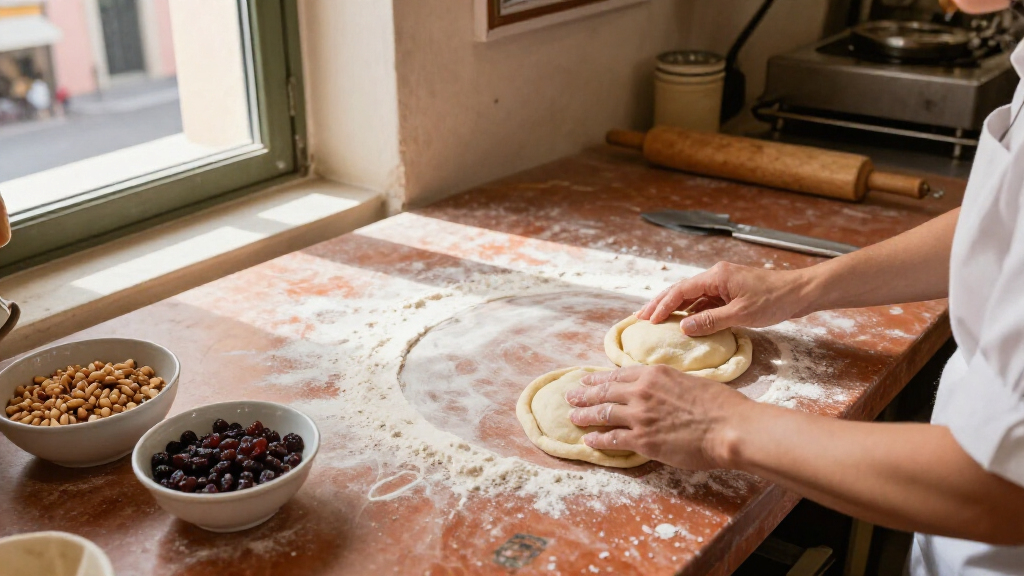
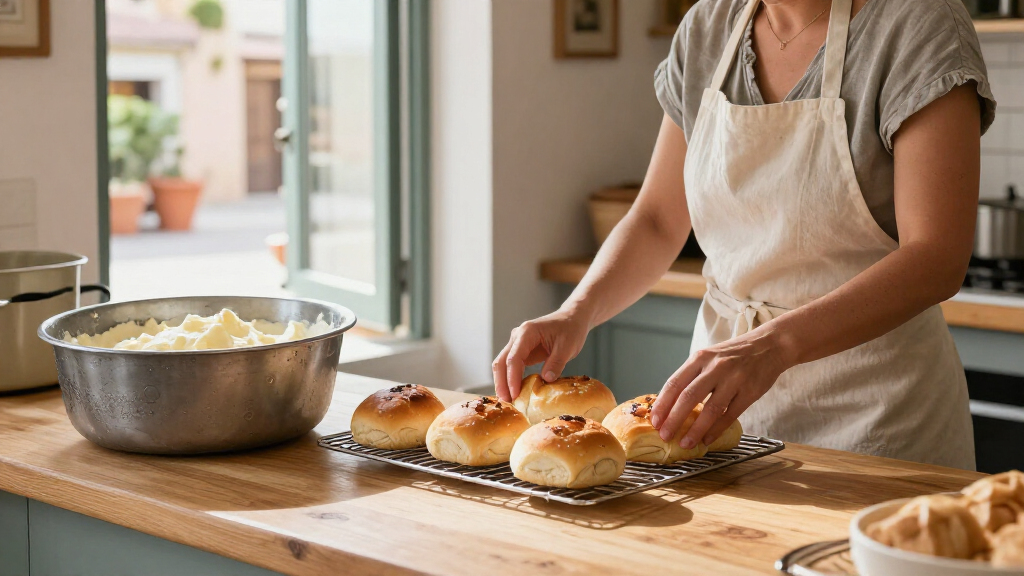
You can bake maritozzi buns ahead, but fill them with whipped cream shortly before serving. The bun is a soft enriched dough, often flavored with citrus and made with ingredients such as eggs, sugar, and olive oil or butter. The cream is perishable, so good timing protects both its texture and food safety.
For a relaxed Sunday breakfast, bake the unfilled buns in advance and let them cool completely. Store them airtight at room temperature for a short period, then split and fill them when you’re ready to eat. Warm bread traps steam; filling it before it cools can make the cream melt and the cut surfaces damp. If you need to prepare further ahead, freeze the cooled unfilled buns and thaw them before filling; this preserves them better than refrigerating bread, which can make it stale faster. The tradeoff is that thawed bread may be slightly less fresh in texture, so filling close to serving helps restore the contrast.
Whip cold cream until it holds soft, defined ridges. Sweeten it lightly so it complements the bread rather than competing with it. If you’re serving guests, assemble only what you expect to eat soon and return extra cream and filled buns to the refrigerator promptly. Keep dairy fillings chilled at 40°F (4°C) or below, and avoid leaving them at room temperature for more than two hours—or one hour if the temperature is above 90°F (32°C). Chilling protects safety, though it can firm the cream and bun; let a portion sit out only briefly before serving, within those time limits.
Check labels or ask the baker about allergens. A typical bun may contain wheat, eggs, and milk; the whipped cream contains milk. Some versions add other ingredients, and bakery equipment can introduce cross-contact. If you need a dairy-free or vegan option, ask about both dough and filling rather than assuming only the cream needs replacing. Recipes and bakery handling differ, so a name or appearance alone cannot confirm that a pastry is safe for a particular allergy.
How Modern Fillings Compare With the Roman Classic
The classic Roman maritozzo pairs a soft bun with whipped cream, while newer bakery versions use fillings such as pistachio cream, chocolate, custard, or seasonal fruit. The newer options expand the pastry’s range, but they don’t replace the simple cream-filled version as the reference point for its Roman identity. That reference matters when you want to understand the bun itself: plain cream leaves its mild dough and texture easiest to notice.
Think of the bun as a familiar frame: its mild sweetness can support a stronger filling without becoming an entirely different pastry. But a richer filling changes the balance. Pistachio and chocolate can make the bun feel more like dessert, while fruit may bring acidity and a fresher finish; custard can be smooth and substantial. In a bakery case, a pistachio version may look vivid green, while the plain cream one shows the long split and pale filling that made maritozzi instantly recognizable in photos and food-travel guides.
| Version | What you’ll taste | When to choose it |
|---|---|---|
| Whipped cream | Cool, airy dairy against mildly sweet bread | When you want the classic Roman experience |
| Pistachio cream | More nutty, dense sweetness | When you want a richer variation; ask about nut allergens |
| Chocolate | A deeper, more dessert-like flavor | When you prefer cocoa to a light cream filling |
| Custard or seasonal fruit | Soft, creamy or bright, depending on the filling | When you want to try a bakery’s current variation |
One practical approach: order plain cream on your first visit, then try a modern variation later. The plain version gives you a baseline for judging how the dough tastes and how much filling balances it; the next bun can show you what a stronger or brighter filling adds. If you’re traveling in spring or summer, a fruit filling may feel lighter; on a cool morning, pistachio or chocolate may pair nicely with espresso. Ask what’s fresh that day, and remember that ingredient lists and allergens differ by shop.
Frequently Asked Questions
What does maritozzo con la panna mean?
Maritozzo con la panna means “maritozzo with cream.” The bun is split open and filled with whipped cream.
Is a maritozzo a breakfast pastry or a dessert?
In Rome, people commonly eat it for breakfast with coffee. You can also enjoy one as a snack or dessert; the bun’s mild sweetness suits either moment.
Does a traditional maritozzo contain raisins?
Some recipes include raisins, pine nuts, or candied fruit, and others leave them out. Recipes vary, while the defining feature of the cream-filled version is the bun with whipped cream.
How is a maritozzo different from brioche?
Both can use soft, enriched dough, but a maritozzo has its own Roman tradition and is often shaped and flavored differently. The cream-filled version is split and generously filled with whipped cream.
How do you pronounce maritozzo?
A rough guide is “mah-ree-TOHT-tsoh”, with the stress on the third syllable. The double z has a strong “ts” sound.
Can you make maritozzi ahead?
Yes. Bake the buns ahead, let them cool, and store them airtight; add freshly whipped cream shortly before serving. Keep filled pastries chilled at 40°F (4°C) or below and avoid leaving them at room temperature for more than two hours.
Conclusion
For a taste of Rome’s everyday café life, order a plain maritozzo con la panna with coffee and eat it while the bun is fresh. Look for tender bread, lightly sweet cream, and a balance that lets you taste both in every bite.
Then take a napkin, find a spot by the counter, and let a little cream escape. Some mornings are best remembered by the sweetness left on your thumb.