TL;DR
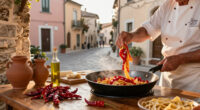
Panzerotti fritti are small, sealed pastries from Puglia, usually filled with tomato and mozzarella and fried until golden. Keep the filling fairly dry, seal the clean dough rim firmly, and fry at about 340–355°F so the crust cooks without scorching. Let each one cool briefly before biting into its molten center.
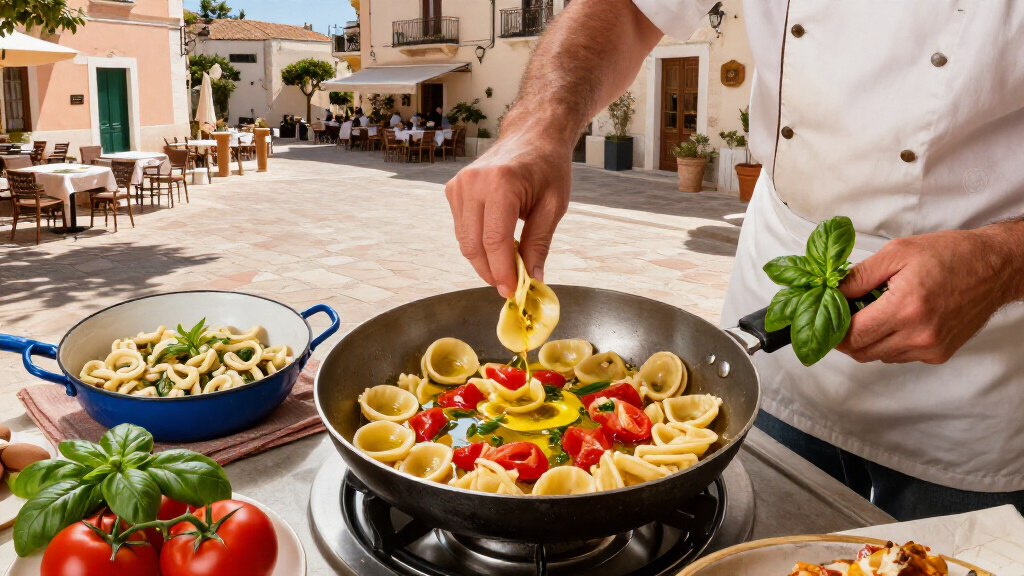
The first bite of a panzerotto fritto gives you a little crackle, then a rush of hot tomato and stretchy cheese. That tiny pocket can turn a casual evening into a Puglian-style gathering, but it also has one famous hazard: the filling stays hotter than the crust.

Get kitchen staples and gadgets delivered free with Prime
- Fast, free delivery on millions of items
- Prime Video, Amazon Music and more included
- Member-only deals all year
Panzerotti fritti are small fried pastries from Puglia in southern Italy, especially associated with Bari. You’ll learn what they are, why the seal and filling matter, and how to fry a batch at home without soggy dough or a burst seam. Along the way, you’ll see how to adapt the filling while keeping the snack rooted in its regional tradition.
Think of this as a practical guide for your next dinner with friends: a bowl of dough, a spoonful of well-drained tomato, and a plate that empties while the next batch cooks. Take your time with the edges, and let the first one rest before you bite.
Panzerotto is singular; panzerotti is plural, and fritti means “fried.”
Bari is strongly associated with panzerotti, which are eaten throughout Puglia.
Drain or cook down tomato and mozzarella, keep the rim clean, and seal the half-moon firmly to reduce leaks.
Fry near 340–355°F (170–180°C) and let each pastry cool briefly before biting.
Wheat, dairy, and sometimes fish are common allergens; check fillings and tell guests what each contains.
Panzerotti Fritti Puglia’s pocket-sized party trick
These crisp, sealed pastries turn simple dough and filling into a warm snack made for sharing. Keep the filling dry and the edge secure for a better fry.
A pocket with regional roots
Bari is especially associated with panzerotti, which are enjoyed throughout Puglia.
Tomato and mozzarella
The familiar filling sits inside soft dough, folded into a half-moon and fried until golden.
Made for sharing
Onion, ham, olives, anchovies, and other cheeses appear in local and family versions.
One or many
Panzerotto is singular; panzerotti is plural. Fritti means “fried.”
Build a seam that holds
A modest, fairly dry filling helps keep the pastry intact in hot oil.
Cook down or drain tomato, and let mozzarella release excess moisture.
Add a small spoonful of filling and leave a clear border around the dough.
Fold into a half-moon, press out trapped air, and pinch the edge firmly shut.
Fry, drain, and let them rest
Small batches help the oil stay near the target temperature.
- Lower each pastry gently into moderately hot oil.
- Avoid crowding the pot so the oil temperature can recover.
- Turn as needed until evenly golden and cooked through.
- Drain on a rack or paper towels.
- Let each one cool briefly; the filling can stay hotter than the crust.
- Keep water away from the fryer and never leave the pot unattended.
What makes a panzerotto crisp outside and molten inside?
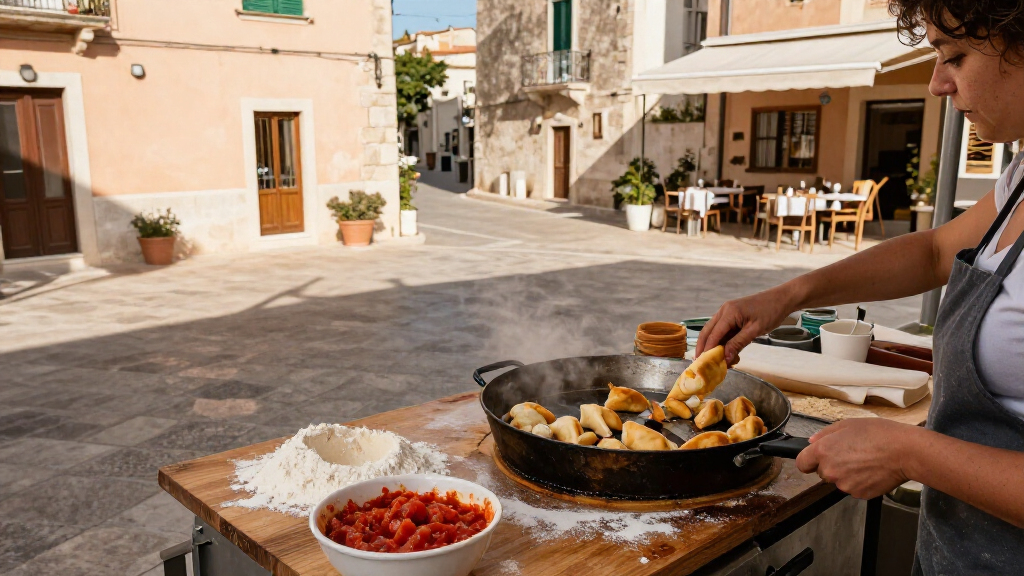
Panzerotti fritti are small, usually half-moon-shaped pastries from Puglia, made by folding soft dough around a filling, sealing the edge, and deep-frying until blistered and golden. The word fritti means “fried”; baked versions exist, but the classic style gets its delicate crunch from hot oil. You’ll often find them served warm as street food, a snack, or part of a relaxed meal.
Most familiar is tomato and mozzarella, though onion, cooked ham, olives, anchovies, and other cheeses appear in regional and family variations. The name is related to pancia, meaning “belly,” which suits the plump little shape. One is a panzerotto; more than one are panzerotti. If you order a few at a Bari street-food counter, expect differences in size and filling from one cook to another.
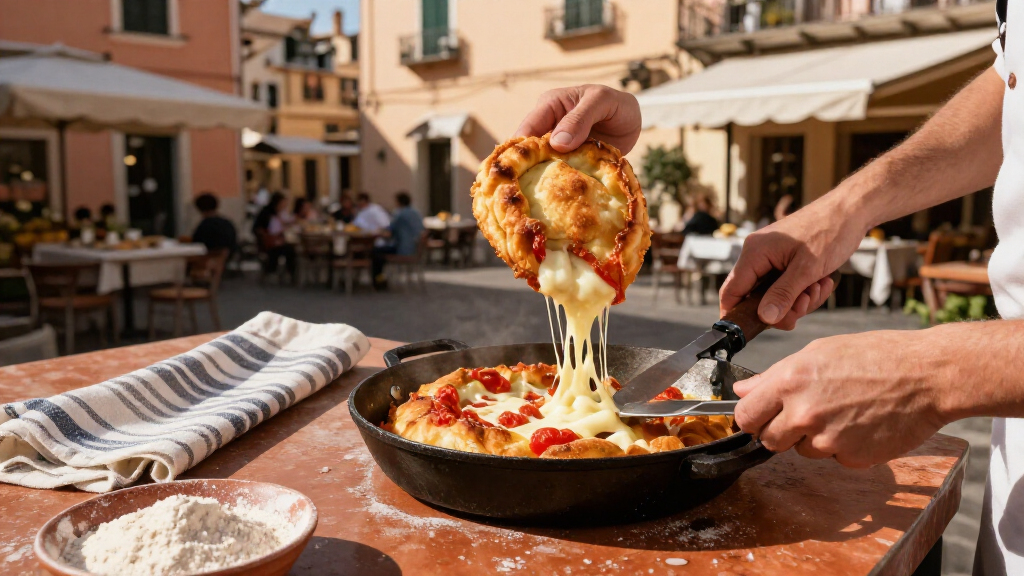
The pleasure comes from contrast: a thin, crisp shell around a soft center. A panzerotto should feel light enough to hold in one hand, but its filling can be intensely hot. Set it on a plate for a minute or two after frying; the brief pause preserves the first bite and saves your tongue.
There is no single definitive recipe. Some doughs use flour, yeast, water, salt, and a little olive oil or other fat; some home cooks add potato for a softer texture. Treat the recipe as a family habit shaped by the town and kitchen, not a rigid formula. That flexibility is part of what makes the snack so inviting.
Products Worth Considering

Dyson V15 Detect Cordless Vacuum

Coway Airmega AP-1512HHS Smart Air Purifier, Black

VIZIO 65-Inch V-Series 4K HDR Smart TV
As an affiliate, we earn on qualifying purchases.
Why Bari turns these little pockets into party food
Panzerotti fritti are closely tied to Puglian home cooking and street-food culture, where modest ingredients become something people gather around. Bari is especially associated with them, though you’ll find panzerotti across Puglia. Their size makes them easy to pass around, and their simple dough welcomes fillings that reflect a cook’s pantry or the season.
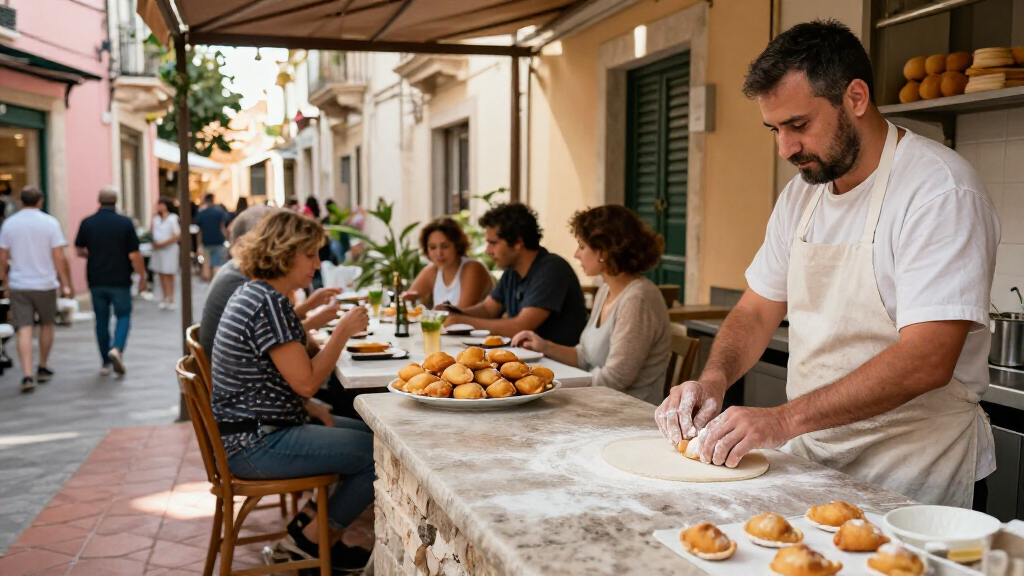
Imagine a family gathering where a tray arrives still shining from the fryer. One person reaches for a cheese-filled pocket; another chooses one with onion or olives. The crisp crust makes a quiet rustle as you bite, while the steam carries the smell of tomato and warm dough. That shared moment explains why panzerotti work as party food without needing elaborate presentation.
The snack also gives you a practical way to explore a place through food. In Puglia, try one warm from a local bakery or street-food counter, then notice how the dough and filling compare with the version you know. When you return home, make a small batch for friends and pair it with a simple salad. You’re bringing a real regional form to the table, not just borrowing the name.
There isn’t one fixed regional recipe, so avoid treating every variation as an inauthentic detour. A cook may change the dough, size, or filling to suit the household. Seasonal vegetables and regional cheeses can make sense when they’re handled thoughtfully. The reliable thread is the sealed pocket, fried for a crisp shell and served warm.
How to shape and fry panzerotti without leaks
To fry panzerotti without leaks, keep the filling modest and fairly dry, protect the rim, and seal each half-moon firmly. Use moderately hot oil, around 340–355°F (170–180°C), so the dough cooks through without absorbing excess oil or browning too quickly. For a home batch, work in small groups and give the oil time to recover between them.
- Prepare the filling. Cook or drain the tomato until it is not watery, and drain mozzarella well. Wet filling can weaken the seam and make the pastry burst.
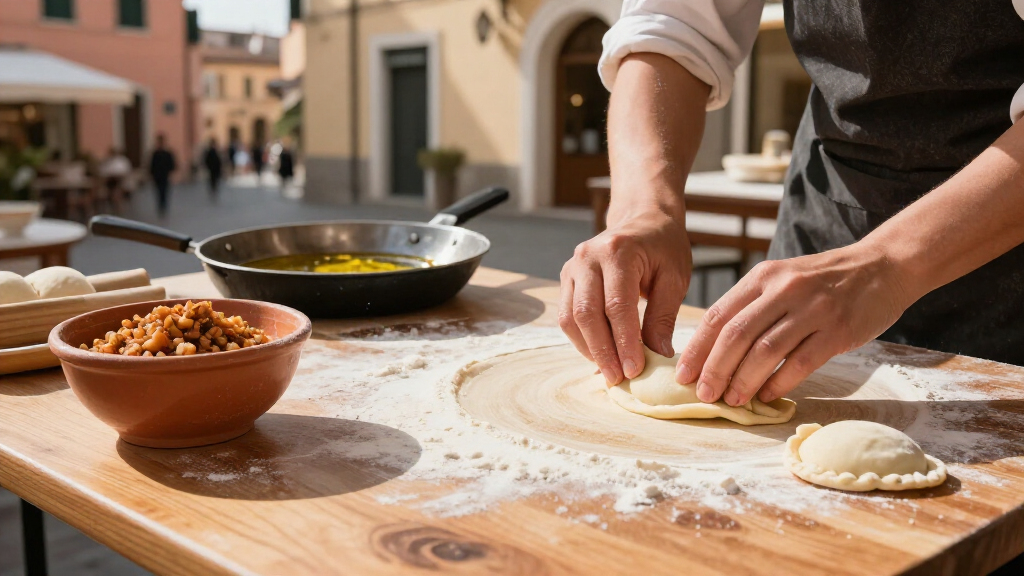
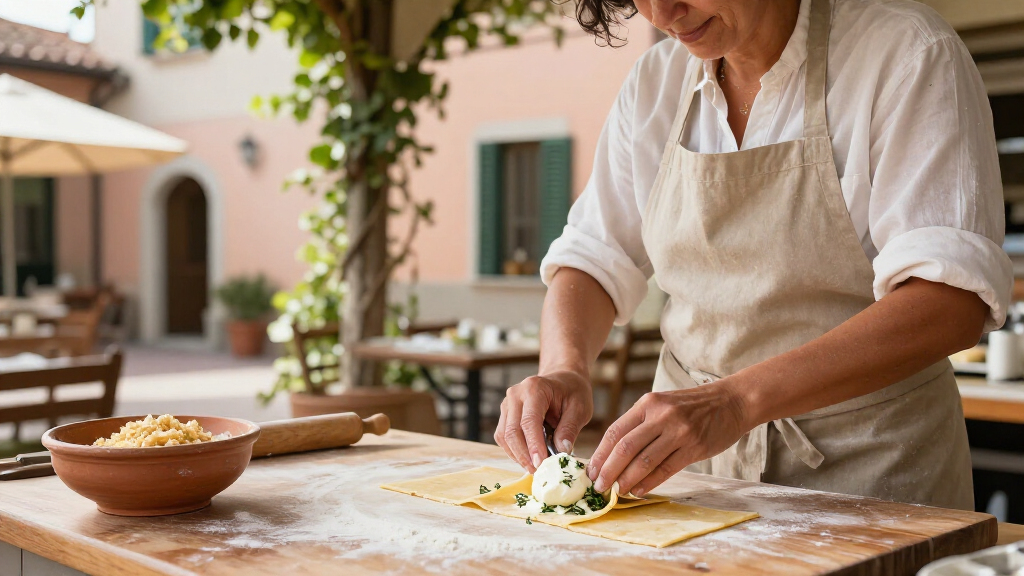
- Roll and fill. Roll the dough into rounds and add a small spoonful of filling to one side. Leave a clean border around the edge so the dough can grip itself.
- Fold and seal. Fold the round into a half-moon. Press out trapped air gently, then pinch the edge firmly shut. A fork can crimp the rim, but check that no filling smears across it.
- Fry in batches. Lower the pastries into the oil carefully. Turn them as needed and fry until evenly golden and cooked through, keeping the oil near the target range.
- Drain and rest. Lift them onto a rack or paper towels. Let them cool briefly before serving, since the filling can stay hotter than the crust.
Picture your first panzerotto opening at the seam in the oil: a small leak of tomato can quickly darken and scatter. That’s often a sign of a dirty rim, too much filling, or an incomplete seal. Make one test pastry first, and adjust the amount before shaping the rest.
Take care around hot oil. Use a deep, stable pot and avoid crowding it; adding too many cold pastries drops the oil temperature and can leave the crust greasy. Keep water away from the fryer, lower each piece gently, and never leave the pot unattended. A kitchen thermometer makes temperature control easier than guessing by color alone.
Choose fillings that taste good and stay inside
The best panzerotto filling balances flavor with low moisture, because excess liquid can break the seal during frying. Tomato and mozzarella is the classic combination, but a little preparation makes it more dependable: cook down the tomato or drain it well, and give fresh mozzarella time to release excess liquid. You want a spoonful that tastes bright, not one that runs across the dough.
For a simple weeknight batch, try tomato and a suitable mozzarella with a pinch of salt. If you want a more savory variation, use cooked ham, olives, or anchovies in modest amounts. Anchovies bring a strong, salty note, so a little goes a long way. Cooked onion can add sweetness, especially when you let it cool before filling.
Seasonality gives you room to improvise while keeping the snack connected to Puglia. In spring, well-drained cooked greens and cheese can make a satisfying filling; in summer, use ripe tomato but remove excess juice. For an easy example, spoon a teaspoon of drained tomato onto a dough round, add a few small pieces of mozzarella, and leave a generous clean border.
Dietary choices need a quick check. Tomato-and-cheese versions can be vegetarian if the cheese uses suitable ingredients, but some fillings include meat or anchovies. Dairy is a common allergen in mozzarella and other cheeses; wheat is present in the dough, and some fillings may contain fish. If you serve guests, label the fillings and use separate utensils so a savory surprise does not become an unwelcome one.
Know when a panzerotto is closer to a calzone
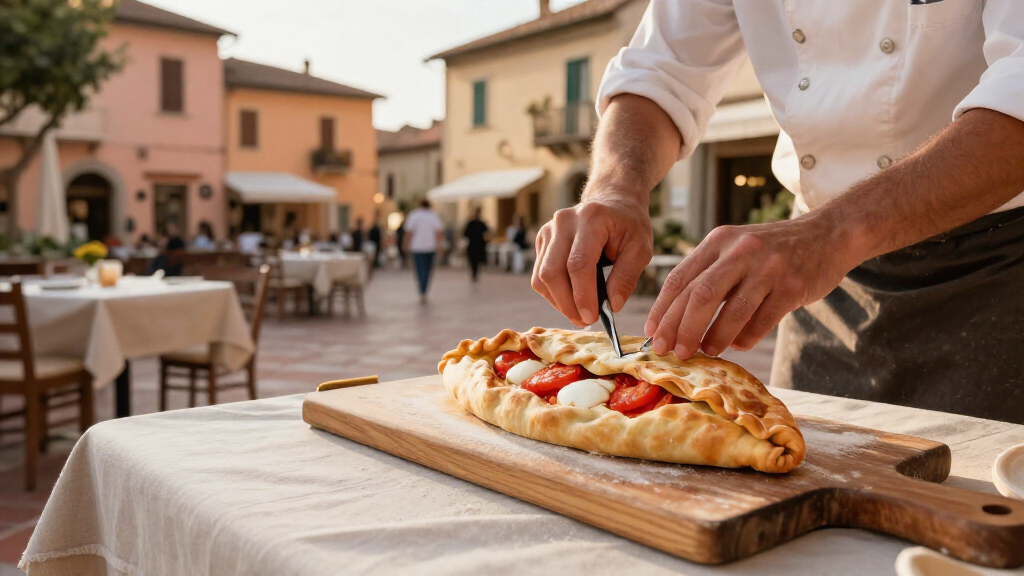
Panzerotti are generally smaller and deep-fried, while calzones are usually larger and baked, though cooks make variations of both. They share the idea of dough wrapped around a filling, so the names can blur on menus. The cooking method and typical size give you a useful clue when you’re deciding what to order or make.
| What to compare | Panzerotto | Calzone |
|---|---|---|
| Typical size | Small, handheld pocket | Often larger and more meal-sized |
| Common method | Deep-fried in the classic style | Usually baked |
| Texture | Crisp, blistered outside; soft filling | Browned dough, often breadier |
| Regional association | Puglia, especially Bari | Associated with pizza traditions in other regions |
If you’re at a menu in southern Italy, ask whether the panzerotto is fried or baked, especially if the menu uses the name loosely. If you’re cooking at home, choose based on what you want: a crisp snack for sharing or a larger baked pocket that can serve as a meal. A baked panzerotto is a valid adaptation, but it won’t have the same crisp, lightly blistered finish as the fried version.
The distinction matters because the method changes the eating experience. A fried panzerotto has a quick crunch and a tender center; a baked one is more like a browned, soft pastry. Neither needs to be treated as a contest. Just know what you’re ordering, and let the regional name guide you toward the style you want.
Make ahead safely and serve them at their best
You can shape panzerotti ahead, chill them briefly, and fry them close to serving time for the crispest result. Arrange the uncooked pastries in a single layer so they don’t stick or press against each other. If you need longer storage, freeze them uncooked and well separated, then follow your recipe’s directions for frying from frozen or thawed based on dough thickness.
For a gathering, shape the batch before guests arrive and keep the tray chilled while you prepare the rest of dinner. Fry in small batches just before serving, and move each finished piece to a rack or paper towels. The crust is best soon after frying, when it still crackles lightly rather than softening from trapped steam.
Use ordinary food-safety care with the filling. Keep cheese and cooked ingredients chilled until you assemble the pastries, and do not leave perishable filled dough sitting out for an extended period. Refrigerate leftovers promptly in a covered container and reheat them until hot throughout; a hot oven or air fryer can bring back some surface crispness, though the texture will differ from fresh-fried.
Set out a small plate and tell guests to let the first bite cool. The crust may feel ready while the center still holds a pocket of heat. If children are eating, cut one open and check the temperature first. That tiny pause keeps the snack enjoyable and gives everyone time to catch the smell of tomato and warm dough before the first bite.
Try the Puglian version before you invent your own
Start with a tomato-and-mozzarella panzerotto, then explore variations once you know the classic texture. The familiar filling lets you judge the dough and frying: a crisp shell, a clean seam, and a hot, soft center. After that, a seasonal vegetable or salty olive can bring a new character without losing the basic shape and method.
If a trip to Puglia is on your calendar, look for panzerotti in Bari and beyond, alongside the region’s other local foods. Order one fresh, ask what is inside, and give it a minute to cool. Notice whether the dough is thin or more pillowy, and whether the tomato tastes bright or mellow. Those details give you something concrete to recreate at home.
At your own table, make a small batch for a weeknight aperitivo, the Italian pre-dinner moment for a drink and a bite. Keep the food central, and if you serve alcohol, offer it to adults only and encourage responsible drinking. Sparkling water or a nonalcoholic drink works just as well beside a warm pastry.
Panzerotti fritti are also a useful reminder that regional food often grows from adaptable ingredients and shared habits. Online recipes may show different folds or fillings; that variety reflects home cooking rather than a single official template. Try one reliable version, write down what worked, and let your next batch follow the season or what you have on hand.
Frequently Asked Questions
Are panzerotti the same as calzones?
They’re related filled-dough pastries, but panzerotti are generally smaller and fried, while calzones are usually larger and baked. Menus vary, so ask how a particular version is cooked.
Are panzerotti always fried?
No. Baked versions exist, but fritti specifically means “fried,” and frying is the classic style described here. Baking gives you a softer, browned pastry rather than the same crisp shell.
What is the traditional panzerotto filling?
Tomato and mozzarella is the best-known filling. You’ll also find variations with cooked onion, olives, anchovies, ham, or other cheeses, depending on the cook and place.
Why do panzerotti leak while frying?
A weak seal, a dirty rim, too much filling, or watery ingredients can let the center escape. Drain the tomato and cheese, leave a clean border, and press the folded edge firmly shut.
Can I make panzerotti ahead?
You can fill and shape them ahead, then chill them briefly before frying. For longer storage, freeze them uncooked and separated; follow your dough recipe for whether to fry from frozen or thawed.
How hot should the oil be?
Many recipes use moderately hot oil around 340–355°F (170–180°C). Cooler oil can make the pastries greasy, while oil that is too hot can brown the outside before the dough cooks through.
Conclusion
Make your first batch with well-drained tomato and mozzarella, a clean rim, and oil near 340–355°F. The careful seal keeps the filling inside; a short rest after frying keeps the molten center from catching you off guard.
Then pass the warm pockets around while the crust still crackles. That’s the little Puglian party trick: a handful of simple ingredients, folded into something worth gathering for.