AIThis post was created with the assistance of artificial intelligence (AI).
TL;DR
Radicchio Rosso di Treviso IGP Tardivo is a late-season chicory from Veneto, prized for its curled deep-red leaves, white ribs, and crisp balance of bitterness and sweetness. Its distinctive shape comes from a traditional water-forcing and hand-trimming process; at home, serve it raw with fruit and nuts or cook it briefly with olive oil, salt, and a touch of sweetness.
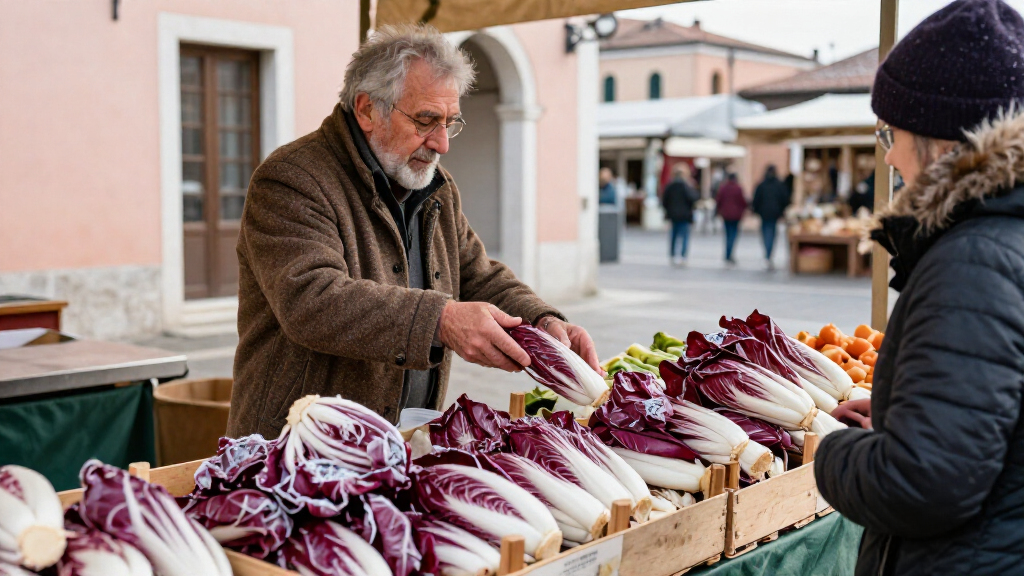
A head of Treviso Tardivo can look more like a flower than a vegetable: narrow crimson leaves curl around bright white ribs, crisp enough to snap when you pull them apart. That striking shape comes from work done after the plant leaves the field, not from a decorative variety bred for the plate.
Before you orderOffer from Amazon
Get kitchen staples and gadgets delivered free with Prime
This late-season chicory comes from Veneto, where growers finish the plants in water and prepare the tender inner leaves by hand. Once you know what the IGP label means and how to balance the vegetable’s pleasantly bitter edge, you can choose a good head at the market and make it shine in a winter salad, on the grill, or folded into risotto.
At a glance
Radicchio di Treviso Tardivo: Winter’s Edible Flower
Key insight
The curled, tender leaves of Treviso Tardivo are shaped after field harvest: plants are placed in water to force new shoots, then their outer leaves are removed and inner leaves are trimmed and clean…
Key takeaways
1
Treviso Tardivo is a late-season chicory from Veneto, commonly available from late autumn through winter.
2
Its curled leaves and tender white ribs come from forcing after field harvest and careful hand trimming.
3
Look for the full Radicchio Rosso di Treviso IGP Tardivo name when provenance matters.
4
Balance its bitterness with fat, salt, acidity, or a touch of sweetness; cook it briefly to keep some bite.
5
Store the head unwashed in the refrigerator and rinse and dry it shortly before serving.
Step by step
1
A simple three-step plan for buying, preparing, and serving it
Buy a firm head, dry the leaves well, and cook or dress it with a clear plan .
Food · Briefing
Radicchio di Treviso Arrives The Winter Flower You Can Eat
Treviso Tardivo is a crisp, pleasantly bitter chicory from Veneto. Its curled red leaves and tender white ribs are shaped by water forcing and careful hand trimming.
What makes it a winter flower?
Long, narrow crimson leaves curl around bright white ribs, creating a loose, flowerlike head.
Appearance
A striking shape
The curled leaves separate easily for salads; sturdy ribs hold up to brief grilling or roasting.
Flavor
Bitter, crisp, balanced
Fat, salt, acidity, or a touch of sweetness can soften its pleasantly bitter edge.
How growers shape the head
The distinctive finish happens after field harvest.
1
Force new shoots
Plants are placed in water, traditionally in dark conditions, to encourage tender inner growth.
2
Trim by hand
Growers remove outer leaves, then trim and clean the inner leaves.
3
Keep it crisp
Serve raw or cook briefly to preserve the leaves’ texture and contrast.
Check the name and origin
Shape can suggest the type, but the label is the provenance check.
Type
Harvest and finish
Leaf shape
Treviso Tardivo
Late harvest, then water forcing and hand trimming
Long, narrow, curled leaves
Treviso Precoce
Earlier harvest
Broader, more open leaves
Other chicories
Varies by type
Shapes vary
A winter market guide
Look for
The full name Radicchio Rosso di Treviso IGP Tardivo
Firm leaves with crisp white ribs
Availability commonly from late autumn through winter
Prepare and serve
Keep unwashed in the refrigerator; rinse and dry shortly before serving
Pair raw leaves with fruit, nuts, or sharp vinaigrette
Grill, roast, or sauté briefly to retain some bite
ProvenanceA red, curled head alone cannot confirm protected origin; check the certified name on the label or ask the seller.
The takeaway
Treviso Tardivo’s winter-flower form comes from careful finishing: choose the certified name when origin matters, then let its crisp bitterness shine with balanced seasoning and brief cooking.
What makes Treviso Tardivo look like a winter flower?
Radicchio di Treviso Tardivo is a late-harvest chicory from Veneto with long, narrow, deep-red leaves and bright white ribs that curl into a loose head. Its flowerlike appearance, winter season, and crisp bite have earned it the nickname fiore d’inverno, or “winter flower.” The appearance is more than a visual flourish: narrow leaves are easy to separate for salads, while their sturdy ribs can stand up to brief grilling or roasting.
“Tardivo” means late in Italian. Compared with the region’s earlier Precoce type, Tardivo goes through a later harvest and finishing process that gives it its recognizable shape and tender inner leaves. It is commonly available from late autumn through winter, though the exact window shifts with the harvest and what local markets carry. That seasonality helps explain why it is often treated as a winter ingredient rather than a year-round salad staple.
Imagine unpacking a head on a cold evening: the outside is dark red, while the curled leaves inside show white ribs and pale tips. The colors invite you to set the whole head on a platter, but the texture does the real work. The ribs stay crisp, and the leaf tips give a gentle bitterness that pairs well with a sweet pear or a spoonful of honey in a vinaigrette. The contrast matters: sweetness rounds the bitter edge, while acidity keeps the dish from tasting heavy.
The name radicchio rosso di Treviso refers to the red chicory associated with this part of Veneto. The appearance may remind you of other chicories, but the cultivar, growing area, and handling shape the eating experience. If a recipe calls for Tardivo, that curled, narrow-leaf form is what makes the dish look and feel right. Another chicory may work in the same recipe, but the result can have broader leaves, a different rib texture, or a less pronounced curl.
Products Worth Considering
Dyson V9 Motorbar Cordless Vacuum
Levoit EverestAir-P Smart Air Purifier for Large Rooms
Dyson V15 Detect Cordless Vacuum
As an affiliate, we earn on qualifying purchases.
How the forcing process creates tender, curled leaves
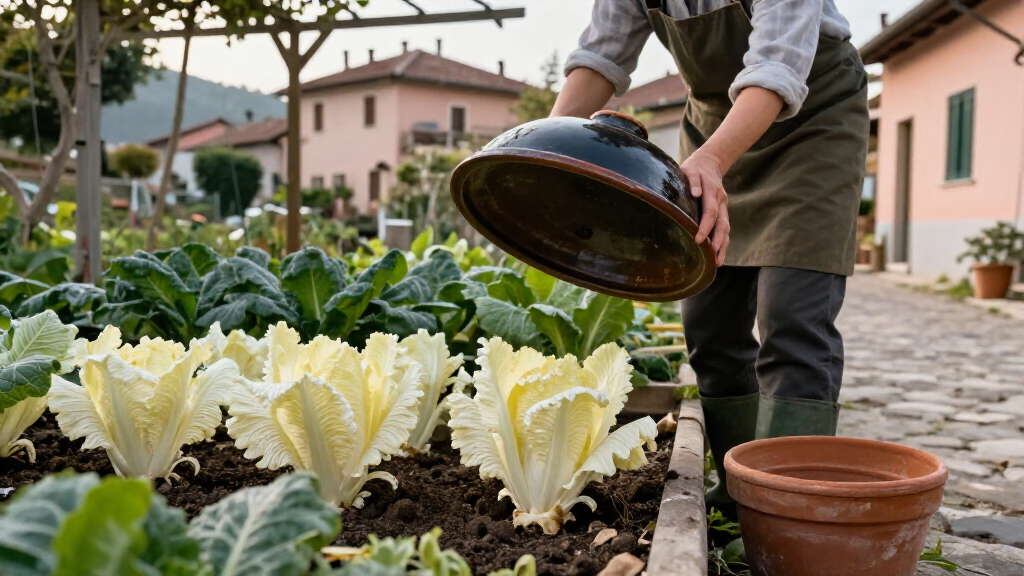
Treviso Tardivo gets its tender texture and curled shape through post-harvest forcing, a finishing method in which harvested plants are placed in water to encourage new shoots. The process, called imbianchimento (whitening or forcing), helps develop pale ribs and tender leaves with a balance of bitterness and sweetness. This stage is what turns a field-grown plant into the compact, usable head sold as Tardivo.
The plant does not simply emerge from the field looking like the elegant head you see at a market stall. Growers place the harvested plants in water, traditionally in dark conditions, so the inner shoots develop. Then they remove the outer leaves and trim and clean the inner ones by hand. Darkness limits green pigmentation, while the water encourages fresh growth; together, these steps produce paler, more tender inner leaves. The handwork also removes tougher parts that could make the finished head less pleasant to eat.
Think of the process as a final dressing of the plant by the grower: field growth supplies the base, while water and darkness encourage new, more tender leaves. The handwork takes time, so the finished vegetable reflects both growing conditions and skilled preparation. It also explains why certified Tardivo has a more refined shape than a loose bunch of red chicory tossed into a bin. That care has a practical payoff in the kitchen: the leaves are more uniform and easier to arrange, but their fine structure can be lost if cooked too long.
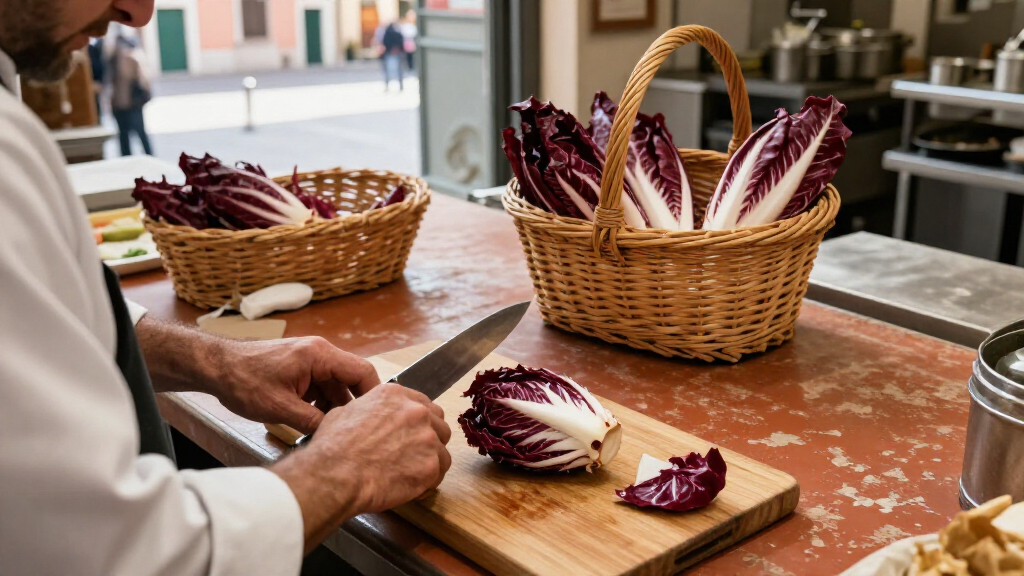
That craft changes how you might cook with it. A raw salad shows off the fine curl and crisp rib; a hot pan softens the leaves without erasing their structure if you cook them briefly. For example, quarter a head, brush the cut sides with olive oil, then grill until the edges char and the ribs just begin to soften. Leaving the base intact helps the quarters hold together, while the char adds a smoky note that offsets the chicory’s bitterness.
The flowerlike form is a record of the finishing process. Look at the curled leaves and white ribs as signs of how the plant was forced and trimmed, not just as decoration. They also tell you how to handle it: gentle preparation preserves the leaves’ crisp contrast, while prolonged heat makes them softer and mellower.
How to tell certified Treviso Tardivo from similar chicories
Radicchio Rosso di Treviso IGP Tardivo is a protected Italian chicory grown in defined parts of the Veneto region: the provinces of Treviso, Padua, and Venice. The European Union’s Protected Geographical Indication (PGI/IGP) ties the product name to a defined area and production rules, which helps you distinguish certified Tardivo from red chicories that merely look similar. The label is useful because appearance can suggest a type, but it cannot prove where or how a particular head was produced.
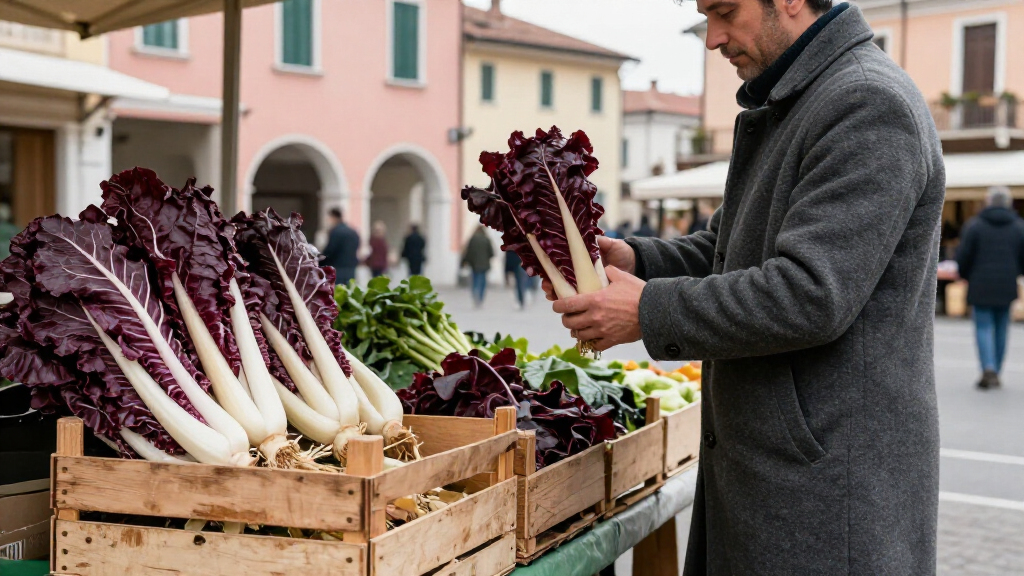
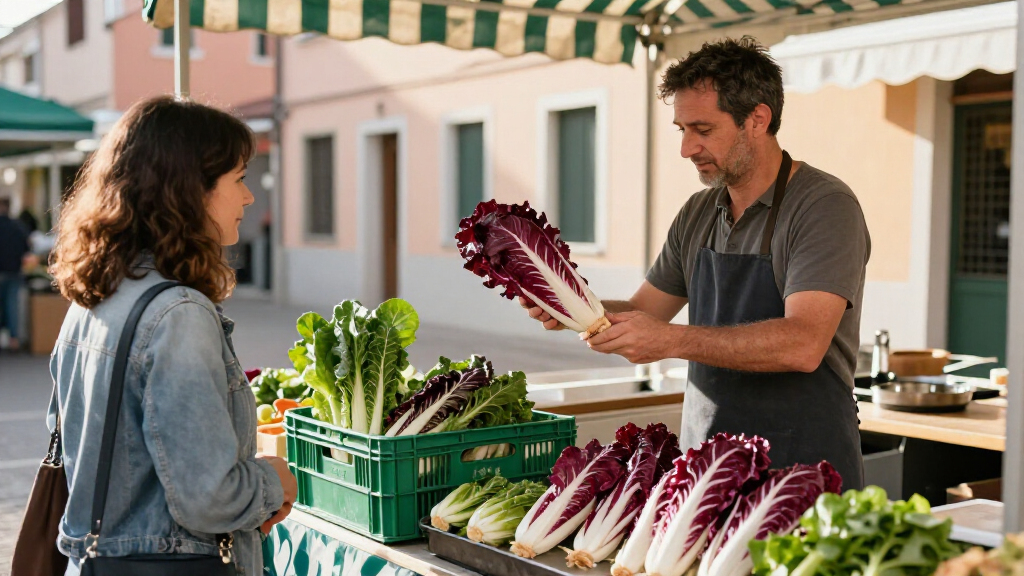
At a market, check the name on the label or ask the seller whether the head is certified Radicchio Rosso di Treviso IGP Tardivo. A loose head with red leaves is not automatically Treviso Tardivo. The certified name gives you a provenance check, while the curled form, white ribs, and late-season availability offer further clues. If the label is missing, you can still judge freshness and likely type from the leaves, but you cannot confirm protected origin from shape alone.
Tardivo and Precoce are both associated with Treviso, but they differ in timing and finish. Tardivo is harvested later and undergoes the forcing and trimming process that creates its curled leaves. Precoce is harvested earlier and tends to have broader, more open leaves. Belgian endive is also a chicory, but it is a different type with its own shape and production tradition. These distinctions affect more than presentation: the finer Tardivo leaves suit a composed salad or quick cooking, while a broader-leaf substitute may need different cutting or cooking time.
What you’re comparing
Treviso Tardivo
Other chicories or Precoce
Leaf shape
Long, narrow, curled leaves
Precoce is more open; other chicories vary
Season and finish
Late harvest, followed by forcing
Depends on variety and production method
Provenance check
Look for the full IGP name
A similar color or shape alone proves no specific origin
If your store has only another radicchio, you can still make the recipe. Just expect a different level of bitterness, a different rib texture, or a less dramatic curl. A substitute can work in a warm pasta dish; for a platter where those curled leaves are the centerpiece, check the label and buy the certified product if available. Choosing a substitute is a tradeoff: you keep the dish’s general bitter-chicory character, but give up some of the distinctive texture and provenance that define Tardivo.
How to balance its bitterness in salads and cooked dishes
Balance Treviso Tardivo’s pleasant bitterness with fat, salt, acidity, or a little sweetness. Its crisp leaves taste lively rather than harsh, but their flavor can shift with growing conditions, maturity, and preparation. You can serve it raw or cooked; each approach brings out a different side. Raw leaves preserve the contrast between bitter tips and crisp ribs, while heat softens both the texture and the flavor.
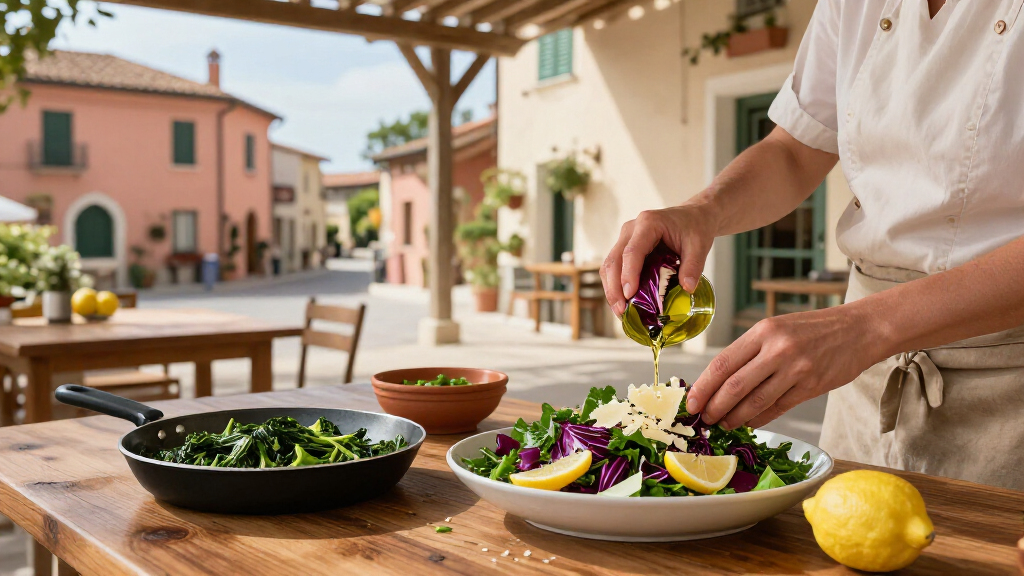
For a raw winter salad, separate the leaves, rinse them well, and dry them thoroughly. Pair them with sliced pear or apple, toasted walnuts, aged cheese, and a sharp vinaigrette. The fruit rounds off the bitter edge, the cheese adds salt and richness, and the vinegar keeps each bite bright. The balance matters because adding sweetness alone can make a salad cloying; acidity and salt keep the fruit and cheese from overwhelming the chicory. If you bring that salad to dinner, dress it just before serving so the leaves stay crisp.
Cooking softens the flavor. Halve or quarter a head, brush it with olive oil, and grill or roast it until the tips darken and the ribs begin to give. A little salt and a squeeze of lemon work well; balsamic vinegar or a small drizzle of honey can add sweetness. For a simple weeknight plate, serve grilled Tardivo beside white beans and toasted bread. The main tradeoff is texture: more heat brings a mellower, softer result, but cooking past the point where the ribs just yield can flatten the leaves and their characteristic snap.
In risotto or pasta, add the leaves near the end if you want them to keep some bite. Let them cook longer if you prefer a softer, mellower result. The difference is easy to taste: add Tardivo for the final few minutes of a pot of risotto and the ribbons remain distinct; stir them in earlier and they fade into a tender, pleasantly bitter sauce. Timing lets you choose whether the chicory acts as a crisp accent or blends into the dish’s base flavor.
Raw: Match the leaves with pear, apple, nuts, aged cheese, and vinaigrette.
Grilled or roasted: Use oil and salt; cook until the ribs soften and the edges char.
Braised or sautéed: Pair it with beans, sausage, pancetta, polenta, or risotto.
Cheese and nuts are common allergens, so tell guests what is in a salad and offer them separately if needed. Wash the leaves under clean running water and dry them before serving. That small step makes a raw salad more pleasant, since water clinging to the leaves can dilute the dressing and make it harder for the vinaigrette to cling evenly.
A simple three-step plan for buying, preparing, and serving it
Buy a firm head, dry the leaves well, and cook or dress it with a clear plan. Those three choices protect the texture that makes Tardivo special. At a winter market, choose a head with crisp leaves and intact ribs; avoid one that looks limp or heavily damaged. A firm head gives you flexibility: intact leaves can become a salad, while a slightly imperfect outer leaf can be removed before grilling or cooking.
Check the name and condition. Look for the full IGP name if you want certified Treviso Tardivo, then check that the leaves feel firm and the cut base looks fresh. A curled shape is a helpful clue, but the label is the more reliable check on provenance. Freshness and certification answer different questions: the label tells you about origin and production rules, while the feel of the head tells you whether it is likely to have the texture you want today.
Trim, wash, and dry. Remove any damaged outer leaves. Separate or trim the leaves for a salad, or halve or quarter the head for grilling. Rinse under clean running water and dry thoroughly with a clean towel or salad spinner. Drying is especially important before dressing or grilling: water left on the leaves dilutes vinaigrette and interferes with browning.
Choose the texture you want. Serve the leaves raw with fruit and nuts, or cook cut pieces until the ribs just soften. Add Tardivo late to pasta or risotto for some remaining bite, or earlier for a softer result. Deciding on texture before cooking helps you avoid treating every leaf the same way; a salad needs intact crispness, while a sauce can benefit from longer cooking.
A useful first try is grilled Tardivo with cannellini beans. Cut a head into quarters, keeping the base intact so the leaves stay together, brush each piece with olive oil, and grill until the edges are charred and the ribs soften. Finish with salt and lemon. If you cannot grill, a hot skillet or oven can give you a similar tender center and browned tips. Keeping the pieces attached makes them easier to turn and serve, and the browned surface provides a savory counterpoint to the bitter leaves.
For a seasonal Veneto-inspired meal, serve those quarters beside polenta (cornmeal porridge) and beans. It is a practical way to make a striking vegetable the center of dinner without burying its flavor in a complicated sauce. Adjust the acidity or sweetness at the table: a squeeze of lemon sharpens the dish, while a little balsamic vinegar rounds it out. This lets diners tune the balance without masking the chicory’s own flavor.
How to store Treviso Tardivo and keep it crisp
Keep Treviso Tardivo unwashed in the refrigerator and use it while the leaves remain firm. Washing before storage leaves extra moisture among the curls, which can make the delicate leaves deteriorate faster. A loosely wrapped head or a produce bag helps protect it without trapping excess moisture. Storing it whole also limits the exposed cut surfaces that can dry out before you are ready to cook.
When you get home from the market, check the outside and remove only leaves that are damaged or starting to wilt. Leave the rest of the head intact until you are ready to cook. If you plan a salad for Friday, for example, store the head whole and rinse it shortly before dinner rather than washing and separating it on the day you buy it. Removing only what is damaged preserves the firmer inner leaves and avoids handling that can bruise the delicate curls.
Once you cut or separate the leaves, handle them gently and keep them cold until serving. If you have leftovers from a cooked dish, refrigerate them promptly in a covered container and reheat them until hot. For a salad with cheese or nuts, refrigerate leftovers promptly too; add dressing at the last moment when possible, since it gradually softens the leaves. The aim is to limit both moisture and time: the leaves stay crispest before they are washed, cut, or dressed.
Freshness shows up in the hand as much as in the eye. A crisp rib bends only so far before it gives; limp ribs and soggy leaf edges suggest that the head has lost its best texture. If the outer leaves look tired but the inner ones are still firm, trim the damaged parts and use the center in a cooked dish, where gentle heat will soften any slight loss of crispness. This is a useful way to avoid discarding a head just because its outer leaves are past their best.
Raw Tardivo also makes a good last-minute addition to a meal because washing and drying are the only real prep. Keep a head on hand during its winter season, and you can turn a bowl of beans, a plate of roast vegetables, or leftover risotto into a more vivid meal with a handful of fresh leaves. Its storage life is only part of the value; keeping it intact until serving preserves the choice between a crisp garnish and a cooked ingredient.
What a winter visit to Veneto can teach you about this chicory
Treviso Tardivo makes the most sense when you connect it to its Veneto growing area and winter harvest. Its protected name points to an agricultural tradition in the provinces of Treviso, Padua, and Venice, where growers harvest and finish the chicory for its recognizable curled form. A trip to the region in the colder months can put the vegetable on menus when it is in season. Seeing it in that setting helps explain why the post-harvest work is part of its identity rather than a minor production detail.
Think of ordering it in a local restaurant beside polenta or folded into risotto: the dish can show you how cooks treat the vegetable as a winter ingredient, not just a decorative salad leaf. The same idea travels home. When the weather turns cold, use a little olive oil and salt to grill it, then serve it with beans or alongside a bowl of risotto. The pairing works because earthy, mild foods give the chicory room to contribute its bitter edge and crisp texture.
Harvest dates and festival schedules change from year to year, so check current-season information with the Consorzio Radicchio Rosso di Treviso e Variegato di Castelfranco IGP or regional sources before planning a visit around an event. That check matters if you want to see local celebrations or buy directly during the harvest. Market availability also depends on the season and the seller, so ask what is fresh when you arrive. Planning around the season improves the chance of finding Tardivo at its best, but it cannot guarantee a particular event or market stock.
Look for the certified product name when you shop in Veneto, and notice the care in the leaves: clean white ribs, curled tips, and a compact shape. Then bring a practical souvenir home in the form of a cooking idea rather than a fragile head of produce. A salad with pear and aged cheese or grilled quarters with balsamic gives you a useful taste of the region’s winter table. The lesson is portable: match the chicory’s bitterness and crispness with ingredients that soften or complement them, and let the vegetable remain distinct.
Frequently Asked Questions
What is the difference between Tardivo and Precoce?
Tardivo is harvested later and receives a forcing and hand-trimming finish that produces curled, tender leaves. Precoce is harvested earlier and has broader, more open leaves. If you are making a dish where the curled shape matters, look for Tardivo by name.
Why is Treviso radicchio called the winter flower?
The nickname fiore d’inverno means “winter flower.” It refers to the vegetable’s late-autumn and winter season and its striking red-and-white leaves, which curl into a flowerlike head. Separate the leaves for a salad and the shape becomes especially clear.
Is Treviso radicchio the same as Belgian endive?
No. They are both chicories, but they are different types with distinct shapes, production traditions, and flavors. Belgian endive makes a useful substitute in some recipes, though it will not look or taste exactly like Treviso Tardivo.
Can I eat Treviso Tardivo raw?
Yes. Rinse and dry the leaves, then serve them with pear or apple, nuts, aged cheese, and vinaigrette. Cheese and nuts can trigger allergies, so identify them clearly or serve them on the side.
How bitter is Treviso Tardivo?
It has a recognizable but generally pleasant chicory bitterness, balanced by crispness and a mild sweetness. Growing conditions, maturity, and preparation affect the flavor. Grilling or sautéing softens the bitter edge; fruit, salt, fat, or a little sweetness can balance it in a salad.
What does the IGP label tell me?
IGP, the Italian abbreviation for PGI, marks a product tied to a defined geographical area and specified production rules. Look for the full name Radicchio Rosso di Treviso IGP Tardivo if you want to check that the product is certified. Similar color or leaf shape alone does not establish that provenance.
How should I store Treviso Tardivo?
Keep the head unwashed in the refrigerator, loosely wrapped or in a produce bag, and use it while the leaves and ribs remain firm. Wash and dry it shortly before serving. Refrigerate leftovers from cooked dishes promptly in a covered container.
Conclusion
Choose a firm, certified head, keep it crisp, and let its bitterness stay part of the pleasure. Treviso Tardivo needs little more than olive oil, salt, and a good hot pan to show why Veneto growers prize it; pear, walnuts, or aged cheese can make the same leaves shine raw.
When you see those red curls and white ribs in a winter market, think of the hands that finished them after harvest. Then bring the season to your table, one crisp, slightly bitter leaf at a time.
Carbonara ohne Sahne: Warum Authentizität besser schmeckt
Die Wahrheit über authentische Carbonara ohne Sahne zeigt, warum traditionelle Methoden einen besseren Geschmack und eine bessere Textur liefern – entdecken Sie das Geheimnis, um dieses klassische Gericht perfekt zuzubereiten.
Discover the mouthwatering world of Italian cuisine with iconic dishes like Ossobuco and Orecchiette – just the beginning of a culinary adventure waiting for you to explore.