
TL;DR
In Naples, a classic breakfast pairs a crisp sfogliatella riccia or tender sfogliatella frolla with a short espresso, often enjoyed standing at the bar. Bakery recipes, payment routines, prices, and seating rules vary, so watch the local flow, ask clearly, and check posted instructions before ordering.
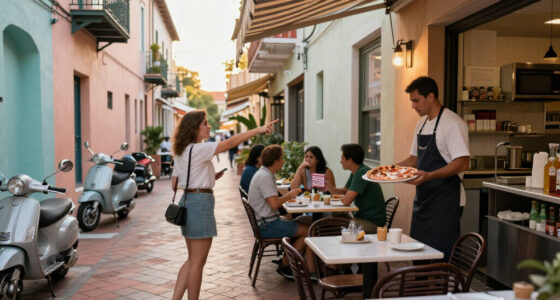
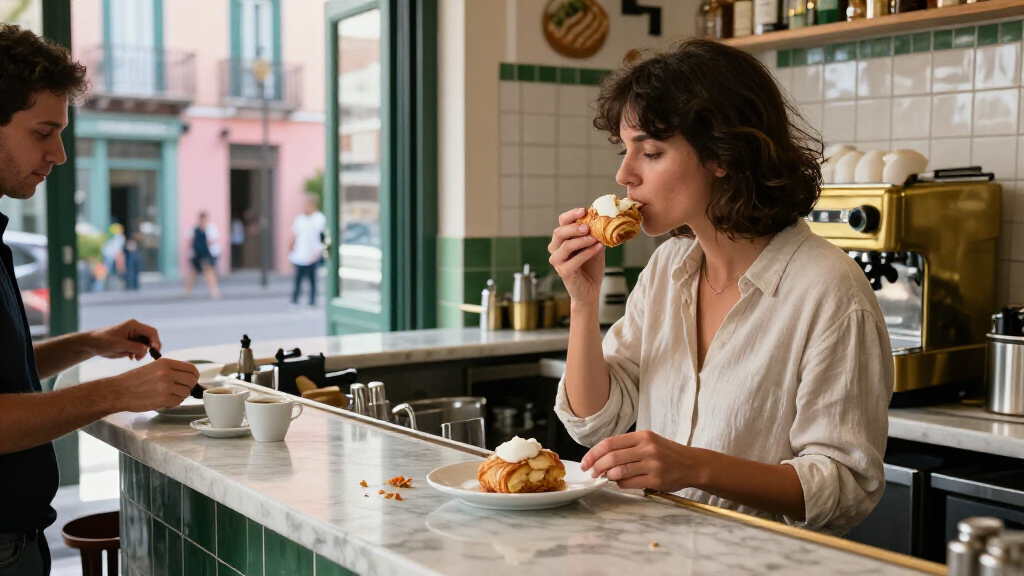
A sfogliatella can leave flakes on your coat before you reach the next street corner. That is part of the pleasure of breakfast in Naples: a pastry in one hand, a small cup of espresso in the other, and the city already moving around you.

Get kitchen staples and gadgets delivered free with Prime
- Fast, free delivery on millions of items
- Prime Video, Amazon Music and more included
- Member-only deals all year
This guide helps you choose between the two best-known sfogliatella styles, order coffee without slowing down the bar, and read the everyday customs that make a quick stop feel distinctly Neapolitan. You’ll also find practical advice on timing, prices, allergens, and choosing between a famous pastry shop and a neighborhood bakery.
Naples’ food culture is built around everyday rituals as much as famous dishes. A morning stop is a small, delicious way to meet those rituals on their own terms: observe, order simply, and enjoy what is fresh.
Choose riccia for a crisp, layered shell or frolla for a smoother, tender shortcrust; fillings often share ricotta, semolina, sugar, and flavorings.
Ask for a standard espresso as un caffè , and observe whether the café expects payment at the till or at the counter.
Check posted prices and service rules because standing and table service can differ, and routines vary by venue.
Try a neighborhood bakery if a famous pastry shop is crowded; freshness, convenience, and the experience you want matter more than a single address.
Ask about wheat, dairy, eggs, and cross-contact if you have dietary restrictions.
Sfogliatella mornings and espresso standing up
A pastry and a quick coffee reveal the everyday rhythm of Naples. Choose by texture, then follow each café’s own ordering and service routine.
Two shells, one classic filling
Both styles commonly share a ricotta, semolina, and sugar filling, with recipes varying by bakery.
Sfogliatella riccia
A flaky, ridged shell brings a crisp first bite and may scatter flakes as you walk.
Sfogliatella frolla
A smoother, tender shell is easier to eat on the move, with a more even bite.
Order with the café’s flow
Ask for un caffè for a standard espresso; payment may happen at the till or directly at the counter.
See whether customers pay first and bring a receipt to the barista.
Wait for a gap and say “Un caffè, per favore.”
Standing service is common; check posted rules before taking a table.
Pick a stop that fits your morning
A famous shop can be part of the experience, while a neighborhood bakery may suit a busy day.
- May draw queues at busy times.
- Check availability and opening hours directly.
- Can offer a calmer counter nearby.
- Ask which style is available and fresh.
Make a comfortable choice
Prices, seating rules, and recipes vary by venue.
- Read posted prices and service instructions before ordering.
- Ask about wheat, dairy, eggs, and cross-contact if you have dietary restrictions.
- A single rich pastry with espresso is often enough.
Choose riccia for crunch or frolla for a softer bite
A Naples sfogliatella is a filled pastry with a shell that comes either in crisp, thin layers or in a smoother shortcrust. The layered version is called riccia (curly); the tender version is frolla (shortcrust). Both commonly hold a sweet mixture of ricotta, semolina, and sugar, often scented with citrus or cinnamon, though each bakery has its own recipe. That shared filling makes the shell the clearest guide to choosing: your preference is about texture and how you plan to eat it, as much as flavor.
Pick riccia when you want a dramatic first bite: the ridged shell crackles, then gives way to a warm, soft center. Its many leaves of pastry look a little like a seashell, and flakes may scatter across the counter. The layers are part of its appeal, but they make it a less tidy choice on the move. Choose frolla for a neater, more buttery-feeling pastry that’s easier to eat on a walk. Its smoother shell gives you a more even bite, though you miss the crisp contrast that defines riccia.
Imagine you’ve just stepped out near Via dei Tribunali and want a breakfast you can carry. Riccia delivers the vivid crunch; frolla is less likely to shed flakes as you walk. Neither is the universal “right” choice, and the filling can vary from shop to shop. If you have time to sit at the counter, flakes matter less; if you’re heading straight into a crowded street, a tidier pastry may be more comfortable.
A single pastry is often enough: sfogliatella is rich, and a short espresso balances its sweetness. Ask what has just come out of the oven if freshness is your priority, since a crisp layered shell can lose some of its appeal as it sits. For a first visit, sharing one riccia and one frolla gives you a useful taste comparison without turning breakfast into a pastry marathon.
Products Worth Considering

Philips Hue Bridge Pro Smart Lighting Hub, 1-Pack

Bose TV Speaker (2nd Gen) Compact Soundbar with Bluetooth and HDMI Connectivity, Black

LEVOIT Vital 200S-P Smart Air Purifier for Large Rooms up to 1875 ft², Quiet 27 dB Operation, AHAM Verifide, HEPA Sleep Mode, White
As an affiliate, we earn on qualifying purchases.
Order espresso standing up without guessing the café’s routine
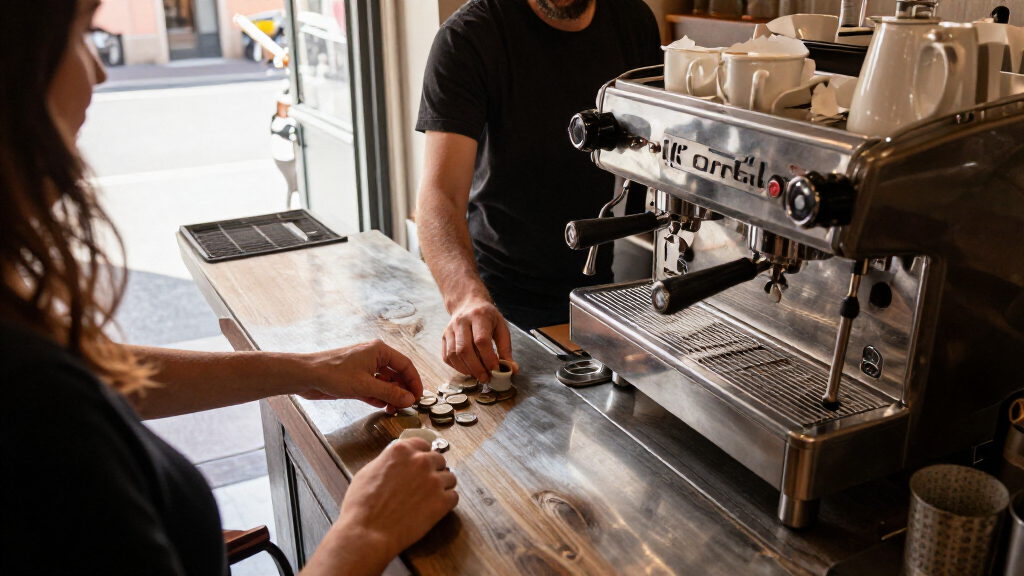
In many Naples bars, you can order a standard espresso by asking for un caffè (a coffee). The familiar routine is to drink it standing at the counter, but payment and ordering vary: one café may ask you to pay at the till first, while another takes your order directly at the bar. Knowing that there isn’t one citywide sequence helps you avoid treating a local custom as a test you can fail.
Watch for a moment before joining in. If customers carry receipts to the barista, pay at the till and bring yours along; if they order directly, wait for a gap and state your order clearly. A simple “Un caffè, per favore” is enough. You don’t need to imitate the speed of regulars—just give the person ahead of you space and avoid blocking the counter after you finish. A brief pause to understand the flow often makes the exchange smoother for you and for the people working through a busy queue.
That quick exchange is part of the meal. You might hear cups clink against saucers, see a barista set down several coffees in a practiced sequence, and trade a nod with someone who has stopped in before work. Neapolitan espresso is often intense and full-bodied, but the cup reflects a café’s blend, machine, water, and technique. The city has a coffee tradition, not one fixed recipe; a different-tasting cup is a sign of the individual bar’s approach, not necessarily an error.
Standing service is common, not compulsory. Seating may be available under different service rules or at a different price. Check the menu or posted instructions before choosing a table, especially if you plan to linger. The counter usually suits a quick stop between the historic center and the waterfront, while a seat can give you a needed rest; the tradeoff is that table service may cost more or follow a different ordering routine. Choose based on the time and comfort you want, then follow the venue’s instructions.
Make time for a morning pastry without chasing the queue
Morning is a classic time for sfogliatella, but each bakery’s supply and schedule can differ. Arriving earlier may give you more choice, while a popular shop can still be crowded; check its current opening hours and availability directly before setting out. The practical benefit of an early stop is choice, not a guarantee of a warm pastry or an empty counter.
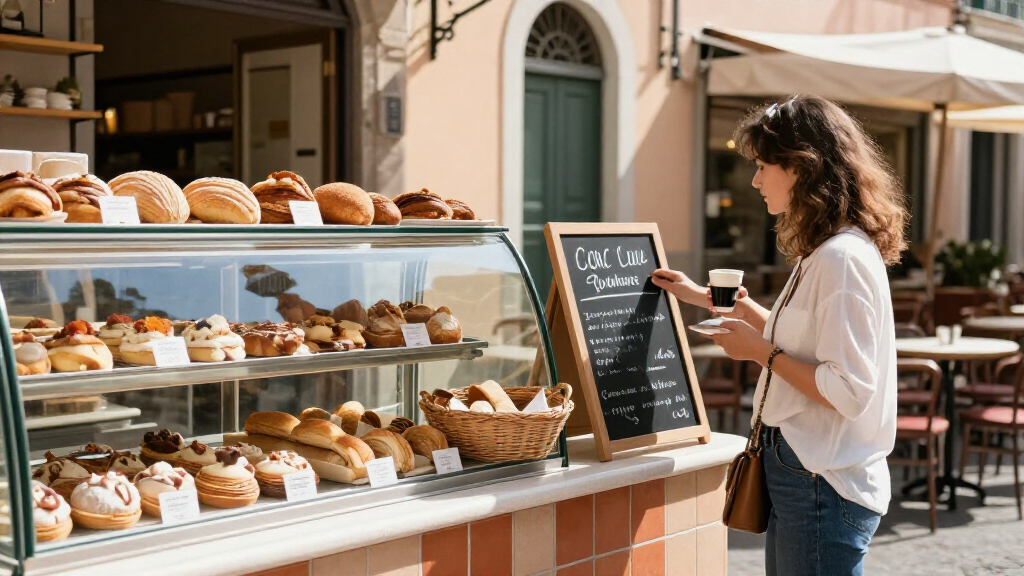
Well-known pastry shops can be a rewarding first stop, especially if you want to compare a signature pastry with what you’ve seen in travel photos. They can also attract queues at busy times. Waiting may be worthwhile if the shop itself is part of the experience for you, but it takes time from the rest of your day and does not guarantee that a particular style is available. If you find yourself waiting behind a crowd, a nearby neighborhood bakery may offer a calmer counter and a pastry that suits the moment just as well.
For example, plan a pastry stop near a morning walk rather than crossing the city solely to arrive at a particular shop. If the famous venue is packed, look for a bakery on a street you already want to explore, then ask whether riccia or frolla is available. The point is to taste a local form, not to treat one address as the only authentic one. This keeps breakfast flexible: you can still enjoy the pastry even if the best-known stop is busy or out of your preferred choice.
Prices and opening hours change, and sitting down may affect the bill. Read the posted menu or ask the price before ordering if it isn’t clear. That small check helps you choose between a quick standing breakfast and a longer café break without an awkward surprise at the end, and lets you decide whether the extra time and cost of a seat are worth it for your day.

Pair a rich sfogliatella with coffee and a little patience
Sfogliatella and espresso make a satisfying pairing because the pastry is rich and sweet while the coffee is small, dark, and often intense. One pastry and one espresso can be a complete breakfast, especially if you’ll be eating lunch later. The modest portion is useful when you want to keep moving or save your appetite for another meal; if you need a more substantial start, treat it as a first stop rather than assuming it will hold you through the morning. The best pairing still depends on your taste and the café’s coffee.
Take a first bite before reaching for your cup. With riccia, notice how the crisp layers break against the softer ricotta-and-semolina center; with frolla, the shell feels more even and tender. A sip of espresso afterward cuts through the sweetness. It’s a tiny contrast, like the bright peel of citrus against a warm pastry filling. Taking the time to notice it makes the two items feel like a pairing, rather than just breakfast eaten in a hurry.
There’s room for variation. Some cafés offer other pastries or simple biscuits, and not every traveler wants a substantial breakfast. If you’re sharing, order one sfogliatella and two coffees, then decide whether you want more. This lets you sample without committing to a second rich pastry, and gives you a chance to judge the café’s portion and coffee before ordering again. If you prefer a slower meal, ask about seating and service before settling in.
Popular, highly photographed venues can be busy, particularly when visitors arrive around the same time. A neighborhood bar may have fewer people taking pictures and more regulars stopping in for a quick cup. Both settings can be enjoyable; choose based on whether you want a landmark moment or a glimpse of the city’s ordinary morning rhythm. The famous stop may deliver the sense of occasion you’re seeking, while a nearby bar can save time and make it easier to fit breakfast into the rest of your day.

Read the counter, then choose a bakery that fits your day
The easiest way to feel at home in a Naples café is to treat its posted prices and local routine as your guide. There is no single rule for every bar: some separate payment from ordering, and some offer table service under different conditions. Watch one customer go through the process, then follow the same path. That small observation helps you avoid joining the wrong queue or discovering a price difference only after you sit down.
Here’s a practical sequence for a first stop:
- Check the menu or price list. Look for any difference between counter and table service; this tells you whether lingering changes the cost.
- Notice where people pay. If they stop at the till first, do the same and keep the receipt. It gives the barista a clear sign that your order is paid.
- Choose your pastry. Ask whether riccia or frolla is available, and point if the display makes the options clearer. Availability can change, so ask before settling on a choice.
- Order simply. Say un caffè for a standard espresso and add your pastry choice. A concise order is easier to hear in a busy bar.
- Make room when you finish. Step away from the bar so the next person can order. Counter service is designed to keep people moving, and clearing space helps the routine continue.
This approach works whether you’re in a busy central bakery or a small neighborhood café. Say “Riccia, per favore” or “Frolla, per favore,” and ask the price if it isn’t posted. A tip is not generally expected for a quick counter coffee; check your bill and the venue’s practice, especially when you sit down. Clear questions also help you make a choice that fits your budget and schedule, without assuming every café follows the same custom.
The counter can feel brisk, but brisk doesn’t mean unfriendly. A clear order, a little attention, and a thank-you are enough. You’re joining a working routine, not taking an exam; the aim is to make a small interaction comfortable for both you and the people serving you.
Check ingredients before sharing a pastry with dietary needs
A sfogliatella typically contains wheat and dairy, and the recipe may also include eggs or other allergens. Fillings and preparation differ among bakeries, so anyone with an allergy should ask staff about ingredients and possible cross-contact before ordering. This matters because a familiar-looking pastry can still contain ingredients that aren’t obvious from its shell or filling.
This matters even when a pastry looks simple. A shared display, utensils used across different pastries, or a bakery kitchen handling several ingredients can complicate an allergy question. Be specific about the ingredient you need to avoid, and don’t rely on appearance alone. If staff can’t confirm what’s in the pastry or how it was handled, choose something they can explain clearly. For severe allergies, uncertainty about shared equipment can be as relevant as the recipe itself.
For a traveler avoiding dairy or gluten, the classic filling and pastry are unlikely to fit. Ask whether the café has another option and what it contains; availability can change by day and venue. If you have a severe allergy, carry your usual medication and follow your clinician’s travel advice. Having a backup snack can also make it easier to decline an unclear option without going hungry.
Freshness deserves a question too. Ask which pastry is freshest rather than assuming a full display means everything came from the oven that morning. Keep filled pastries according to the bakery’s storage advice, and refrigerate leftovers promptly rather than leaving them in a warm room for hours. A little care lets you enjoy the pastry while respecting what your body needs, and helps preserve its texture and filling after you leave the shop.
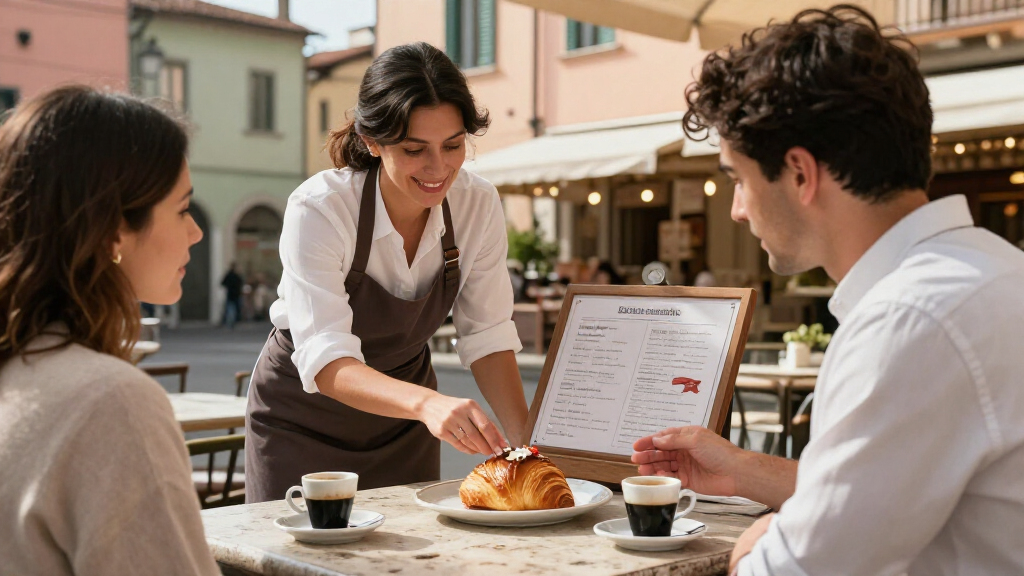
Let a small breakfast introduce you to Naples’ everyday food culture
A sfogliatella morning shows you how Naples’ food culture is built around everyday habits, not only dishes served at a long lunch. You see it in a quick espresso at the bar, in pastries made for a bakery’s own customers, and in the way a short stop fits between work, errands, and a walk through the city. The ritual matters because it puts food into the day’s ordinary rhythm: a quick pause, a familiar counter, and a small exchange that regulars repeat without ceremony.
That’s why experiences in Naples can begin with something modest. You might start with a flaky riccia near the old streets, then take your coffee standing while the barista moves through a stream of orders. On another day, choose frolla at a quieter neighborhood bakery and sit down if the café offers a place to linger. The second visit may feel just as local as the famous one. The two stops offer different things: one gives you the bustle and recognizable landmark, the other the quieter pace of a place serving its immediate neighborhood.
Food culture is carried by rituals as much as famous dishes: the greeting, the payment routine, the quick cup, and the pastry carefully picked from the case. Even sfogliatella mornings and a stop for espresso can reveal how a city balances hospitality with its pace. That isn’t a formal performance; it’s an ordinary part of the day. Following the routine lets you take part without needing to know every custom in advance.
Build your own small ritual around what’s nearby. Check the bakery’s hours, order what looks fresh, and leave time to notice the street outside. The pastry will be gone in a few bites, but the sound of cups at the counter and the sugar on your fingertips may stay with you longer. Leaving the plan flexible also means you can enjoy the stop even if a shop is busy or a particular pastry has sold out.
Frequently Asked Questions
What is the difference between sfogliatella riccia and frolla?
Riccia has a crisp, many-layered shell; frolla has a smoother, tender shortcrust exterior. Their fillings are often similar, commonly made with ricotta and semolina, though bakery recipes vary.
What should I say when I order espresso in Naples?
Ask for un caffè (a coffee) for a standard espresso. Watch whether customers pay at the till first or order directly at the counter, since the routine varies by café.
Do I have to drink espresso standing up?
No. Many people drink it standing at the bar, but some cafés have seating. Check the posted menu or ask whether table service has different prices or rules.
When is the best time to try sfogliatella?
Morning is a classic time, and arriving earlier may give you more choice. Freshness, opening hours, and availability depend on the bakery, so check directly before making a special trip.
Does sfogliatella contain common allergens?
It typically contains wheat and dairy, and may contain eggs or other allergens. Ask the bakery about ingredients and cross-contact, especially if you have an allergy or need to avoid a particular food.
Is tipping expected for espresso at the counter?
A tip is not generally required for a quick counter coffee. Check the bill and local venue practices, since table service may be priced differently.
Conclusion
For a first Naples breakfast, order one fresh sfogliatella—riccia if you want the crunch, frolla if you want a gentler bite—and pair it with un caffè at the bar. Follow the café’s payment routine, check the price if it isn’t posted, and give yourself a minute to watch the morning move.
Then step back onto the street with a few pastry flakes on your sleeve. In Naples, that small, ordinary breakfast can become one of the most vivid parts of your day.