
TL;DR
Cesanese is Lazio’s signature red grape, grown especially in the hills southeast of Rome and made in styles ranging from fresh and cherry-scented to deeper and more structured. Choose a lively, modest-tannin bottle for cacio e pepe, gricia, and amatriciana, and save fuller Cesanese for roast lamb or rich offal; serve lighter versions slightly cool.
A bowl of cacio e pepe can make a powerful red wine taste harsh. The culprit is often not the pepper or the cheese alone, but a mismatch: firm tannin meeting salt and fat without enough freshness to reset your palate.

Get kitchen staples and gadgets delivered free with Prime
- Fast, free delivery on millions of items
- Prime Video, Amazon Music and more included
- Member-only deals all year
For a more local match, look southeast of Rome to Lazio, where Cesanese grows in hillside vineyards around Olevano Romano and Piglio. This native grape gives you a useful starting point for exploring the reds of Lazio, though the bottles vary as much as the dishes on a Roman table.
Here, you’ll learn what Cesanese tastes like, how to read its appellations, and what to drink with cucina romana—from tomato-rich amatriciana to slow-roasted abbacchio, or lamb. You’ll also get practical guidance on serving temperature and choosing a bottle when the wine shop has only one Lazio red on the shelf.
Cesanese is Lazio’s signature red grape, especially associated with the hills around Olevano Romano and Piglio.
Cesanese di Olevano Romano DOC and Cesanese del Piglio DOCG are distinct appellations; neither name alone guarantees a particular wine weight.
Choose young, fresh Cesanese for cacio e pepe and gricia, medium-bodied wine for amatriciana, and a more structured bottle for roast lamb.
Serve lighter Cesanese around 14–16°C (57–61°F), then adjust by tasting; fuller versions can benefit from a slightly warmer pour.
If Cesanese is unavailable, choose a fresh Italian red with moderate tannin, but expect a different flavor.
Cesanese and Roman Reds What to drink with cucina romana
Cesanese brings Lazio’s native red grape to the table in styles from fresh and cherry-scented to deeper and more structured. Match the wine’s weight and freshness to the dish.
A grape with range
Cesanese grows mainly in the hills southeast of Rome, especially around Olevano Romano and Piglio.
Cherry and herbs
Young wines can be bright, lighter-bodied, and modest in tannin.
Deeper and firmer
Riper or more concentrated bottles suit richer food and roast meat.
Read the place on the label
The appellation points to origin and production rules; it does not guarantee a particular weight or taste.
| Label name | What it tells you |
|---|---|
| Cesanese di Olevano Romano DOC | A distinct Lazio appellation |
| Cesanese del Piglio DOCG | A distinct appellation and Lazio’s best-known red-wine designation |
| Cesanese d’Affile | A name used in wine terminology |
Match the wine to the dish
Freshness helps balance salt and richness; the wine’s body should keep pace with the food.
Choose a lively, fruit-forward red with modest tannin.
Try medium-bodied Cesanese; avoid very tannic or heavily oaked bottles with tangy tomato.
Pour a more structured Cesanese with savory depth.
If Cesanese is unavailable
Lazio grows other reds, but “Roman red” does not mean one fixed taste.
- A fresh Italian red with moderate tannin
- Enough acidity for salty, rich dishes
- Sangiovese or other local grapes will taste different
- Ask for a style that suits the meal
What Cesanese tastes like in the glass
Cesanese is Lazio’s signature native red grape, known for red-fruit flavors and savory notes that often suit Roman cooking. Depending on the producer and vineyard, you may find sour cherry, red plum, violet, herbs, or spice, with anything from a light, fresh feel to a deeper, firmer structure.
Think of Cesanese as a family of table-friendly styles, not one fixed flavor. A young bottling can smell of crushed cherries and dried herbs, with gentle tannin and enough acidity to make another bite of pasta sound good. A more concentrated wine may bring darker fruit, a longer finish, and firmer structure. That range makes the grape useful with food, but it also means you should read the bottle’s style rather than shop by grape name alone. For example, if you are serving a simple plate of gricia, a bright, low-tannin bottle is less likely to make the salty pecorino feel even sharper. The same bottle may seem thin next to lamb roasted until its edges are deeply browned.
The grape grows mainly in the hills southeast of Rome, particularly around Olevano Romano and Piglio. Two principal forms are Cesanese Comune and Cesanese di Affile; the latter is generally regarded locally as the more prized selection, though it does not guarantee a particular winemaking style. A producer can make a fresher, earlier-drinking wine or a more substantial one from the same broad grape family. That distinction matters when choosing: a grape or place name helps narrow the search, while the producer’s description and the wine’s actual weight help you decide whether it suits dinner.
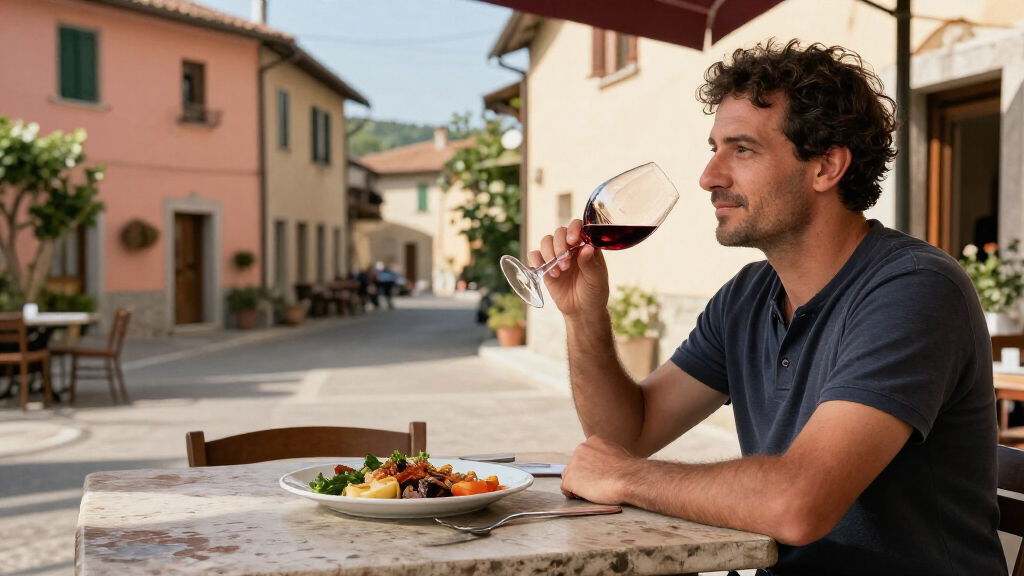
For a first taste, try a young Cesanese with a plate of grilled sausage or pecorino. If the wine’s cherry fruit and herbs seem to brighten the food instead of burying it, you’ve found the grape’s central charm: local character without automatic heaviness. Notice what happens after a bite: if the wine’s fruit still comes through and your mouth feels ready for another forkful, its freshness is doing useful work at the table.
Products Worth Considering

Roborock RockMow X130H Wire-Free 4WD Robot Lawn Mower

Philips Hue Festavia Outdoor Globe String Lights, 8 Bulbs, 22 ft

eufy E15 Gen 2 Wire-Free Robotic Lawn Mower
As an affiliate, we earn on qualifying purchases.
How to read Lazio labels before you buy
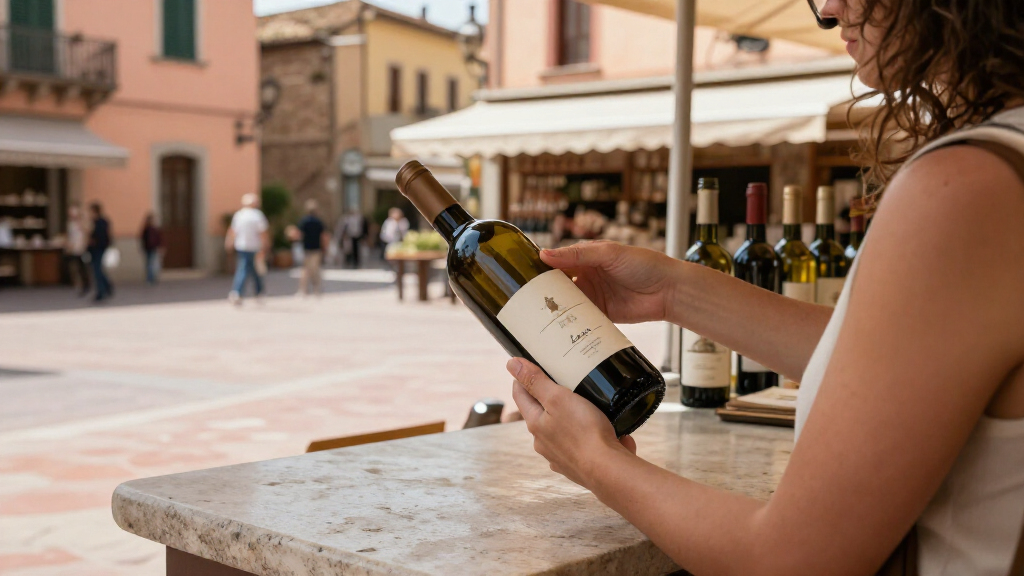
Cesanese and Roman Reds: What to Drink with Cucina Romana starts with knowing which name on the label points to a place and which points to a grape. Cesanese di Olevano Romano DOC and Cesanese del Piglio DOCG are separate appellations in Lazio, while Cesanese d’Affile can appear in wine naming and label terminology.
DOC and DOCG are Italian appellation designations tied to rules about a wine’s production and origin. Piglio’s DOCG is the region’s best-known red-wine appellation; that distinction can help you locate a bottle, but it does not promise that you’ll prefer its taste to every DOC wine. Vineyard conditions, harvest decisions, and cellar choices still shape what ends up in your glass. Think of the appellation as a map pin, not a flavor guarantee: two bottles with a Piglio name can differ in body and tannin, just as two cooks can make very different plates from the same ingredients.
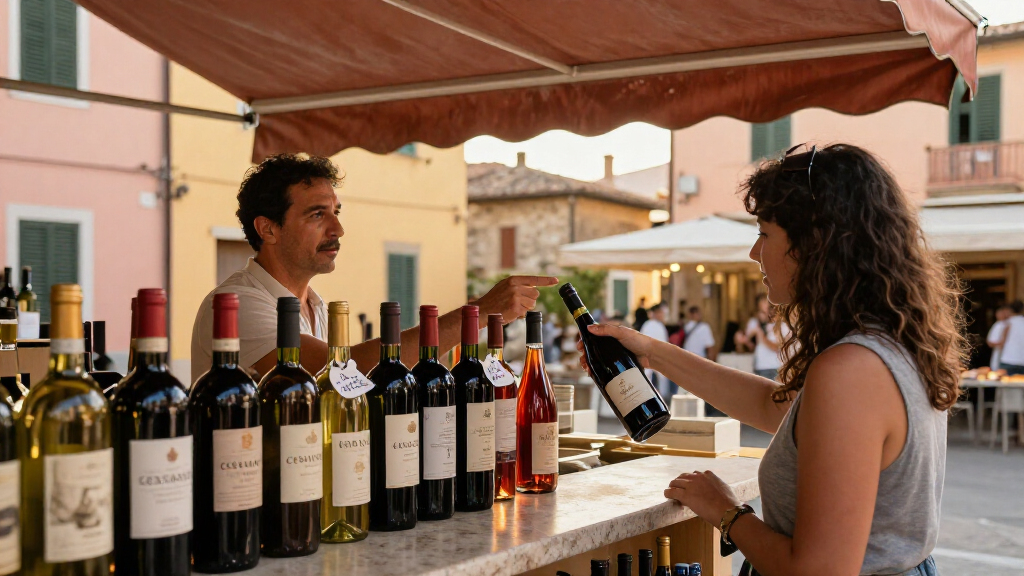
When you shop, ask for a Cesanese from Piglio or Olevano Romano, then describe the meal. For a quick plate of gricia, say you want something fresh and not too tannic. For roast lamb, ask whether the shop has a more structured bottle. Those practical cues often help more than asking for the “best” appellation. If a staff member offers two options, ask which one they would pour with pecorino pasta and why; the answer may reveal more about each bottle’s style than the label designation does.
Rome’s table and Lazio’s vineyards overlap, but a restaurant serving cucina romana may pour other regional grapes too. “Roman red” is not a formal promise of one taste: Lazio also grows Montepulciano, Sangiovese, Nero Buono, and international varieties. If Cesanese is unavailable, check the grape and style rather than assuming any wine labeled Lazio will taste like it. A lighter Sangiovese, for instance, may have the freshness you want with tomato sauce, but its flavor will differ from Cesanese; that is a useful substitution, not an identical match.
Match the wine’s weight to the Roman dish
Cesanese and Roman Reds: What to Drink with Cucina Romana depends on a simple table rule: match the wine’s weight to the dish, then use freshness to balance salt and richness. A light pasta with pecorino asks for a different red than a platter of lamb, even if both meals come from the same Roman tradition. Weight matters because a wine that dominates a delicate sauce can make its flavors disappear, while a very light wine beside a rich roast may seem watery. Freshness helps keep each mouthful from feeling tiring.
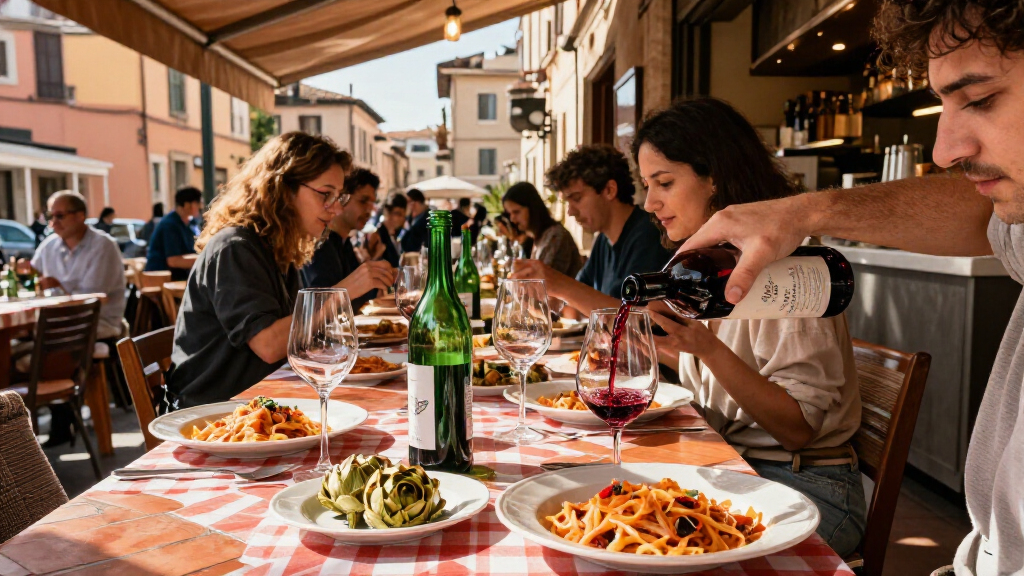
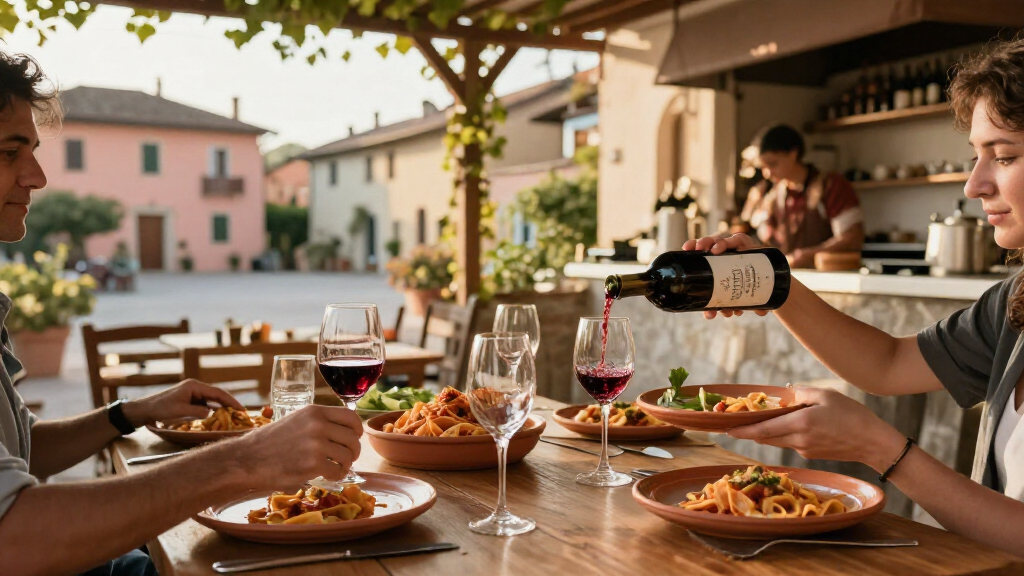
Cacio e pepe is a useful test. Its sauce is built from pecorino, black pepper, pasta water, and technique, not tomato or meat. Try a young, bright Cesanese with modest tannin, served slightly cool; a powerful, oaky red can make the cheese feel heavier and the pepper more abrasive. At home, pour a small glass before serving dinner and see whether the wine leaves your mouth ready for another forkful. If the first bite makes the wine seem bitter or drying, choose a softer pour or let the bottle warm and reassess; that quick check shows how the food changes your impression of the wine.
For amatriciana, guanciale (cured pork jowl), tomato, and pecorino bring more intensity. A medium-bodied Cesanese can meet that richer sauce, while lively acidity keeps the pairing from feeling dense. The tomato’s acidity is the reason to avoid a very tannic or heavily oaked bottle: the combination can taste hard, as if the fruit has been squeezed out of the wine. Picture a spoonful of sauce with bright tomato and salty guanciale. A wine with enough fruit and acidity can answer both; a heavily tannic red may turn the tomato sharper and leave the cheese feeling chalky.
With gricia, the sauce’s salty pork and cheese need a lively, fruit-forward red. Start with a fresh Cesanese, then adjust if the wine feels too bold. These are starting points, not laws: a delicate sauce, an unusually rich serving, or a more mature bottle can change the balance at your table. A useful way to decide is to take a bite, sip, and notice whether the next bite tastes more inviting. If the wine takes over, step down in weight; if it vanishes beside the food, try a little more structure.
Use this quick pairing guide for six Roman favorites
For pasta, choose freshness; for roast meat, choose more structure. This quick guide gives you a starting bottle style for six familiar dishes, while leaving room for the way a particular cook seasons or prepares the food.
| Dish | What to look for | Why it fits |
|---|---|---|
| Cacio e pepe | Young, bright Cesanese; modest tannin | Freshness keeps salty cheese from weighing down the palate. |
| Gricia | Fruit-forward, lively red | Acidity and fruit work with pork fat and pecorino. |
| Amatriciana | Medium-bodied Cesanese | It can meet guanciale and tomato without overwhelming the sauce. |
| Saltimbocca alla Romana | Light red with restrained tannin, or a white | Veal, prosciutto, and sage can call for delicacy. |
| Trippa alla romana | Savory, herbal red | Herbal notes can echo the dish’s seasoning and tomato sauce. |
| Abbacchio, or roast lamb | More structured Cesanese | Deeper fruit and firmer structure meet the meat’s roasted flavor. |
Picture a Sunday lunch with amatriciana followed by roast lamb. You don’t need to keep one wine open for both courses: begin with a medium-bodied Cesanese, then open a more structured bottle for the lamb if you have it. That small change lets the pasta’s bright tomato stay lively and gives the roast meat a wine with enough depth to keep up. If you have just one bottle, choose a middle-weight red and serve it a little cool with the pasta; it will warm in the glass as lunch moves to the lamb.
Saltimbocca alla Romana deserves a little flexibility. Its combination of veal, prosciutto, and sage can be delicate, especially when the sauce stays light. A restrained red may work, but a white wine can be the better call; the right choice depends on how much browned meat, butter, or sauce lands on the plate. For example, a lightly cooked piece with a thin sage sauce can be overwhelmed by a firm red, while a richer, browned version may stand up to one.
Serve Cesanese slightly cool, but not cold
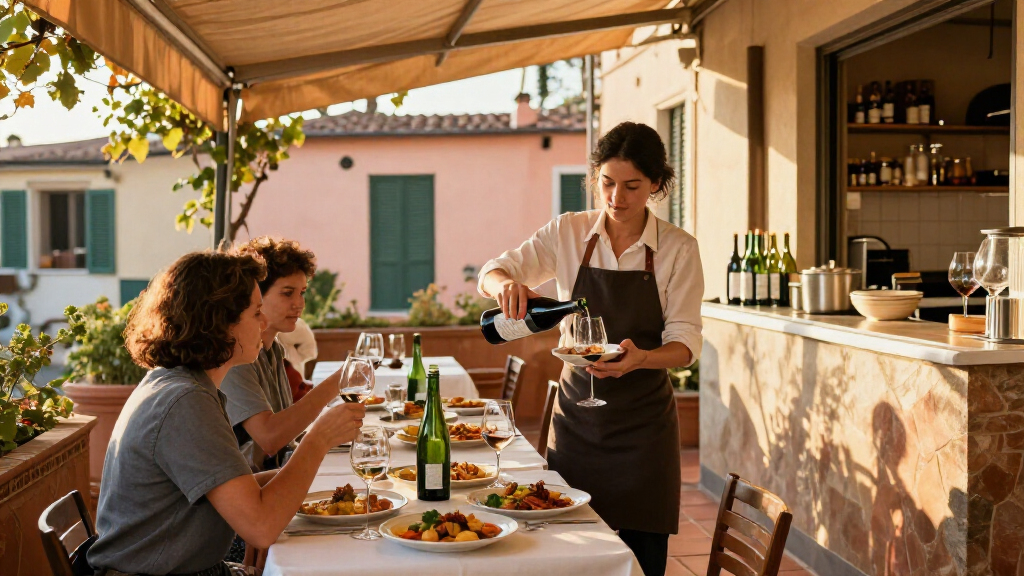
A light, young Cesanese often tastes best at 14–16°C (57–61°F), a little cooler than many people serve red wine. That brief chill can sharpen the wine’s cherry and herbal notes and keep it refreshing beside salty pasta or pork, especially in a warm kitchen. Temperature changes more than comfort: too warm, and alcohol can seem more prominent; too cold, and the fruit and aroma may seem muted.
You don’t need a thermometer to try it. If the bottle has been sitting at room temperature, place it in the refrigerator for about 20 minutes, then pour a small taste. The wine should feel cool and fresh, not cold enough to mute its aroma. If you accidentally chill it too far, give it a few minutes in the glass. For example, a bottle opened straight from a cold refrigerator may smell restrained at first; give it time to warm, and the cherry notes may become easier to pick out.
More structured Cesanese can show better a little warmer than a light, youthful bottling. Start with a cool room-temperature pour, taste, and let the glass warm gradually; the fruit and spice often open as the chill lifts. This is a practical reason not to treat “Cesanese” as a fixed serving instruction. If the wine seems closed and tight beside lamb, a few minutes at the table may bring its aroma forward without changing the food.
Wine storage matters too. Keep an opened bottle sealed in the refrigerator and aim to drink it within a few days; let a red warm slightly in the glass rather than leaving it out overnight. Chilling slows oxidation, while leaving wine exposed to air for long stretches can flatten the bright fruit that made it a good match for dinner. If only a glass remains after dinner, recork it and chill it; the next evening, taste a small pour before serving and decide whether its fruit is still lively.
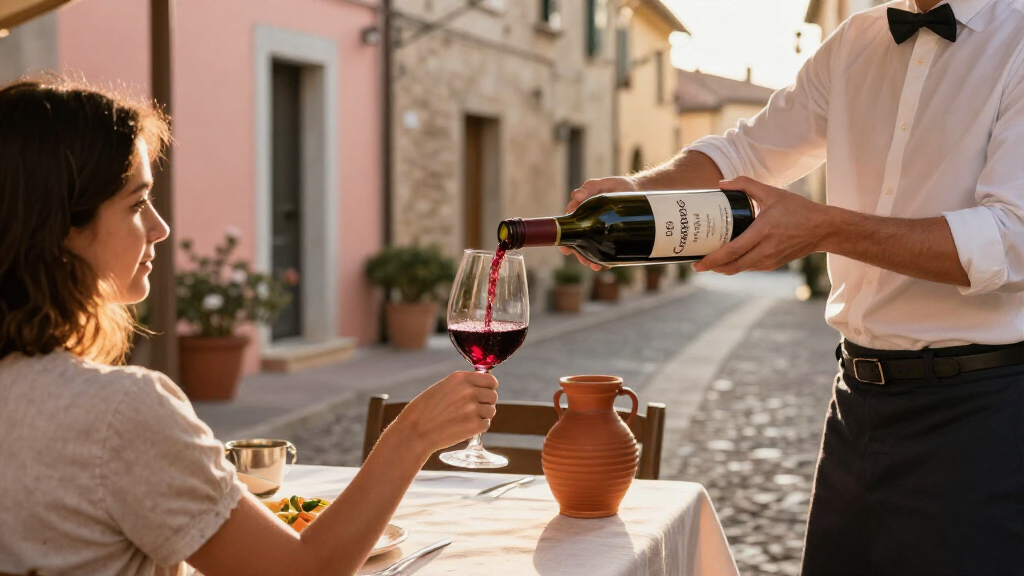
Choose a lighter or more structured bottle for your meal
Young, fresh Cesanese is the flexible everyday choice; a more structured bottling is the better candidate when the meal has roast meat or deep, savory flavors. Neither style is automatically superior. The useful question is whether you want a red that refreshes between bites or one that stands alongside the food’s weight. More structure can help a wine keep its presence beside browned meat, but that same firmness may feel drying with a delicate pasta sauce.
For a weeknight pot of amatriciana, a fruity wine with gentle tannin is easy to pour with the pasta and keep on the table. If you’re making abbacchio for a holiday meal, choose a Cesanese with firmer structure, perhaps from a warmer site or with some bottle age, if the producer’s description supports that style. Taste remains the best guide: a supposedly “serious” label doesn’t make every lamb dish a perfect match. For instance, a lean roast with little sauce may need less power than lamb served with concentrated pan juices.
Some structured Cesanese can develop in bottle, but many examples are made for earlier drinking. Don’t assume the grape name alone tells you how long to cellar a wine. Ask the retailer about the producer’s intended drinking window, and pay attention to whether the bottle has enough depth and tannin to benefit from time. A firm young wine may soften over time, but aging cannot add the fruit or concentration it never had in the first place.
Producer and site matter as much as the appellation when you’re predicting weight and ageability. A small vineyard’s elevation, exposure, and soil can affect the grapes, while decisions about extraction and aging influence the finished wine. If you’re comparing two bottles, ask how each is made and choose the one that suits your menu—not the one with the grander-sounding description. Imagine two Cesanese bottles from the same appellation: one is fresh and cherry-led, the other has firmer tannin and deeper fruit. The first is likely the easier match for gricia; the second may make more sense beside roast lamb.
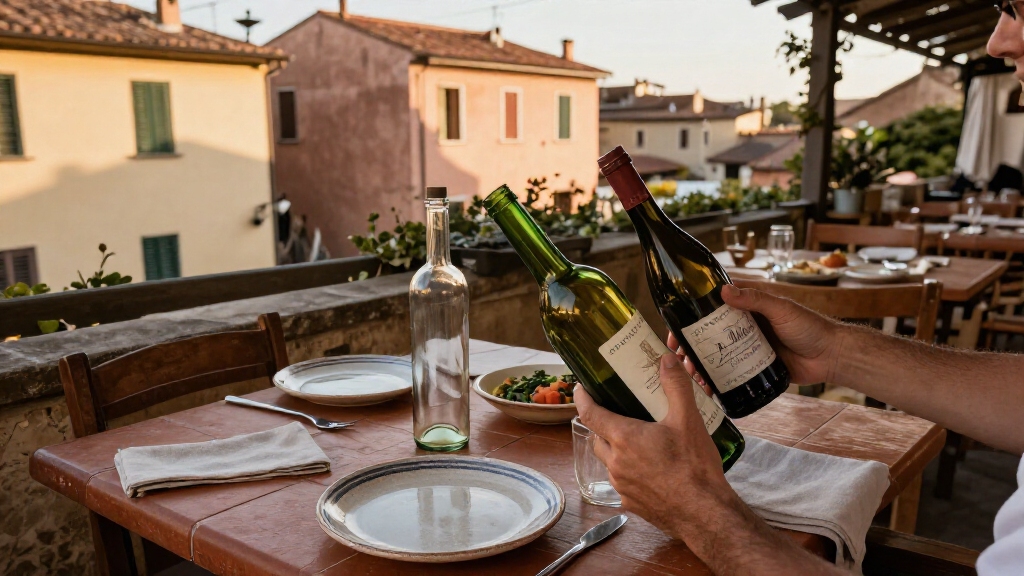
Find Cesanese—or a useful substitute—without guesswork
Look for the words Lazio, Cesanese del Piglio DOCG, or Cesanese di Olevano Romano DOC when you want to bring a Roman-area red home. Availability outside Italy can be limited, so a shop that specializes in Italian wine may have a better chance of carrying one than a general grocery store.
Use a clear request rather than asking only for a “Roman wine.” Tell the staff what you’re cooking and whether you want a light or fuller red: “I’m making cacio e pepe and want something fresh with moderate tannin.” For roast lamb, ask for a more structured Lazio red. That conversation gives the shop a practical target even if its Cesanese selection changes from season to season. If the clerk offers a choice, describe the sauce too: a tomato-heavy amatriciana calls for a different balance from a simple pecorino pasta.
If the shelf has no Cesanese, pick another fresh, medium-bodied Italian red with lively acidity and moderate tannin. A lighter Sangiovese may work with tomato and pork, but it will not taste identical; Nero Buono or another local red could also be worth asking about, depending on the bottle and dish. The point is to match the food’s weight and seasoning, not to pretend all regional reds share one flavor. For example, with amatriciana, a lively Sangiovese can handle tomato’s brightness; with cacio e pepe, you may prefer whichever option has the gentler tannin.
For exploring the reds of Lazio, compare two bottles at a small dinner if you can: one young Cesanese and one other regional red. Pour them with the same plate of gricia, take a bite, and notice which wine makes the next bite taste more inviting. That simple tasting tells you more about your palate than a label’s prestige alone. Keep a short note—“the fresher wine worked better with the pecorino”—and you’ll have a practical guide for your next shop visit.
Frequently Asked Questions
What does Cesanese taste like?
Cesanese often tastes of sour cherry or red plum, with possible violet, herbal, and spicy notes. Its body and tannin vary by producer and bottling, so one bottle can feel light and fresh while another is deeper and more structured.
Is Cesanese the same as Cesanese d’Affile?
Not exactly. Cesanese Comune and Cesanese di Affile are the two principal forms, and d’Affile can appear in local selection and label terminology. Check the full wine name and appellation rather than assuming every Cesanese bottle has the same origin or style.
What is the difference between Cesanese del Piglio and Cesanese di Olevano Romano?
They are distinct appellations from different areas of Lazio. Cesanese del Piglio is a DOCG, while Cesanese di Olevano Romano is a DOC. Both are Cesanese-centered, but producer choices and vineyard conditions also shape the wine you taste.
Should I serve Cesanese chilled?
A light, young Cesanese often benefits from a brief chill to about 14–16°C (57–61°F). Fuller, more structured versions can be served a little warmer. If the wine tastes muted straight from the refrigerator, let it rest in the glass for a few minutes.
Can Cesanese age in the bottle?
Some structured Cesanese can develop with bottle age, but many bottles are made for earlier drinking. The grape name alone is not a reliable aging guide. Ask about the producer’s intended drinking window and judge the wine’s structure.
What should I drink with cacio e pepe if I can’t find Cesanese?
Choose a fresh, lighter Italian red with moderate tannin, such as a lighter Sangiovese if that is what your shop carries. A delicate white can also work. The goal is to refresh the palate without overpowering the pecorino and pepper.
Conclusion
Remember one pairing rule: let the dish set the wine’s weight. Pour fresh Cesanese with salty pasta, move to a more structured bottle for lamb, and don’t be afraid to choose white wine when saltimbocca is delicate.
Next time you make Roman dinner, chill a young Cesanese briefly and set it beside the steaming pecorino and pepper. The right glass should make the last bite taste as inviting as the first.