TL;DR

Get kitchen staples and gadgets delivered free with Prime
- Fast, free delivery on millions of items
- Prime Video, Amazon Music and more included
- Member-only deals all year
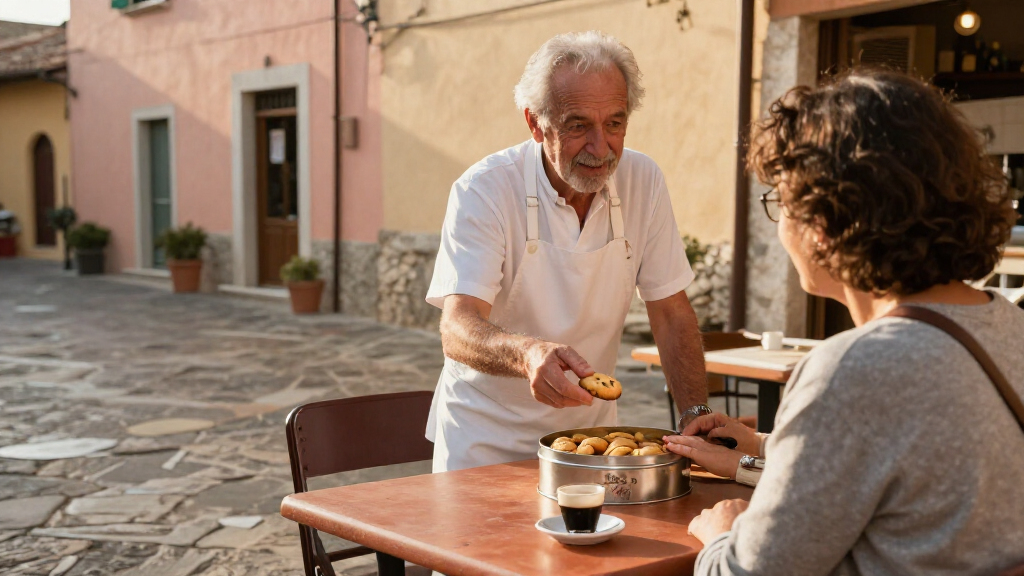
San Martino is a traditional Venetian sweet made for Saint Martin’s Day on November 11, usually shaped like Saint Martin riding a horse. The crisp, buttery cookie is often elaborately decorated with icing, chocolate, and candy, and families may give it to children as part of the holiday. Look for one in Venice bakeries near November 11, or make a simple horse-and-rider biscuit at home.
In early November, a Venetian bakery window can look less like a pastry case and more like a toy shop: a crisp biscuit shaped like a horse and rider, covered in bright icing, chocolate, and candies. That sweet San Martino is made for November 11, Saint Martin’s Day, and it brings a bit of local history into an especially cheerful treat.
San Martino is a traditional sweet associated with Venice and parts of the Veneto, though recipes and decorations vary from household to household. You’ll learn why it takes its recognizable shape, what it tastes like beneath the sugar, and how to find one in Venice or make a simple version at home. The result is more than a pretty cookie: it’s a small, edible way to join a seasonal custom.
San Martino is a Venetian seasonal sweet made for Saint Martin’s Day on November 11.
Its classic shape shows Saint Martin riding a horse, recalling the legend of the shared cloak.
The biscuit is often buttery and crisp, but dough and decorations vary by bakery and household.
Look for one in Venice bakeries in the days around November 11; seasonal availability differs.
For a home version, use dough that holds its shape, cool the biscuit fully, and check decoration ingredients for allergens.
Sweet San Martino A cookie with a story
This crisp, decorated biscuit brings Saint Martin’s Day to life in Venice. Its horse-and-rider shape recalls a story of sharing, while recipes and family customs vary.
Why horse and rider?
The shape turns the saint’s legend into a treat children can hold and share.
The mounted figure recalls Saint Martin as a Roman soldier.
According to the best-known legend, Martin shared his cloak with a freezing beggar.
The cookie makes the feast day story visible—and edible.
A crisp base, a festive finish
There is no single standard recipe, so the balance of biscuit and topping varies.
- Often sweet, buttery, and crisp
- Recipes differ by bakery and household
- Icing, chocolate, candies, or other sweets
- Simple biscuits and ornate showpieces alike
A treat for children and families
The cookie can be a small holiday gift, sometimes accompanied by a rhyme or song about Saint Martin.
A sweet celebration
Families may give the decorated biscuit as a treat or reward.
A seasonal discovery
The horse-and-rider shape is a clue that Saint Martin’s Day is near.
Finding or making one
Look for San Martino in Venetian bakeries in the days around November 11; seasonal availability can vary.
- Ask what sizes and decorations are available.
- For a home version, use dough that holds its shape and cool the biscuit fully before decorating.
- Check ingredients for allergens, as dough and toppings vary.
Why San Martino Cookies Take the Shape of a Horse and Rider
Sweet San Martino is a Venetian cookie for Saint Martin’s Day, usually shaped to show Saint Martin riding a horse. That image links the treat to the saint’s story: Martin was a Roman soldier who, according to the best-known legend, cut his cloak in half to share it with a freezing beggar. Later, he became a bishop, but the mounted soldier remains the image most often used for the cookie.
The shape does more than make the biscuit easy to recognize. It gives a feast day story a form children can hold, decorate, and eat: the mounted soldier recalls the legend, while the act of sharing the cookie can echo the generosity at its heart. The horse’s body, raised head, and rider are also a practical outline for dough. Even without fine detail, the silhouette communicates the story, which helps the tradition survive across different recipes and skill levels.
Saint Martin’s feast day falls on November 11. The horse-shaped cookie is particularly associated with Venice and the Veneto, although Saint Martin’s Day is observed in many places and customs differ across Europe. A Venetian family might mark the date with a decorated biscuit, while another family’s observance may look quite different. That local distinction matters: the cookie is not a universal symbol of the feast, but one regional way of making the date visible in everyday life.
If you visit Venice in the first half of November, the shape gives you a quick clue about what’s in season. A horse-and-rider cookie in a bakery window is not just a random novelty; it is a sweet nod to a feast day that has arrived on the calendar. Knowing the story makes the decoration feel less like ornament and more like a small, edible retelling.
Products Worth Considering

Dyson V8 Cyclone Cordless Vacuum

Philips Hue Festavia Outdoor Globe String Lights, 8 Bulbs, 22 ft

Sonos Beam Ultra Dolby Atmos Soundbar, Black
As an affiliate, we earn on qualifying purchases.
What the Cookie Tastes Like Beneath All That Decoration
Sweet San Martino usually starts with a crisp, sweet biscuit, often made from buttery dough, then gets a layer of icing, chocolate, or other decorations. There is no single standard recipe, so one cookie may taste like a familiar butter biscuit while another is richer and sweeter from its coating. Think of the biscuit as the sturdy base and the decoration as the festive finish. This layering is part of the appeal: the cookie can be both a straightforward baked treat and a celebratory showpiece.
That balance matters when you choose one. A simply iced version lets you taste the buttery cookie and its toasted edges; a larger one covered in chocolate and candy can eat more like a shared holiday dessert. The tradeoff is between tasting the biscuit clearly and enjoying the abundance that makes the cookie visually festive. If you’re buying one for a child, a small version may be easier to nibble than a big showpiece with several thick layers of topping, while a larger one can make more sense as something to share.
The appearance often does as much work as the flavor. Bakeries may use bright icing, chocolate, candies, or other sweets to make the rider’s clothes and the horse’s tack stand out. Some cookies are modest homemade biscuits; others are elaborate enough to draw a crowd at the shop window. That variation is part of the custom, not a sign that one version is the only authentic one. Decoration lets bakers and families put their own stamp on a familiar shape, though heavier toppings can dominate the flavor and make the biscuit less crisp.
When you taste one, break off a piece where biscuit meets topping. You’ll get the contrast of a firm, crumbly edge and a sweeter, sometimes glossy finish. Since ingredients vary, ask the bakery about allergens if needed; common possibilities include wheat, dairy, eggs, soy, and nuts, depending on the dough and decorations. The same variety that makes each cookie personal also means you should not assume that two versions share ingredients.
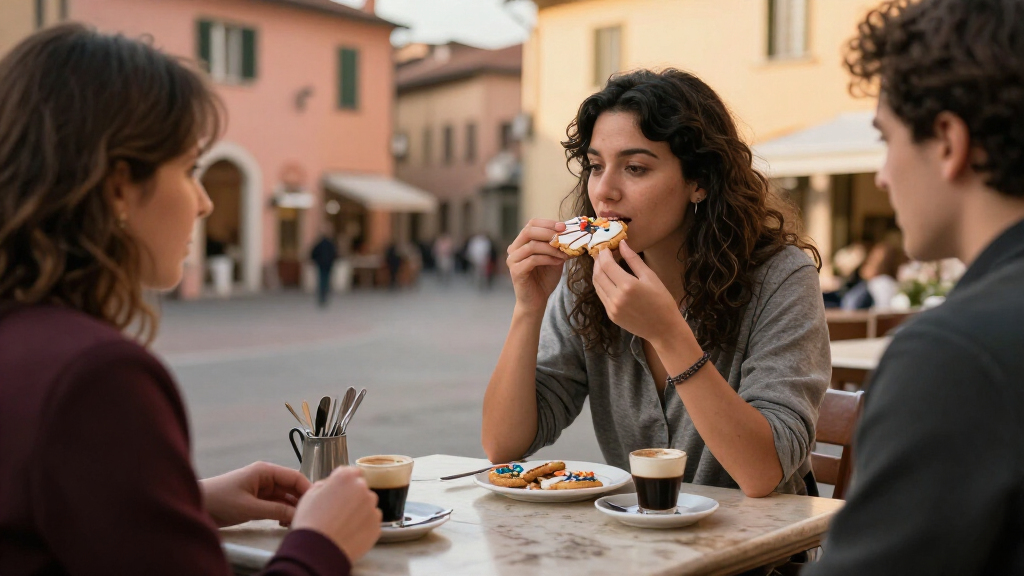
How Families Make November 11 a Treat for Children
Sweet San Martino is often given to children as a small holiday gift or reward, so the cookie can feel like both dessert and celebration. In some families, children recite a rhyme or sing a song about Saint Martin while asking for treats. The exact words and customs vary, but the shared idea is simple: the feast day gives families a reason to make a little ceremony around something sweet. A familiar ritual gives the date a place in a child’s year, even when the celebration is brief.
That child-centered tradition also explains why the cookie can be so theatrical. A horse-and-rider biscuit covered in colored icing is easier to remember than an ordinary biscuit on a plate. For a child, the candy details might be the first thing they notice; for an adult, the shape may bring the legend to mind. The same cookie offers two ways into the story: decoration draws attention, and conversation can connect that attention to Saint Martin and the custom.
Imagine planning a November visit to Venice with a young traveler. Instead of treating the cookie as a quick snack between sights, you could stop at a bakery near November 11, ask what versions are available, and let the child choose a decorated horse. That small pause connects the city’s food calendar to a local celebration without turning the day into a museum tour. It also makes a practical choice feel meaningful: choosing a size to share or a design to take back to your lodging becomes part of the memory.
Not every Venetian household observes the custom in the same way, and you shouldn’t expect a single universal ritual. Some families bake at home; others buy from a pastry shop; some may focus on the sweet rather than a song or rhyme. The useful takeaway is that the cookie is both food and seasonal tradition, shared in ways that differ from one family to the next. That flexibility keeps the custom accessible: it can fit a family’s own habits without requiring a formal ceremony.
Where to Find a San Martino Cookie in Venice
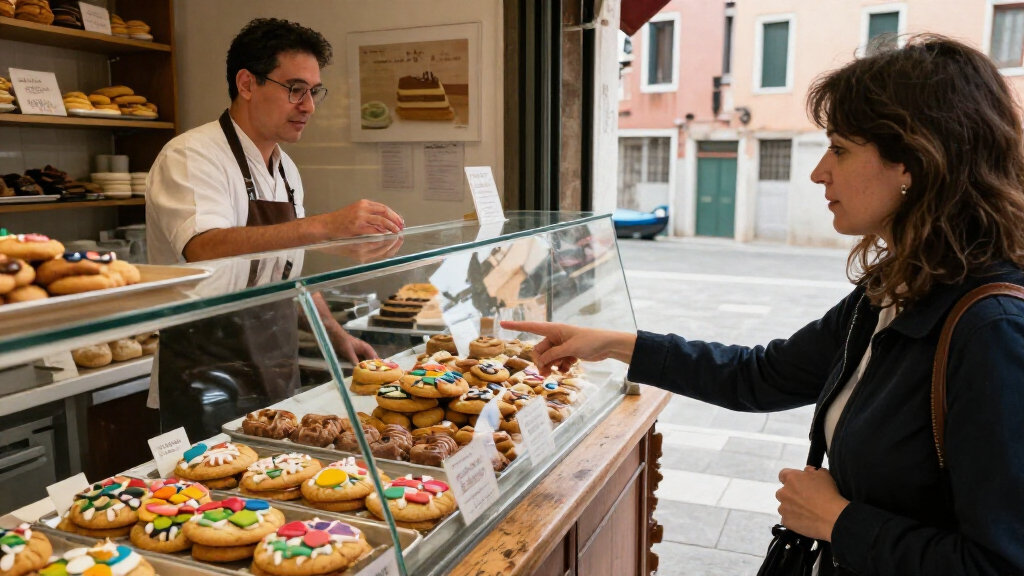
The best time to look for Sweet San Martino in Venice is in the days leading up to November 11, when local bakeries and pastry shops are most likely to display it. Availability varies by shop, and a popular decorated version may sell out, so ask early in the day if you have a particular bakery in mind. A seasonal window display is often the easiest sign that the holiday is near. Because this is a date-linked sweet rather than a year-round specialty, planning around the feast day is more useful than expecting to find it at any time of year.
Don’t assume every shop will carry the same size or style. One may offer a small biscuit that fits in a paper bag, while another displays a large, elaborate version with icing and chocolate. If you want to share it, ask whether the shop sells smaller individual cookies or larger ones meant to be divided. That question can save you from carrying a very sweet centerpiece through the city all afternoon. It also helps you match the purchase to the moment: a small cookie is convenient during sightseeing, while a showpiece is better when you have somewhere to set it down.
For a practical visit, keep the date flexible around the feast day and check with local bakeries as you arrive. Seasonal products can vary from year to year, and the custom is strongest around the date rather than being a year-round menu item. If you’re traveling in late October or early November, you can also ask your lodging host where people nearby usually buy one. A quick local question can be more reliable than planning around a specific shop’s past offerings.
When you find a cookie, take a moment to notice the decoration before eating it. The bright icing and horse silhouette make it an edible souvenir, but it’s also a fragile one: carry it flat, away from a warm radiator or a crowded bag. If the topping is soft, keep it cool and follow the bakery’s storage advice rather than leaving it in a hot room. There is a small tradeoff between preserving an elaborate decoration and enjoying the cookie fresh, so buy it when you can carry or store it with care.
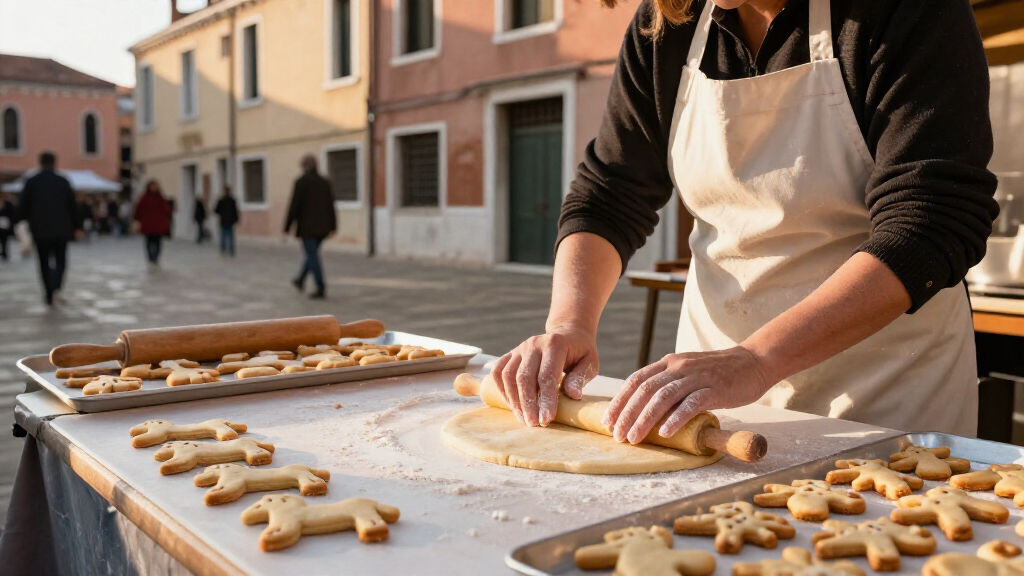
How to Make a Simple Horse-and-Rider Cookie at Home
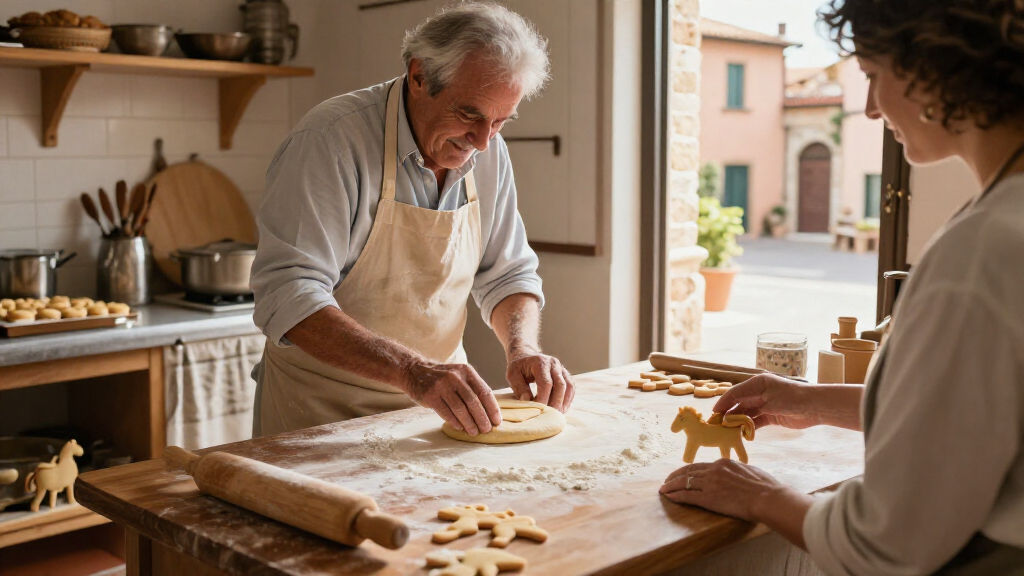
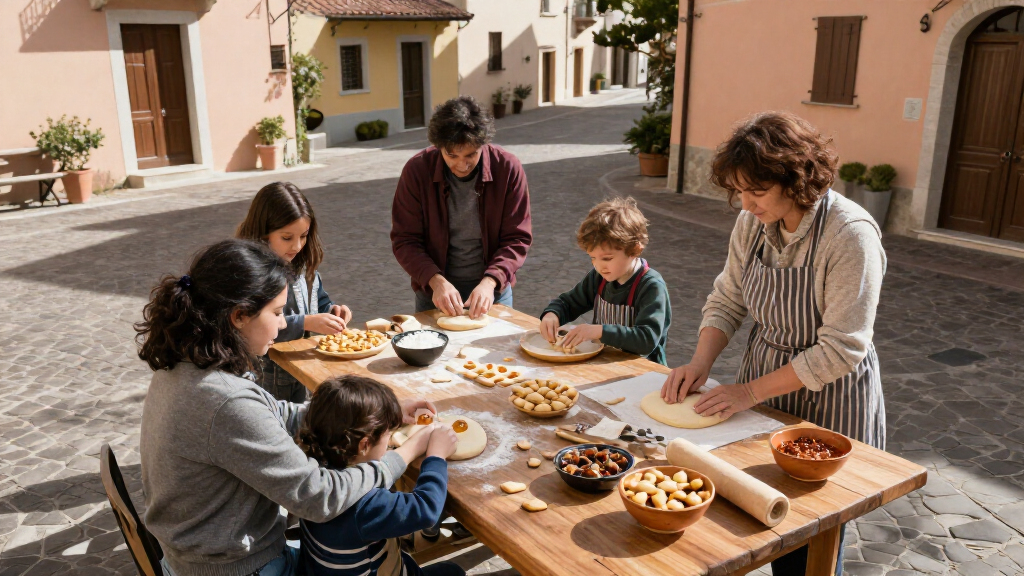
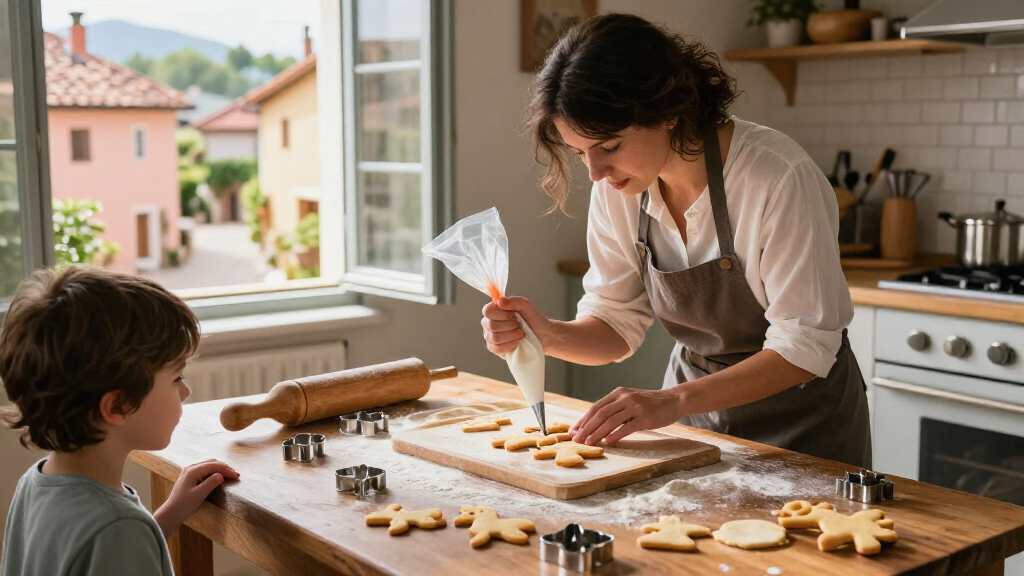
You can make a home version of Sweet San Martino with a basic sweet biscuit dough, a horse-and-rider template, and a little icing or chocolate. The recipe is not fixed across Venice, so treat the shape and November occasion as the heart of the tradition rather than chasing one supposedly definitive formula. A homemade biscuit can be simple and still feel unmistakably festive. The key practical choice is dough: a soft dough may spread and blur the silhouette, while a firmer, chilled dough is easier to cut and transfer.
- Choose a dough. Use a familiar buttery biscuit or sugar-cookie dough that holds its shape when cut. Chill it if it feels soft.
- Cut the figure. Roll the dough evenly and use a horse-and-rider cutter or a paper template. Transfer the shape carefully to a lined baking sheet.
- Bake until set. Follow the dough recipe’s temperature and timing; look for lightly golden edges rather than a dark brown surface.
- Cool completely. Icing can slide off a warm biscuit, so let the cookie cool before decorating.
- Add the festive details. Use icing, melted chocolate, or small candies, then let the topping set before serving.
For example, if you’re baking with a child, make a few smaller cookies rather than one enormous figure. Smaller shapes are easier to transfer, bake more evenly, and leave room for everyone to decorate a different rider. Keep raw dough separate from ready-to-eat toppings, wash hands and utensils after handling raw egg, and follow safe food-handling practices. Smaller cookies also involve more cutting and decorating, so the choice is a tradeoff: easier individual portions in exchange for a little more preparation.
Common allergens include wheat, dairy, and eggs; chocolate or candy decorations may add soy or nuts. Store finished cookies in an airtight container once the icing has set, and follow your recipe’s storage guidance. The cookie should be treated as a biscuit, not a long-term keepsake: enjoy it while the texture is crisp and the decoration still looks bright. That focus on eating and sharing, rather than preserving a perfect ornament, keeps the home version connected to the tradition’s purpose.
How San Martino Changes from Bakery to Bakery
Sweet San Martino has a recognizable idea but no single required appearance: the classic is a horse-and-rider biscuit, while its size, dough, and decorations depend on the baker or household. That makes comparison more useful than searching for one “correct” cookie. You can pick the version that suits your appetite, your plans, or the person you’re buying it for. The differences are not just cosmetic: decoration can change sweetness and portability, while size affects whether the cookie works as a snack or a shared dessert.
| Version | What you may notice | Good choice when |
|---|---|---|
| Simple biscuit | Buttery dough, light decoration, crisp texture | You want to taste the cookie itself |
| Iced horse and rider | Colored icing that highlights the silhouette | You want a classic seasonal gift for a child |
| Chocolate-covered version | Richer sweetness and a glossy finish | You prefer a more dessert-like treat |
| Large decorated showpiece | Bold details, candy, and a dramatic display | You plan to share or want a memorable bakery-window find |
These are useful guideposts, not strict categories. A baker might combine chocolate with icing, or a household might decorate a small biscuit with whatever is already in the pantry. The dough itself can vary too, so ask about ingredients if you need to avoid a particular allergen. In practice, the more elaborate the decoration, the more likely the topping will shape the overall taste; a restrained version gives the biscuit itself more room to stand out.
For a real-world choice, imagine buying a cookie before a long walk through Venice. A small, simply decorated biscuit will be easier to carry and eat on the go; a large decorated one is better taken back to your lodging and shared. The prettiest cookie is not always the most practical one, and the simplest may give you the clearest taste of the biscuit. Choosing between them is less about authenticity than about what you want from the experience: a convenient snack, a treat to share, or a seasonal spectacle.
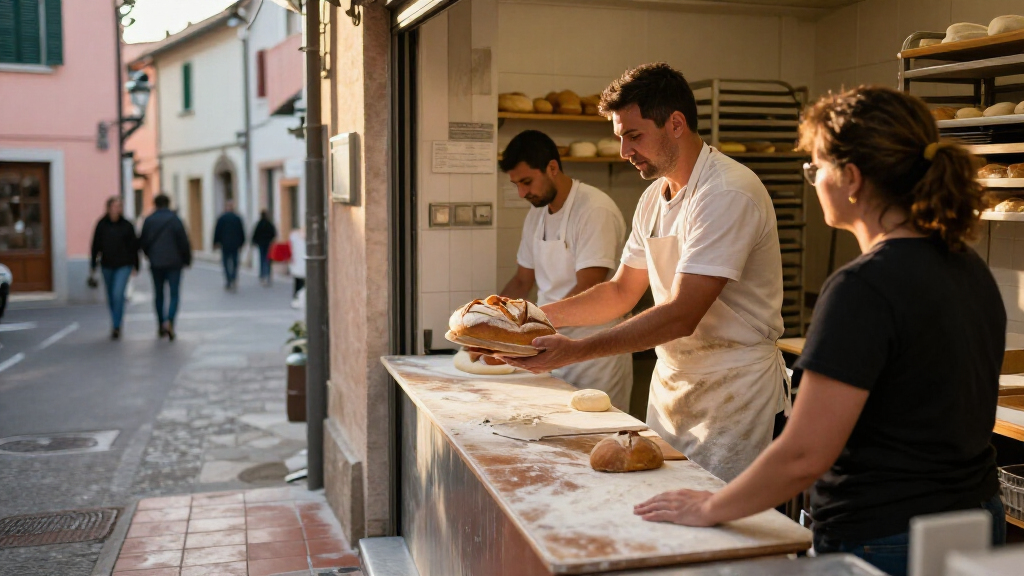
Sweet San Martino is a seasonal custom, not a fixed recipe: its strongest markers are the November 11 feast day, the connection to Saint Martin, and the familiar mounted-saint shape. The details can change without erasing the tradition. A homemade biscuit decorated at a kitchen table and a large pastry-shop showpiece can both belong to the same seasonal story. That flexibility is part of how food customs remain living practices: people can adapt the recipe to their resources while keeping the date and shared reference intact.
That flexibility is useful if you’re planning a trip or baking at home. In Venice, look for the cookie close to the feast day and ask what each shop offers; at home, choose a dough that holds its shape and let the decorations do the storytelling. You don’t need professional pastry skills to make a recognizable horse and rider. For visitors, timing and availability matter more than finding a single famous version; for home bakers, a clear silhouette matters more than elaborate icing.
It also helps to separate the holiday’s broader history from the cookie itself. Saint Martin’s Day is celebrated in different ways across Europe, while the decorated horse-shaped biscuit is particularly associated with Venice and the Veneto. A visitor may see the cookie as a charming souvenir; for local families, it can be part of a familiar annual rhythm centered on children and seasonal treats. Recognizing that difference helps visitors enjoy the custom without mistaking one regional food tradition for the whole holiday.
So if you spot one in a bakery window, take it as a small invitation to notice the date and the place. The cookie is sweet, but its shape carries a story of generosity. That is a lovely pairing: a crisp biscuit in your hand, and an old act of sharing behind it. Buying or making one turns that story into a simple present-day action: choosing a treat to enjoy, give, or share.
Frequently Asked Questions
What is a San Martino cookie?
A San Martino cookie is a sweet Venetian biscuit made for Saint Martin’s Day, usually shaped like Saint Martin riding a horse. It is often decorated with icing, chocolate, or candy, though recipes and styles vary.
When do bakeries sell San Martino cookies?
They are most visible in the days leading up to November 11, Saint Martin’s Day. Availability depends on the bakery, so ask locally if you are visiting Venice around the holiday.
Why is the cookie shaped like a horse and rider?
The shape represents Saint Martin as a Roman soldier on horseback. It recalls the well-known legend in which he shared his cloak with a freezing beggar.
What does a San Martino cookie taste like?
Many versions are sweet, crisp, and buttery, with icing, chocolate, or candy adding more sweetness and texture. There is no single standard recipe, so the taste varies between bakeries and home kitchens.
Can I make San Martino cookies at home?
Yes. Use a sweet biscuit dough that holds its shape, cut a horse-and-rider figure, bake it according to the recipe, and decorate only after it cools. Check ingredients for common allergens such as wheat, dairy, eggs, soy, and nuts.
Conclusion
When November brings Saint Martin’s Day to Venice, look for the horse-and-rider cookie in local bakery windows and ask what’s fresh that day. Whether you choose a plain buttery biscuit or a bright, candy-covered showpiece, you’ll taste a seasonal custom shaped around a story of generosity.
Take it back to a quiet canal, share it with someone, and let the crumbs tell the rest.