
TL;DR

Get kitchen staples and gadgets delivered free with Prime
- Fast, free delivery on millions of items
- Prime Video, Amazon Music and more included
- Member-only deals all year
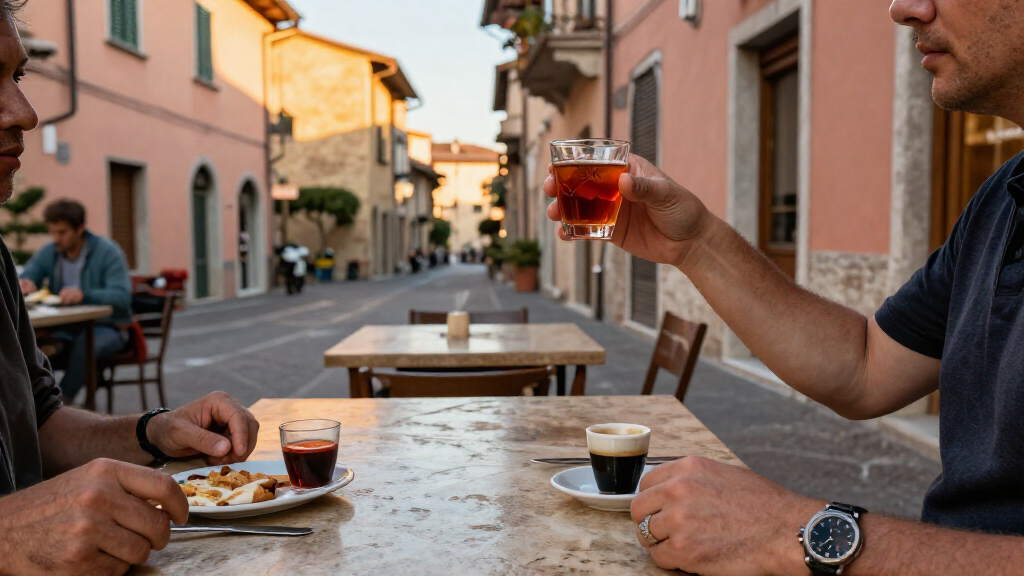
Amaro (plural amari) is a broad category of sweetened Italian bitter liqueurs, traditionally served in a small pour after a meal as a digestivo, or after-dinner drink. Its flavor depends on the producer’s botanicals and regional style, ranging from citrusy and bright to earthy, minty, or intensely bitter; start by tasting it neat, then try it chilled or in a cocktail.
A tiny glass of amaro can smell like a whole hillside: orange peel, roots, mint, and warm spice rising together after dinner. The first sip may be sweet, then bitter, then surprisingly bright. That shifting flavor is part of the pleasure.
Amaro (plural amari) is a category of Italian bitter liqueur traditionally enjoyed after a meal. Its name means “bitter,” but the category stretches far beyond one taste or recipe. This guide will help you understand its range, serve it at home, choose a bottle by flavor, and use it in cocktails without treating an old custom as medical advice.
Think of amaro as a map you can drink. A mountain style may feel resinous and herbal; a Sicilian one may lead with citrus. You don’t need a bar cart or a trip booked to start exploring. A modest pour and a curious nose are enough.
Amaro is a broad family of sweetened Italian bitter liqueurs, not one standardized recipe or flavor.
Start with a small neat pour at room temperature, then compare it chilled or over ice.
Choose a bottle by familiar flavors such as citrus, mint, coffee, spice, or earthy herbs, and check its ABV.
A digestivo is an after-meal custom; it does not prove that amaro has a medical digestive benefit.
Store an opened bottle sealed, away from heat and sunlight, and adjust cocktail recipes by tasting.
Italy’s bittersweet after-dinner tradition
Amaro is a broad family of sweetened Italian bitter liqueurs, with flavors shaped by botanicals, regional styles, and how each bottle is served.
A family of flavors
There is no single recipe: producers blend and sweeten botanicals in different ways.
Citrus and herbs
Some styles lead with citrus peel, mint, or fresh herbal notes.
Roots and spice
Others lean earthy, roasted, resinous, or intensely bitter.
Place offers a clue
Regional character can guide your search, but it does not determine a bottle’s exact flavor.
- Often resinous and herbal
- May suggest roots and mountain herbs
- May emphasize citrus
- Can feature spice or local plants
Taste it your way
Start neat at room temperature, then compare how chilling or ice changes the aromas.
Check the ABV and begin with a modest measure.
Notice citrus, mint, roots, spice, sweetness, and bitterness.
Compare a chilled pour or one with ice.
Choose by familiar flavors
Use tastes you already enjoy as a starting point, then ask a bartender or shopkeeper for guidance.
| Flavor you enjoy | Style to explore | Pairing to try |
|---|---|---|
| Orange or lemon peel | Bright, citrus-led | Fruit or almond biscotti |
| Mint tea | Cool, herbal | After a rich meal |
| Dark chocolate or coffee | Earthy, roasted, or spiced | Dark chocolate |
Beyond the after-dinner pour
Amari also bring bitterness, sweetness, and herbal depth to spritzes and stirred cocktails.
What Amaro Tastes Like, From Bright Citrus to Deep Roots
Amaro is a sweetened Italian bitter liqueur made with a producer’s blend of botanicals, and it can taste citrusy, herbal, earthy, spicy, minty, or intensely bitter. The word means “bitter,” but sweetness often rounds the edges. One small glass may open with orange, turn rooty in the middle, then leave a clean herbal finish.
There is no single recipe for amaro. Producers may steep or infuse ingredients such as gentian, wormwood, rhubarb, citrus peel, angelica, fennel, mint, flowers, or local herbs in alcohol. They sweeten the resulting infusion and may age it, but exact blends often remain closely guarded. Like a cook’s broth, the balance matters as much as the ingredient list.
That variation is why a bottle’s name alone rarely tells you what’s in the glass. Imagine tasting two styles after a slow Sunday dinner: one brings a lively orange-peel snap, the other a dark, almost medicinal bitterness with licorice and spice. Both can belong to the same category. Give each sip a moment; bitterness often arrives after sweetness, like a door opening onto another room.
Many bottles sit around 20–35% ABV, though some fall outside that range. Check the label before pouring, especially if you plan to serve the drink neat. A small pour still contains alcohol, and its sweet, rounded flavor can make its strength easy to underestimate.

Products Worth Considering

Philips Hue White and Color Ambiance Smart Retrofit Recessed LED Downlights, 5/6-Inch, 4-Pack

LEVOIT Vital 200S-P Smart Air Purifier for Large Rooms

Philips Hue Festavia 65-Foot Smart LED String Lights, 250 Color-Changing Mini LEDs
As an affiliate, we earn on qualifying purchases.
How Italian Places Shape the Amaro in Your Glass
Amaro reflects the ingredients and traditions a producer chooses, so place can offer a useful clue to flavor, even when it cannot predict every bottle. Mountain styles often lean resinous and herbal; southern styles may bring forward citrus, spice, or local plants. The name and label can start your search, but tasting completes it.
Picture a cool evening in the Italian Alps after a plate of polenta: a resinous, rooty amaro feels at home beside the woodsmoke and mountain herbs. Then imagine a warm Sicilian night after grilled fish and orange salad. A citrus-led pour may echo the peel and fragrant oils still bright on your fingers. These are helpful flavor pictures, not rigid rules—producers make their own choices.
Regional identity matters because herbs, climate, and food habits shape what people value in a drink. But “regional” does not mean one fixed recipe. Two bottles from the same broad area can differ in sweetness, bitterness, color, and alcohol strength. Don’t assume that a darker bottle will taste stronger or that a bright one must be gentle.
When you shop, look for a clearly named place or botanical clue, then ask a seller what the finish is like: citrusy, minty, earthy, or sharp? If you’re planning a trip, order a small local pour at a restaurant and note what you ate with it. That little detail—say, a fennel-rich meal followed by a minty digestivo—can become a better souvenir than a guess based on the label.
How to Taste and Serve Amaro at Home
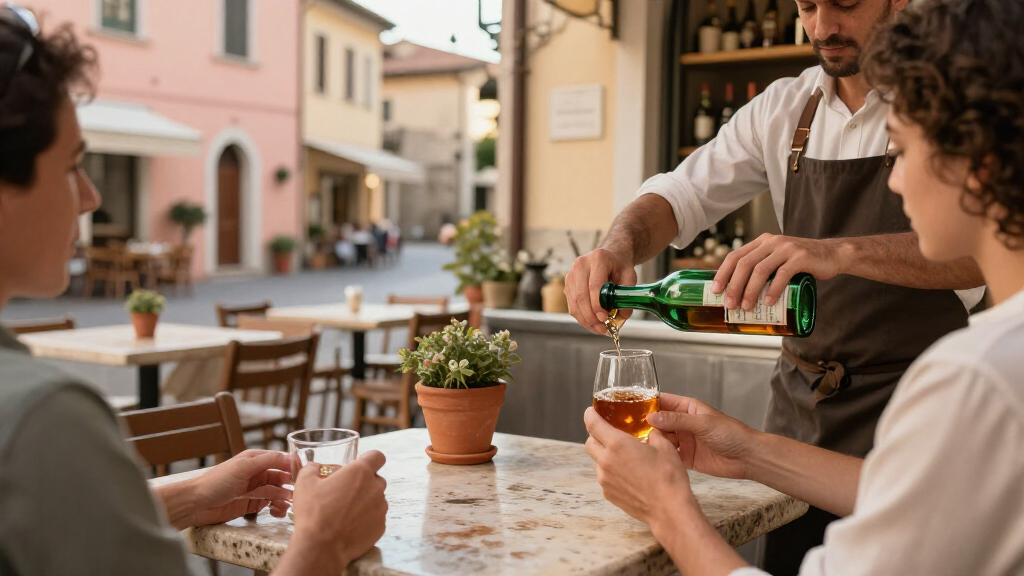
Start amaro neat at room temperature in a small glass, then compare it with a chilled pour or a little ice. This gives you a baseline before cold and dilution soften or shift the aromas. A modest serving is enough to explore the flavor; you don’t need to fill a wineglass.
- Pour a small measure. Check the bottle’s ABV and begin with an ounce or less if you’re new to the style.
- Smell before sipping. Look for citrus peel, mint, roots, spice, coffee, or flowers.
- Take a slow sip. Notice what arrives first and what lingers: sweetness, bitterness, warmth, or a cooling herbal note.
- Try it colder. Chill a second small pour or add one ice cube, then see which version suits you.
- Pair it with the end of a meal. Try a citrusy style after fruit or a darker one beside a square of dark chocolate.
In Italy, a small after-dinner pour is often called a digestivo—literally, a drink served after the meal. At home, you might pour it after a plate of roasted pears on a winter evening, or sip a bright herbal style while clearing the table after Sunday lunch. Keep the pour modest: the custom is about a lingering finish to dinner, not drinking for a supposed health effect.
Serve it in a small cordial glass or a sturdy tumbler if you prefer ice. There is no universal temperature rule. If a bottle smells muted straight from the refrigerator, let the glass sit for a few minutes. For food safety, the concern is alcohol and responsible service rather than a special temperature requirement; store the bottle sealed, away from heat and direct sunlight.
How to Choose Your First Bottle by Flavor
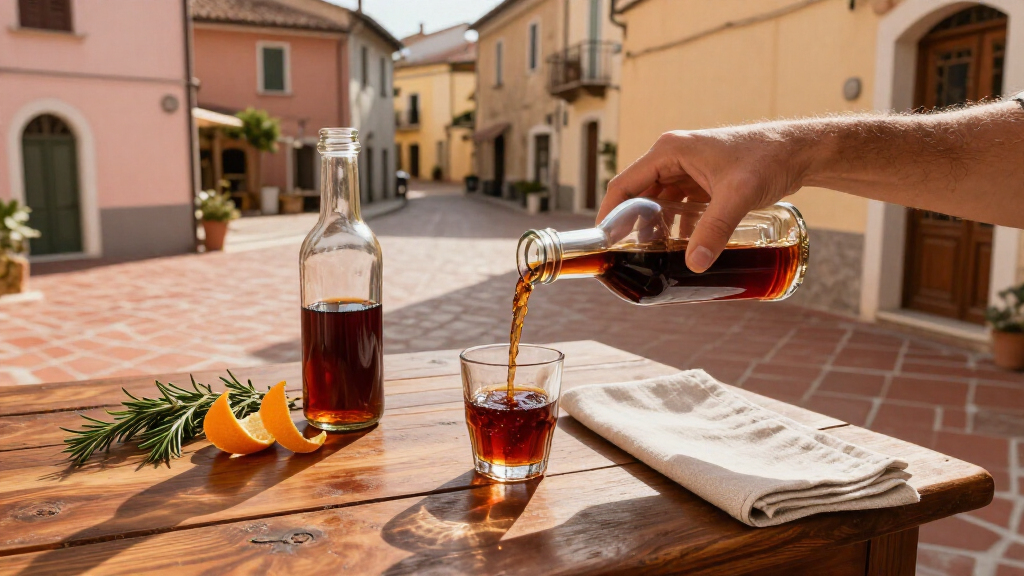
Choose a first amaro by the flavors you already enjoy, because the category ranges from gentle citrus to bold, medicinal bitterness. If you like orange peel, seek a brighter citrus profile; if mint tea is your comfort drink, look for a cool, herbal style. A knowledgeable shopkeeper or bartender can translate those preferences into a small tasting suggestion.
Think of your first bottle as a pantry ingredient for the end of dinner, not a test you must pass. If you usually reach for espresso and dark chocolate, a coffee-leaning or earthy amaro may make sense. If you prefer lemon sorbet, a fresher citrus style might feel more inviting. Taste a small pour before buying when a bar or shop offers that option.
| Flavor you enjoy | Amaro style to explore | First pairing to try |
|---|---|---|
| Orange or lemon peel | Bright, citrus-led | Fruit or almond biscotti |
| Mint tea | Cool, herbal | After a rich meal |
| Dark chocolate or coffee | Earthy, roasted, or spiced | A square of dark chocolate |
| Bold, sharp flavors | Intensely bitter or aromatic | A tiny neat pour on its own |
Read the label for ABV and producer notes, but don’t treat tasting language as a guarantee. “Herbal” might mean fresh and green in one bottle, rooty and dark in another. If your first choice tastes too bitter, try it over ice or with a splash of soda before deciding that the whole category isn’t for you.
When to Drink Amaro—and What “Digestivo” Really Means
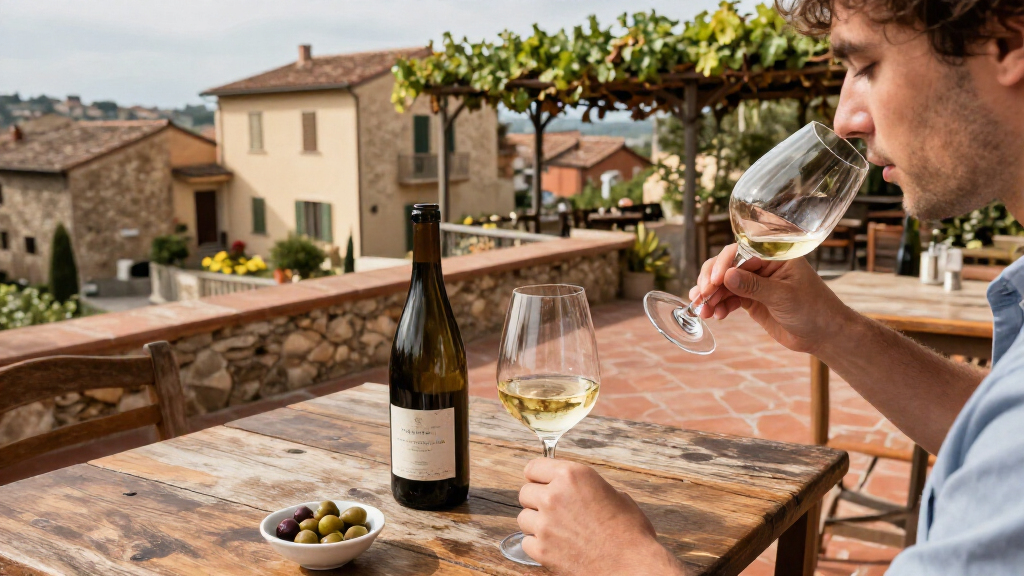
Amaro is traditionally served after dinner as a digestivo, a small drink that marks the meal’s close. In that custom, the glass gives conversation a gentle final chapter: perhaps a little bitterness after braised meat, or citrus and herbs after a long family lunch. The ritual is real; a proven medical effect is a separate claim.
People have long associated amaro with aiding digestion, but being called a digestivo does not establish that it improves digestion. It remains an alcoholic drink. Enjoy it for flavor and tradition if you choose, and skip it if you avoid alcohol. You can still borrow the ritual with espresso, herbal tea, or a citrus peel in sparkling water.
The line between aperitivo and amaro is cultural and flexible. Aperitivo usually refers to drinks before a meal, often with a lighter, brighter profile meant to open the appetite; amaro more often appears afterward and may feel deeper or more bitter. But ingredients and serving customs overlap, so the glass doesn’t always follow a strict timetable.
For example, you might meet an amaro in a spritz before dinner at a neighborhood bar, then see a different style poured neat later. That doesn’t make the drink wrong. It shows how a bottle can move from a table tradition into modern cocktails. Keep the serving adult-only, check the strength, and drink responsibly rather than using it as a remedy.
How to Use Amaro in Cocktails Without Losing Its Character
Amaro adds bitterness, sweetness, and herbal depth to cocktails, so it can bring a drink into balance as well as contribute flavor. A small measure can make a spritz less one-note or give a stirred drink a long, aromatic finish. Since each bottle varies, taste as you mix instead of swapping blindly.
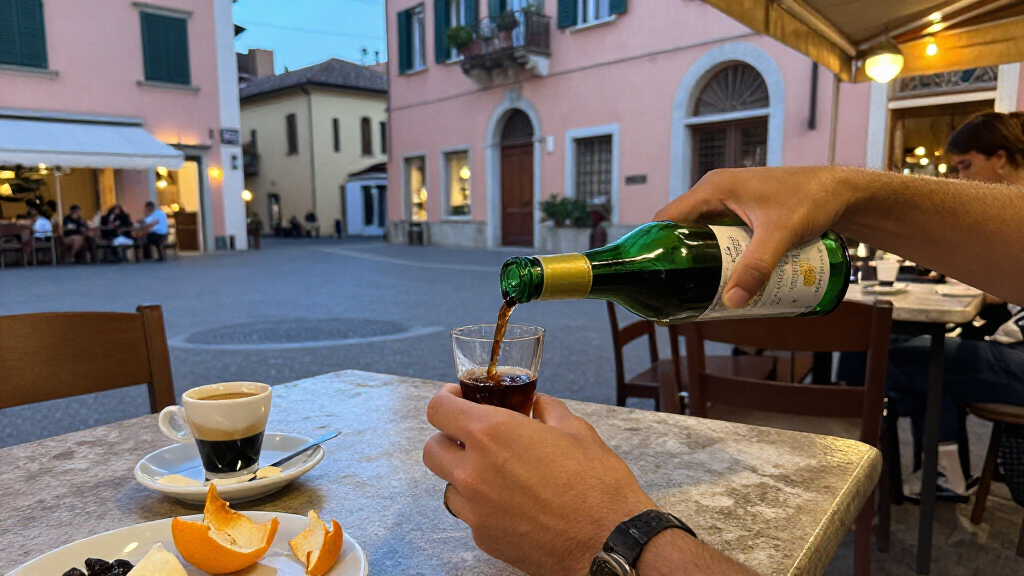
For a simple home experiment, add a modest splash of a citrusy amaro to sparkling water and ice, then finish with an orange peel. If the drink tastes too bitter, add more soda; if it feels flat, squeeze in a little citrus. This gives you a low-effort way to learn what the bottle does before you build a more complicated cocktail.
Recipes are starting points, not guarantees. Replacing one amaro with another can change sweetness, bitterness, aroma, and alcohol strength enough to alter the whole glass. For instance, a minty, forceful bottle may overwhelm a delicate spritz where a lighter citrus style would sit comfortably. Add the substitute in a small measure, taste, and adjust the sparkling water or other ingredients gradually.
Amaro has gained visibility on cocktail menus and in home bars, where bartenders use both familiar bottles and smaller regional producers. You don’t need a shelf full of them to follow that trend. Choose one profile you enjoy, learn how it behaves in a neat pour, then try it in a simple mixed drink. For alcohol content and responsible service, count the amaro as an alcoholic ingredient even when soda or ice makes the glass taste light.

How to Store an Open Bottle and Keep Its Flavor
Keep amaro tightly sealed, away from heat and direct sunlight, and follow any storage directions on the bottle. Many amari last a long time after opening thanks to their alcohol and sugar, but their flavor can gradually change. A bottle left on a sunny kitchen shelf may lose some of its lively herbal or citrus character.
After a dinner party, wipe the rim, close the cap firmly, and return the bottle to a cool cupboard. If you only pour amaro a few times a year, write the opening month on a small label so you can track how it tastes over time. There’s no universal shelf-life number for every recipe, so use the producer’s guidance and your senses.
Before serving, check for an unexpected change in aroma, appearance, or flavor. A little variation over time doesn’t automatically mean a bottle has spoiled, but a strange smell or obvious contamination is a good reason to stop pouring it. As with any alcoholic drink, keep it out of reach of children and serve only to adults.
For a small household, buying one bottle you genuinely enjoy makes more sense than collecting styles you rarely use. Try it neat, in a simple soda drink, and beside a dessert over a few weeks. That gives you a practical feel for how quickly you’ll use it and whether you want a second flavor for another season.
Frequently Asked Questions
How do you pronounce amaro?
Say ah-MAH-roh. The plural is amari (ah-MAH-ree), so you can ask a bartender, “Which amari do you have?”
Is amaro the same as Campari or Fernet?
Campari and Fernet are well-known Italian bitter liqueurs often discussed alongside amari, though usage and classifications vary. Fernet usually points to a particularly intense, aromatic style. Expect differences in bitterness, sweetness, and herbal character rather than one shared taste.
Should I chill amaro before serving?
Try it neat at room temperature first, then compare it chilled or over ice. Cold can soften aromas and bitterness, so your preferred serving depends on the bottle and your taste.
Does amaro help digestion?
Amaro is traditionally served as a digestivo after a meal, but the custom does not establish a medical benefit. It is an alcoholic drink, so enjoy it for flavor and tradition rather than as a remedy.
Can I substitute one amaro for another in a cocktail?
Sometimes, but the drink can change noticeably because amari vary in sweetness, bitterness, aroma, and ABV. Start with a smaller measure of the replacement, taste, and adjust the other ingredients gradually.
How long does an opened amaro bottle last?
Many amari keep for a long time after opening, though their flavors can gradually shift. Seal the bottle, store it away from heat and direct light, and follow the producer’s guidance.
Conclusion
Start with one small pour, notice the flavors that arrive, and choose your next bottle by what you actually enjoy. Amaro’s name means bitter, but bitterness is only one voice in a glass shaped by sweetness, botanicals, place, and the meal around it.
Serve it as an adult after-dinner ritual if that suits you, or let a splash brighten a cocktail. Either way, give the final sip time to linger, like orange peel and herbs in the quiet after the plates are cleared.