TL;DR

Get kitchen staples and gadgets delivered free with Prime
- Fast, free delivery on millions of items
- Prime Video, Amazon Music and more included
- Member-only deals all year
A Dutch oven is deep, so it suits soups, beans, and ragù; a braiser is wide and shallow, so it gives meat and vegetables more room to brown before a covered cook. For either shape, compare capacity, weight, lid and handle limits, and hob compatibility against your usual recipes. No single pot or brand is right for every Italian kitchen.
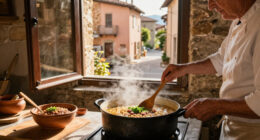
A pot of ragù can spend hours on the stove, but the right pot should also feel manageable when you lift it to the table. That balance of steady heat, useful shape, and comfortable handling is why Dutch ovens and braisers appeal to home cooks who make Italian dishes.
There is no single pot that every Italian household uses. The best fit depends on whether you make soups and beans or prefer browning meat in a broad layer, how many people you cook for, and whether you can handle a heavy vessel when it is full.
This guide connects the pot to the food: from a slow ragù in Emilia-Romagna to a covered braise on a chilly evening. You’ll learn how the shapes differ, what to check before buying, and how to care for your cookware so it can go from stovetop to table.
Choose a Dutch oven for soups, beans, stews, and ragù that need more depth or liquid capacity.
Choose a braiser when you want a broad surface for browning meat or vegetables in one layer.
Treat 5 to 7 quarts as a common Dutch oven starting point for family cooking, not a rule for every household.
Check the oven rating for the lid and knob as well as the pot, and verify hob compatibility for the specific model.
For enameled cast iron, heat gradually, avoid an empty pot on high, cool before washing, and follow the maker’s care instructions.
Cookware field guide · Italy at the table
Stovetop to Table: Dutch Ovens & Braisers
Match the vessel to the meal: a deep Dutch oven gives soups, beans and ragù room to simmer; a wide braiser makes it easier to brown ingredients in a single layer. The best pot is the one that suits your recipes, kitchen and hands.
01 / Choose by the meal
Start with what you cook most
Italian kitchens do not share one universal pot. Your usual dishes, portions and comfort lifting a full vessel matter most.
Dutch oven
High sides and a close-fitting lid suit soups, beans, stews and ragù. A 5–7 quart size is a useful family-cooking reference, not a rule.
Braiser
A broad base gives meat and vegetables more room to brown in one layer. Choose it for chicken, short ribs and shallow braises.
From stove to table
Heavy cookware warms slowly and holds heat well. Many models move from stovetop to oven, but check the pot, lid and knob limits first.
02 / Compare the shapes
Depth and surface change the job
Both can brown ingredients and cook gently under a lid. Match the shape to how your recipe moves from first sear to final simmer.
| Feature | Dutch oven | Braiser |
|---|---|---|
| Shape | Deep, with high sides | Wide, with shallow sides |
| Good for | Soups, beans, stews and ragù | Braised meat, vegetables and shallow meals |
| Cooking surface | Smaller base; browning may take batches | Broad base; room for a single layer |
| Liquid capacity | Better for larger volumes | Less space for deep or very liquid dishes |
| Serving advantage | Holds a generous meal and stays warm | Shallow braises are easy to check and serve |
03 / Match the vessel to the recipe
Think in cooking space
A simple visual guide: prioritize depth for liquid volume, or width for arranging pieces to brown.
04 / Choose your material
Heat retention meets care
Material changes upkeep, weight and cooking feel. Follow care guidance for the exact finish and model.
Enameled cast iron
Retains heat and does not need seasoning. Often a practical choice for tomato-based ragù. Enamel can chip, so avoid sudden temperature changes and metal utensils when the maker advises against them.
Bare cast iron
Can develop a useful cooking surface with seasoning. Dry thoroughly to guard against rust; prolonged acidic cooking may affect the surface, so check the cookware guidance.
05 / Before you bring it home
Five checks for everyday fit
Picture a regular weeknight, a full pot and the trip from oven rack to table.
06 / Care routine
Gentle heat, gentle handling
A few steady habits help keep cookware in service. Always follow the manufacturer’s instructions.
Warm gradually
Bring the pot up to heat gently; avoid heating it empty on high.
Cook with care
Use appropriate utensils and respect the specific finish.
Let it cool
Allow cookware to cool before washing to avoid sudden temperature change.
Follow the maker
Use model-specific cleaning and heat guidance every time.
Choose a Dutch oven for ragù, beans, and generous simmering
A Dutch oven is a deep, lidded pot that gives soups, beans, stews, and sauces room to simmer. Its high sides hold a substantial volume of liquid, and the lid helps keep moisture in as the food cooks. If your usual Sunday plan involves a large batch of ragù, this shape is a practical starting point.
Think of the pot as a small, steady reservoir of heat. It takes longer to warm than a thin pan, but its mass holds warmth well, helping a gentle simmer stay even. For a home cook making ragù (slow-cooked meat sauce) inspired by Emilia-Romagna, that means you can brown the meat, add the sauce ingredients, and let everything cook in one vessel.
A 5- to 7-quart Dutch oven is a common family-cooking size, though your household and recipe matter more than the number. If you cook beans for two, a large pot may take up scarce storage space; if you freeze portions of soup, extra capacity can save you a second batch. Check whether the filled pot will fit in your oven and sink before committing.
The deeper shape has a tradeoff: a smaller base can crowd meat when you try to brown too much at once. If you’re searing several pieces for a stew, work in batches so they brown instead of steaming. You’ll add a few minutes, but the browned bits on the bottom become a flavorful base once you add liquid.
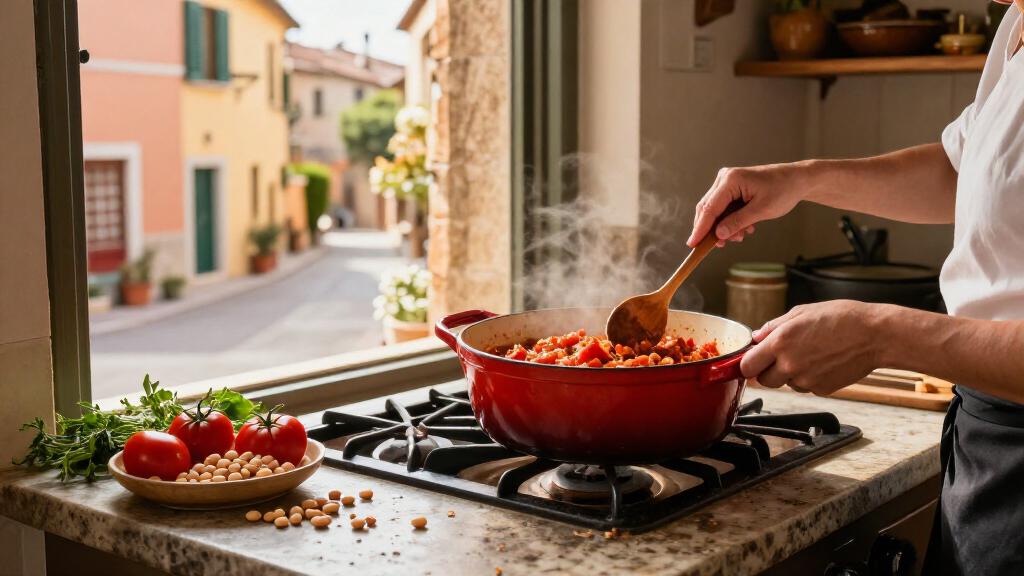
enameled cast iron Dutch oven 5 quart
As an affiliate, we earn on qualifying purchases.
As an affiliate, we earn on qualifying purchases.
Pick a braiser when you want more room to brown
A braiser is a wide, shallow, lidded pan that gives meat and vegetables more space to brown in a single layer. That broad surface is useful when the first step of your recipe matters as much as the slow cook that follows. If you want chicken thighs with golden edges and a reduced pan sauce, a braiser makes the sequence easier.
Imagine arranging chicken thighs skin-side down for a dish with olives and tomatoes from Liguria. In a braiser, the pieces can sit with room between them, giving moisture a chance to escape and the skin a chance to color. After browning, add your liquid, cover the pan, and move it to the oven if the manufacturer allows it.
The lower sides also make it easier to watch a sauce reduce. You can lift the lid, check the liquid, and spoon sauce over the food without reaching down into a deep pot. That can help with a shallow braise, but it also means the pan holds less liquid than a Dutch oven. A large batch of bean soup or a very liquid stew may feel cramped.
Think about the dishes you cook most often, not a perfect imaginary menu. If your stovetop sees more short ribs, artichokes, or chicken than minestrone, a braiser may earn its space. If you want one vessel for both those meals and large pots of soup, the Dutch oven is usually more adaptable.

Compare the shapes before you choose
The main difference between a Dutch oven and a braiser is depth: a Dutch oven handles larger volumes of liquid, while a braiser spreads food across a wider cooking surface. Both can brown ingredients and cook them gently under a lid. The right one depends on how your recipe moves from the first sear to the final simmer.
For example, if you’re making beans to serve with toasted bread, depth gives you space for the cooking liquid and room for a steady simmer. If you’re cooking a few chicken legs, the wide base of a braiser can give each piece space to color. The table offers a quick way to match those jobs to the vessel.
| Feature | Dutch oven | Braiser |
|---|---|---|
| Shape | Deep, with high sides | Wide, with shallow sides |
| Useful for | Soups, beans, stews, ragù | Braised meat, vegetables, shallow one-pot meals |
| Cooking surface | Smaller base; browning may take batches | Broad base; more space for a single layer |
| Liquid capacity | Better suited to larger volumes | Less room for deep or very liquid dishes |
| Serving advantage | Holds a generous meal and stays warm | Makes a shallow braise easy to serve |
Neither vessel wins every time. Dutch ovens and braisers serve the same reasons they fit traditional cooking: steady heat, a lid, and the option to cook and serve in one pot. A compact kitchen might benefit from a Dutch oven’s wider range of uses; a cook with a separate soup pot may prefer the braiser’s open cooking surface.
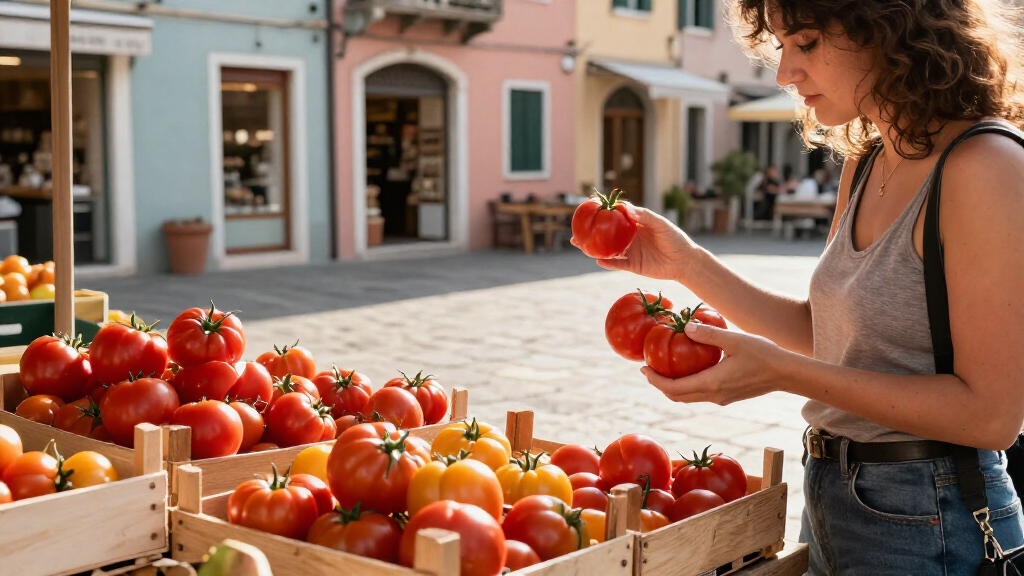
Match the material to how you cook and clean
Enameled cast iron holds heat without needing seasoning, while bare cast iron needs more care and should be dried thoroughly to guard against rust. Both can work for long, gentle cooking, but their maintenance differs. If tomato sauce is a regular guest in your kitchen, enameled cast iron is often the easier choice because its coating is designed to handle acidic ingredients better than bare cast iron.
That distinction matters when you cook a tomato-based ragù for several hours. With enamel, you can simmer the sauce and then follow the maker’s cleaning directions; with bare cast iron, prolonged acidic cooking may affect the cooking surface, so check the cookware guidance. Stainless steel and aluminum offer other options, but they do not retain heat in exactly the same way as cast iron.
Cast iron is heavy, and the weight increases once you fill the pot with beans or stew. Before you buy, picture lifting it from a low oven rack or carrying it with both hands to the table. A smaller pot, lighter construction, or different material may be more comfortable for your everyday cooking.
Recent cookware designs include more colors, lighter constructions, and induction-compatible options. Those features can make a pot easier to live with, but claims about performance, durability, and temperature limits vary by model. Read the specifications for the particular pot rather than assuming that every enamel finish or handle behaves alike.

Check these five details before bringing a pot home
Before you buy, compare a pot’s capacity, weight, handles, heat limits, and hob compatibility with your actual kitchen. Those details tell you whether the cookware will work on a Tuesday night, not just look good on a shelf. A pot that fits your recipe but won’t fit your oven can turn a convenient braise into a frustrating transfer.
- Capacity: Match the volume to the meals you make. A 5- to 7-quart Dutch oven suits many family batches, but smaller households may want less.
- Weight and handles: Check whether you can grip the handles securely, including with oven mitts. Imagine lifting the full pot, not the empty one.
- Lid and oven limits: Confirm the temperature rating for both the pot and its lid or knob. Parts can have different limits.
- Hob compatibility: Check the product specifications for your stove, especially if you cook on induction.
- Storage and cleaning: Measure your oven, sink, and cupboard. A wide braiser can be awkward to wash if it barely fits in the sink.
Say you cook for four and often make chicken with vegetables, but you only have a compact sink. A medium braiser may suit the portions, while its width could make cleanup awkward; the handles and sink fit could change your decision. Try to assess the pot’s practical footprint before you choose color or finish.
Price can reflect materials, finish, design, and warranty, but it does not guarantee that a particular vessel suits your recipes. Compare the specifications and care requirements across options at the price you can afford. There is no universally preferred pot or officially Italian brand that you need to own to cook Italian food.
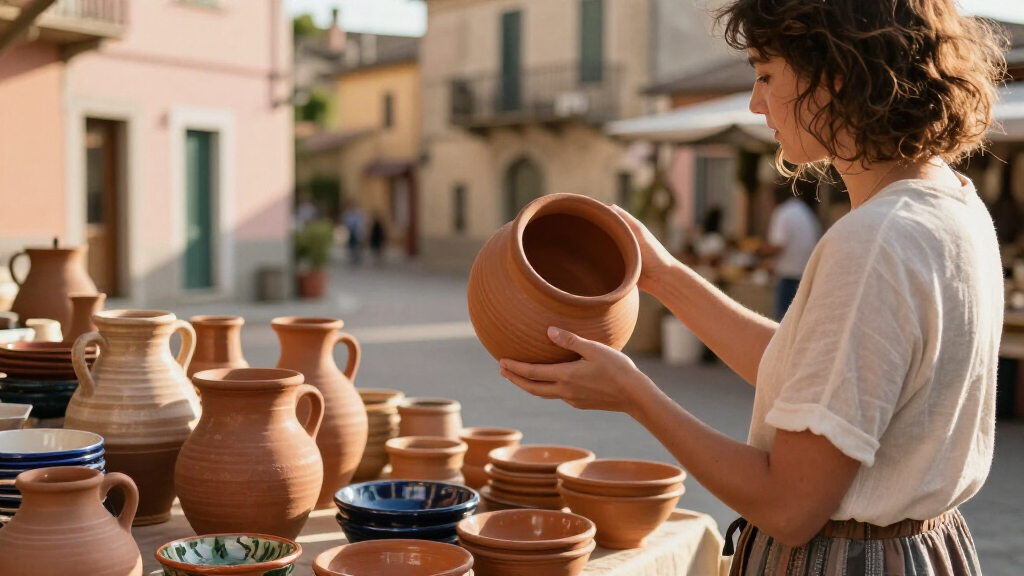
Use gradual heat and gentle care to keep the pot in service
To protect enamel, heat the pot gradually, avoid heating it empty on high, and let it cool before washing. Sudden temperature changes can stress cookware, while a dropped or struck enamel surface can chip. Check the manufacturer’s instructions for utensil and cleaning guidance, since finishes and temperature ratings vary.
For instance, start a braise over moderate heat, give the oil a moment to warm, and brown the food in batches if the base gets crowded. If the recipe moves from stovetop to oven, check the temperature limits for the lid and knob first. This small pause helps prevent you from assuming the vessel has a higher oven rating than one of its parts.
Use enough fat to help food brown and release, then let the meat form a crust before trying to move it. If it sticks, it may need more time; scraping too soon can tear the surface of the food and leave less color for the sauce. Once you add liquid, loosen the browned bits with a wooden or otherwise manufacturer-approved utensil.
Food safety still matters when a heavy pot holds a large batch. Refrigerate leftovers promptly in shallow containers rather than leaving them at room temperature for hours, and reheat them thoroughly before serving. A pot that keeps food warm at the table is useful, but it does not replace safe storage once dinner ends.
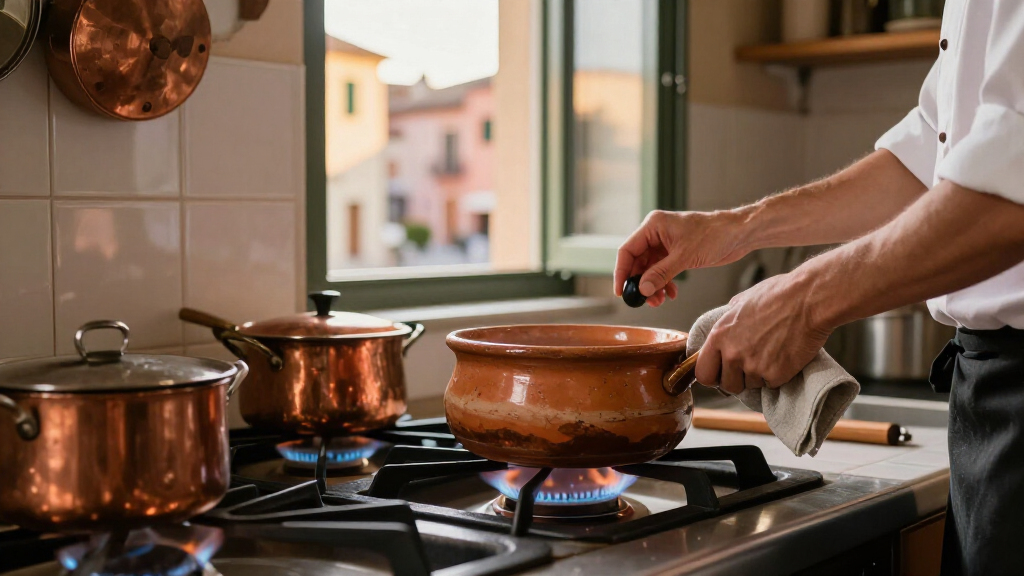
Let the dish decide which pot reaches your table
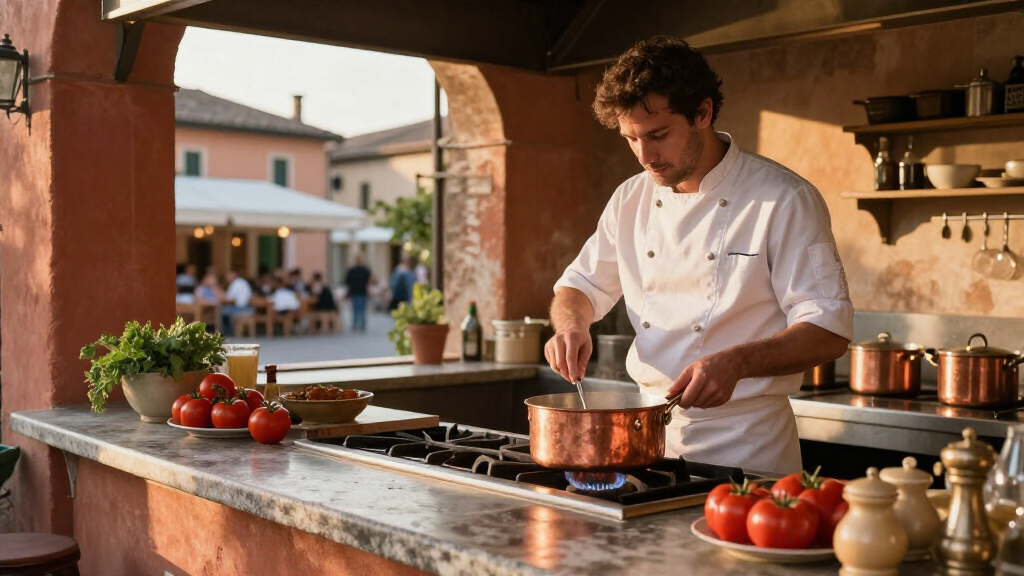
For many Italian dishes, the cooking method matters more than a cookware label: brown carefully, keep the simmer gentle, and leave enough room for the food to cook evenly. A Dutch oven suits liquid-rich dishes, while a braiser suits food arranged in a broad layer. Both can help carry a meal from stovetop to table when their size and weight work for you.
Imagine a winter evening in Tuscany, with white beans simmering beside bread and a bottle of olive oil on the counter. A Dutch oven gives the beans room to cook in their liquid and can keep them warm for serving. On another night, a braiser might hold chicken and vegetables in a shallow sauce, with the browned edges visible as you bring it to the table.
Italian cooks value tools that do a useful job day after day, but household habits vary. One cook may prize a pot for big batches of soup; another may want a broad surface for braised vegetables. The useful question is simple: which shape fits the dishes you make most and the way you can lift, store, and clean it?
Choose a Dutch oven if your kitchen revolves around soups, beans, and sauces. Choose a braiser if you often brown and arrange smaller portions in one layer. If you buy just one vessel, let your most frequent dish—not a trend or a color—make the choice.
Frequently Asked Questions
Is a braiser the same as a Dutch oven?
No. A braiser is wider and shallower, while a Dutch oven is deeper and holds more liquid. Either can brown food and cook it under a lid, but the shape suits different jobs.
Which is better for Italian cooking?
Neither is universally better. A Dutch oven is a flexible pick for soups, beans, and ragù; a braiser is handy for dishes where you want to brown food in a broad layer before braising it.
Can I cook tomato sauce or ragù in enameled cast iron?
Generally, yes: enameled cast iron is designed to handle acidic ingredients better than bare cast iron. Follow the care directions for your particular pot, especially for long cooking and cleaning.
Do I need an expensive brand?
No. Price alone doesn’t tell you whether a pot fits your cooking. Compare capacity, weight, lid fit, temperature limits, and care requirements against the meals you actually make.
Can these pots go on induction or in the oven?
Many can, but compatibility and maximum temperatures vary by model. Check the specifications for your specific hob, pot, lid, and knob before cooking.
What size Dutch oven should I buy?
A 5- to 7-quart Dutch oven is a common starting range for family cooking. Choose by your usual batch size and storage space; smaller households may prefer less capacity, while cooks who freeze meals may want more.
Conclusion
Let your most-cooked dish choose the shape. A Dutch oven gives ragù, beans, and soup room to simmer; a braiser gives meat and vegetables space to brown before a covered cook.
Check the weight, capacity, and heat limits before you buy. Then choose the pot you’ll reach for often: the one that lets a meal finish gently and arrive at the table still warm.
Halloween Picks
halloween
As an affiliate, we earn on qualifying purchases.