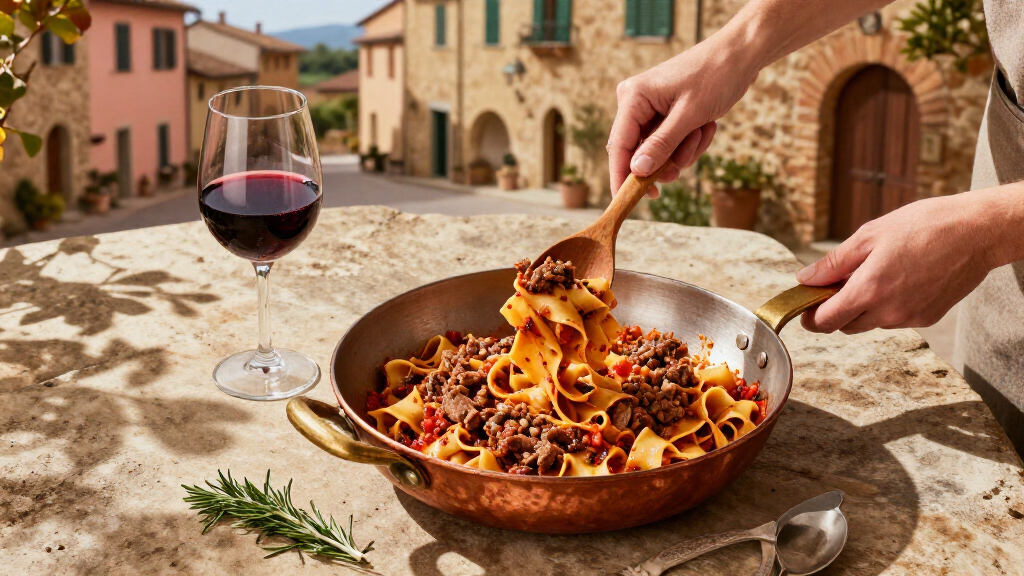

TL;DR

Get kitchen staples and gadgets delivered free with Prime
- Fast, free delivery on millions of items
- Prime Video, Amazon Music and more included
- Member-only deals all year
Pappardelle al cinghiale pairs broad pasta ribbons with a slow-braised wild boar ragù closely associated with Tuscany. Recipes vary in their use of tomato and red wine, and marinating is optional; choose inspected meat, cook it until tender, and serve the ragù with pappardelle or another broad pasta.
When a bowl of pappardelle al cinghiale lands on the table, the wide noodles are already wearing the sauce: dark, glossy ribbons tangled with tender meat and the scent of wine and herbs. The dish is a Tuscan autumn standard, but you do not need a fixed calendar date or a restaurant kitchen to understand what makes it work.
This guide explains what wild boar brings to the ragù, why pappardelle suits it, and how Tuscan versions differ. You will also get practical advice for choosing meat, deciding whether to marinate, braising until tender, and storing leftovers safely. If you are planning a meal after a chilly walk in the Tuscan countryside—or simply cooking on a cool Sunday at home—you can make choices that honor the dish without treating one household recipe as the only right one.
Pappardelle al cinghiale pairs broad pasta ribbons with a slow-braised wild boar ragù closely linked to Tuscany.
Choose inspected, reputable wild boar suited to braising; marinating in red wine is common but optional.
Judge the braise by tenderness, not just a timer, and keep the pot at a gentle simmer.
Tuscan versions vary: tomato can lead, or the sauce can center on wine, herbs, stock, and meat.
Cook pasta near serving time, refrigerate ragù promptly, and reheat leftovers until steaming hot.
Tuscan table · Autumn edition
Pappardelle al Cinghiale: Wild Boar Ragù, the Tuscan Autumn Standard
A forest-born classic of wide golden ribbons and a patient, wine-simmered sauce. Each bowl carries the flavors, seasons, and rural traditions of Tuscany.
A dish shaped by its landscape
Wild boar, local aromatics, and slow cooking turn seasonal ingredients into a meal with a strong sense of place.
Pappardelle al Cinghiale pairs broad egg pasta with a deeply savory wild boar ragù. Marinating and several hours of gentle braising soften the lean meat, while wine, herbs, and aromatics build a rich, rustic sauce.
Lean, intense meat
Wild boar has a pronounced, earthy flavor. Gentle braising breaks down its tougher fibers and brings the meat to a tender finish.
Broad, sauce-catching ribbons
Pappardelle’s wide surface holds thick ragù, so the meat, sauce, and pasta come together in each forkful.
Autumn on the table
Rooted in rural Tuscan cooking, the dish reflects hunting season, local sourcing, family gatherings, and the rhythm of the fall harvest.
Six moves. One patient pot.
Layer flavor in stages, then let low heat do the slow work of turning a firm cut into a silky sauce.
Marinate
Soak boar overnight with red wine, garlic, rosemary, and juniper.
Sear
Pat dry and brown in olive oil to build a deep, caramelized base.
Soften
Sauté onion, carrot, and celery; add garlic and bay leaves.
Deglaze
Add wine, scrape up the browned bits, and stir in tomato if desired.
Braise
Cover and simmer gently for 3–4 hours, stirring now and then.
Finish
Check seasoning, loosen the meat, and serve over fresh pappardelle.
Wide pasta, rich sauce
Shape is part of the experience: pappardelle gives a substantial ragù enough surface to cling to.
A generous canvas for ragù
Traditionally made with egg pasta, pappardelle’s broad, flat ribbons carry the sauce rather than letting it slip away. Their tender bite balances the slow-cooked meat and concentrated juices.
Autumn is part of the recipe
In Tuscany, the dish links the forest, the local butcher, and the family table.
Rooted in rural Tuscany
Wild boar hunting has long shaped seasonal cooking across areas such as Chianti, Maremma, and the Crete Senesi. Traditionally, the meat arrives during the autumn hunting season and becomes a centerpiece for festive meals and gatherings. Today, cooks also look to responsible sourcing and local provenance to honor the landscape behind the dish.
Bring the bowl into balance
Keep the accompaniments simple and let the slow-made ragù lead.
Choose a bold red
Chianti Classico or Brunello di Montalcino can stand alongside the ragù’s savory depth and earthy game flavor.
Season and serve hot
Adjust salt and pepper, remove the bay leaves, and add Parmesan and fresh herbs if you like.
Keep the character in mind
Pork shoulder or beef can substitute for wild boar, though the flavor will differ. Hearty vegetables or plant-based proteins offer another variation.
From forest to fork
What makes pappardelle al cinghiale taste so Tuscan
Pappardelle al cinghiale is broad ribbon pasta served with ragù made from wild boar, or cinghiale. It is especially associated with Tuscany, where wild boar appears in countryside cooking and colder-season menus. The dish tastes savory and robust, but the exact flavor depends on the animal, how the meat was handled, and the cook’s choices with wine, tomato, and herbs.
The appeal starts with contrast. Pappardelle are wide enough to catch small pieces of meat and cling to a thick sauce; a thin noodle can feel lost beneath a ragù with real heft. That pairing is practical as well as traditional: the pasta’s width gives each bite room for both sauce and meat, so the ragù feels integrated rather than like a topping sliding away from the noodles. Wild boar is generally leaner and more strongly flavored than domestic pork, so a gentle braise gives firm cuts time to soften. Think of the pasta as a broad scarf that carries the sauce in every fold.
At a Tuscan table in autumn, a plate might arrive after a morning outdoors, with steam carrying the scent of red wine, rosemary, and browned meat. That seasonal connection is strong, but the dish is not limited to autumn: it also makes sense throughout colder months. The flavors are warming, and a long braise suits days when a pot can cook slowly. If you spot it on a menu, ask whether the ragù leans toward tomato or toward wine and herbs. That answer tells you more about the bowl ahead than the name alone, because those choices change whether the sauce tastes brighter and rounder or darker and more aromatic.

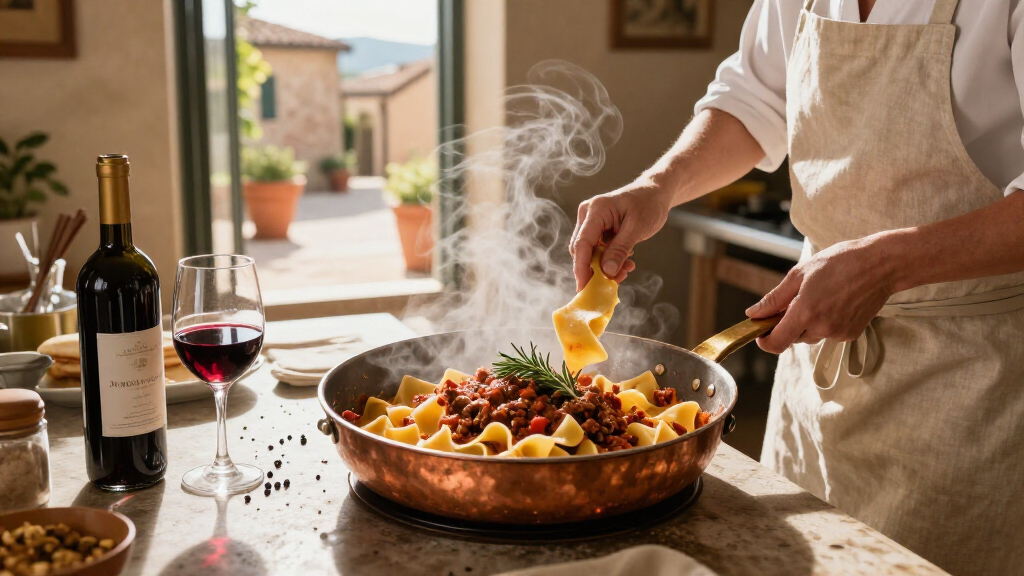
As an affiliate, we earn on qualifying purchases.
Choose the boar cut and marinade that fit your ragù
Choose a braising cut with enough connective tissue to soften during slow cooking, and buy it from a reputable, inspected supplier. Wild boar can be lean and firm, so cooking it like a quick-fry pork chop will leave it tough. A butcher may sell it diced or as a shoulder-style cut; either can work, though larger pieces are easy to shred once tender. The cut affects the finished ragù: larger pieces are easier to brown well and later pull apart, while diced meat spreads more evenly through the sauce but can dry out if it is cooked too aggressively.
Marinating is common in many traditional preparations, but it is optional. A red-wine marinade with onion, carrot, celery, and aromatics can add fragrance and help mellow a pronounced flavor. It does not tenderize the meat deeply or replace the braise; its main effect is on the surface and on the aromas that accompany the meat into the pot. If your meat smells clean and mild, or your supplier has prepared it well, you may skip the soak and build those aromas directly into the braise. A marinade cannot fix meat that was poorly handled.
For example, imagine planning dinner for Saturday and finding a strong-smelling, unfamiliar cut at the butcher. Ask about its origin, handling, and whether it is suitable for a long braise before buying; do not rely on extra wine to solve uncertainty. If you do marinate, keep the meat covered in the refrigerator, not on the counter, and discard the used marinade or bring it to a full boil before using it in a sauce. Keeping raw meat and its juices away from ready-to-eat foods matters because those foods will not receive the cooking step that reduces hazards in the ragù.
Wild-boar availability and rules vary by place and season, including in Italy, where hunting and wildlife management are regional matters. A restaurant’s menu name does not tell you where its meat came from. Ask about sourcing if that matters to your meal, especially when traveling through rural Tuscany and comparing dishes from one town to another. Provenance can affect both the flavor you encounter and which handling advice applies, so it is useful information rather than just a point of curiosity.

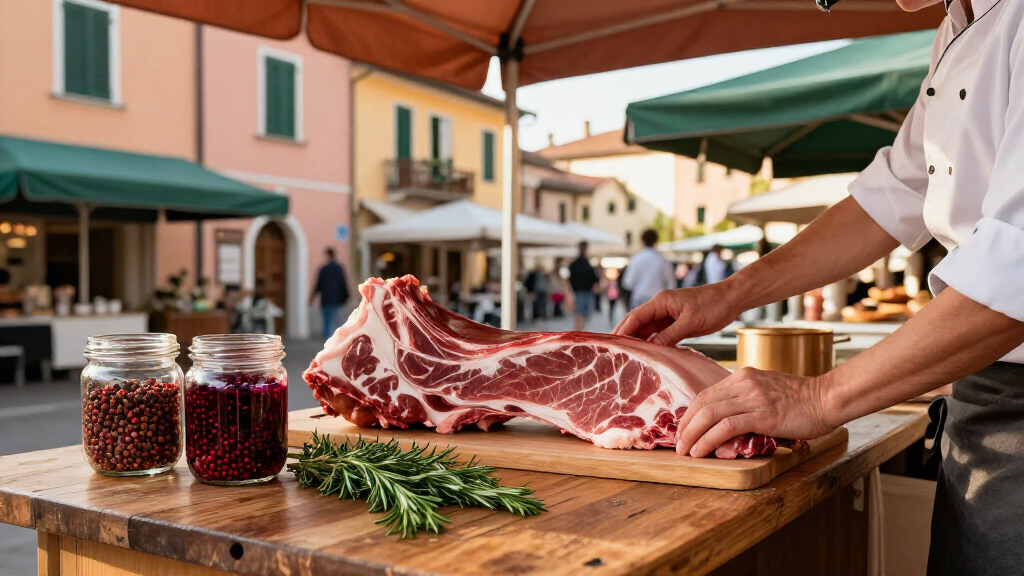
Why a gentle braise matters more than a fixed cooking time
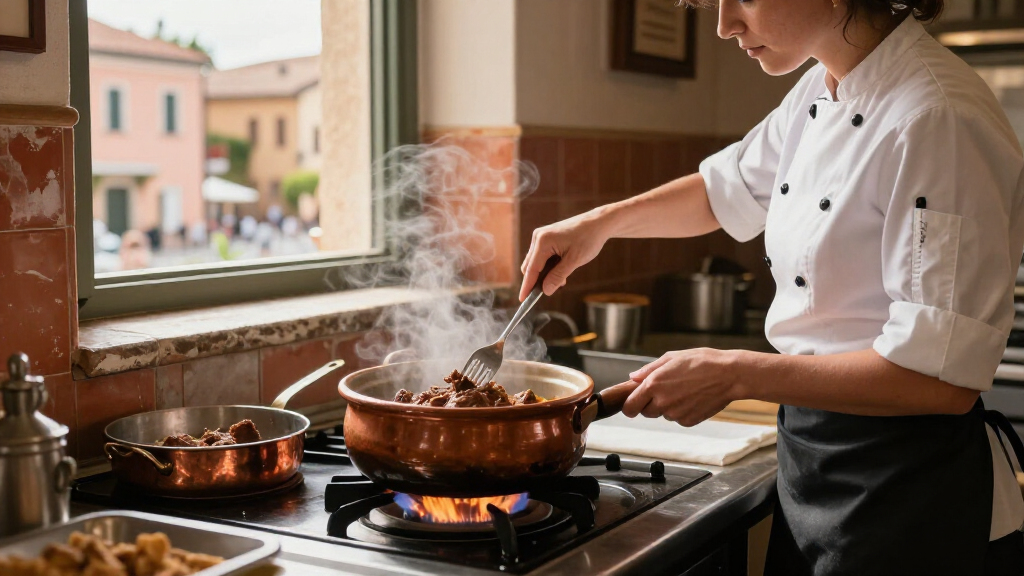
Cook the ragù until the boar is tender, rather than trusting a recipe’s clock as the only measure. Wild boar’s leanness and firmness make gentle, extended cooking a better fit than a fast simmer. As the meat softens, it becomes easy to pull apart or chop finely, and its savory flavor settles into the sauce. Time is only an estimate because the size and age of the cut, how it was diced, and the steadiness of the heat all affect when that point arrives.
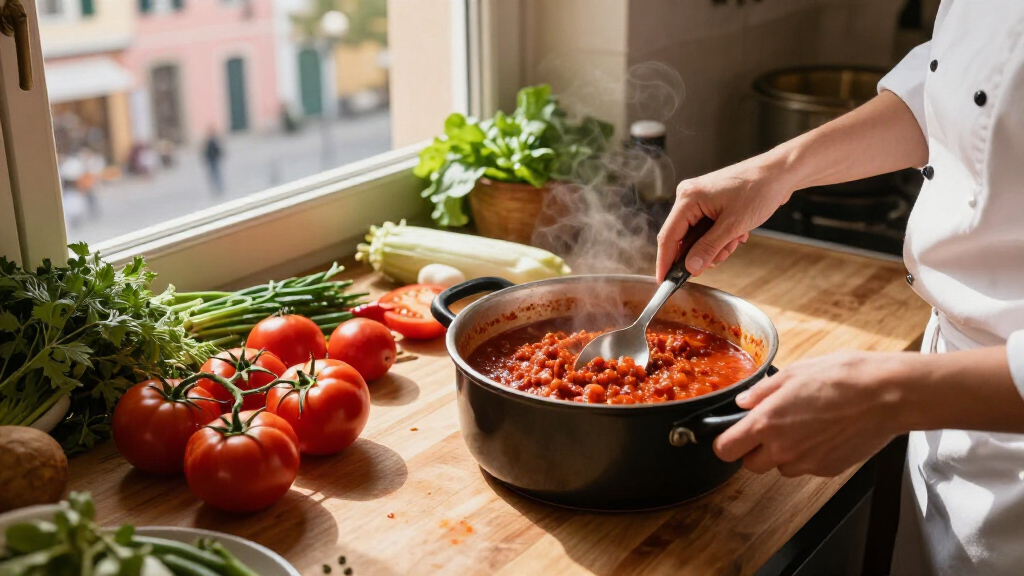
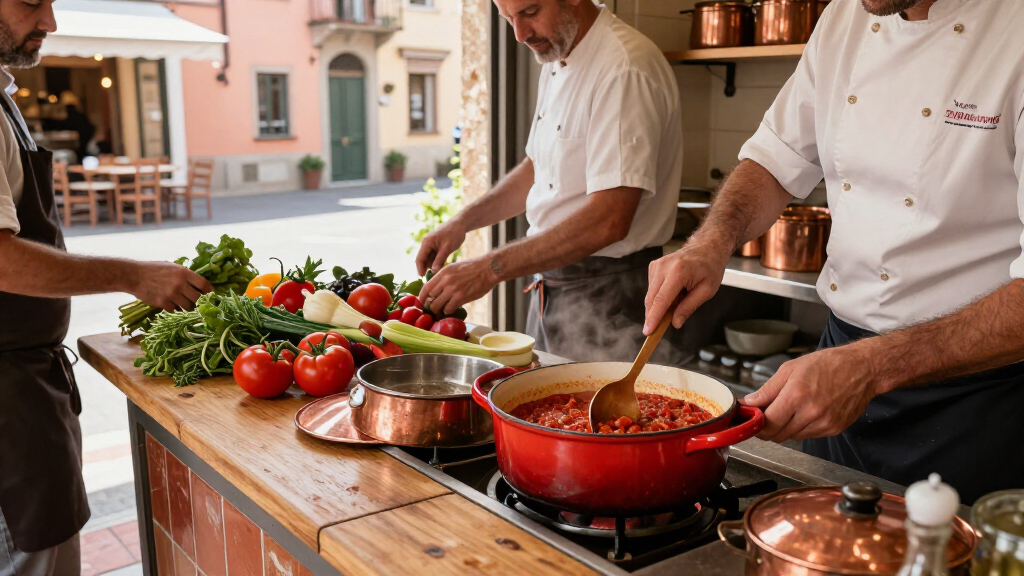
Start by browning the meat in batches so it colors instead of steaming in a crowded pot. Browning adds savory depth that a long simmer alone will not create; overcrowding traps moisture and works against that flavor. Set the meat aside, then soften a base of onion, carrot, and celery in the same pan. Add wine and scrape up the browned bits; then return the meat and add herbs and tomato, stock, or both. Keep the pot at a quiet simmer, with only occasional bubbles. A hard boil can make the meat seize and the sauce reduce before the center turns tender, leaving you with less control over both texture and concentration.
Use this sequence as a practical guide, then adapt it to your cut and pot:
- Brown the boar in batches and set it aside.
- Soften the vegetables until fragrant, then stir in any chosen aromatics.
- Add wine and sauce ingredients, return the meat, and bring the pot to a gentle simmer.
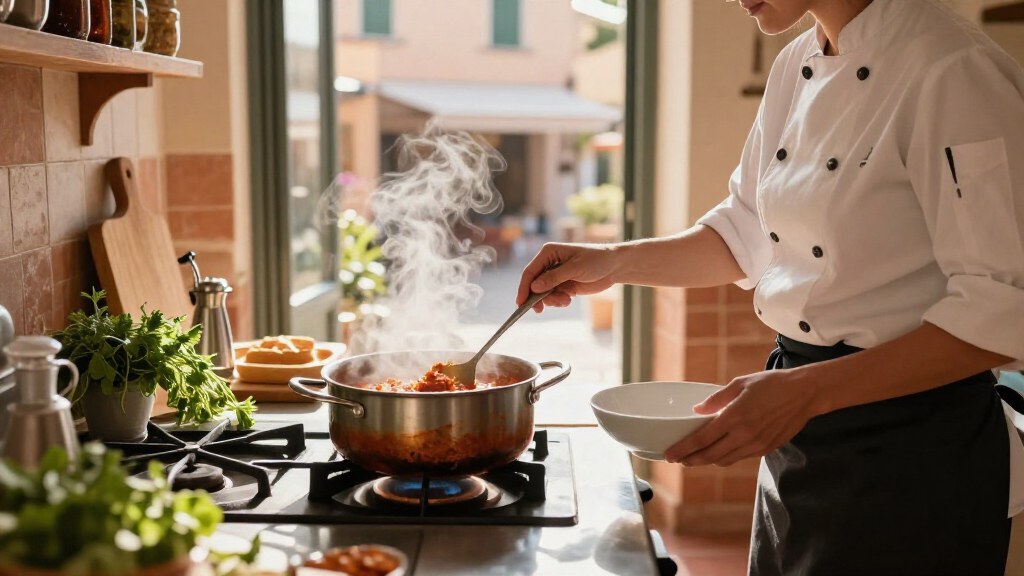
- Cover partly and braise, stirring now and then, until the meat yields easily to a fork.
- Shred or chop the meat, return it to the sauce, and season to taste before serving.
Modern cooks can use a slow cooker or pressure cooker to change the hands-on schedule, but tenderness still guides the finish. The tradeoff is control: a slow cooker needs little attention but may reduce the sauce less, while a pressure cooker shortens cooking time but offers fewer chances to judge the sauce as it develops. Check your appliance instructions and food-safety guidance for cooking game. For a Sunday meal, braise the ragù in the morning, then let it cool and refrigerate it promptly if you will serve it the next day.

Pick the Tuscan sauce style you want to serve
Tuscan wild boar ragù has no single tomato rule. Some cooks build a red, tomato-forward sauce, while others use little or no tomato and let wine, herbs, stock, and meat lead. Both approaches belong to the dish’s broad regional tradition. The best choice depends on the meat’s flavor and the sort of plate you want: brighter and more tomato-rich, or darker and more focused on the braise. Thinking of the styles as different balances helps avoid treating one ingredient list as a test of authenticity.
Tomato can lend acidity and a familiar, rounded sweetness. A modest amount may balance the strong flavor of boar without turning the pot into a conventional tomato sauce. Too much can mask the meat and make the ragù taste more like a generic tomato stew. A wine-led version can taste deeper and more aromatic, especially with herbs or a restrained touch of juniper; its tradeoff is that it can become sharp or overly intense if the wine dominates. Use aromatics with care; a heavy hand can make a long-cooked sauce taste more like a spice cabinet than a Tuscan kitchen.
| Style | What leads | When it fits |
|---|---|---|
| Tomato-forward | Tomatoes, browned meat, vegetables, wine | When you want a fuller, brighter sauce with gentle acidity |
| Wine-led | Boar, wine, stock, herbs, aromatics | When the meat has enough character to carry a darker braise |
| Light on both | Meat, vegetables, stock, restrained wine | When you want to taste the boar clearly without a heavy tomato note |
Picture two bowls at a small family lunch near Siena: one rust-red and softly tangy, another deep brown with flecks of herbs. Neither needs to be declared the authentic winner. Taste near the end of cooking, add salt carefully, and adjust acidity or liquid as needed; a sauce that reduces for hours may need a spoonful of stock, while a bright tomato version may benefit from more time together. This late adjustment matters because reduction concentrates salt and flavor, and a sauce that tastes balanced early can become too intense as liquid evaporates.

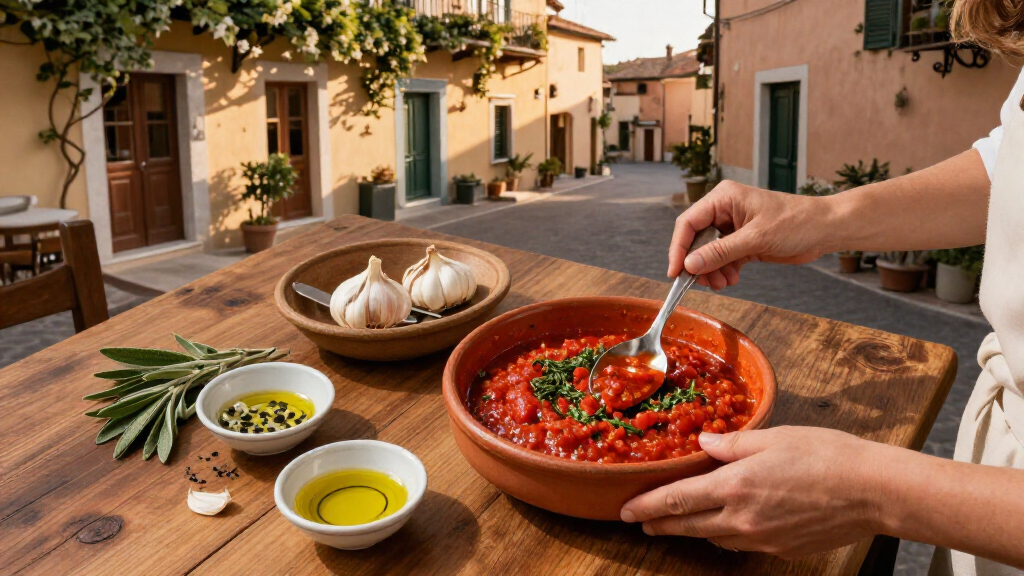
Match broad pasta ribbons to the sauce
Pappardelle are broad noodles made for substantial ragù. Their width and surface give thick sauce somewhere to cling, so each bite holds pasta and meat together. Fresh egg pappardelle are common, while dried pasta also works. The choice changes texture: fresh noodles feel tender and supple; dried ones usually offer a firmer bite and are convenient to keep in the pantry. The softer texture of fresh pasta can make a rich sauce feel more delicate, while the firmer dried noodle gives more contrast and may hold up better if you are serving a large table.
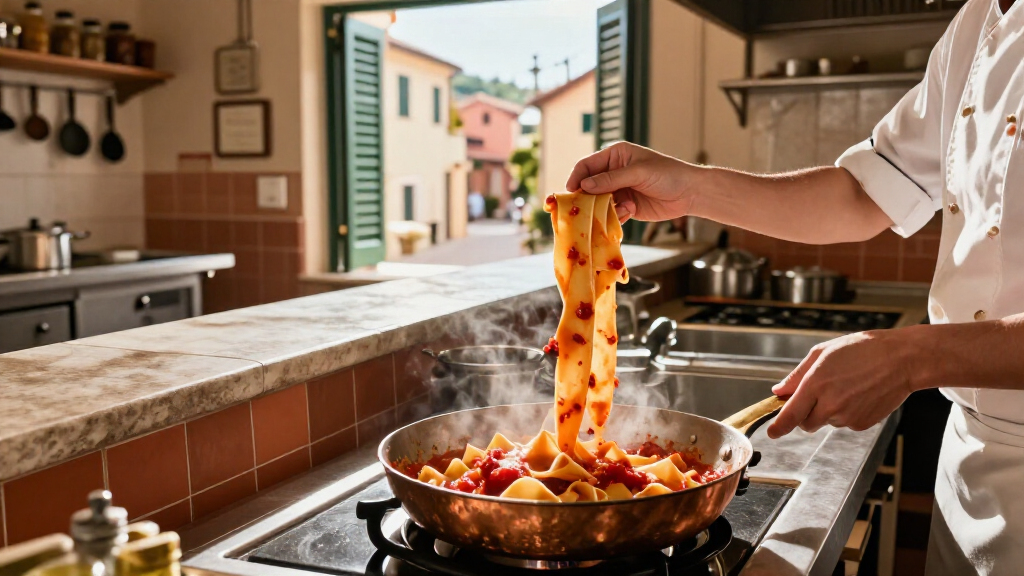
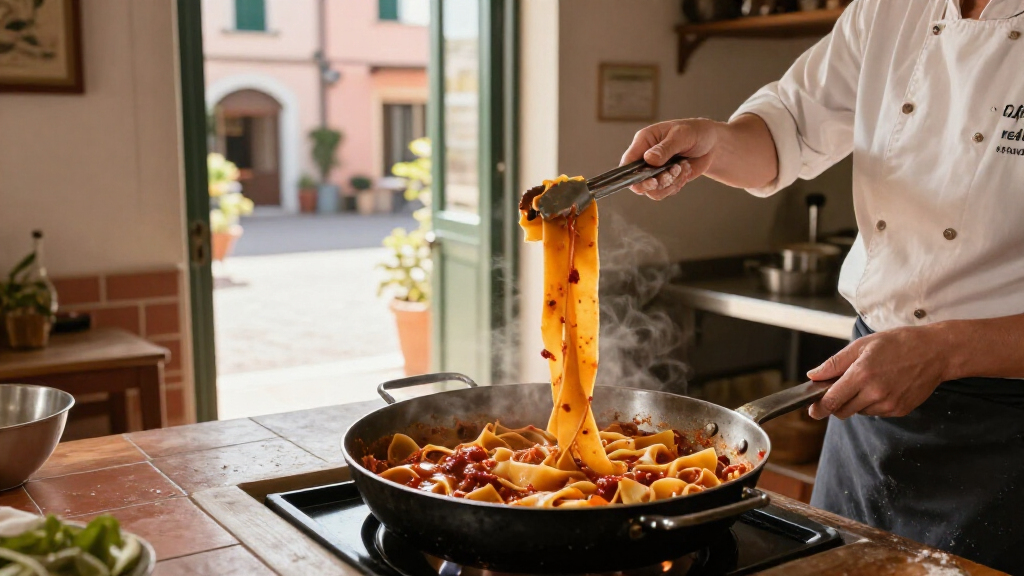
Cook the pasta in well-salted water until just shy of done, then finish it briefly in a pan with the ragù and a splash of pasta water. The starchy water helps the sauce coat the ribbons instead of pooling at the bottom of the bowl. Finishing in the pan also lets the pasta absorb some of the ragù, so the noodles taste seasoned through rather than merely dressed on top. Add the pasta gently so the broad noodles do not tear, and serve as soon as they are coated and glossy.
If you cannot find pappardelle, tagliatelle or fettuccine are practical broad-ribbon substitutes. Short, sturdy pasta can work in a pinch, especially if you have a chunky sauce, but it changes the dish’s familiar shape and feel. When shopping for shaped pasta with a sturdy surface, look for a format that can hold little pieces of ragù rather than a delicate noodle that disappears under them. The wider or more textured the pasta, the more sauce it tends to carry; with a very thick ragù, a thinner shape can make each bite feel unbalanced.
Say you have a jar of yesterday’s ragù but only dried tagliatelle in the cupboard. That is a good dinner, not a failed version: warm the sauce gently, cook the noodles separately, then marry them in the pan for a minute. Keep some pasta water nearby and add it a little at a time. A final taste for salt matters more than chasing a particular pasta shape you cannot find, because the sauce and pasta need to work together on the plate.
Plan the meal around the ragù, not a strict season
Autumn gives wild boar ragù its strongest seasonal association, but cooks also serve it through the colder months and beyond. The appeal of a slow pot is practical: it fills the kitchen with savory aromas and can feed a table after a long walk or a busy day. The season is a cue for the dish, not a rule that forbids it at another time. Planning around the ragù’s cooking and resting time matters more than the calendar; a pot made ahead can leave you free to cook pasta and attend to guests just before dinner.
For a Tuscan-inspired dinner at home, cook the ragù a day ahead if your schedule allows. After cooking, cool it and refrigerate it promptly in a shallow container; keep the refrigerator at or below 40°F (4°C). Reheat leftovers until steaming hot, stirring so the sauce warms evenly, and avoid leaving cooked food at room temperature for more than two hours. Cook the pasta close to serving time so it stays springy rather than swollen in the sauce. Storing the two separately protects the pasta’s texture and gives you more control over portions when reheating.
Keep the rest of the meal simple. A green salad dressed with olive oil and vinegar, cooked bitter greens, or good bread can give you a fresh or gently bitter counterpoint to the rich sauce. A Tuscan red is a familiar pairing, but choose based on the sauce: a tomato-rich version can welcome acidity, while a darker, wine-led ragù may suit a fuller red. Alcohol is for adults of legal drinking age; serve responsibly, and offer water or a nonalcoholic option alongside it. A lighter side is useful because it adds contrast and keeps the meal from feeling heavy, while bread can make the meal more filling and help gather the sauce left on the plate.
On a rainy Saturday, a pot made in the afternoon can become the center of dinner without demanding constant attention. If you have leftovers, store the ragù separately from the pasta where possible. The sauce often tastes more settled the next day, while freshly cooked noodles keep the meal from turning soft and heavy.
Serve the ragù safely and adjust it to your kitchen
Use reputable, inspected meat and handle wild game carefully. Wild boar safety guidance can differ by jurisdiction and by how the animal was obtained, so ask your supplier and follow local public-health advice. Keep raw meat cold, wash hands and surfaces after handling it, and keep raw juices away from salad ingredients, bread, and cooked food. Long cooking is part of the dish, but it does not replace sound sourcing and handling: the source and handling history determine which risks and advice apply before the meat ever reaches the pot.
Wild game can carry foodborne hazards, and advice may vary with the meat’s origin and processing. Follow the safe cooking temperature guidance that applies where you live; when no specific local guidance is available, consult a food-safety authority or a qualified supplier for wild boar. A thermometer can help you check the thickest pieces, but the ragù also needs enough time for the meat to become tender. Tenderness is a cooking goal, not a substitute for a safety temperature. These checks answer different questions: temperature addresses safe cooking, while texture tells you whether the cut has had enough time to become pleasant to eat.
For a practical example, if you are preparing the meal for guests and are uncertain about the cut, ask the butcher how it was inspected and what handling or cooking guidance they recommend before you buy it. If you cannot source wild boar, pork shoulder is an approachable substitute. It will be milder and fattier, so taste the sauce as it cooks and avoid assuming it needs the same seasoning or braising time. Since pork shoulder brings more fat and less pronounced flavor, you may want less added richness and a lighter hand with wine or herbs; adjust by tasting rather than copying every step unchanged.
Other choices can flex too. Beef or venison can take the place of boar, with cooking time adjusted to the cut. The result will no longer taste exactly like the Tuscan original, but the useful idea remains: choose meat suited to a braise, cook it gently, and serve the sauce with pasta broad enough to carry it. Treat substitutions as a way to preserve the structure of the meal while accepting that the flavor and cooking behavior will shift.
Frequently Asked Questions
What does pappardelle al cinghiale taste like?
It is savory and rich, usually with a stronger flavor than a typical pork ragù. Wine, tomato, and herbs can balance the meat, so one bowl may taste brighter and another darker and more aromatic.
Does wild boar taste gamey?
It can taste deeper and more pronounced than domestic pork, but “gamey” means different things to different people. The animal’s age, diet, and handling affect its flavor, and a marinade or slow braise can shape the finished sauce.
Do I have to marinate wild boar?
No. Red wine and aromatics are common in many preparations, but you can skip the marinade if the meat is mild and well handled. Keep any marinating meat covered in the refrigerator, and do not use its raw marinade in the sauce unless you bring it to a full boil.
Can I make pappardelle al cinghiale ahead?
Yes. Ragù can be cooked a day ahead, cooled, and refrigerated promptly; it often tastes more settled after resting. Reheat it gently until steaming hot, and cook the pasta shortly before serving for the best texture.
What pasta can replace pappardelle?
Tagliatelle and fettuccine are good broad-ribbon alternatives. Short, sturdy pasta can also hold a chunky sauce, though the dish will feel different from the classic wide-noodle pairing.
Is wild boar safe to eat?
Buy it from a reputable, inspected source and follow local guidance for wild game. Keep it cold during storage, prevent cross-contamination, and cook it according to food-safety advice that applies to its origin and handling.
Conclusion
For a satisfying bowl, remember three things: source the boar carefully, braise it gently until tender, and use broad pasta that can carry the sauce. Let tomato, wine, and herbs follow the character of the meat rather than a rigid formula.
Then set the table, lift a glossy ribbon of pappardelle from the pot, and let the scent of the braise bring a little Tuscan autumn into your kitchen.

Halloween Picks
halloween
As an affiliate, we earn on qualifying purchases.