TL;DR

Get kitchen staples and gadgets delivered free — and shop member deals
- Fast, free delivery on millions of items
- Access to Prime Big Deal Days deals on October 6–7
- Prime Video, Amazon Music and more included
Chestnut sagre are autumn food festivals held in towns across Italy, especially in hilly and mountain areas where chestnut groves shape local cooking. You can find roasted and boiled chestnuts alongside regional dishes, crafts, music, and walks, but dates and menus vary by town and year. Search for “sagra della castagna” plus a place name, then check the organizers’ latest details before you travel.
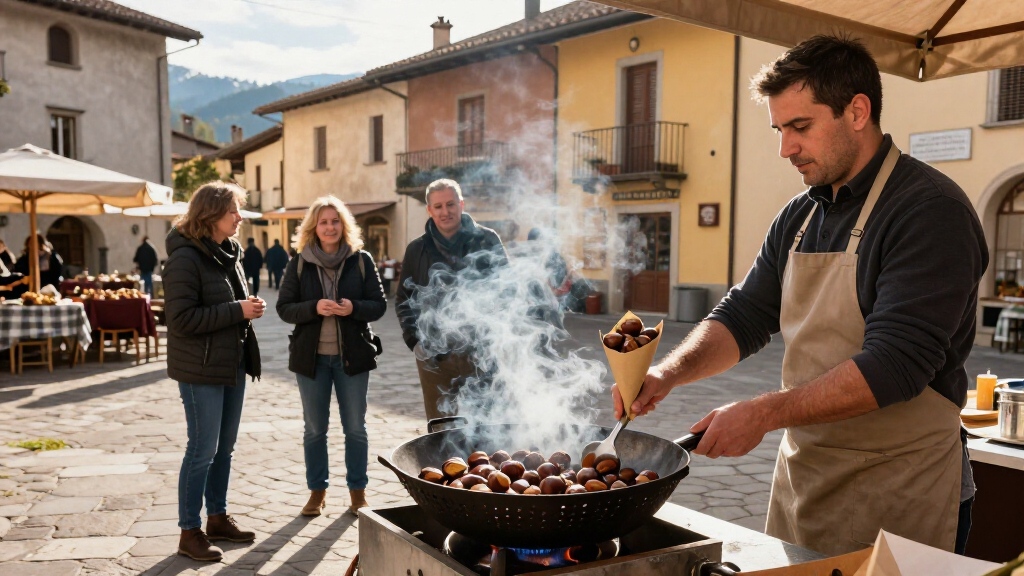
At a chestnut sagra, you may hear chestnuts crackling over a fire before you spot the stall. Follow the smoky, sweet smell and you could find a paper cone of caldarroste—hot roasted chestnuts—waiting beside a table of local soup or cake. The setting might be a mountain village square, with autumn leaves underfoot and a line that moves at its own pace.
A sagra is a local festival, often organized around a seasonal ingredient or regional specialty. Chestnut sagre usually take place in autumn, when castagne (chestnuts) are harvested, and they bring food together with music, crafts, market stalls, and community traditions. They don’t follow one national calendar or serve one standard menu.
This guide will help you choose a region, understand what might be on the table, and plan around changing dates and weather. You’ll also learn how to look beyond the roasted chestnuts for the local dishes that make a festival feel rooted in its place.
A sagra is a local festival; a chestnut sagra centers on the autumn castagna harvest and may include food, crafts, music, or walks.
Search for “sagra della castagna” alongside a town or region, then confirm this year’s date and program with the organizer.
Look beyond caldarroste for boiled chestnuts, soup, pasta, chestnut flour, or castagnaccio; menus vary by place.
Pack comfortable shoes and a light weather layer for outdoor stalls and uneven lanes in hill towns.
Treat a festival as part of a local visit: the town’s landscape and traditions give its chestnut dishes their meaning.
Italy · Autumn harvest · Local food traditions
Chestnut Sagre: Where Italy Roasts, Boils, and Celebrates the Castagna
Follow the scent of caldarroste from a village square to the chestnut groves behind it. These autumn festivals pair the harvest with regional food, crafts, music, and community life.
01 / Start here
What a chestnut sagra brings together
A sagra is a local festival, often centered on a seasonal ingredient or regional specialty. Chestnut sagre celebrate the harvest and the place that cooks it.
Food is the focus, with crafts, markets, music, or walks sometimes on the program.
Events usually fall in autumn, around the chestnut harvest.
Look for roasted and boiled chestnuts, soups, pasta, breads, and cakes.
Local landscapes and cooking customs shape each festival’s character.
Dates, transport, menus, and activities can change from year to year.
02 / From fire to flour
Taste the harvest in three forms
One ingredient moves from a smoky street snack to a warming meal and an earthy dessert. Treat these as possibilities: stalls and recipes vary by place.
Caldarroste
Roasted chestnuts, often served hot in a paper cone. Peel the shells slowly and enjoy the sweet, tender centers while they’re warm.
Boiled, soup, or pasta
Boiled chestnuts have a softer, gentler taste. Chestnuts may also appear in soup, pasta, or bread for a more filling dish.
Castagnaccio
A dense, rustic cake made mainly with chestnut flour. Local recipes may add olive oil, pine nuts, or raisins.
03 / The wider gathering
Beyond the first hot cone
Chestnut cultivation once helped feed many mountain communities. A sagra keeps those uses visible while making space for today’s local life.
Harvest
Autumn brings chestnuts from groves in hilly and mountain areas.
Prepare
Nuts can be roasted or boiled, dried, or milled into flour.
Gather
Food stalls may sit alongside crafts, music, markets, and walks.
Discover
Talk with vendors and look for dishes that reflect local habits.
04 / Plan with confidence
Choose a weekend. Verify the details.
Search “sagra della castagna” with a town or region name. Then check the organizer’s current announcement for the dates, schedule, access, and transport guidance. For an outdoor event, leave room for weather changes.
- 01Check the latest event details close to your travel date; older listings may be out of date.
- 02Plan how you’ll reach a small town before booking a tight itinerary.
- 03Pack comfortable shoes with good grip for outdoor stalls and uneven lanes.
- 04Bring a light layer, and keep a nearby or indoor backup in case weather shifts.
05 / Regional character
Let the landscape guide the menu
Chestnut events appear across Italy’s hilly and mountain areas, including parts of the Apennines. No one festival represents every town.
Regions to explore
Look for events in Tuscany, Emilia-Romagna, Piedmont, and Campania, as well as Apennine communities. Each has its own calendar and specialties.
Follow local clues
Alongside chestnut dishes, stalls may feature flour, preserves, honey, wine, or other local products. Ask what comes from the area.
Trace the tradition
From grove to gathering
What you’ll find at a chestnut sagra beyond the first hot cone
A chestnut sagra is an autumn local festival built around chestnuts and the life of the area that grows them. You can expect food stalls, though the program may also include music, crafts, market tables, demonstrations, parades, or guided walks. Each town and year can bring a different mix.
The first thing you notice may be a vendor turning chestnuts over heat, their skins blackened in places and their centers sweet and soft. But the table often tells a wider story: boiled chestnuts, chestnut soup, breads, pasta, cakes, preserves, flour, honey, or wine. One village might highlight a warming bowl after a walk, while another puts a dense slice of castagnaccio beside coffee.
That variety connects the festival to the chestnut grove. In many mountain communities, chestnuts once mattered as a dependable food source, and people dried, milled, and cooked them in different ways. A sagra makes those uses visible, but it is also a present-day gathering: you might browse craft stalls after lunch, hear music from the square, or talk with a vendor about a local recipe.
For example, if a stall offers both roasted chestnuts and chestnut flour, try the nuts first while they’re hot, then look for a baked dish that uses the flour. You’ll taste two different parts of the same harvest. The food is the invitation; the town’s own traditions are the reason to linger.

As an affiliate, we earn on qualifying purchases.
Choose an autumn weekend and leave room for the weather
Chestnut sagre usually happen in autumn, around the harvest, but the exact dates vary by town and year. Harvest conditions, weather, and local arrangements can affect both the event program and what vendors have available, so an old travel listing may no longer be accurate.
Start your search with “sagra della castagna” (chestnut festival) plus a town or region name. Once you find a possible event, check the organizer’s current announcement for dates, schedule, access details, and any transport guidance. If you’re considering a weekend in a small town, look into how you’ll reach it before booking a tight itinerary.
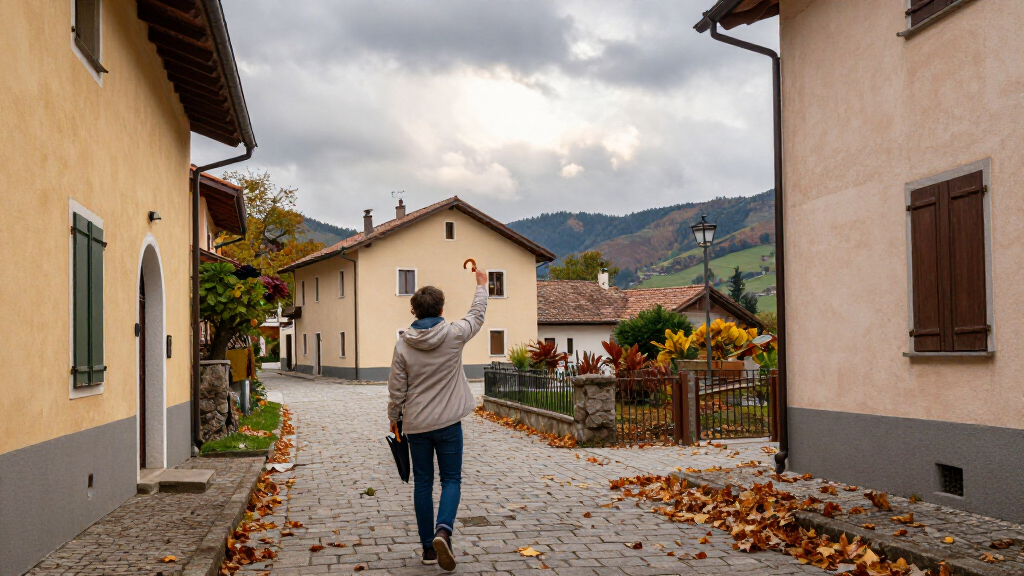
Autumn weather can change the feel of the day. A dry, bright afternoon might suit an outdoor market and a walk past chestnut groves; rain may make an open-air program less comfortable or lead organizers to adjust plans. Pack comfortable shoes with good grip, and bring a light layer for standing in a cool square as well as walking on uneven lanes.
Say you have one Saturday free in Tuscany. Keep a nearby town or indoor stop as a backup, and check for festival updates shortly before you set out. Plan the destination early; confirm the details close to the date. That small habit gives you room to enjoy the trip even if the weather shifts or a program changes.
Taste the chestnut in three different forms
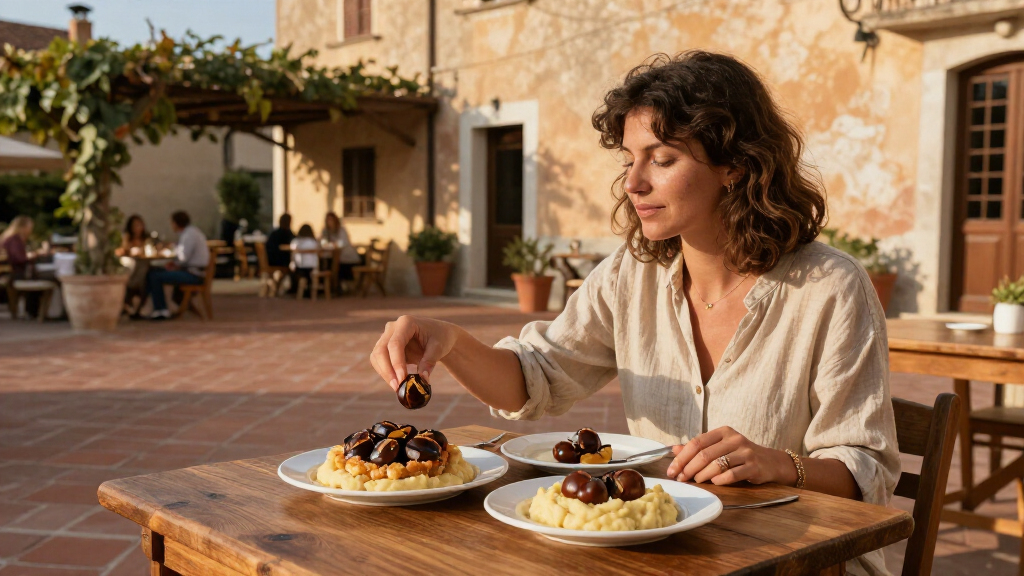
Chestnut sagre let you taste the harvest roasted, boiled, and worked into other dishes. These preparations show how one ingredient can move from a smoky street snack to a filling meal and then to a dessert. The exact menu depends on the town and the vendors, so treat the possibilities as a guide rather than a promise.
Caldarroste are roasted chestnuts, often sold hot at autumn stalls. Their shells can be messy to peel, but the warm, tender centers are worth slowing down for. Boiled chestnuts taste softer and gentler, and may be served on their own or used in regional cooking.
In a sit-down meal, you might see chestnuts in soup or pasta, or taste chestnut flour baked into bread or cake. Castagnaccio is a dense, rustic cake made mainly from chestnut flour. Depending on the local recipe, it may include olive oil, pine nuts, or raisins. A small slice has a different appeal from a sweet, airy cake: earthy, compact, and good alongside a warm drink.
- Start with caldarroste while they’re hot, and share a paper cone if you want to sample more dishes.
- Ask what’s local when you see soup, pasta, or bread made with chestnuts.
- Finish with a small piece of castagnaccio to taste the flour’s deeper, earthier side.
For instance, if you arrive in the afternoon after lunch, you can still enjoy the roasted nuts and a slice of cake without turning the festival into a rushed meal. Follow the chestnut from fire to flour, and the local menu starts to make sense.
Find the regional character behind each festival menu
Each chestnut sagra reflects its own landscape and cooking customs. Events appear in hilly and mountain areas across Italy, including parts of the Apennines and regions such as Tuscany, Emilia-Romagna, Piedmont, and Campania. A festival in one place does not stand in for every other place.
Chestnut groves have shaped rural landscapes and local food traditions in many of these areas. Where Italy roasts, boils, and celebrates the castagna, you may also find a vendor selling chestnut flour, preserves, or honey, or a cook serving a dish that draws on local habits. The details belong to the town: one square may revolve around food stalls, while another adds a market or a walk through nearby countryside.
Think of two possible stops on an autumn trip. In a Tuscan village, you might seek out castagnaccio alongside roasted chestnuts; in an Apennine town, a bowl of chestnut soup could feel especially welcome after a cool walk. These are examples of dishes to look for, not fixed menus guaranteed at a particular event. The organizer’s current program and the stalls themselves will tell you what’s on offer.
To choose a destination, pair a region you already want to visit with a festival listing and look for signs of a distinct local program. A harvest event can add texture to a broader trip through hill towns, but it shouldn’t be reduced to a checklist of dishes. Let the place shape the menu, and let the menu point you back to the place.

Make the day comfortable, even when the village square is busy
A good festival visit needs flexible timing, comfortable shoes, and current local information. Popular food stalls can draw a crowd, and some events use outdoor spaces or uneven streets. Arriving with room to wander helps you enjoy a busy square without watching the clock every few minutes.
Check the program before you go, then choose one or two things you’d be disappointed to miss, such as a cooking demonstration or a guided walk. Leave open time for the rest. You may discover a market stall, pause to watch chestnuts roasting, or find a small café where you can warm up after a damp walk.
Wear shoes that suit stone paving and sloped lanes, and carry a light rain layer in autumn. If you’re traveling from another town, check the route and return options rather than assuming the festival area will have easy transport at every hour. A little preparation can spare you a long wait in the cold after the last song ends.
For a practical example, plan to arrive before your preferred food stall gets busiest, then use the middle of the afternoon to explore the market or town. Keep cash available if you prefer, but check event guidance for accepted payment options rather than assuming. Leave space in your schedule for both the queue and the unexpected detour. Often, the best part of the visit is the lane you wandered down after finishing your chestnuts.
Use a simple checklist to choose and verify your sagra
You can find a suitable chestnut festival by pairing a place name with “sagra della castagna” and checking the event’s current announcement. This method works because there is no single national calendar to rely on: organizers set local dates, and schedules can change. A few minutes of checking can save a wasted trip.
Start with a region or town you can reach comfortably, then look for the festival’s official or organizer-posted information. Confirm the date and program close to travel, especially if rain or harvest conditions may affect the event. If the listing mentions a guided walk, ask about meeting points, duration, and footwear; a stroll through a hillside grove is different from an hour among paved streets.
- Pick a region or town that fits the rest of your trip and your transport options.
- Search “sagra della castagna” with the place name to find local announcements.
- Verify the current date, schedule, and access details with the organizer before booking around the event.
- Check the likely weather and route, then pack shoes and layers for outdoor time.
- Leave room for local discoveries, since menus and activities vary by event.
For example, a traveler visiting Piedmont could first identify a town that works with the rest of the route, then confirm the festival announcement before reserving a night nearby. Search broadly; confirm locally. That’s the simplest way to turn a seasonal idea into a reliable day out.
Frequently Asked Questions
What does sagra mean?
A sagra is a local festival, often organized around a food or agricultural product. It may also include music, crafts, market stalls, or cultural activities. A chestnut sagra celebrates castagne (chestnuts) and local traditions connected to them.
When do chestnut sagre take place?
Chestnut sagre usually take place in autumn, during or around the chestnut harvest. Exact dates vary by town and year, and weather or local arrangements can affect plans. Check the organizer’s current announcement before you travel.
What are caldarroste?
Caldarroste are chestnuts roasted over heat and often sold hot at autumn stalls. Vendors may serve them in paper cones, so they make an easy snack while you explore a festival. Let them cool enough to handle before peeling.
What is castagnaccio?
Castagnaccio is a dense, rustic cake made mainly from chestnut flour. Local recipes may add olive oil, pine nuts, or raisins. It’s a useful dish to seek out if you want to taste chestnuts beyond the roasted form.
Do all chestnut festivals serve the same foods?
No. Menus depend on the town, local habits, vendors, and what organizers offer. One event may emphasize roasted chestnuts, while another may feature soup, pasta, flour, or cakes. Ask what’s local when you arrive.
How can I find a chestnut sagra?
Search for “sagra della castagna” plus a town or region, then look for the organizer’s current listing. Verify dates, program, access, and transport details before booking around the festival. Search results from an earlier year may be out of date.
Are edible chestnuts the same as horse chestnuts?
No. Edible chestnuts and horse chestnuts are different; horse chestnuts are not the kind eaten at these festivals. Eat chestnuts from a trusted food vendor rather than gathering and tasting unidentified nuts.
Conclusion
Choose a town you genuinely want to visit, then check its current sagra della castagna announcement before you build an autumn weekend around it. At the festival, try the chestnuts hot from the fire and ask what else the local harvest has become—perhaps soup, flour, or a compact slice of castagnaccio.
Remember the place as well as the flavor. Long after the paper cone is empty, the image that stays with you may be a smoky square, damp leaves on a stone lane, and a town gathering around the year’s chestnuts.

Halloween Picks
halloween
As an affiliate, we earn on qualifying purchases.