Barolo and Barbaresco are neighboring Langhe appellations in Piedmont, Italy, made from the same grape, Nebbiolo. Barolo requires at least 38 months of aging, including 18 months in wood; Barbaresco requires 26 months, including 9 months in wood. Those rules help shape expectations, but a wine’s commune, vineyard, producer, vintage, and age can matter just as much as its appellation.
Two bottles made from Nebbiolo can arrive at the table with very different moods: one firm and brooding, the other lifted with rose and red cherry. Both may come from the Langhe hills in Piedmont, where autumn fog settles over vineyards and the same grape answers to two neighboring appellations.
Barolo and Barbaresco are often cast as a contest between power and finesse. That shorthand can help you start a conversation, but it cannot tell you exactly what is in the glass. Place, vintage, producer, and bottle age all shape the result, and the two wines overlap more than their reputations suggest.
This guide gives you a practical way to compare them: where each wine comes from, what the aging rules mean, how to read a label, and what to serve at dinner. If you can find two bottles from the same producer and vintage, you have a memorable tasting that turns the difference between appellations into something you can smell and taste for yourself.
At a glance
Barolo vs Barbaresco: How Nebbiolo Changes
Key insight
Under current appellation rules, Barolo requires 38 months of aging from November 1 after harvest, with at least 18 months in wood; Barbaresco requires 26 months, with at least 9 months in wood.
Key takeaways
1
Both appellations use Nebbiolo, but vineyard location, producer, vintage, and age shape what you taste.
2
Barolo requires 38 months of aging, including 18 months in wood; Barbaresco requires 26 months, including 9 months in wood.
3
Barolo is often associated with structure and Barbaresco with earlier fragrance, but bottles can break those patterns.
4
Compare the same vintage and, when possible, the same producer to hear the appellations more clearly.
5
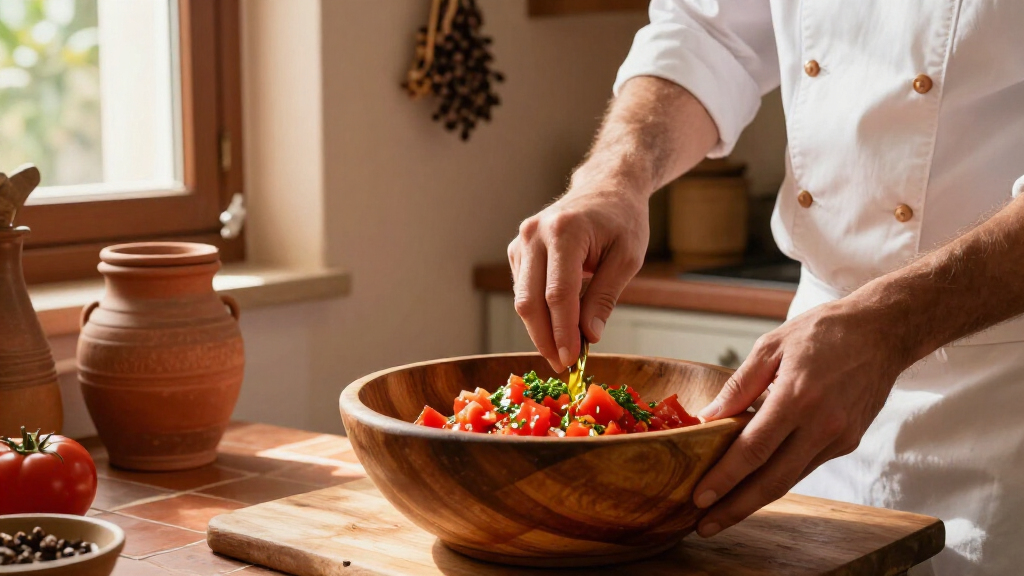
Pair Nebbiolo with savory foods such as braised beef, game, tajarin with ragù, mushrooms, or aged cheese.
Step by step
1
Build a two-bottle tasting that teaches you more
A side-by-side tasting is the quickest way to understand how the appellations differ.
Barolo vs Barbaresco: Same Grape, Different Souls
A Langhe field guide · Piedmont, Italy
Barolo vs Barbaresco: Same Grape, Different Souls
Two neighboring appellations. One unmistakable grape. Discover how site, cellar, vintage, and time shape Nebbiolo’s changing character—and how to compare the wines at your own table.
Shared grape100%Nebbiolo
Barolo minimum38 mo18 months in wood
Barbaresco minimum26 mo9 months in wood
Difference12 mominimum aging gap
01 / Read the shorthand
Two reputations, plenty of overlap
Barolo is often described as structured and powerful; Barbaresco is often called fragrant and approachable earlier. Both can be high in tannin and acidity, and either can be firm, graceful, open, or age-worthy. Think of these as tendencies to explore rather than rules for every bottle.
Often associated with
Barolo
Structure, depth, and long aging potential. Its broader zone offers a wide range of communes and vineyard settings.
VS
Often associated with
Barbaresco
Fragrance and finesse, sometimes inviting earlier. Its compact zone still holds meaningful differences between sites.
STRUCTURE
Often prominent in Barolo
FRAGRANCE
Often highlighted in Barbaresco
02 / The aging clock
Rules set a floor, not a flavor
Minimum aging runs from November 1 after harvest under current appellation rules. Time in wood is included in the total. These requirements shape when wines may be released, but they do not determine exactly how a wine will taste or when it will feel ready to drink.
Barolo · minimum
38 months
Total aging before release, counted from the November 1 following harvest.
At least 18 months in wood · Riserva: 62 months
Barbaresco · minimum
26 months
Total aging before release, counted from the November 1 following harvest.
At least 9 months in wood · Riserva: 50 months
03 / Follow the place
Use the appellation as your map
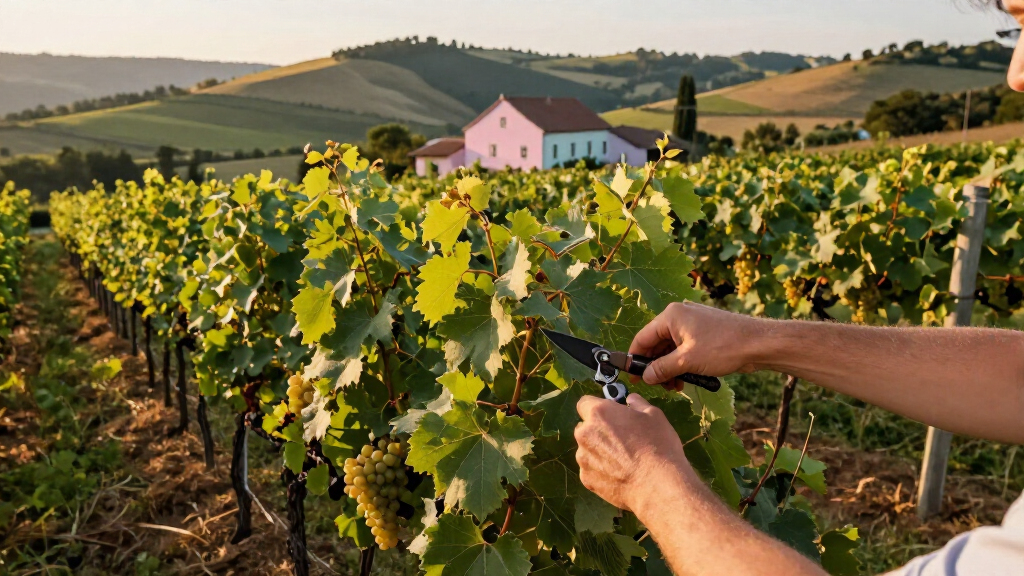
Both wine zones sit in the Langhe hills of Piedmont. Slope, elevation, exposure, soil, and local weather affect ripening and style. A commune or vineyard name adds context; it is a clue to investigate, not a guarantee of a particular flavor or quality.
Broader zone
Barolo
Includes communes such as Barolo, La Morra, Castiglione Falletto, Serralunga d’Alba, and Monforte d’Alba. More settings create more ground to explore.
Compact zone
Barbaresco
Centers on Barbaresco, Neive, and Treiso, plus part of Alba. A smaller footprint still contains varied slopes, exposures, and vineyard expressions.
Look closer
Site + cellar
Traditional long maceration and large casks coexist with shorter maceration and smaller barrels. Either approach can shape texture and oak character in both appellations.
04 / Make a tasting of it
Compare bottles, not just names
The clearest tasting pairs the same producer and vintage, when available. That keeps more of the variables steady, so you can notice how neighboring places—and each wine’s vineyard and cellar choices—show through.
Choose a pair
Pick Barolo and Barbaresco from the same producer and vintage if possible.
Pour with care
Serve at a similar temperature and give both wines a little air.
Notice the layers
Look for rose, cherry, herbs, tar, earth, and how the tannins feel.
Write what you find
Note the place, producer, vintage, age, and whether the wine feels firm or open.
Placesoil · slope · exposure
Seasonweather · ripeness
Producerchoices in the cellar
Timebottle age · evolution
05 / Bring it to dinner
Pair Nebbiolo with savory depth
High acidity and firm tannin can find balance in richly flavored food. The wine’s texture helps guide the meal: a tightly wound bottle can meet a hearty dish, while a more open, aromatic wine can shine with a lighter preparation.
Braised beefrich, slow-cooked flavors
Gamesavory, earthy depth
Tajarin with ragùregional comfort
Mushroomswoodland savor
Aged cheesesalt and umami
Start with the shared grape, then taste what the places change
Barolo and Barbaresco are both made from Nebbiolo, a high-acid, high-tannin grape grown in Piedmont’s Langhe. In the glass, either can offer rose, red cherry, herbs, tar, or earthy notes, with leather, dried flowers, and spice developing as the wine ages. The familiar description of Nebbiolo’s name linking to nebbia (fog) is widely repeated, though its exact origin remains debated.
That shared raw material is like the same voice speaking in two rooms: the words may be recognizable, but the acoustics change the sound. Soil, slope, elevation, exposure, weather, and cellar decisions all leave their mark. These factors matter because Nebbiolo’s tannin and acidity make changes in ripeness and extraction particularly visible: underripe fruit can seem austere, while very ripe fruit may feel broader and warmer. Site and cellar choices therefore shape not only aroma but also how the wine behaves with food and how long it may take to feel balanced. A cooler or less exposed site may preserve freshness and firm edges; a warmer, sunnier one may give riper fruit and a broader feel. Neither is automatically superior: the first can reward patience, while the second may feel more generous early on.
So the claim that Barolo is always muscular and Barbaresco always delicate is a useful starting point, not a promise. A wine’s structure is an interaction between fruit, tannin, acidity, and alcohol. Firm tannin can make a wine feel imposing on its own, yet provide grip that works with fatty meat; a fragrant, open wine may be inviting earlier, though it can still have enough structure to age. Tasting texture alongside aroma helps explain why two wines with similar cherry and rose notes can suit different occasions.
For a real comparison, pour both wines at a similar temperature and give them a little air. You might smell dried rose and cherry in each, then find one wine’s tannins more tightly wound while the other opens with herbs and perfume. That texture changes how the wine works at the table: firm tannin can feel more balanced alongside rich, protein-rich food, while a more open, aromatic wine can be easier to enjoy on its own or with a less substantial meal. A producer’s restrained extraction can make Barolo feel graceful; a firm Barbaresco from a particular site can be built for years of aging.
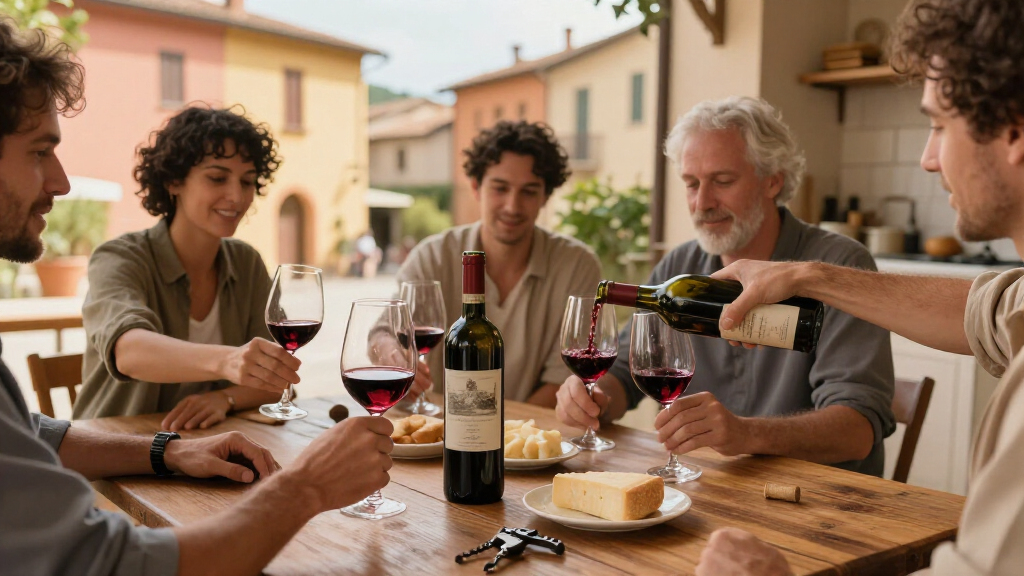
Compare specific bottles, not just names. If you see the same producer’s Barolo and Barbaresco from the same vintage, buy them for a side-by-side dinner. The producer and season are held more nearly constant, so differences in site and appellation become easier to notice. It is still not a perfectly controlled experiment—vineyards and cellar choices may differ—but it is the clearest way to hear how the same grape changes its accent across neighboring appellations.
See how the two vineyard zones shape your expectations
Barolo comes from a larger zone, while Barbaresco comes from a more compact area around the villages of Barbaresco, Neive, and Treiso, plus part of Alba. Both sit in the Langhe hills of Piedmont, but neither appellation is a single uniform vineyard. Slope, aspect, elevation, and local climate create differences even between nearby sites. The size difference matters mainly as a guide to exploration: Barolo offers more communes and a wider range of settings, while Barbaresco’s smaller zone can make its village and vineyard names easier to follow. A larger map gives you more variation to investigate, but it does not make any one bottle more complex or more powerful. Neither size tells you which wine will be better or more powerful.
Barolo’s communes include Barolo, La Morra, Castiglione Falletto, Serralunga d’Alba, and Monforte d’Alba. The broader zone gives you a wide range of landscapes and expressions to explore. For example, a traveler planning a few days in the region can taste across communes and notice that the label’s place name adds useful context, even before learning a producer’s style. It will not predict every flavor, but it gives you a question to investigate: does this bottle feel more aromatic, firm, or open, and does that impression recur in another wine from the same place? Repeated impressions can help you build a useful preference, while a single bottle may reflect its vintage or maker more than its commune.
Barbaresco’s smaller footprint still holds meaningful variation. A bottle from one vineyard or commune need not taste like another, and single-vineyard bottlings can help you explore those distinctions. The growing attention to vineyard identity has made these names more useful to curious buyers: they can guide a comparison instead of leaving you with a broad regional stereotype. A vineyard name is most informative when you can compare it with another bottling from the same producer or vintage; on its own, it gives context, not a guarantee of a particular flavor or quality. Such a comparison can reveal a site’s recurring character, but it still cannot isolate the vineyard completely from the producer’s choices.
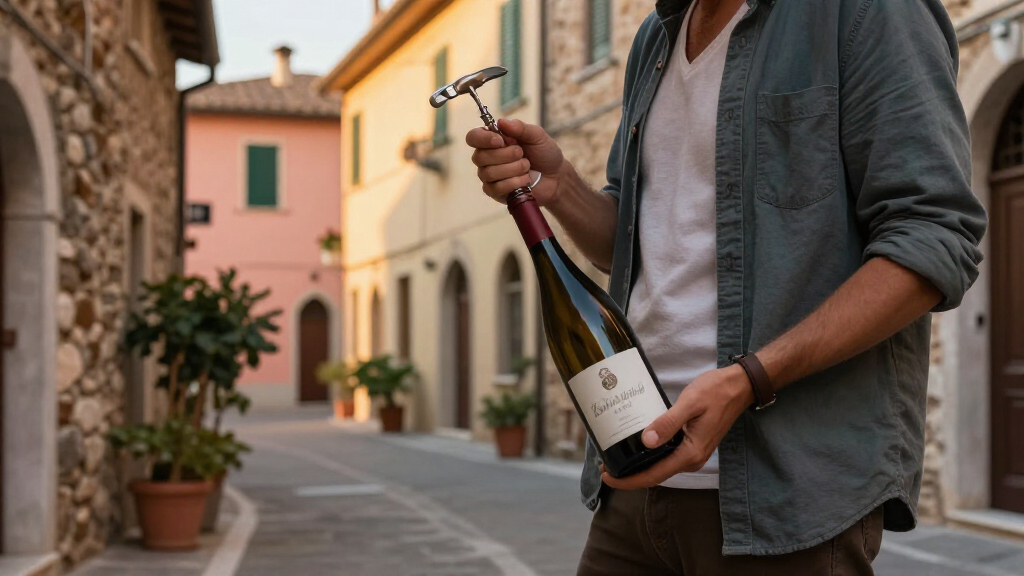
Use appellation as your map, then look closer. Note the commune or vineyard on the label, the producer, and the vintage. When you taste, ask whether the wine feels more fragrant, firm, or open today. Those observations will serve you better than assuming all Barolos share one character or that all Barbarescos are ready to drink young. Over time, your own notes can show which places and producers suit your palate, while keeping you open to bottles that challenge the usual pattern.
Use the aging rules to plan when you open each bottle
Barolo requires at least 38 months of aging from November 1 after harvest, including at least 18 months in wood. Barbaresco requires at least 26 months, including at least 9 months in wood. The riserva categories require longer aging: 62 months for Barolo and 50 months for Barbaresco. These minimums set the earliest permitted release, not the moment a wine reaches its best balance. The wood requirement specifies time in wood, but it does not by itself tell you whether the wine will taste strongly of oak; vessel size and producer choices matter.
These are minimum appellation requirements, not a tasting calendar. A bottle reaching release age can still feel young, with tannins that grip your gums and acidity that makes your mouth water. The longer minimum for Barolo supports its reputation for patience, but a well-made Barbaresco can also age for decades, while some Barolos show elegance earlier. Aging is a tradeoff: time can soften tannin and bring out savory, dried-fruit complexity, but it also ties up money and storage space, and no minimum rule can promise that a particular vintage or bottle will improve. Cellar conditions and bottle variation matter too, so holding a bottle is most useful when you can store it consistently and have another opportunity to taste it along the way.
Imagine opening a young bottle for Sunday lunch. If the wine seems stern on the first pour, let it breathe and taste again rather than deciding in five minutes that you chose badly. Young Nebbiolo often benefits from decanting, but time varies. Air can make a closed wine more expressive, though it cannot replace years of development; with an older bottle, that same exposure can quickly diminish delicate aromas. Older bottles can be fragile, so open them carefully and follow their aromas as they change in the glass. A gradual change is useful information: if the wine grows more expressive, air is helping; if fruit fades, serve it promptly.
Think of aging rules as a starting clue. Check the vintage and producer when deciding whether to drink or cellar a bottle. The appellation minimum tells you how long the wine must mature before release; it cannot guarantee how open or harmonious that particular bottle will feel tonight. If you are unsure, opening one bottle now and saving another from the same case gives you a useful comparison without betting the whole purchase on a predicted drinking window.
Serving note: Decant a young, tannic wine if it seems closed, then taste as it opens. With an older bottle, pour gently and check its aromas often; too much air can flatten delicate notes.
Compare Barolo and Barbaresco at the table
Barolo is often more structured and Barbaresco often more immediately fragrant, but these are tendencies, not fixed rules. Both wines can be tannic, lively with acidity, and layered with red fruit, flowers, herbs, and earth. The table below gives you a useful first read while leaving room for the producer, site, vintage, and age to change the story. Read the reputation row as a prompt for what to notice, not as a prediction: structure can come from several factors, and aromatic openness does not mean a wine lacks tannin or aging potential.
What to compare
Barolo
Barbaresco
Zone
Larger zone with multiple communes, including Barolo, La Morra, Serralunga d’Alba, and Monforte d’Alba
Smaller zone around Barbaresco, Neive, Treiso, and part of Alba
Minimum aging
38 months; at least 18 in wood
26 months; at least 9 in wood
Common reputation
Structured, powerful, suited to long aging
Fragrant and often approachable earlier
What can change the impression
Site, commune, producer, vintage, and winemaking
Vineyard, commune, producer, vintage, and winemaking
Use the comparison to decide what to taste for, not what you must find. At dinner, you might notice a Barbaresco’s rose and cherry arriving first, while a Barolo’s tannins take longer to soften. Pour them again after half an hour. Sometimes the wine that seemed stern at the start becomes the more expressive partner for food. This shift is practical as well as interesting: a wine’s first impression may lead you to serve it too soon or dismiss it, while a second taste shows whether air is helping it open.
A same-vintage tasting makes the contrast fairer. Vintage weather affects both wines, so comparing bottles from different years can blur what comes from place and what comes from the season. Even in the same vintage, vineyard conditions and winemaking can differ, so treat the comparison as a helpful clue rather than proof that the appellation alone caused what you taste. If you cannot match vintages, record the year and producer so you remember what you liked. Matching the producer as well can reduce one more source of variation, though each vineyard and wine may still receive its own treatment.
Read the cellar style without getting trapped in the old debate
Winemaking choices can shape texture and oak character in either appellation. Traditional producers may use extended maceration and large casks; other cellars may use shorter maceration or smaller barrels. Those methods affect extraction, texture, and the way oak appears, but they do not divide neatly into one style for Barolo and another for Barbaresco. Longer extraction can add color and tannin, which may help support aging but can make a young wine more demanding. Smaller barrels expose wine to more oak relative to its volume, though the result also depends on barrel age and how the producer uses it.
The old traditional-versus-modern argument still helps explain the region’s wine history, but many producers now combine careful extraction and cellar hygiene with respect for vineyard character and long aging. A glass can show fruit clearly without losing its tannic frame. That balance is easier to taste than to label with a simple “traditional” or “modern” tag. The labels can still be useful clues about a producer’s priorities, but they are too broad to tell you exactly how a particular wine will feel.
For instance, imagine two Barolos at a tasting: one carries a firm, savory grip and little obvious oak; the other feels rounder, with a toastier edge. The appellation is the same, yet cellar choices and sites may explain much of the difference. Barbaresco can show a similar range. The contrast matters when buying because oak flavor or a softer texture may be what you enjoy, while a firm, less marked wine may suit a different meal or your taste for aging.
When buying, ask what you want to feel in the glass. If you prefer a more open texture, ask a wine shop about the producer’s approach and the bottle’s age. If you like firmness and savory detail, ask for a structured example. A useful article or shop note should help you connect producer and place to your own palate, rather than ranking one appellation above the other.
Choose a bottle by dinner, budget, and the year
Choose Barolo if you want to explore a wider range of communes and a reputation for structure; choose Barbaresco if you want Nebbiolo from a smaller zone often described as more immediately expressive. Either can be the right bottle. Barolo generally has broader international recognition and often costs more, while Barbaresco can offer strong value, though price varies widely by producer, vineyard, vintage, and market. Reputation can affect price independently of your preferences, so a less famous producer may be a better fit than an expensive bottle chosen only for its name.
Match the wine to the evening rather than to a rule. A young, firm bottle can work beautifully with braised beef or game, where protein and richness meet Nebbiolo’s tannin and acidity. Fat and savory flavors can make firm tannins feel less drying, while the wine’s acidity helps keep a rich dish from feeling heavy. For a quieter meal, try Barbaresco with mushroom dishes or aged cheese. In Piedmont, tajarin (thin egg noodles) with ragù makes a savory, local pairing that gives the wine something substantial to meet.
Vintage matters too. Warm or variable weather can influence harvest timing, alcohol, acidity, and tannin ripeness. Growers respond with choices such as canopy management, site selection, and picking decisions, and the effects vary by vineyard and year. A vintage summary can help explain broad conditions, but the producer’s decisions determine how those conditions reach the bottle. Before spending more on a special bottle, read recent vintage-specific guidance rather than trusting a permanent list of “good years.”
Try this three-step buying check:
Pick the meal: rich braised meat, mushrooms, and aged cheese are strong starting points.
Read past the appellation: note producer, commune or vineyard, and vintage.
Set your timing: ask whether the bottle needs cellaring, decanting, or simply an hour at the table.
This approach turns a broad Barolo-versus-Barbaresco choice into a bottle suited to your dinner and your patience. It also makes the tradeoffs clearer: a younger, more structured wine may need air or time, while a ready-to-drink bottle may cost more for its age or producer reputation.
Build a two-bottle tasting that teaches you more
A side-by-side tasting is the quickest way to understand how the appellations differ. Find two bottles from the same vintage, ideally from one producer, and pour them in similar glasses. That keeps the comparison focused on the wines rather than on mismatched years, glassware, or serving conditions. It does not remove every variable: the sites and cellar methods may differ, and those differences are part of what you are learning to notice.
Start by looking at the color, then smell before tasting. Write down a few plain words—rose, cherry, herbs, earth, or spice—without trying to sound like a critic. Taste each wine and notice where the tannin lands: does it dry the front of your gums, or feel more spread across your mouth? A friend may find one bottle firm and another silky, even when you both smell the same dried flowers. That difference in perception is useful: it reminds you that your preference is a real buying guide, not a mistake to correct.
Return to both glasses after twenty or thirty minutes. Nebbiolo can shift as it meets air, and a wine that seemed closed may begin to show fruit and savory detail. If you serve food, use the same dish with both pours; tajarin with ragù or braised beef lets you compare how acidity and tannin respond to richness. The food acts as a second test: a wine that seems severe alone may feel balanced with a rich dish, while a more open wine may suit a lighter pairing.
Keep your notes tied to the bottle. Record appellation, producer, commune or vineyard, vintage, and how long you gave it to breathe. Next time you shop, those details can guide you toward the style you enjoyed, more reliably than choosing by reputation alone. The point is not to declare a winner; it is to learn which expression you want to pour again.
Frequently Asked Questions
Are Barolo and Barbaresco made from the same grape?
Yes. Both appellations are made from Nebbiolo under their respective rules. Their differences come from place, vintage, vineyard, and winemaking choices as well as the grape itself.
Which wine is easier to drink young?
Barbaresco is often approachable earlier, and its minimum aging requirement is shorter. Young bottles from either appellation can still have firm tannins, so try decanting a young, closed wine and taste it as it opens.
Which one ages longer?
Barolo has a strong reputation for long aging, but both wines can age for decades when the producer, vintage, and bottle are suited to it. Minimum aging rules describe release requirements, not a guaranteed drinking window.
Should I decant Barolo or Barbaresco?
A young, tannic bottle may benefit from decanting, though the right amount of air varies. Older bottles can be delicate; open and pour carefully, then check their aromas as you go so they do not fade in the decanter.
What food should I serve with these wines?
Nebbiolo’s acidity and tannin pair well with rich, savory dishes such as braised beef, game, mushrooms, and aged cheeses. Try tajarin (thin egg noodles) with ragù for a Piedmontese pairing that brings local tradition to the table.
Conclusion
Remember the shared grape, then follow the place. Barolo and Barbaresco offer two interpretations of Nebbiolo, shaped by their vineyard zones, aging rules, vintages, and makers. For your next bottle, compare the producer, site, and year, then give the wine time in the glass alongside a dish with enough savory depth to meet its tannin.
Pour both appellations at one table if you can. Let the Langhe hills speak through rose, cherry, earth, and the slow loosening of a wine as dinner unfolds.
Discover the nine best white wines from Italy’s Campania, highlighting their unique characteristics and growing global recognition amid rising interest.
10 Best Eid Gift Beauty Kits That Will Delight Everyone on Your List
Discover the top Eid gift beauty kits of 2026. Find the perfect skincare set for loved ones, balancing luxury, value, and suitability for all skin types.