TL;DR

Get kitchen staples and gadgets delivered free — and shop member deals
- Fast, free delivery on millions of items
- Access to Prime Big Deal Days deals on October 6–7
- Prime Video, Amazon Music and more included
Trastevere after dark is a four-stage evening: aperitivo from 6–8 PM, dinner from 8:30 PM onward, a gelato-fueled passeggiata (evening stroll), and late-night bars or pizza. Book popular trattorias ahead, eat after 8 PM, and avoid any restaurant with a host out front or a photo menu. Expect roughly €15–25 per person at a casual trattoria and bring some cash, since smaller spots can be cash-only.
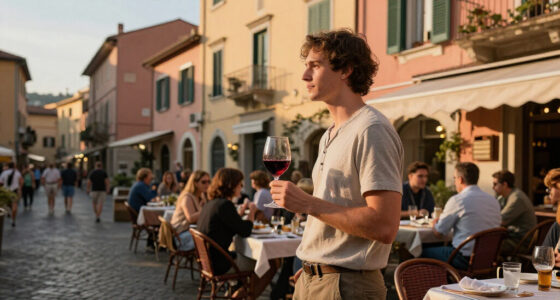
The first time you cross the river into Trastevere at 9 PM, you’ll wonder where daytime Rome went. The name literally means tras Tevere — across the Tiber — and the neighborhood delivers on the promise of another city entirely: cobbled alleys, ochre walls strangled in ivy, candlelit tables spilling onto the stones, and the sound of a street musician bouncing off the façade of the basilica.
This is the heart of Rome’s evening dining culture, a working-class quarter that became an artist hangout and is now the city’s most famous place to eat after dark. That fame has a cost — tourist traps, waits, and noise rules — which is exactly why a plan matters.
In this guide, you’ll get the full Roman evening arc: when to start, what to order, what it should cost, and how to tell a real trattoria from a laminate-menu trap. Timing, more than anything else, is what separates eating well in Trastevere from eating average.
Dine after 8:30 PM to eat on Roman time — Trastevere kitchens don’t fill until 9:00–9:30 PM, and lingering past midnight is normal.
Run the ten-second trap check: no host recruiting outside, no photo menus, handwritten short menus, and Italians at the tables.
Budget €15–25 per person at a casual trattoria, €12–20 at a pizzeria, and €40+ at upscale spots like Glass Hostaria — and carry cash for cash-only kitchens.
Order the Roman canon: cacio e pepe, carbonara (no cream), amatriciana, supplì, and in season, carciofi alla giudia — paired with Frascati.
Skip the main drag: book side-street trattorias in advance, walk or take tram 8 in (the ZTL cameras ticket drivers), and keep late-night noise down in resident…
Why Trastevere After Dark Feels Like a Different City
Trastevere after dark is Rome’s most atmospheric dining neighborhood because it was built for exactly this: narrow medieval lanes, no cars to speak of, and ground-floor apartments that became trattorias, bars, and wine shops over centuries. The center of gravity is Piazza Santa Maria in Trastevere, anchored by one of Rome’s oldest churches, where mosaics glint gold above the square and street performers work the crowd until well past midnight. Picture a violinist playing to a ring of strangers near the fountain while a grandmother wheels her shopping cart straight through the middle of the audience — that’s a normal Tuesday here.
The neighborhood’s character is bohemian by history, not by marketing. It was the district of artisans, fishermen, and later the artists and expats who priced the artisans out. You can still feel both layers on a single block: a student crowd knocking back €2 beers at Bar San Calisto, and couples three streets over paying careful attention to a plate of carbonara. Think of it like New Orleans’ French Quarter if the strippers were swapped out for nonnas — touristy on the surface, genuinely local one street beneath it.
One practical note: driving in is a bad idea. The neighborhood sits inside Rome’s restricted traffic zone (ZTL), cameras ticket automatically — a visitor who ignores the signs typically finds a €100-plus fine waiting in the rental company’s inbox weeks later — and streets are barely one car wide anyway. Walk across the river from the centro storico — fifteen minutes from Campo de’ Fiori, crossing the Tiber on Ponte Sisto as the streetlights flicker on — or take tram 8 from Piazza Venezia and get off at Belli. The walk is half the pleasure.
Go on a weeknight if you can. Friday and Saturday nights push the neighborhood toward a street-party density that makes conversation, and dinner, an athletic event — imagine trying to split a bill while a hen party sings three meters from your table. On a Tuesday in October, by contrast, you can hear the cutlery.
The Roman Evening Timeline: How Locals Actually Do It
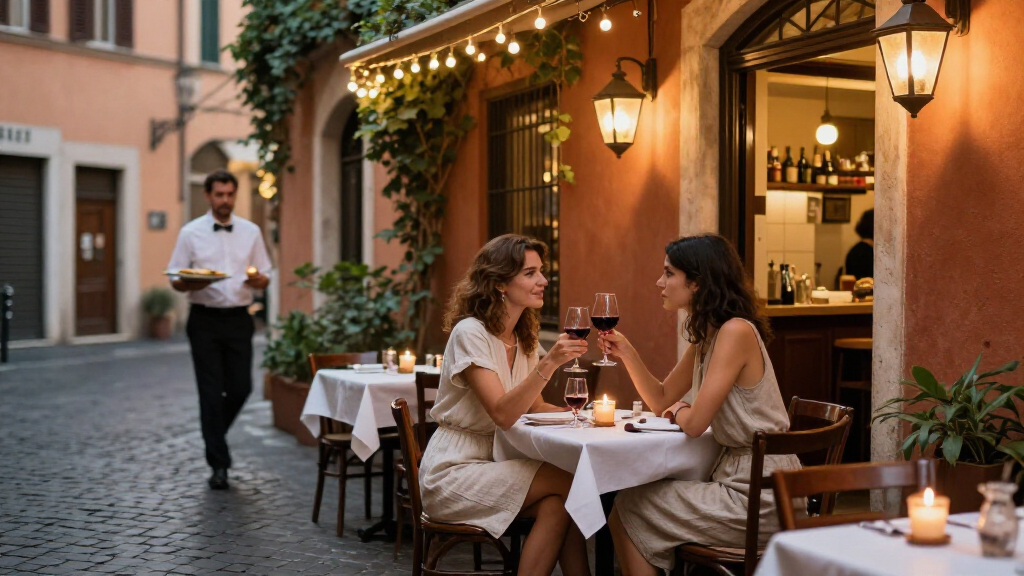
A night out in Trastevere after dark follows a four-stage rhythm that has barely changed in a century: aperitivo, dinner, passeggiata, and a final drink or late pizza. Romans don’t rush any of it. Kitchens don’t get busy until 9:00–9:30 PM, and lingering past midnight is normal, not decadent.
Think of the evening as a meal in four courses, with the city itself as the table. Here’s the sequence:
- Aperitivo, 6–8 PM. A spritz, a Negroni, or a glass of Frascati with snacks. Spots like Freni e Frazioni, a converted garage on Via del Politeama, run buffet-style aperitivo where the food sometimes threatens to become the meal itself.
- Dinner, 8:30–10:30 PM. The main event. Book for 8:30 PM or later if you want to dine alongside Romans; a 7 PM table marks you as a visitor, though plenty of kitchens will accommodate you.
- Passeggiata and gelato, 10:30 PM onward. The evening stroll. Loop back through Piazza Santa Maria, gelato in hand, and let the digestivo settle.
- Bars and late-night pizza, midnight and beyond. Trastevere is the hub of Rome’s student nightlife. Cheap and cheerful at Bar San Calisto; craft cocktails down the side streets off Via della Lungaretta.
The beauty of the structure is that it’s forgiving. Skip a stage, stretch one to two hours, reorder — nobody at any Roman table will judge you for making dinner last.
The Five Dishes You Should Actually Order in Trastevere
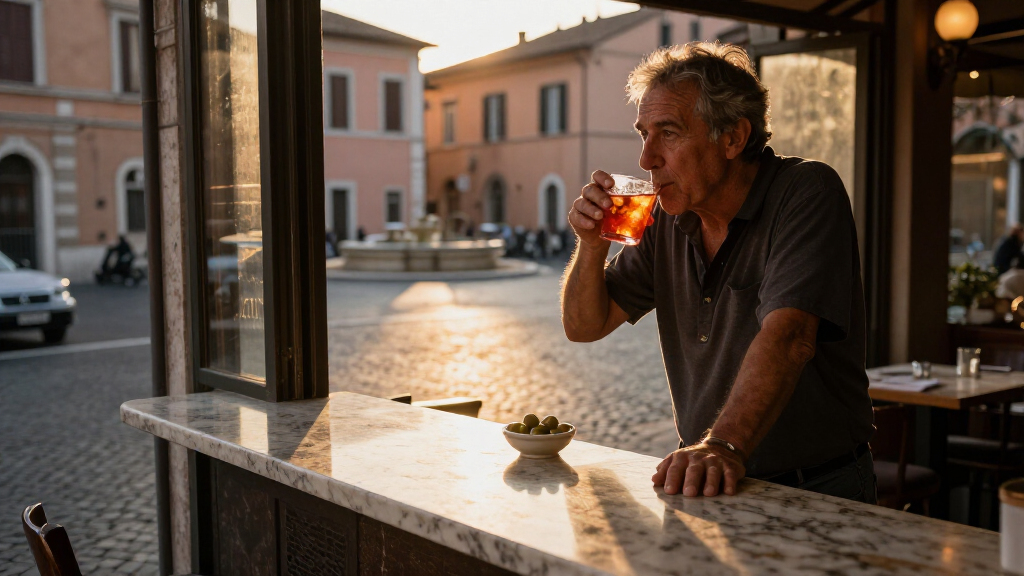
The Trastevere dinner table runs on the quattro piatti romani — the four Roman pastas — plus a handful of fried and braised things that pair with late hours. Order these and you’re eating what the neighborhood has eaten for generations.
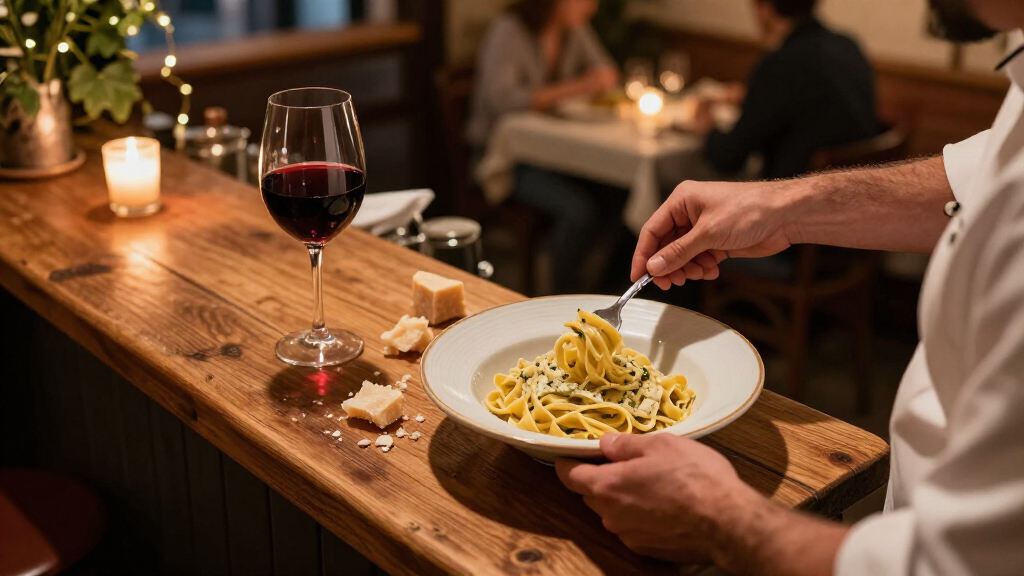
Cacio e pepe is the purest test of a kitchen: just Pecorino Romano and black pepper emulsified with pasta water into a sauce. When it works, it’s silky and sharp. When it fails, it clumps — and now you know why Romans use it to judge a restaurant. Carbonara follows the same logic: guanciale (cured pork jowl), egg, and pecorino. No cream, ever. Amatriciana adds tomato to that guanciale base for a sweeter, rounder plate.
Beyond pasta:
- Supplì — fried rice croquettes with a molten mozzarella heart, sold by weight in pizzerias and takeaway shops. The ideal aperitivo-era street food, and a snack you can eat walking.
- Carciofi alla giudia — Jewish-style fried artichokes, a golden, chipped-leaf marvel from Rome’s historic Jewish community across the river. In season, roughly February through April.
- Trapizzino — a modern invention by Stefano Callegary: a pocket of pizza-bread stuffed with braised meats like pollo alla cacciatora. It’s the rare street-food innovation Romans actually adopted.
- Maritozzo — a brioche split and packed with whipped cream, traditionally a breakfast item now enjoying a late-night revival.
Wine pairing: skip the international list and ask for Frascati or anything from the Castelli Romani, the hill towns southeast of the city. Crisp, mineral, cheap, and made for pecorino-heavy food. And per madtasting.com’s standing rule: alcohol is for adults — pace yourself across a four-hour evening and drink water between rounds.
Allergen note: all four Roman pastas rely on pecorino (dairy) and wheat; carbonara and amatriciana include pork; supplì are fried and contain gluten and often egg. Tell the server about allergies upfront — traditional kitchens are blunt but honest about what’s in the pan.

How to Spot a Tourist Trap in Under Ten Seconds
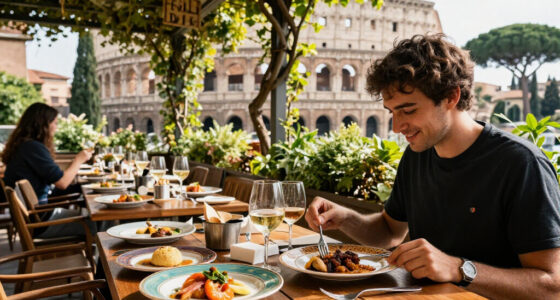
Avoiding tourist traps in Trastevere comes down to a handful of visual tells, and you can run the checklist from across the street. If a restaurant has a host standing outside inviting you in, laminated menus with photos of the food, or a terrace directly on a main piazza, keep walking. Genuine trattorias in this neighborhood do not need to recruit.
The inverse signals are just as reliable. Look for handwritten menus that change, tables populated by Italians speaking Italian, and a short list of dishes rather than an encyclopedia. The best-known example: Da Enzo al 29, a tiny trattoria on a side street named for its street number, is so beloved that waits are now part of the experience — and social media fame means formerly walk-in institutions across the neighborhood now require reservations.
Then there’s the paradox of the famous cheap pizzeria. Ai Marmi, the tiled, fluorescent-lit spot on Viale di Trastevere, is nicknamed l’obitorio — the morgue — for its clinical look. It’s also packed with locals at midnight, which is the entire point. Sometimes authenticity looks like a hospital cafeteria.
Price is your final filter:
| Meal type | Typical cost per person | What to expect |
|---|---|---|
| Casual trattoria | €15–25 | Pasta, water, house wine, coffee |
| Pizzeria | €12–20 | Pizza, supplì, drink |
| Upscale / Michelin-level | €40+ | Multi-course, wine pairings (e.g., Glass Hostaria) |
Verify current prices before you go — everything in Rome has drifted upward — but if a menu advertises a €10 three-course dinner near the piazza, the food is doing the advertising’s job for it.

Where the Evening Goes After Dinner: Bars, Gelato, and Midnight Pizza
Trastevere after dark doesn’t end with the check — the after-dinner layer is arguably why the neighborhood became famous. Once you’ve had your coffee, the night splits into three lanes, and you can sample them all on foot within ten minutes.
Lane one is cheap and local. Bar San Calisto, in the piazza of the same name, is a legendary institution: plastic chairs, minimal décor, beers and spritzes at prices that feel misprinted, and a mixed crowd of students, families, and aging leftists who’ve been coming for decades. Arrive before 10 PM if you want a seat.
Lane two is the cocktail-and-wine lane. Via della Lungaretta and its side alleys have filled in recent years with natural wine bars and craft cocktail spots — a quiet upgrade wave running alongside the old trattorias, part of the same trend that brought modern Roman bistros to the neighborhood. Ask for an orange wine from Lazio, or a Negroni made properly: equal parts gin, sweet vermouth, and Campari.
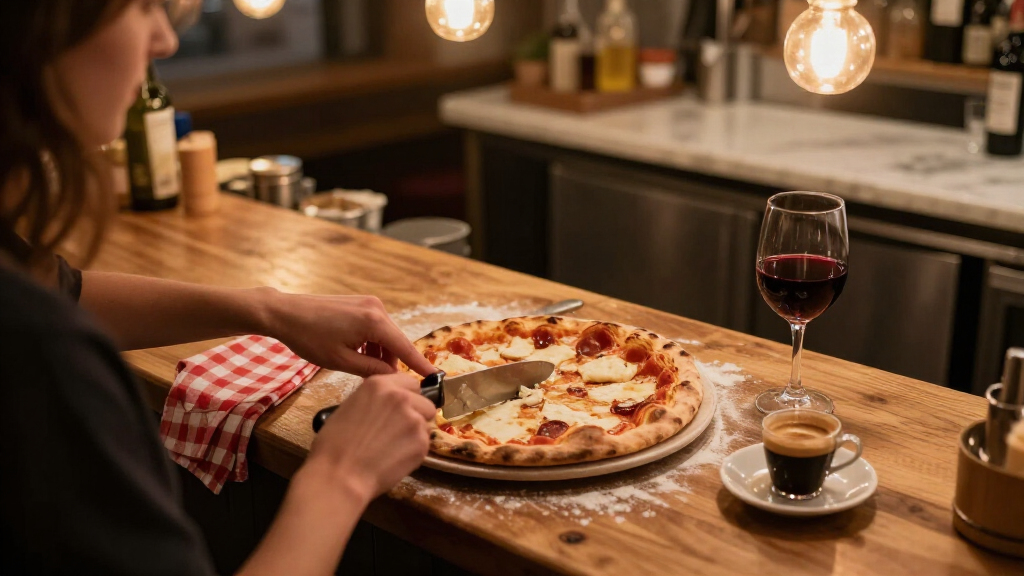
Lane three is late pizza. If hunger resurfaces at midnight, Ai Marmi is serving, and a thin Roman pizza eaten under fluorescent light at 12:30 AM is one of the city’s great cheap experiences.
One rule for the late hours: Trastevere’s residents are real people trying to sleep. Noise regulations around outdoor seating and late-night alcohol sales have tightened in central Rome after years of complaints, so keep your volume down on the side streets and treat the quiet zones seriously.
Practical Planning: Reservations, Money, Safety, and Diet
Planning a night in Trastevere requires five decisions, and making them in advance is the difference between a seamless evening and a hangry one. Here’s the checklist that matters.
- Book 8:30 PM or later. Reservations are now essential at formerly walk-in trattorias because of social media fame. Note that some tiny places — Da Enzo al 29 among them — take limited or no bookings at all, so arrive at opening or be ready to wait.
- Carry cash. Some small establishments are still cash-only, and even card-friendly spots can have a minimum. Plan €50–70 per person in cash for a full evening including drinks.
- Explore the side streets. Value drops off sharply one street off Via della Lungaretta, the main drag. The parallel and perpendicular alleys hold better food at lower prices.
- Watch your belongings. Trastevere is generally safe at night, but crowds and alcohol make pickpocketing the main risk. The far western edge gets quieter and darker — stick to the populated core late.
- Flag dietary needs early. Vegetarians eat well here — cacio e pepe, fried artichokes, and vegetable contorni carry the load. Vegan and gluten-free options are growing but remain difficult at traditional trattorias; call ahead rather than gambling at the table.
A note on seasons: artichoke dishes peak in late winter and spring; summer evenings are the classic Trastevere experience but bring crowds and heat; and Christmas-season evenings have their own warmth, with the basilica floodlit and mulled wine appearing at the Christmas market nearby.
Finally, the food-safety basics that apply to any Roman evening: fried supplì and trapizzini are best eaten hot and fresh, not carried around for hours in warm weather; buffets at aperitivo should be judged by turnover — a busy tray is a safe tray.
Frequently Asked Questions
Do I need reservations for dinner in Trastevere?
Yes for the well-known trattorias — social media fame has turned formerly walk-in institutions into book-ahead spots, so reserve for 8:30 PM or later. The catch: some of the smallest and best places, like Da Enzo al 29, take limited or no reservations at all. For those, arrive right when dinner service starts or budget for a wait, possibly with an aperitivo nearby while your name sits on the list.
What time do locals eat dinner in Trastevere?
Romans sit down between 8:30 and 9:30 PM, and kitchens stay busy until close to midnight. Eating at 7 PM marks you as a tourist, though most restaurants will serve you. If you want the full local experience, follow the progression: aperitivo at 6–8 PM, dinner at 8:30, then a passeggiata (evening stroll) with gelato afterward.
How do I avoid tourist traps in Trastevere?
Apply the visual test before committing. Walk past any restaurant with a host outside recruiting diners, laminated photo menus, or a terrace directly on the main piazzas. Instead, look for handwritten menus, short dish lists, and tables of Italian speakers. Then leave Via della Lungaretta — the side streets hold better value and better cooking.
Is Trastevere safe at night?
Generally, yes — it’s one of the liveliest and most pedestrian-heavy parts of central Rome. The main risks are pickpocketing in crowds and the sheer density of the late-night scene on weekends. Keep bags zipped and in front of you, and note that the far western edge of the neighborhood gets quieter and dimmer late at night, so stick to the populated core after midnight.
How much should a meal cost in Trastevere?
Roughly €15–25 per person at a casual trattoria including house wine and coffee, €12–20 at a pizzeria, and €40+ at upscale or Michelin-level places like Glass Hostaria. Prices have been climbing with the neighborhood’s popularity, so verify current numbers — and carry cash, since some small establishments are still cash-only.
Can I find vegan or gluten-free food in Trastevere?
It’s getting easier but remains a challenge at traditional trattorias, where the classic pastas are built on wheat and pecorino. Vegetarians eat very well — cacio e pepe, fried artichokes in season, and vegetable sides. For vegan and gluten-free needs, call ahead or target the newer natural wine bars and modern bistros, which are far more accommodating than the old-school kitchens.
Conclusion
If you remember one thing, make it this: in Trastevere, timing is the recipe. Start with aperitivo at a converted garage, sit down to pasta at 8:30 or later, and give the night permission to unspool through gelato, a piazza, and a plastic chair outside Bar San Calisto. The neighborhood rewards slowness and punishes shortcuts.
The image worth carrying home is a simple one — a candle flickering on a wobbly table, a plate of cacio e pepe going glossy as you toss it, and the sound of the piazza behind you deciding it isn’t ready for bed either. Eat like the evening belongs to you, because in Trastevere, it does.

Evergreen bestsellers Picks
bestsellers
As an affiliate, we earn on qualifying purchases.