
TL;DR
Pasta e fagioli is an Italian family of dishes built from beans, small pasta, vegetables, and aromatics, with a consistency that can range from brothy to nearly forkable. Use tomatoes, zucchini, basil, and fresh shelling beans to keep it summery, or choose kale, rosemary, dried beans, and a creamier broth when cooler fall evenings arrive.
Pasta e fagioli can taste like August at noon and October after sunset, even when you cook it from the same basic pot. One bowl may shimmer with ripe tomato, basil, and green olive oil; another arrives thick with beans, rosemary, and dark ribbons of kale. Few Italian dishes handle changing weather with such natural grace.
This guide shows you how to use that flexibility without drifting into vague Italian-inspired cooking. You will learn why the dish has no single official formula, when to choose cannellini or borlotti beans, and how pasta placement changes the broth. You will also get two clear seasonal directions, one for lingering warm days and one for the first cool evenings.
The method comes from the practical spirit of cucina povera, or resourceful cooking shaped by modest ingredients. Beans, pasta, garden vegetables, and yesterday’s cheese rind become a complete meal through careful browning, patient simmering, and one good pour of olive oil. It is organized chaos in a bowl: regional, personal, and forgiving, yet still anchored in recognizable Italian tradition.
Use tomatoes, zucchini, basil, fresh chile, and a loose broth for a late-summer bowl; choose kale, rosemary, dried beans, and a thicker broth for early fall.
Mash or blend roughly one-quarter of the beans to create creaminess while leaving enough whole beans for texture.
Cook pasta directly in the broth when serving at once, but cook and store it separately when planning leftovers.
Add tomatoes only after dried beans have softened, since acidic ingredients can slow their cooking.
Refrigerate leftovers promptly, use them within 3 to 4 days, and add water or stock as you reheat them to 165°F.
Pasta e Fagioli: The Bean Pasta That Bridges Summer and Fall
One dependable pot can taste like August at noon or October after sunset. Beans and pasta provide the foundation; vegetables, herbs, and broth decide the season.
of the beans mashed or blended
cooked cannellini, borlotti, or another favorite
bean liquid, vegetable stock, or water
ditalini, tubetti, shells, or broken spaghetti
A tradition built to adapt
Pasta e fagioli simply means “pasta and beans.” It describes a family of regional and household dishes—not one official formula. Brothy or nearly forkable, every version is anchored by economical ingredients and careful technique.
Cucina povera roots
Beans, pasta, vegetables, and aromatics turned modest pantry staples into a filling meal with little or no meat.
Soup to stew
Some bowls ripple with broth; others are thick enough for a fork. Both textures belong within Italian tradition.
Depth through layers
Slowly browned soffritto, bean liquid, garlic, herbs, olive oil, and an optional cheese rind build savory complexity.
Flexible choices
Cannellini and borlotti are classics, while chickpeas, cranberry beans, and heirloom varieties bring new character.
Plant-forward main
The natural partnership of beans and pasta makes a satisfying meatless centerpiece rather than merely a starter.
Use what remains
Vegetable stems, bean liquid, leftover greens, Parmesan rind, and yesterday’s bread all earn a useful second life.
Choose tonight’s weather
Keep the base steady—olive oil, onion, celery, carrot, garlic, beans, and pasta—then select one dominant seasonal mood. Restraint keeps the bowl intentional.
Bright and brothy
Fresh produce and leafy herbs keep the bowl light enough for a sunny lunch.
- Fresh shelling beans or cannellini
- Ripe tomatoes and zucchini
- Green beans or sweet corn
- Basil and flat-leaf parsley
- Lemon zest or fresh chile
- A loose broth that ripples
Earthy and creamy
Sturdy greens and woodsy herbs turn the same foundation into warming supper.
- Dried or canned borlotti beans
- Carrot, celery, and onion
- Kale, chard, or cabbage
- Rosemary or sage
- Parmesan rind and black pepper
- A thicker, velvety broth
Two finishes, one method
The most useful differences are not rigid rules. They are practical signals that move the bowl toward warm-weather freshness or cool-weather comfort.
| Choice | Late-summer bowl | Early-fall bowl |
|---|---|---|
| Beans | Fresh shelling beans or mild cannellini | Dried or canned borlotti or cannellini |
| Vegetables | Tomato, zucchini, corn, or green beans | Carrot, celery, kale, chard, or cabbage |
| Herbs | Basil and flat-leaf parsley | Rosemary or sage |
| Texture | Light, loose, and brothy | Dense, creamy, and stew-like |
| Finish | Lemon zest, basil oil, or fresh chile | Black pepper, cheese, or robust olive oil |
Mix across the seasons when it tastes deliberate: autumn chard can meet the last tomatoes, and sweet corn can welcome rosemary.
Build flavor in sequence
Ordinary ingredients become a complete meal when each layer gets its moment. The order matters most when dried beans and acidic tomatoes share the pot.
Soften
Cook onion, celery, and carrot in olive oil for 8–10 minutes.
Perfume
Add sliced garlic and basil stems or rosemary for about 30 seconds.
Simmer
Add beans, bean liquid or stock, and an optional Parmesan rind.
Thicken
Mash one-quarter of the beans and return them to the broth.
Finish
Cook pasta until al dente, then add herbs, oil, zest, or cheese.
Control the pasta, broth, and leftovers
Pasta keeps absorbing liquid after the heat is off. Decide how the meal will be served before choosing whether to cook the pasta directly in the broth or separately.
Serving immediately
Cook pasta directly in the pot. Released starch makes the broth creamier and integrates every element.
Planning leftovers
Cook and store pasta separately. This keeps it from swelling and turning the remaining broth overly thick.
Adjust before serving
If a spoon leaves a trench through the pot, loosen it with hot water or stock in half-cup additions.
Brighten at the end
Olive oil, black pepper, fresh herbs, grated cheese, chile, or lemon zest wakes up earthy beans.
Why One Italian Classic Fits Both Hot Afternoons and Cool Nights
Pasta e Fagioli: The Bean Pasta That Bridges Summer and Fall works because its foundation stays steady while its fresh ingredients follow the weather. Beans and pasta provide comfort; tomatoes, herbs, greens, and broth control whether the finished bowl feels bright and loose or earthy and warming. That flexibility makes it a seasonal bridge, not a rigid recipe.
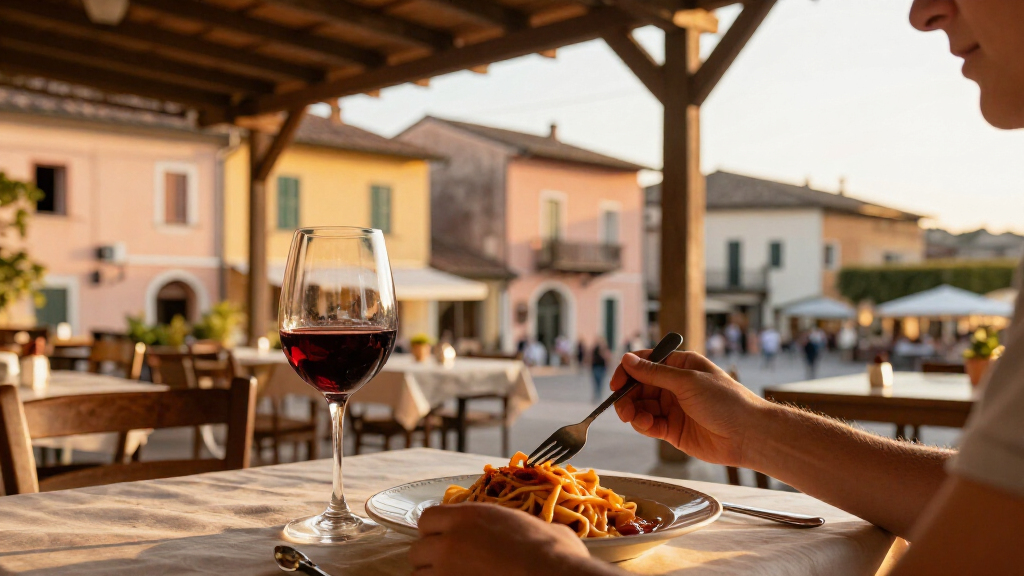
The name pasta e fagioli simply means pasta and beans. Across Veneto, Campania, Tuscany, Lazio, and other parts of Italy, households have long made different versions according to local crops, budgets, and family habits [1]. Some cooks use borlotti beans and a dense consistency; others prefer cannellini beans in enough broth to require a spoon.
That variation reflects the dish’s cucina povera roots. In a farmhouse kitchen, inexpensive beans stretched a small quantity of pasta into dinner, while onion, celery, carrot, garlic, and garden trimmings supplied flavor. Meat could add richness, but it was never required; the pot drew strength from technique rather than luxury.
Imagine a September day in Emilia-Romagna. Lunch happens under a hot white sky, so you loosen the soup with bean liquid and add chopped tomato, parsley, and basil. By evening, the air has cooled enough for a sweater; you reheat the base with rosemary and chard until it becomes a quietly hearty supper.
The most important aspects are balance and timing: beans make the dish substantial, pasta shapes its texture, and seasonal vegetables tell you what time of year the bowl belongs to.
Once you accept that both brothy and thick versions belong at the Italian table, the next choice becomes easier. You can build one dependable base, then let the market decide where it goes.
As an affiliate, we earn on qualifying purchases.
Build One Flavorful Base, Then Let the Season Choose the Finish
Pasta e Fagioli: The Bean Pasta That Bridges Summer and Fall starts with a slowly cooked base of olive oil, onion, celery, and carrot. Add garlic near the end of browning, then bring in beans, liquid, and pasta. The real payoff comes from layering ordinary ingredients instead of throwing everything into the pot at once.
- Soften the aromatics: Cook one diced onion, one celery stalk, and one carrot in 3 tablespoons of olive oil over medium-low heat for 8 to 10 minutes. You want glossy vegetables with lightly golden edges, not scorched bits.
- Add garlic and herbs: Stir in two sliced garlic cloves for about 30 seconds. Add soft basil stems for a summer pot or a small rosemary sprig for a fall pot.
- Build the broth: Add about 3 cups of cooked beans and 5 cups of bean liquid, vegetable stock, or water. A scrubbed Parmigiano Reggiano DOP rind can simmer in the pot for savory depth.
- Create body: Mash or blend roughly one-quarter of the beans, then return them to the pot. This makes the liquid silky without cream or flour.
- Cook the pasta: Add 6 to 8 ounces of ditalini, tubetti, small shells, or broken spaghetti. Simmer until just al dente, stirring often because the starch encourages sticking.
- Finish with contrast: Add fresh herbs, lemon zest, grated cheese, black pepper, or a ribbon of olive oil just before serving. Brightness keeps the beans from tasting flat.
For a real Tuesday-night example, start the soffritto while you unpack groceries, use two cans of rinsed cannellini beans, and have dinner ready in about 35 minutes. The kitchen will smell of sweet onion and warm garlic before the pasta even enters the pot. A heel of crusty bread handles the final streaks of broth.
Taste after the pasta cooks because starch and cheese rind can change the salt balance. If the spoon leaves a trench through the pot, add hot water by the half cup; the pasta will continue drinking the broth long after you turn off the flame.
Choose the Version That Matches Tonight’s Weather
Pasta e fagioli feels summery when you use fresh beans, juicy tomatoes, tender vegetables, and leafy herbs in a loose broth. It moves toward fall when you add dried beans, sturdy greens, woodsy herbs, and a thicker texture. The table below gives you two practical paths from the same basic method [1].
| Choice | Late-summer bowl | Early-fall bowl |
|---|---|---|
| Beans | Fresh shelling beans or mild cannellini | Dried or canned borlotti or cannellini |
| Vegetables | Ripe tomato, zucchini, corn, or green beans | Carrot, celery, kale, chard, or cabbage |
| Herbs | Basil and flat-leaf parsley | Rosemary or sage |
| Texture | Light and brothy | Thick and creamy |
| Finish | Lemon zest, fresh chile, or basil oil | Black pepper, grated cheese, or robust olive oil |
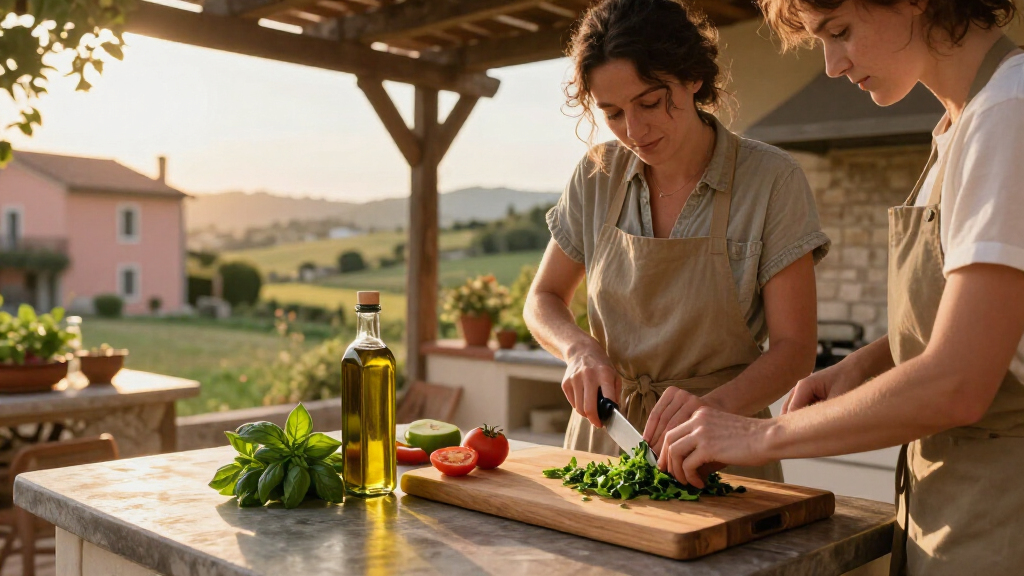
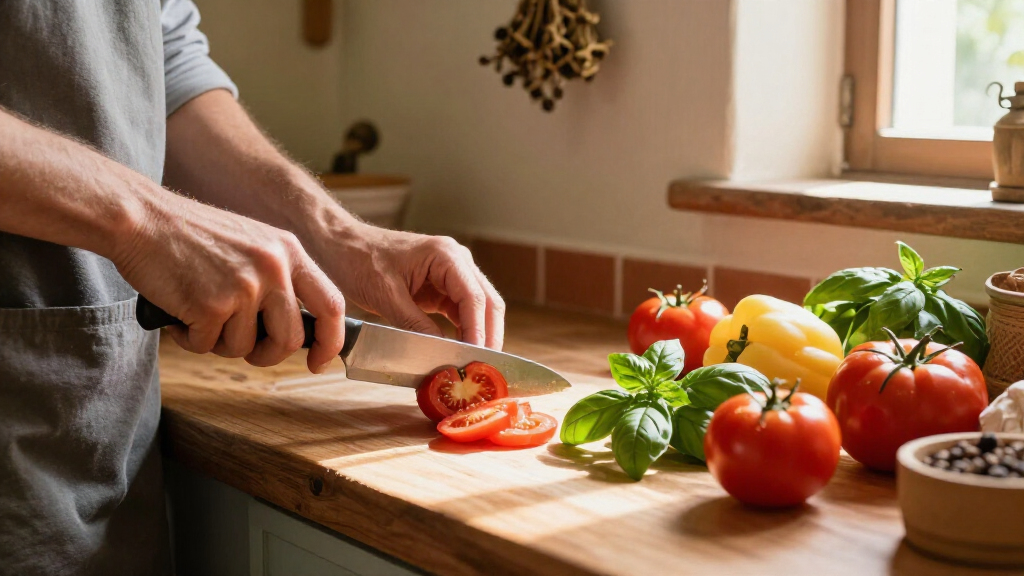
For a warm Labor Day lunch, sauté half a diced zucchini with the soffritto, add chopped ripe tomatoes only after the beans are tender, and finish each bowl with torn basil. Keep the broth loose enough to ripple around the ditalini. A curl of lemon zest and a little fresh chile keep it summery.
On the first evening when rain taps the windows, use borlotti beans, rosemary, and two packed cups of sliced Tuscan kale. Mash more of the beans and let the pot simmer uncovered for five extra minutes. The broth turns brick-red and velvety, while the kale adds a pleasant mineral bite.
This seasonal split is not a rulebook. Corn can meet rosemary, and autumn chard can sit beside the last garden tomatoes. The point is to choose one dominant mood so the bowl tastes intentional rather than crowded, because adding every available vegetable can blur the clean partnership between pasta and beans.
Pick Beans and Pasta That Stay Creamy Without Turning Mushy
Pasta e fagioli tastes best when the beans become creamy but retain their shape and the pasta stays pleasantly firm. Cannellini beans give you a mild, buttery bowl, while borlotti beans, also called cranberry beans, bring an earthier flavor and a rosy-brown broth. Small pasta cooks evenly among them.
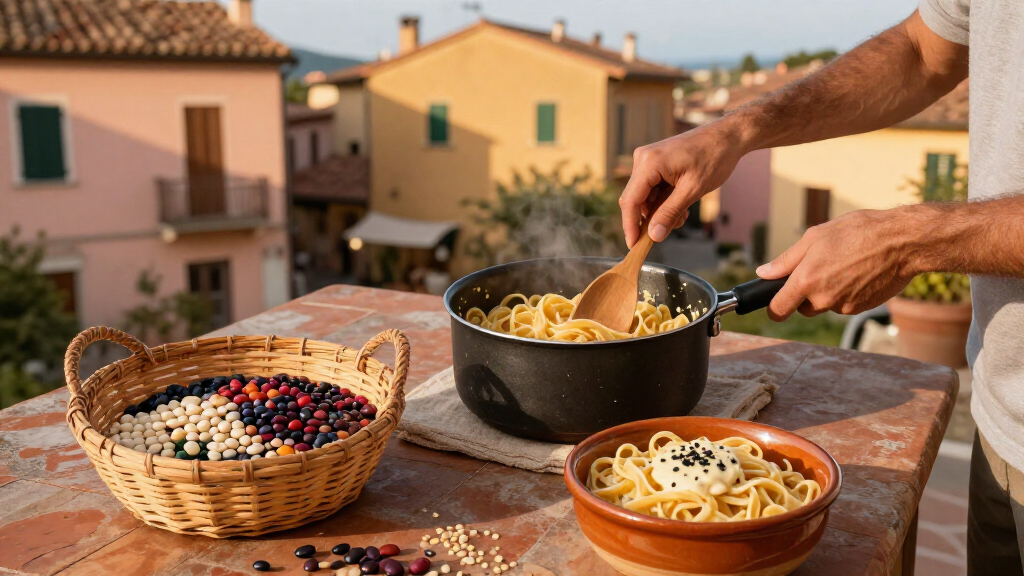
Fresh shelling beans are a late-summer pleasure. At an Italian market, you may see borlotti pods streaked cream and magenta like painted paper; once shelled and cooked, the beans lose that bright pattern but gain a chestnut-like softness. Simmer them gently and begin checking after about 25 to 35 minutes, since age and variety change the timing.
Dried beans give you the richest cooking liquid. Soak them overnight if you like, cover them with fresh water, and cook until completely tender before adding tomatoes or another acidic ingredient. You can salt the cooking water; acidity, rather than salt, causes the more common timing problem because tomato can slow softening when added too early.
Canned beans make a weeknight version entirely respectable. Drain and rinse them to control sodium and remove the thick canning liquid, then add the beans after the aromatics have browned. A little retained liquid can add body, but taste it first; some brands carry a metallic or overly salty edge.
- Ditalini: The classic small tubes catch creamy broth inside.
- Tubetti: Slightly larger tubes create a more substantial bite.
- Small shells: Their cups hold mashed beans and bits of soffritto.
- Broken spaghetti: A thrifty, traditional-feeling choice when no tiny shape is available.
Skip large rigatoni or long intact strands. They dominate the spoon and push the beans aside, like oversized furniture in a small room. For gluten-free pasta, choose a sturdy rice-and-corn blend and begin checking several minutes early because cooking times and starch release vary.
Control the Broth So Every Spoonful Feels Silky
The best pasta e fagioli texture comes from three sources working together: mashed beans, bean cooking liquid, and pasta starch. Blend about one-quarter of the beans for a naturally creamy base, then adjust the liquid according to when you plan to serve it. A good pot should feel silky, not gluey.
Cooking pasta directly in the soup releases starch into the broth and works especially well when everyone will eat immediately. Stir every minute or two as the pasta approaches al dente, scraping the bottom with a wooden spoon. At a crowded Sunday lunch, this one-pot approach gives each serving the same rich, cohesive texture.
Cooking the pasta separately gives you better control when dinner schedules drift or you expect leftovers. Toss the drained pasta with a little olive oil, portion it into bowls, and ladle the hot bean base over it. If one person comes home two hours late, their pasta will still have a bite rather than the texture of a wet sponge.
The dish thickens fast because pasta keeps absorbing liquid as it rests. Make the pot slightly looser than you think it should be, especially if it must sit for 15 minutes before serving. Keep 1 to 2 cups of hot water or unsalted stock nearby and add it gradually, tasting for salt after each addition.
You can also tailor the consistency by region and mood. A Venetian-style bowl may lean dense and creamy, while other household versions resemble soup; neither texture owns the word authentic. The useful test is simpler: beans and pasta should share each bite, with enough liquid to bind them but not wash away their character.
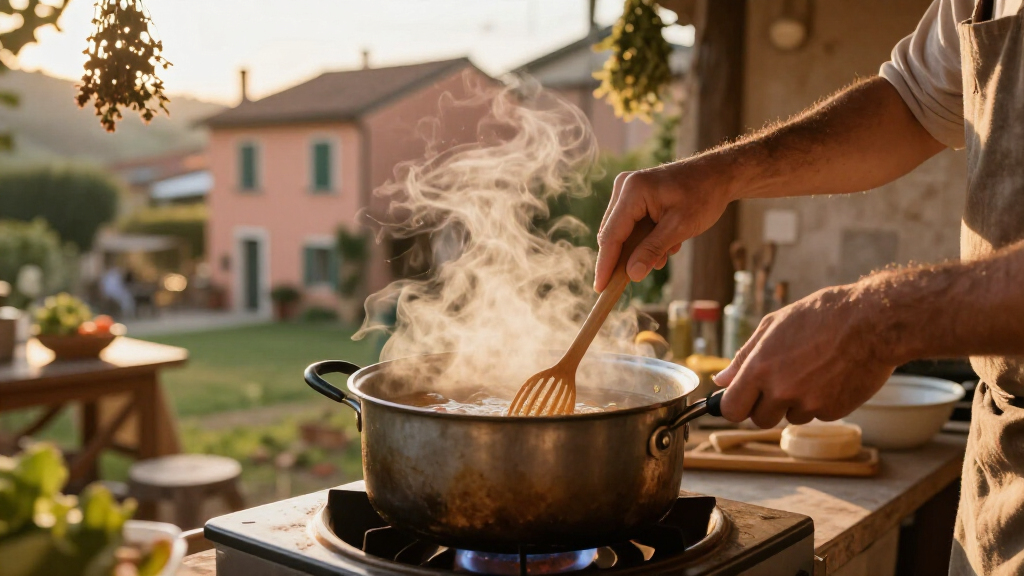
For immediate serving, cook pasta in the pot. For meal prep, guests arriving at different times, or planned leftovers, cook it separately and combine each portion at the table.
Get Deep Flavor Without Depending on Meat
Pasta e fagioli does not need meat to taste rich because browned aromatics, concentrated bean liquid, herbs, and a cheese rind create several layers of savoriness. Give the soffritto enough time to turn sweet and golden, then finish with something bright. Depth and freshness must sit in the same spoon.
Start with decent extra-virgin olive oil and use medium-low heat. Onion, celery, and carrot need about 8 to 10 minutes to soften and take on color; rushing them leaves the broth thin and raw-tasting. When the vegetables begin to cling lightly to the bottom, a splash of water lifts those browned flavors back into the pot.
A rind from Parmigiano Reggiano DOP adds a quiet, nutty savor as it simmers. Scrub the outside, drop in a piece about 2 inches wide, and remove it before serving if it remains tough. This ingredient contains milk, so flag it for diners with dairy allergies and omit it for a vegan bowl.
For vegan pasta e fagioli, stir in a small spoonful of white miso after taking the pot off the heat, or use nutritional yeast and a generous finish of olive oil. Miso commonly contains soy, another allergen worth naming. You can also rely on rosemary, garlic, bean liquid, and caramelized vegetables without adding a cheese substitute at all.
Pancetta, guanciale, or sausage appears in some Italian household versions, but meatless preparations are also rooted in tradition. If you use pancetta, brown 2 to 3 ounces before the vegetables and reduce the added salt. The meat should act as seasoning rather than the main event, like a bass note under the beans.
Finish with black pepper, parsley, lemon zest, or peppery olive oil. That final aromatic lift is why the first spoonful from a good trattoria seems fuller than the ingredient list suggests—and it sets up the practical question of storing what remains.
Store and Reheat It Without Sacrificing the Pasta
Pasta e fagioli keeps best when the pasta and bean base are stored separately, because cooked pasta continues absorbing broth in the refrigerator. Cool leftovers promptly, refrigerate them in shallow covered containers, and eat them within 3 to 4 days. Reheat only the amount you plan to serve [2].
If you cooked everything in one pot, do not worry; the next bowl simply needs more liquid. Add water or unsalted stock by the quarter cup while reheating over medium-low heat. Stir gently so the softened pasta does not break apart, then bring the food to 165°F before serving, following standard USDA leftovers guidance [2].
For example, Monday’s brothy cannellini version may look like bean risotto by Wednesday. Put one portion in a small saucepan, add half a cup of water, and warm it slowly for about five minutes. A pinch of salt, fresh parsley, and olive oil restore the brightness that refrigeration muffles.
The bean base freezes well for roughly 2 to 3 months, but pasta loses its appealing bite after freezing and thawing. Freeze the cooled beans and broth without pasta, leaving a little room in the container for expansion. Thaw in the refrigerator, reheat thoroughly, and add freshly cooked ditalini before serving.
Food safety begins before storage. Do not leave a heavy pot cooling on the counter for hours; divide the food into smaller containers so heat escapes faster, and refrigerate it within two hours. If the room is hotter than 90°F, such as an outdoor late-summer lunch, refrigerate leftovers within one hour [2].
The dish contains wheat when made with standard pasta and may contain milk, soy, or pork depending on the finish. For guests with allergies, use certified gluten-free pasta, clean utensils, separate cooking water, and clearly identified toppings rather than relying on memory at the table.
Frequently Asked Questions
Is pasta e fagioli a soup or a pasta dish?
It can be either. Some Italian versions have enough broth for a spoon, while others are dense enough to eat with a fork. Your bean variety, amount of liquid, and pasta cooking method determine where the bowl lands.
Can I make pasta e fagioli with canned beans?
Canned beans work very well and can reduce the total cooking time to about 35 minutes. Drain and rinse them, then add them after the aromatics have softened so they warm through without completely falling apart.
Does authentic pasta e fagioli contain tomatoes or meat?
Neither ingredient is mandatory. Italian regional and household recipes include tomato-based, tomato-free, meatless, and pork-enriched versions. Beans and pasta define the dish; everything around them reflects local produce, family custom, and season.
How do I stop the pasta from becoming mushy?
Cook the pasta only to al dente and serve the dish promptly. When you expect leftovers, boil the pasta separately and keep it away from the bean broth until serving, since it will otherwise continue absorbing liquid.
How can I thicken pasta e fagioli without cream?
Blend or mash about one-quarter of the beans, then stir them back into the pot. You can also simmer the broth uncovered or cook the pasta directly in it, allowing released starch to add body.
What should I serve with pasta e fagioli?
Serve it with crusty bread, a simple green salad, or sautéed bitter greens. A late-summer bowl pairs nicely with tomato salad, while a thick fall version needs little more than grilled bread rubbed with garlic.
Can I make the dish vegan or gluten-free?
For a vegan version, use vegetable stock and omit pork and cheese rind, finishing with olive oil, herbs, or a little miso. For a gluten-free version, use certified rice-and-corn pasta and cook it separately, since its timing and starch release can differ from wheat pasta.
Conclusion
Your best pasta e fagioli begins with one decision: cook for the weather you actually have. When September still feels like summer, leave the broth loose and reach for fresh tomato, basil, zucchini, and lemon zest. When the windows fog and the evening turns cool, mash more beans, add rosemary and sturdy greens, and let the pot grow thick enough to hold the mark of your spoon.
Keep the method, not a rigid formula: brown the aromatics, cook the beans until tender, protect the pasta’s bite, and finish with good olive oil. Then carry the bowl to the table while steam curls above the rim—the last red tomatoes and the first dark greens meeting in one deeply Italian supper.