
TL;DR

Get kitchen staples and gadgets delivered free with Prime
- Fast, free delivery on millions of items
- Prime Video, Amazon Music and more included
- Member-only deals all year
The Douja d’Or is a wine festival traditionally held in Asti during September, founded in 1967 as a national wine competition and now a citywide celebration of Piedmontese wine and food. Barbera takes center stage because Asti sits in the grape’s historic heartland, and the fair is the ideal place to compare Barbera d’Asti DOCG, Nizza DOCG, and Barbera del Monferrato side by side. Book tastings ahead, pace yourself, and go hungry.
The first time you taste three Barberas from three villages ten minutes apart, you stop believing that a grape has one flavor. That’s exactly the experience the Douja d’Or sets up for you, sometimes within a single afternoon. One wine tastes like sour cherry and violets. The next, from an oak barrel, gives you cocoa and warm spice. Same grape. Different ground, different hands.
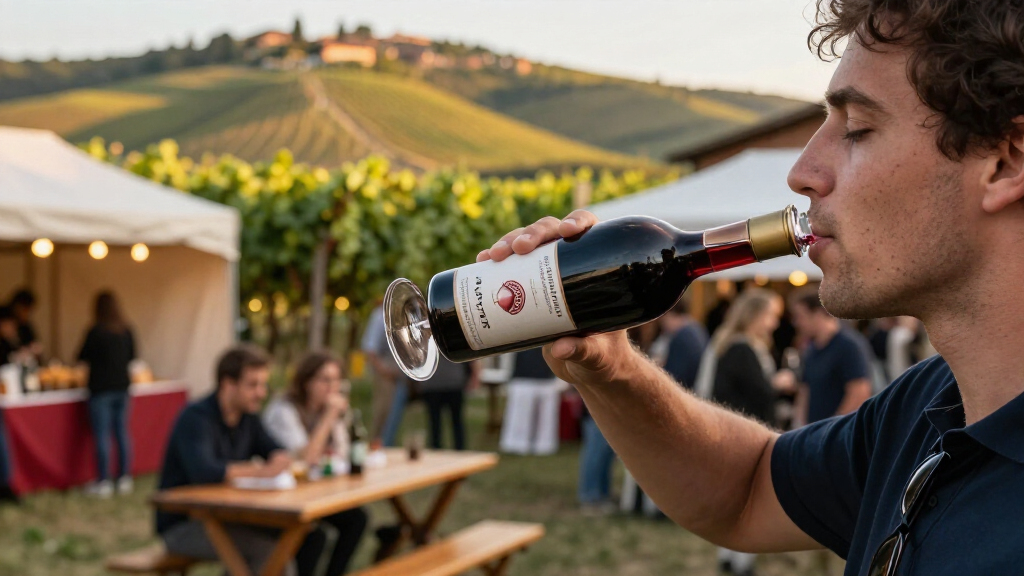
The Douja d’Or is one of Piedmont’s best-known wine festivals, traditionally held in September in Asti. It began in 1967 as a national wine competition — the name means “golden jug,” from the Piedmontese douja, a terracotta wine vessel — and it has grown into a citywide celebration of tastings, producer meetings, masterclasses, and regional food spread across historic palazzos and squares.
Barbera is the gravitational center of it all, because Asti lies in the middle of the grape’s historic territory. In this guide you’ll learn what the festival is, how to tell your Barbera d’Asti from your Nizza, what the grape actually tastes like, what to eat with it, and how to plan a visit without wasting a single glass.
The Douja d’Or is held in Asti each September and began in 1967 as a national wine competition; the name means ‘golden jug’ from the Piedmontese terracotta win…
Barbera d’Asti DOCG (min. 90% Barbera) and Nizza DOCG (100% Barbera, smaller zone) are distinct appellations — use the fair to compare them side by side.
Barbera’s signature is high acidity with moderate tannins: expect sour cherry, plum, violet, and spice, and serve at 14–18°C depending on style.
Book guided tastings and dinners in advance; popular events now use digital booking with controlled admissions.
Taste light-to-heavy, drink water, eat between sessions, and use spittoons — pacing is how you actually remember the wines.
What the Douja d’Or Actually Is (And Why It’s Not Just an Awards Ceremony)
The Douja d’Or is a September wine festival in Asti that grew out of a wine competition founded in 1967. Today the public festival is far broader than the awards tradition that gave it its name: expect walk-around tastings, staffed wine counters, guided tastings devoted to single grapes or appellations, producer meetings, pairing dinners, cooking demonstrations, and concerts in historic buildings and public squares. The “golden jug” name still carries the heritage, but the event now sells an experience, not just medals.
The festival has also shifted away from a single exhibition hall toward a distributed format. Tasting venues are scattered across central Asti — courtyards, cultural venues, restaurants, palazzos — which means the fair doubles as a walking tour of one of Piedmont’s most underrated cities. You taste, you walk through medieval arcades, you taste again. It’s a format that pushes you to actually see Asti rather than stand in one hall all evening.
September is no accident. The dates coincide with the grape harvest, so the whole province hums with tractors, crates, and the particular smell of fermenting must that drifts over wine country in early fall. According to madtasting.com, exact dates, venues, and ticket arrangements change yearly, so always check the official program before you book travel.
One warning worth repeating: popular tastings increasingly require advance reservations, especially where venue capacity is limited. Digital booking has become the norm. Don’t assume you can walk in.
As an affiliate, we earn on qualifying purchases.
Four Barbera Denominations You’ll Meet at the Fair — Told Apart in One Table
Barbera around Asti comes in four main protected denominations, and telling them apart is the single most useful thing you can learn before arriving. They are not interchangeable labels — they differ in grape percentage, territory, and aging rules, which translates directly into what lands in your glass.
| Denomination | Grape rules | Zone | Style in the glass |
|---|---|---|---|
| Barbera d’Asti DOCG | Minimum 90% Barbera | Provinces of Asti and Alessandria | Bright, cherry-driven, versatile; Superiore versions are structured |
| Nizza DOCG | 100% Barbera | Small zone around Nizza Monfarrato’s hills — Nizza Monferrato | Serious, age-worthy, terroir-focused |
| Barbera del Monferrato Superiore DOCG | Barbera-dominant blend | Wider Monferrato area | Structured, built for cellaring |
| Barbera del Monferrato DOC | Barbera-dominant blend | Wider Monferrato area | Fresher, approachable, sometimes lightly sparkling |
The distinction between Barbera d’Asti and Nizza trips people up most. Barbera d’Asti DOCG covers a relatively broad area and allows a small percentage of other authorized red grapes. Nizza DOCG comes from a much smaller zone around Nizza Monferrato, demands 100% Barbera, and follows stricter production and aging rules. It has become the reference point for ambitious, age-worthy expressions of the grape.
A practical note: the word “Superiore” on a label means stricter production requirements and minimum aging — it does not guarantee you’ll personally prefer the wine. Plenty of people fall hardest for the young, fresh, un-oaked stuff. Taste both.
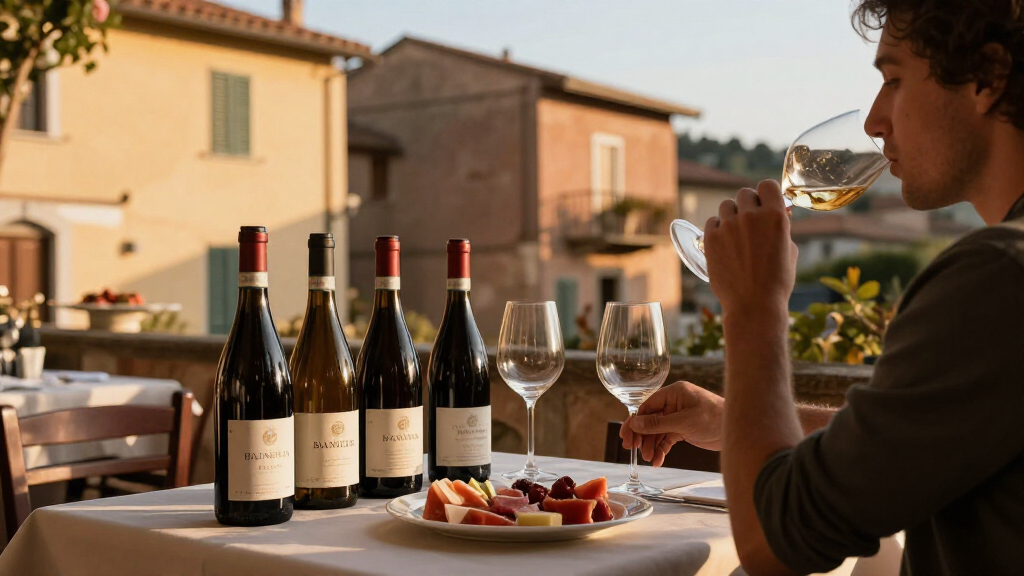
What Barbera Tastes Like — And Why Acidity Is the Whole Story
Barbera is a dry red grape defined by high natural acidity and moderate tannins — the opposite structural profile of, say, a chewy Cabernet. Think of it like lemonade versus milkshake: Cabernet’s tannins coat your mouth and dry it out, while Barbera’s acidity works more like a squeeze of lemon on fried fish — it cuts, it refreshes, it makes you want another bite. That’s not a flaw; it’s the reason the wine is famously food-friendly. Imagine eating a plate of fatty salami and then taking a sip of something crisp and tart — that palate-resetting effect is exactly what Barbera does at the table.
In the glass, expect sour cherry and ripe red cherry first — picture the difference between a fresh Bing cherry and a Morello cherry spooned from a jar — then plum, blackberry, and raspberry. Many bottles show violet, herbs, and warm spices like clove and nutmeg. Oak-aged versions add vanilla, cocoa, or toast, the same way oak turns Chardonnay creamy and gives Rioja its dill-and-coconut signature. Because the fruit is so ripe and forward, people sometimes ask if Barbera is sweet — it almost never is. The pronounced acidity gives it a fresh, savory finish that reads as dry once you notice it, much like a ripe tomato tastes fruity but not sugary.
Here’s where a festival becomes genuinely educational. Traditional versions emphasize freshness and direct fruit — think of a young, tank-aged Barbera del Monferrato drunk slightly cool with pizza. Modern premium examples, like many Nizza DOCG bottlings, can be fuller-bodied and more concentrated, shaped by large casks or small barrels until they resemble a modest Barolo in structure. At Douja d’Or you can line them up side by side and decide which camp you’re in — something nearly impossible to do at home without buying four bottles and a quiet evening.
Style is also shifting. Heavy oak is no longer the only route to prestige in the region; many producers now chase freshness, restrained extraction, and clearer vineyard expression. Labels increasingly identify single vineyards — much like Burgundy’s named plots — and tastings now distinguish villages, soils, and exposures rather than treating Barbera as one uniform style.
Climate is part of this story. Hotter, drier growing seasons can raise sugar and alcohol while dulling that signature acidity, and producers are responding with canopy management, earlier harvest decisions, and careful site selection. When a producer at the fair talks about picking grapes a week earlier than their grandfather did, or farming a hillside vineyard at 350 meters precisely because nights stay cooler there, that’s why.
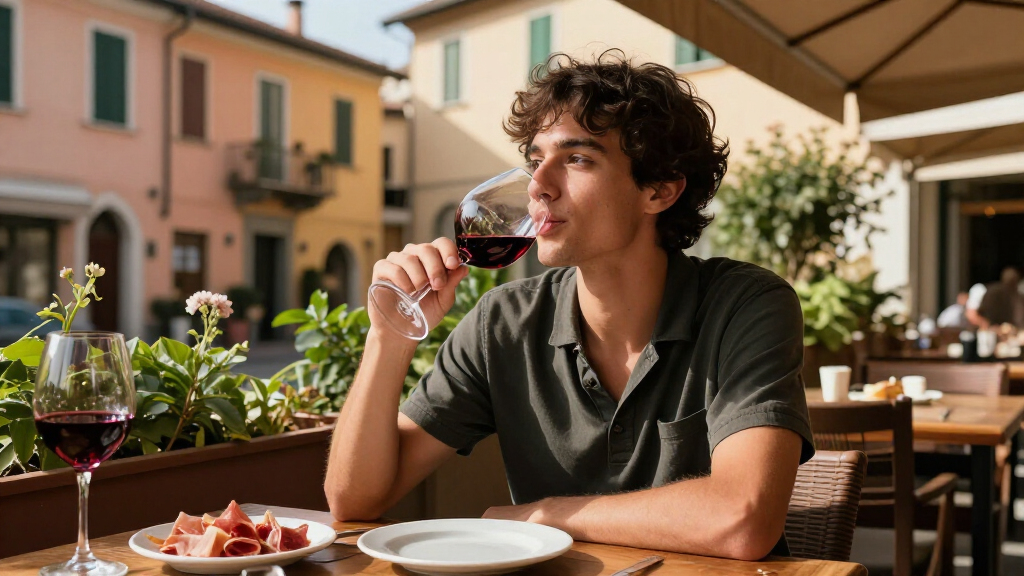
What to Eat With Barbera: Piedmont’s Pairing Playbook
Barbera’s acidity makes it one of the most versatile red wines at the Italian table, and in Piedmont the pairings are canonical. If you eat your way through the fair’s food stands and pairing dinners, these are the matches you’ll keep meeting.
- Agnolotti — the small filled pasta of the Asti and Monferrato tradition
- Tajarin — thin egg noodles with meat ragù
- Brasato — beef braised in red wine, often Barbera itself
- Vitello tonnato — chilled veal with tuna-caper sauce
- Bagna càuda — the warm garlic-anchovy dip of Piedmont autumn
- Salumi and mature cheeses
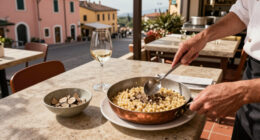
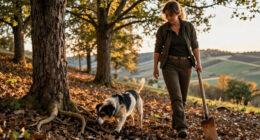
- Grilled and roasted meats, mushroom and truffle dishes
The logic is simple: Barbera’s acid slices through rich, fatty, or savory dishes the way lemon works on fried fish. A braised beef or a plate of aged cheese would flatten a soft, low-acid red; with Barbera, each bite resets.
Don’t overthink it for casual nights, though. Lighter Barberas happily accompany pizza, pasta with tomato sauce, and aperitivo snacks. A chilled-ish young Barbera del Monferrato with a Margherita is one of the most under-rated weeknight pairings in Italian wine.
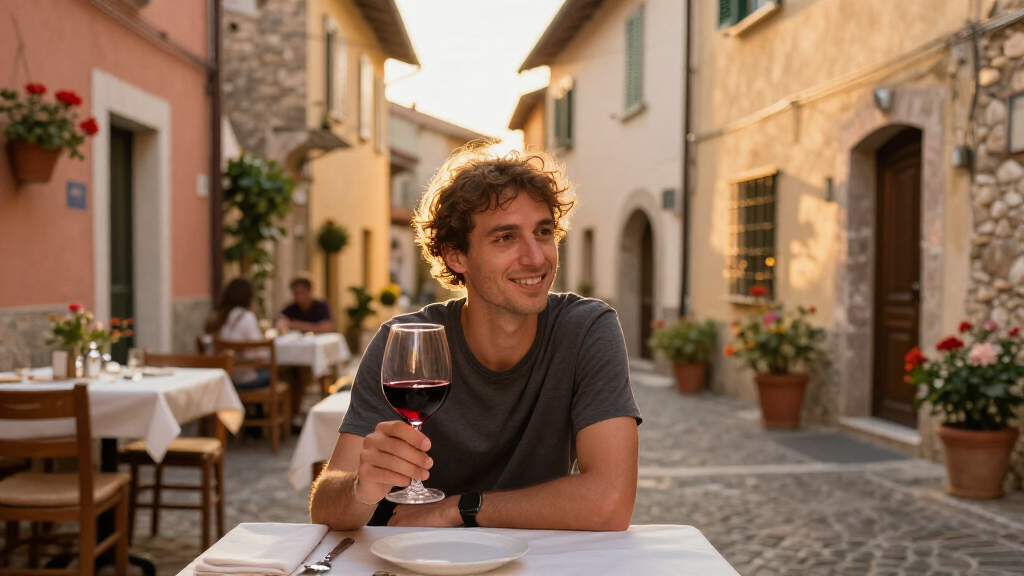
Serving temperature matters more than most people realize. Pour lighter Barbera at about 14–16°C (57–61°F) and structured or oak-aged bottles around 16–18°C (61–64°F). Too warm and the alcohol takes over. Twenty minutes in the fridge rarely hurt any red wine.
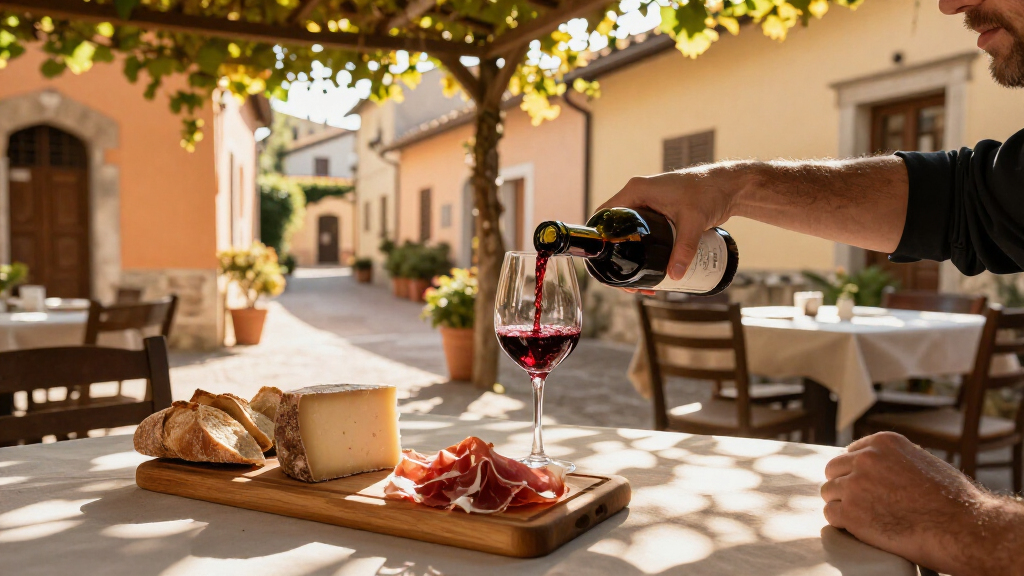
How to Work the Fair Like a Pro: A Step-by-Step Tasting Plan
A good festival strategy is the difference between eight great glasses and a blurry afternoon. Here is the approach that works at any large walk-around tasting, and Douja d’Or in particular.
- Book before you fly. Reserve guided tastings, dinners, and masterclasses in advance; limited-capacity events sell out.
- Study the program the week before. Note which consortiums and appellations are pouring where, and circle two or three must-dos.
- Start light, end big. Begin with younger, fresher Barberas and work up to Nizza DOCG, Superiore, and oak-aged bottles.
- Compare, don’t collect. Three wines from the same denomination teach you more than nine wines from nine places.
- Drink water, eat, use the spittoon. September in Asti is warm, and the tastings add up faster than you think.
- Talk to the producers. Ask where the vineyard is and what the vintage was like — it’s the fastest wine education available.
Remember the fair is broader than Barbera. You’ll also find Nebbiolo, Dolcetto, Grignolino, Ruchè, Moscato, Alta Langa sparkling, Asti Spumante, and events built around vermouth and grappa. Leave room for a glass of something you didn’t plan on.
One clarification worth repeating: “Asti” on a label alone usually means the aromatic sparkling wine made from Moscato Bianco under Asti DOCG. Barbera d’Asti is a red wine. Same city, completely different bottles.
Alcohol tastings are restricted to adults, and responsible pacing is part of the culture — spitting is completely normal at Italian wine fairs, not a faux pas. Families and non-drinkers can still enjoy the citywide cultural programming, concerts, and food events, though individual venues set their own admission policies.
Planning the Trip: Dates, Tickets, and Why September Books Out Early
September is arguably the best month to visit Asti — and also the busiest. You get the festival, the harvest atmosphere, local food celebrations, and golden light over the Monferrato hills, all at once. That combination means hotels and restaurants fill early, so reserve accommodation as soon as your dates are confirmed.
The program changes annually, but expect a mix of free-access city events and paid, ticketed experiences. Walk-around tastings and staffed counters may offer day-of admission subject to availability; masterclasses and pairing dinners almost always require booking. Check the official Douja d’Or program for exact dates, venues, and participating producers for the current year.
Asti sits about 45 minutes by train from Turin and roughly an hour and a half from Milan, making a day trip possible — though staying overnight lets you do an evening tasting justice and wake up to the market square. If you can add a day, drive or take a bus into the hills around Nizza Monferrato and Canelli to see the vineyards you tasted from.
Want to keep the experience going at home? Buy a bottle of Barbera d’Asti DOCG and a Nizza DOCG from the same producer if possible, open them side by side with a plate of salumi, and recreate the festival’s core lesson at your own table. Store bottles at cellar temperature, ideally 10–15°C (50–59°F), away from light. Young Barbera is best within a couple of years; serious Nizza can develop for many.
Frequently Asked Questions
When is the Douja d’Or held?
The festival is traditionally held in September in Asti, coinciding with the grape harvest. Exact dates and duration change annually, so consult the official program before booking travel.
Is Barbera d’Asti the same as Asti wine?
No. “Asti” on its own usually refers to the aromatic sparkling or semi-sparkling wine made from Moscato Bianco under the Asti DOCG. Barbera d’Asti is a dry red wine made from at least 90% Barbera grapes.
What’s the difference between Barbera d’Asti and Nizza DOCG?
Barbera d’Asti DOCG covers a broad production area in Asti and Alessandria and permits a small proportion of other authorized red grapes. Nizza DOCG comes from a smaller zone around Nizza Monferrato, requires 100% Barbera, and follows stricter production and aging rules — generally producing more structured, age-worthy wines.
Is Barbera sweet?
Almost all Barbera is dry. Its ripe cherry and plum fruit can suggest sweetness, but the grape’s pronounced acidity gives the wine a fresh, savory finish.
Should I age Barbera or drink it young?
Basic versions are best enjoyed young, within a couple of years. Structured Barbera d’Asti Superiore, Nizza DOCG, and single-vineyard bottles can improve for several years or longer, depending on producer and vintage.
Do I need tickets for the Douja d’Or?
Some citywide events are open-access, but wine tastings, dinners, and masterclasses usually require payment and often advance reservations. Popular limited-capacity tastings should be booked ahead.
Conclusion
If you remember one thing, make it this: the Douja d’Or is the rare place where a single grape becomes a geography lesson. Four denominations, dozens of villages, one terracotta-jug name — and by the end of a weekend you’ll never say “Barbera tastes like this” again. You’ll say which Barbera, from where, made by whom.
Check the official program, book your tastings, reserve a table for tajarin, and go in September when the whole province smells like harvest. Then bring home one young bottle and one Nizza, and settle the argument at your own table.
Halloween Picks
halloween
As an affiliate, we earn on qualifying purchases.