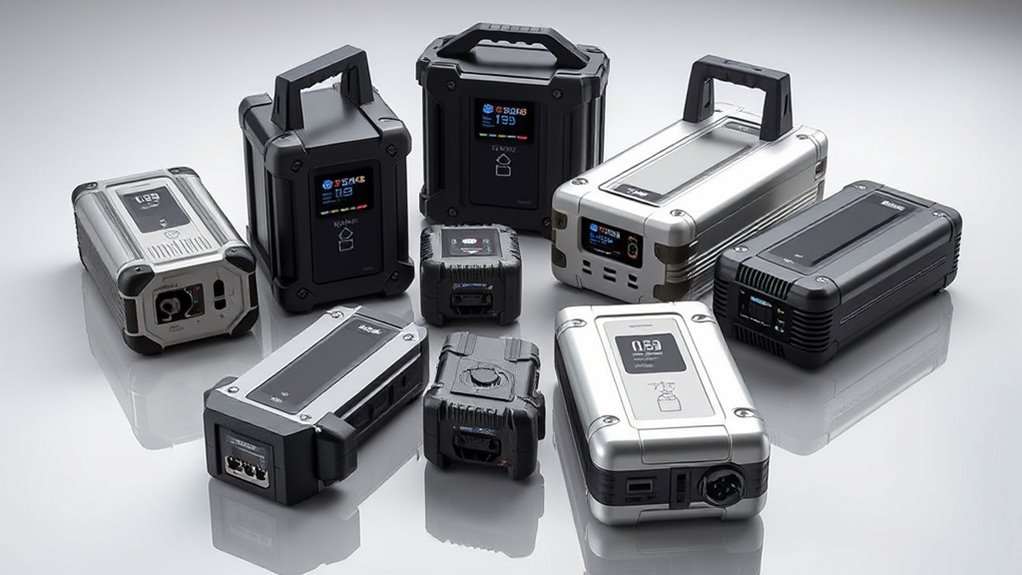

When it comes to powering medical equipment during emergencies, reliability and capacity are non-negotiable. The EnginStar Portable Power Station 300W stands out for its portability and solar compatibility, making it ideal for quick setups. The Anker SOLIX S2000 offers extensive capacity suitable for longer outages, while the Jackery HomePower 3600 Plus provides robust power output for larger needs. The main challenge in selecting an emergency power supply for medical devices is balancing capacity, portability, and safety features. Keep reading for a detailed comparison to find the right fit for your critical needs.

Get kitchen staples and gadgets delivered free with Prime
- Fast, free delivery on millions of items
- Prime Video, Amazon Music and more included
- Member-only deals all year
Complete the kit


Key Takeaways
- High-capacity units like the Anker SOLIX S2000 are best suited for prolonged outages but come with increased size and weight.
- Portability is key for on-the-go needs, making smaller models like the EnginStar 300W ideal for quick deployment.
- Solar compatibility can extend runtime but may involve tradeoffs in charging speed and power output.
- Uninterruptible Power Supply (UPS) features are critical for seamless device operation during power transitions.
- Safety certifications and pure sine wave output are essential for sensitive medical equipment to prevent damage.


| emergency power supply for medical equipment | Capacity | Weight |
|---|---|---|
| EnginStar Portable Power Stati | 296Wh | 6.5 pounds |
| Jackery HomePower 3600 Plus Po | 3584Wh | Lightweight with wheels and handle |
| UDPOWER S1200 Portable Power S | — | 25.8 pounds |
| Portable Power Station 300W | 192Wh | 8.8 lbs |
| MARBERO Portable Power Station | 296Wh | 5.7 lbs |
| Anker SOLIX S2000 Portable Pow | — | — |
| ENOFLO 300W Portable Power Sta | 228Wh | — |
| Librids Portable Power Station | 640Wh | — |
| EnginStar Power Bank with AC O | — | — |
More Details on Our Top Picks
EnginStar Portable Power Station 300W 296Wh Solar Generator
This option stands out for its portability and versatility, making it ideal for individuals who need a lightweight backup during short outages or outdoor activities. Compared to larger models like the Jackery HomePower 3600 Plus, it offers significantly lower capacity but excels in ease of transport and quick setup. Its multiple charging methods—solar, wall, and car—provide flexibility, though the absence of a solar panel means an additional purchase is necessary. The 300W AC output is suitable for small devices and essential electronics, but not for high-wattage appliances. Its advanced battery management ensures safety and longevity, with over 1000 charge cycles. However, limited power and no included solar panel restrict its use for prolonged outages or heavy-duty appliances. This compact generator is best for users who prioritize portability over capacity, such as campers or emergency kit fillers.Pros:- Lightweight and easy to carry at only 6.5 pounds
- Multiple charging options including solar, wall, and car power
- Safe, efficient, with over 1000 charge cycles
Cons:- Solar panel sold separately, adding to overall cost
- Limited to 300W output, not suitable for high-power devices
- Charging speed may vary depending on power source
Best for: Individuals needing a lightweight, portable power source for charging multiple small devices during outdoor activities or short-term emergencies.
Not ideal for: Users expecting to power high-wattage appliances or require long-term backup, as it lacks the capacity and power output for such needs.
- Capacity:296Wh
- Power Output:300W
- Dimensions:9 x 5.5 x 7.5 inches
- Weight:6.5 pounds
- AC Outlets:2 (110V pure sine wave)
- Charge Cycles:Over 1000
Our verdict“This model is perfect for users seeking a portable, lightweight backup for small devices during outdoor or emergency use.”
Jackery HomePower 3600 Plus Power Station, 3584Wh, 3600W AC Output
The Jackery HomePower 3600 Plus is designed for those who need substantial energy reserves, making it suitable for powering essential household appliances during outages. It surpasses smaller units like the UDPOWER S1200 in capacity and lifespan, offering 3584Wh and a robust 3600W AC output. Its multiple charging options—including AC, solar, and hybrid—allow for flexible recharging, and its portable design with wheels and a handle helps maneuverability. The long cycle lifespan of 6,000 cycles and a 10-year lifespan make it a reliable long-term investment, though it comes at a higher price point. The large size, despite being portable, may still be cumbersome for some users, and it’s better suited for those with predictable power backup needs at home or in small facilities. This pick makes the most sense for homeowners or small clinics seeking a durable, high-capacity solution.Pros:- Massive capacity of 3584Wh for extended outages
- Multiple charging methods including AC, solar, and hybrid options
- Long lifespan with 6,000 cycles and 10-year durability
Cons:- Higher cost may be prohibitive for some users
- Size and weight could be cumbersome for portable needs
- Requires multiple units for very large or complex setups
Best for: Homeowners or small medical clinics seeking a reliable, high-capacity backup power source for critical equipment during outages.
Not ideal for: Users with limited space or budget constraints, as it is bulkier and more expensive than smaller options like the Portable Power Station 300W.
- Capacity:3584Wh
- AC Output:3600W
- Voltage:120V & 240V in parallel
- Cycle Life:6,000 cycles
- Weight:Lightweight with wheels and handle
- Charging Time:AC in 2.5 hours, solar in 4 hours
Our verdict“This model is ideal for users who need a high-capacity, long-lasting backup for essential medical and household devices at home or in small facilities.”
UDPOWER S1200 Portable Power Station 1200W (Surge 1800W), Max 400W Solar Input, UPS, UL2743, for Home RV Emergency, Pure Sine Wave
The UDPOWER S1200 excels in providing clean, stable power for sensitive electronics, making it well-suited for medical devices that require precise voltage regulation. Compared with the smaller Portable Power Station 300W, it offers significantly more wattage and a more durable LiFePO4 battery rated for over 4000 cycles. Its multiple outlets—including USB-C PD—support a variety of devices, ideal for RVs or home use where reliability is key. The fast recharge time of 1.5 hours and solar compatibility enhance its off-grid potential. However, its weight of 25.8 pounds makes it less portable than smaller models like the EnginStar 300W, and the 400W solar input may slow recharging in larger off-grid setups. This pick is best for those needing a dependable power source that can handle sensitive medical equipment over extended periods.Pros:- Pure sine wave output ensures safe power for sensitive devices
- Long-lasting LiFePO4 battery with 4000+ cycles
- Fast recharge in 1.5 hours and solar compatible
Cons:- Relatively heavy at 25.8 pounds, less portable for frequent movement
- Limited to 400W solar input, potentially slow for large off-grid setups
- Higher price point due to advanced features
Best for: Home or RV users who need reliable, stable power for sensitive medical devices or electronics, especially in off-grid or emergency scenarios.
Not ideal for: Users seeking a lightweight, portable unit for quick, short-term emergencies, as its weight and higher cost may be disadvantages.
- Wattage:1200W
- Surge Power:1800W
- Battery Type:LiFePO4
- Charge Cycles:4000+
- Weight:25.8 pounds
- Recharging Time:1.5 hours from 0% to 80%
Our verdict“This model is well-suited for users needing stable, reliable power for sensitive medical and electronic devices in fixed or mobile settings.”
Portable Power Station 300W, 600W Surge Solar Generator 192Wh
This compact 300W generator offers quick recharging and multiple outlets, making it suitable for brief emergency scenarios and outdoor activities. Its 192Wh capacity is smaller than the others like the EnginStar 300W but provides a quick 1-hour recharge from zero to 80%, which can be critical during sudden outages. Its built-in UPS ensures seamless device operation, and the LiFePO4 battery promises over 4000 cycles for durability. However, the limited capacity restricts its usefulness for powering high-wattage appliances or sustaining long outages, and solar panel purchase is separate. Its lightweight design at just 8.8 pounds makes it easy to carry, but that also means it’s not suitable for heavy-duty or prolonged power needs. This model suits users who need quick, portable backup for small devices during outdoor or emergency situations.Pros:- Fast recharge from 0% to 80% in just 1 hour
- Multiple output ports for versatile device connection
- Durable LiFePO4 battery with over 4000 cycles
Cons:- Solar panel sold separately, increasing overall cost
- Limited capacity not suitable for high-wattage devices
- Not designed for long-duration power needs
Best for: Campers, hikers, or emergency kit owners needing a lightweight, quick-recharge power source for small devices and lighting.
Not ideal for: Those expecting to power large appliances or requiring long-term backup, due to its limited capacity and wattage.
- Wattage:300W
- Surge Power:600W
- Capacity:192Wh
- Charge Time:1 hour from 0% to 80%
- Weight:8.8 lbs
- Battery Type:LiFePO4
Our verdict“This generator makes sense for outdoor enthusiasts or emergency responders who need quick, portable power for small devices in short-term scenarios.”
MARBERO Portable Power Station 350W Peak Camping Solar Generator 296Wh Power Bank with AC Outlet 110V and Multi-Output LED Flashlights
The MARBERO 350W offers a compact, lightweight solution that’s highly portable, ideal for users needing to power small electronics or small medical devices during camping or short-term emergencies. Its 296Wh capacity is similar to the EnginStar but with a slightly higher peak output of 350W, making it capable of handling small appliances or medical gadgets under 100W. The inclusion of LED flashlight modes, rapid recharging options, and multiple output ports enhances its versatility, especially in off-grid settings. Unlike larger units like the Jackery or UDPOWER S1200, its limited capacity and wattage restrict it to light loads. Its relatively small size and 5.7-pound weight make it perfect for those prioritizing mobility over sustained power, but it’s not suitable for powering larger or high-wattage devices over extended periods.Pros:- Compact and lightweight at just 5.7 pounds
- Multiple charging options including solar, wall, and car
- Includes built-in LED flashlight with SOS mode
Cons:- Limited to appliances under 100W
- Solar panel sold separately, adding cost
- Capacity may be insufficient for longer outages
Best for: Campers, hikers, or emergency kit owners seeking a lightweight, portable power source for small medical devices or electronics during outdoor activities.
Not ideal for: Users needing to power high-wattage appliances or sustain long-term backup, because its capacity and wattage are limited.
- Capacity:296Wh
- Peak Power:350W
- AC Output:110V, 300W continuous
- Recharging Time:7-8 hours via AC
- Weight:5.7 lbs
- Battery Type:Li-ion
Our verdict“This power station is best suited for users needing a highly portable, low-capacity backup for small devices or short outdoor trips.”
Anker SOLIX S2000 Portable Power Station, 2010Wh, 3000W Peak, Home Backup
The Anker SOLIX S2000 stands out for its impressive 2010Wh capacity, offering enough runtime to keep essential medical devices running during extended outages. Compared to smaller models like the ENOFLO 300W, it provides significantly longer backup power, making it the better choice for critical home use. Its lightweight 35.7-pound frame and multiple charging options, including solar and AC, enhance its versatility. However, it lacks a 12V DC port, which might limit compatibility with certain equipment, and its 8 outlets could fall short for larger setups. This model is ideal for households needing reliable, portable backup power for essential medical devices and other critical electronics, but less suitable for outdoor or highly mobile use due to size and weight.
Pros:- High-capacity 2010Wh battery supports long runtimes for essential devices
- Supports multiple charging methods including solar, AC, and car outlets
- Lightweight and portable considering its capacity
Cons:- No 12V DC port for certain medical or specialized devices
- Limited to 8 outlets, which might be insufficient for larger setups
Best for: Families seeking a high-capacity, reliable power source for home medical equipment during outages.
Not ideal for: Users needing ultra-lightweight or ultra-compact solutions for frequent outdoor use or travel.
- Wattage:2010 watt-hours
- Fuel Type:Battery Powered
- Power Source:Battery Powered
- Output Wattage:1500W
- Additional Features:lightweight, Compact and Safe, Portable
- Total Power Outlets:8
Our verdict“This power station is best suited for homeowners who need dependable, extended backup for critical medical equipment during power outages.”
ENOFLO 300W Portable Power Station, 228Wh Solar Generator
The ENOFLO 300W offers a compact 228Wh capacity, suitable for brief emergencies or supplementary power in a medical setting. Unlike the Librids 640Wh, it’s smaller and easier to carry, making it ideal for quick, portable solutions. Its support for multiple recharging options—including solar, AC, and car—adds flexibility, though solar panels are sold separately, which could increase total cost. The recharging time of 6-7 hours is reasonable, but its limited capacity means it won’t sustain larger medical devices for long. This pick makes the most sense for caregivers or clinics needing a lightweight, versatile backup for small devices or short outages, but it’s less suited for powering critical life-support equipment over extended periods.
Pros:- Supports charging up to 9 devices simultaneously
- Multiple recharging options including solar, AC, and car
- Lightweight and compact for easy portability
Cons:- Solar panels are sold separately, increasing overall cost
- Limited capacity of 228Wh restricts usage duration for larger devices
Best for: Small clinics, caregivers, or individuals needing a portable, affordable backup for essential medical devices during brief outages.
Not ideal for: Users requiring continuous power for large or life-support medical equipment over long durations.
- Capacity:228Wh
- Power Output:300W (600W surge)
- USB-A Ports:2
- AC Outlets:2
- Recharging Time (AC):6-7 hours
- Built-in LED Light:Yes
Our verdict“This portable generator offers quick, flexible backup power for small devices but isn’t designed for prolonged or critical medical support.”
Librids Portable Power Station 640Wh, 1200W Surge, Solar Generator with 4 AC Outlets
The Librids 640Wh is well-suited for protecting sensitive medical equipment thanks to its pure sine wave inverter. Its capacity surpasses the ENOFLO, providing longer runtime for critical devices, especially during outages or travel. The fast 1.5-hour recharge time is a notable advantage over smaller models, and the durable LiFePO₄ battery ensures over 4000 charge cycles, making it a long-term investment. Its weight and bulk, however, make it less practical for outdoor or mobile scenarios. Compared with the Anker SOLIX, it offers less total capacity but benefits from a more robust build and longer battery lifespan. This pick works best for clinics, clinics, or households needing reliable, safe power for sensitive electronics over extended periods, but it’s less convenient for frequent outdoor mobility.
Pros:- Fast charging in just 1.5 hours
- Multiple outlets including 4 AC sockets
- Long-lasting LiFePO₄ battery with 4000+ cycles
Cons:- Heavy and bulky, less portable for outdoor scenarios
- Indoor use only, not suitable for wet conditions
Best for: Clinics or households needing a dependable, long-lasting backup for sensitive medical equipment in stationary settings.
Not ideal for: Those requiring ultra-lightweight power solutions for frequent outdoor use or short-term emergencies.
- Capacity:640Wh
- Surge Power:1200W
- Charging Time:1.5 hours
- Battery Type:LiFePO₄
- Battery Cycles:4000+
- Safety Features:Pure sine wave inverter
Our verdict“This power station provides a reliable, long-term solution for protecting sensitive medical devices but is less convenient for mobile or outdoor applications.”
EnginStar Power Bank with AC Outlet 150W 110V Laptop Power Bank, 155Wh/42000mAh Battery
The EnginStar Power Bank features a modest 155Wh capacity and a 150W AC outlet, making it suitable for brief emergencies or supplemental power for small medical devices. Its multiple recharging options—solar, wall, and car—offer flexibility, though the absence of a solar panel means added expense if solar recharge is needed. While its size is convenient for portable use, it’s limited in powering larger or high-wattage medical equipment for long periods. Compared with the ENOFLO or Librids models, it excels in portability but sacrifices capacity and runtime. This device is best for individual caregivers or patients who need a lightweight backup for low-power electronics, but it’s not suitable for critical life-support devices or prolonged outages.
Pros:- Powerful 150W AC outlet supports a variety of small devices
- Multiple recharging options including solar, wall, and car
- Long lifespan with 1000 charge cycles
Cons:- Limited to 150W devices, not suitable for larger equipment
- Solar panel not included, increasing overall setup cost
Best for: Individuals or caregivers needing a lightweight, portable backup for small medical devices during short outages.
Not ideal for: Users requiring sustained, high-wattage power for critical medical or life-support equipment.
- Battery Capacity:155Wh / 42000mAh
- AC Output:110V, 150W
- DC Output:9V-12.6V/10A
- USB Ports:Multiple
- Charge Cycles:1000
- Protection Features:Overload, overcharge, over-discharge, overheating, short circuit
Our verdict“This compact power bank offers quick, portable backup for small devices but cannot support critical or high-wattage medical equipment over extended periods.”

How We Picked
To evaluate these emergency power supplies, I focused on their capacity, surge power, safety features like pure sine wave output, and portability. Reliability under continuous use and compatibility with medical devices were key considerations. I also prioritized units with safety certifications and user-friendly features, such as multiple outlets and UPS functions. The ranking reflects a balance between power, portability, and value, emphasizing products that meet strict medical safety standards while offering practical usability in emergencies.Factors to Consider When Choosing Emergency Power Supply For Medical Equipment
Selecting the right emergency power supply for medical equipment involves understanding several core factors. Capacity determines how long your devices can run during an outage, while surge power ensures they handle startup currents safely. Portability impacts how easily the unit can be moved or deployed in different locations. Compatibility with medical devices, including safety features like pure sine wave output, is vital to prevent damage. Cost and maintenance considerations also play a role, especially for long-term use or recurring emergencies. Paying attention to these factors helps avoid common pitfalls like underestimating power needs or choosing units incompatible with sensitive equipment.Capacity and Runtime
The capacity of a power station, measured in watt-hours (Wh), directly impacts how long it can support your medical devices. Larger capacity units can sustain critical equipment for extended periods, but they tend to be bulkier and more expensive. Estimating your total power draw and factoring in the duration you need coverage helps determine the right size. Avoid simply choosing the highest capacity without considering portability or your actual needs, as an oversized unit may be cumbersome for everyday emergencies.
Power Output and Surge Capacity
The continuous power output, expressed in watts (W), determines what devices can run simultaneously. Surge capacity, or peak power, is essential for devices with high startup currents, such as ventilators or infusion pumps. Medical equipment often requires stable, pure sine wave power to prevent malfunctions. Choosing a unit with adequate surge capacity and pure sine wave output ensures safety and reliability, avoiding potential damage or interruptions during critical moments.
Portability and Size
In emergencies, a lightweight, portable unit can be a lifesaver, especially if you need to move it between locations or carry it over distances. Smaller models, while easier to handle, often have lower capacity and fewer features. Larger, high-capacity units tend to be heavier and less convenient to transport. Consider where and how you’ll use the power supply, balancing capacity needs with ease of movement to avoid ending up with an impractical device.
Safety Features and Certifications
For medical applications, safety certifications like UL listing and features such as pure sine wave output are non-negotiable. These ensure the power supply delivers clean, stable power suitable for sensitive devices, preventing potential damage. Additional safety features, like overload protection and short-circuit safeguards, add peace of mind. Ignoring these aspects could lead to device malfunctions or safety hazards during power failures.
Cost and Maintenance
While higher-capacity or feature-rich units tend to cost more upfront, they may provide better long-term value, especially for ongoing emergency preparedness. Consider the lifespan, battery health, and ease of recharging — whether via solar, AC, or car outlets. Avoid over-investing in a unit that exceeds your actual needs, but also don’t compromise on essential safety and reliability features for the sake of saving money.
Frequently Asked Questions
How do I determine the right capacity for my medical equipment?
Start by listing all the devices you need to power, noting their wattage and estimated usage time. Add up their wattages to find the total continuous power needed. Then, multiply by the number of hours you want to cover to get an approximate watt-hour requirement. It’s wise to add a buffer—around 20-30%—to account for inefficiencies or unexpected power draws. This calculation helps you choose a unit that won’t fall short during critical moments.
Is pure sine wave output necessary for medical devices?
Yes, pure sine wave output is especially important for sensitive medical equipment because it mimics the power from standard outlets. Devices like ventilators, infusion pumps, and monitors can malfunction or be damaged when powered by modified sine wave units. Investing in a pure sine wave generator helps ensure stable operation and prolongs device lifespan, reducing the risk of failures during emergencies.
Can solar panels fully recharge my power supply during an outage?
Solar panels can extend the operational time of your power supply, but their recharging speed depends on sunlight conditions and panel wattage. Most portable units with solar input are designed for supplemental charging rather than full recharging during an outage. For continuous power, consider combining solar with AC recharging or selecting a higher-capacity unit. Keep in mind that cloudy days or limited sunlight can slow recharging, so plan accordingly.
Are larger, higher-capacity units worth the extra cost?
Higher-capacity units are beneficial if you need to run multiple devices for extended periods, but they often come with added weight, size, and cost. For short-term or portable needs, a smaller unit might suffice and be more manageable. Weigh your power needs against portability constraints and budget. In critical medical situations, investing in a larger, more reliable unit often pays off by reducing the risk of power failure during essential activities.
What safety certifications should I look for?
Look for units certified by recognized safety standards organizations such as UL, ETL, or CE. These certifications indicate the product has undergone testing for electrical safety and performance. For medical use, certifications that guarantee the unit’s safety and compatibility with sensitive devices are vital. Additionally, features like overload protection, short-circuit safeguards, and thermal management enhance operational safety and longevity.
Conclusion
For most users, the EnginStar Portable Power Station 300W offers a practical balance of portability and reliability, making it ideal for short-term or mobile needs. Those seeking maximum capacity and longer backup times will find the Anker SOLIX S2000 to be a dependable choice, though it comes with increased weight and cost. Budget-conscious buyers or those new to emergency power should consider smaller, simpler units with essential safety features. Emergency preparedness for medical equipment hinges on matching capacity, safety, and portability to your specific situation—prioritize these factors to ensure dependable operation when it matters most.
As an affiliate, we earn on qualifying purchases.Black Friday Picks

Philips Hue Play Gradient Light Tube, Large, Black