TL;DR

Get kitchen staples and gadgets delivered free — and shop member deals
- Fast, free delivery on millions of items
- Access to Prime Big Deal Days deals on October 6–7
- Prime Video, Amazon Music and more included
Etna Rosso, led by Nerello Mascalese, is often a fresh, aromatic red with red-fruit, herbal, and savory notes; Carricante is the high-acid white grape at the heart of Etna Bianco. Both grow on varied volcanic slopes in northeastern Sicily, where elevation and vineyard site matter, but “volcanic” describes their origin rather than a literal taste of lava or ash.
Etna Rosso is led by Nerello Mascalese and often combines red fruit, herbal notes, acidity, and tannin.
Carricante is Etna’s signature white grape, valued for freshness and high acidity; it anchors Etna Bianco.
Etna’s volcanic deposits vary over short distances, and elevation, exposure, vintage, and winemaking also shape each wine.
A *contrada* names a local vineyard district and helps you compare origins, but it does not guarantee a particular quality or flavor.
Pair Carricante with seafood, shellfish, vegetables, and lighter cheeses; try Etna Rosso with mushrooms, roasted vegetables, pork, or tomato-based dishes.
Sicily · A field guide to place and taste
Etna Rosso and Carricante: Volcano Wines Having Their Moment
From fragrant red fruit to citrus-bright whites, Etna’s wines offer a fresh way to explore Sicily. Elevation, vineyard district, vintage, and winemaking all shape what reaches the glass.
One volcano, many sites, two vivid expressions.
The Etna ideaRead “volcanic” as origin. It describes where the grapes grow, not a literal taste of lava or ash.
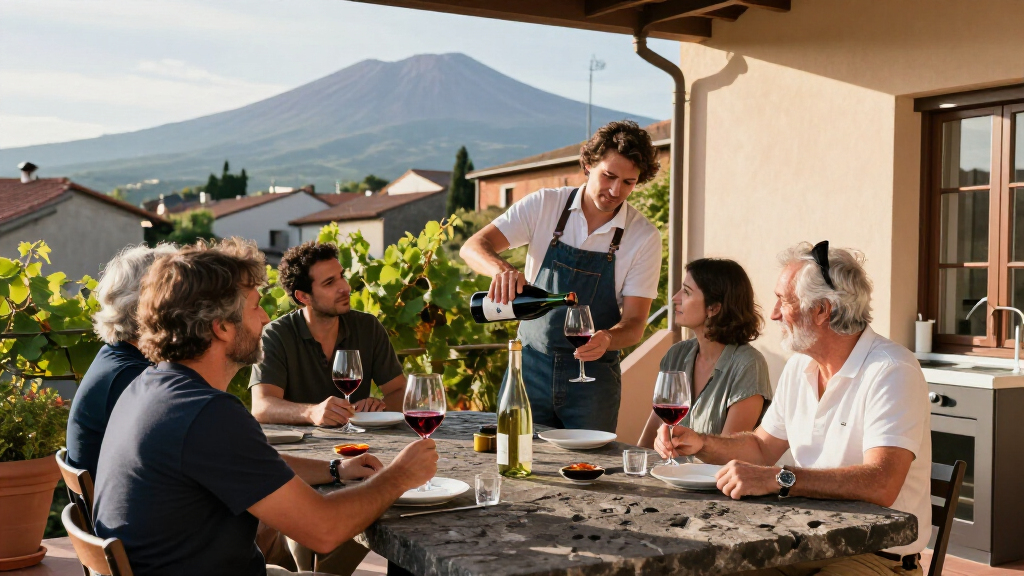
Sicily, on Mount Etna’s slopes
Mascalese leads Etna Rosso
The principal grape in Etna Bianco
A district clue, not a flavor guarantee
01 / The place
Freshness comes from a patchwork of conditions
Etna’s vineyards climb an active volcano in a warm Mediterranean climate. Higher sites can help preserve acidity, while exposure, weather, grape variety, farming, and cellar choices shape each wine. Altitude can contribute to freshness, but it is not a simple measure of quality.
Volcanic deposits can change over short distances. Ash, sand, pumice, and lava fragments form varied soils, so “volcanic” is not one uniform terroir or a recipe for a specific taste.
Elevation & exposure
Sunlight and cooler conditions influence ripening. Nearby vineyards can develop at different paces and retain different levels of freshness.
Soil in motion
Depth and composition affect drainage and vine growth. They do not translate into a predictable flavor formula.
Old vines, living traditions
Some vineyards preserve very old, ungrafted vines and the traditional alberello bush-vine system; these features are not universal.
02 / The wines
Two grapes, two different kinds of energy
Think fragrant and structured for the red, citrus-driven and lively for the white. Both can vary substantially with producer, site, vintage, and winemaking.
Nerello Mascalese
The principal grape, sometimes joined by permitted Nerello Cappuccio. Expect red fruit, floral or herbal notes, fresh acidity, and fine to firm tannins. Weight ranges from graceful to more structured.
Carricante
Sicily’s signature Etna white grape, prized for high acidity. Young wines can suggest lemon, green apple, herbs, and a saline impression; age may bring savory, nutty, or honeyed notes.
03 / Read the label
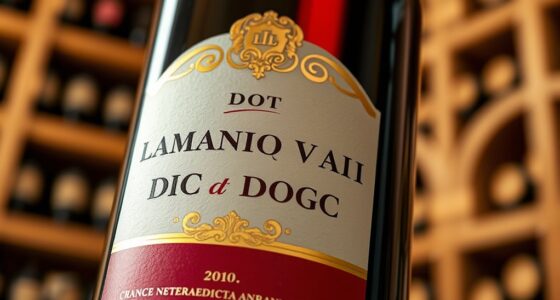
Use a contrada to ask a better question
A contrada is a local vineyard district. Producers increasingly name these origins on labels, giving drinkers a more specific way to compare places on the volcano.
| Label clue | What it tells you | What to compare |
|---|---|---|
| Etna Rosso | A red wine denomination led by Nerello Mascalese | Producer, vintage, balance, and structure |
| Etna Bianco | A white wine based on Carricante; other varieties may be permitted | Grape composition, freshness, and texture |
| Contrada name | A more local vineyard district within Etna | Site, elevation, exposure, vintage, and producer |
| “Mineral” tasting note | A description of a sensory impression | How the wine feels and tastes; it is not proof of rock flavor |
A named district narrows the comparison, but it does not guarantee quality or a particular flavor. Vineyard and cellar choices remain part of the story.
04 / At the table
Pair by freshness, texture, and tannin
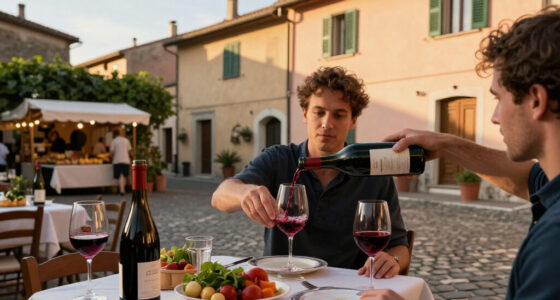
Acidity helps both wines stay lively with food. Match the red’s grip to savory flavors, and let Carricante’s brightness meet delicate, briny, or vegetable-led dishes.
Seafood & green things
Try shellfish, seafood, vegetables, and lighter cheeses. Citrus freshness and a saline impression can complement delicate flavors without weighing them down.
Earthy & savory
Reach for roasted mushrooms, eggplant, peppers, pork, or tomato-based dishes. Acidity can refresh the palate; firmer tannins welcome savory, browned flavors.
Choose a style
Start with a red or a Carricante-led white.
Note the site
Look for a named contrada or vineyard.
Check the vintage
Weather and ripeness shift from year to year.
Taste the balance
Compare freshness, fruit, texture, and finish.
05 / Why now
A broader appetite for wines with a clear sense of place
Etna offers an alternative image of Sicilian wine: an aromatic, often relatively pale red and whites that can pair texture with bracing acidity. Interest in single-vineyard and contrada bottlings gives producers and drinkers more ways to explore site differences.
Freshness with character
Lively acidity and aromatic detail make the wines appealing to drinkers seeking energy and a strong connection to origin.
More specific origins
District and vineyard names help enthusiasts compare how different parts of the volcano express themselves.
Growth and tradition
Investment and new attention bring opportunity while raising questions about land prices and local traditions.
What gives Etna wines their freshness and sense of place?
Etna wines combine local grapes with vineyards at varied elevations on the slopes of an active volcano in northeastern Sicily. Altitude can help grapes retain acidity in a warm climate, while differences in exposure and soil give nearby sites distinct growing conditions. Acidity matters because it can keep a ripe wine feeling lively rather than heavy, and it helps the wines work at the table. But altitude is not a simple quality marker: cooler sites may preserve freshness while producing grapes that ripen more slowly, and a warmer exposure can give a wine more generosity at the cost of some briskness. The result is a family of wines with a vivid sense of place, not one uniform “volcanic” flavor. The ground itself is a patchwork. A vineyard may have ash and sand, another pumice or fragments of lava, and those deposits can change noticeably over a short distance. Differences in soil depth and composition influence how water drains and how vines grow, but they do not translate into a predictable flavor recipe. When you see a wine described as volcanic, read that as a clue to where the grapes grew, not proof that lava directly gave the wine a particular taste. Site is one part of the explanation; weather, grape variety, farming, and winemaking help determine what you notice in the glass. The *contrade* make that patchwork easier to explore. These local vineyard districts differ in elevation, exposure, soil, and climate; producers increasingly name them on labels so you can compare a more specific origin. For example, two wines made from the same grape can taste different when one site gets more sun or sits higher on the slope. A named district narrows the question you are asking: instead of comparing “Etna” as a whole, you can ask how a particular place, vintage, and producer combine. It is a useful clue, though it cannot isolate the site from the choices made in the vineyard and cellar. Etna’s moment also fits a wider interest in wines with freshness and a strong connection to place. Its reds offer an alternative to the expectation that Sicilian wine must be dark and ripe, while its whites can balance texture with lively acidity. Vineyard investment and demand bring attention, but also raise questions about land prices and how growth affects local traditions. For a drinker, that growing attention means more styles and site names to explore; it also makes it useful to judge a bottle by its producer, vintage, and balance rather than by a fashionable origin alone.As an affiliate, we earn on qualifying purchases.
What should you expect from Etna Rosso in the glass?
Etna Rosso is a red wine led by Nerello Mascalese, with Nerello Cappuccio permitted in a smaller proportion under the denomination rules. It often shows red fruit, floral or herbal notes, fresh acidity, and fine to firm tannins, though its weight and intensity vary with site, vintage, and producer. Think fragrant and structured rather than automatically powerful. The acidity can make the wine feel energetic with food, while tannin supplies grip and structure; when either is pronounced, the wine may need a savory dish or a little air to feel fully settled. A glass may bring to mind the elegance of Pinot Noir or the firm shape of Nebbiolo, but those are only comparisons to help set expectations. One Etna Rosso might show tart cherry and dried herbs; another might feel darker, more savory, and more tannic. Neither grape variety nor volcanic ground guarantees one fixed profile. Treat the comparison as a rough guide to weight or structure, not a promise of matching aromas. Vintage and site can shift ripeness and tannin, while choices such as extraction and aging can make the same grape feel more supple or more stern. Try the wine with roasted mushrooms or pork, where savory flavors meet its red-fruit character and acidity. If you’re cooking a tomato-based dish, that freshness can work well with the sauce’s tang. For a simple dinner, roast eggplant and peppers until their edges turn brown, then serve them beside a moderately structured Etna Rosso. The pairing works because the wine has enough flavor to meet browned, earthy ingredients without relying on heavy body. If the food is very delicate, a particularly tannic bottle may dominate; if the dish is rich, the wine’s acidity can help refresh the palate. Some bottles drink well young, while others have the acidity and tannin to develop for several years. If the wine feels firm, give it time in the glass and serve it slightly cool rather than warm. A cellar-worthy bottle depends on its producer, vintage, and storage; keep it in a cool, steady place away from light and heat. Aging can soften the wine’s structure and bring out more savory or dried-fruit character, but it also trades youthful fruit for complexity. If you prefer vivid cherry and herbs, drink sooner; if you enjoy a more developed profile, buy a second bottle to revisit after a few years.How does Carricante make Etna Bianco taste so lively?
Carricante is a white grape native to Sicily and the principal variety in Etna Bianco. It is valued for naturally high acidity, which often gives the wine a citrus-driven, fresh profile even when it has texture on the palate. Acidity is more than a tasting note: it can keep a fuller-bodied white from feeling broad or tiring, and it makes the wine a flexible match for food. Other varieties can be permitted in Etna Bianco, so check the label if you want to know how central Carricante is in a particular bottle; a blend may trade some of Carricante’s focused line for added roundness or aromatic breadth. Young Carricante may suggest lemon, green apple, herbs, and a saline or stony impression. That tasting language describes what you experience; it doesn’t prove that the wine tastes literally of rock. With age, better examples can gain savory, nutty, or honeyed notes, so a bottle from a few years back may tell a different story from one just released. The change is a tradeoff: fresh citrus can become less prominent as texture and savory complexity grow. If brightness is what you want with seafood, choose a recent release; if you are curious about development, an older bottle can show how acidity carries the wine through time. Pair Carricante with seafood, shellfish, vegetables, or lighter cheeses. Imagine grilled swordfish with lemon and olive oil: the wine’s acidity keeps each bite lively, while its texture can stand up to the fish. For a plant-based supper, try white beans with herbs and roasted fennel. A leaner, brisk bottle suits simply prepared seafood, while a fuller example can handle richer fish or oil-based dishes. Strong sauces and very aged cheeses may overpower a delicate wine, so match the bottle’s weight to the dish rather than relying only on the grape name. Style still depends on the site and the winemaker’s choices. One bottle may feel lean and brisk; another may have more body or a rounded texture. If you’re buying for a meal, choose by both the food and the style you enjoy, rather than treating the grape name as a promise that every bottle tastes alike. For example, a wine with more body may offer a satisfying bridge between a crisp white and a richer meal, while a leaner version brings sharper contrast and refreshment.How can you read a contrada label and compare Etna bottles?
A *contrada* is a local vineyard district, and its name can help you trace a wine to a more specific part of Etna. It gives you a useful clue for comparing origins, not a guarantee of quality or a fixed flavor. Elevation, exposure, soil, vintage, and winemaking still affect what you taste. The practical value of the name is that it lets you form a more focused comparison; its limit is that one bottle cannot show what the district tastes like in every year or under every producer. Use the label as a starting point, then compare wines made from the same grape and vintage if possible. A side-by-side tasting of two Etna Rossos can help you notice differences in red fruit, herbs, acidity, and tannin without changing too many variables at once. If your local shop has one Carricante-based Etna Bianco from a named contrada and one without, ask whether the producer identifies a site for the second wine. Matching grape and vintage makes site differences easier to notice, although producer choices can still affect the result. If matching bottles are hard to find, take notes on the producer and vintage so you do not mistake those differences for the contrada alone.| Label clue | What it tells you | What to do with it |
|---|---|---|
| Etna Rosso | A denomination red led by Nerello Mascalese | Expect red fruit, freshness, and tannin; check the producer’s style |
| Etna Bianco | A white denomination based on Carricante | Look for citrus and acidity, while checking the blend details |
| Contrada name | A more specific local vineyard district | Compare with another bottle from a different site |
| Vintage | The year the grapes were harvested | Use it alongside producer and storage history when judging age |
How do you serve and pair Etna’s red and white wines?
Serve Etna Rosso with savory dishes that welcome its acidity and tannin, and pour Carricante with seafood, shellfish, vegetables, or lighter cheeses. Pairing works best when the wine and food meet at similar levels of weight: a delicate white fish can disappear beside a heavy red, while a deeply savory roast may overwhelm a very lean white. Think about intensity as well as category. Tannin can feel harsher beside sweet or very spicy food, while acidity can refresh a rich dish; choosing by those interactions gives you more flexibility than following a rigid list of “right” pairings. For a weeknight menu, try Carricante with grilled fish, lemon, and herbs, then pour Etna Rosso with roasted mushrooms or pork. The wine’s freshness can lift rich or earthy flavors, much like a squeeze of citrus brightens a plate. Tomato-based dishes can suit the red too, particularly when the sauce isn’t sweet and the wine has enough fruit to match its acidity. If the sauce is especially tart, a softer, fruitier Etna Rosso may feel more balanced than a very lean or tannic example. If you want to explore with one bottle, serve Etna Rosso slightly cool and pair it with roasted vegetables, grilled meat, or a mushroom dish. For Carricante, keep the food focused: a tray of roasted vegetables and a mild cheese can leave room for the wine’s citrus and herbal notes. Taste the food and wine together before adjusting seasoning; extra lemon or salt can shift the balance. A cooler serving temperature can make the red feel fresher and keep alcohol from seeming overly prominent, though too much chilling can mute its aromas. Let it warm in the glass if the flavors seem closed. A simple serving plan helps at the table:- Chill Carricante before serving, then let it warm slightly in the glass if its aromas seem quiet.
- Serve Etna Rosso a little cooler than a warm room, especially with a lighter vintage.
- Start with a small pour and taste it with the main dish before deciding whether it needs air.
- Keep opened wine refrigerated and use it within a few days for the freshest flavors.
What should you check before buying or cellaring an Etna wine?
Choose an Etna wine by producer, grape, vintage, and intended occasion, then use the site name as another clue. Prices range widely: limited production, demand for certain vineyard land, and a producer’s reputation can make some bottles costly, while more accessible options remain available. A high price or a famous *contrada* name alone cannot tell you whether the style will suit your taste. Decide first whether you want a brisk, youthful wine for dinner or a more structured bottle to keep; that choice gives price and reputation useful context rather than treating them as quality shortcuts. If you’re trying the region for the first time, pick one Etna Rosso and one Carricante-based Etna Bianco rather than buying several bottles of the same style. That gives you a direct taste of the region’s red and white signatures. At a wine shop, ask whether the red leans light and aromatic or firm and structured, and whether the white is fresh and citrusy or has more weight. The answers help you match the wines to a meal and establish a baseline for future purchases. If you change grape, producer, and vintage all at once, it becomes harder to tell which difference you enjoyed. Both styles can age, depending on the bottle. Etna Rosso’s acidity and tannin may support several years of development, while structured Carricante can gain savory complexity. For an older bottle, ask about storage history: steady cool conditions, darkness, and limited temperature swings matter more than the age printed on the label. Cellaring has a cost as well as a reward: you need suitable storage, and time can soften structure while dimming fresh fruit. Buy to age when you enjoy developed flavors and can store the bottle reliably; otherwise, choose a current release and enjoy its freshness. A practical first purchase might be a current-release Carricante for seafood and a Nerello Mascalese-led Etna Rosso for a meal with mushrooms or pork. If you enjoy them, buy a second pair from a different producer or vintage. Change one factor at a time, and your notes will tell you more than a sweeping claim that all volcano wines taste alike.What does “volcanic” mean without claiming the wine tastes like lava?
“Volcanic” describes Etna’s growing environment and origin; it does not establish that a wine tastes directly of lava, ash, or minerals in the ground. Terms such as “mineral” or “stony” are tasting impressions, not direct measurements of rock flavor. This distinction lets you enjoy the language of wine without mistaking a metaphor for a scientific explanation. It also keeps expectations flexible: two wines from volcanic ground can differ because the grape, site, weather, and cellar choices differ. You may find a saline impression in Carricante or a savory, earthy quality in Etna Rosso. Those are useful descriptions of how the wines come across, but no single element of the soil explains every aroma. The vine grows in a wider setting that includes weather, elevation, exposure, vineyard work, grape variety, and decisions in the cellar. Describing the whole experience is more informative than attributing a flavor to one soil component, especially when comparing bottles that differ in several ways. That nuance matters when you taste. If a Carricante reminds you of lemon peel and salt, write those words down; if an Etna Rosso brings cherry, herbs, and firm tannin, note that too. Then compare with a different site or vintage. Your own observations become more useful than trying to identify a flavor you believe the lava must provide. A second tasting can also show whether a note persists as the wine warms or opens, which helps distinguish a lasting impression from an early first sip. Etna’s volcanic landscape remains a compelling part of the story. Ash, sand, pumice, and lava fragments form varied soils across the slopes, and the vineyards’ elevation can help preserve freshness. The story is strongest when it stays precise: these wines come from a distinctive place, but the place works through many factors rather than one magic ingredient. That complexity is part of the appeal—learning Etna means noticing relationships among site, grape, vintage, and style, not searching for one signature flavor.Frequently Asked Questions
What does Etna Rosso taste like?
Etna Rosso often shows red fruit, floral or herbal notes, freshness, and fine to firm tannins. Weight and intensity vary by producer, vintage, and vineyard site, so one bottle may feel lighter and more aromatic than another.
Is Etna Rosso made from Nerello Mascalese?
Yes. Nerello Mascalese is the principal grape in Etna Rosso, and Nerello Cappuccio may also be included in permitted proportions. Check the bottle or producer notes for details about a particular wine.
What is Carricante, and what does it taste like?
Carricante is a white grape native to Sicily and the principal grape associated with Etna Bianco. It often brings citrus, green apple, herbs, and lively acidity; some wines also give a saline impression.
What does a contrada name on an Etna wine label mean?
A *contrada* is a local vineyard district. Its name can point you toward a more specific place on Etna and help you compare sites, but the name alone does not guarantee a certain style or quality.
Are Etna wines actually volcanic in flavor?
They come from vineyards on Etna’s volcanic slopes, where deposits include ash, sand, pumice, and lava fragments. “Volcanic” describes their origin; it is not proof that the wines taste literally of rock or lava.
What food pairs well with Etna Rosso and Carricante?
Try Etna Rosso with roasted vegetables, mushrooms, tomato-based dishes, pork, or grilled and roasted meats. Carricante works well with seafood, shellfish, vegetables, and lighter cheeses.
Can Etna wines age?
Some can. Etna Rosso may develop over several years thanks to its acidity and tannin, and structured Carricante can gain savory, nutty, or honeyed notes. Ageing potential depends on the producer, vintage, bottle, and storage conditions.

Conclusion
Start with one Carricante-based Etna Bianco and one Nerello Mascalese-led Etna Rosso, then taste each with food and note the fruit, acidity, herbs, and texture you actually find. Use a *contrada* name to guide your next comparison, while remembering that every site and producer tells a different part of Etna’s story. The best way to understand these wines is to follow the slope in the glass: bright citrus beside the sea, red fruit beside a plate of mushrooms, and a whole volcanic landscape between them.Halloween Picks
halloween
As an affiliate, we earn on qualifying purchases.