TL;DR

Get kitchen staples and gadgets delivered free — and shop member deals
- Fast, free delivery on millions of items
- Access to Prime Big Deal Days deals on October 6–7
- Prime Video, Amazon Music and more included
Chianti Classico is a separate wine appellation, not simply a premium version of Chianti. Both come from Tuscany and both lean on Sangiovese, but the Classico zone is the historic district between Florence and Siena, with stricter rules (minimum 80% Sangiovese, no white grapes since 2006). The black rooster, or Gallo Nero, is the seal of the Chianti Classico consortium and appears only on those bottles — it marks origin, not a quality ranking.
Two bottles sit side by side on the shelf. One says Chianti. One says Chianti Classico and carries a small black rooster on a medallion around its neck. The price gap is five dollars, maybe fifteen. Most shoppers grab one and hope.
You don’t have to hope. The difference between these two labels is one of the clearest stories in Italian wine — a story that starts with a Medici duke in 1716, involves a legendary rooster race between Florence and Siena, and ends with you pouring the right bottle with tonight’s pasta.
Here’s what you’ll learn: what the Gallo Nero (black rooster) actually guarantees, how the two appellations’ rules differ, what the words Riserva and Gran Selezione mean, and how to read any Chianti label in about ten seconds. And why the pricier bottle isn’t automatically the better wine.
Chianti Classico is a separate DOCG appellation from Chianti — not simply a premium version of it — with its own boundaries and stricter rules (80% minimum San…
The black rooster (Gallo Nero) certifies origin in the historic Florence–Siena district only; it says nothing about Riserva status, organic certification, or q…
"Classico" means geographic origin; "Riserva" means longer regulated aging (24 months minimum). They are not interchangeable terms.
Since 2023, Gran Selezione requires estate-grown fruit, 30 months of aging, and 90% minimum Sangiovese, and 11 new UGA vineyard names (Radda, Greve, Panzano, a…
Appellation is not a quality ranking: producer, vintage, and vineyard decide what’s in the glass. Serve at 62–66°F and match the tier to the dish.
Chianti Classico vs Chianti:
The Black Rooster Difference
Two bottles side by side on the shelf. One says Chianti. One says Chianti Classico and carries a small black rooster on its neck seal. The difference between these labels is one of the clearest stories in Italian wine — a story that starts with a Medici duke in 1716, involves a legendary rooster race, and ends with you pouring the right bottle with tonight’s pasta.
What the Gallo Nero Actually Tells You
The black rooster is the trademarked emblem of the Chianti Classico producers’ consortium, founded in 1924. It appears on the neck seal of every bottle of Chianti Classico DOCG — and that is its whole job: it certifies that the grapes came from the historic district between Florence and Siena. It is a geographic stamp, not a medal.
Origin
Grapes grown inside the historic Chianti district between Florence and Siena — the 1716 heartland — under consortium rules shared by roughly 300 member producers.
Quality or Tier
The rooster doesn’t mean the wine is a Riserva, organic, or the producer’s best bottling. Quality, style, and ageability are learned from the rest of the label.
The Rooster Race
Florence starved a black rooster that crowed before dawn; its rider rode hard while Siena’s well-fed white rooster slept. Florence claimed most of Chianti. Charming folklore — almost certainly invented.
The Rules Side by Side
Chianti Classico became a fully independent DOCG in 1996 — before that, the two shared a single appellation. Here’s the comparison that matters in the wine aisle.
| Aspect | Chianti Classico DOCG | Chianti DOCG |
|---|---|---|
| Zone | Historic district between Florence and Siena | Broader Tuscany, outside the Classico boundary |
| Minimum Sangiovese | 80% (90% for Gran Selezione since 2023) | Generally 70%; some subzones stricter |
| White grapes | ✗ Prohibited since the 2006 vintage | ~ Still permitted in limited amounts |
| Black rooster seal | ✓ Yes, on every bottle | ✗ No |
| Categories | Annata, Riserva, Gran Selezione | Chianti, Superiore, Riserva |
| Typical style | Structured, savory, age-worthy | Fresh and easy to serious and age-worthy |
Not a quality ranking. The broader Chianti zone includes distinctive subzones like Chianti Rufina, east of Florence — cooler-climate, magnificent at its best, and absolutely not part of Chianti Classico. A well-made basic Chianti from a careful producer can beat a mediocre Classico. Producer, vintage, and vineyard matter more than the appellation line. The rooster opens a door; it doesn’t carry you through it.
A 300-Year Timeline
“Classico” means the wine comes from the historic heartland — the original zone, before politics expanded it. The word appears all over Italian wine (Soave Classico, Valpolicella Classico) for the same reason: to protect the original territory’s name when the map got bigger.
1716 — The Medici Decree
Grand Duke Cosimo III de’ Medici formally delimits the Chianti district — one of Europe’s earliest legal appellations.
1932 — The Expansion
The government dramatically expands the Chianti zone across Tuscany. The historic district keeps its identity with the word “Classico.”
1996 — The Split
Chianti Classico becomes a fully independent DOCG appellation. The divorce from Chianti DOCG is complete.
2023 — The UGAs
11 additional geographical units (UGAs) debut for Gran Selezione labels, sharpening the map of origin even further.
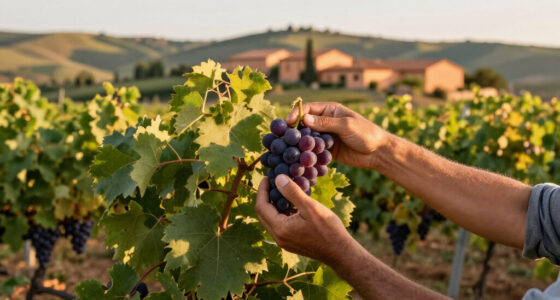
Drive it yourself: the Strada del Chianti (SR222) winds south from Florence through Greve, Panzano, and Castellina — you’re crossing the 1716 boundary in real time, past olive terraces, stone hilltops, and Sangiovese on galestro, the crumbly schist that gives Classico its telltale minerality and perfume.
Annata, Riserva, Gran Selezione — Time & Money
Chianti Classico comes in three regulated categories; the difference comes down to aging requirements and grape sourcing. Longer aging needn’t be all in oak, and a higher tier doesn’t guarantee you’ll prefer its style.
Riserva and Gran Selezione each require at least three months of bottle aging. Gran Selezione (introduced 2014) additionally requires estate-grown fruit and, since 2023, 90% minimum Sangiovese with the remainder restricted to indigenous red varieties.
The Everyday Pour
Bright cherry, snap of acidity, ready on release. Usually the most affordable entry to a producer’s style — and often the best pasta wine.
The Patient Bottle
Minimum 24 months of aging, at least three in bottle. More depth, softer tannins — remember: “Riserva” means aging, not geography.
The Estate Statement
Estate-grown fruit, 30 months of aging, 90% Sangiovese since 2023. The producer’s flagship — but pricier is not automatically better.
11 UGA Vineyard Names Since 2023
New geographical units (UGAs) appear first on Gran Selezione labels, giving more precise origin information. They identify places — not ranked quality levels.
Not a Ranking — A Story of Place
Appellation is not a quality ranking: producer, vintage, and vineyard decide what’s in the glass. Where a bottle sits on the value spectrum depends on all three.
The ten-second label read: find the rooster (origin), check the tier (Annata / Riserva / Gran Selezione = time), then look at the producer’s name — that third line decides what’s in your glass tonight.
What the Black Rooster Actually Tells You (and What It Doesn’t)
The black rooster, or Gallo Nero, is the trademarked emblem of the Chianti Classico producers’ consortium, founded in 1924. It appears on the neck seal of every bottle of Chianti Classico DOCG. That’s it. That’s the whole job of the rooster: it certifies that the grapes came from the historic Chianti district between Florence and Siena.
What it does not tell you is equally useful. The rooster doesn’t mean the wine is a Riserva. It doesn’t mean it’s organic. It doesn’t mean it’s the producer’s best bottling. It’s a geographic stamp, not a medal.
The rooster’s origin story is worth telling at any dinner table, with one honest caveat: it’s folklore. Legend says Florence and Siena, exhausted by border wars, agreed to settle the Chianti boundary with a horse race. Two riders would set out at dawn, one from each city, and wherever they met would mark the border. Siena chose a well-fed white rooster to signal dawn; Florence starved a black one, which crowed long before sunrise in frantic hunger. The Florentine rider rode hard while his rival slept, and Florence claimed most of Chianti.
Charming, and almost certainly invented. But the symbol stuck: the black rooster was associated with the medieval Chianti League, the defensive alliance of the region’s towns, and the consortium revived it a century ago. In 2024, the consortium celebrated its 100th anniversary — a nice reminder that behind the emblem sit 300 or so member producers with shared rules.
So when you see the rooster, read it as a promise of place. Everything else — quality, style, ageability — you learn from the rest of the label.
As an affiliate, we earn on qualifying purchases.
Chianti Classico vs Chianti: The Rules Side by Side
Chianti Classico is a separate wine appellation — not simply a premium version of Chianti. Both come from Tuscany and both use Sangiovese as their backbone, but they have different boundaries, different rulebooks, and different identities. Chianti Classico became a fully independent DOCG in 1996; before that, the two shared a single appellation.
Here’s the comparison that matters when you’re standing in the wine aisle:
| Aspect | Chianti Classico DOCG | Chianti DOCG |
|---|---|---|
| Zone | Historic district between Florence and Siena | Broader Tuscany, outside the Classico boundary |
| Minimum Sangiovese | 80% (90% for Gran Selezione since 2023) | Generally 70%; some subzones stricter |
| White grapes | Prohibited since the 2006 vintage | Still permitted in limited amounts |
| Black rooster seal | Yes, on every bottle | No |
| Categories | Annata, Riserva, Gran Selezione | Chianti, Superiore, Riserva |
| Typical style | Structured, savory, age-worthy | Fresh and easy to serious and age-worthy |
Notice that last row. The broader Chianti DOCG zone is huge — it sweeps across much of Tuscany, including distinctive subzones like Chianti Rufina, east of Florence, which has its own cooler-climate character and is absolutely not part of Chianti Classico. A great Rufina Riserva can be magnificent.
Which brings up the point worth repeating: this table is not a quality ranking. A well-made basic Chianti from a careful producer can beat a mediocre Classico. The producer’s name, the vintage, and the vineyard matter more than the appellation line. The rooster opens a door; it doesn’t carry you through it.
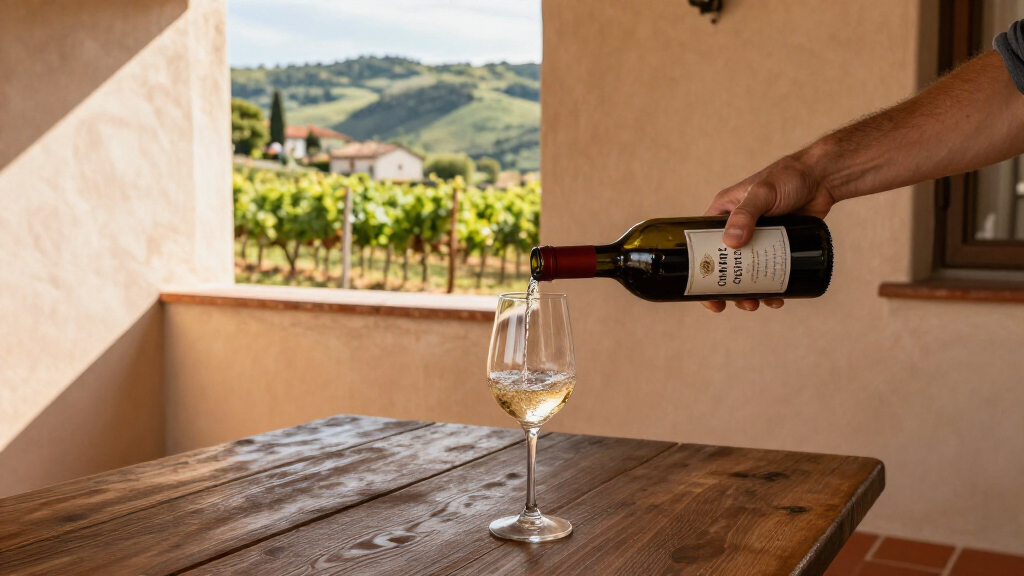
Why “Classico” Exists: A 300-Year-Old Boundary Dispute You Can Taste
“Classico” means the wine comes from the historic heartland of the region — the original zone, before politics expanded it. The word appears all over Italian wine (Soave Classico, Valpolicella Classico) for the same reason: to protect the original territory’s name when the map got bigger.
The timeline is simple and worth knowing. In 1716, Grand Duke Cosimo III de’ Medici of Tuscany formally delimited the Chianti production district — along with several other wine zones — in what’s often cited as one of Europe’s earliest legal appellations. That original territory, the hills between Florence and Siena, is essentially today’s Chianti Classico.
Then, in 1932, the Italian government dramatically expanded the Chianti zone to cover a vast stretch of Tuscany. Winemakers in the historic district kept their identity with the word “Classico.” In 1996, the two finally split into separate DOCG appellations, and the divorce was complete.
You can feel this history on the ground today. Drive the Strada del Chianti, the winding SR222 from Florence south through Greve, Panzano, and Castellina, and you’re crossing the 1716 boundary in real time — olive terraces, stone hilltops, Sangiovese vineyards on galestro, the region’s crumbly schist soil that gives Classico its telltale minerality and perfume.
One confusion to clear up forever: “Classico” is about geography; “Riserva” is about aging. They answer different questions. A bottle can be one, both, or neither.
Annata, Riserva, Gran Selezione: What Each Tier Costs You in Time and Money
Chianti Classico comes in three regulated categories, and the difference between them comes down to aging requirements and grape sourcing. Once you know the three tiers, you can predict roughly what’s in the glass before you pull the cork.
- Annata — the standard vintage bottling. The youngest, freshest expression. Bright cherry, snap of acidity, ready to drink on release. Usually the most affordable entry to a producer’s style.
- Riserva — requires a minimum of 24 months of aging, at least three of them in bottle. More depth, softer tannins, often some oak influence. Worth the premium for richer food.
- Gran Selezione — introduced in 2014, the top tier. Grapes must come from the estate’s own vineyards, minimum 30 months of aging including three in bottle, and since 2023 a minimum of 90% Sangiovese with the remainder restricted to indigenous Tuscan red varieties only.
Two honest caveats. First, longer aging doesn’t mean all of it happens in oak — much can be in stainless steel or concrete. Second, a higher tier doesn’t guarantee you will like it more. Some wine lovers prefer the lifted fruit of a good Annata to the gravitas of a Gran Selezione, especially on a Tuesday with pizza.
A practical example: a bottle labeled Gran Selezione, UGA Radda tells you estate fruit, 30+ months of aging, 90%+ Sangiovese, and grapes from the high, cool hills around the town of Radda — a zone known for floral, elegant wines. That’s a remarkable amount of information packed into two small lines of text.
The 11 New Vineyard Names (UGAs) Changing Chianti Classico Labels
In 2023, the Chianti Classico consortium approved 11 additional geographical units, called UGAs (Unità Geografiche Aggiuntive — additional geographical units), initially for use on Gran Selezione labels. They function much like Burgundy’s village names: a sharper claim of place inside the appellation. And just as Burgundy’s villages took decades to earn their reputations, these names are starting points, not finished verdicts — the wines, not the map, will prove what each zone does best.
The eleven names are: Castellina, Castelnuovo Berardenga, Gaiole, Greve, Lamole, Montefioralle, Panzano, Radda, San Casciano, San Donato in Poggio, and Vagliagli. Some are towns you’ll recognize from a Tuscan itinerary; others, like Lamole, are tiny high-altitude hamlets whose wines have long had a cult following.
Why does this matter to you? Because place drives style, and style is what you’re actually shopping for. Altitude and soil shift Sangiovese’s character dramatically: Castelnuovo Berardenga, the southernmost zone near Siena, sits lower and warmer, so grapes ripen fully and wines tend toward riper, fuller, more immediate pleasure. Radda and Lamole, higher and cooler, preserve acidity and aromatics, leaning floral, tense, and ageworthy — but they can also taste austere in their youth, which means paying more for a bottle you may need to wait on. Greve and Panzano sit in the middle, balanced and structured. The tradeoff is real: cooler-zone wines reward patience; warmer-zone wines reward tonight’s dinner.
There are tradeoffs for producers too, and they explain how slowly this change unfolds. Estates whose vineyards straddle two UGA boundaries may not be able to use either name on a single blend, effectively pushing their Gran Selezione back to a generic label. Some smaller producers have questioned whether the administrative burden is worth it. And unlike Burgundy’s centuries of established hierarchy, Chianti Classico’s zones come with no official ranking — which is both a freedom and a burden for you, the buyer: you’ll need to taste, compare, and trust producers rather than lean on a pre-sorted ladder of prestige.
UGAs identify places, not ranked quality levels. A “UGA Greve” Gran Selezione is not officially superior to a “UGA Gaiole” one — the zones simply describe where the grapes grew.
Watch for transitional bottles too. Older vintages on shelves today were made under earlier rules (Gran Selezione at 80% Sangiovese, international grapes like Merlot and Cabernet permitted). The label tells you which rulebook applied — which matters practically, because an international-grape Gran Selezione from 2015 and an all-indigenous one from 2021 can taste like different wines entirely: rounder and plummier versus savory, tart, and unmistakably Tuscan. Knowing the vintage means knowing the rules, which is exactly why reading the label pays off.
How to Buy and Pour: Pairings, Serving Temperature, and Label Reading
Buying well comes down to checking four things on the label: the full appellation, the producer, the vintage, and the category. “Chianti” and “Chianti Classico” at the same price are different propositions — the Classico name carries stricter rules and, usually, more structure. And if you spot the old straw-covered fiasco bottle, enjoy the nostalgia; it’s historic packaging, not a quality sign.
In the glass, both appellations show the Sangiovese signature: sour cherry, lively acidity, savory spice. Classico often adds firmer tannins and an earthy, herbal, sometimes floral complexity — think dried oregano, leather, violet, that galestro minerality.
- Annata: tomato-based pasta, margherita pizza, weeknight roasted chicken
- Riserva: ragù alla bolognese, grilled steak, mushroom dishes
- Gran Selezione: braised beef, wild boar cinghiale stew, aged Pecorino Toscano cheese
Serve at 62–66°F (16–19°C) — cool cellar temperature, never room-warm. A slightly chilled bottle of Chianti tastes brighter and more precise; a warm one tastes flat and alcoholic. Ten minutes in the fridge before pouring works for most bottles. Open young, tannic examples 30 minutes ahead, or decant Gran Selezione for an hour.
Drink responsibly, and only if you’re of legal drinking age. And note for allergies: wine labels in the EU must declare sulfites; sulfite sensitivity affects a small number of people, so check the back label if that’s you. Store bottles on their sides in a cool, dark spot — around 55°F — and drink most Annata within a few years of vintage. Structured Riservas and Gran Selezione can age a decade or more.
Frequently Asked Questions
Is Chianti Classico better than regular Chianti?
Not automatically. Chianti Classico has stricter rules and a smaller, historic zone, so its floor tends to be higher — but an excellent Chianti from a good producer can outperform an ordinary Chianti Classico. Producer, vintage, and vineyard matter more than the appellation name on the label.
Does every bottle of Chianti have a black rooster?
No. The black rooster seal appears only on Chianti Classico, bottled by members of the consortium founded in 1924. Regular Chianti DOCG — including subzones like Chianti Rufina and Chianti Colli Senesi — does not carry the emblem.
Is Chianti a grape?
No. Chianti is a wine appellation — a legally defined place and set of production rules. The principal grape is Sangiovese, which must make up at least 80% of Chianti Classico (90% for Gran Selezione since 2023).
What’s the difference between Classico and Riserva?
“Classico” refers to geographic origin: the historic wine district between Florence and Siena. “Riserva” refers to a regulated aging category requiring at least 24 months of maturation, including three in bottle. A wine can be Classico, Riserva, both, or neither — the terms answer different questions.
Is Chianti sweet or dry?
Chianti and Chianti Classico are dry red wines with high acidity and firm tannins. The cherry fruit can taste ripe and juicy, but there is no residual sweetness in the standard styles. Serve them at 62–66°F for the clearest expression.
Can Chianti age in the bottle?
Yes. Structured Riserva and Gran Selezione bottlings from strong vintages can develop beautifully for a decade or more, gaining dried herb, leather, and forest-floor notes. Simple Annata wines are best within a few years of the vintage while their cherry fruit is fresh.
Is Chianti Rufina part of Chianti Classico?
No. Chianti Rufina is a subzone of the broader Chianti DOCG, located in the hills east of Florence. It has its own cooler-climate identity and cannot use the Chianti Classico name or the black rooster seal.
Conclusion
The black rooster tells you one thing and one thing well: these grapes grew in the oldest corner of Chianti, under the strictest rules in the zone. Everything else you want to know — the tier, the aging, the vineyard, the style — is printed right there on the label. Learn to read those four elements and you’ll never stand frozen in the Tuscan section again.
Next time you open a bottle of Chianti Classico, pour it slightly cool, take a sip, and think of the starving black rooster crowing in the dark before dawn. Whether or not the legend is true, the wine in your glass comes from the very hills that rooster supposedly won.
Evergreen bestsellers Picks
bestsellers
As an affiliate, we earn on qualifying purchases.