TL;DR

Get kitchen staples and gadgets delivered free — and shop member deals
- Fast, free delivery on millions of items
- Access to Prime Big Deal Days deals on October 6–7
- Prime Video, Amazon Music and more included
A frantoio is an Italian olive mill where harvested olives are cleaned, crushed, mixed, and separated into oil. Harvest usually runs from autumn into early winter, but dates and tours vary by region and producer, so book ahead and confirm whether milling will be underway. You’ll get more from the visit if you taste attentively, ask about cultivar and harvest date, and learn how the producer protects the oil from heat, light, and air.
The best part of an olive oil tasting may be the peppery catch at the back of your throat. In Tuscany, Puglia, or Umbria, that vivid finish can follow a short journey you can watch: freshly picked olives arrive at a frantoio (olive mill), then move through cleaning, crushing, mixing, and separation before the oil reaches a tasting cup.
If you’re planning an Italian trip during harvest, a mill visit makes the landscape feel edible. You’ll see why a hillside of silvery olive trees matters, learn how local varieties shape flavor, and taste oil with the people who made it. The experience varies: one mill may be loud with machinery and busy with crates, while another may offer a quiet explanation and a guided tasting.
This guide explains how frantoio visits work, when to plan one, what to ask before booking, and how to bring home oil you’ll use well. Harvest dates shift with region, weather, and the producer’s choices, so the useful first step is simple: contact the mill directly and ask what will be happening on your visit date.
A frantoio is an olive mill; during active harvest, you may see olives cleaned, crushed, mixed, and separated into oil.
Harvest typically falls in autumn and early winter, but regional and yearly timing varies, so confirm dates and milling activity directly.
Ask about tour language, duration, access, group size, tasting, and rules for children or pets before you book.
Taste oil plain before bread if you want to notice fruitiness, bitterness, and pungency.
Before buying, ask about harvest date, cultivar, origin, and storage, then keep the oil away from heat, light, and air.
FIELD GUIDE · ITALY · HARVEST SEASON
Olive Oil Harvest Is Near: How Frantoio Visits Work and Why You Should Book One
Follow freshly picked olives from grove to mill, learn what to expect on a harvest day, and taste the peppery finish that makes a visit memorable. Dates and tours vary, so contact the producer and confirm what will be happening.
The best part may be the peppery catch at the back of your throat.
A TASTING CLUE, NOT A FLAWAt a glance
A frantoio is an Italian olive mill. During active harvest, a visit can bring the route from fruit to oil into view—though every mill sets its own schedule and visitor access.
Receive & sort
Fruit arrives from the grove and is checked.
Clean & wash
Leaves and other debris are removed.
Crush
Olives become a paste for extraction.
Mix slowly
Malaxation prepares paste for separation.
Separate
Oil is separated from water and solids.
Follow olives from grove to bottle
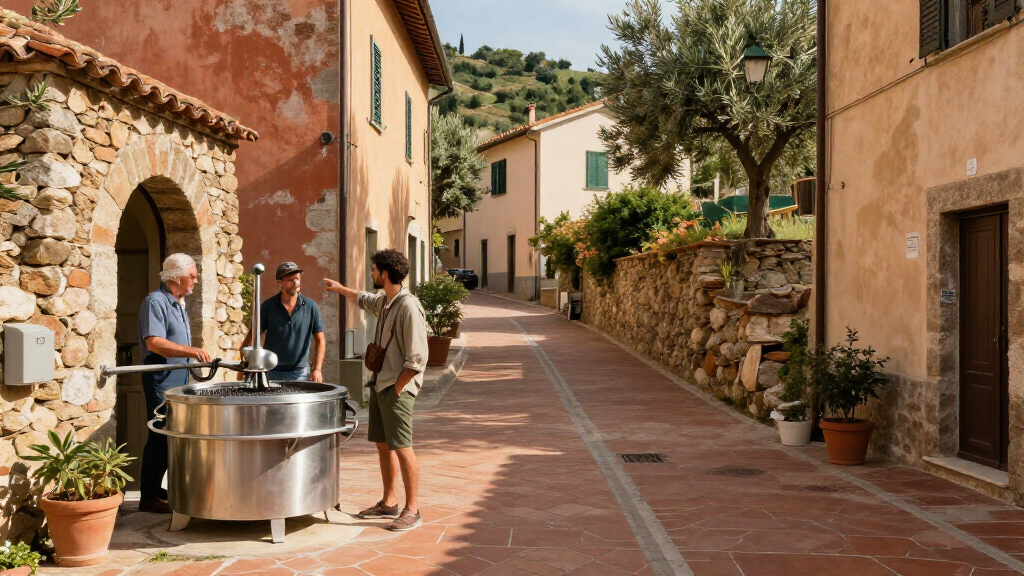
At a modern mill, stainless steel equipment and a continuous centrifuge may keep the fruit moving. Other mills may demonstrate older equipment. Ask what you can see on your date.
Fresh fruit, quick journey
Olives are generally processed soon after picking to limit deterioration. Watch for sorting, washing, crushing, slow mixing, and separation—each stage prepares the next.
Busy, fragrant, practical
Harvest days can bring crates, machinery noise, queues, crushed-leaf aromas, and wet floors. Visitor access may be limited to a marked walkway for safety or hygiene.
“Cold extracted”
Under EU rules, this phrase applies below 27°C using specified mechanical or other physical means. It describes a process condition; it does not guarantee excellent flavor.
Will processing be underway when I visit? If machines are quiet, a tour can still explain the equipment and workflow—but you may not see oil being made that day.
Book around harvest, not a fixed date
In much of Italy, picking runs from autumn into early winter. Region, weather, olive variety, and the producer’s preferred flavor all shift the timing.
A broad seasonal guide
Season band is a general illustration, not a mill schedule. Earlier-picked fruit can make greener, more pungent oils; later-picked fruit may yield a milder style. Neither is a simple quality ranking.
Taste oil like you’re learning a local accent
Cultivar, place, and harvest choices shape each oil. A guided tasting connects what you notice in the cup with the producer’s account of the fruit.
Three cues to look for
Bars show tasting dimensions, not scores. Fresh-cut grass, green fruit, or herbs may appear in the aroma; bitterness and a peppery throat tingle can be normal positive traits in extra virgin olive oil.
A simple tasting sequence
Warm a small cup in your hand and smell the oil.
Taste it plain first to notice aroma, bitterness, and pungency.
Try bread afterward; it is enjoyable but can soften distinctions.
Ask which cultivar, place, and harvest timing shaped the flavor.
Make the visit work for you
A useful booking conversation sets expectations before you build a travel day around a mill visit.
Will the mill be operating?
Can visitors see the process on my date, and what happens if production is paused?
What is included?
Ask about the production floor, explanation, tasting, shop, orchard walk, and meal.
How long and in what language?
Confirm duration, guide language, group size, appointment needs, and cancellation terms.
What should our group know?
Check steps, wet floors, restricted areas, mobility access, and rules for children or pets.
Bring home a bottle you’ll use well
Before buying, ask about harvest date, cultivar, origin, and storage. Then protect the oil from heat, light, and air, and follow the producer’s guidance.
Follow the Olives From the Grove to the Bottle
A frantoio is an Italian olive mill where harvested olives are turned into oil, often within hours of arriving. On a visit during active production, you may see fruit weighed and sorted, washed, crushed into paste, slowly mixed, then separated into oil, water, and solids. The sequence is a little like making fresh pasta: each stage prepares the next, and timing affects what you get at the end.
At a contemporary mill, stainless steel equipment and a continuous centrifuge may move the fruit along steadily. Some traditional mills still demonstrate older equipment, but machinery and visitor access differ from place to place. If you’re in Umbria on a harvest morning, for example, the room may hum with motors and smell grassy and faintly bitter as a batch passes through.
Ask the mill whether processing will be underway on your chosen date. A tour can still be worthwhile when the machines are quiet, but you may see an explanation or equipment rather than oil being made. “Cold extracted” has a specific EU meaning: extraction below 27°C using specified mechanical or other physical means. The phrase describes a process condition, not a promise that the oil tastes excellent.
Look for where the mill explains its own workflow. A good guide can tell you how quickly fruit is processed, how the paste is handled, and where the finished oil rests before bottling. Those details turn a quick walk past machinery into a practical lesson you can remember the next time you open a bottle.

Book Around the Harvest, Not a Fixed Calendar Date
Olive harvest in much of Italy runs from autumn into early winter, but no single date works across the country or every year. Region, weather, variety, and the producer’s preferred flavor all shape the schedule. A mill in Puglia may be working while a producer elsewhere is still waiting for fruit to ripen, so treat a calendar estimate as a starting point and confirm directly.
Some growers pick earlier to make greener, more pungent oils; later-picked olives can yield a milder style. That choice is about the oil the producer wants to make, not a simple quality ranking. Imagine two oils from the same area: one might taste assertive, with bitterness and a peppery finish, while another lands softer on the palate.
Because harvest is a narrow, busy season, you should book ahead, especially if your itinerary depends on a particular day. Ask the mill whether it is open to visitors, whether the tour runs on your date, and whether milling will be active. A website may describe a general experience without reflecting that week’s production schedule.
For a trip through Tuscany in November, leave flexibility between the mill and your next stop. A late harvest morning, a full queue of fruit, or a weather shift can change the pace. Confirm the tour time, language, duration, group size, and cancellation terms before arranging a long drive around it.
Know What a Harvest-Day Visit Will Feel Like
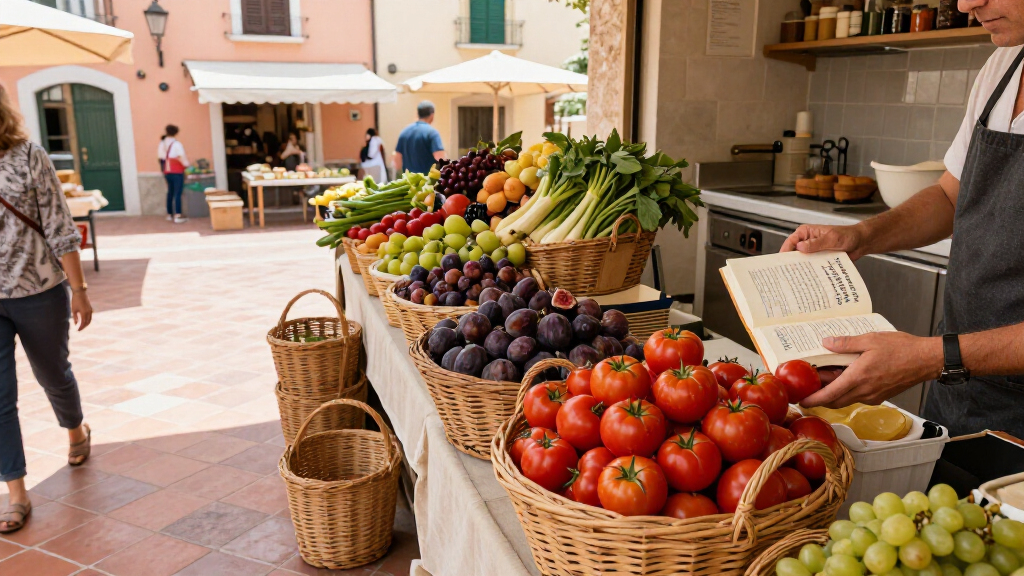
A harvest-day frantoio visit can be noisy, fragrant, and practical: expect machinery, crates, the smell of crushed leaves, and possibly a damp floor. The experience often includes a look at the production area, an explanation of local cultivars and milling, and a guided tasting. Meals, orchard walks, and shop visits depend on the venue, so don’t assume every mill offers a full farm day.
That busy atmosphere is part of the appeal. You might arrive at a small mill in Liguria just as crates come in, then hear a guide explain how the fruit is cleaned before crushing. At another mill, production areas may be restricted for safety or hygiene, and visitors might watch from a designated walkway.
Before you reserve, ask these questions. They’re especially useful if you’re traveling with family or planning around accessibility needs:
- Will the mill be operating during my visit, and can visitors see the process?
- What does the tour include: production floor, explanation, tasting, shop, or farm walk?
- How long does it last, and what language will the guide use?
- Can children or pets come, and are there age or safety rules?
- Are there steps, wet floors, or restricted areas that affect mobility?
Wear comfortable, closed-toe shoes and follow the mill’s directions around equipment. If the floor is wet or a production line is moving, stay with the group even when a closer view looks tempting.
Taste Olive Oil Like You’re Learning a Local Accent
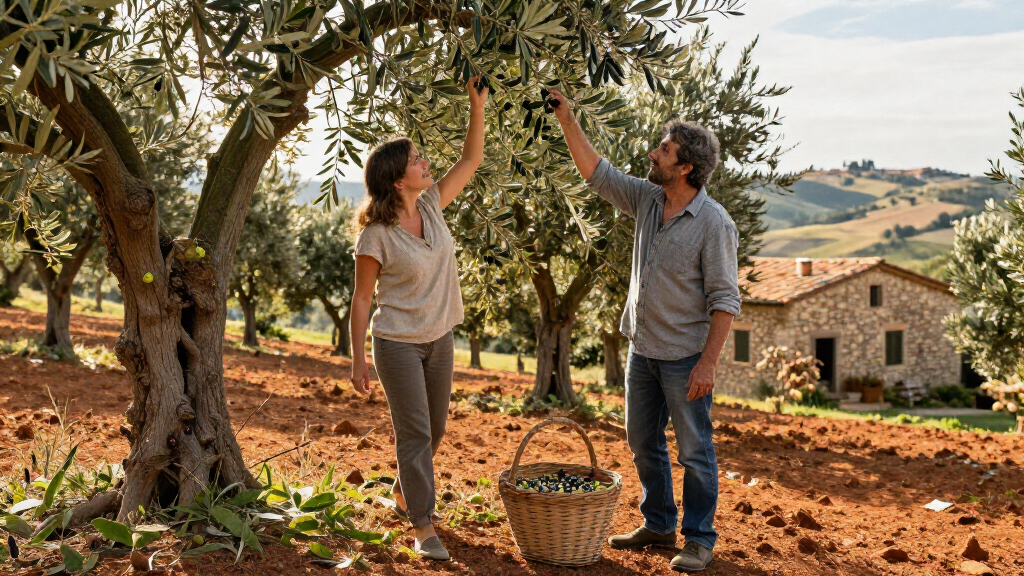
A guided olive oil tasting teaches you to notice fruitiness, bitterness, and pungency, three qualities often treated as positive in extra virgin olive oil. Think of them like accents: oils can share a language, but cultivar, place, and harvest choices give each one a different sound. A peppery sensation in your throat can be normal, not a flaw.
Your guide may ask you to warm a small cup in your hand, smell the oil, and taste a little on its own. The aroma might suggest fresh-cut grass, green fruit, or herbs; the finish may turn bitter or tingly. Bread makes the tasting pleasant, but it can soften distinctions, so try the oil plain first if you want to compare samples.
For instance, if a Puglian oil feels more forceful than a mild oil you know from home, ask which cultivar and harvest timing shaped it. Don’t expect every regional oil to taste the same: producers make choices, and even oils from one area can differ. A tasting is a chance to connect flavor with the mill’s account of its fruit.
Ask whether you can taste more than one oil and whether the mill explains how to identify stale, rancid, or musty notes. You don’t need formal tasting vocabulary to learn something useful. Notice what you enjoy, then ask the producer to help you put words to it.

Ask These Questions Before You Buy a Bottle
Buying oil at the mill makes more sense when you know what’s inside the bottle and how to keep it fresh. Ask about the harvest date, cultivar, origin, and storage; those details give you a clearer story than a broad label claim alone. A tasting can help you decide whether the oil’s character suits your kitchen.
If you’re visiting a producer in Tuscany, ask whether the oil comes from the local harvest and how it is stored before sale. If you see a DOP or IGP designation, ask what regional origin and production rules it represents; those labels refer to protected geographical indications, not a flavor guarantee. A producer should be able to explain the oil in plain terms.
Think about how quickly you’ll use the bottle after your trip. A large tin may suit a busy household, while a smaller dark bottle may fit a traveler who cooks occasionally. Keep olive oil away from heat, light, and air, and follow the producer’s storage guidance. Don’t leave it beside a sunny window or next to a hot stove.
Many mills sell their own oil, but stock, shipping, and packaging vary. Check whether the mill can ship to your home before you buy more than you can carry. If you’re traveling onward, ask how the bottle should be packed and whether the producer recommends a tin or glass for your plans.
Turn a Mill Visit Into a Better Day in the Region
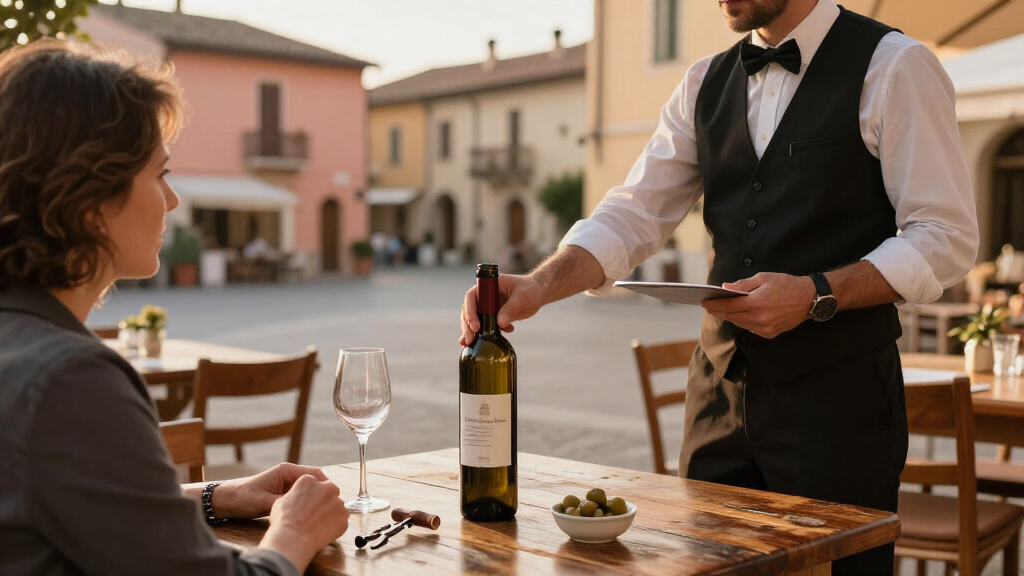
A frantoio visit works best when you treat it as one stop in a regional food day, rather than a quick photo opportunity. Pair a morning mill appointment with lunch in a nearby town, a walk through an olive-growing landscape, or a visit to a producer whose local dishes use the same oil. The mill gives you context for the food you’ll taste later.
In Umbria, for example, a harvest visit can lead naturally to a simple lunch where fresh oil is poured over beans or toasted bread. In Puglia, you might ask your host which local cultivar they use on vegetables or *orecchiette* (ear-shaped pasta). These are planning prompts, not guarantees; check opening times and travel distances before you build the day.
Use the visit to notice how place changes your understanding of the bottle. Hillside groves, local varieties, and the producer’s chosen harvest timing all shape the oil’s character. You may arrive thinking olive oil is a pantry staple and leave remembering the smell of freshly crushed fruit and the sharp tickle of a tasting sample.
Keep the schedule loose enough for the mill’s actual pace. Harvest days can bring queues and active production, and the visit may take longer than a quiet-season tour. A flexible lunch reservation gives you room to enjoy the machinery, ask questions, and taste without watching the clock.
Frequently Asked Questions
What does frantoio mean?
Frantoio means olive mill in Italian, though it can also name an olive cultivar in some contexts. In a travel listing, it usually refers to the place where olives are processed.
When is olive harvest season in Italy?
Harvest generally runs from autumn into early winter, but timing depends on region, weather, variety, and the producer’s preferred style. Contact the mill for its current schedule before choosing a date.
Can I see olive oil being made during a visit?
Often, if you visit while the mill is actively processing fruit, but a tour does not guarantee that production will be underway. Ask whether milling will happen during your appointment and whether visitors can view the production area.
Do I need to book a frantoio visit?
Booking ahead is sensible, especially during harvest, when mills are busy and some accept visitors only by appointment or on selected days. Confirm the time, language, length, tasting arrangements, and group size directly with the mill.
What should I wear to an olive mill?
Wear comfortable, closed-toe shoes and follow the mill’s instructions around machinery. Harvest areas can be noisy, busy, or wet underfoot, and some production spaces may have restricted access.
What do you taste during an olive oil tasting?
You’ll usually taste one or more oils and learn to notice fruitiness, bitterness, and pungency. Try a sample plain before bread if you want to compare its aromas and finish; a peppery throat sensation can be normal.
Can I buy olive oil at the mill?
Many mills sell their own oil, though stock and shipping options vary. Ask about harvest date, cultivar, origin, and storage, and keep the oil protected from heat, light, and air after you bring it home.
Conclusion
Book a frantoio visit by asking one clear question first: will you be milling on the day I arrive? Then confirm the tour details, leave room in your schedule, and taste the oil before deciding what to take home.
That way, the bottle in your kitchen carries more than a place name. It carries the grassy scent of crushed olives, the rhythm of a harvest morning, and a peppery finish that brings the Italian hillside back to your table.
Fall Picks
fall essentials
As an affiliate, we earn on qualifying purchases.