TL;DR
December in Milan pairs holiday lights and markets with hearty northern Italian food. Plan an evening walk near Piazza Duomo, book a table for risotto alla Milanese, and finish with classic panettone from a bakery; check current event schedules and restaurant hours before you go.
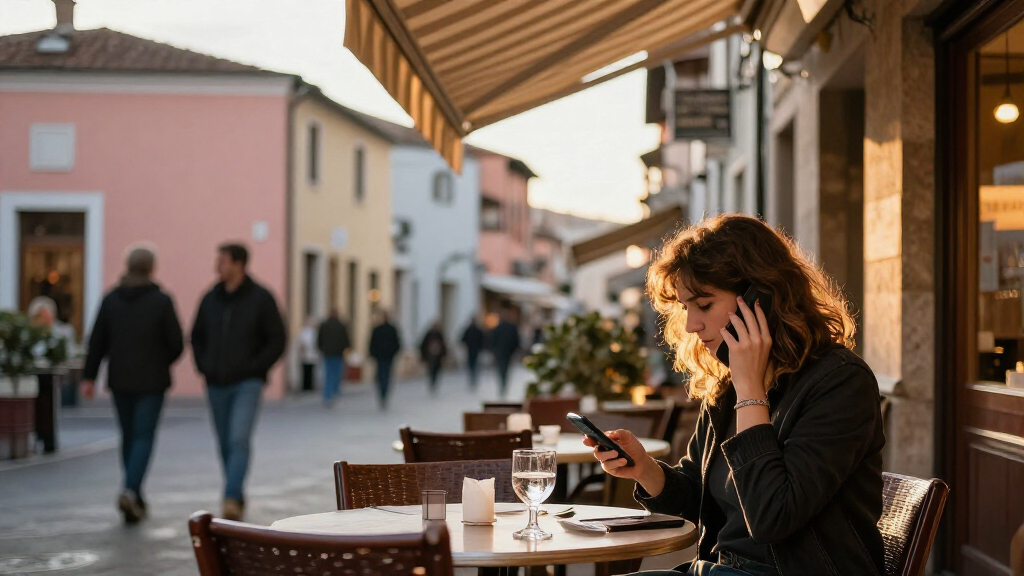
Milan’s December glow is best enjoyed with saffron on your plate and a slice of panettone waiting at the end of the evening. The city’s holiday lights make the walk between a market, a bar, and a dinner table feel like part of the meal.

Get kitchen staples and gadgets delivered free with Prime
- Fast, free delivery on millions of items
- Prime Video, Amazon Music and more included
- Member-only deals all year
This guide helps you plan a practical winter food outing: where to start, what to order, how aperitivo fits into the evening, and why panettone belongs on your list. You’ll also learn what changes from year to year, so you can enjoy the traditions without relying on outdated event listings.
Experiences in Milan are at their most memorable when you leave space for both the famous dishes and the small customs around them. Give yourself time to stroll, reserve dinner ahead for a popular date, and let the sweet, citrusy smell of panettone follow you back to your hotel.
Start an evening near Piazza Duomo, but verify the current year’s market and lighting schedule before traveling.
Order risotto alla Milanese for its saffron color and aroma; ask about broth and cheese if you have dietary restrictions.
Use aperitivo as a light early-evening pause, since snacks and buffet offerings differ by venue.
Try classic panettone with raisins and candied citrus before exploring modern fillings, and check allergen labels.
Reserve popular restaurants and confirm holiday hours, menus, and prices directly with the venue.
Lights, risotto and panettone
Pair a winter walk near Piazza Duomo with aperitivo, saffron risotto and a classic slice of Milanese panettone.
Plan the evening
The city’s seasonal atmosphere returns each year, while event schedules can change.
Explore the illuminated center and check current market and lighting details.
Enjoy a drink and snacks before dinner; offerings vary by venue.
Reserve popular dates and confirm the restaurant’s hours, menu and prices.
Order Milanese risotto
Saffron gives this rice dish its golden color and distinctive aroma.
- Rice, broth, butter and cheese
- Some versions served with ossobuco
- Portions and methods vary by restaurant
- Ask whether the broth contains meat
- Check cheese and allergen details
- Choose polenta or braised meats for other hearty options
Taste panettone
Start with the classic before exploring creative bakery versions.
Fruit and citrus
The tall, leavened bread traditionally contains raisins and candied citrus peel.
Bakery variations
Try chocolate-filled or other reimagined versions after tasting the classic.
Start your December walk at Piazza Duomo
Food and dining experiences in Milan begin naturally around Piazza Duomo, where seasonal lights and displays make the historic center an inviting place to explore on foot. Holiday decorations and markets are recurring features, but their dates, locations, and programs can change each year.
For a simple first evening, arrive before sunset and walk around the cathedral and nearby shopping streets while the sky darkens. The shop windows glow against the stone facades, and the air can carry the smell of roasted snacks from seasonal stalls. If you spot a market, browse before dinner rather than assuming it will be open on a particular date.
The center is a useful starting point because you can pair sightseeing with a nearby aperitivo or restaurant reservation. For example, a couple arriving on a December weekend might spend an hour around the Duomo, pause for a drink and small bites, then walk to dinner. That rhythm feels festive without turning the evening into a race between attractions.
Check current city listings before you build your itinerary around a specific market, light display, concert, or event. Milan’s seasonal mood returns each year; the exact program does not.
Wear shoes that can handle a long city walk and winter pavement, and keep your dinner address handy. A little planning leaves room to follow a bright street or linger at a display without missing your table.

Products Worth Considering

LEVOIT Vital 200S-P Smart Air Purifier for Large Rooms, White

Philips Hue Play HDMI Sync Box 4K

Levoit Vital 100S-P Air Purifier
As an affiliate, we earn on qualifying purchases.
Order risotto alla Milanese for a true taste of the city
Food and dining experiences in Milan should include risotto alla Milanese: a creamy rice dish colored and scented with saffron. The basic combination is rice, broth, butter, and cheese, though each restaurant follows its own method and serving style.
Expect a vivid golden plate, a gentle perfume of saffron, and rice that feels rich without becoming a solid mound. Some menus pair it with ossobuco, braised veal shank, for a more substantial meal. If you want to try the risotto on its own, ask whether the restaurant serves it as a first course or a main; portions vary.
That variation is part of what makes ordering worthwhile: the dish is a familiar Milanese reference point, but the kitchen’s choices shape whether it feels delicate, buttery, or especially filling. Imagine warming up after an outdoor walk: you settle into a neighborhood trattoria, order a bowl of risotto, and let the buttery aroma take the chill off your hands. A well-described Milanese version on the menu is a sensible choice, while pairing it with ossobuco turns the meal into a richer, heavier commitment.
If you’re vegetarian, ask whether the broth contains meat and whether the cheese uses animal rennet. Risotto can sound meat-free while its stock says otherwise. Tell the server about allergies, too; common ingredients include dairy, and some kitchens may use shared preparation areas.
In winter, compare the risotto with other northern Italian dishes such as polenta or braised meats. A companion who prefers a firmer, heartier plate may enjoy those more, while the risotto offers the city’s signature saffron warmth. Choosing based on appetite makes the meal more satisfying than ordering the famous dish simply because it is famous.
Make aperitivo the easy bridge between sightseeing and dinner
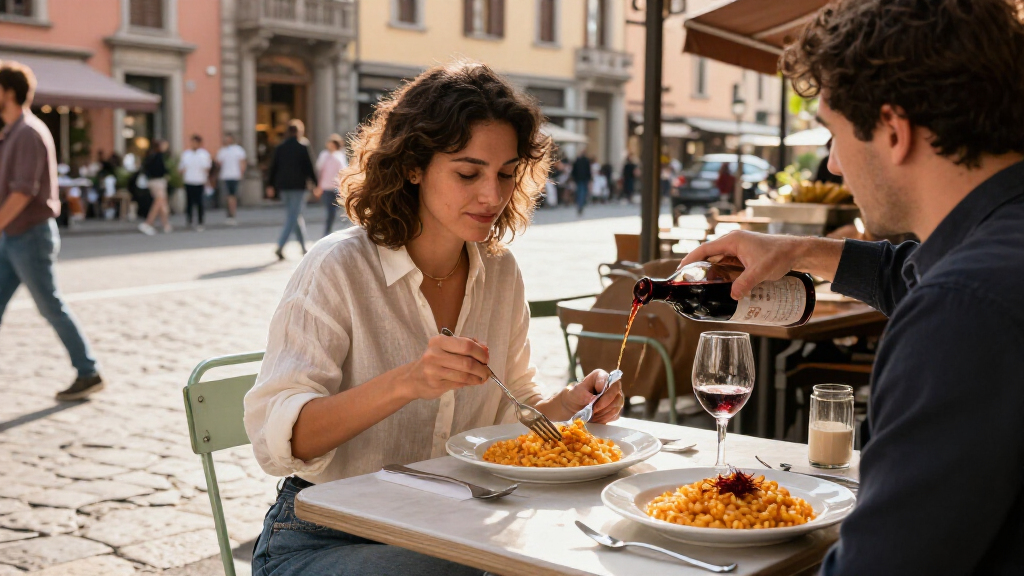
Aperitivo is an early-evening drink served with snacks or, at some venues, a buffet; it gives you a relaxed pause between the day’s walk and a later dinner. The timing and amount of food vary by bar, so treat it as a local custom rather than a guaranteed full meal. That distinction matters when planning: a few olives and small bites can revive you, but a generous buffet may change how hungry you are for dinner.
After exploring the lights near the center, you might stop at a bar for a glass of wine or a nonalcoholic drink and a few savory bites. Some places bring small plates to the table; others offer a buffet-style spread. Ask what comes with the drink before you order, especially if you’re saving room for risotto. This also helps you understand the price and whether the food is included or ordered separately.
Milanese evenings often run later than visitors from some countries expect. If you usually eat at 6 p.m., a drink and snack can take the edge off while you wait for a 7:30 or 8 p.m. reservation. The tradeoff is that lingering over aperitivo can make you late, so choose a bar close to the restaurant and set a time to leave. A short pause can make the evening more comfortable, particularly after hours outdoors.
Use this sequence for an uncomplicated night out:
- Check your reservation time and choose an aperitivo bar within an easy walk.
- Order one drink and a modest snack if dinner is close; ask about the serving style if you need more food.
- Leave time to walk to the restaurant, allowing for crowds and winter weather.
- Ask about ingredients if you have dietary needs; snacks may contain dairy, gluten, nuts, or cured meats.
Alcohol is for adults only. Drink responsibly, alternate with water, and choose a nonalcoholic option if you’re driving or simply want to keep a clear head for the walk back.
Taste classic panettone before choosing a creative version
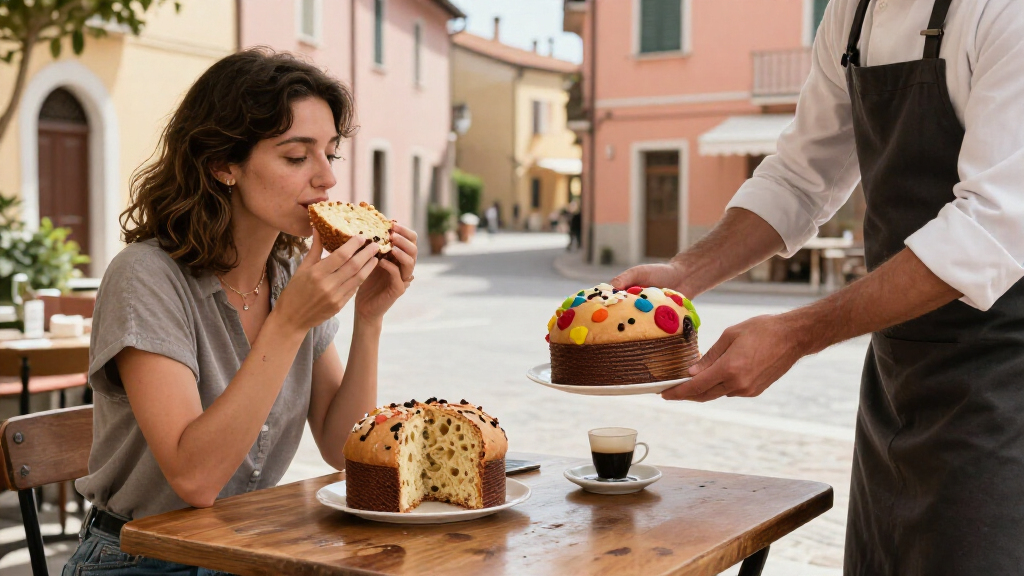
Panettone is Milan’s best-known holiday bake: a tall, domed, leavened bread traditionally studded with raisins and candied citrus peel. It is closely tied to the city, eaten throughout the Christmas season, and now enjoyed across Italy and beyond. Its long rise gives the crumb its light, tender texture, making it a festive bread rather than simply a sweet cake.
Start with a classic slice from a bakery or pastry shop. Its crumb should be soft and airy, with little bursts of fruit and a faint citrus fragrance. Then, if you’re curious, compare it with a chocolate-filled or other modern version. The classic lets you taste how the fruit and citrus balance the buttery dough; a creative variation may be sweeter or richer, so it can work better as a treat or gift than as a first taste of the tradition.
Panettone often comes in a box designed for travel or giving. If you’re taking one home, check that the package is intact, look at its storage instructions, and consider airline baggage rules and customs restrictions at your destination. A boxed loaf is a more practical souvenir than a delicate cream-filled pastry, though recipes and shelf life differ. The tradeoff is that a large loaf takes space and may be more than you can finish, so choose a size that fits your plans.
Sharing one at home is easy: cut a few slices after dinner, then wrap the remaining bread according to the bakery’s advice so it stays moist. Panettone commonly contains wheat, eggs, butter, and sometimes other allergens, so read the label if you’re buying for a group. Raisins and candied peel are part of the classic profile, but ingredients vary by producer.
For example, if you have one evening in Milan, buy a small classic loaf after dinner and save it for breakfast the next morning. With coffee, the tender crumb and sweet citrus make a quiet counterpoint to the city’s bright December streets, and the smaller size lets you enjoy the tradition without carrying home more than you need.
Build a winter meal around more than the famous dishes
Food and dining experiences in Milan reach beyond saffron risotto and panettone: winter menus may also feature polenta, braised meats, and other hearty northern Italian dishes. What’s available depends on the restaurant, the season, and the kitchen’s approach.
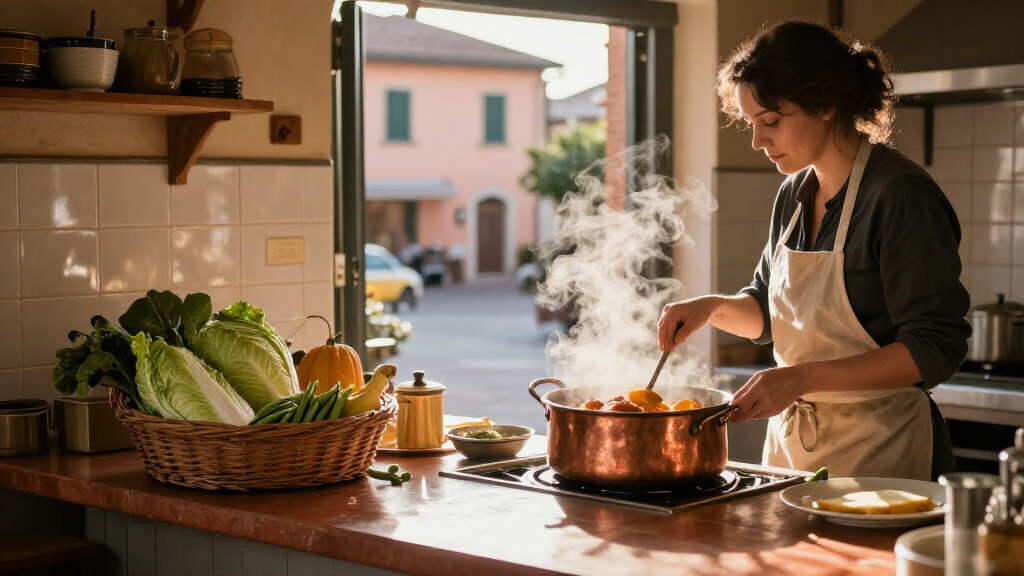
Polenta can arrive soft and spoonable or firm enough to slice, sometimes alongside a slow-cooked stew. Braised meat brings deep, savory flavors that suit a cold evening, while a bowl of risotto feels more focused on its silky texture and saffron aroma. These differences matter when ordering for a group: a shared stew and polenta can make a filling, slow meal, while risotto may be a more focused choice. Ask about portion sizes before ordering several dishes.
A useful way to choose is to think about the rest of your day. After a long walk through December in Milan, a substantial braise may be welcome; after a late aperitivo, you might want a smaller pasta or risotto portion. Menus can change, so look at what the restaurant lists now instead of assuming a dish will appear everywhere. Your appetite and schedule are practical guides, since a heavy dinner can feel like too much if you have already eaten well at aperitivo.
Seasonal menus also create a good opportunity to ask a simple question: “What local dish do you recommend tonight?” You may hear about a preparation that isn’t as famous as risotto but fits the weather and the kitchen’s strengths. If you avoid meat, ask whether the polenta is served with cheese, broth, or a meat sauce, and request details about stocks and cooking fats. That answer can open up options while helping you avoid a dish whose base ingredients do not fit your diet.
That flexibility makes the meal feel rooted in the season. The point is not to collect a checklist of dishes; it’s to notice how Milan’s colder months bring warming textures and slower cooking to the table, then choose the combination that suits your appetite and the rest of the evening.
Reserve ahead and check holiday dining details
Booking ahead is a practical move for popular restaurants, weekend evenings, and holiday dates in Milan. Demand rises around Christmas, and opening hours, menus, prices, and reservation policies can change from one venue to another.
Choose a restaurant based on the meal you want, then check its current menu and contact details directly. If you hope to eat risotto alla Milanese or a Christmas meal on a particular date, confirm that the dish or service will be available rather than relying on an old listing. Restaurants may offer special holiday menus, close for a day, or change their hours. Confirming beforehand gives you a chance to decide whether a fixed menu, price, and timing suit your plans.
Christmas Eve and Christmas Day need extra care. Some restaurants open, while others close or serve a fixed menu; there is no single citywide rule. A traveler staying near the center can avoid a stressful search by reserving early and confirming the time and menu a few days before the meal. This is especially useful if you have dietary needs, since a set holiday menu may leave less room to change dishes.
Costs also vary widely by neighborhood, restaurant type, and what you order. Check current menus for prices and ask about any fixed menu before committing. That is more useful than planning around a generic budget that may not match the restaurant you choose; it also lets you weigh a special holiday meal against a simpler dinner on another night.
Keep a backup plan for a busy night: identify a nearby café or casual restaurant and check its hours. This matters most when you’re traveling with children, arriving late, or managing dietary restrictions. A confirmed booking and a simple backup let you enjoy the lights instead of refreshing search results in the cold.
Frequently Asked Questions
What should I eat in Milan in December?
Start with risotto alla Milanese, a saffron-scented rice dish, and try panettone, the city’s classic holiday bread. Winter menus may also include polenta and braised meats, depending on the restaurant.
Is panettone originally from Milan?
Panettone is strongly associated with Milan and is widely regarded as the city’s signature Christmas bake. The classic loaf is tall and leavened, usually with raisins and candied citrus peel.
Do I need restaurant reservations in December?
Reservations are sensible for popular places, weekends, and dates around Christmas, when visitor demand can rise. Check the restaurant’s current menu and hours, and contact it directly for Christmas Eve or Christmas Day service.
What is aperitivo, and when should I go?
Aperitivo is an early-evening drink with snacks or, at some bars, a buffet. Offerings and timing vary, so ask what is included and keep the snack light if you have a dinner reservation soon afterward.
Are Milan’s Christmas markets and lights the same every year?
No. Seasonal decorations return, but the dates, locations, and programs can change. Check current city or venue information before planning around a particular market, concert, or display.
Can vegetarians eat risotto alla Milanese?
Some versions may suit vegetarians, but recipes vary. Ask whether the risotto uses meat broth and check the cheese if animal rennet is a concern; tell the restaurant about allergies before ordering.
Conclusion
Plan one evening around the city’s natural rhythm: walk the illuminated center, pause for aperitivo, sit down to saffron risotto, and bring home classic panettone. Check current event and restaurant details before you go, then leave enough time to enjoy the streets between each stop.
That’s the flavor of December in Milan: golden rice, cold air, warm windows, and sweet citrus waiting in a bakery box.