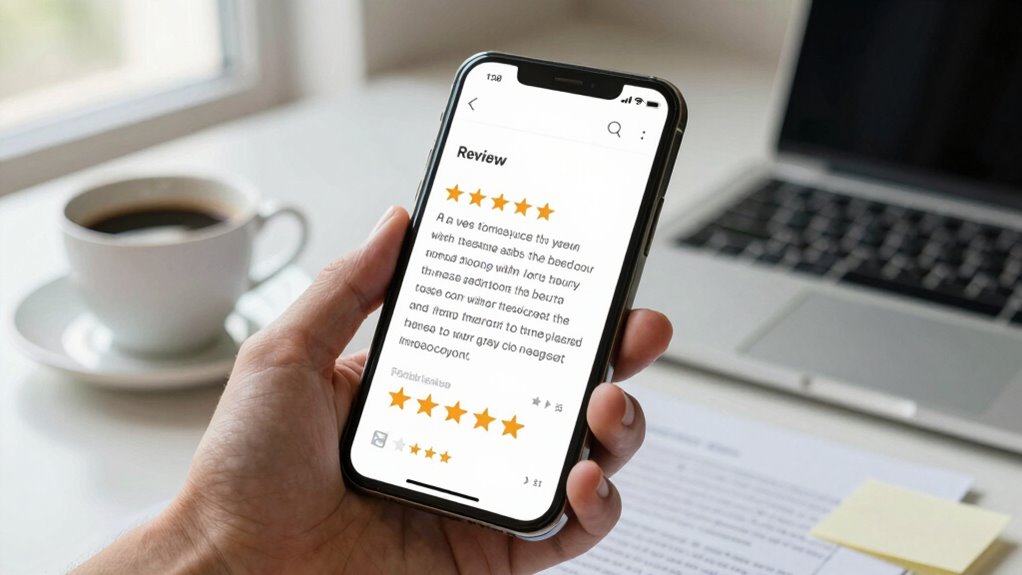

To interpret customer reviews more critically, focus on details, language, and timing. Look for genuine specifics rather than vague praise or complaints, and pay attention to the reviewer’s profile for authenticity signals. Recognize biases, exaggerated language, or overly positive/negative tones that can signal manipulation. Consider the review’s context, such as when it was posted and if it matches other feedback, to better understand its credibility. Keep exploring further insights to avoid common pitfalls in judgment.
Key Takeaways
- Assess review credibility by checking for specific details, verified purchase tags, and reviewer activity history.
- Be cautious of overly positive or negative reviews lacking context or balanced feedback.
- Identify language cues like emotional exaggeration, generic phrases, or promotional tone to spot insincerity.
- Consider review timing and recent updates to ensure feedback reflects current product or service quality.
- Look for patterns across reviews and platforms to detect bias, manipulation, or fake feedback.
verified purchase review checker
As an affiliate, we earn on qualifying purchases.
As an affiliate, we earn on qualifying purchases.
Why Customer Reviews Matter and How They Influence Buying
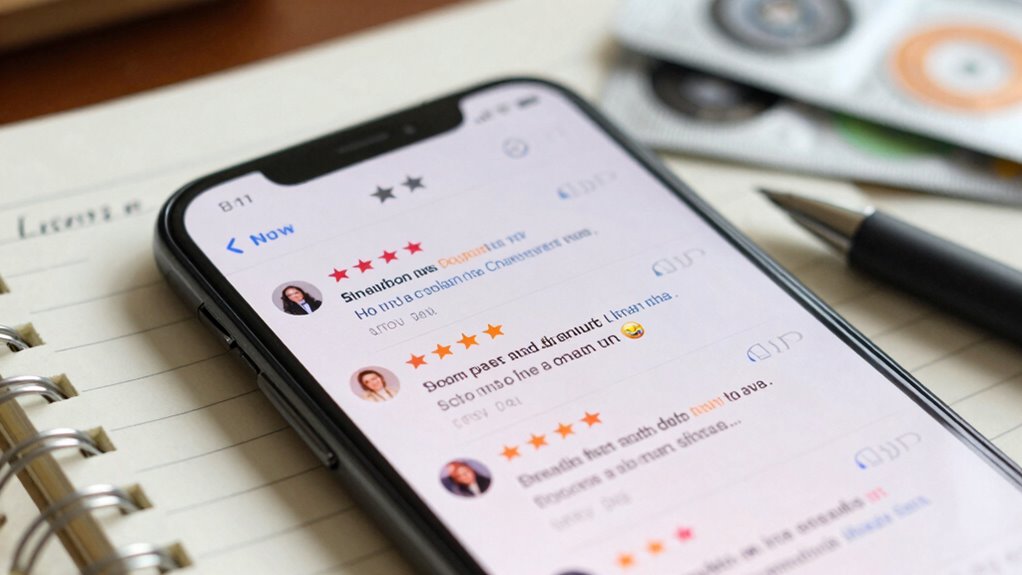
Have you ever wondered why so many shoppers read reviews before making a purchase? Customer reviews shape your perception of a product or service, influencing your decision-making. They offer genuine insights through customer feedback ethics, helping you gauge quality and reliability. However, understanding review authenticity metrics is essential because not all reviews are truthful or helpful. Some may be biased or manipulated, skewing your view. Recognizing the importance of authentic feedback ensures you rely on accurate information, making smarter choices. Companies also value reviews for improving their offerings and maintaining trust. Ultimately, reviews act as a bridge between businesses and customers, guiding your choices and encouraging transparency. By critically analyzing reviews, you can distinguish helpful feedback from misleading comments, making your shopping experience more informed. Additionally, being aware of emerging trends in digital publishing can help you identify new tools and platforms that enhance review authenticity and transparency. Paying attention to review authenticity metrics can further improve your ability to spot trustworthy feedback, especially as fake reviews become more sophisticated and harder to detect. Moreover, understanding the ethical implications of AI in review manipulation can help you develop a more critical perspective on the credibility of online feedback. Recognizing the power of user-generated content can also assist you in evaluating the overall reliability of reviews and comments.
Recognizing Different Types of Customer Feedback
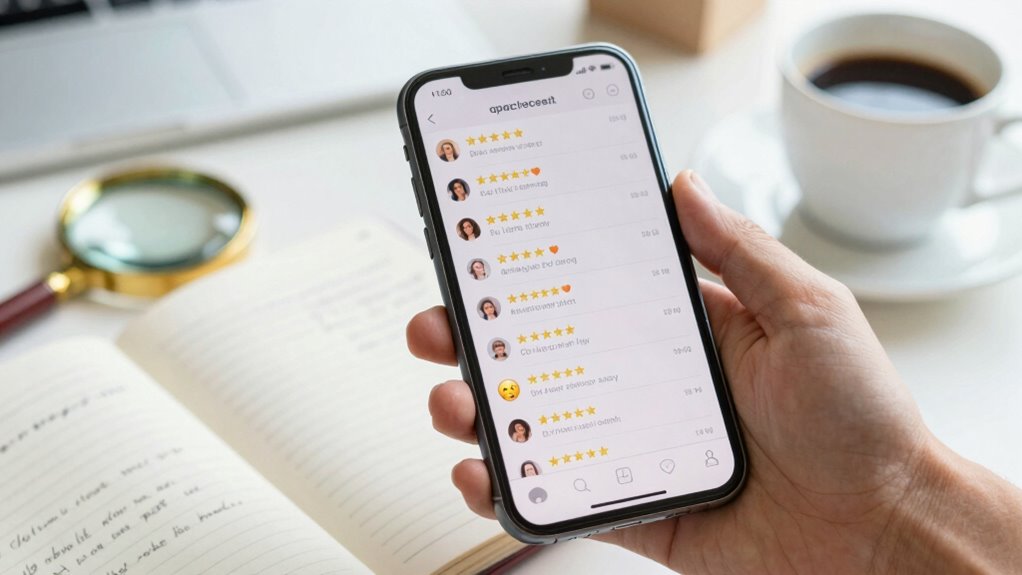
Customer feedback comes in various forms, each offering different insights into a product or service. You’ll notice the customer tone often reveals their emotional state—whether they’re satisfied, frustrated, or indifferent. A positive tone might highlight specific features they love, while a negative tone could indicate underlying issues. Review length also matters; shorter reviews tend to be quick summaries, emphasizing key points, whereas longer reviews provide detailed experiences and context. Recognizing these differences helps you understand the review’s intent and reliability. Some feedback may be straightforward praise or complaints, while others include nuanced perspectives. By paying attention to customer tone and review length, you can better interpret the true sentiment behind the feedback and make more informed decisions. Additionally, understanding the quality of gelato or other treats mentioned in reviews can help you gauge overall customer satisfaction and product consistency. For example, in regions known for iconic attractions and cultural activities, customer experiences often reflect the local ambiance and service standards, adding another layer to review interpretation. Recognizing the signs of a twin flame connection in customer feedback can also help identify deeper emotional undercurrents that influence their perceptions. Being aware of media literacy skills enables you to spot potential biases or fake reviews, improving your overall evaluation process.
How to Evaluate Review Credibility and Spot Biases

Ever wonder how to tell if a review is trustworthy or just biased? You need to focus on review authenticity and bias detection. Authentic reviews often include specific details about the product or service, like how it performed or what issues arose. Be wary of overly positive or negative reviews that lack specifics—they might be fake or biased. Look for patterns: if multiple reviews sound similar or use exaggerated language, bias could be at play. Check the reviewer’s profile for legitimacy—verified purchase tags and history help confirm credibility. Remember, biased reviews may aim to sway your opinion rather than inform. Developing a critical eye for review authenticity and spotting bias ensures you make better, more informed decisions. Additionally, understanding review credibility can help you distinguish genuine feedback from manipulated opinions.
Reading Between the Lines: What Language Reveals in Reviews

While evaluating the credibility of reviews is essential, paying attention to the language used can reveal much about their true intent. Look for linguistic cues that indicate whether a review is genuine or overly exaggerated. For example, excessive use of superlatives or generic phrases may signal bias or insincerity. Notice the emotional tone—if it’s overwhelmingly positive or negative, it might be driven by strong feelings rather than facts. Subtle cues like repetitive language, vague descriptions, or disproportionate emphasis can also hint at underlying motives. Additionally, understanding piercing care and hygiene can help identify reviews that mention infections or healing experiences more accurately. Recognizing these linguistic cues, including emotional tone and specific language patterns, helps you interpret reviews more accurately and make better-informed decisions. Being aware of product ingredient information can also assist in evaluating the authenticity of health-related claims within reviews. Moreover, paying attention to review structure and detail level can reveal whether the reviewer has genuine experience or is simply repeating common phrases. Fake reviews often lack specific details or contain overly polished language, making critical analysis even more crucial. By critically analyzing the language, you can better discern authentic experiences from manipulated or biased opinions.
Why Context and Timing Matter When Interpreting Reviews

Understanding the context and timing of reviews is essential because they can greatly influence how you interpret the feedback. Context clues within reviews reveal whether comments are based on recent experiences or outdated issues. For example, a negative review from months ago might no longer be relevant if the company addressed the problem. Timing significance also affects perception; a complaint made during peak season could reflect temporary service delays rather than consistent quality issues. Recognizing these factors helps you avoid jumping to conclusions based solely on the review’s content. Additionally, paying attention to review verification can help you understand whether the feedback is genuine or potentially biased, which is crucial for making informed decisions. Being aware of product updates or improvements over time can further refine your understanding of a product’s reliability and quality. Moreover, understanding the reviewer’s experience and their usage context can provide deeper insights into how the product performs under different conditions. Considering the reviewer’s credibility can also help you assess the overall trustworthiness of the feedback.
How to Detect Fake or Manipulated Customer Reviews

To spot fake reviews, pay attention to suspicious language that sounds overly generic or exaggerated. You should also analyze reviewer patterns, such as frequent posting or similar wording across multiple reviews. Recognizing these signs helps you distinguish genuine feedback from manipulated content. Additionally, consider the authenticity of the feedback, as detailed reviews often include specific details about personal experiences. Checking for consistent patterns in review quality can further reveal whether reviews are authentic or fabricated. Incorporating insights from review analysis techniques and reviewer behavior patterns can enhance your ability to identify potential fake reviews accurately. Being aware of how AI-generated content can influence reviews is also crucial in the digital age.
Spotting Suspicious Language
Fake or manipulated reviews often contain language that feels overly generic or excessively positive, making them stand out from genuine feedback. Watch out for emotional language that seems exaggerated or insincere, as well as ambiguous phrasing that leaves room for misinterpretation. To spot suspicious language, consider these cues:
- Excessive use of emotional language, like “amazing,” “perfect,” or “life-changing,” that seems too good to be true.
- Vague or ambiguous phrasing, such as “It’s okay,” or “You’ll love it,” without specific details.
- Overly positive or negative statements that lack nuance, sounding robotic or scripted.
Analyzing Reviewer Patterns
When examining customer reviews, patterns in reviewer behavior can reveal signs of manipulation or fakery. Pay attention to reviewer demographics—if many reviews come from accounts with minimal activity or new profiles, they might be fake. Review frequency also matters; if a reviewer posts dozens of reviews in a short period, it could indicate paid or coordinated efforts rather than genuine feedback. Consistent, overly positive or negative reviews from the same users across different products can also raise suspicion. Look for reviewers who only review one brand or product, as they might have a vested interest. By analyzing these patterns, you can better identify reviews that may be manipulated, helping you make more informed and trustworthy purchasing decisions.
Comparing Reviews Across Platforms for a Fuller Picture

Since reviews can vary considerably between platforms, comparing feedback across multiple sources gives you a more complete understanding of a product or service. This process, known as comparative analysis, highlights review diversity and helps you identify consistent patterns or discrepancies. To effectively compare reviews, consider these steps:
- Examine multiple platforms to see if opinions align or diverge.
- Note differences in review tone, detail, and rating distribution.
- Identify platform-specific biases that might influence feedback.
Using Review Insights to Make Smarter Purchasing Decisions

When using reviews to guide your purchase, look for genuine praise that reflects real experiences and consistency across multiple comments. Pay attention to common complaints to identify potential issues, and analyze review patterns to see if problems are recurring or isolated. This approach helps you make smarter decisions based on trustworthy insights.
Identifying Genuine Praise
How can you tell if a customer review is genuinely praising a product or service? Look for authentic feedback that highlights specific details rather than vague praise. Genuine praise often contains nuanced insights that reveal real experiences. To identify authentic feedback, consider these clues:
- The review mentions specific features or issues, showing the reviewer’s direct experience.
- It balances praise with minor critiques, indicating honesty.
- The language is natural and consistent, avoiding overly promotional or exaggerated tones.
Spotting Common Complaints
While genuine praise can boost your confidence in a product, spotting common complaints in reviews helps you anticipate potential issues before buying. Look for recurring themes like poor product customization options or durability problems, as these often indicate deeper flaws. If multiple reviewers mention the same defect or inconvenience, it’s a sign to dig deeper or consider alternatives. Recognizing frequent complaints can also reveal why some customers lose loyalty, even if initial impressions seemed positive. By paying attention to these patterns, you make smarter purchasing decisions, avoiding products that might disappoint or require costly fixes. Ultimately, understanding common complaints helps you weigh the trade-offs and decide if a product’s benefits outweigh its drawbacks, ensuring your choice aligns with your expectations and needs.
Analyzing Review Patterns
Have you ever noticed patterns in customer reviews that reveal more than individual experiences? Recognizing these patterns helps you make smarter purchasing decisions by analyzing review consistency and customer sentiment. To do this effectively, look for:
- Recurring themes across reviews, indicating genuine issues or praised features.
- Sudden shifts in review sentiment that might signal product updates or declines.
- Discrepancies between high and low ratings that could highlight specific use cases or misunderstandings.
Common Mistakes to Avoid When Interpreting Customer Reviews

Are you aware of the common pitfalls that can distort your understanding of customer reviews? One major mistake is ignoring cultural differences that influence how customers express satisfaction or dissatisfaction. What’s positive in one culture might be viewed differently elsewhere. Similarly, language barriers can lead to misinterpretation; reviews may be poorly translated or use idioms that don’t translate well. Relying solely on literal translations can cause you to miss the true intent behind feedback. Avoid assuming all reviews are straightforward or universally applicable. By overlooking these factors, you risk forming skewed opinions about a product or service. Always consider the cultural context and language nuances to interpret reviews more accurately, and don’t jump to conclusions based on surface-level impressions.
Frequently Asked Questions
How Can I Identify Overly Positive or Negative Review Patterns?
You can identify overly positive or negative review patterns by paying attention to authenticity cues like overly generic language or exaggerated claims. Look for consistency in tone and detail—reviews that sound too similar or lack specific insights may be suspicious. If a review’s language is overly enthusiastic or excessively critical without supporting details, it could be a red flag. Trust reviews that offer balanced, nuanced perspectives backed by specific experiences.
What Are Red Flags Indicating Fake Reviews?
Oh, how obvious it is when reviews scream “perfect!” with overly enthusiastic language. Look for authenticity cues like generic phrases, repetitive review language patterns, and overly positive or negative tones that seem exaggerated. Fake reviews often lack specifics or detail, making them suspicious. If reviews sound too good to be true or overly polished, you’ve likely found a red flag. Trust your instincts and analyze the subtle signs of authenticity cues.
How Do Cultural Differences Affect Review Interpretation?
Cultural nuances and language barriers considerably influence how you interpret reviews. You might miss subtle sarcasm or positive expressions unique to a culture, leading to misunderstandings. Different countries also have varying standards for what’s considered a good or bad experience. Be mindful of these factors, and try to look beyond the words, considering the context and cultural background, so you get a clearer, more accurate understanding of customer feedback.
Can Reviews From Loyal Customers Skew Overall Ratings?
Yes, reviews from loyal customers can skew overall ratings because their customer motivations often lead to overly positive feedback, which may not reflect the product’s true quality. This can affect review authenticity, making it harder for you to gauge genuine experiences. When analyzing reviews, consider the balance of feedback, and look for detailed, unbiased insights rather than just high ratings from repeat customers.
How Do Seasonal Factors Influence Customer Feedback?
Seasonal trends substantially influence customer feedback because your reviews may reflect specific experiences tied to particular times of year. For instance, holiday seasons might boost satisfaction with gift services, while off-season periods could lead to more critical feedback. Feedback timing plays a role too; reviews collected immediately after a seasonal event often capture fresh impressions, whereas delayed feedback might be less relevant. Recognizing these factors helps you interpret reviews with a more informed perspective.
Conclusion
By sharpening your eye for detail and questioning what you read, you become a savvy shopper, much like a detective unraveling clues in a noir film. Keep in mind the importance of context, authenticity, and tone—don’t let the shiny veneer of reviews fool you. With a clear mind and a bit of old-school skepticism, you’ll make smarter, more confident choices, avoiding the pitfalls of deception and finding true value—just like a hero in a story worth telling.