Fettunta is a Tuscan preparation of toasted bread rubbed with raw garlic and dressed generously with extra-virgin olive oil and salt. It is especially associated with olio nuovo, or newly pressed oil, whose fresh grassy, bitter, and peppery flavors shine when the bread and toppings stay simple. Choose sturdy bread, adjust the garlic by how firmly you rub, and serve it warm before the toast softens.
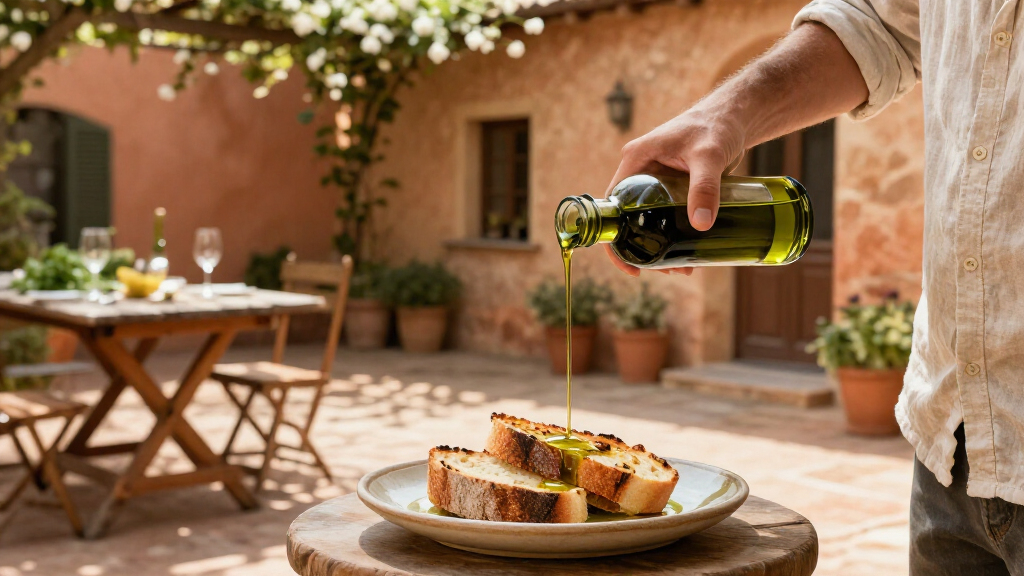
A good slice of fettunta can tell you more about an olive oil than a spoonful ever will. The toast crackles under your teeth, raw garlic lifts into the air, and a generous ribbon of green-gold oil leaves a peppery tickle at the back of your throat.
Fettunta is a Tuscan snack made from toasted bread, raw garlic, extra-virgin olive oil, and salt. Its name is commonly explained through Tuscan usage as fetta unta, or “oiled slice.” You do not need a special occasion to make it, but it is particularly lovely when fresh oil arrives from the autumn harvest.
This guide shows you how to choose bread and oil, control the garlic, and make the toast so it stays crisp beneath the drizzle. You will also learn what olio nuovo means, how fettunta differs from bruschetta, and why the simplest version asks you to pay attention rather than pile on toppings.
At a glance
Fettunta: Tuscan New-Oil Toast, Made Simply
Key insight
Fettunta is commonly explained through the Tuscan phrase fetta unta, meaning “oiled slice”; the dish’s characteristic balance comes from warm toast, raw garlic, salt, and enough olive oil to taste cl…
Key takeaways
1
Fettunta is toasted bread rubbed with raw garlic, extra-virgin olive oil, and salt; the plain version keeps attention on the oil.
2
Choose sturdy country bread about ½ inch thick so it stays crisp outside and substantial beneath the drizzle.
3
Adjust garlic intensity by rubbing lightly or firmly, and serve each slice as soon as you dress it.
4
Olio nuovo means oil from a recent harvest and pressing; harvest timing and flavor vary by place, weather, and producer.
5
Store oil tightly closed in a cool, dark cupboard, and check bread labels for wheat and gluten when serving guests.
Step by step
1
How to Make Fettunta So the Toast Stays Crisp
To make fettunta, toast sturdy bread, rub it while warm with cut raw garlic, then add extra-virgin olive oil and salt.
What Makes Fettunta Taste Like Tuscany
Fettunta is a Tuscan slice of toasted bread rubbed with raw garlic, finished with extra-virgin olive oil and salt. It is often served as a snack or appetizer, but it also works as a small ritual for tasting fresh oil. Each ingredient has room to speak, like four musicians playing close enough to hear every note.
The name is commonly explained through the Tuscan phrase fetta unta—“oiled slice.” That plain description fits the food: it is not a complicated recipe with a long list of additions. A sturdy piece of bread catches the oil; garlic brings a sharp, warm aroma; salt makes the flavors clearer.
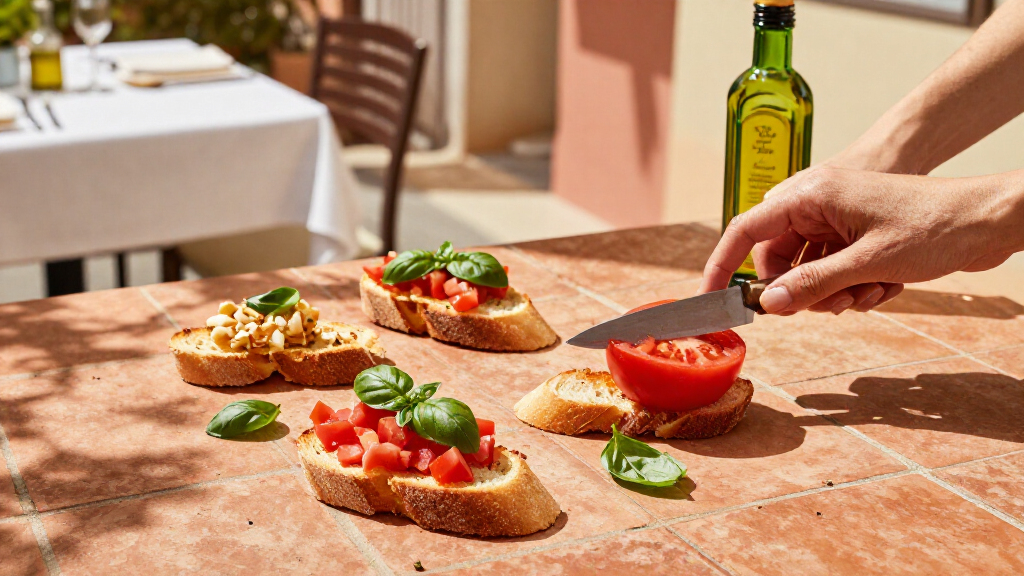
Its character comes from restraint. If you add tomatoes, cheese, or herbs, you may make a delicious toast, but the oil no longer has the same open stage. For example, try one slice with a ripe tomato topping and one plain. The first tastes juicy and summery; the second lets you notice whether your olive oil finishes with bitterness, pepper, or a fresh-cut-grass note.
Fettunta also reflects a practical Tuscan food tradition: making something satisfying from bread and pantry staples. Toast gives yesterday’s loaf fresh life, while oil turns a few crisp bites into a snack with real richness. The result is humble without being dull, much like a linen cloth that looks simple until the late-afternoon sun shows its texture.
TCL 65-Inch T7 Series 4K QLED Smart Google TV, 144Hz (65T7)
Dyson Car+Boat Cordless Handheld Vacuum
As an affiliate, we earn on qualifying purchases.
How to Make Fettunta So the Toast Stays Crisp
To make fettunta, toast sturdy bread, rub it while warm with cut raw garlic, then add extra-virgin olive oil and salt. Work quickly after toasting so the bread is warm enough to take on the garlic aroma but still crisp when you serve it. For two people, start with four slices and one small garlic clove.
Choose and slice the bread. Cut a rustic country loaf into slices about ½ inch thick. A slice should feel substantial in your hand, not floppy.
Toast it until crisp outside. Use a grill, broiler, or toaster. If you use a broiler, stay nearby; bread can go from golden to scorched in under a minute.
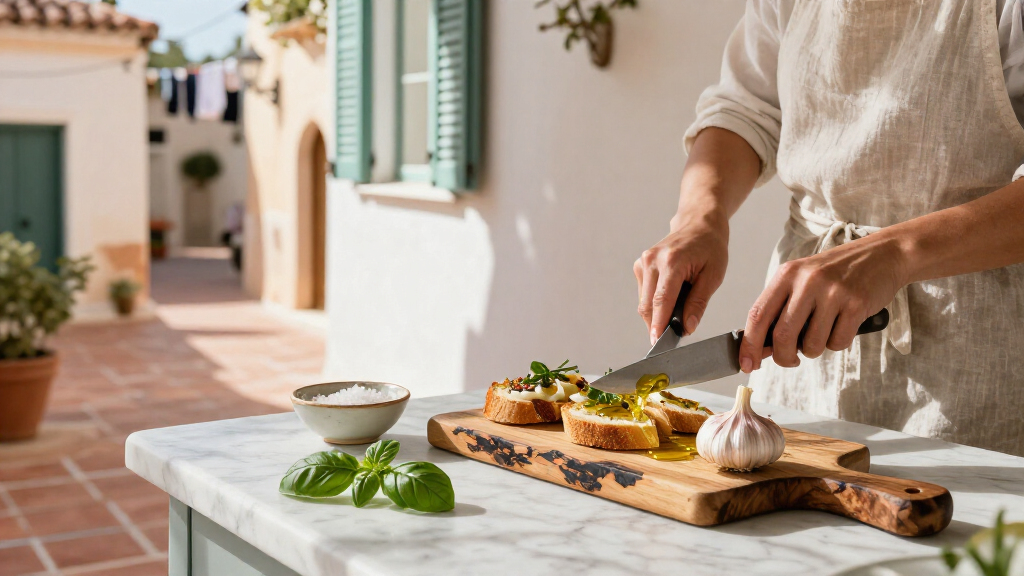
Rub one cut side with garlic. Pass the cut face of a peeled clove over the warm surface. Use a light touch for a hint of garlic, or press more firmly for a stronger bite.
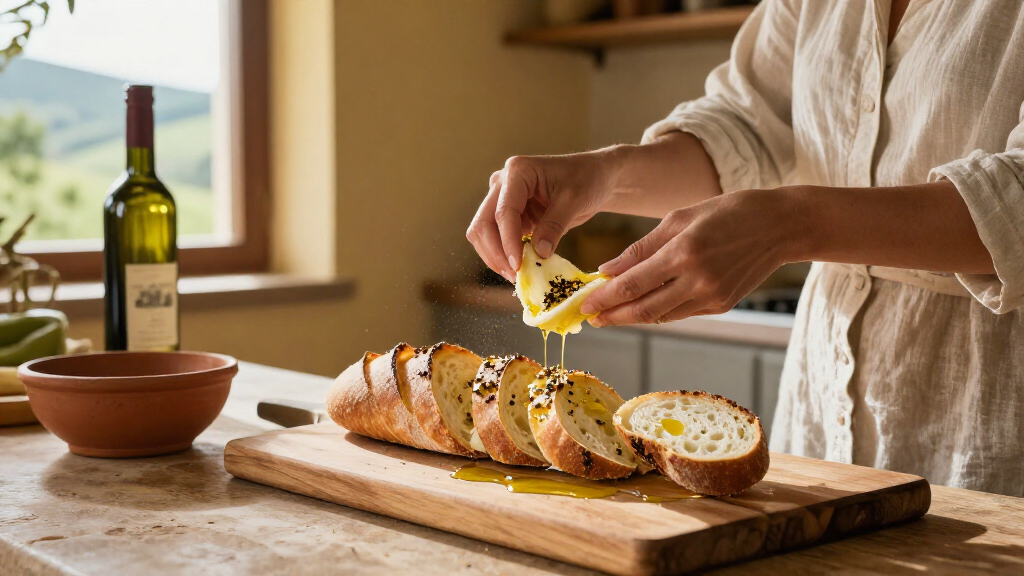
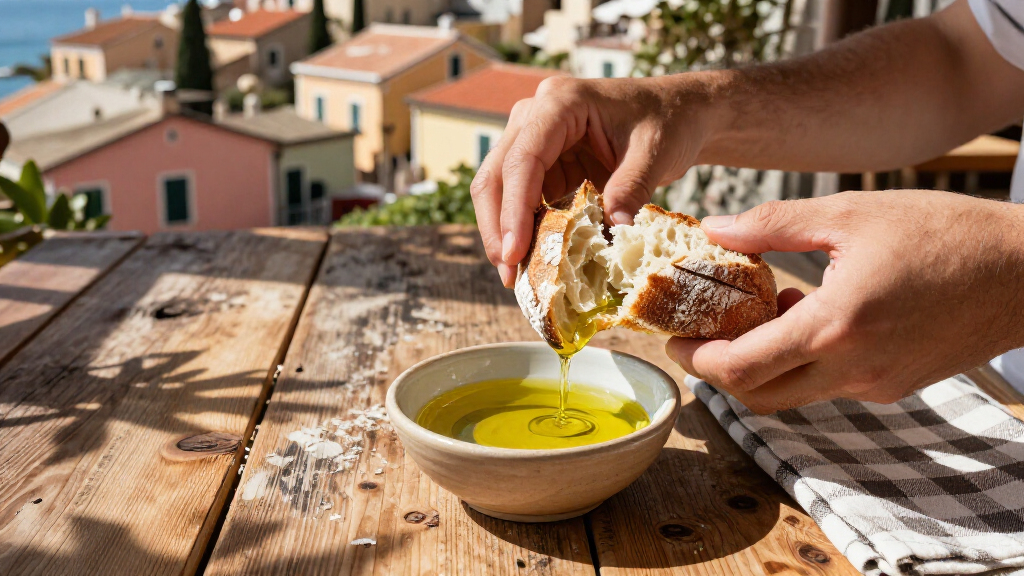
Drizzle generously with oil. Add enough to make the surface glossy and fragrant without leaving the bread sodden. Finish with salt and serve right away.
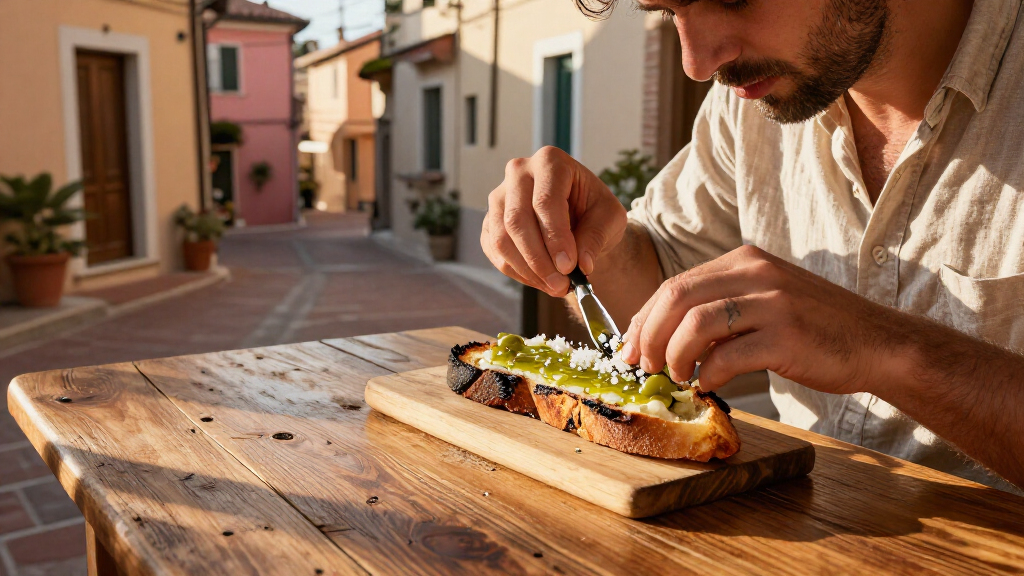
For a real-kitchen example, toast the bread while you set out plates and a small dish of salt. Rub the garlic across each slice as soon as it comes off the heat, then pour the oil in a thin stream from a spoon or bottle. The hot, rough surface takes up the oil like dry earth after rain, while the browned edges keep their crunch.
The method is flexible, but timing matters. If you dress the toast ten minutes before serving, the center can turn soft and the contrast disappears. Make only what you plan to eat while warm; if you are serving a group, toast in batches and finish each batch just before it reaches the table.
Choose Bread and Oil That Let Each Other Shine
The best bread for fettunta is sturdy enough to hold olive oil without collapsing, and the best oil is one whose flavor you enjoy on its own. A flavorful country loaf works well; very soft sandwich bread often turns limp under a generous drizzle. Tuscan bread is traditionally unsalted, but you can use a good rustic loaf from any region and season the finished toast to taste.
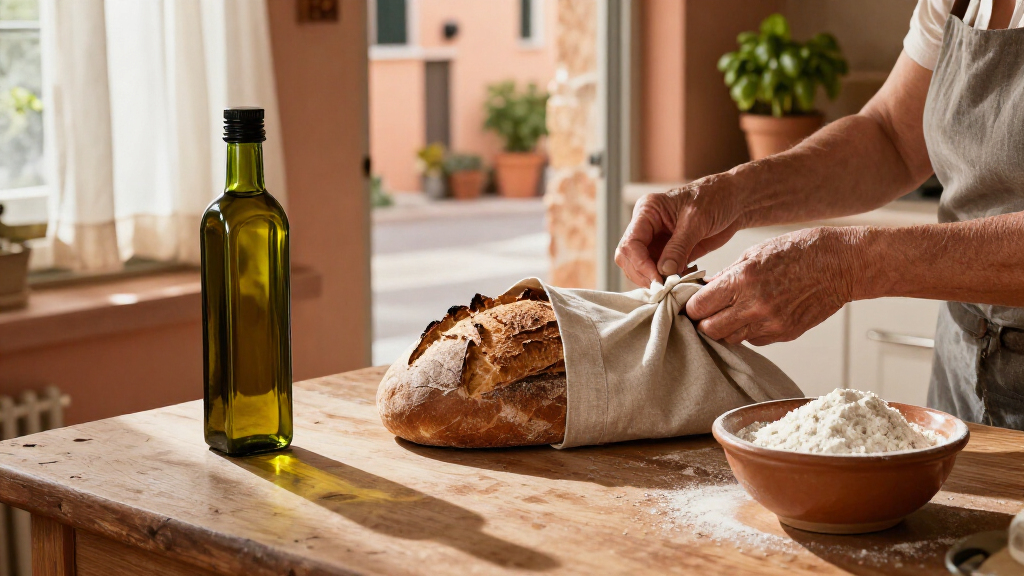
Look for an open, springy crumb and a firm crust. A thick slice from a country loaf gives you a crisp shell and a chewy center, so each bite keeps its structure even after the oil lands. If your bread is already several hours old, that is no drawback: toasting revives it and helps it carry the dressing.
Use fresh, high-quality extra-virgin olive oil, not an oil chosen only because its label says “Tuscan.” Taste a small amount first. A peppery finish can be a pleasure; so can a rounder, grassy flavor. If the oil tastes stale or flat by itself, the bare-bones nature of fettunta will not hide it.
You do not need a Tuscan loaf or newly pressed oil to make a good slice. For instance, a rustic sourdough from a neighborhood bakery and a lively oil from another Italian region can produce excellent fettunta. The tradeoff is simple: a strongly flavored bread competes more with the oil, while a mild loaf gives the oil more room. Adjust the salt after tasting the oil, especially if you are using a salted bread.
For crunch: choose a loaf with a sturdy crust and an even crumb.
For a gentler finish: use a milder oil and rub garlic lightly.
For a bolder tasting slice: pair assertive, peppery oil with a neutral country loaf.
Taste Olio Nuovo Without Guessing What the Label Means
Olio nuovo means “new oil”: extra-virgin olive oil from a recent harvest and pressing. Fettunta is closely associated with this fresh oil because warm bread, garlic, and salt offer a clear way to taste it. The new oil may smell grassy or green and finish with bitterness or pepper, but its exact flavor depends on the olives, producer, and harvest.
There is no single nationwide release day for new oil. Olive harvests and pressing generally happen in autumn and early winter, with timing shifting by region, weather, and producer. If you are traveling in Tuscany, check directly with local mills or food events for current availability rather than planning around a fixed calendar date.
To taste a bottle at home, pour a little onto a warm slice and pause before your first bite. Notice the aroma, then the fruitiness, bitterness, and peppery sensation as you chew. A slight throat catch can be part of the oil’s character, not a sign that you need to cover it with cheese or chili. Think of the bread as a tasting glass you can eat: it gives the oil shape, warmth, and a pleasant crunch.
Freshness alone does not promise that every bottle will taste the same or suit your palate. “New” describes timing, not one fixed flavor profile or automatic quality guarantee. If a bottle is unavailable, use a good extra-virgin oil you already enjoy; fettunta remains delicious, and the toast still makes a useful way to compare oils side by side.
Let the oil set the pace. Taste it on a plain, warm slice before you add anything that could cover its aroma or finish.
Tell Fettunta Apart from Bruschetta Before You Add Toppings
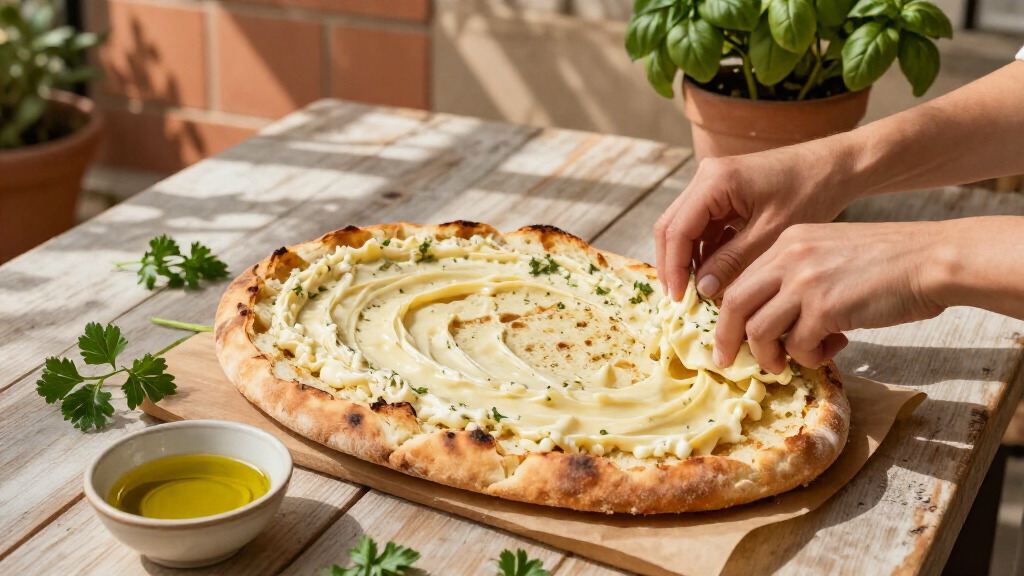
Fettunta is a specific Tuscan-style preparation of garlic-rubbed toast, olive oil, and salt; bruschetta is a broader name for grilled or toasted bread that can carry many toppings. The words overlap in everyday use, so you may see them applied loosely. The distinction is most useful when you want to understand what a traditional fettunta is meant to taste like.
Feature
Fettunta
Bruschetta
Basic idea
Tuscan toast dressed with oil
A wider family of toasted-bread preparations
Typical finish
Raw garlic, extra-virgin olive oil, salt
May include tomatoes, vegetables, beans, or other toppings
What gets the attention
The bread and olive oil
The selected topping or combination
Best moment to serve
Warm, just after dressing
Depends on its toppings and how they affect the bread
Think of fettunta as the uncluttered member of a large toast family. Imagine a tray for friends: you could serve a plain oily slice as the first bite, then bring out tomato bruschetta as a separate dish. That order lets everyone taste the oil clearly before juicy toppings change the texture and flavor.
There is no need to police the vocabulary at your table. If someone calls a tomato-topped slice bruschetta, that works; if you want the traditional, spare version, keep the bread, garlic, oil, and salt together and stop there. The practical distinction is not a rule about what you are allowed to eat. It is a useful reminder that the simplest fettunta is built to showcase the oil.
Serve Fettunta Warm, With Just Enough Salt and Garlic
Serve fettunta as soon as you dress it, while the bread is warm and the outside still crackles. It suits an afternoon snack, the first bite before a meal, or a small tasting when you open a new bottle of oil. Keep the serving modest: one or two slices can be satisfying because bread and olive oil are both filling.
Garlic strength depends on how much pressure you use, not on a complicated cooking trick. One light pass over one side gives a subtle aroma; a firmer rub makes the raw garlic more assertive. If you are unsure what your guests like, make the first few slices gently rubbed and leave the remaining cut clove on the board for anyone who wants more.
Salt should sharpen the bread and oil, not dominate them. Add a small pinch, taste, and adjust. This is especially helpful if your loaf has a salty crust or your oil already has a pronounced, peppery finish. A small bowl of flaky or coarse salt lets guests season their own slice without turning the snack into a salt test.
For a casual table, set the bread on a wooden board and bring the oil out in its bottle or a small pouring jug. Tell guests what they are tasting—a fresh, grassy oil, perhaps, or a rounder one—without insisting that everyone finds the same notes. If you drink wine with food, keep alcohol for adults and serve responsibly; water belongs on the table too. Fettunta needs no sides, but it can start a meal of soup or beans without competing for attention.
Serve promptly: oil softens toast as it sits.
Offer garlic by degree: rub lightly first, then let guests choose a stronger bite.
Taste before salting more: the bread and oil may already bring enough flavor.
Store the Bread and Oil Safely So Tomorrow’s Slice Still Works
Keep olive oil tightly closed in a cool, dark cupboard, and keep leftover bread dry until you are ready to toast it. Light, heat, and air can dull oil’s fresh aroma over time, so do not leave the bottle beside a sunny window or a hot stove. Fettunta is best assembled just before eating rather than stored already dressed.
If you have half a loaf left after making a snack, wrap it and store it according to its type and your kitchen conditions; use a bread box or paper bag for crusty bread you will eat soon. For longer storage, freeze sliced bread in a sealed freezer bag and toast slices directly from frozen. That way, you can make one or two portions without leaving the rest exposed to air.
Do not keep dressed fettunta at room temperature for later. The bread loses its crispness, and the garlic and oil are best enjoyed freshly prepared. For a picnic or packed snack, carry the toast and oil separately, then assemble shortly before eating. For example, tuck dry slices into a container and bring a small, sealed bottle of oil and a peeled garlic clove; rub and dress them when you reach your lunch spot.
Fettunta contains no meat, fish, or dairy in its basic form, but bread usually contains wheat and therefore gluten. Check the loaf label if you are serving someone with a wheat allergy or celiac disease, and use a suitable gluten-free bread only if it can toast firmly enough to hold oil. Olive oil is not a substitute for safe allergy checks, and shared boards or knives can carry crumbs between breads.
Frequently Asked Questions
What does fettunta mean?
Fettunta is commonly explained through Tuscan usage as fetta unta, meaning “oiled slice.” The name describes toasted bread dressed with olive oil, usually with raw garlic and salt.
Can I make fettunta without olio nuovo?
Yes. Use a good extra-virgin olive oil you enjoy; newly pressed oil is traditional and especially suited to the dish, but it is not required. A warm, plain slice is also a handy way to taste the oil you already keep at home.
Should I cook the garlic before rubbing it on?
No. The usual method uses a cut clove of raw garlic on warm toast. Rub lightly for a gentler flavor or press more firmly for a stronger garlic bite.
How much olive oil should I use?
Use enough to make the toast glossy and clearly taste the oil, but not so much that the slice becomes soggy or difficult to handle. Start with a thin stream, taste, and add more if the bread still feels dry.
Can I add tomatoes or other toppings?
You can, but tomatoes, beans, or cheese make a topped toast variation rather than the simplest expression of fettunta. Try one plain slice first so you can taste how the oil, garlic, salt, and bread work together.
Conclusion
Make fettunta the next time you open an olive oil you want to understand. Toast a sturdy slice, rub it with raw garlic, add a generous drizzle and a little salt, then eat it while the edges still crackle. You do not need new oil, a Tuscan kitchen, or a list of toppings—just ingredients worth tasting.
Keep the slice simple and the oil in the spotlight. One warm piece of bread can bring the autumn olive harvest of Tuscany straight to your kitchen, one peppery bite at a time.
Pringles has launched a new edible hot dog bun made from potato chips, promising a novel twist on a classic food. Details are confirmed, but full product availability remains unclear.
Brown Butter Banana Bread: A Nutty Twist on a Classic
Delight in the decadent fusion of brown butter and ripe bananas, transforming traditional banana bread into a nutty, caramel-kissed indulgence that will redefine your baking experience.