
TL;DR

Get kitchen staples and gadgets delivered free with Prime
- Fast, free delivery on millions of items
- Prime Video, Amazon Music and more included
- Member-only deals all year
Gnocchi alla Romana are baked semolina rounds from Rome and Lazio, made by cooking durum wheat semolina in milk, enriching it with egg yolks, butter, and cheese, then baking the cut rounds until golden. For neat disks and a creamy center, whisk the semolina gradually into hot milk, cook until very thick, and let the spread mixture cool fully before cutting.
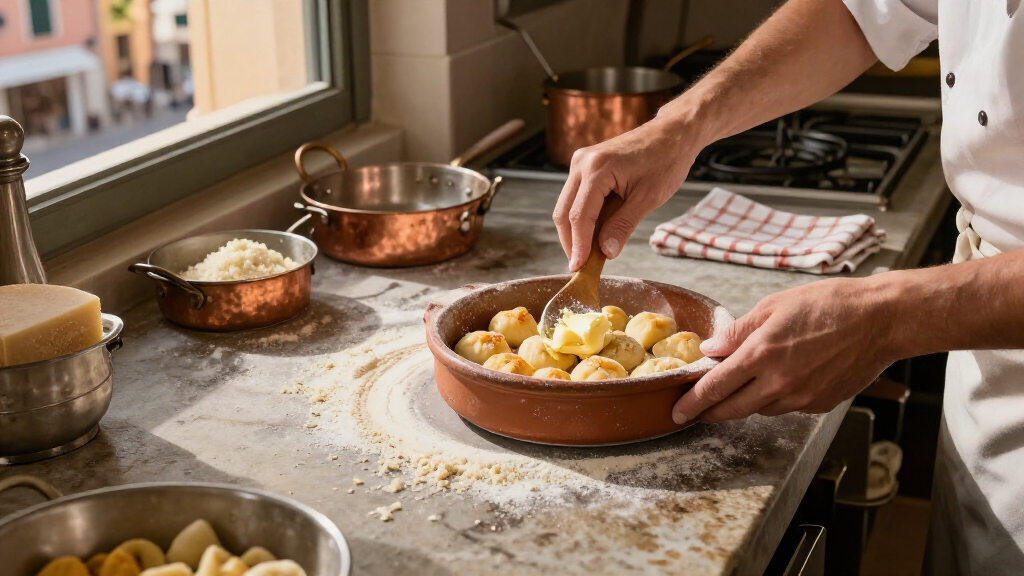
The first clue that gnocchi alla Romana are different arrives before you taste them: the oven turns their overlapping tops into a golden, buttery crust, while the centers stay soft and creamy. These are semolina rounds from Rome and the surrounding Lazio region, not the small potato dumplings many people picture when they hear “gnocchi.”
You make them by cooking durum wheat semolina in milk, stirring in butter, egg yolks, and grated cheese, then cooling the thick mixture until you can cut it into disks. This guide walks you through the texture, the shaping, the bake, and the serving choices, so you can bring a Roman first course to your table without guesswork.
Think of the process like making polenta and then turning it into a gratin: the stovetop builds the structure, and the oven adds the crisp, savory finish. A Sunday lunch is a natural occasion, but a pan of rounds also makes a generous weeknight dinner beside sautéed greens.
Gnocchi alla Romana are baked semolina rounds from Rome and Lazio, made without potatoes.
Whisk durum wheat semolina gradually into hot milk and cook until the mixture is very thick.
Spread the dough about 1–2 centimeters thick and cool it fully before cutting disks.
Parmigiano-Reggiano gives a rounded flavor; Pecorino Romano adds a sharper, saltier note.
Assemble ahead if useful, refrigerate covered, and reheat leftovers in the oven for a better crust.
Rome & Lazio · The baked semolina classic
Gnocchi alla Romana: Semolina Rounds Under a Golden Crust
Cook durum wheat semolina in milk, enrich it with butter, egg yolks and cheese, then bake the cooled, cut rounds until their tops turn golden. The secret to tidy disks and a creamy middle is a thick, lump-free dough that cools fully before shaping.
“A tender, creamy center beneath a buttery, savory crust.”
Stovetop structure · Oven-browned finish01 / What makes them different
A cooked dough, then a gratin
The stovetop hydrates and thickens the grain before the oven adds color and crunch. Think soft polenta chilled into a sheet, cut into disks, and baked under a savory topping.
Semolina, not potato
Durum wheat gives the rounds a firm, slightly grainy bite and mild, nutty flavor. There are no potatoes in this Roman classic.
Cook until very thick
Whisk semolina gradually into hot milk and stir steadily as it thickens, much like polenta, until the mixture holds its structure.
Butter, yolks & cheese
Off the heat, these ingredients give the cooked grain richness and savory depth. A little nutmeg is a classic warm accent.
Cool, then cut disks
Spread the mixture evenly and let it firm fully. A glass or biscuit cutter makes the rounds that keep their shape in the dish.
Overlap & brown
Arrange rounds in a buttered baking dish. More butter and grated cheese melt over the top and create the characteristic crust.
A substantial primo
Often served as a first course, these rich rounds also pair well with sautéed greens, roasted vegetables, or meat.
02 / Name & texture
Two kinds of “gnocchi”
The name places the dish in the broad dumpling family, but its shape and cooking method are distinct from familiar potato gnocchi.
Gnocchi alla Romana
Cooked semolina becomes a firm sheet, then cools and is cut into rounds. The oven finishes the already-cooked dough, leaving a soft center and crisp, browned top.
Potato gnocchi
Usually shaped into small pieces from a potato-based dough and boiled. Their familiar texture is often springier than the substantial, creamy semolina rounds.
03 / Flavor choices
Choose your cheese balance
Cheese varies from household to household. Either choice complements the mild grain; the difference is how rounded or assertive the finish tastes.
Start with mostly Parmigiano-Reggiano, then add a modest handful of Pecorino Romano for a sharper Roman edge.
04 / The four-stage method
From hot milk to golden top
Each stage sets up the next: smooth cooking prevents lumps, full cooling makes clean disks, and overlapping rounds brown together.
Whisk gradually
Heat milk until steaming. Sprinkle in semolina in a steady stream while whisking.
Stir to a firm dough
Keep stirring until very thick and pulling from the pan sides. Mix in butter, yolks, cheese and nutmeg off the heat.
Spread, cool, cut
Spread 1–2 cm thick on a buttered tray or parchment. Cool completely, then cut rounds.
Layer & brown
Overlap disks in a buttered dish. Top with butter and cheese; bake until golden and bubbling.
05 / Technique that pays off
Make the mixture smooth and sliceable
A gradual pour and a patient cool are the two biggest helps for a tidy pan of rounds.
Add slowly. A steady stream lets each grain meet the hot milk and hydrate evenly.
Keep stirring. Steady movement as it thickens helps prevent lumps and dry pockets.
Cook it thick. An undercooked, loose mixture may not hold a clean round shape.
Cool it fully. Warm dough stretches and can leave disks with ragged edges.
06 / Serving & planning
Make them work for your table
Serve as a primo for a Roman-style meal, or make a generous dinner plate with vegetables alongside.
First course
Offer a few rich rounds before the rest of the meal. Their substantial texture makes a small portion satisfying.
Add bright greens
Pair with garlicky chard or sautéed greens and a crisp salad to balance the butter and cheese.
Re-crisp in the oven
Assemble, cover and refrigerate before baking. Reheat leftovers in the oven to bring back a crisp top.
07 / The dish in one glance
Structure → shape → contrast
A few simple choices build the defining contrast: tender grain inside, deeply savory color on top.
+ semolina
mixture
+ neat rounds
+ cheese
+ creamy center
What Makes These Roman Gnocchi So Different?
Gnocchi alla Romana are baked semolina rounds from Rome and Lazio, made by cooking wheat semolina in milk, enriching it with butter, egg yolks, and cheese, then baking cut disks under a browned topping. The dough is cooked before it goes in the oven, so baking finishes the dish rather than cooking raw dumplings through. That changes what you are aiming for: the stovetop must hydrate and thicken the grain, while the oven builds flavor and contrast. You get a tender, creamy middle and a savory crust.
That’s the key difference from potato gnocchi. Potato gnocchi are usually shaped into small pieces and boiled; these semolina rounds under a golden crust are shaped from a firm sheet of cooked grain. They sit in the dumpling family by name, but their texture is closer to a soft polenta that has been chilled and sliced. The chilled sheet is sturdy enough to cut, yet it softens again as it bakes. Imagine a warm, cheesy casserole with the tidy edges of a cookie cutter.
In Rome, they are commonly served as a primo (first course), though you can serve them with roasted vegetables or meat. The first-course role reflects how rich and filling the rounds are: semolina, milk, butter, and cheese make a small portion feel substantial. For a relaxed dinner, place a few rounds beside garlicky chard and a crisp salad. The mild, nutty semolina welcomes sharper cheese, while the browned top gives each bite a little crunch.
The dish belongs to Lazio’s kitchen traditions, but its exact origin and date are hard to establish. Semolina has a long history in Italian cooking, and baked semolina preparations appear in regional traditions; claims of one inventor or a single definitive recipe deserve caution. That household variation also affects the finished flavor: some favor Parmigiano-Reggiano for a rounder, nuttier result, while others add Pecorino Romano for a saltier Roman edge. Neither choice changes the dish’s defining texture, but the cheese balance can make the same simple base taste noticeably different.
durum wheat semolina flour for gnocchi alla Romana
As an affiliate, we earn on qualifying purchases.
As an affiliate, we earn on qualifying purchases.
Choose Semolina and Cheese for the Texture You Want
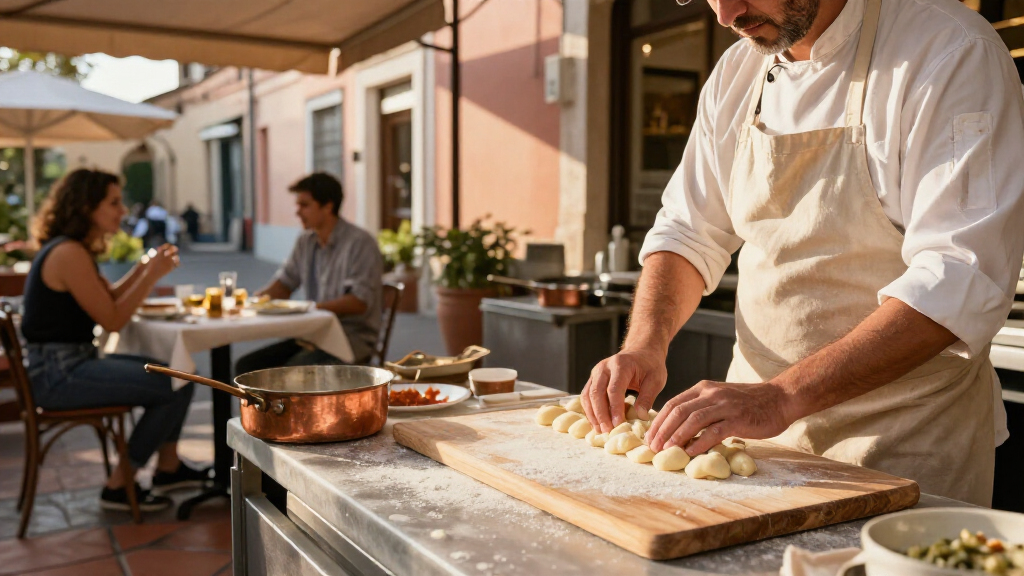
Durum wheat semolina gives these rounds their shape and lightly grainy bite; milk, egg yolks, and butter soften that texture, while grated cheese adds savory depth. Fine semolina makes a smoother, more uniform disk because its smaller grains hydrate readily. A coarser grind leaves a little more texture, much like choosing fine or coarse polenta for a different finish, but it may take longer to soften and needs more attentive stirring. The choice is a tradeoff between a polished, tender bite and a more pronounced grain character.
Check the package before you shop, since “semolina flour” and “coarse semolina” can describe different grinds. Either can work, but a very coarse grind may need steadier stirring and a little more patience to soften evenly. If you are cooking for someone who expects potato gnocchi, explain the difference first: the result is firm enough to cut, but the bite is creamy rather than springy. That expectation matters because the rounds are meant to be substantial and tender, not bouncy like a potato dumpling.
Parmigiano-Reggiano brings a rounded, nutty saltiness; Pecorino Romano tastes sharper and more assertive. You can use one or blend them, adjusting salt with care because Pecorino is salty. Nutmeg is a frequent seasoning, and just a small grating brings warmth without making the dish taste like dessert. For a family pan, try mostly Parmigiano with a modest handful of Pecorino. This keeps the cheese flavor balanced: enough Pecorino to cut through the milk and butter, without letting its salt dominate the grain.
Milk gives the mixture its richness. Water can stand in, or you can use a milk-and-water blend, but the finished rounds will taste less creamy; the lighter liquid makes the semolina’s own grain flavor more prominent. Traditional semolina contains wheat, so the dish is not gluten-free. It is often meat-free, but check cheese ingredients if you follow a strict vegetarian diet, and avoid adding meat-based stock or toppings.

Cook a Smooth Dough That Holds Its Shape
A smooth, thick semolina mixture starts when you whisk the grain into hot milk gradually, rather than tipping it in all at once. Each grain needs contact with liquid to hydrate; a sudden pile can form a damp outer layer around dry centers, which then persist as lumps. Keep stirring as the mixture thickens, much as you would for polenta. A steady hand now prevents dry pockets and stubborn lumps later, when you want neat disks instead of a patchy slab.
- Warm the milk in a heavy saucepan until it is hot and steaming, without letting it boil over.
- Whisk in semolina slowly, sprinkling it into the milk in a steady stream as you stir.
- Cook and stir until the mixture becomes very thick and pulls away from the sides of the pan. This gives the grain time to absorb the milk and creates a sheet firm enough to cut after cooling.
- Take the pan off the heat and mix in butter, egg yolks, grated cheese, and a little nutmeg. The residual heat helps incorporate them, while removing the pan from direct heat reduces the chance that the yolks will scramble.
- Spread the mixture on a buttered tray or parchment to an even thickness of about 1–2 centimeters. Consistent thickness means the disks bake at roughly the same rate and makes them easier to stack in the dish.
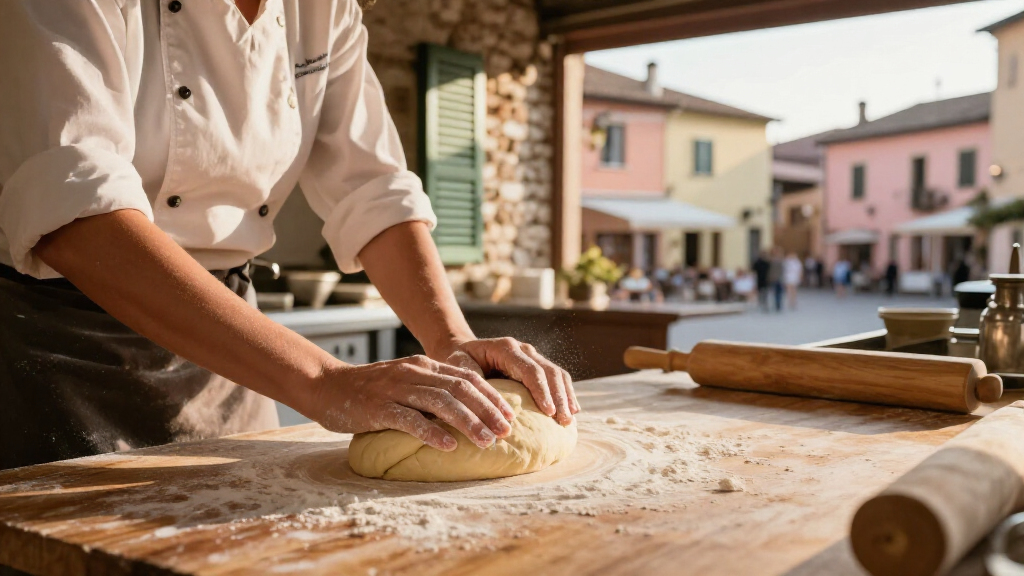
- Cool it fully before cutting rounds with a glass or biscuit cutter. As the mixture cools, it firms into a sheet; cutting it warm risks stretched edges and misshapen rounds.
Picture a busy Sunday kitchen: you make the mixture before preparing the rest of lunch, spread it flat, and leave it to cool while you wash the saucepan. That wait is part of the recipe. A warm sheet can bend or cling to the cutter; a fully cooled sheet firms into a workable dough. If the mixture seems loose, cook it longer before spreading rather than hoping the oven will fix it. The oven can brown and heat the rounds, but it cannot undo a weak structure once the sheet has been cut.
Egg and dairy are common allergens here, alongside wheat gluten. Keep utensils and work surfaces separate if you are cooking for someone with allergies, and confirm the needs of your guest before serving. Do not taste a mixture containing raw egg yolk until you have cooked the rounds thoroughly.
Bake the Rounds Until the Tops Bubble and Brown
Arrange the cut disks in an overlapping layer, dot them with butter, scatter cheese over the top, and bake until bubbling and golden. The overlap helps the rounds stay tender where they meet, while their exposed edges brown and crisp. It is a little like laying roof tiles: each piece partly covers the next, creating a generous surface for butter and cheese. Leaving some edges exposed matters because those spots provide the crisp contrast that keeps the dish from eating as one uniformly soft layer.
Butter a baking dish, then nestle the rounds into it without packing them so tightly that the topping disappears between the pieces. Add more grated cheese and small pieces or a brush of melted butter. Bake in a hot oven until the edges bubble and the tops take on color. If the surface still looks pale, give it a brief finish under the broiler, staying close; cheese can shift from bronzed to scorched quickly. A well-browned surface signals that the butter and cheese have toasted, adding a savory depth that a merely heated pan will lack.
For a dinner party, you can assemble the dish ahead and refrigerate it before baking. A cold pan will need extra time to heat through, so look for bubbling edges and a properly hot center rather than relying only on the clock. Keep leftovers refrigerated in a covered container and reheat them in the oven until hot throughout; the oven helps the top regain some crispness, while a microwave tends to soften it. Choose the microwave when speed matters more than texture, or the oven when restoring the contrast is part of the pleasure.
When you serve the pan, the contrast is the pleasure: a browned, salty top, a soft center, and a slight graininess beneath. Offer it as a first course before a lighter main dish, or pair it with roasted vegetables for a meat-free meal. The rounds are rich, so lemony greens or a simple salad bring welcome freshness.
Serve a Roman-Style First Course Without Making It Heavy
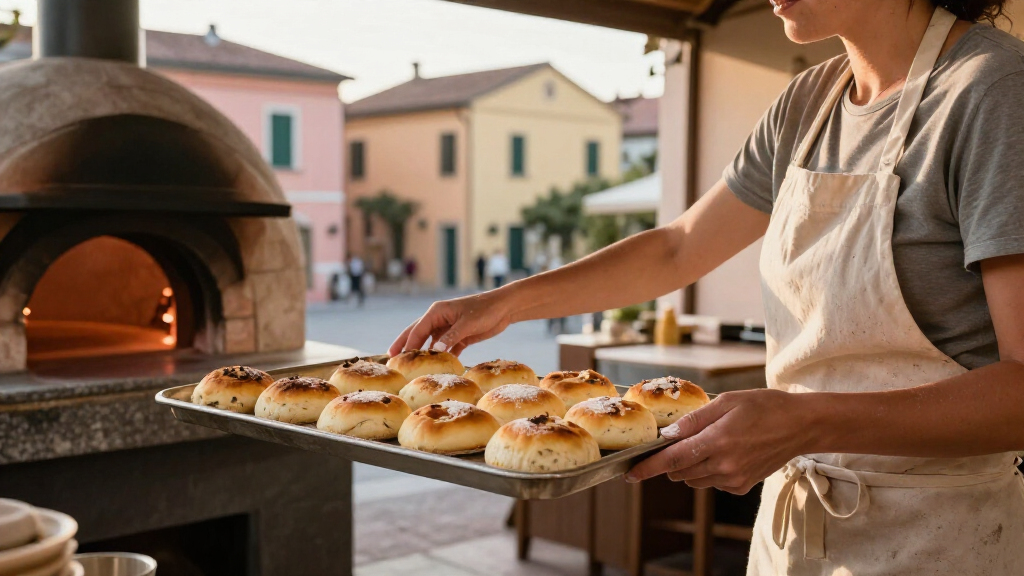
Serve gnocchi alla Romana in modest portions as a first course, with something fresh or lightly bitter beside them. Their butter-and-cheese topping is satisfying, so a large helping can crowd out the rest of the meal. In a Roman-inspired Sunday lunch, start with a few warm rounds, then follow with seasonal vegetables or a simple roast. Keeping the portion modest lets the crisp topping and creamy middle stand out without making the rest of the meal feel like an afterthought.
For a practical weeknight plate, set two or three rounds beside sautéed broccoli rabe or spinach, dressed with olive oil and lemon. The greens cut through the cheese’s richness like a squeeze of citrus brightens a creamy soup. In cooler weather, roasted squash or carrots bring sweetness; in spring, peas or asparagus make the meal feel lighter. These pairings also change the balance of the plate: bitter greens sharpen the savory cheese, while sweet vegetables soften its sharper edge.
They can also accompany meat, but keep the rest of the plate simple. A small serving of roast chicken and a sharp salad gives you contrast without turning dinner into a parade of heavy dishes. If you serve wine, keep it for adults and enjoy it responsibly; water belongs on the table too.
Gnocchi alla Romana do not need elaborate decoration. Bring the baking dish to the table while the top still crackles softly and the butter smells toasted. That small moment makes a home dinner feel connected to Rome’s tradition of a warm first course, even if you are cooking far from Lazio.
Fix Lumps, Soft Dough, and Rounds That Fall Apart
Lumps usually mean the semolina went into the milk too quickly or did not get enough stirring; rounds that fall apart often point to a mixture that stayed too loose or was cut before cooling. The helpful fix is usually earlier in the process. Add the grain gradually, keep stirring as it thickens, and give the sheet time to firm up before reaching for the cutter. These signs are useful because they tell you which stage needs attention: lumps call for better hydration, while fragile disks call for more cooking or cooling.
If your first batch has small lumps, whisk with energy while the mixture is still cooking and use a heavy pan that distributes heat evenly. For a thick paste that seems to cling to the pan, lower the heat slightly and stir continuously so the bottom does not scorch. The texture should feel more like a firm porridge than a pourable sauce before you spread it. If the lumps remain, avoid trying to fix them by adding extra liquid at the end; that can loosen the whole mixture and make it harder to cut.
If disks tear or stick when you cut them, the sheet may still be warm, or it may be thinner than the suggested 1–2 centimeters. Let it cool fully, then grease the rim of your cutter lightly. A few ragged edges are fine: once you arrange the pieces in the baking dish, the cheese topping makes the pan look inviting rather than fussy. If the sheet is already cool but still too soft, cook the next batch longer before spreading; chilling can firm a properly cooked mixture, but it cannot replace enough stovetop cooking.
Texture varies with the semolina grind and the exact moisture in your mixture, so use thickness as a cue rather than chasing a perfect clock time. If you have assembled the rounds ahead, refrigerate them covered and bake them until hot and browned. Freeze assembled rounds in a suitable dish or airtight container, then thaw them in the refrigerator before baking; the texture may change slightly, but they remain useful for a future supper.
Frequently Asked Questions
Are gnocchi alla Romana made with potatoes?
No. Gnocchi alla Romana use semolina cooked in milk, then shaped into rounds and baked. Potato gnocchi are a separate preparation, usually formed into small dumplings and boiled.
What semolina should I buy?
Choose durum wheat semolina and check the grind on the package. Fine semolina gives smoother rounds, while coarser semolina leaves a more textured bite and may need patient stirring to soften.
Why did my semolina mixture turn lumpy?
You may have added the semolina too quickly or stopped stirring as it thickened. Whisk it into hot milk in a steady stream, then keep stirring over the heat until the mixture becomes very thick.
Can I assemble gnocchi alla Romana ahead?
Yes. Arrange the rounds in a baking dish, cover, and refrigerate before baking. Allow extra time for a cold dish to heat through, and check that the center is hot and the top has browned.
Can I freeze them?
You can freeze the rounds after assembly in a suitable dish or airtight container. Thaw them in the refrigerator before baking for more even heating; the texture may vary slightly after freezing.
What should I serve with them?
Serve them as a first course or beside sautéed greens, roasted vegetables, or a simple salad. Their buttery, cheesy richness pairs well with fresh, lightly bitter, or lemony flavors.
Are gnocchi alla Romana gluten-free or vegetarian?
Traditional semolina is made from wheat, so these rounds are not gluten-free. They are often meat-free, but check that the cheese suits your dietary requirements and keep meat-based ingredients out of the recipe if needed.
Conclusion
Remember the order: cook the semolina until thick, cool it until firm, then bake it under butter and cheese. That simple rhythm gives you tender centers and the browned top that makes this Roman dish so satisfying.
Next time you want a first course that feels generous without demanding last-minute shaping, spread the semolina while the kitchen is quiet and let it cool. Later, the oven will turn those plain disks into a pan of crisp edges, warm milk, and toasted cheese.
Halloween Picks
halloween
As an affiliate, we earn on qualifying purchases.