
TL;DR

Get kitchen staples and gadgets delivered free — and shop member deals
- Fast, free delivery on millions of items
- Access to Prime Big Deal Days deals on October 6–7
- Prime Video, Amazon Music and more included
Castagnaccio is a dense, nutty, and aromatic chestnut-flour cake from Tuscany. Made with minimal ingredients like chestnut flour, olive oil, and dried fruits, it’s a humble but flavorful treat that adapts easily for modern diets and tastes.
Castagnaccio is a simple, rustic cake rooted in Italy’s rural history, made primarily from chestnut flour, which offers a sweet, earthy flavor and dense textur…
Its ingredients are inexpensive, accessible, and naturally preservable, making it an ideal example of resourceful, poor-kitchen ingenuity.
Modern adaptations include gluten-free, vegan, and flavor-enhanced versions, demonstrating its versatility and relevance today.
The cake pairs beautifully with honey, fruits, or sweet wines, and can be stored easily for several days, making it perfect for casual gatherings.
Chestnut flour’s nutritional profile—rich in fiber, vitamins, and complex carbs—makes castagnaccio a wholesome dessert fitting contemporary health trends.
What Makes Castagnaccio So Special? The Heart of the Rustic Charm
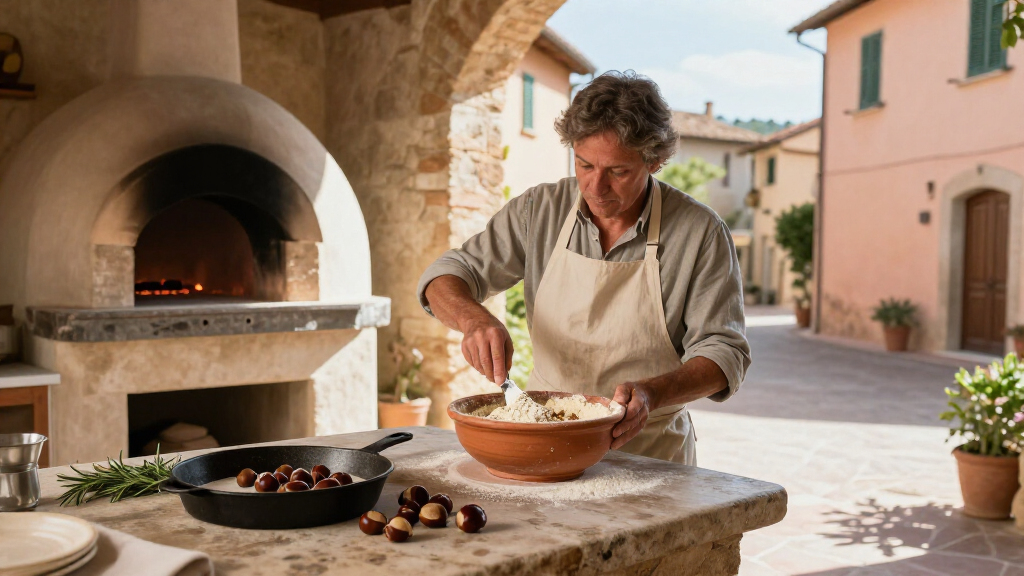
Castagnaccio’s charm lies in its simplicity and deep connection to Italy’s rural history. Made primarily from chestnut flour, it’s a cake that doesn’t rely on sugar or butter to shine. Instead, it captures the essence of the harvest season—autumn in Tuscany—when chestnuts are plentiful. The dense, moist texture comes from the natural starch of the chestnut flour, which also imparts a sweet, nutty flavor. This flavor profile isn’t just about taste; it’s a reflection of centuries of adaptation—using what nature provided to sustain communities through hard times. The earthy aroma of roasted chestnuts combined with fragrant rosemary and crunchy pine nuts isn’t just sensory pleasure; it’s a testament to resourcefulness. The rustic appearance, often topped with dried fruits and nuts, emphasizes a no-fuss approach that values flavor and tradition over visual perfection. More than a simple dessert, castagnaccio symbolizes resilience and ingenuity—showing how humble ingredients can be transformed into something nourishing and culturally significant. Each bite encapsulates a story of rural life, where necessity bred creativity, and ordinary ingredients became extraordinary culinary treasures.

As an affiliate, we earn on qualifying purchases.
The Essential Ingredients for an Authentic Castagnaccio
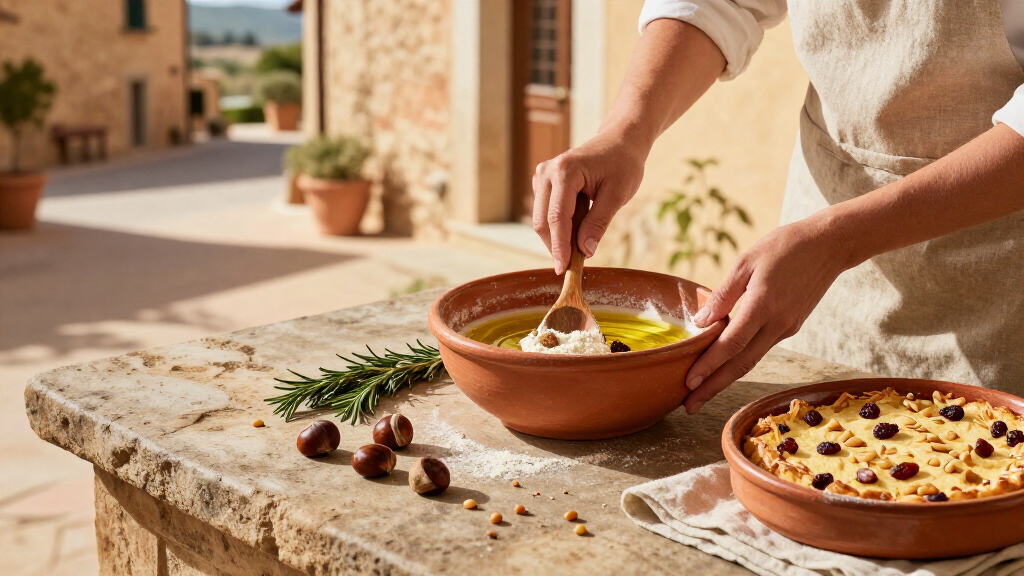
Making castagnaccio is like gathering a small treasure chest of humble ingredients, each with a story rooted in necessity and regional availability. The star, chestnut flour, is made from roasted, ground chestnuts—an age-old resource that was historically vital in Italy’s mountainous and rural areas. Its natural sweetness and earthy aroma are a direct reflection of local ecosystems, where chestnuts grew abundantly and provided a reliable food source during harsh winters. The choice of water and olive oil isn’t arbitrary; water acts as the binder, but olive oil is more than just fat—it’s a cultural symbol of Mediterranean health and flavor. Olive oil’s inclusion in castagnaccio enhances the cake’s moistness and tenderness, but it also signifies the importance of local, high-quality ingredients that offer health benefits like monounsaturated fats. Dried fruits such as raisins or currants add bursts of concentrated sweetness, balancing the earthy flavor of the chestnut flour and providing energy-dense nourishment. Pine nuts, with their delicate crunch and aromatic oils, elevate the texture and sensory richness, while rosemary introduces an aromatic herbal note that connects the cake to its Tuscan roots. Optional ingredients like chopped chestnuts or walnuts serve to deepen texture and flavor, demonstrating how resourcefulness extended into flavor layering. These ingredients weren’t just chosen for their availability—they embodied the local land’s bounty and the community’s ingenuity in turning modest resources into a nourishing, flavorful, and culturally meaningful dessert.

How to Make Castagnaccio in 6 Easy Steps
- Mix 2 cups of chestnut flour with 1 1/2 cups of water in a bowl, stirring until smooth. The batter should be thick but pourable—similar to a dense pancake batter. Achieving this consistency is crucial because it directly influences the final texture: too thin, and the cake becomes gummy or dense; too thick, and it risks dryness or crumbliness. This step isn’t just about mixing; it’s about understanding the batter’s balance—how the moisture and starch interact to create a tender, moist crumb. Proper mixing ensures even distribution of ingredients, which contributes to a consistent baking result and reflects the importance of technique in traditional baking.
- Add 2 tablespoons of olive oil, a pinch of salt, and a handful of dried raisins or currants. Mix well to distribute the fruits evenly. The oil enhances moistness, richness, and flavor; it also helps the batter to bake evenly and develop a tender crumb. The dried fruits introduce bursts of sweetness, balancing the earthy chestnut flavor and adding complexity. The salt, although minimal, accentuates the natural flavors, highlighting the harmony of ingredients—an example of how small details influence the overall taste.
- Pour the batter into a greased baking dish—traditionally a round or rectangular tin—and spread evenly. The shape influences baking time and presentation, but the key is an even layer to ensure uniform cooking. An uneven surface might lead to inconsistent baking or texture. This step emphasizes the importance of presentation and even heat distribution, both vital in traditional and modern baking.
- Sprinkle a generous handful of pine nuts and chopped rosemary over the top. This not only adds crunch and aroma but also signifies regional authenticity. Toasting the pine nuts during baking releases their oils and deepens their flavor, symbolizing how slight variations in preparation can elevate the final product. The rosemary infuses the cake with a fragrant, pine-like aroma—an aromatic signature that connects the cake to its Tuscan origins and highlights how regional herbs can define a dish’s character.
- Bake at 180°C (350°F) for about 30-35 minutes. The top should turn golden, and a toothpick inserted in the center should come out clean. Monitoring the baking process is essential; overbaking can dry out the cake, while underbaking leaves it gummy. The golden hue and aroma are indicators of doneness. This step underscores the importance of attentiveness in baking—a small difference in time or temperature can significantly alter the texture and flavor, reflecting the traditional wisdom passed through generations.
- Let it cool slightly before slicing. Serve plain, with honey, or a dusting of powdered sugar for extra sweetness. Resting allows the flavors to settle and the texture to firm up, making slicing easier and presentation more appealing. Serving at the right moment enhances the sensory experience—warm enough to release aroma but cooled enough to slice cleanly—showing how timing and patience are vital in traditional baking.
This process is straightforward but layered with subtlety. Each step influences the final outcome, and understanding the purpose behind each allows for adaptation—adding citrus zest, experimenting with different dried fruits, or adjusting baking times. This flexibility reflects the cake’s roots as a humble, resourceful dish that rewards attention and care. With practice, you can craft a castagnaccio that respects tradition while making it uniquely your own—an edible testament to Italy’s rural ingenuity and culinary heritage.
Regional Twists and Modern Variations You Can Try
While Tuscany is the birthplace of castagnaccio, regional adaptations reveal the cake’s versatility and adaptability to local tastes and ingredients. In Liguria, for example, chefs often incorporate a splash of local white wine or lemon zest into the batter. These additions aren’t just flavor enhancements—they reflect regional preferences for bright, aromatic notes that cut through the dense earthiness of the chestnut base. The wine adds a subtle acidity and complexity, while lemon zest introduces a fresh citrus aroma that elevates the traditional profile. In Emilia-Romagna, chopped walnuts are used instead of pine nuts, providing a heartier, earthier crunch. This substitution isn’t arbitrary; it echoes the region’s culinary tradition of nut-based desserts and showcases how regional ingredients can redefine the cake’s texture and flavor. Modern cooks also experiment with ingredients like dark chocolate chunks, orange zest, or a drizzle of honey after baking. These innovations demonstrate the cake’s inherent flexibility—turning a humble, rustic dessert into a contemporary delight. Incorporating warm spices such as cinnamon or cardamom adds depth and comfort, appealing to modern palates craving both familiarity and novelty. Imagine a slice with dark chocolate swirls and a sprinkle of sea salt—such combinations are not just trendy but serve as a testament to how traditional recipes can evolve. These variations are more than just flavor experiments; they’re a dialogue between history and innovation, showing how a simple cake can be a canvas for creativity while respecting its roots.

Health Benefits and Why It Fits Today’s Diet Trends
Castagnaccio isn’t just a nostalgic treat; it’s a nutritional powerhouse that aligns with contemporary health-conscious lifestyles. Chestnut flour, being naturally gluten-free, offers a complex carbohydrate source rich in dietary fiber, which supports healthy digestion and helps maintain steady blood sugar levels. Its high vitamin and mineral content—including potassium, magnesium, and B vitamins—contribute to overall well-being by supporting cardiovascular health, nerve function, and energy production. The natural sweetness derived from dried fruits reduces the need for added refined sugars, making it a more wholesome alternative to many commercial desserts. The inclusion of olive oil introduces monounsaturated fats, which are linked to improved cholesterol profiles and reduced heart disease risk. This combination of ingredients exemplifies a balanced approach to indulgence—delivering flavor and satisfaction without compromising health. Additionally, the cake’s simplicity means it contains no artificial additives or preservatives, aligning with the clean eating movement. For vegans and those with gluten sensitivities, castagnaccio naturally fits into their diets—simply by omitting any animal-derived ingredients. Its nourishing qualities reflect a broader trend of returning to roots—embracing traditional, minimally processed foods that promote health and sustainability. Enjoying a slice of castagnaccio becomes a way to connect with Italy’s rural wisdom, where food was both nourishment and medicine—proof that humble ingredients can be both delicious and beneficial.

Serving, Storing, and Pairing Your Castagnaccio
Traditionally, castagnaccio is served at room temperature, which allows its dense, moist texture and rich flavors to fully develop. Serving it plain highlights its earthy, nutty qualities, but adding a drizzle of honey or a dusting of powdered sugar can elevate the experience, creating a delightful contrast between sweet and savory notes. Pairing it with a simple cup of black coffee or a glass of sweet Vin Santo enhances the cake’s rustic charm, complementing its hearty flavors with a touch of elegance. For a more indulgent presentation, warm slices can be topped with whipped cream or mascarpone, adding richness and a creamy counterpoint to its dense texture. Resting the cake after baking is crucial; it allows the flavors to meld and the moist crumb to settle, making slicing cleaner and more aesthetically pleasing. Proper storage is also key—keep it in an airtight container at room temperature for up to three days, or refrigerate for up to a week for longer freshness. Reheating slices gently in the oven or microwave helps revive its moistness and aroma, maintaining its comforting qualities. Visualize a rustic Tuscan table: a slice of castagnaccio on a wooden platter, paired with figs or dried apricots, accompanied by a glass of dessert wine or a robust espresso. Its hearty nature makes it suitable for casual family gatherings, outdoor festivals, or even picnic baskets. The cake’s robust profile and satisfying texture make it a versatile centerpiece, inviting you to explore its cultural roots and enjoy its timeless flavors in various settings.

Frequently Asked Questions
What is chestnut flour, and where can I buy it?
Chestnut flour is made from roasted, ground chestnuts. It’s available in specialty food stores, Italian markets, or online. Look for DOP (Protected Designation of Origin) labels from regions like Tuscany or Piedmont for authentic quality.Is castagnaccio suitable for gluten-free diets?
Yes, since it’s made from chestnut flour, which is naturally gluten-free. Just double-check that other ingredients, like dried fruits or toppings, don’t contain gluten additives.Can I make castagnaccio vegan or dairy-free?
Absolutely. Omit any eggs or dairy, replacing milk with plant-based options like almond or soy milk. Olive oil remains the best fat source, keeping the cake moist and flavorful.How do I store castagnaccio?
Keep it in an airtight container at room temperature for up to three days. For longer storage, refrigerate for up to a week. Reheat slices gently to restore moisture and aroma.Are there variations of castagnaccio outside Italy?
Similar chestnut-based cakes exist in France and Spain, often with local ingredients like orange zest or different nuts. Each region’s version reflects local tastes and available ingredients.Conclusion
Castagnaccio stands as a testament to how humble ingredients, when combined with ingenuity, create something truly special. Its rustic charm and adaptable nature make it more than just a dessert; it’s a slice of Italy’s countryside, history, and soul. Whether you stick to tradition or put your own twist on it, this cake reminds us that sometimes, the simplest recipes are the most rewarding. Next time you’re craving something both comforting and authentic, reach for chestnut flour—your kitchen’s secret weapon for turning basic into brilliant.Halloween Picks
halloween
As an affiliate, we earn on qualifying purchases.