TL;DR

Get kitchen staples and gadgets delivered free with Prime
- Fast, free delivery on millions of items
- Prime Video, Amazon Music and more included
- Member-only deals all year
Granita Siciliana at home starts with a strongly flavored, slightly oversweetened base poured into a shallow metal pan and scraped every 30 minutes for 3 to 4 hours. Use espresso or moka coffee, concentrated almond paste, or fresh lemon juice, then serve the moist crystals slightly softened, ideally with brioche col tuppo.
Sicilian granita is neither a snow cone nor an ordinary sorbet that missed its turn in an ice-cream machine. It should arrive on your spoon as moist, glittering crystals, cold enough to wake you up but soft enough to fold into warm brioche. On a July morning in Catania, that combination can be breakfast rather than dessert.
You can recreate that pleasure with a metal pan, a fork, and a freezer. The real work lies in choosing a concentrated flavor, using enough sugar, and scraping on schedule. You will learn practical formulas for coffee, almond, and lemon granita, plus ways to rescue a batch that freezes too hard.
The details connect your kitchen to specific Sicilian habits. Coffee granita gains richness from a cap of barely sweetened cream, almond granita needs more body than boxed almond drink usually provides, and lemon granita keeps its fragrance when you add the juice after the syrup cools. Follow those cues and you get granita with regional character, not simply flavored ice.
Make the unfrozen base slightly sweeter and more intense than you want the finished granita because freezing mutes both flavor and sweetness.
Use a shallow metal pan and scrape the mixture every 30 minutes for 3–4 hours to build small, moist crystals.
Start coffee granita with 500 ml strong espresso or moka coffee, almond granita with 180–220 g concentrated paste, and lemon granita with 120–150 ml fresh juic…
Treat sugar as a texture ingredient, not just a sweetener; removing too much creates a hard block.
Serve granita slightly softened on the day it is made, with brioche col tuppo and flavor-specific garnishes.
Granita Siciliana at Home
Coffee, almond, and lemon done right: build a concentrated, slightly oversweetened base, freeze it in a shallow metal pan, and scrape on schedule for moist, glittering crystals that fold easily into warm brioche col tuppo.
Match the base to the flavor
Freezing mutes sweetness and aroma, so the chilled liquid should taste slightly more intense than the finished dessert. These ratios are reliable starting points—not rigid commandments.
Coffee Granita
Use coffee strong enough to remain expressive when frozen. Dissolve the sugar while hot, then cool completely.
Almond Granita
Check the paste first. Its natural oils and solids give the crystals body; thin drinking almond milk usually does not.
Lemon Granita
Make the syrup first. Add fresh juice only after it cools to protect the lemon’s fragrant, floral edge.
Five moves to small, moist crystals
Granita freezes as one flavored mixture. Regular scraping breaks up forming ice before large, hard crystals can take over.
Dissolve
Fully dissolve sugar in the coffee, water, or warm syrup.
Flavor and chill
Add the flavoring as directed and chill the base thoroughly.
Freeze shallow
Pour into a shallow metal pan for fast, even chilling.
Scrape inward
After 30–45 minutes, pull frozen edges toward the center.
Repeat and fluff
Scrape every 30 minutes; stir vigorously before serving.
What changes—and what goes wrong
Coffee relies on brewing strength, almond gains body from fat and solids, and lean lemon reacts most sharply to sugar changes.
| Decision | Coffee | Almond | Lemon |
|---|---|---|---|
| Best flavor source | ✓Espresso or moka | ✓Concentrated paste | ✓Fresh juice and zest |
| Key texture force | Dissolved sugar softens bitter coffee ice | Almond fats and solids add creamy body | Syrup controls a lean, acid-rich mixture |
| Avoid | ✗Weak filter coffee | ✗Thin almond drink | ✗Heating fresh juice |
| Sugar adjustment | ~Match roast bitterness | ~Check sweetened paste first | ~Match the fruit’s acidity |
| Classic finish | Lightly sweetened whipped cream | Toasted almond slivers | Fine fresh lemon zest |
Precision helps: a 30 g sugar change—roughly two tablespoons—can move lemon granita from bright and firm toward slushy, or from spoonable toward hard.
The soft-freeze balancing act
The goal is enough structure to hold a spoon, with enough softness that the spoon never has to fight. Sugar, concentration, pan depth, and scraping all work together.
Sugar is the texture dial
Move too far in either direction and the result loses its Sicilian character.
Rescue the batch
Texture problems are usually reversible if you correct them before serving.
The chain behind authentic texture
Softened, fresh, and ready for breakfast
Eastern Sicilian granita, especially around Catania and Messina, is often notably smooth and creamy. Other island styles may show brighter crystals, but none should resemble syrup poured over shaved ice.
Let the crystals relax
Serve slightly softened rather than rock-hard. Scrape and stir immediately before spooning into chilled glasses.
Add warm brioche col tuppo
Tear the domed Sicilian brioche and fold its soft crumb into the cold granita—a classic hot-weather breakfast.
Enjoy it the same day
Freshly scraped crystals are lightest and most fragrant. Refrozen granita usually becomes denser and coarser.
What Makes Your Granita Taste Sicilian Rather Than Merely Icy
Granita Siciliana at home succeeds when you build a dense flavor base and freeze it into small, moist crystals instead of a dry mound of shaved ice. Water, sugar, and one concentrated ingredient form the basic structure. Dairy is optional, while patient scraping creates the texture.
Granita developed in Sicily from older methods that used mountain snow or stored ice to chill sweetened flavorings. According to madtasting.com [1], its defining quality is a soft, spoonable texture made from countless small ice crystals. Think of sugar as the mortar between icy bricks: too little and the wall locks solid; enough and your fork can pull it apart.
Texture changes as you travel across the island. Around Catania and Messina, you often meet granita that looks unusually smooth and creamy, while versions elsewhere may display larger, brighter crystals. Neither style should feel like frozen syrup poured over crushed ice. The flavor and water freeze together, which gives every crystal the taste of coffee, almond, or citrus.
A useful real-world test happens before freezing. Taste one teaspoon of the chilled base. It should seem slightly sweeter and more intense than the finished dessert you want, because cold temperatures mute sweetness and aroma. If a lemon mixture tastes merely pleasant at refrigerator temperature, it will probably taste thin after three hours in the freezer.
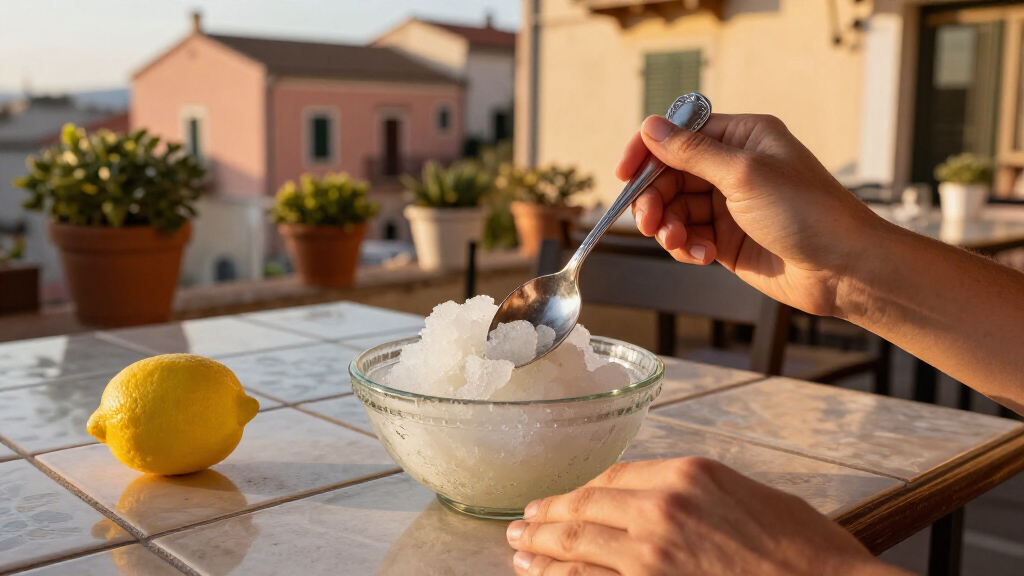
The core tension is simple: freeze the mixture firmly enough to hold a spoon, but softly enough that the spoon never has to fight it.
shallow metal baking pan for freezing
As an affiliate, we earn on qualifying purchases.
As an affiliate, we earn on qualifying purchases.
Choose the Right Formula for Coffee, Almond, or Lemon
Granita Siciliana at home becomes much more reliable when you match the sugar level and preparation to the flavor. Coffee needs enough sweetness to soften its bitterness, almond paste brings its own sugar and fat, and lemon needs a cooled syrup that protects the juice’s fresh, floral edge.
| Flavor | Base for about 4 servings | What shapes the texture | Main mistake |
|---|---|---|---|
| Coffee | 500 ml strong coffee and 90–120 g sugar | Dissolved sugar keeps bitter coffee ice soft | Using weak filter coffee |
| Almond | 500 ml water and 180–220 g almond paste | Almond fat and solids create extra body | Adding sugar before checking the paste |
| Lemon | 400 ml water, 100–130 g sugar, and 120–150 ml juice | Acid sharpens flavor while syrup controls hardness | Heating the fresh juice |
These quantities are starting points, not rigid commandments. A dark, smoky espresso may need the full 120 g of sugar, while a naturally sweet almond paste may need none beyond what it already contains. When using tart winter lemons, you might prefer 130 g of sugar; with sweeter fruit, 110 g can be enough.
Imagine preparing all three for a Sunday lunch. The coffee base pours like black satin, the almond mixture looks pale and opaque, and the lemon syrup shines almost clear. They share a technique, but they do not freeze identically. Almond solids slow crystal growth, while the lean lemon mixture responds more sharply to small changes in sugar.
Use a digital scale when you can. A difference of 30 g of sugar is about two tablespoons, yet it can separate a firm, bright lemon granita from one that bends toward slush. Precision gives you a repeatable starting point; your fruit, coffee, and preferred sweetness still get the final say.
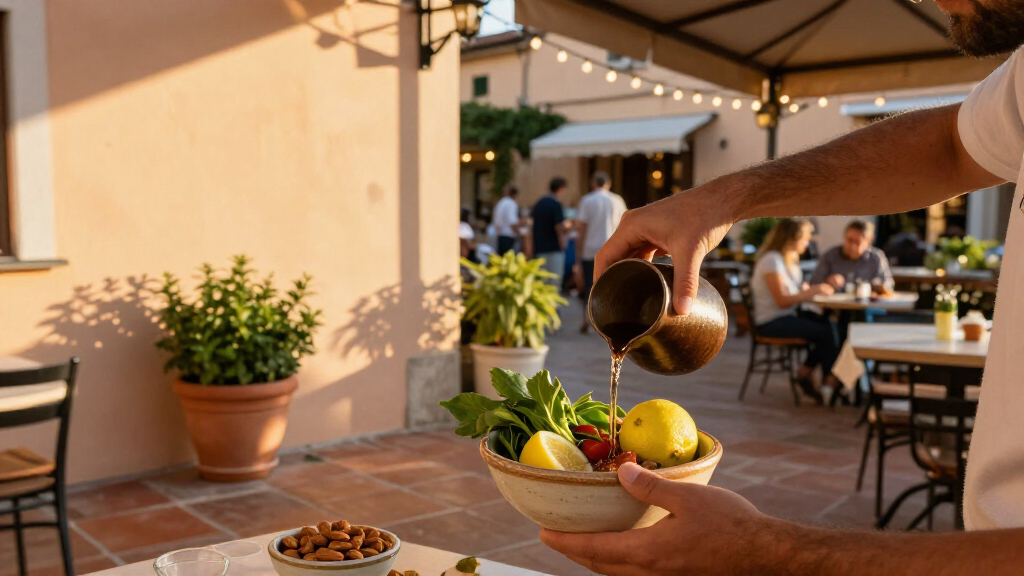
Make Coffee Granita With the Bitterness and Cream in Balance
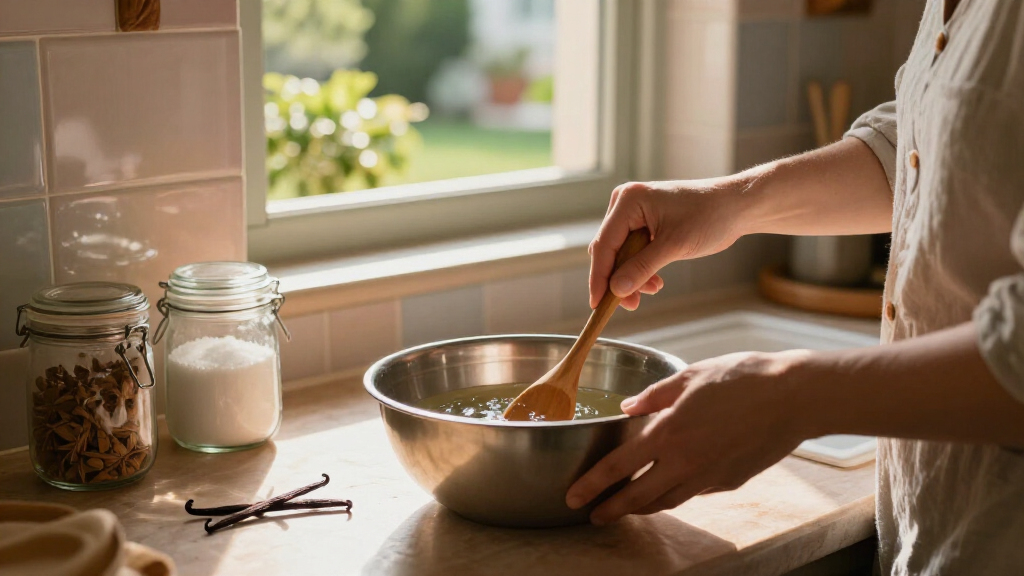
Granita Siciliana at home tastes most convincing in its coffee form when you brew 500 ml of strong espresso or moka-pot coffee, dissolve 90–120 g of sugar while it is hot, and cool it fully before freezing. Mild filter coffee usually turns watery once frozen.
Start with beans you enjoy drinking without milk. A classic dark roast gives the granita a deep, toasted aroma, while a medium roast can bring cocoa, citrus, or red-fruit notes. If your moka pot makes roughly 250 ml at a time, brew two full pots rather than diluting one with water.
Stir the sugar into the hot coffee until no grains remain, then taste after chilling. The base should feel one step sweeter than your ideal cup. You can add a small strip of lemon zest while it cools, a restrained Sicilian touch that lifts the aroma without turning the granita into a citrus dessert.
For a Messina-style breakfast scenario, spoon the finished granita into a cold glass and add lightly sweetened or unsweetened whipped cream. The spoon travels through three layers: cool cream, bitter coffee crystals, then the soft crumb of brioche col tuppo, the domed Sicilian brioche named for its bun-like top. Sweet ice and rich cream should pull against each other, not blur into the same sugary note.
If you serve whipped cream, remember that milk is an allergen. Keep the cream at or below 40°F or 4°C, return it to the refrigerator promptly, and discard it after more than 2 hours at room temperature, following USDA food-safety guidance [2]. Decaffeinated espresso works too; strength matters more than caffeine.
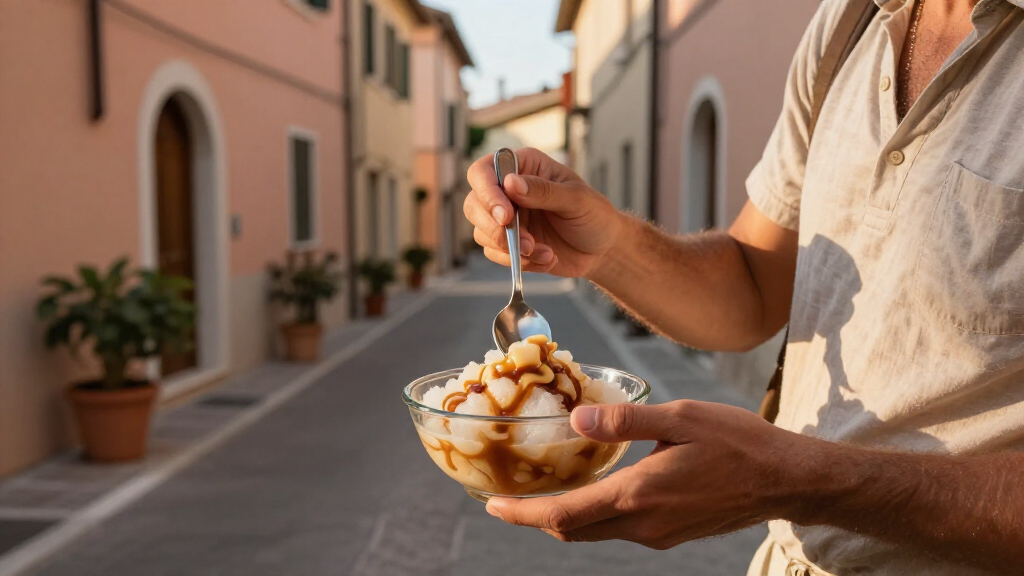
Give Almond Granita Enough Body Without Making It Heavy
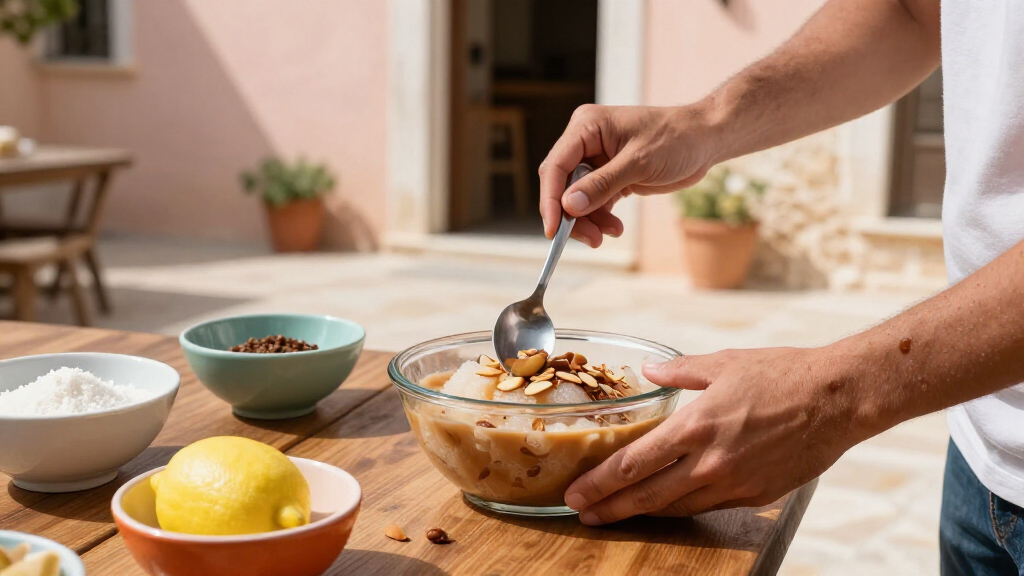
Granita Siciliana at home needs concentrated almonds, not a thin beverage designed for pouring over cereal. Blend 180–220 g of high-quality almond paste with 500 ml water, check its sugar content, and add extra sweetener only when the mixture needs it.
Good almond granita tastes pale, fragrant, and almost creamy despite containing no dairy. The natural oils and fine solids wrap around the ice crystals like a light wool coat, softening their edges. That is why almond granita freezes differently from lemon granita and why a carton containing only a small percentage of almonds produces disappointing, watery ice.
For a from-scratch batch, soak 200 g of blanched sweet almonds overnight, then blend them very finely with about 500 ml water and sugar to taste. Strain through cheesecloth for a clean finish, or leave some pulp for a thicker, more rustic spoonful. If you find almonds sold as Mandorla di Avola, almonds associated with southeastern Sicily around Avola and Noto, their perfume suits this preparation beautifully.
A tiny drop of food-grade bitter-almond flavoring can deepen the marzipan aroma, but stop before the kitchen smells like candy extract. Never use raw bitter almonds; they can contain compounds that release cyanide. Almonds are also a tree-nut allergen, so label the dessert clearly and prevent contact with utensils intended for guests with allergies.
Suppose your paste already contains 50 percent sugar. Adding another 150 g without checking the label can leave the pan soft and syrupy after hours of freezing. Blend first, chill a spoonful, and adjust in 10–15 g increments. You want a clean almond finish, not sweetness that coats your tongue.
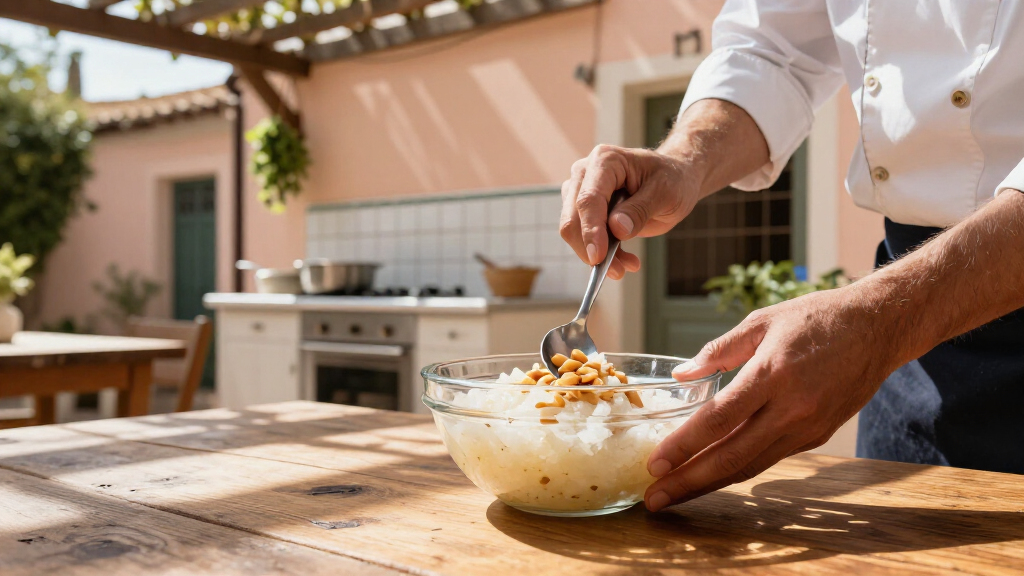
Keep Lemon Granita Bright, Fragrant, and Free of Bitterness
Granita Siciliana at home keeps its liveliest lemon aroma when you dissolve 100–130 g sugar in 400 ml water, cool that syrup, and only then stir in 120–150 ml fresh juice. Heating the juice drives away the delicate aroma that makes freshly cut citrus smell vivid.
Finely grate the yellow outer skin of one untreated lemon into the warm syrup. Stop when you reach the white pith; that layer brings a blunt bitterness no amount of sugar can fully hide. Once the syrup cools, add the juice and strain the mixture if you want crystals without visible curls of zest.
If available, try Limone di Siracusa IGP from southeastern Sicily or Limone Interdonato Messina IGP from the island’s northeastern coast. The IGP mark, meaning Protected Geographical Indication, links each fruit to its production area and recognized qualities. Your local unwaxed lemon can still make excellent granita, but fresh fruit always beats bottled juice here.
Imagine tasting the base after making lemonade all summer. Your instinct may say it is too sharp and too sweet. Give it a minute: the freezer will lower the volume on both notes, like closing a kitchen door on lively conversation. A properly mixed base becomes clean, brisk, and fragrant once frozen rather than sour ice that makes your jaw tense.
For a modern variation, replace no more than a small portion of the lemon with bergamot, or steep a few basil leaves in the warm syrup and remove them before freezing. Treat these as contemporary additions, not established rules. The classic Sicilian lesson remains beautifully plain: fresh juice, fragrant zest, balanced syrup.
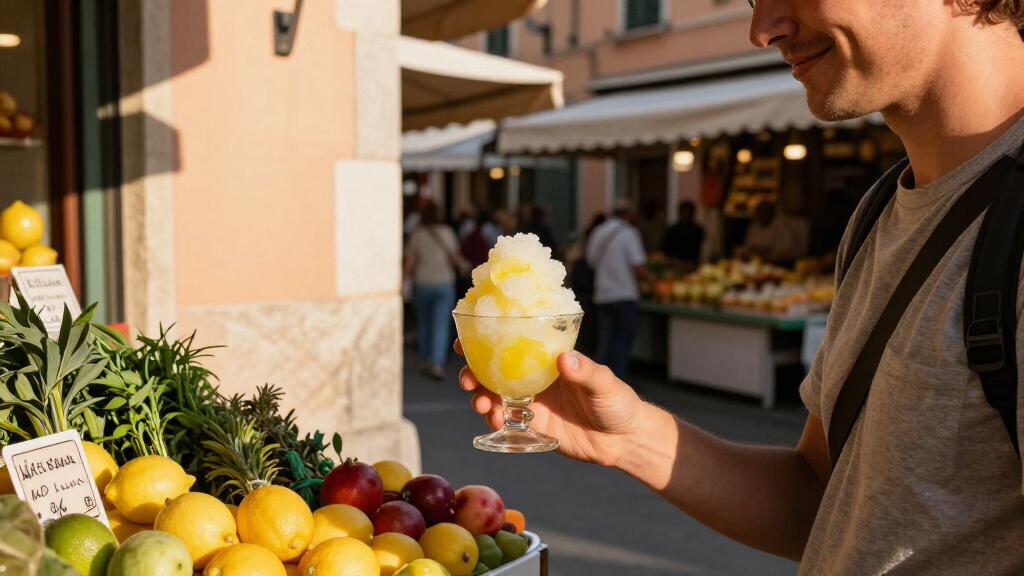
Follow This Freezing Schedule for Fine, Spoonable Crystals
- Dissolve the sugar completely in the liquid or warm syrup.
- Add the flavoring as directed, then chill the base thoroughly.
- Pour it into a shallow metal container, creating a layer about 1 inch deep.
- Freeze for 30–45 minutes, then scrape the firm edges into the center.
- Repeat every 30 minutes for 3–4 hours.
- Before serving, scrape and beat the crystals briefly with a fork.
This six-step schedule produces fine granita because it breaks forming ice before large crystals can take over. A cold base and shallow metal pan speed the process, while scraping every 30 minutes keeps the texture moist, even, and easy to spoon.
Your first scraping may feel uneventful: only a thin frozen rim clings to the pan. Pull that rim inward anyway. By the third round, the fork will make a dry, musical rasp and leave furrows through the mixture. Each pass is like raking a tiny frozen garden; neglect it and the surface grows into one hard sheet.
More sugar gives you softer ice and slower freezing. Less sugar creates firmer crystals, while almond fat and solids add body. Alcohol softens frozen mixtures so strongly that even a modest pour can stop a batch from setting. If you add a splash of liqueur, reserve it for an adults-only serving, keep the amount small, and drink responsibly.
An ice-cream machine can produce finer crystals, but it is not required. Churn the cold base according to the machine’s directions and stop while the granita remains slightly loose. A machine makes the road smoother; it does not fix weak coffee, diluted almond flavor, boiled lemon juice, or a badly balanced sugar ratio.
If the pan freezes solid, leave it at room temperature for 10–15 minutes, break the surface into chunks, and pulse briefly in a food processor. Stop while the mixture still resembles damp crystals. Blending until liquid only sends you back to the start of the freezing process.
Serve Granita the Sicilian Way and Keep Leftovers Worth Eating
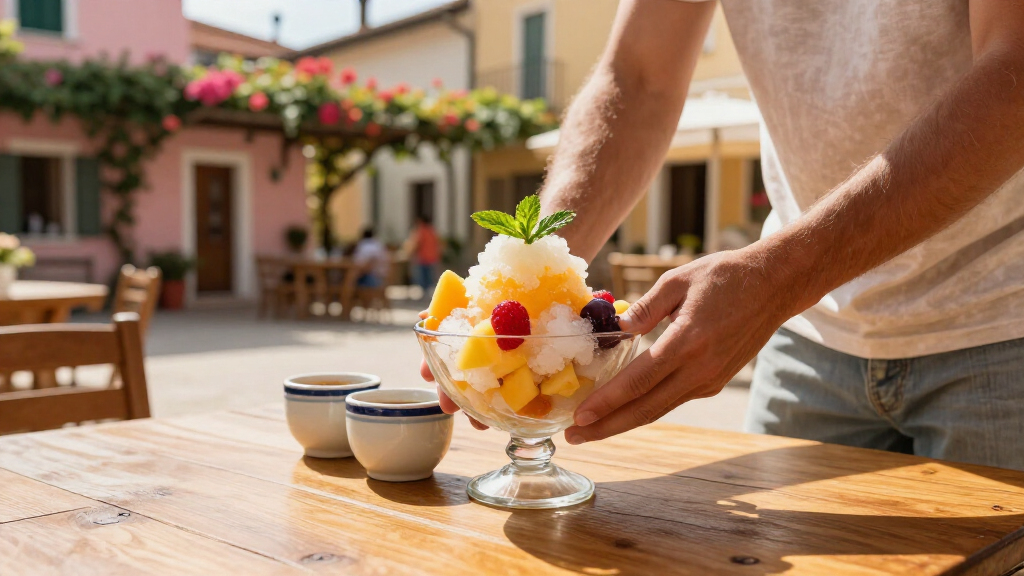
Serve granita slightly softened, in chilled glasses or bowls, when a spoon passes through without force. Coffee welcomes barely sweetened whipped cream, almond pairs with a few toasted almond flakes, and lemon is often best left plain. Warm brioche col tuppo turns any flavor into a Sicilian-style breakfast.
Take the container from the freezer about 10 minutes before serving, depending on room temperature. Scrape from edge to center, then stir just enough to loosen the crystals. At the table, tear off a piece of brioche and dip it into the melting edge, where cold granita soaks into the buttery crumb.
Brioche commonly contains wheat, egg, milk, and sometimes butter, while almond granita contains tree nuts and whipped cream contains milk. Tell guests what is in each component and use separate serving spoons. The granita bases themselves can be dairy-free, which makes lemon or plain coffee versions useful plant-based desserts when served without cream or traditional brioche.
Granita has its finest texture on the day you make it. Cover leftovers tightly so the surface does not dry out or collect the smell of garlic, fish, or last week’s pesto. For the best balance of flavor and texture, eat it within 1–2 days, letting it soften briefly and scraping it again before each serving.
A practical dinner-party move is to make the flavored base the night before and refrigerate it in a covered container. Start freezing four hours before guests arrive, scrape between other kitchen jobs, and serve lemon granita after grilled fish or a rich pasta. The result feels calm and deliberate: a cold, fragrant finish made with a fork rather than elaborate equipment.
Frequently Asked Questions
Is granita the same as sorbet?
No, granita and sorbet have different textures. Sorbet is usually churned with steady movement to create a smooth, aerated body, while granita remains denser and deliberately crystalline. Some eastern Sicilian granitas are very fine, but you should still feel tiny, moist crystals on the spoon.
Can I make granita without an ice-cream machine?
Yes, a fork and shallow metal pan are enough. Freeze the chilled mixture for 30–45 minutes, scrape the edges inward, and repeat every 30 minutes for 3–4 hours. This hand method gives you direct control over crystal size.
Why did my granita freeze into a solid block?
A solid block usually points to too little sugar, missed scraping, or long storage. Let the container stand for 10–15 minutes, break up the ice, and pulse it briefly in a food processor. Stop when you regain separate, damp crystals, before the mixture turns liquid.
Can I reduce the sugar in granita?
You can make a small reduction, but sugar controls hardness as well as sweetness. Cutting it heavily allows more water to freeze solid, creating hard, sharp ice. Reduce in 10–15 g steps and test a small batch rather than removing half the sugar at once.
Can I use regular almond milk for almond granita?
Regular almond drink works only when it contains enough almonds to deliver strong flavor and useful solids. Many cartons taste thin after freezing. Concentrated almond milk, homemade almond milk, or 180–220 g almond paste per 500 ml water produces a fuller result.
Should I heat lemon juice when making granita?
Do not heat the fresh lemon juice if you want its brightest aroma. Warm the water with the sugar and zest, let the syrup cool, then stir in the juice. This protects the fresh citrus fragrance that boiling quickly dulls.
How long can homemade granita stay in the freezer?
Covered granita remains frozen longer, but its best texture lasts about 1–2 days. Ice crystals grow during storage, making the mixture harder and coarser. Let older granita soften for 10–15 minutes and scrape it vigorously before serving.
Conclusion
Your best batch will come from one habit: taste boldly before you freeze. Make the base stronger and a little sweeter than seems natural, then give it a shallow pan, regular scraping, and time. That simple rhythm matters more than expensive equipment, whether your kitchen smells of dark moka coffee, crushed almonds, or fresh lemon zest.
Start with one flavor and learn how your freezer behaves. When the fork finally glides through soft, glittering crystals, spoon them beside warm brioche and eat before the edges melt. For a moment, breakfast in Catania or Messina will feel less like a distant travel plan and more like something waiting at your own table.
Halloween Picks
halloween
As an affiliate, we earn on qualifying purchases.