TL;DR

Get kitchen staples and gadgets delivered free with Prime
- Fast, free delivery on millions of items
- Prime Video, Amazon Music and more included
- Member-only deals all year
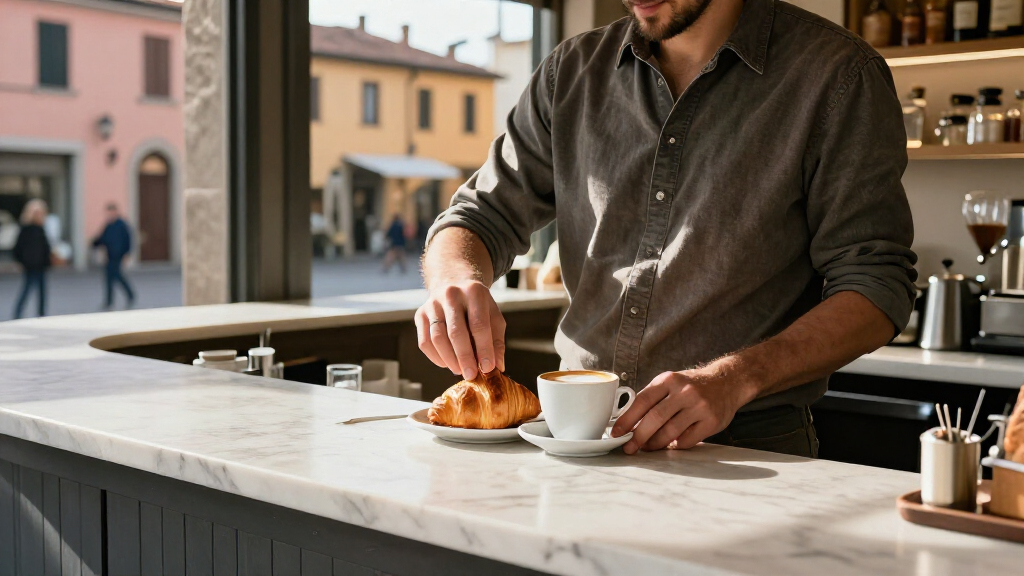
A common Italian breakfast is a cappuccino and cornetto, eaten at home or at a café bar, often while standing at the counter before work. The routine varies by region and season: in Sicily, granita with soft brioche is a warm-weather favorite, while other people choose biscuits, yogurt, bread, or simply espresso. When you visit, watch how customers pay, order plainly, and treat the bar as a working neighborhood stop rather than a single national template.
At eight in the morning, a café bar can sound like a small orchestra: cups click against saucers, the espresso machine hisses, and someone tears into a flaky pastry before the next train. That familiar pairing of cappuccino and cornetto is a useful way to understand Italian breakfast, or colazione (breakfast), but it is only one version of the morning.
In Italy, a bar usually means a café serving coffee, pastries, and other drinks. You might stand at the counter for a quick bite, sit at a table, or eat breakfast at home. The pace and menu shift with the region, season, and daily schedule.
This guide explains what to order, how the bar routine works, and why a Sicilian summer breakfast can look nothing like a weekday stop in Milan. You’ll leave with practical Italian phrases and a clearer sense of how to make your own morning visit feel relaxed.
A cappuccino with a cornetto is a common Italian breakfast, often eaten quickly at a café counter.
In Italy, a bar usually means a café; check whether you pay at the till or counter because routines vary.
Cornetto and croissant are similar, but cornetti can be softer, sweeter, or filled.
Sicilian granita with soft brioche is a recognizable warm-weather breakfast option in Sicily.
Ask about ingredients and plant-based milk directly, especially when allergies or dietary needs matter.
A field guide to Italian colazione
How Italians Do Breakfast: Cornetto, Cappuccino, and the Morning Bar
A familiar morning pairing, served at home or at a neighborhood bar: coffee, pastry, and a few minutes before the day gathers speed. Regional tastes and local routines make every stop its own.
A small, sweet start
A common Italian breakfast is light and sweet: coffee with a pastry, often eaten quickly before work or school. It is a useful starting point, not a national rule.
Flaky, crescent-shaped
Similar in shape to a croissant, but recipes can differ. Cornetti may be softer or sweeter, served plain or filled with jam, custard, chocolate, or honey.
Names and textures shift by region; some cafés use brioche for a similar pastry.Espresso, milk, foam
Steamed milk and foam soften the espresso into a creamy morning drink. Cappuccino is strongly associated with breakfast, though people can order it later too.
A convention, not a strict rule about what anyone may drink.A neighborhood stop
Many customers take a few bites at the counter and move on. Others sit down, linger, or have breakfast at home according to their schedule.
Table service and payment procedures vary by establishment.Order without guessing
The steps are simple. Take a moment to see how the café handles payment, then order plainly and follow the room’s pace.
Look at the pastry case
Choose what you want before reaching the counter. If a pastry is unfamiliar, point and ask: “Qual è questo?” (“What is this one?”)
Check where to pay
Some cafés ask you to pay at the till first and bring a receipt to the barista; others take payment at the counter. Watch a customer or ask: “Si paga qui?” (“Do you pay here?”)
Place a brief order
Name your drink and pastry. Add the filling if you know it, such as alla crema (with custard).
Stand or settle in
Counter service is a common quick option. Check the menu or ask about table service if you would rather sit.
The bar as a working pause
A café bar can fit between a commute, a walk, and the first appointment. Standing at the counter offers a quick way to eat and see the morning routine up close.
There is no single Italian breakfast
Pastry names, fillings, drinks, and daily habits change with place, weather, and appetite. The familiar pairing is one version among many.
Granita
+ soft brioche
Granita is finely icy and spoonable. With a soft bun, it makes a cool, sweet breakfast on a hot morning—especially recognizable in Sicily.
At home
Biscuits, bread, yogurt, cereal, coffee, or no pastry at all can suit the morning.
On a cool day
A hot cappuccino and pastry may feel right before a commute or appointment.
For changing needs
Some cafés offer plant-based milk or specialty coffee, but availability is not universal. Ask directly about ingredients and dietary needs.
Follow the room, then make it your own.
Notice whether customers pay at the till or counter, place a clear order, and choose the pace that suits you. Treat the bar as a practical neighborhood stop, not a template for the whole country.
Breakfast is often light and sweet, but habits vary. A cornetto and cappuccino, a Sicilian granita with brioche, biscuits at home, or a quick espresso can all belong to someone’s morning.
What a Cornetto and Cappuccino Breakfast Usually Looks Like
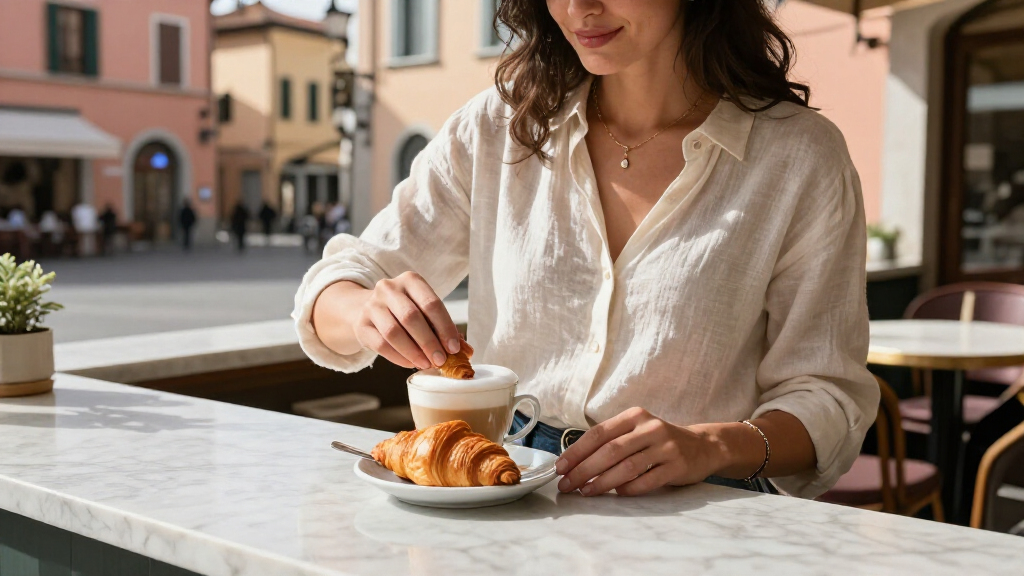
How Italians do breakfast often means a small, sweet meal built around coffee and a pastry, taken at home or at a neighborhood bar. A common bar order is a cappuccino and a cornetto, eaten quickly before work or school. Many customers stand at the counter, take a few bites, and move on with the day.
A cornetto is a crescent-shaped pastry that resembles a croissant, but the two aren’t always identical. Cornetti can be softer or sweeter, and a pastry case may offer plain versions alongside fillings such as jam, custard, chocolate, or honey. In parts of central and southern Italy, “cornetto” is a familiar name; in some other regions, you may see brioche used for a similar pastry.
A cappuccino combines espresso with steamed milk and foam. Its creamy top and the pastry’s buttery layers make a filling pair even when the portion is small. One morning in Rome, you might choose a warm cornetto filled with crema (custard) and stand beside commuters ordering espresso; in another café, a customer may take the same drink to a table and linger.
Think of this breakfast as a short pause, like opening a window before the day gets loud. It’s a familiar pattern, not a rulebook. Italians also have breakfast at home, skip a pastry, or choose something more substantial according to appetite and routine.
As an affiliate, we earn on qualifying purchases.
How to Order Without Guessing at the Counter
How Italians do breakfast at a bar is usually simple: choose your drink and pastry, then follow the café’s payment routine. Some establishments expect you to pay at the till first and bring a receipt to the counter; others let you pay at the counter. Since customs vary from place to place, watch one or two customers before you step into the flow.
- Check the pastry case. Choose what you want before you reach the counter. If you’re unsure, point and ask, “Qual è questo?” (“What is this one?”).
- Find out where to pay. Look for a till, a payment sign, or a queue. If it isn’t clear, ask, “Si paga qui?” (“Do you pay here?”).
- Place your order. Try “Un cappuccino e un cornetto, per favore” (“A cappuccino and a cornetto, please”). Say the filling if you know it, such as alla crema (with custard).
- Decide whether to stand or sit. Counter service is a common quick option. Ask about table service or check the menu if you’d rather settle in.
The routine becomes easier once you see it. Imagine arriving at a busy Florence café with a few minutes before your museum booking: you choose a jam-filled pastry, pay at the register, then take the receipt to the barista. The best practical tip is to keep your order brief and friendly; if a detail is unclear, a short question works better than guessing.
Prices and service arrangements differ by establishment and can change, so read the current menu instead of relying on an old travel tip. Table service may cost more or work differently from standing at the counter. A little observation lets you join the morning rhythm without treating each café like the same place.

Why Standing at the Bar Can Make Breakfast Feel Local
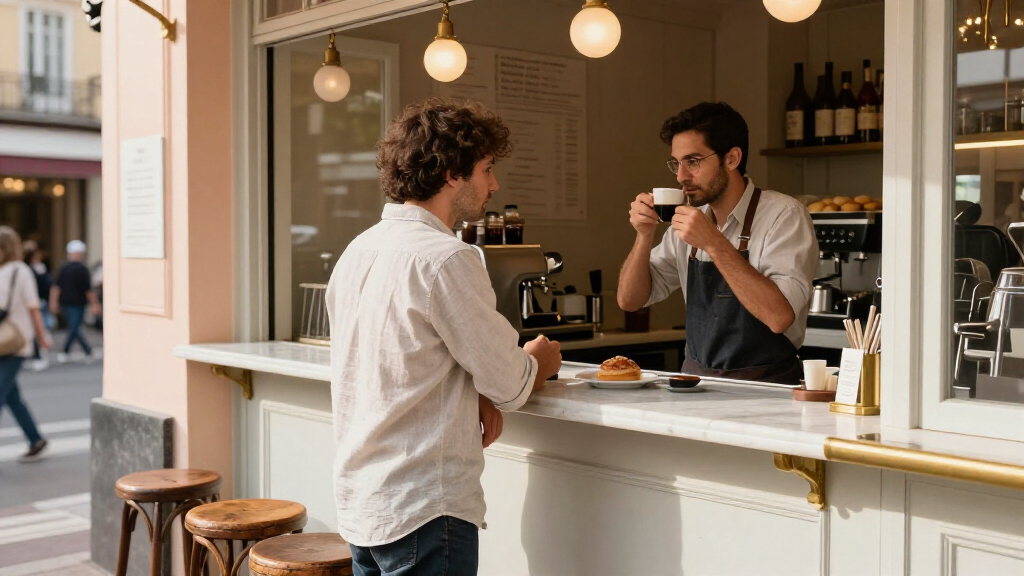
How Italians do breakfast at the bar is often quick because the café serves as a practical stop as well as a place to eat. The word bar generally refers to a café, not necessarily a cocktail lounge. A few minutes at the counter can fit between a walk, a commute, and the first appointment of the day.
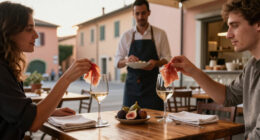
At the counter, you’ll see the working details up close: a cup placed beneath the espresso spout, milk turning silky in a metal pitcher, a pastry picked from the case. You might hear regulars order without studying the menu. That brisk pace can make the café feel like a neighborhood crossroads, where people arrive, greet the staff, and head back into the street.
For a visitor, standing service also gives you a useful way to start. Imagine you’re in Bologna on a chilly morning and have a train to catch. A cappuccino and a plain pastry at the counter let you eat without planning a long meal, and you can pay and move on according to the café’s local system.
Choosing a table can make sense if you want more time, need a place to plan your route, or are traveling with someone who prefers to sit. Check how the café handles table orders and service before settling in. The counter isn’t a test of whether you belong; it’s simply one convenient way to enjoy breakfast. Follow the room’s pace, ask when you need help, and take in the smell of coffee drifting toward the doorway.
What Changes from One Region and Season to Another
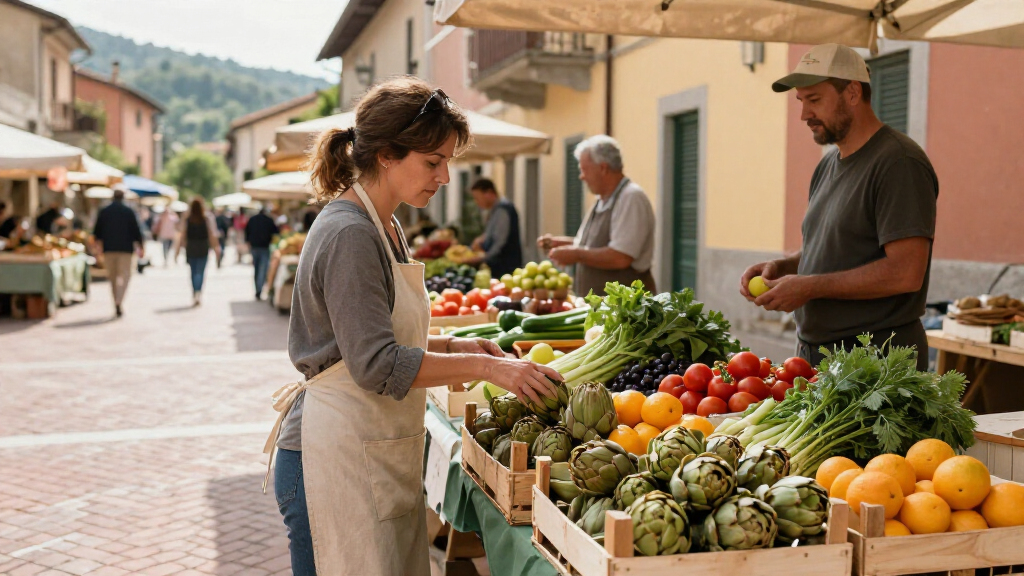
How Italians do breakfast changes with local habits, what the season brings, and what a person wants that morning. There isn’t one pastry or one café ritual that represents the whole country. A cornetto may be the familiar choice in one place, while a different regional specialty makes the morning elsewhere feel distinct.
In Sicily, granita with soft brioche is a well-known warm-weather breakfast. Granita is a finely icy, spoonable frozen treat; paired with a soft bun, it gives you a cool, sweet start on a hot day. Picture a July morning in Catania: the pavement is already warm, the granita is cold and bright with citrus, and the brioche offers a tender, bread-like contrast.
Across Italy, pastry names and recipes vary. You might see brioche used for pastries similar to a cornetto, while fillings and textures shift from one pastry case to the next. These labels can be useful clues, but they don’t promise one standard recipe. Ask what’s inside if you’re choosing between jam, custard, honey, or chocolate.
Weather affects the appeal of a breakfast, too. A hot cappuccino can feel comforting on a cool morning in Turin, while a cold granita may suit Sicily’s summer heat. That contrast is a reminder to use local menus as a guide: ask what people order that day, and let the season shape your choice rather than expecting every Italian morning to look alike.
What to Eat When You Want a Lighter or Bigger Breakfast
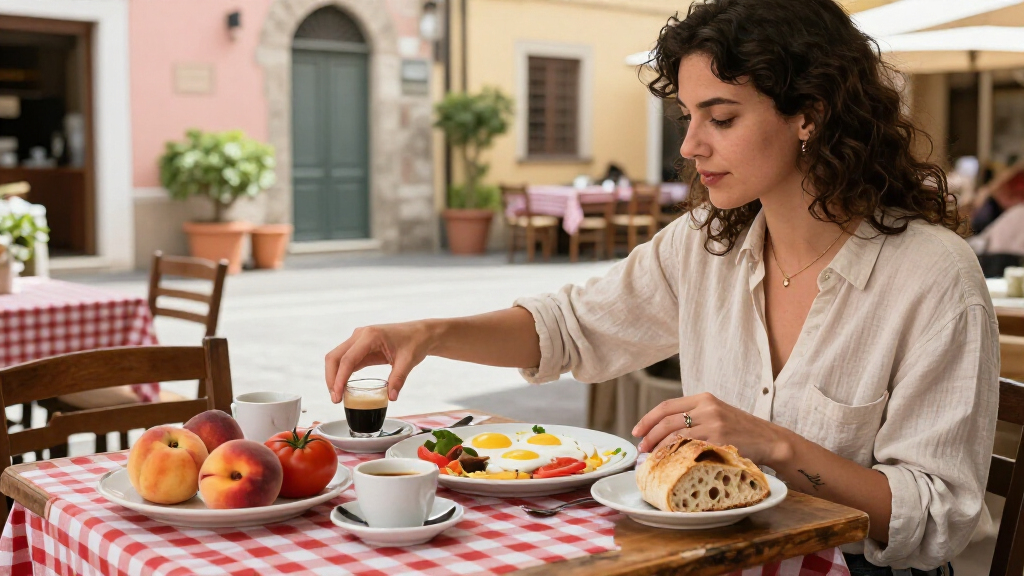
How Italians do breakfast often leans light and sweet, but plenty of people eat something other than a cappuccino and pastry. At home, you may find biscuits, bread, yogurt, or cereal; at a bar, someone may take espresso and leave without ordering food. Your own appetite and the day ahead can guide the choice.
| Morning choice | What to expect | When it may suit you |
|---|---|---|
| Cappuccino and cornetto | Coffee with milk and a crescent-shaped pastry, plain or filled | A familiar bar breakfast before work or sightseeing |
| Espresso and pastry | A smaller coffee paired with something sweet | When you want a quick stop and less milk |
| Biscuits, bread, yogurt, or cereal | Simple options often eaten at home | When you prefer breakfast at your own pace |
| Sicilian granita with brioche | Cold granita with a soft bun, especially associated with warm weather | A summery regional breakfast in Sicily |
A table like this helps you plan, but it doesn’t describe a fixed national menu. In Naples, you might stop for a sweet pastry and coffee; in a hotel, breakfast may include a buffet with choices that differ from the local bar. Check your booking to see whether hotel breakfast is included instead of assuming it comes with the room.
If you need a larger meal before a long walk, eat more at breakfast or plan a snack for later. A light morning is common for many people, but it doesn’t mean you should ignore hunger. For a traveler with an early hike near the Dolomites, a pastry alone may not be enough; yogurt, bread, or another available option can make a more satisfying start.
How to Adapt the Tradition for Your Diet
How Italians do breakfast can include familiar coffee and pastry, but your dietary needs still matter. Some cafés, especially in larger cities, offer plant-based milk or pastries made without animal products. Availability varies, and a pastry that looks plain can still contain ingredients you want to avoid.
If you avoid dairy, ask whether the café can make coffee with plant-based milk and whether the pastry contains butter or milk. If you have an allergy, ask about the ingredients directly; shared display cases and kitchen equipment can also create cross-contact. For example, a traveler avoiding nuts shouldn’t assume that a jam-filled cornetto is safe just because the filling appears simple.
A short phrase can help: “Avete latte vegetale?” means “Do you have plant-based milk?” You can ask “Cosa c’è dentro?” (“What’s inside?”) about a pastry. If staff can’t confirm an allergen detail, choose an option whose ingredients you can verify or eat somewhere that can answer clearly.
Changing coffee habits also shape some city cafés, where you may find plant-based alternatives or specialty drinks alongside traditional espresso. Those choices aren’t universal, so treat them as possibilities rather than guarantees. If you’re planning a day around a smaller town, buying a safe snack ahead of time can give you an easy backup without taking away the pleasure of stopping for a local coffee.
Frequently Asked Questions
Is a cornetto the same as a croissant?
They share a crescent shape, but recipes and textures can differ. A cornetto may be softer or sweeter, and cafés often sell filled versions with jam, custard, chocolate, or honey.
Do Italians drink cappuccino after breakfast?
People can order cappuccino later in the day, but it is most closely associated with the morning. Many choose espresso or another coffee later, though it’s a convention rather than a strict rule.
How do I order breakfast at an Italian bar?
Try “Un cappuccino e un cornetto, per favore” (“A cappuccino and a cornetto, please”). Check whether you pay at the till or counter, since the routine varies by café.
What is a typical Italian breakfast in summer?
It depends on the region and the person. In Sicily, granita with soft brioche is a well-known warm-weather choice; elsewhere, people may stick with coffee and a pastry or choose something cold.
Can I find a dairy-free or vegan breakfast in Italy?
Some cafés, particularly in larger cities, offer plant-based milk or pastries without animal products, but availability varies. Ask about milk and pastry ingredients, and check carefully if you have an allergy.
Is breakfast included at Italian hotels?
It depends on the accommodation and booking. Check the reservation details for breakfast inclusion and service hours before you plan your morning.
Conclusion
For an easy first Italian breakfast, choose a pastry that catches your eye, order a cappuccino or espresso, and take a moment to see how the café handles payment. A cornetto at a busy counter is a familiar place to start; in Sicily on a summer morning, granita with brioche may tell you more about where you are.
Follow the local rhythm, then order what you’ll enjoy. The cup will warm your hands, the pastry will leave a few flakes on your sleeve, and the street outside will already be moving.

Fall Picks
fall essentials
As an affiliate, we earn on qualifying purchases.