
TL;DR

Get kitchen staples and gadgets delivered free with Prime
- Fast, free delivery on millions of items
- Prime Video, Amazon Music and more included
- Member-only deals all year
Delica is a kabocha-type squash with typically dense, sweet flesh that works especially well roasted, mashed, or shaped into gnocchi. Mantovana is associated with the Mantua area and tortelli di zucca, but market names and textures vary, so cook for the squash’s actual moisture and taste. Choose a sound, heavy squash, roast it until tender, and dry cooked flesh before using it in pasta filling.
A squash labeled Mantovana can arrive home with a different shape or texture from the one you remember, while a dark green Delica may roast into sweet, almost chestnut-like flesh. The label gives you a clue, but your best dish depends on what the squash actually does in the pan.
This winter squash guide compares Delica and Mantovana by flavor, texture, and cooking behavior, then matches each to dishes such as roasted wedges, gnocchi, risotto, and Mantuan tortelli. You will also get practical advice for choosing, storing, and cooking squash, including how to keep a pasta filling from turning watery. Think of the varieties as two starting points, not promises: maturity, storage, growing conditions, and the individual squash all affect sweetness and moisture.
Delica is a kabocha-type squash that typically has dense, sweet flesh suited to roasting, purée, gnocchi, and risotto.
Mantovana is associated with Mantua and tortelli di zucca, but the name does not guarantee identical flavor or moisture in every market squash.
For pasta filling, cook squash until tender and remove excess moisture before mixing and filling dough.
Choose a squash that feels heavy, has firm skin, and shows no soft spots, mold, or leaks; refrigerate cut squash under cover and use it promptly.
Discard squash that tastes unusually bitter, since strong bitterness can signal cucurbitacins.
Choose by texture Cook by feel
Delica and Mantovana offer different starting points for Italian-style dishes. The squash’s actual sweetness and moisture should guide what happens next.
Two squash, different strengths
Their names suggest a direction, while each squash can vary in flavor and texture.
| What to notice | Delica | Mantovana |
|---|---|---|
| Style | Kabocha-type | Regional type linked to Mantua |
| Cooked texture | Typically dense, sweet, and relatively dry | Often aromatic; moisture and texture vary |
| Good fits | Roasting, purée, gnocchi, risotto | Tortelli filling, roasting, baked dishes |
Match the flesh to the dish
Roast or mash
Dense, sweet flesh makes creamy wedges and a useful base for purée, gnocchi, or risotto.
Build a filling
For tortelli di zucca, cook until tender and dry excess moisture before mixing and filling the pasta.
Taste as you go
Market names are clues, not guarantees. Let the cooked squash’s flavor and texture guide your recipe.
Keep tortelli filling firm
A thick filling is easier to portion and seal into pasta dough.
Roast the squash to concentrate its sweetness and drive off moisture.
Mash the flesh, then drain it or cook off excess liquid over low heat.
Traditional Mantuan fillings may include amaretti, mostarda, cheese, and nutmeg; recipes vary.
Choose and handle well
Good condition helps, even though it cannot promise a particular sweetness.
- Choose squash that feel heavy for their size and have firm, unbroken skin.
- Avoid soft spots, mold, or leaking areas.
- Cover and refrigerate cut squash, then use it promptly.
- Discard squash that tastes unusually bitter.
Use the squash’s texture to choose your dish
Delica and Mantovana are both winter squash, but Delica usually cooks up dense and relatively dry, while Mantovana is a regional type or market name associated with sweet, aromatic flesh and Mantuan cooking. That makes Delica an easy choice for roasting or gnocchi and Mantovana a natural candidate for tortelli di zucca. Those are tendencies, not guarantees.
Delica is a Japanese-type kabocha squash, commonly grown and sold in Italy. Its round, dark green skin may have lighter markings, and its thick flesh can become creamy inside while keeping its shape. Mantovana points you toward the Mantua area of Lombardy and its tradition of filled pasta, but squash sold under that name can vary in shape, skin, and moisture.
How do you use those clues at the stove? Treat a firm, dry-fleshed Delica like a good potato: roast it, mash it, or turn it into gnocchi. For a Mantovana destined for tortelli, taste the cooked flesh and check whether it needs draining. Two squash with the same label can behave differently, much as two batches of apples can differ in tartness.
| What you notice | Delica | Mantovana |
|---|---|---|
| Market identity | Kabocha-type squash | Italian regional type or market name linked to Mantua |
| Typical cooked texture | Dense, sweet, relatively dry or floury | Often described as sweet and aromatic; texture varies |
| Strong uses | Roasting, purée, gnocchi, risotto | Tortelli filling, roasting, baked dishes, risotto |
| Kitchen check | Test the rind after cooking if you want to eat it | Manage moisture before making pasta filling |
In a grocery store with only a “winter squash” sign, the shape, skin, weight, and cooked texture can tell you more than a familiar name. The season connects the varieties: mature squash are harvested with hard skins and can keep for weeks or months when stored well. For the meal you want, let the actual flesh make the final decision.

Products Worth Considering

Roborock Q7 L5 Robot Vacuum and Mop Combo, 8,000 Pa Suction

Samsung 65-Inch QN70FA Neo QLED 4K Smart TV with 8-Foot WireLogic Ruby Ultra High Speed HDMI Cable (2025)

Bose Lifestyle Ultra Wireless Soundbar with Dolby Atmos, Black
As an affiliate, we earn on qualifying purchases.
Roast Delica for creamy wedges, purée, or gnocchi
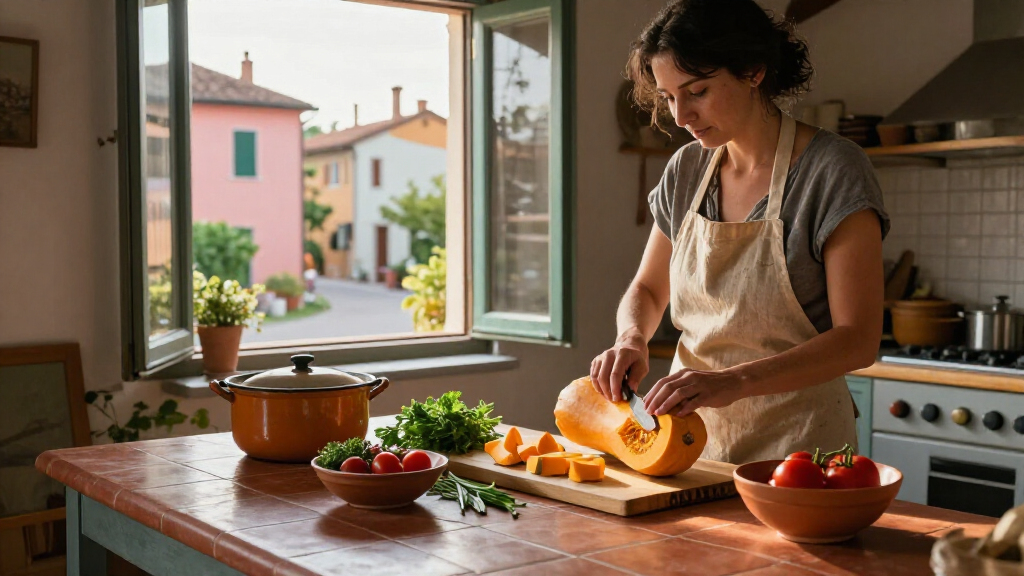
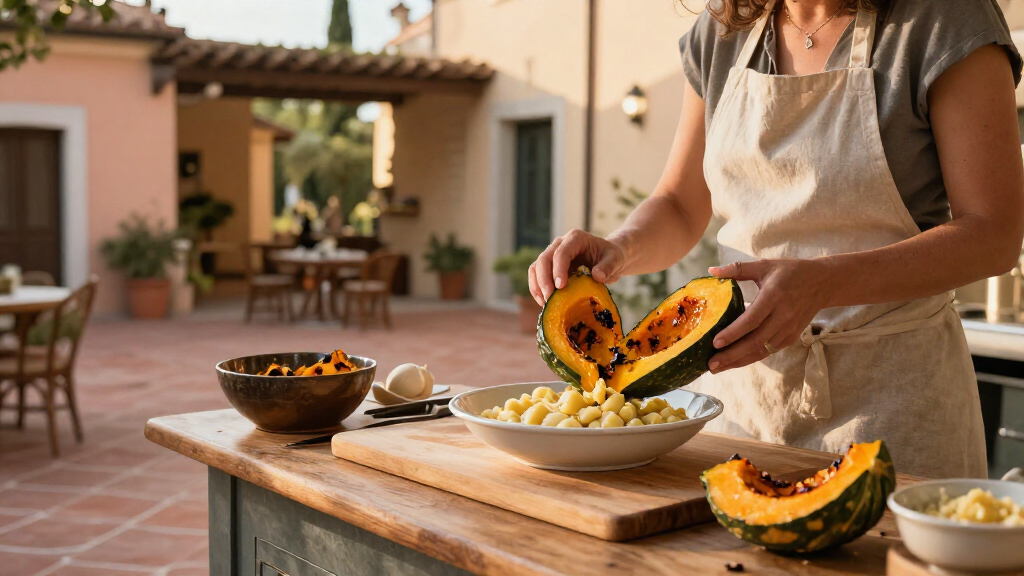
For roasting, Delica’s dense, sweet flesh is a dependable starting point: cut it into similar-sized pieces and bake until a knife passes easily through the thickest part. Roasting concentrates its flavor and leaves you with a creamy center, whether you serve wedges alongside dinner or mash the flesh for another dish. The exact cooking time depends on the variety, the size of the pieces, and your oven.
Imagine a chilly evening in Emilia-Romagna: you roast Delica wedges while water heats for dinner, then turn a second portion into a bowl of gnocchi dough the next day. The squash’s drier texture can help keep gnocchi from needing extra flour, which may otherwise make them heavy. Still, add flour gradually: even a dense squash can hold more water after steaming or boiling than after roasting.
For a risotto, you can roast the squash first, then stir in cubes or mash near the end so it brings sweetness without disappearing completely. If you make a soup, remember that dense flesh may need extra broth and thorough blending to reach a silky consistency. It is like adjusting a sauce: start with less liquid, then add a splash at a time until the spoon leaves the texture you want.
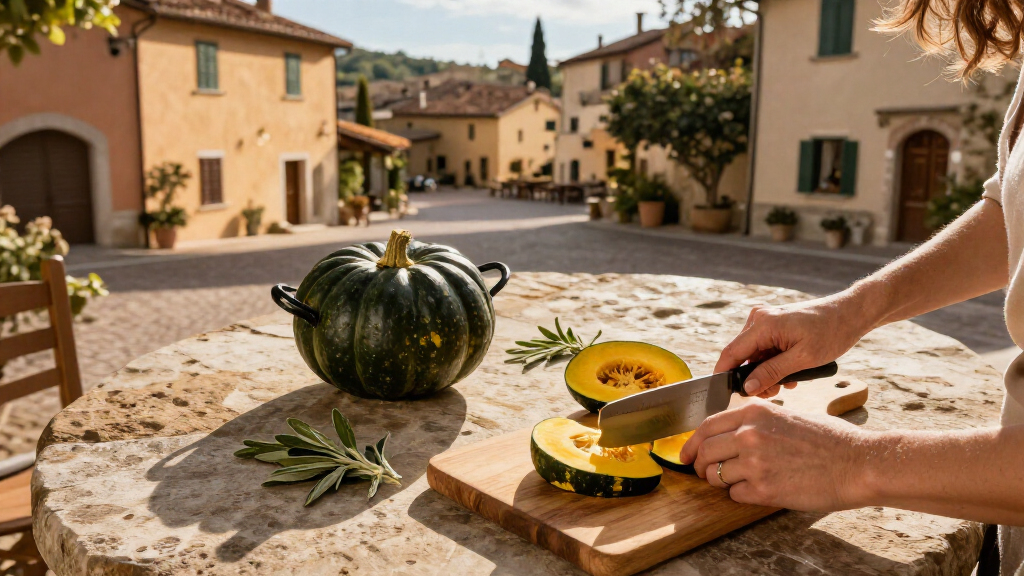
The rind is sometimes edible after thorough cooking, but toughness varies from squash to squash and from one preparation to another. Roast a piece with the skin on, then taste it; if it feels leathery, peel the rest. For handling, use a stable cutting board and a sharp knife, and cut the squash into manageable sections before removing seeds. Roast the seeds separately if you like, but discard any squash flesh that tastes unusually bitter.
Make Mantovana tortelli without a soggy filling
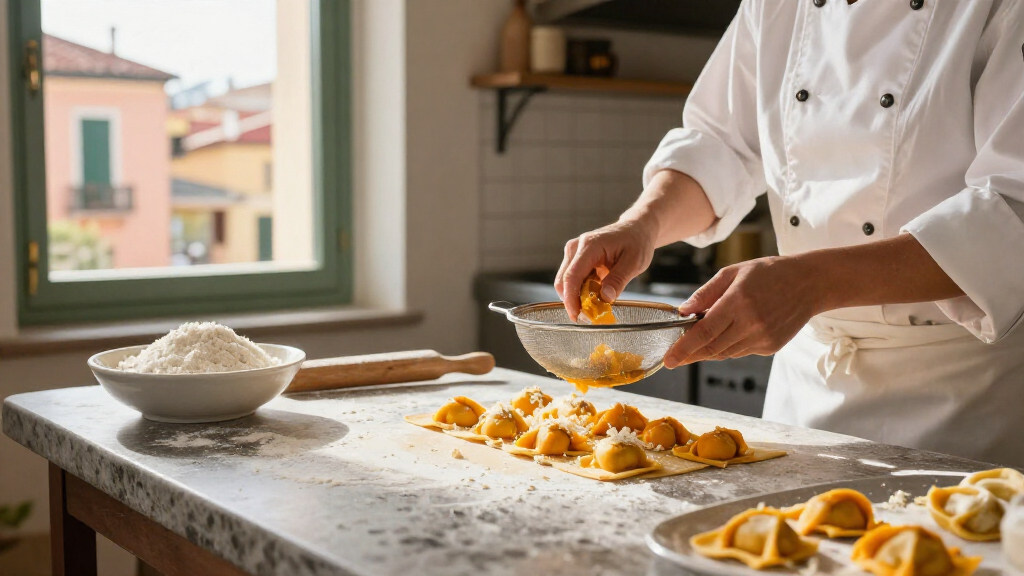
Mantovana squash is closely tied to tortelli di zucca, filled pasta from the Mantua area in Lombardy. To make a filling that stays put, cook the squash until tender and remove excess moisture before combining it with other ingredients. A wet filling can soften the dough, leak at the seams, or make the tortelli difficult to handle.
Traditional Mantuan filling can bring together squash, amaretti (crisp almond cookies), mostarda (fruit preserved with a mustard-flavored syrup), cheese, and nutmeg. Recipes differ among households and localities, so treat the combination as a regional tradition rather than one fixed formula. If you are cooking for someone with allergies, check the amaretti and pasta ingredients: amaretti commonly contain almonds, pasta often contains wheat and eggs, and cheese may contain milk.
Roasting is a useful home method because it drives off moisture while concentrating the squash’s sweetness. After cooking, mash the flesh and let it drain or cook off liquid in a pan over low heat, stirring so it does not catch. If you spoon a little filling onto a plate and it spreads into a puddle, it needs more drying time. A thick mound is easier to portion, fold into dough, and seal.
Say you found Mantovana at a fall market but the cooked flesh tastes mild. You can still make good tortelli: adjust the seasoning and traditional additions to suit the squash, and let the filling’s texture guide your next step. The label points you toward Mantuan cooking; it cannot guarantee the exact sweetness or dryness of the flesh. Cook the squash first, then build the filling around what you taste.
Choose and store a squash that will cook well
A good winter squash should feel heavy for its size and have firm, unbroken skin, without soft spots, mold, or leaking areas. Those checks will not tell you exactly how sweet it is, but they help you avoid squash that is bruised or deteriorating. At a market, turn the squash gently in your hands and inspect the whole surface rather than choosing by color alone.
Look for a cool, dry, well-ventilated storage spot for a whole squash. A damp corner or a warm place beside an oven is less suitable than a pantry shelf where air can circulate. Winter squash are harvested mature and may keep for weeks or months, though storage life depends on the variety and the squash’s condition when you bought it. Check stored squash now and then for softening or mold.
Once you cut it, cover the unused portion and refrigerate it, then use it promptly. For example, if a recipe calls for half a squash, roast the other half at the same time and refrigerate the cooked flesh for soup or risotto. That way, you turn one cutting session into two meals without leaving a cut squash exposed on the counter.
Squash names can be slippery: “pumpkin” and “winter squash” differ in everyday use across countries and markets, and a familiar market name may not identify one standardized cultivar. Interest in named varieties and regional traditions helps you ask better questions, but local labels and seed lines can vary. If the vendor knows where the squash was grown or how it cooks, that information can be more useful than the name on a handwritten sign.

Adjust the recipe when squash tastes bland, watery, or bitter
A bland or watery squash needs a cooking adjustment before it needs a new recipe: roast it to concentrate its flavor, then drain or cook off liquid if you plan to use the flesh in a filling. Sweetness and moisture change with maturity, storage, and growing conditions, so even a variety known for dense flesh can disappoint in a particular batch. A little tasting now can save a whole pan of risotto or a round of pasta dough.
If you are making gnocchi, mash the cooked squash and let visible steam escape before mixing in flour. Add the flour in small amounts until the dough is workable rather than measuring out a large quantity at the start. When the flesh is especially moist, roasting often gives you a better base than boiling because the oven lets water evaporate instead of trapping it in the cooking pot.
An unusually bitter squash calls for a different response: do not eat it. Strong bitterness can signal cucurbitacins, naturally occurring compounds that can cause illness. Do not try to hide the taste with amaretti, cheese, sugar, or spice; discard the bitter squash. Ordinary squash sweetness varies, but sharp, strong bitterness is a warning sign.
These checks also answer whether Delica can replace Mantovana: often, yes, in roasting, risotto, or purée, but a substitution for tortelli depends on the flesh’s flavor and moisture. If you cannot find Mantovana, choose a sound squash with flavorful, firm flesh and dry it well before filling pasta. For Delica in a recipe written for a wetter squash, you may need less liquid. The stove tells you more than the name alone.
Turn one squash into two or three Italian-style meals
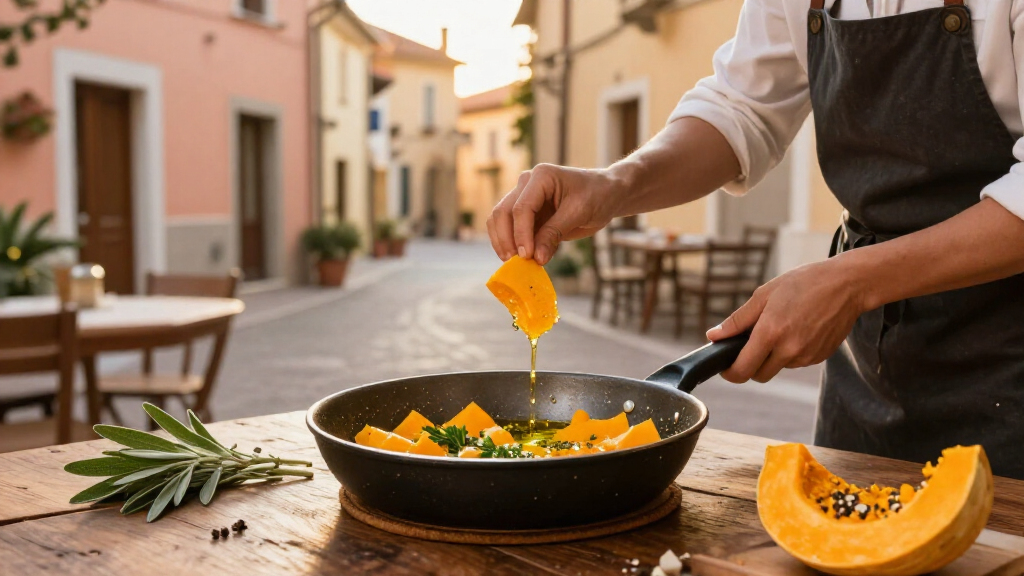
Planning around a whole squash lets you cook efficiently without serving the same dish three nights in a row. Roast once, then divide the cooked flesh by texture and purpose: leave some in wedges, mash some for gnocchi or soup, and reserve a portion for a risotto. It is the kitchen version of preparing several ingredients on one cutting board before dinner service.
- Check and cut: Choose a heavy squash with firm skin, then cut it into evenly sized pieces so they cook at a similar pace.
- Roast until tender: Use a knife test rather than a fixed timer; a blade should pass easily through the thickest piece.
- Set aside a portion: Keep some wedges intact for a meal and mash another portion while warm.
- Match each texture to a dish: Use dense mash for gnocchi or a thick purée; loosen it gradually with broth for soup or risotto.
- Cool and refrigerate promptly: Cover cooked leftovers and chill them rather than leaving them out for an extended period.
For a practical example, a Delica roasted on Sunday could become crisp-edged wedges with dinner, gnocchi on Monday, and a spoonful of purée folded into risotto later in the week. A Mantovana could follow the same roasting plan, with some flesh dried further for tortelli. If you make extra filling or cooked squash, freeze it in a dated, sealed container for later use; thaw it in the refrigerator and check its texture before adding it to pasta.
This kind of cooking follows the growing interest in using squash across multiple dishes and reducing food waste. Save seeds for roasting if they are in good condition, and test the rind after cooking before serving it. If the rind stays tough, remove it and keep the tender flesh. A few small choices can make one autumn squash feel like a useful ingredient, not a meal-planning puzzle.
Frequently Asked Questions
What is the difference between Delica and Mantovana squash?
Delica is a kabocha-type squash, typically dense and sweet when cooked. Mantovana is an Italian regional type or market name associated with Mantua and tortelli di zucca; its shape and texture can vary. Both can work roasted, but their usual strengths differ.
Which squash is sweeter, and which has drier flesh?
Delica is commonly described as sweet with dense, relatively dry or floury flesh. Mantovana is often described as sweet and aromatic, but individual squash vary. Taste a cooked piece before deciding how much liquid or seasoning a recipe needs.
Can I substitute Delica for Mantovana in tortelli?
You can use Delica if Mantovana is unavailable, but build the filling around the cooked squash’s flavor and moisture. Roast or bake the flesh, then drain it or cook off excess liquid before combining it with traditional additions such as amaretti, mostarda, cheese, and nutmeg. Keep in mind that recipes vary among Mantuan households.
Is winter squash skin edible?
Sometimes. Delica rind may soften enough to eat after thorough cooking, but toughness varies by squash and preparation. Taste a cooked piece; if the rind feels leathery, peel it.
How can I tell whether a winter squash is good to buy?
Choose one that feels heavy for its size and has firm, unbroken skin. Avoid soft spots, mold, or leaking areas. Those signs help you pick a sound squash, though they cannot guarantee a particular sweetness or moisture level.
How should I store whole and cut squash?
Keep whole squash in a cool, dry, well-ventilated place, and check it from time to time because storage life depends on its condition and variety. After cutting, cover the unused portion, refrigerate it, and use it promptly. Cooked squash can also be refrigerated in a covered container or frozen for later use.
Why does my squash taste bitter?
Do not eat unusually bitter squash. Strong bitterness can signal cucurbitacins, naturally occurring compounds that can cause illness. Discard the squash rather than trying to mask the flavor with other ingredients.
Conclusion
Choose by the dish and the flesh in front of you: Delica for dense, sweet roasting and gnocchi, Mantovana when you want to cook in the Mantuan tortelli tradition. Roast first, taste, and adjust for moisture before the squash reaches dough or broth. One dark green squash on your counter can become crisp-edged wedges tonight and a bowl of tender pasta tomorrow.