
TL;DR

Get kitchen staples and gadgets delivered free with Prime
- Fast, free delivery on millions of items
- Prime Video, Amazon Music and more included
- Member-only deals all year
Interest in Calabria’s prickly pear jam is rising, driven by cultural and culinary curiosity. This article provides a detailed guide on how to prepare this regional delicacy, highlighting confirmed steps and local practices.
Calabria residents and culinary enthusiasts are showing a growing interest in making traditional prickly pear jam, a regional specialty celebrated for its unique flavor. This surge in curiosity is driven by increased coverage of Calabria’s local foods and a broader trend toward homemade preserves. The process involves specific steps rooted in local tradition, and while detailed methods are emerging, some aspects remain unconfirmed.
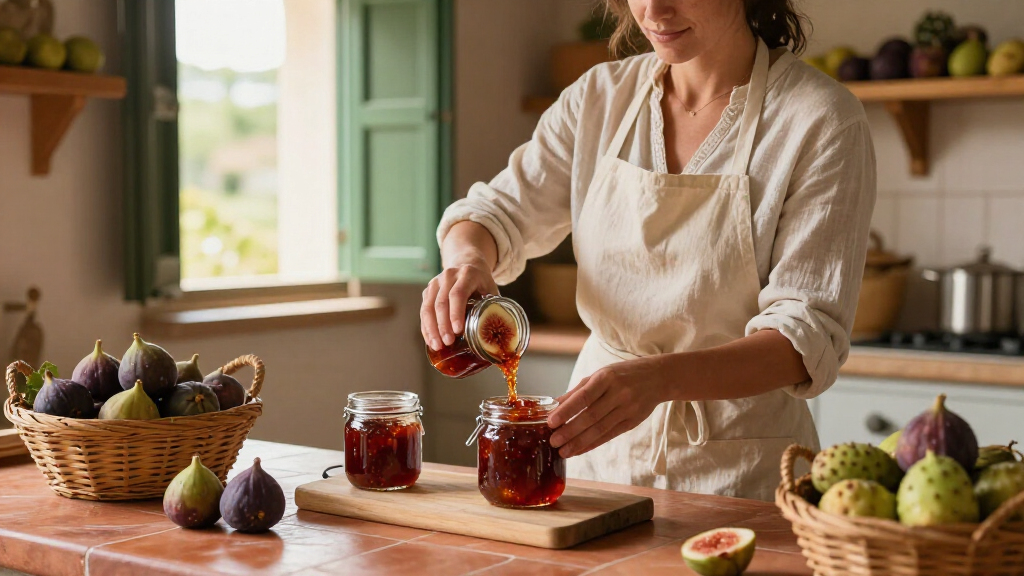
Prickly pear jam, known locally as ‘marmellata di fico d’India,’ is made from the fruit of the prickly pear cactus, which is abundant in Calabria. The process begins with carefully harvesting the ripe fruits, which are then peeled to remove spines and skin. The pulp is cooked with sugar and lemon juice, often over low heat, to develop the jam’s characteristic sweet-tart flavor. According to local sources, the jam is traditionally prepared in small batches, with some artisans adding a touch of vanilla or other flavorings to enhance the taste.
Experts emphasize that proper handling of the prickly pear is crucial, as the spines can cause injury if not carefully removed. Once cooked, the mixture is usually poured into sterilized jars and sealed while still hot to preserve freshness. The final product is a thick, ruby-red preserve with a distinct fruity aroma, often enjoyed spread on bread or as a topping for desserts. The process is said to take several hours from harvesting to sealing, with some variations depending on family or local recipes.
While many sources confirm these general steps, specific techniques and ingredient proportions can vary. Some local producers claim that traditional methods include using only fruits harvested at dawn, or adding a small amount of alcohol to enhance preservation. These claims are based on anecdotal practices, and detailed, standardized recipes are not widely documented.
Regional Culinary Tradition and Growing Interest
The rising interest in Calabria’s prickly pear jam reflects a broader trend toward exploring regional foods and artisanal preserves. As consumers seek authentic, locally produced foods, traditional recipes like this jam gain renewed relevance. For Calabria, a region known for its diverse agricultural products, promoting such specialties can boost local tourism and support small-scale producers. Additionally, the process exemplifies sustainable harvesting and traditional food preservation methods, which are increasingly valued in the global food scene.
This trend also underscores a cultural revival, with younger generations and food artisans rediscovering and preserving local culinary heritage. The increased coverage and search interest may lead to wider availability of recipes, both online and in local markets, potentially expanding the regional economy and attracting food tourists.
Products Worth Considering

Arlo Ultra 4K HDR Wireless Security Camera (3rd Gen), 3-Camera Kit with SmartHub

Philips Hue Starter Kit with Bridge Pro and 4 Retrofit LED Recessed Downlights

Philips Hue Bridge Pro Starter Kit with 4 A19 E26 Smart Bulbs
As an affiliate, we earn on qualifying purchases.
Calabria’s Prickly Pear and Culinary Heritage
Calabria, located in southern Italy, is a region rich in agricultural diversity, with prickly pear cacti growing abundantly across its landscape. Traditionally, the fruit has been used in various local dishes, including jams, liqueurs, and desserts. The region’s culinary identity is closely tied to its natural resources and rural traditions, many of which are now experiencing renewed interest amid increasing food tourism and artisanal food movements.
The process of making prickly pear jam has been passed down through generations, often within families or small community groups. Historically, the fruit was harvested during late summer and early autumn, when it reaches peak ripeness. While commercial production exists, much of the jam’s popularity remains rooted in home and small-scale artisanal production, emphasizing quality and traditional techniques.
Recent coverage of Calabria’s regional foods, including prickly pear products, has heightened curiosity among food lovers and tourists. This has led to a spike in searches for recipes and methods, although detailed, standardized instructions are still scarce, and practices can vary locally.
Unconfirmed Variations and Recipe Details
While general steps for making prickly pear jam are widely described, specific proportions of fruit to sugar, cooking times, and additional flavorings vary among sources. There is no standardized or officially documented recipe, and some claims about traditional practices—such as harvesting at dawn or adding alcohol—remain anecdotal. It is also unclear whether commercial producers follow the same methods as home cooks or artisans.
Potential for Wider Adoption and Recipe Standardization
As interest in Calabria’s prickly pear jam continues to grow, more detailed recipes and tutorials are expected to emerge online, possibly leading to increased commercial availability. Food producers and culinary schools may develop standardized methods to meet rising demand, while tourism initiatives could promote workshops or farm visits centered on traditional jam-making. Monitoring how these practices evolve will clarify whether this regional specialty becomes more widely known beyond local circles.
Key Questions
Can I make prickly pear jam at home if I can’t find the fruit locally?
While fresh prickly pears are most authentic, frozen or dried versions can sometimes be used as substitutes. However, the flavor and texture may differ from freshly harvested fruit. It’s best to source the fruit from regions where it is abundant or from specialty suppliers.
How long does homemade prickly pear jam last?
If properly sterilized and sealed, homemade prickly pear jam can last up to one year when stored in a cool, dark place. Always check for signs of spoilage before consumption.
Are there any allergens or safety tips to consider?
Prickly pears contain spines and tiny hairs that can cause skin irritation. Handle the fruit with gloves and remove all spines carefully. Cooking the fruit thoroughly also reduces any potential safety risks.
Is the process of making prickly pear jam difficult?
The process requires patience and careful handling, especially during peeling and cooking. With proper attention, it can be a manageable and rewarding activity for home cooks.
Can I add other flavors to the jam?
Yes, some recipes include vanilla, lemon zest, or a splash of alcohol for added flavor. Variations depend on personal taste and local traditions.
Source: rss