
TL;DR
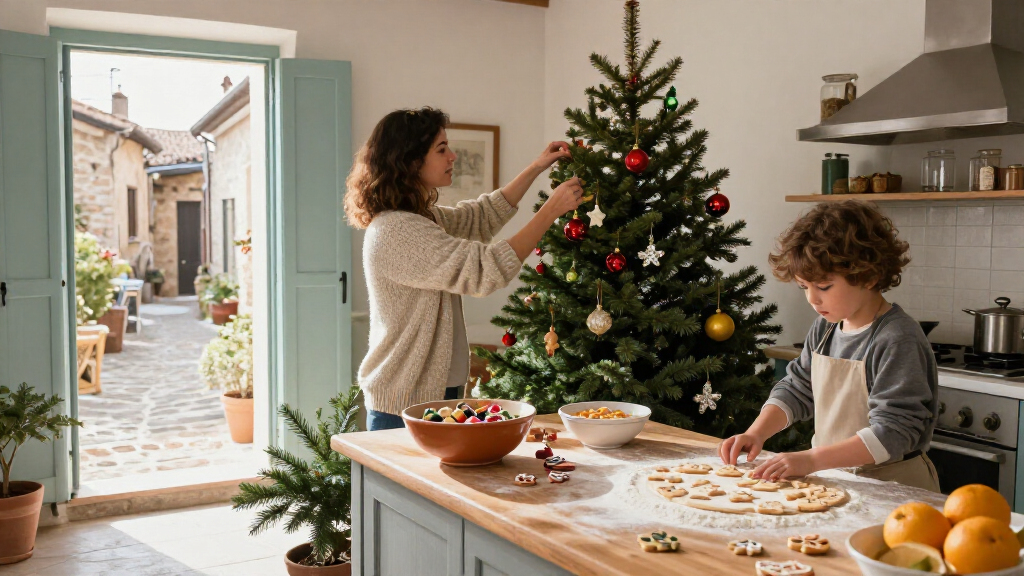
Immacolata is the Feast of the Immaculate Conception, a Catholic holy day observed in Italy on December 8 and a public holiday. It also marks the customary start of Christmas preparations for many families, who may put up a tree or *presepe* (Nativity scene) and begin baking sweets, though customs and recipes vary by household and region.
On December 8, a box of ornaments may come down from the attic, a Nativity scene may spread across a living-room table, and the first holiday biscuits may cool on a rack. In Italy, Immacolata gives many families a date to begin Christmas preparations. The day has a deeper meaning too: it is the Feast of the Immaculate Conception, a Catholic holy day and national public holiday.

Get kitchen staples and gadgets delivered free with Prime
- Fast, free delivery on millions of items
- Prime Video, Amazon Music and more included
- Member-only deals all year
The name can cause confusion. Catholic teaching holds that Mary was preserved from original sin from the moment of her conception; the feast does not refer to the conception of Jesus. That distinction helps explain why December 8 belongs to the church calendar even as it has become a practical day for family rituals, town events, and baking.
If you are planning a winter trip or want to bring a little Italian seasonal rhythm into your kitchen, this guide will help you understand what the date means, what visitors may find, and how to start a modest baking tradition of your own. Think of it as opening the pantry and the calendar at the same time: one tells you what to bake, the other tells you why the day matters.
Immacolata is the Feast of the Immaculate Conception, observed on December 8; it concerns Mary’s conception, not Jesus’s.
December 8 is a public holiday in Italy and a customary start to Christmas decorating for many families, though practices vary.
A *presepe* is a Nativity scene; Naples is especially known for detailed handmade presepe traditions.
Start baking with one manageable recipe, shop ahead for holiday hours, and label common allergens such as wheat, dairy, eggs, and nuts.
Check local opening hours, transit schedules, and event listings before planning a December 8 visit.
Immacolata A day to begin Christmas preparations
December 8 is a Catholic feast and public holiday in Italy. For many families, it is also time to decorate and start holiday baking.
What the feast means
The name refers to Mary’s conception, not the conception of Jesus.
- A Catholic feast honoring the belief that Mary was preserved from original sin.
- Observed on December 8.
- A church season of preparation for Christmas.
- It is not the same as the fixed feast day.
A flexible family tradition
Many households use the holiday to gather and begin preparations, though customs vary.
Tree and ornaments
Some families put up the tree together; others decorate earlier or later.
The presepe
A Nativity scene can be simple or elaborate. Naples is renowned for handmade figures and detailed scenes.
Start with one bake
There is no single nationwide menu for December 8; recipes and timing differ by region and family.
Pick a sweet you can finish in one afternoon.
Holiday hours may change, so get ingredients before December 8.
Tell guests if your sweets contain wheat, dairy, eggs, or nuts.
Planning a visit?
The public holiday may affect everyday plans.
- Check business opening hours before booking visits.
- Look up local transport and event schedules.
- Churches and towns may host religious or seasonal events.
What Immacolata means before the decorations come out
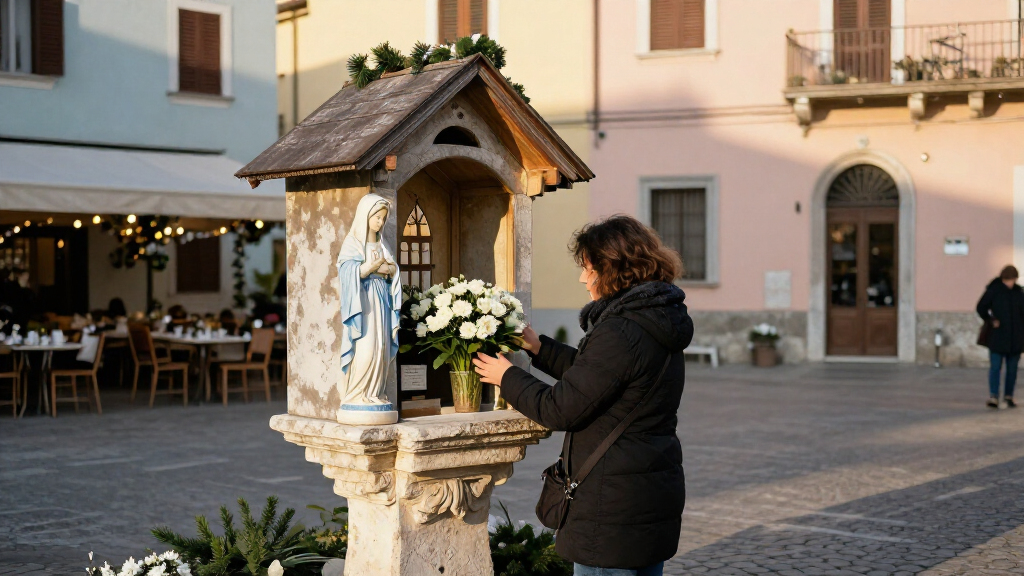
Immacolata is Italy’s name for the Feast of the Immaculate Conception, a Catholic holy day observed every year on December 8. In Catholic teaching, Mary was conceived without original sin; the feast concerns Mary’s conception, not the conception of Jesus. That single distinction clears up the question many visitors ask when they see the name on a holiday calendar.
December 8 is a public holiday in Italy, so churches may hold services and some businesses may close or adjust their hours. For a visitor, that can mean a quiet morning around a church followed by busier streets near seasonal markets or town events. Check opening times before you build a museum or restaurant visit around the day.
Immacolata often falls near Advent, but the two are different. Advent is the church season of preparation for Christmas; Immacolata is one fixed feast day. Think of Advent as a stretch of marked pages in a calendar and December 8 as a particular date circled in ink. A family might attend Mass, have lunch together, and then bring out the tree, with each part of the day carrying its own meaning.
The custom is widespread, but it is not a rule that every household follows. Some people have decorated earlier; others wait for the holiday or for a free weekend. If you are hosting an Italian-inspired December gathering, explain the name simply and let the day shape the pace: a church visit for those who wish, a shared meal, and time to prepare for the weeks ahead.
Products Worth Considering

Dyson V15 Detect Origin Cordless Vacuum

Philips Hue Smart Light Starter Kit with Bridge and 4 White and Color A19 Bulbs

Philips Hue Festavia Permanent Outdoor String Lights, 80 Lights, 150 ft
As an affiliate, we earn on qualifying purchases.
Why December 8 feels like Christmas’s starting line
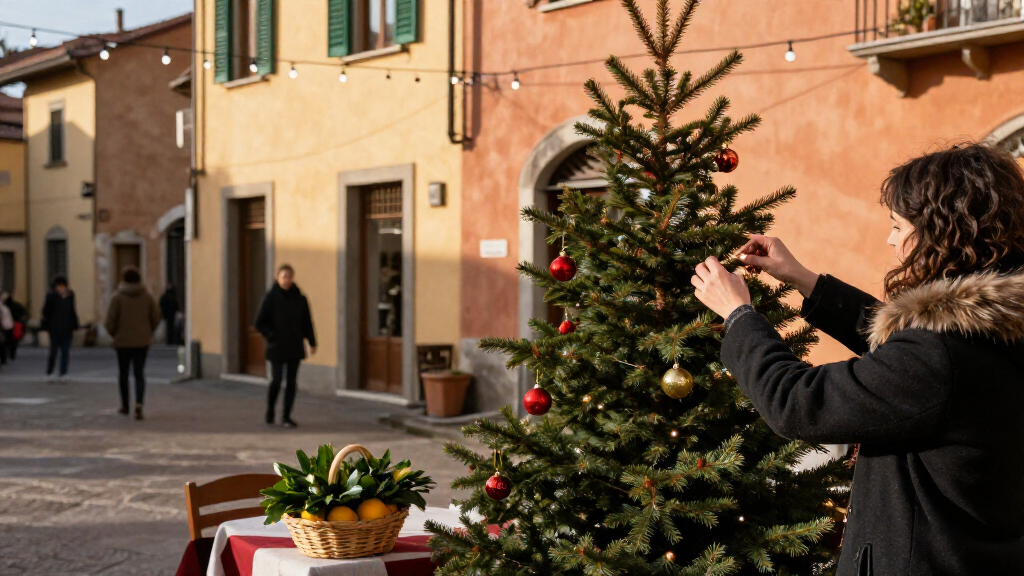
Immacolata marks a customary start to Christmas preparations for many Italian families because the public holiday gives people a chance to gather and begin decorating. A tree may go up, lights may wind around a balcony rail, and a box of ornaments may turn a quiet afternoon into a family ritual. The date is a social cue, not a national decorating law.
That flexibility matters. One household might have its tree shining by the first week of December; another may wait until December 8 so everyone can help. If you are visiting relatives, ask before assuming the decorations are ready. The ritual may center on a shared lunch or a child placing the final ornament, rather than on a perfectly finished room.
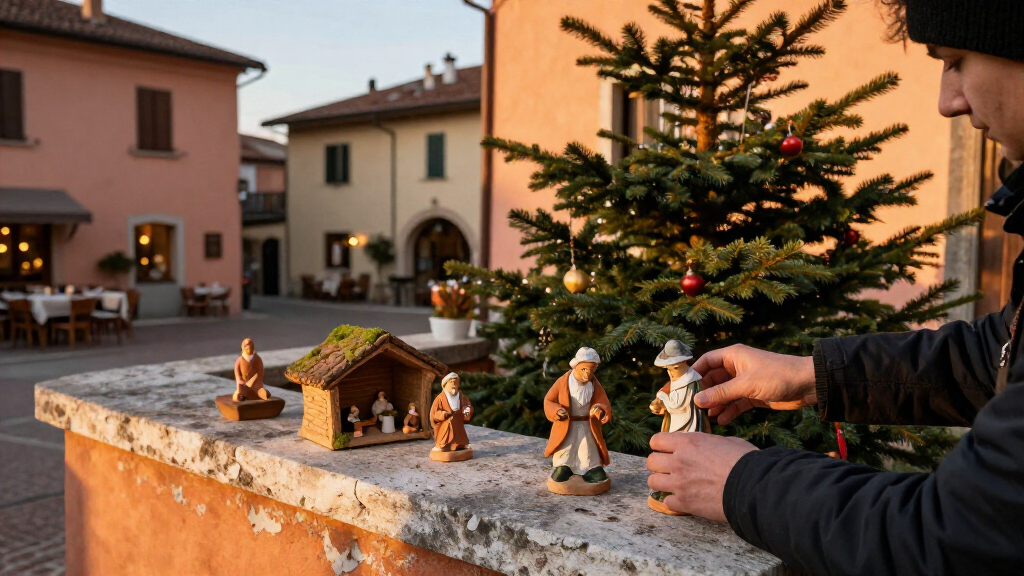
In many homes, the tree shares attention with the presepe, or Nativity scene. Some are small enough for a shelf, while others take over a table with painted figures, miniature houses, and carefully arranged landscapes. Naples is renowned for its elaborate handmade presepe tradition, where the scenes can include richly detailed figures and everyday settings alongside the Nativity.
Try the custom at home without treating it like a checklist: choose a tree or a small Nativity display, put on a pot of coffee, and invite the people who will be with you for the holidays to add one decoration each. Like setting a table, the point is not to make every place match. The objects accumulate stories as the season moves along.
How to turn Immacolata into an easy baking day
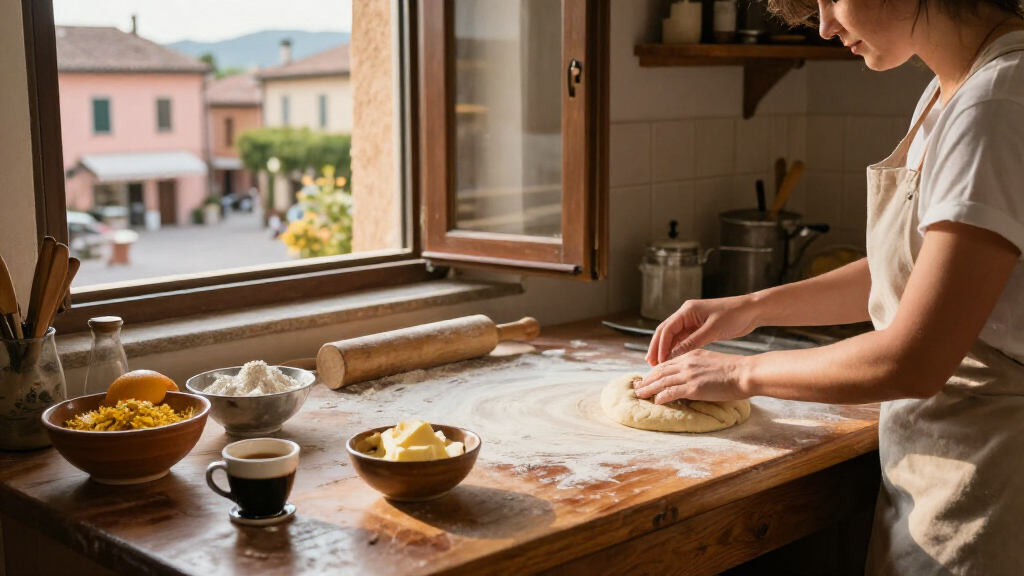
Immacolata is a useful day to begin holiday baking because you can make something simple now and save more elaborate recipes for later. There is no single nationwide menu for December 8, and the sweets depend on region and family. Treat the date as a first batch, not a deadline to produce a table full of treats.
- Choose one recipe with a clear regional connection. If you have family ties or a planned trip, look for a sweet associated with that place; otherwise, choose a biscuit or cake you can finish in one afternoon.
- Check the schedule before you shop. A public holiday can affect store hours, so buy flour, sugar, butter, eggs, and any nuts or dried fruit ahead of time.
- Prepare the work surface and divide the jobs. One person can weigh ingredients while another lines trays or chops nuts. Small tasks make a good kitchen ritual for children and guests.
- Cool, label, and store the batch safely. Keep baked goods in a clean, airtight container once fully cool; follow a recipe’s directions for fillings that need refrigeration.
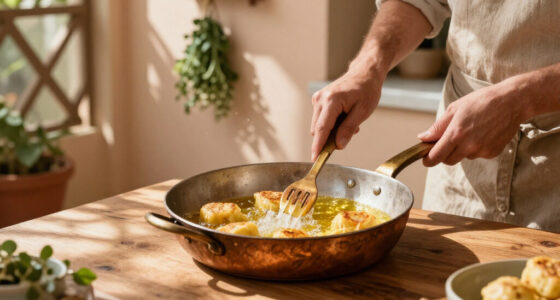
For a practical first bake, try crisp butter biscuits flavored with lemon zest and a pinch of salt. The kitchen smells bright and buttery, and the dough is easy to portion with a spoon. If you add almonds, label them clearly: tree nuts, wheat, dairy, and eggs are common allergens in holiday baking, and guests should know what is in each tin.
Food safety belongs in a relaxed holiday kitchen too. Wash hands after handling raw eggs, keep dough with egg or dairy chilled if you are not baking it promptly, and do not leave perishable cream-filled pastries at room temperature for long. If you are sharing sweets with neighbors, include the bake date and storage advice so the gift stays enjoyable after the ribbon comes off.
What the presepe adds to a tree-centered holiday
A presepe is a Nativity scene that depicts the birth of Jesus, and in many Italian homes it gives Christmas decorating a devotional and handmade focus. The display may be a simple stable with a few figures or an elaborate village with houses, animals, and a landscape. In Naples, the tradition is especially well known for detailed figures and scenes made by skilled artisans.
The presepe changes how a room feels. A tree draws your eye upward with lights; the Nativity scene invites you to look closer at tiny faces, painted walls, and the careful placement of each figure. If you visit an Italian home, you may find the scene on a sideboard or table where people can add pieces over several days. Ask before moving anything, since the arrangement may carry family or religious meaning.
You can borrow the patient, layered approach even if your own holiday is secular. Begin with a small scene, a candle, or a bowl of greenery, then add one detail each day: a paper star, a handmade figure, or a small card from a place you have visited. This is a bit like building a recipe in stages. The first pieces establish the shape; later additions bring the personal flavor.
For a Naples itinerary, seek out local displays or artisan work and check current event schedules before traveling. Public celebrations vary by town and year, while the tradition itself remains a meaningful part of the season. A compact display in a bakery window can tell you as much about local craft as a grand installation, especially when you pause to notice the figures’ clothes and expressions.
How to plan a December 8 visit without holiday surprises
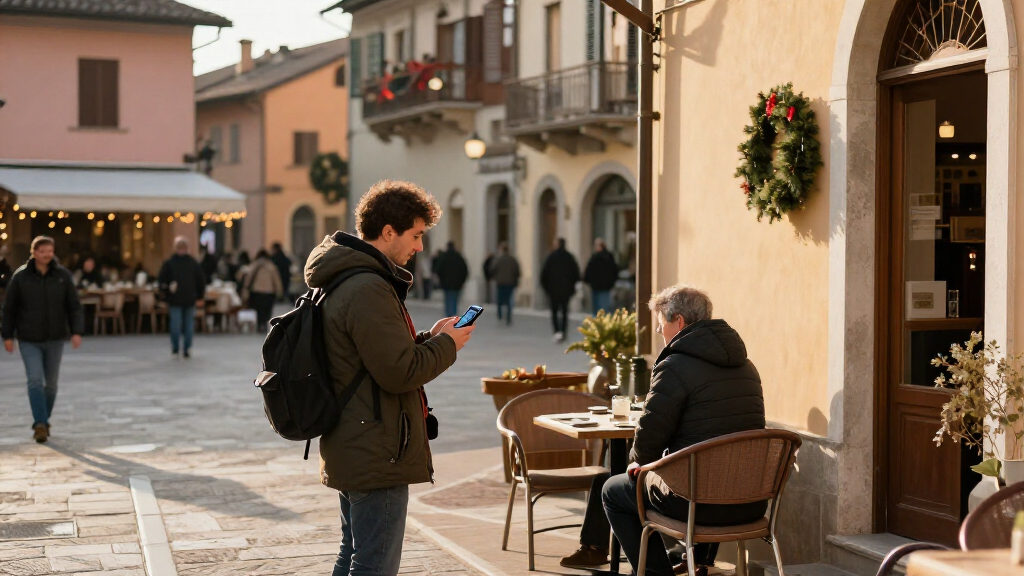
December 8 is a public holiday in Italy, so a little planning can make your day smoother. Churches may hold services, town centers may host seasonal activities, and some shops or attractions may use holiday hours. There is no single national schedule for markets or events, so check the local municipality, venue, or church calendar before setting off.
If you are in Rome, Naples, or a smaller town, plan one anchor activity and leave room for a long lunch or a walk. For example, you might attend a morning service, visit a public Nativity display, then find a cafe for espresso and a pastry. A packed itinerary can falter if the shop you expected to visit is closed; a flexible afternoon turns that change into time to watch the town prepare for Christmas.
Transportation and meals deserve the same check. Holiday timetables may differ, and restaurants can fill with families taking advantage of the day off. Reserve a table if you have a specific place in mind, and confirm local transit times, especially if you are traveling beyond a city center.
Keep the cultural context in view. Immacolata is both a religious observance and, for many people, a family day. A visitor does not need to participate in a service to appreciate the quiet, the candles, or the decorated streets. Dress respectfully near churches, ask before photographing worshippers, and let local customs set the volume of your visit.
Why Italian Christmas recipes change from one region to another
Italian Christmas baking varies by region and household, so December 8 does not come with one official cake or cookie. Local ingredients, family recipes, and the timing of holiday meals all shape what appears in a kitchen. One family may start with crisp cookies to share; another may wait until closer to Christmas for a cake that takes more time.
That variety gives you a practical way to choose what to bake: let place lead. If your December plans include Campania, look for local sweets in bakeries and ask what families serve at Christmas. If you are drawn to Sicily, notice how local ingredients and pastry traditions differ from what you find farther north. Use a regional cookbook or a trusted local bakery as your guide, and name the place when you share the recipe.
Ingredient labels can help you make a thoughtful choice. Products with DOP (Protected Designation of Origin) or IGP (Protected Geographical Indication) marks have recognized links to a specific production area and rules. A recipe may not need a protected ingredient, but choosing one when it genuinely fits can give a dish a clearer sense of place. Do not add a label just for decoration; check that the product and recipe belong together.
When a recipe calls for a specialty you cannot find, ask what role it plays before swapping it. A regional honey may bring floral notes, while citrus zest can lift a rich dough. A thoughtful substitute should preserve that function. Write down the original ingredient and your change so you can compare results next year, the way a family recipe quietly evolves from one kitchen to another.
Frequently Asked Questions
What does Immacolata mean?
Immacolata is the Italian name for the Feast of the Immaculate Conception, celebrated on December 8. In Catholic teaching, Mary was preserved from original sin from the moment of her conception.
Is the Immaculate Conception about Jesus?
No. The feast refers to Mary’s conception, not the conception of Jesus. The distinction is central to the Catholic meaning of the day.
Why do many Italian families put up the tree on December 8?
December 8 is a public holiday and has become a customary day to begin Christmas decorating in many Italian households. Some families decorate earlier or later, so it is a tradition rather than a rule.
Do Italians start baking Christmas sweets on Immacolata?
Some families begin holiday baking around December 8, but recipes and timing vary by region and household. You can mark the day with one manageable batch and save longer recipes for another weekend.
What is a presepe?
A presepe is a Nativity scene depicting the birth of Jesus. Displays range from a few simple figures to detailed handmade scenes, and Naples is especially renowned for the tradition.
Is Immacolata the same as the start of Advent?
No. Advent is a season of preparation for Christmas in the church calendar, while Immacolata is a feast observed on a fixed date, December 8. The dates may fall close together, but they are distinct observances.
What should visitors expect in Italy on December 8?
Expect a public holiday, possible changes to business and transit hours, and religious or seasonal events that vary by town. Check local schedules before you travel, and plan some flexibility into the day.
Conclusion
Remember Immacolata as a date with room in it: room for a church visit, a family tree, a Nativity scene, or one tray of biscuits cooling beside the window. The holiday is widely observed, but each household gives it its own shape.
Choose one small ritual for December 8 and let it mark the start of your season. A few ornaments, a carefully placed figure, or the smell of lemon and butter in the kitchen can make the calendar feel close enough to touch.