TL;DR

Get kitchen staples and gadgets delivered free with Prime
- Fast, free delivery on millions of items
- Prime Video, Amazon Music and more included
- Member-only deals all year
In Tuscany, frantoio means olive mill, and frantoio season generally runs from autumn into early winter, when olives are harvested and pressed into olio nuovo, or new-season extra-virgin olive oil. In the Chianti hills, plan around variable harvest dates, confirm mill visits directly, and taste fresh oil on unsalted Tuscan bread before pairing it with soups, beans, vegetables, or grilled food.
Freshly pressed Tuscan olive oil can leave a little peppery warmth at the back of your throat. That vivid first taste is one reason frantoio season makes an autumn visit to the Chianti hills feel different from a trip in midsummer.
In Italian, frantoio means olive mill. From autumn into early winter, growers bring in olives and mills press them into olio nuovo, or new-season oil. You may hear the same word used for Frantoio, a common olive variety in Tuscany, so context matters: one Frantoio could be a place where olives are pressed, while the other is a tree whose fruit may go into a blend.
This guide shows you what to expect from a mill visit, how to taste oil without overcomplicating it, what to eat around Chianti, and how to plan for a harvest that moves with the weather. You’ll also learn how to choose a bottle and keep its fresh aroma at home. Think of the oil as a taste of the landscape: grassy, green, and ready to meet a piece of warm bread.
In Tuscany, frantoio means olive mill, while Frantoio is also a common olive variety.
Chianti’s olive harvest usually runs from autumn into early winter, but exact dates and mill access vary each year.
Taste olio nuovo on unsalted Tuscan bread and notice aroma, bitterness, and peppery warmth; color alone does not establish quality.
Use fresh oil as a finishing drizzle over ribollita, beans, vegetables, or grilled food.
Contact a mill before traveling, ask about harvest activity and accessibility, and store any oil you buy away from heat and light.
Tuscany · Chianti Hills · Seasonal Food Guide
Frantoio Season in the Chianti Hills
From autumn into early winter, olives move from grove to mill and become olio nuovo—fresh, new-season extra-virgin olive oil. Plan around the harvest, taste it simply, and let the landscape shape the meal.
Food and Dining Experiences in TuscanyOne word, two meanings
In Tuscany, context tells you whether you are talking about a place or an olive.
Frantoio means olive mill in Italian. Capitalized, Frantoio is also a common Tuscan olive variety. A mill may press fruit from several varieties, and blends differ from producer to producer. Harvest dates shift with weather, ripeness, and each grower’s choices, so confirm activity before planning a visit.
Fresh oil is the main event
Olio nuovo is enjoyed soon after pressing, when its vivid aromas are especially pronounced.
A fleeting character
New oil’s fresh aroma gradually mellows over time. Its color may range from vivid green to gold, depending on olives and production.
Green, bitter, peppery
Fresh oil can taste grassy or fruity, with bitterness and a lingering peppery warmth. Intensity varies with harvest and process.
Taste beyond the color
Shade alone does not establish quality. Pepperiness can reflect natural phenolic compounds, but it is not a guarantee; mild oil is not automatically inferior.
Keep the first tasting simple
Start with a plain food, then notice how the oil changes as you taste.
Smell
Look for a green, leafy or fruity aroma before you take a bite.
Taste a small amount
Try it on bread or another plain food, then pause and let the flavor develop.
Notice the finish
Pay attention to bitterness and pungency. A peppery warmth may linger at the back of the throat.
Remember: cloudy oil reflects particles or filtration choices; it does not prove superior quality. Ask the producer how the oil was made and stored.
Pair the oil with hearty food
Use fresh oil as a finishing drizzle, just before serving, to keep its aroma lively.
Ribollita & soups
A spoonful over warm bread, bean, and vegetable soup adds aroma and peppery lift.
Beans
Finish warm cannellini beans with fresh oil, a pinch of salt, and black pepper.
Vegetables & bread
Drizzle over grilled zucchini, roasted squash, or toasted bread for a simple seasonal bite.
Grilled food
Try it with roasted or grilled meats, local cheeses, or cured meats when the menu offers them.
Menus vary by restaurant and season. Ask which seasonal dish the kitchen recommends with its oil.
Four steps to plan a mill day
Start with a direct check-in. Mill work and visitor access change from producer to producer.
Ask about harvest
Check whether olives are being picked or pressed on your dates. Autumn through early winter is a guide, not a guarantee.
Confirm access
Ask about tours, tastings, reservations, opening days, and whether visitors can enter work areas.
Check the route
Ask about tour length, steps, surfaces, restrooms, and step-free access if needed. Allow time for winding country roads.
Make room for lunch
Pair the visit with a village stroll and relaxed meal. Check drive times before adding more stops.
Follow the oil’s journey
A taste connects the season’s landscape with the work behind the bottle.
Production details depend on the mill and its methods.
Choose with care, store simply
Ask questions that reveal the oil’s origin and handling.
Ask what is in the bottle
Find out which varieties were used, when the olives were harvested, how the oil was pressed, and how it has been stored.
Protect aroma and freshness
Keep the bottle away from heat and light. Enjoy the vivid new-season character while it is fresh; it will mellow over time.
Visit the Chianti hills when the harvest is actually underway
Frantoio season in the Chianti hills generally runs from autumn into early winter, when growers harvest olives and mills press them into fresh oil. Exact dates shift from year to year with weather, ripeness, and each producer’s choices, so a calendar date alone cannot promise that a mill will be working when you arrive.
That uncertainty is part of planning a worthwhile visit. If you have a few days in the area, contact the mill or farm before you book around it. Ask whether harvesting or pressing is happening during your dates, whether visitors can enter the work areas, and whether you need a reservation. Some producers welcome visitors; others do not offer tours or tastings. Opening days and access can change during the busy harvest.
Imagine arriving on a cool morning to the smell of crushed leaves and the low rumble of machinery. At a working mill, you might learn how olives are sorted, crushed into a paste, slowly mixed during malaxation, and separated into oil. Many modern mills use centrifuges, though methods vary. You may see the process firsthand, or hear about it over a tasting instead.
Leave room in your itinerary for the drive. Chianti’s villages and farms sit among winding country roads, so a mill appointment, a village stroll, and a long lunch can fill a day without rushing. Check the route and visit details before you go, particularly if anyone in your group needs step-free access or a shorter tour.
Products Worth Considering

Bose SoundLink Plus Portable Bluetooth Speaker, Wireless Outdoor Speaker, Up to 20 Hours Battery Life, Waterproof and Dustproof, Black

Roborock Robot Vacuum and Mop Combo with Self-Empty Dock

eufy Security Floodlight Camera E340 with AC Cable, Dual-Lens
As an affiliate, we earn on qualifying purchases.
Taste olio nuovo on bread before you judge its color
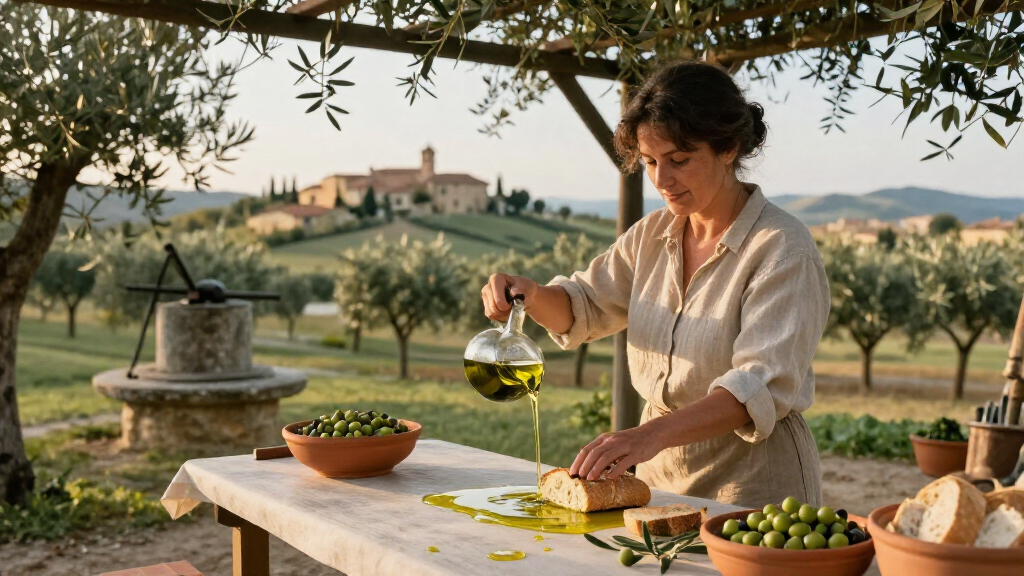
Olio nuovo is fresh oil pressed from the current olive harvest, and a small taste on plain bread gives you a direct introduction to its flavor. Depending on the olives and the way they were harvested and processed, the oil may taste grassy, fruity, bitter, or peppery, with warmth that lingers in your throat.
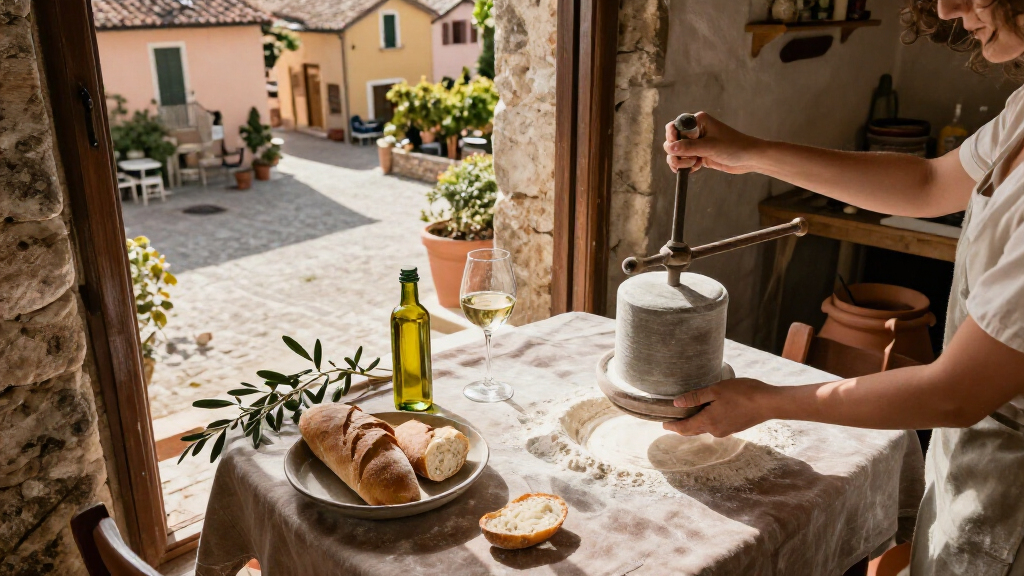
Try it on a slice of traditional pane toscano, or Tuscan bread, which is made without salt. Without salt in the way, the oil’s aroma and texture stand out. Take a small bite, pause, and notice the green, leafy smell before the bitterness and pepper arrive. If you’re tasting it at home, a piece of toast works well too.
Color alone cannot tell you whether an oil is good. New oil may look vivid green or gold, but shade depends on the olives and production. A peppery finish can reflect natural phenolic compounds and freshness, yet pepperiness alone does not prove quality. A milder oil is not automatically inferior, either. Think of color as the oil’s coat, not its whole character.
Oil tastings differ from wine tastings. You taste a small amount with bread or another plain food, paying attention to its aroma and the way bitterness and pungency develop. A tasting can be as simple as comparing a spoonful on bread with the same oil over warm beans. If one tastes sharper, it may be a better match for a hearty soup than for someone seeking a gentle finish.
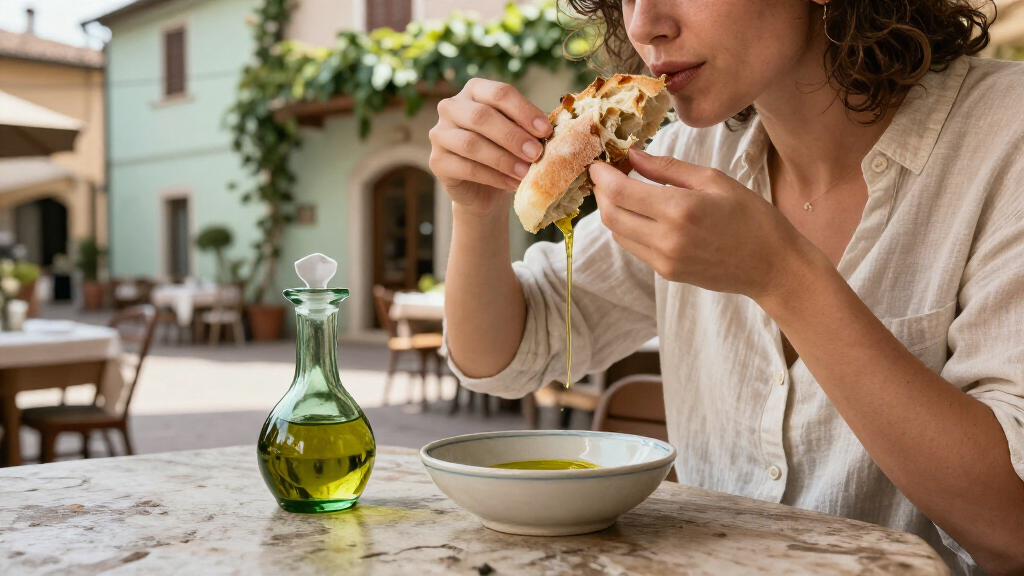
Pair fresh Tuscan oil with the foods that welcome its bite
Fresh Tuscan oil tastes especially at home with bread, beans, soup, vegetables, and grilled food, where its grassy aroma can lift a meal without hiding the other ingredients. Use it as a finishing oil: pour it over food just before serving so the fresh scent stays lively.
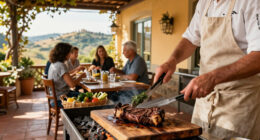
A bowl of ribollita, a thick Tuscan bread, bean, and vegetable soup, is a natural autumn pairing. The oil catches the steam and adds a peppery note to every spoonful. At a Chianti farmhouse lunch, you might find it alongside beans, local cheeses and cured meats, or roasted and grilled meats. Menus depend on the restaurant and season, so treat those dishes as possibilities rather than a fixed tasting menu.
Here’s an easy way to bring the idea home: warm a bowl of cannellini beans, add a pinch of salt, and finish with a spoonful of fresh oil and a little black pepper. The soft beans give the oil somewhere to settle; the peppery finish keeps the bowl from tasting flat. If you have a hearty vegetable soup in the fridge, try the same spoonful on top rather than stirring it through the whole pot.
Don’t save a bottle only for special dishes. A drizzle over grilled zucchini, roasted squash, or toasted bread can make a simple meal feel connected to the harvest. If you’re dining out, ask which seasonal dishes the kitchen recommends with its oil. The answer might be a soup, a bean dish, or whatever has just come out of the oven.
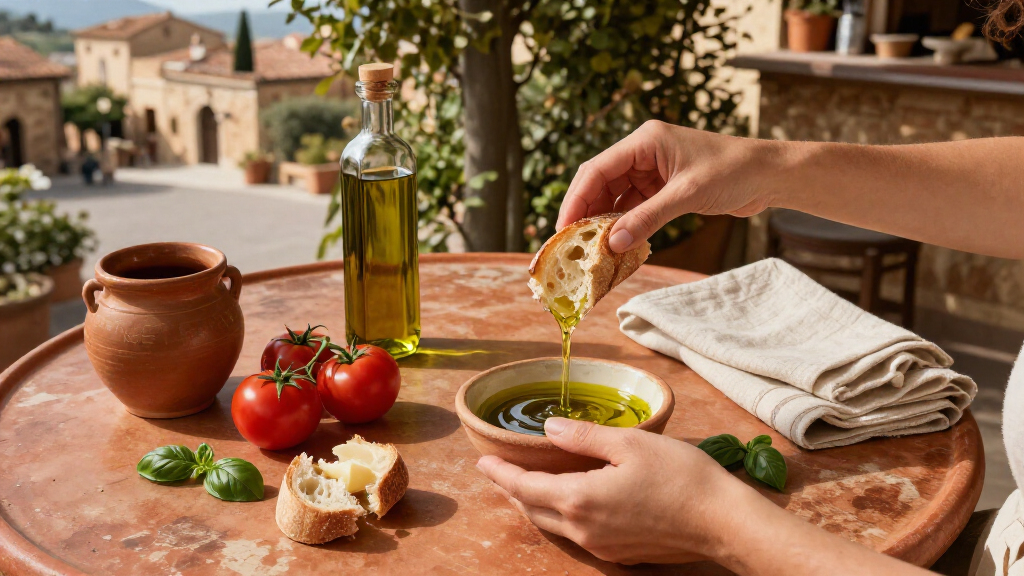
Use these four steps to plan a useful mill visit
The best frantoio visit starts with a direct check-in and ends with enough time to taste and eat, rather than treating the mill as a guaranteed drop-in stop. Because harvest dates and visitor access vary, confirm the details before building a day around a particular producer.
- Ask about the harvest. Find out whether olives are being picked or pressed on your dates. Seasons usually fall from autumn into early winter, but local weather and producer decisions move the schedule.
- Confirm access and booking. Ask whether tours or tastings are available, how long they take, and whether you need to reserve. If you’re traveling with children or someone with limited mobility, ask about steps, surfaces, restrooms, and the tour route.
- Make space for tasting. Give yourself time to smell and taste the oil on bread or another plain food. Ask what varieties went into the oil and whether the producer can explain the pressing method.
- Pair the visit with lunch or a village stop. A mill visit, a nearby village, and a relaxed meal make a satisfying day. Check drive times before adding a winery or countryside walk to the same itinerary.
For example, if you’re staying near Greve in Chianti, you could arrange a morning mill visit, walk through the village, and enjoy soup or grilled food at lunch. Keep the day flexible in case the producer changes opening hours or the pressing is finished. A brief call can save you a long drive to a closed gate.
Ask questions that help you understand the oil you’ll taste or buy: Which varieties are in this blend? Was it filtered? How should you store it? Those answers tell you more than a colorful label alone.
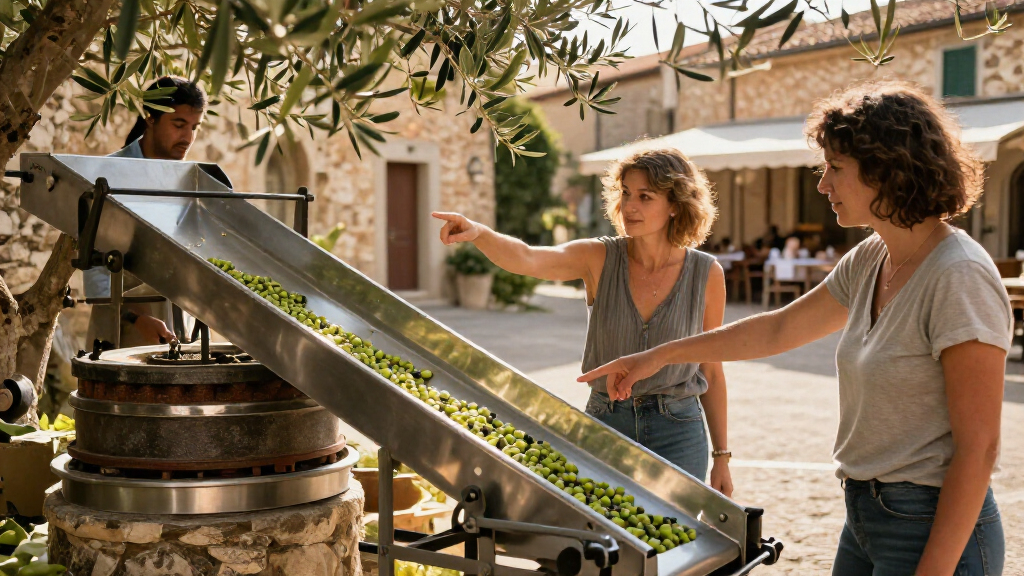
Choose a bottle by asking how it was made and stored
Choose fresh oil by learning about its harvest, blend, and storage instead of relying on a vivid color or a peppery kick. In Tuscany, a blend may include varieties such as Frantoio, Leccino, Moraiolo, and Pendolino, but recipes differ from mill to mill.
The distinction between the mill and the olive variety is easy to hear at a tasting. Frantoio means olive mill; Frantoio is also a Tuscan olive cultivar. If a producer says the oil contains Frantoio, they are talking about the olives in the blend. If they say the frantoio is running, they mean the mill is pressing fruit.
Harvest timing affects flavor. Earlier picking can produce stronger bitterness and pungency, while later picking may result in a milder style, though variety and production choices also matter. Fresh oil’s pronounced aromas mellow with time. That shift is natural, not a sign that the oil has gone bad overnight.
Ask whether the oil is filtered and how the producer stores it. Cloudiness may come from suspended particles or from filtration choices; it does not prove that an oil is better. If you buy a bottle to take home, keep it tightly sealed and away from heat and light. A cupboard away from the stove works better than a sunny kitchen shelf. Producers may sell oil at the mill, but stock, packaging, and shipping options vary, so check before relying on them.
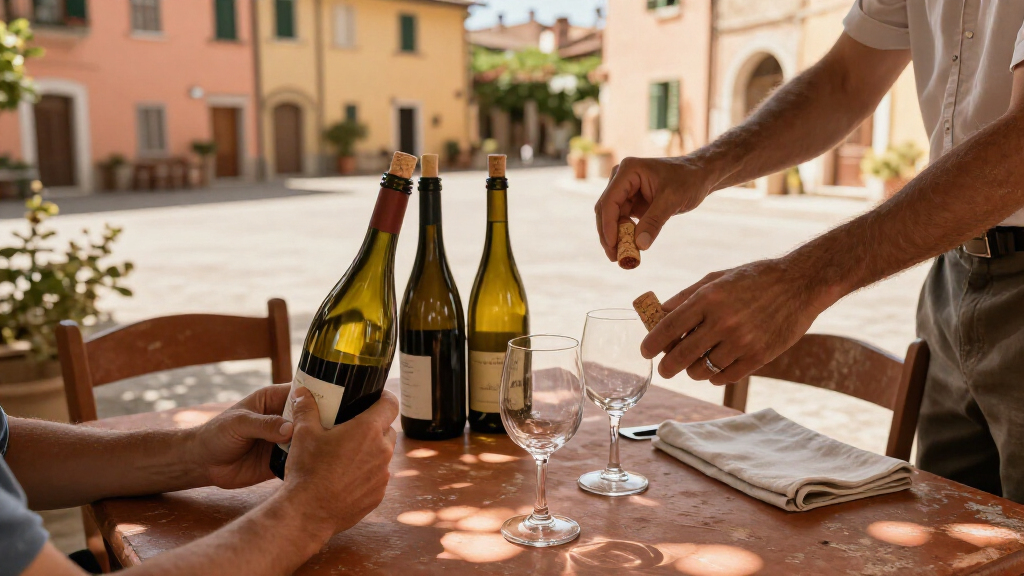
Balance the mill with a meal, a village, or a vineyard
A frantoio visit fits best into a slower day that also includes a meal or a nearby Chianti stop, because the experience connects olive oil to the wider local table. A harvest tasting makes more sense when you also taste the dishes people use the oil on, from beans and vegetable soup to grilled meat.
Chianti is famous for wine, but its food culture extends well beyond vineyards. A seasonal restaurant meal may include ribollita or another bean-and-vegetable soup, regional cheeses, cured meats, and roasted or grilled meat. You may see local wines on the table too. Menus change with the season and restaurant, so check what’s being served instead of expecting every place to offer the same dishes.
One practical itinerary is to schedule a morning mill visit, stop in a village for a walk, then sit down for lunch. If you also plan a wine visit, call both places first and allow enough time for driving on narrow country roads. You’ll get more from a tasting after a meal or a slow stroll than from rushing between several appointments.
Keep the day comfortable for everyone in your group. Mill floors may be uneven, equipment areas may have restricted access, and tour formats differ. Ask the farm directly about accessibility and whether children can join. A plan built around one confirmed visit gives you room to enjoy the countryside rather than watch the clock.
Frequently Asked Questions
When is frantoio season in Chianti?
Frantoio season generally runs from autumn into early winter, but exact harvest and pressing dates change with weather, olive ripeness, and the producer’s choices. Contact the mill directly to ask what will be happening on your travel dates.
Can visitors tour an olive mill?
Some mills and farms offer tours or tastings, while others do not. Ask about booking, visitor access, tour length, and accessibility before setting out; a working mill may have restricted areas or uneven floors.
What does freshly pressed olive oil taste like?
Fresh oil can taste fruity or grassy, with bitterness and a peppery finish. Its intensity depends on the olives, harvest timing, and production choices. Color by itself does not tell you whether the oil is good.
How should I taste olio nuovo?
Try a small amount on plain bread, ideally traditional unsalted Tuscan bread, and notice its aroma before the bitterness and pepper appear. You can also taste it over warm beans or soup to see how it behaves with food.
Is cloudy olive oil better?
Cloudiness alone does not prove superior quality; it can reflect suspended particles or a producer’s filtration choices. Ask how the oil was made and stored, then taste it rather than judging by appearance.
What should I eat with fresh Tuscan olive oil?
Bread, beans, soups, vegetables, and grilled food make natural pairings. Drizzle the oil over a finished dish just before serving to preserve its fresh aroma and peppery edge.
Can I buy oil at a mill and take it home?
Many producers sell their oil, but availability, packaging, and shipping vary. Ask before you visit, and keep a bottle sealed and away from heat and light once you get home.
Conclusion
Plan your Chianti olive-oil visit around a confirmed mill appointment, then taste the new oil with the food it was made to accompany. A slice of unsalted Tuscan bread, a warm bowl of beans, or a spoonful of ribollita can reveal more about the harvest than a bottle’s color ever will.
Ask when the olives were pressed, enjoy the oil while its grassy aroma is fresh, and let the season set an unhurried pace. In the Chianti hills, autumn can leave its mark in a green-gold ribbon across a warm piece of bread.