TL;DR

Get kitchen staples and gadgets delivered free with Prime
- Fast, free delivery on millions of items
- Prime Video, Amazon Music and more included
- Member-only deals all year
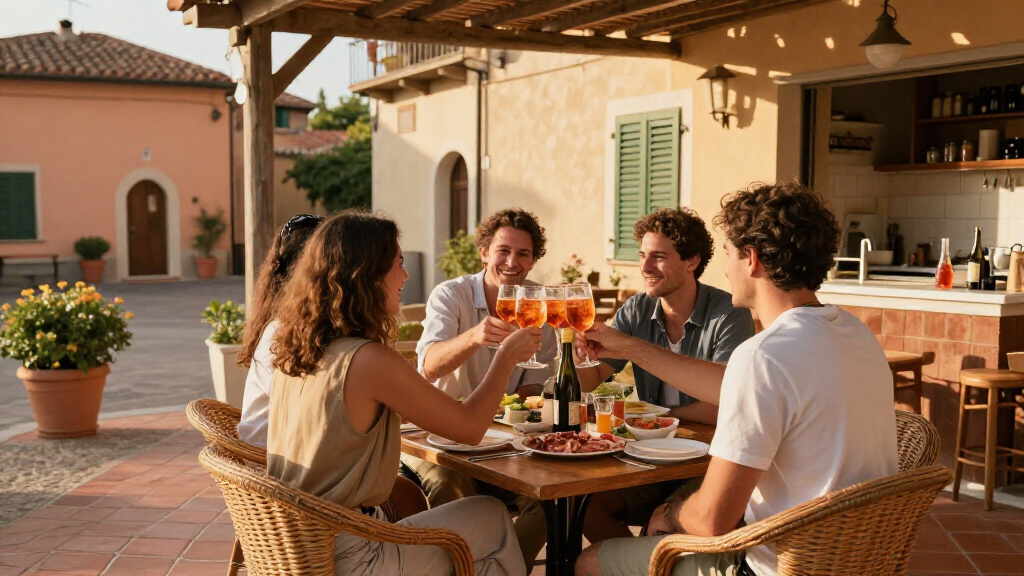
Aperitivo is the Italian ritual of a pre-dinner drink with complimentary small bites, held roughly between 6:00 and 8:00 PM, that marks the passage from work to evening. The word comes from the Latin aperire, ‘to open,’ because these bitter, low-alcohol drinks were believed to open the appetite. You can experience it authentically in cities like Milan, Turin, and Venice, or recreate it at home with a spritz, a few stuzzichini (snacks), and unhurried conversation.
At 6:30 on a Tuesday in Milan, the bars fill. Not with people getting drunk — with people slowing down. A woman in work clothes balances a glass of something orange on a saucer piled with olives and potato chips. Two retirees argue about football over two tiny glasses of vermouth. Nobody checks a phone. This is aperitivo, and it happens every single evening across Italy.
Aperitivo is not happy hour. Nothing is discounted, and that’s the point. You buy one drink — usually €8 to €15 in a city bar — and it arrives with food: olives, focaccia, cured meats, sometimes an entire buffet. It’s a social institution that turns the dead zone between work and dinner into the best hour of the day.
In this guide you’ll learn where the tradition came from, what to drink region by region, how to read an Italian bar like a local, and how to build a credible aperitivo at home wherever you live.
Aperitivo runs roughly 6:00–8:00 PM and means ‘to open’ (Latin aperire) — it’s an appetite opener, not a discount drinking session.
Order regionally: spritz in Venice, Campari in Milan, vermouth in Turin, local wine in Tuscany — each city guards its own version.
The 3-2-1 spritz ratio (prosecco, bitter liqueur, soda) is all you need to make a credible drink at home.
Buffet etiquette caps you at about two modest plates per drink; treats the spread as an appetizer, never dinner.
The full snack spread costs little: olives, chips, taralli, aged DOP cheese, and something fresh with flaky salt — served standing, not at a set table.
The Aperitivo Hour: How Italians Turn Early Evening into an Institution
Aperitivo is not happy hour. Nothing is discounted — and that’s the point. You buy one drink (€8–15) and it arrives with food, a table, and the right to do almost nothing, beautifully. The word comes from the Latin aperire, “to open”: these bitter, low-alcohol drinks were believed to open the appetite.
Why the Drink “Opens” You
Aperitivo means, literally, “to open.” The name encodes an old idea: bitter, herbal, mildly alcoholic drinks stimulate appetite and prepare the stomach for the meal to come. Italians don’t drink aperitivo to get a buzz; they drink it to get hungry. The rhythm matters too — Italians dine at 8:30 or 9:00 PM, and aperitivo gives the evening its shape: work, drink and snack, dinner.
Turin: Carpano invents commercial vermouth; the House of Savoy’s court makes herbal wines fashionable.
Milan gives the world Campari. Bitter red becomes the city’s signature.
The evening aperitivo becomes a fixed habit across northern Italian cities. Camparino in Galleria opens, 1915.
The ritual spreads south and becomes a national daily institution — bars, piazzas, all generations.
Aperitivo-style hours appear in New York, London, and Melbourne — but Italy remains the authentic home.
Aperitivo vs. Happy Hour
Aperitivo
Nothing is discounted. The drink is priced to cover the food, the table, and the time. You pay — happily — for the right to sit somewhere beautiful and stretch the hour itself. One drink over 45 minutes is completely normal.
Happy Hour
An American happy hour squeezes value out of the hour before you go home. It’s a commercial term for discounted drinks. Skip aperitivo, Italians say, and the evening feels “unformed” — the hour is the product, not the price.
Aperitivo drinks are deliberately low-alcohol — but they arrive fast in the sun. A Negroni nearly doubles a spritz’s ABV. Alternate with water; Italians do, and it’s why the hour stays civilized.
A Regional Cheat Sheet for the Aperitivo Bar
The five drinks you’ll see most: Aperol Spritz, Campari Soda, Negroni, prosecco, and vermouth on the rocks. But the “right” order depends on where you’re standing — each region guards its own version of the ritual.
| Region / City | Signature Order | What Locals Actually Do |
|---|---|---|
| Venice / Veneto | Aperol or Select Spritz | Standing at a bacaro bar counter; Venetians often prefer the bitterer Select over Aperol. |
| Milan / Lombardy | Campari Soda, Negroni | The Camparino in Galleria has poured Campari since 1915. Ask for a Negroni Sbagliato at Bar Basso. |
| Turin / Piedmont | Vermouth (chinotto or rosso) | The birthplace of vermouth — ordered neat with ice and an orange slice. Pay at the register first. |
| Florence / Tuscany | Regional wine, Negroni Sbagliato | A glass of Chianti with pecorino and crostini. |
| Rome | Negroni or craft spritz | Trastevere bars go buffet-heavy — expect pizza bianca and supplì. |
What Comes With Your Glass
Small bites arrive with your drink at no extra charge — stuzzichini, literally “little things that tease the palate.” This is not a promotion; it’s the deal. What lands on your saucer depends on the bar’s ambition.
Everywhere
- Green olives
- Potato chips
- Salted peanuts
Ambitious Bars
- Focaccia & pizza bianca
- Small squares of frittata
- Cubes of Grana Padano
Milan Navigli & Rome
- Pasta salads (€12–15 / drink)
- Cured meats & grilled vegetables
- Self-service spread
The Buffet Is Not Dinner
Refilling your plate four times off one spritz is the fastest way to get the cold shoulder. Two modest platefuls is the local ceiling. In classic Turin or Venice bars — the ones where the bartender has a mustache and opinions — you don’t touch the buffet at all; you take what you’re given and you’re glad.
Ask, Don’t Guess
Buffet spreads commonly include gluten (bread, pasta, fried items), dairy, nuts, and fish (anchovies, tuna in salads). Ask staff directly: “contiene frutta a guscio?” (does it contain tree nuts?) — rather than guessing at the counter.
How to Do Aperitivo Like a Local — 5 Steps
Doing aperitivo well is a learnable skill, and it starts with standing up — literally. Here’s the sequence Italians follow almost without thinking.
Arrive between 6:00 and 7:30 PM
Before 6 you’ll be alone; after 8 you’ve missed it and dinner is calling.
Drink at the counter first
Standing at the banco costs less than sitting at a table — sometimes half the price. Sip, watch the bartender work, then decide on a table.
Pay first at the register in old-school bars
You get a receipt (scontrino), hand it to the bartender, and get your drink. Skipping this in Turin earns you a look.
Order one drink and make it last
Aperitivo is sipping, not shooting. One drink over 45 minutes is completely normal; nobody will ask you to order again.
End it by 8:00
Locals drift off to dinner. In Piazza delle Erbe in Padua, students pack the square at 6:15 with €6 spritzes — by 7:45 it empties like a tide going out.
Build a Credible Aperitivo at Home
All you need is a spritz, a few stuzzichini, and unhurried conversation. The 3-2-1 ratio is the whole recipe.
The Snack Spread
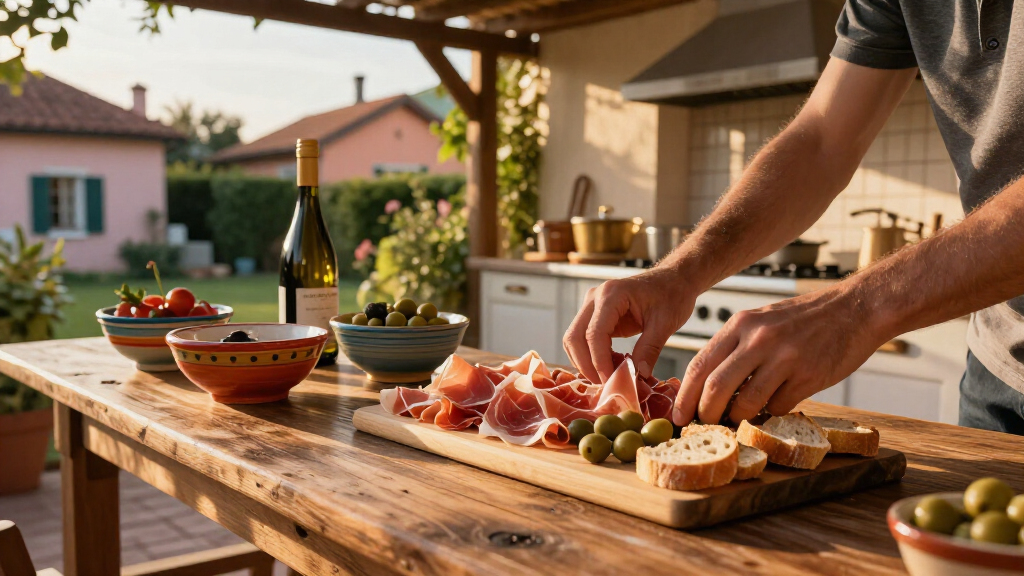
Olives, chips, taralli, aged DOP cheese, and something fresh finished with flaky salt. The full spread costs little — and it’s served standing, not at a set table. Keep it an appetizer, never dinner.
The Setting
The drink is priced — in Italy and at home — to cover the food, the table, and the time. Put the phones away, pour one drink per person, and let the hour run 45 slow minutes before dinner. That’s the entire institution.
Why the Drink ‘Opens’ You: The Real Meaning of Aperitivo
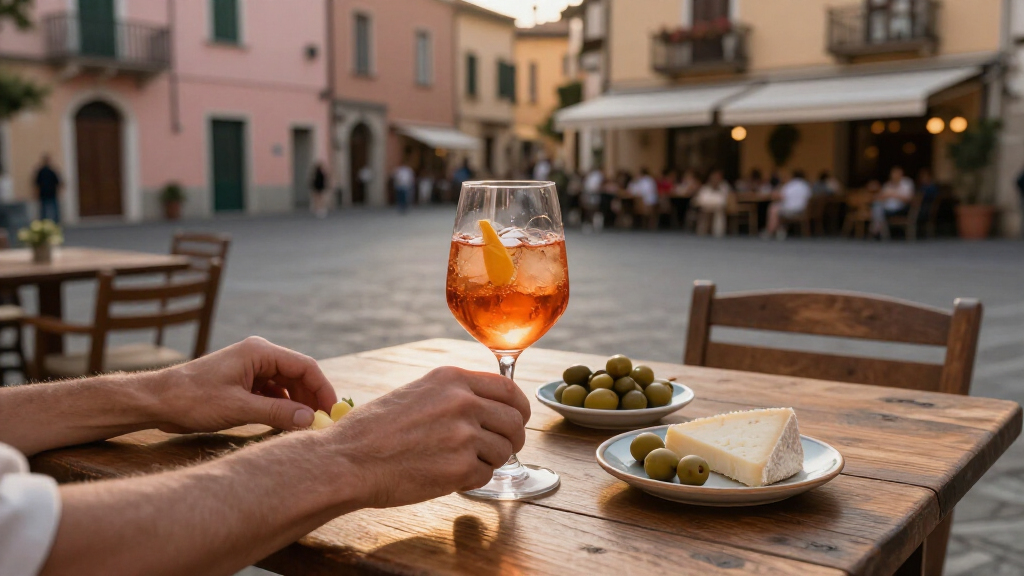
Aperitivo means, literally, ‘to open’ — from the Latin aperire. The name encodes an old idea: that bitter, herbal, mildly alcoholic drinks stimulate appetite and prepare the stomach for the meal to come. Italians don’t drink aperitivo to get a buzz; they drink it to get hungry.
The tradition has real historical roots. It dates to the 18th century in Turin, where the House of Savoy’s court and the city’s vermouth producers — Carpano invented commercial vermouth there in 1786 — turned medicinal herbal wines into fashionable daily drinks. Milan gave the world Campari in 1860. By the early 20th century, the evening aperitivo was a fixed habit in northern cities and spread south after WWII.
Here’s the antithesis that explains everything: happy hour is about cheap drinks, aperitivo is about expensive time. An American happy hour squeezes value out of the hour before you go home. Aperitivo stretches the hour itself — you’re paying, happily, for the right to sit somewhere beautiful and do almost nothing.
The rhythm matters too. Italians eat dinner late, often 8:30 or 9:00 PM. Aperitivo fills the gap so the evening has a shape: work, drink and snack, dinner. Skip it and the evening feels unformed — which is exactly how Italians describe it.
As an affiliate, we earn on qualifying purchases.
What to Order: A Regional Cheat Sheet for the Aperitivo Bar
The five drinks you’ll see most are the Aperol Spritz, Campari Soda, Negroni, a glass of prosecco, and vermouth on the rocks — but the ‘right’ order depends on where you’re standing, because each region guards its own version of the ritual.
| Region / City | Signature order | What locals actually do |
|---|---|---|
| Venice / Veneto | Aperol or Select Spritz | Standing at a bacaro bar counter; Venetians prefer bitter Select over Aperol |
| Milan / Lombardy | Campari Soda, Negroni | The Camparino in Galleria has poured Campari since 1915 |
| Turin / Piedmont | Vermouth (chinotto or rosso) | The birthplace of vermouth; ordered neat with ice and an orange slice |
| Florence / Tuscany | Regional wine, Negroni Sbagliato | A glass of Chianti with pecorino and crostini |
| Rome | Negroni or a craft spritz | Trastevere bars go buffet-heavy; expect pizza bianca and supplì |
Two ordering tips that mark you as someone who knows things. First, in Milan, ask for a Negroni Sbagliato (‘bungled Negroni’) — Campari, sweet vermouth, and spumante instead of gin, supposedly invented by a bartender who grabbed the wrong bottle at Bar Basso. Second, if you want less alcohol, a spritz made with bitter liqueur and prosecco runs roughly 8–11% ABV — a Negroni nearly doubles that, around 24%.
Drink responsibly: aperitivo drinks are deliberately low-alcohol, but they arrive fast in the sun. Alternate with water — Italians do, and it’s why the hour stays civilized.
The Free Food Rule: What Comes With Your Glass (and How Not to Abuse It)
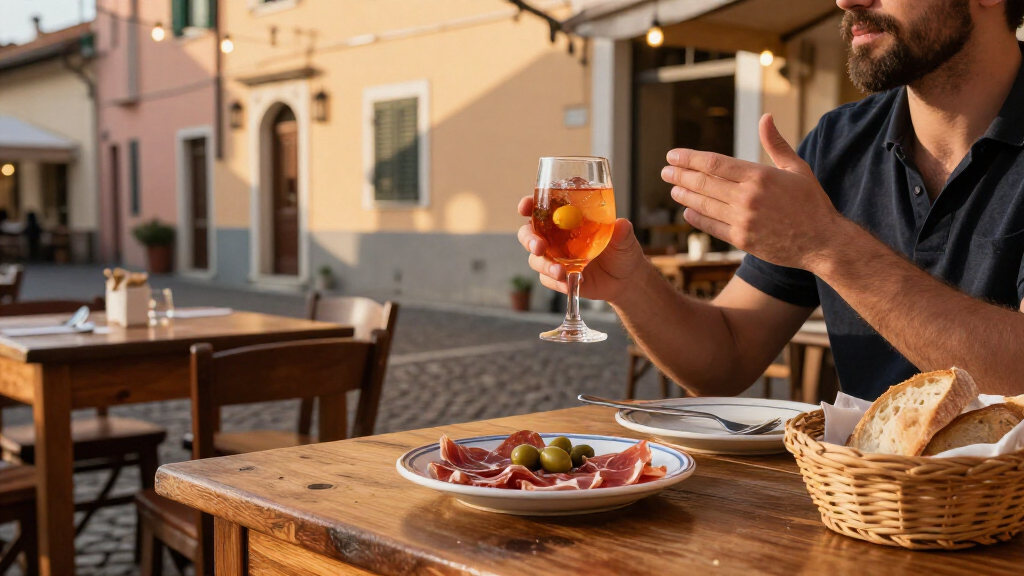
When you order an aperitivo drink in most Italian bars, small bites arrive with it at no extra charge — these are stuzzichini (literally ‘little things that tease the palate’). This is not a promotion; it’s the deal. The drink is priced to cover the food, the table, and the time.
What lands on your saucer depends on the bar’s ambition. The baseline everywhere: green olives, potato chips, salted peanuts. A step up brings focaccia, pizza bianca, small squares of frittata, or cubes of Grana Padano. In Milan’s Navigli district and many Roman bars, you’ll find full buffet aperitivo — one drink (maybe €12–15) plus a self-service spread of pasta salads, cured meats, and grilled vegetables.
Now the etiquette, because this is where tourists go wrong. The buffet is not dinner. Refilling your plate four times off one spritz is the fastest way to get the cold shoulder from the staff. Two modest platefuls is the local ceiling. And in the classic bars of Turin or Venice — the ones where the bartender has a mustache and opinions — you don’t touch the buffet at all; you take what you’re given and you’re glad.
Allergen note: buffet spreads commonly include gluten (bread, pasta, fried items), dairy, nuts, and fish (anchovies, tuna in many salads). Ask staff directly — ‘contiene frutta a guscio?‘ (does it contain tree nuts?) — rather than guessing.
How to Do Aperitivo Like a Local: A 5-Step Field Guide
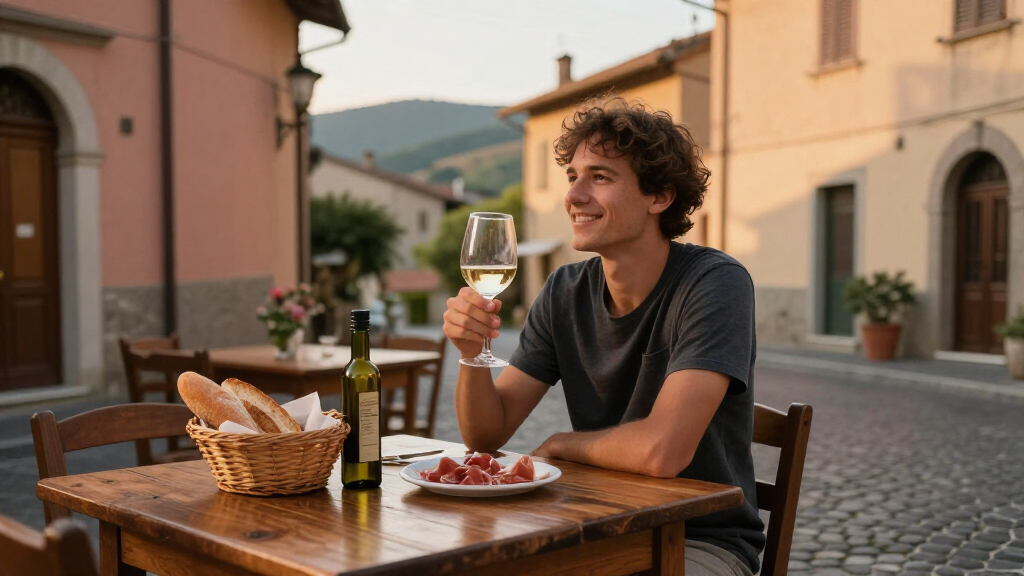
Doing aperitivo well is a learnable skill, and it starts with standing up — literally. Here’s the sequence Italians follow almost without thinking.
- Arrive between 6:00 and 7:30 PM. Before 6 you’ll be alone; after 8 you’ve missed it and dinner is calling.
- Drink at the counter first. In much of Italy, standing at the banco costs less than sitting at a table — sometimes half the price. Order, sip, watch the bartender work, then decide if you want a table.
- Pay first at the register in old-school bars. You get a receipt (scontrino), hand it to the bartender, and get your drink. Skipping this in Turin earns you a look.
- Order one drink and make it last. Aperitivo is sipping, not shooting. One drink over 45 minutes is completely normal; nobody will ask you to order again.
- End it by 8:00. Locals drift off to dinner. Lingering past 8:30 at a crowded bar marks you as a tourist or a student — sometimes both.
A concrete example: in Piazza delle Erbe in Padua, students from the university pack the square at 6:15 with €6 spritzes, and by 7:45 the square has emptied like a tide going out. That’s the whole lifecycle, observed from one café table. Time your visit the same way a local would and you’ll feel the rhythm rather than fight it.
Recreate Aperitivo at Home: The Honest Shopping List
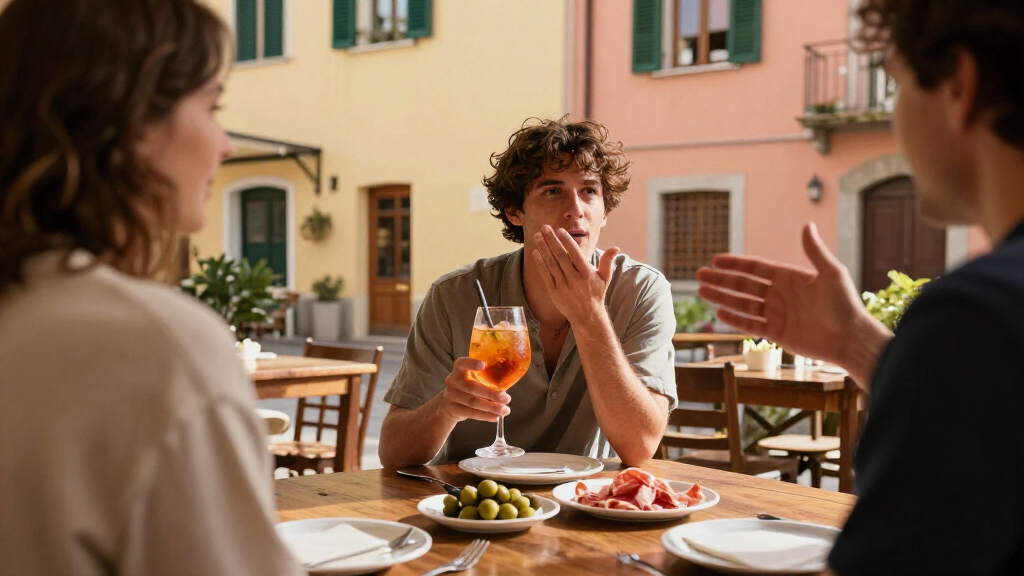
You can build a genuinely Italian aperitivo in your own kitchen with five purchases and twenty minutes, and it will taste closer to the real thing than most ‘Italian’ restaurants abroad. The formula is one bitter drink, two or three salty snacks, and a table where people linger.
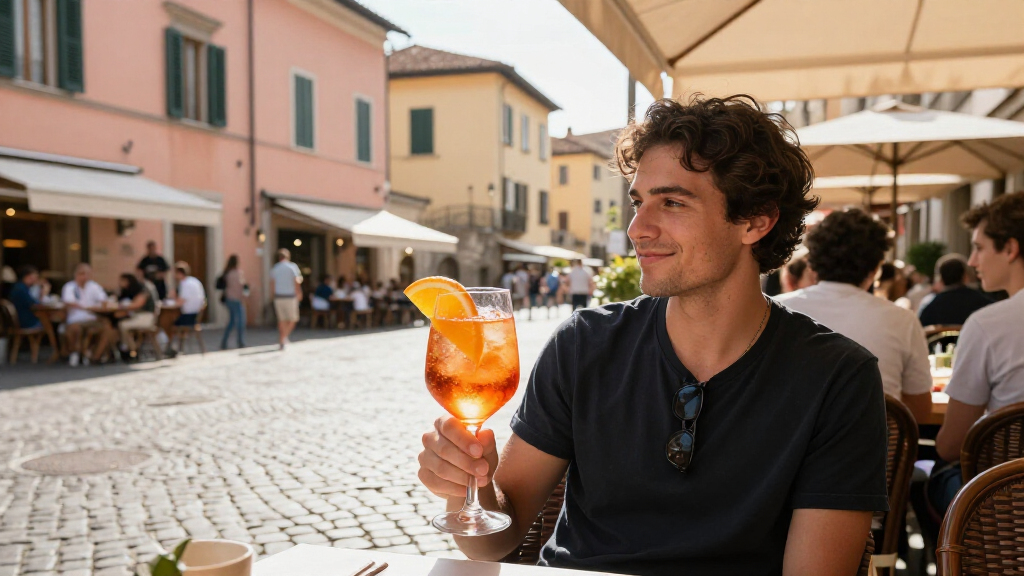
For the drink, start simple: prosecco (a DOC or DOCG bottle), Aperol or Campari, and soda water. The classic spritz ratio is 3-2-1 — three parts prosecco, two parts bitter liqueur, one part soda — poured over ice in a wine glass with an orange slice. If you want the Turin experience instead, a bottle of rosso vermouth over ice with an orange peel requires nothing else.
- Drinks: Prosecco DOC, Aperol or Campari, soda water; optional red vermouth
- Snacks: Castelvetrano or Taggiasca olives, good potato chips, taralli (Puglian ring crackers), thinly sliced prosciutto or salami
- Cheese: A wedge of aged Grana Padano or Parmigiano Reggiano DOP, broken into chunks
- Something fresh: Cherry tomatoes or cucumber with flaky salt — Italians add crunch and acid, not heaviness
Lay everything on the counter, not the dinner table. Aperitivo is standing food, grazing food. Put the chips in a bowl, not the bag — this small gesture is half the ritual.
Keep perishables safe: cured meats and cheese shouldn’t sit out longer than two hours (one hour if your room is above 90°F/32°C). Refrigerate leftovers promptly, and keep the prosecco cold in an ice bucket between pours.
Aperitivo Is Changing: Low-ABV Trends and the Global Spritz Takeover
The aperitivo concept has gone global, and it’s also evolving at home. In cities like New York, London, and Melbourne, Italian-style aperitivo hours have appeared on cocktail menus over the past decade, riding the same wave that made the Aperol Spritz one of the most-ordered cocktails worldwide — Aperol’s parent company reported record spritz-driven growth through the late 2010s.
Consider a concrete example of the spread: in New York, bars like Via Carota in the West Village serve a proper 5-to-7 PM aperitivo hour with vermouth on tap and complimentary snacks, while in London, Terraces and basement bars in Soho run ‘spritz o’clock’ menus with Campari-based cocktails and olive bowls. In Melbourne, café-bars mimic the Milanese model down to the orange slice and the 6 PM start. Even Aperol’s own marketing leans into it — the brand’s bright orange pop-up installations, from London’s South Bank to Miami, are essentially aperitivo evangelism.
Inside Italy, two shifts stand out, each with visible examples. First, the rise of low-alcohol and non-alcoholic aperitifs: Crodino, the alcohol-free bitter orange drink owned by Campari, is now a fixture on bar counters next to the Aperol — order one in a Milanese bar and you’ll get the same ritual treatment, same glass, same olives, just no buzz. A wave of artisanal botanical sodas has followed, giving designated drivers and sober-curious drinkers a legitimate glass. Second, regional pride: bars in Palermo are pushing Marsala-based drinks — think a Marsala Spritz with local citrus instead of prosecco — while Naples promotes bellinis and bitter amari from Campania, and Piedmont’s vermouth cellars, like those in Chieri and Turin, now run guided vermouth tastings the way Napa runs wine tastings.
Social media has changed the aesthetics too, and you can see it plainly: a spritz on a Venice canal at golden hour is practically a stock image now, and some bars — like the sunset-facing terraces on Rome’s Gianicolo hill — stage the hour with live music and elaborate buffet spreads designed as much for the camera as the palate. Think of it as the difference between a home-cooked meal and a plated restaurant dish: the ritual’s skeleton survives, but the presentation has been professionalized. Purists grumble. Yet the core transaction — one drink, some salty food, unhurried talk before dinner — hasn’t moved in over two centuries, and that’s the part worth protecting when you import the ritual.
One caution for travelers, with a concrete illustration: at a famous café on Venice’s Piazza San Marco, an orchestra-side spritz can run €18–20 once the music cover charge is added; two streets away, near Campo Santa Margherita, the same drink costs €6–7. The lesson generalizes — walk two streets.
Frequently Asked Questions
What is the difference between aperitivo and happy hour?
Happy hour is a commercial promotion — discounted drinks during a slow business period. Aperitivo is a cultural ritual: full-priced drinks that come with complimentary food, valued for the pause and the company rather than the deal. Nothing at an Italian aperitivo is cheap; that’s not the point.
What time is aperitivo in Italy?
Roughly 6:00 to 8:00 PM, bridging the end of the workday and the late Italian dinner (typically 8:30–9:00 PM). Arriving between 6:00 and 7:30 puts you in the natural flow of the evening.
Is the food really free with a drink?
In most bars, yes — small bites like olives, chips, or focaccia arrive with your drink at no extra charge, and the drink’s price (usually €8–15 in cities) quietly covers it. Buffet-style aperitivo works the same way: one drink, one buffet access. Two modest plates is the polite local limit.
Can I do aperitivo without alcohol?
Absolutely. Crodino and a growing range of non-alcoholic botanical aperitifs mimic the bitter, herbal profile of the classics, and Italians increasingly order them. Even a bitter orange soda with olives captures the spirit — the ritual is the hour, not the ABV.
Where is the most authentic aperitivo in Italy?
For origins, Turin — birthplace of vermouth since 1786. For style, Milan, home of Campari and the Camparino bar (pouring since 1915). For atmosphere, Venice’s bacari and Padua’s student-packed Piazza delle Erbe. All three are authentic; they just express different centuries of the same tradition.
Conclusion
If you take one thing from the Italian aperitivo, take the structure, not the spritz: one bitter drink, a few salty bites, and a fixed hour with people you like, placed deliberately between the day and the meal. That hour costs €8 in Milan and almost nothing at home — the price of the prosecco and a bowl of olives.
So tonight, at six o’clock, pour something bitter over ice, put the chips in a bowl, and refuse to rush. The Italians built an entire institution out of that one refusal. The least you can do is borrow it for an evening.
Halloween Picks
halloween
As an affiliate, we earn on qualifying purchases.