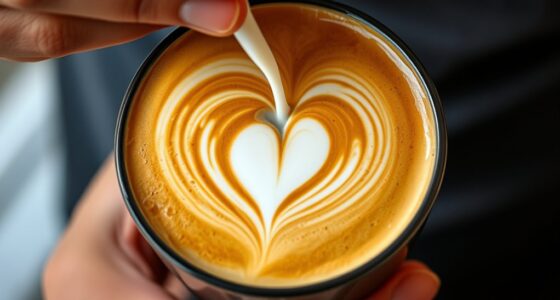
TL;DR

Get kitchen staples and gadgets delivered free with Prime
- Fast, free delivery on millions of items
- Prime Video, Amazon Music and more included
- Member-only deals all year
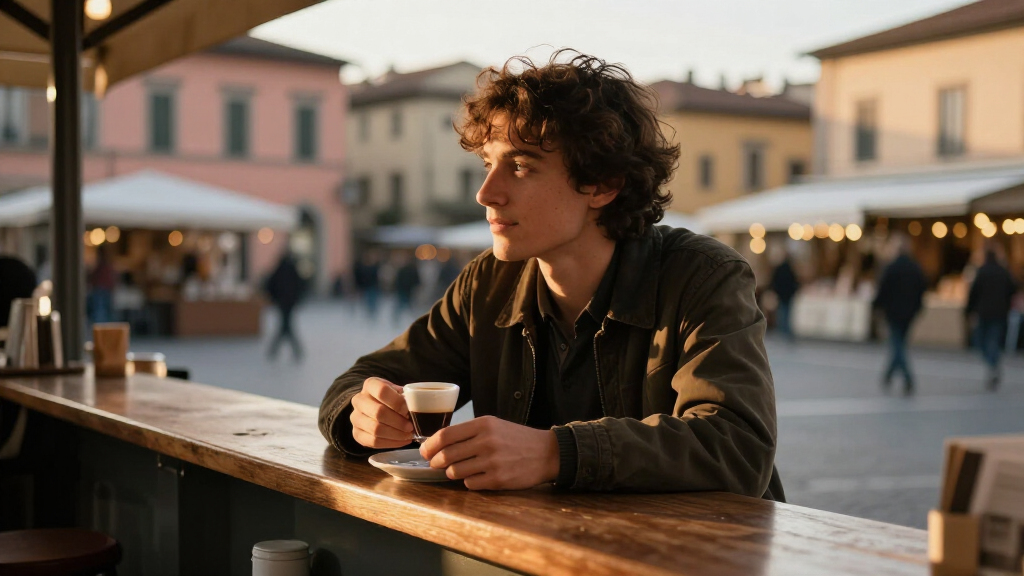
In Italy, ‘un caffè’ means an espresso, it’s usually drunk standing at the counter in under five minutes, and paying first or after depends on the bar. Milk-heavy drinks like cappuccino belong to breakfast by custom, not law, and table service can cost double the counter price. Say ‘Buongiorno, un caffè, per favore’ and watch what locals do.
The first time I ordered coffee in Rome, I said “un espresso, per favore” and the barista smiled the way you smile at a niece trying to speak for the first time. He understood me. He also knew instantly I was foreign, because nobody in Italy orders an espresso. They order un caffè. That’s what espresso is called in the country that invented it.
Italian coffee culture is less about elaborate drinks and more about ritual: a greeting, a two-word order, a coin on the counter, three sips standing up, and out the door. The whole thing takes less time than reading a coffee shop menu in the US. Once you know the script, it’s one of the easiest and cheapest pleasures in the country — a properly pulled espresso at a neighborhood bar can cost €1.10–€1.30 at the counter.
In this guide you’ll learn exactly what to say, what to order, when the cappuccino rule actually applies, how paying works (it varies), and the regional surprises from Naples to Trieste. No Italian required — though a little helps.
Order "un caffè" — never "espresso" — and always open with "Buongiorno" before anything else.
Drink at the counter (al banco) for the lowest price; check the posted price list before sitting at any table, especially in tourist piazzas.
Payment systems vary by bar: some require paying the cashier first and showing the receipt, others take payment after — watch a local or ask "Dove si paga?"
The cappuccino-after-11 a.m. rule is a breakfast custom, not an enforceable law; order what you like, but know espresso is the post-meal standard.
Regional vocabulary shifts: try bicerin in Turin, caffè leccese with almond syrup in Puglia, and expect Trieste to use its own coffee dictionary.
Caffè al Bar: The Unwritten Rules of Ordering Coffee in Italy
In Italy, “un caffè” means an espresso — and nobody orders it by that name. Learn the greeting, the two-word order, the counter ritual, and why a €1.20 coffee can cost €6 three meters away. The whole visit takes less time than reading an American coffee menu.
Why Italians Drink Coffee Standing Up — and Why It’s Cheaper
An Italian bar prices coffee in two tiers: al banco (at the counter) and al tavolo (at the table). You’re paying for the chair, the waiter, and often the view. Same cup, wildly different bill.
Walk In, Greet, Order, Sip, Leave
The greeting matters more than the order. Skipping Buongiorno and barking your order is the fastest way to mark yourself as rude — small talk before transactions is baked into Italian social life.
Greet the room
“Buongiorno” — said to the whole bar, not just the barista.
Check payment
Separate cashier? Pay first, hold the scontrino (receipt). No cashier? Pay after. Or ask “Dove si paga?”
Order in two words
“Un caffè, per favore.” Barista: “Normale o macchiato?” You: “Normale, grazie.”
Drink standing
Three sips at the counter, a sentence about the weather or the match, done.
Close politely
“Grazie, arrivederci” — even to a room full of strangers.
Card and contactless payment is now common, but cash is smoother at tiny neighborhood bars. Ask “Posso pagare con la carta?” if unsure. Tipping is optional — small change is appreciated, never expected.
What You’ll Actually Get in the Cup
Italian bar menus look short but hide variety — and two traps: order “un latte” and you’ll receive a glass of milk, and an Italian macchiato is a teaspoon of milk, not a large caramel drink.
| Order | What you get |
|---|---|
| Un caffè | ✓ Say this. A standard espresso — never “espresso” |
| Caffè ristretto | Shorter, more concentrated extraction |
| Caffè lungo | Espresso with more water, larger cup |
| Caffè macchiato | Espresso “stained” with a small splash of milk |
| Cappuccino | Espresso, steamed milk, and foam — breakfast by custom |
| Caffè latte | Coffee with plenty of hot milk — ⚠ say both words; “latte” alone = milk |
| Caffè americano | Espresso diluted with hot water (not drip coffee) |
| Caffè corretto | Espresso “corrected” with a splash of liquor — adults only |
| Deca | Decaffeinated espresso |
| Caffè d’orzo | Caffeine-free roasted-barley drink |
| Caffè shakerato | Espresso shaken with ice, usually sweetened |
The Cappuccino Rule: Real Custom or Tourist Myth?
The famous 11 a.m. cutoff is a social convention, not enforceable — no barista will refuse you. Italians see milk-heavy drinks as breakfast food, too filling to follow a proper lunch. Here’s how the day actually reads:
🥐 Cappuccino + cornetto — you’re invisible
The classic morning order — “Un cappuccino e un cornetto, per favore” — makes you indistinguishable from everyone else in the bar.
☕ The unofficial line
Treat it as a menu suggestion, not a border checkpoint. Order what you want — just know what locals are signaling when they don’t.
⚫ Un caffè — the punctuation mark
Espresso after lunch or dinner is so standard that many restaurants ask about coffee before offering dessert twice. A cappuccino here marks you as foreign — but won’t get you judged harshly.
Regional Surprises from Naples to Trieste
There is no single Italian coffee dictionary. Volume, roast, and names shift city by city.
Dark, concentrated espresso culture — plus the sospeso tradition: paying in advance for a coffee meant for someone who can’t afford one.
A layered historic drink of coffee, chocolate, and cream or milk.
Iced coffee over almond syrup — southern Italy loves its chilled variations.
Expect entirely local coffee vocabulary — Trieste’s historic café culture uses terms you won’t hear anywhere else in Italy.
Pocket Phrase Card
Why Italians Drink Coffee Standing Up (and Why It’s Cheaper)
Drinking coffee at the bar counter is the default in Italy, and it’s usually the cheapest way to do it. A neighborhood bar — which despite the name is a café serving pastries, soft drinks, and often alcohol — separates pricing into two tiers: al banco (at the counter) and al tavolo (at the table). Table service costs more because you’re paying for the chair, the waiter, and often the view.
In a working-class bar in Milan’s Navigli district, an espresso at the counter might run €1.20. Sit at a table ten feet away and the same cup could be €3.50. In tourist-heavy spots — think Piazza San Marco in Venice — the gap gets extreme, with table coffee famously reaching €6 or more with a music surcharge. That’s not a scam if the prices are posted; it’s just the business model.
The rhythm matters too. Italians treat coffee as a brief daily pause, not a destination. You stand, you sip, you exchange two sentences about the weather or the soccer match, and you leave. Many Italians drink two or three caffè a day this way — mid-morning, after lunch, maybe mid-afternoon — precisely because each one costs ninety seconds.

- Check the posted price list (listino prezzi) before sitting anywhere.
- Say “da bere qui” (to drink here) or “da portare via” (takeaway) if asked.
- Don’t feel rushed — a few minutes at the counter is normal, twenty is not.
As an affiliate, we earn on qualifying purchases.
What to Actually Say: The 10-Second Order Script
The safest first order in any Italian bar is: “Buongiorno, un caffè, per favore.” That greeting matters. Skipping it and barking your order is the single fastest way to mark yourself as rude — small talk before transactions is baked into Italian social life. Then keep the order short. Italians do not narrate their coffee.
A typical exchange at the counter sounds almost choreographed:
You: Buongiorno, un caffè, per favore.
Barista: Normale o macchiato? (Regular or with a splash of milk?)
You: Normale, grazie.
When you leave, say “Grazie, arrivederci” — even to a room full of strangers. Italians do this everywhere, and it’s a small habit that earns quiet approval.
Now, the paying puzzle. Some bars have a cassiere (cashier): you pay first, get a receipt (scontrino), and show it to the barista. Others want you to order, drink, then pay on your way out. There’s no national system. The fix is simple: watch one local before you commit, or just ask “Dove si paga?” (Where do I pay?). Nobody will mind.
- Walk in, say Buongiorno to the room.
- Check whether there’s a separate cashier — if yes, pay first and hold the receipt.
- Order in two words: un caffè, or whatever you want.
- Drink it at the counter in a few minutes.
- Close with “Grazie, arrivederci.”
Card and contactless payment is now common even for small purchases, but cash is still smoother at tiny neighborhood bars. Ask “Posso pagare con la carta?” if unsure.

Italian bar menus look short but hide surprising variety — and a few traps. The biggest one: order “un latte” and you will receive a glass of milk, because latte means milk. Say the full name, caffè latte, if that’s what you want. Another trap is macchiato: in Italy it’s an espresso “stained” with a teaspoon of milk, nothing like the large caramel drink sold by international chains.
Here’s the working translation table for nearly any bar in the country:
| Order | What you get |
|---|---|
| Un caffè | A standard espresso — say this, not “espresso” |
| Caffè ristretto | Shorter, more concentrated extraction |
| Caffè lungo | Espresso with more water, larger cup |
| Caffè macchiato | Espresso with a small splash of milk |
| Cappuccino | Espresso, steamed milk, and foam |
| Caffè latte | Coffee with plenty of hot milk — say both words |
| Caffè americano | Espresso diluted with hot water (not drip coffee) |
| Caffè corretto | Espresso “corrected” with a splash of liquor |
| Deca | Decaffeinated espresso |
| Caffè d’orzo | Caffeine-free roasted-barley drink |
| Caffè shakerato | Espresso shaken with ice, usually sweetened |
A quick caffeine note that surprises people: a single espresso often contains less total caffeine than a large filter coffee, because the serving is so much smaller — around 30 ml versus 350 ml. It tastes more intense because it’s concentrated, not because it’s a bigger dose. And caffè corretto? That splash of grappa or sambuca makes it an adults-only drink, best enjoyed slowly and responsibly — ideally not before driving.

The Cappuccino Rule: Real Custom or Tourist Myth?
Yes, you can order a cappuccino after 11 a.m. in Italy — the famous cutoff is a social convention, not a law, and no barista will refuse you. The reason the custom exists is practical: Italians see milk-heavy drinks as breakfast food, too filling to follow a proper lunch or dinner. A heavy stomach plus hot milk doesn’t sit well when there’s afternoon work to do.
What Italians actually do is order un caffè after meals — a small, dark punctuation mark at the end of lunch. The espresso-after-dinner habit is so fixed that many restaurants will ask if you want coffee before even presenting the dessert option twice.
So the honest framing is this: ordering a cappuccino at 4 p.m. marks you as foreign, but it won’t get you judged harshly or refused. Ordering one at 9 a.m. with a cornetto (Italian croissant) makes you indistinguishable from everyone else in the bar. The classic morning order is simply: “Un cappuccino e un cornetto, per favore.”
Treat the 11 a.m. rule as a menu suggestion, not a border checkpoint. Order what you want — just know what the locals are signaling when they don’t.
One more breakfast note: dunking your cornetto or a biscotto into your cappuccino is completely normal. Kids do it, grandmothers do it, nobody blinks. It’s one of the small joys of an Italian morning, and the bar’s warm, milky foam is built for it.

Regional Coffee Differences That Will Surprise You
There is no single Italian coffee vocabulary — what you get in the cup shifts from city to city, and a few places will genuinely confuse you. Naples is the spiritual home of dark, concentrated espresso, pulled tight and served scalding. It’s also the birthplace of the caffè sospeso — the “suspended coffee,” where a customer pays in advance for a coffee a stranger in need can claim later. The tradition became internationally famous during hard economic times and still lives on in Naples, though no bar is obligated to run it.
Turin offers the bicerin, a historic layered drink of espresso, drinking chocolate, and cream served in a small glass — a legacy of the city’s grand café era. Lecce, in Puglia, is famous for caffè leccese: espresso poured over ice with almond syrup, invented for the punishing southern summer heat. Order one in July and you’ll understand immediately.
Then there’s Trieste, the coffee capital that plays by its own dictionary. Home to a historic port and one of Europe’s biggest coffee-roasting industries, Trieste uses local words like capo (a small cappuccino-style drink) that don’t exist elsewhere in Italy. Words you think you know may mean different drinks there. The universal fallback when confused: describe the drink you want. A barista would rather translate your description than pour the wrong thing.

- Naples: dark, tight espresso; caffè sospeso tradition.
- Turin: bicerin — coffee, chocolate, cream.
- Lecce: iced espresso with almond syrup.
- Trieste: its own dialect of coffee names; describe, don’t assume.
7 Mistakes That Mark You as a Tourist (and the Easy Fixes)
Most coffee mistakes in Italy cost you nothing but a small flicker of awkwardness — though a few cost real money. Sitting at an unmarked table in a famous piazza is the expensive one: always check the price list first, because table-service pricing is legal and posted. Here are the errors that come up again and again, with fixes.
- Ordering “un latte” — you’ll get a glass of milk. Fix: say caffè latte or latte macchiato.
- Assuming one payment system — pay-first and pay-after both exist. Fix: watch a local, or ask “Dove si paga?”.
- Sitting without checking prices — table service may double or triple the cost. Fix: read the listino first.
- Expecting a 16-oz takeaway cup — Italian coffee is small and meant for now. Fix: embrace the tiny cup.
- Skipping the greeting — launching straight into your order reads as rude. Fix: Buongiorno first, always.
- Confusing macchiato — it’s espresso with a dot of milk, not a large flavored drink. Fix: point to what you want if unsure.
- Expecting drip coffee — a caffè americano is espresso plus hot water, which tastes different from brewed filter coffee. Fix: try it on its own terms.
A note on customization: simple adjustments — decaf, hot or cold milk, less milk, no sugar — are completely normal. Long lists of syrups, milk temperatures, and cup sizes are not part of a traditional bar, though specialty cafés in bigger cities are changing that. Plant-based milk, especially oat and soy, is increasingly available in urban cafés; ask “Avete latte vegetale?” and expect it might cost a little extra.
And the water question: some bars set out a small glass of water. Many Italians drink it before the coffee to cleanse the palate. Either order is fine — nobody is keeping score on that one.
Frequently Asked Questions
Will ordering “espresso” identify me as a tourist?
Possibly, but every barista will understand you. Un caffè is simply the natural local expression — in Italy, espresso is the default coffee, so no one specifies it. Say “un caffè, per favore” and you’ll blend right in.
Is espresso stronger than regular coffee?
It tastes more concentrated, but a single espresso typically contains less total caffeine than a large filter coffee because the serving is far smaller — roughly 30 ml versus 350 ml. The intensity is in the concentration, not the dose.
Can I order coffee to go in Italy?
Yes, especially in cities and transport hubs — say “da portare via.” Takeaway coffee has become more visible in recent years, but it’s still far less central to Italian bar culture than standing at the counter. Don’t expect large cups or extensive customization.
Is tipping expected at an Italian bar?
No. Italy does not have a tipping culture for counter coffee. Leaving a coin or small change on the counter for good service is appreciated but never required, and there’s no fixed percentage. Your €1.20 espresso stays a €1.20 espresso.
What is a caffè sospeso?
It’s a “suspended coffee”: a customer pays in advance for an extra coffee that someone in need can later claim for free. The tradition is strongly associated with Naples, though not every bar offers it systematically. It remains one of the most beautiful small rituals in Italian café life.
Can I pay for one espresso by card?
Increasingly yes — card and contactless payments have become normal in Italy even for small purchases, though practices vary by bar. Ask politely “Posso pagare con la carta?” and keep a few euros in coins as backup for tiny neighborhood bars.
Conclusion
Here’s the whole system in one breath: greet, order two words, stand, sip, thank, leave. Italian coffee culture rewards brevity — the less you ask of the ritual, the more it gives back, and the bar counter is where the country actually runs on espresso. Master the script once and every bar from Palermo to Bolzano becomes yours.
So tomorrow morning, wherever you are, try it at home: pour yourself a small, strong coffee, drink it standing at the kitchen counter in three sips, and see how different the day feels when coffee is a pause instead of a project. Then start planning the trip — Naples is waiting, and the sospeso you pay forward might be the best €1.20 you ever spend.

Halloween Picks
halloween
As an affiliate, we earn on qualifying purchases.