TL;DR
Ricciarelli are oval or diamond-shaped almond cookies associated with Siena, Tuscany, known for a powdered-sugar exterior and a soft, chewy center. Their classic ingredients are finely ground almonds, sugar, and egg white, often brightened with orange zest; “Ricciarelli di Siena” also holds EU Protected Geographical Indication status. Serve them with coffee, tea, or Vin Santo, and check labels if you need to avoid gluten or eggs.
A cookie can crackle on top and still feel almost like a little almond pillow when you bite into it. That contrast is the pleasure of ricciarelli, Siena’s tender almond cookies, with a snowy sugar coating and a fragrant, chewy center.

Get kitchen staples and gadgets delivered free with Prime
- Fast, free delivery on millions of items
- Prime Video, Amazon Music and more included
- Member-only deals all year
They belong to Siena, in Tuscany, where the city’s confectionery tradition gives a simple combination of almonds, sugar, and egg white a strong sense of place. You’ll learn what to look for in an authentic-style cookie, how its protected name differs from modern variations, and how to serve or bake a batch at home.
Think of this guide as a small Tuscan pastry stop you can make in your own kitchen. Whether you find ricciarelli in a Siena bakery at Christmas or pair them with afternoon coffee at home, a few details help you appreciate their texture, flavor, and regional roots.
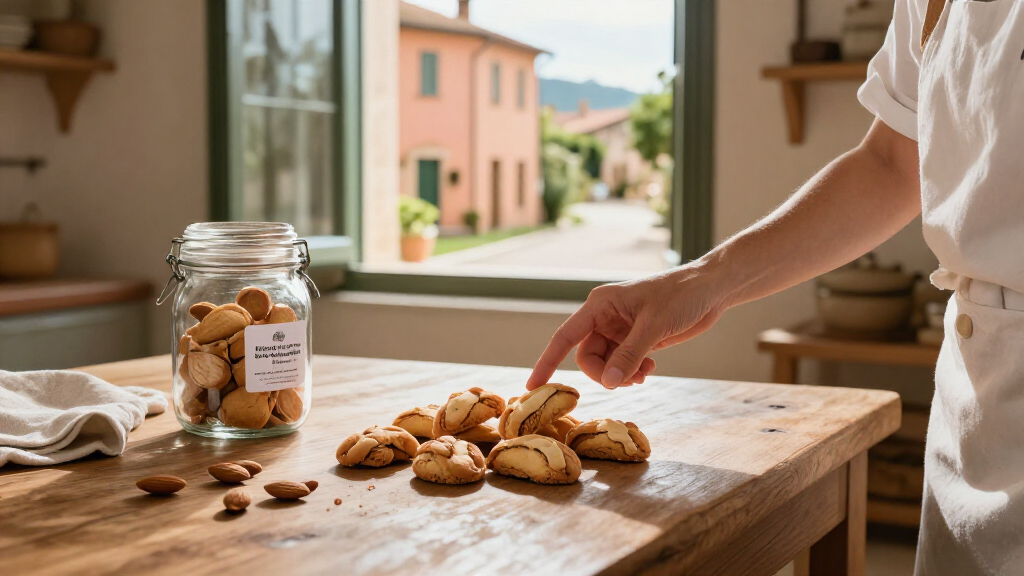
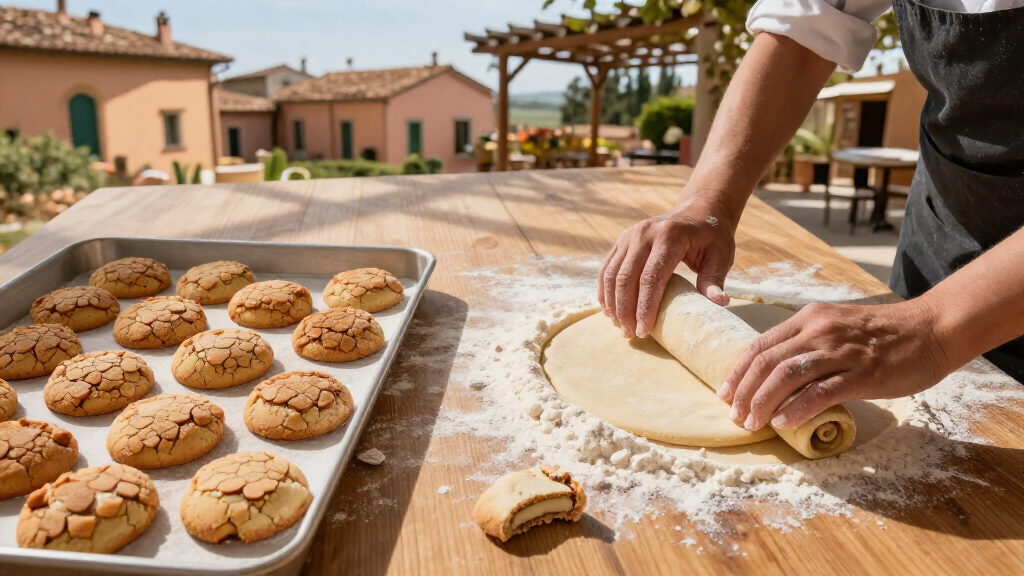
Look for a powdered-sugar coat, fine surface cracks, and a soft center when you want the classic ricciarello texture.
Ricciarelli di Siena has EU PGI status; check the label and current specification when regional production details matter.
Finely ground almonds, sugar, and egg white form the classic base, while orange zest often adds a bright note.
Serve ricciarelli with coffee or tea, or choose Vin Santo for an adult, responsible Tuscan-style pairing.
Store cookies airtight at room temperature and check ingredients for almonds, egg, gluten, and cross-contact risks.
Siena’s cloud-soft cookies Almond, citrus, and a tender center
Ricciarelli pair a delicate powdered-sugar crust with a soft, chewy almond center. Their flavor and protected regional name connect each bite to Siena, Tuscany.
The classic bite
Look for a pale cookie with a cracked sugar coat and a tender center.
Crisp outside, soft inside
As the surface dries, the middle stays moist and chewy, creating fine cracks.
Almond with citrus
Finely ground almonds bring the signature aroma; orange zest often adds brightness.
Small ovals or diamonds
A generous powdered-sugar coating gives the cookies their snowy finish.
A name tied to Siena
The protected name helps readers understand the cookie’s regional roots.
“Ricciarelli di Siena” has EU Protected Geographical Indication status.
The designation links the product to Siena and sets production requirements.
Chocolate or other modern twists may differ from the protected Siena product.
Ricciarelli or amaretti?
Both showcase almonds, but their usual textures suit different moments.
| Cookie | Typical texture | What to expect |
|---|---|---|
| Ricciarelli | Soft and chewy | Powdered sugar, often cracked; associated with Siena |
| Amaretti | Often firmer or crispier | Almond-forward; recipes and textures vary |
Serve and store
A simple pairing and careful storage preserve the pleasure of the cookie.
- Pair with coffee or tea, or enjoy with Vin Santo.
- Keep cookies airtight at room temperature to help prevent drying.
- Check ingredients and cross-contact information for gluten, almond, and egg concerns.
What makes ricciarelli soft in the middle and crisp on top?
Ricciarelli are soft almond cookies from Siena, usually shaped into small ovals or diamonds and coated in powdered sugar. Their signature is a lightly crisp exterior that gives way to a moist, chewy center, with a pronounced almond aroma and often a bright hint of citrus. A good one feels tender, not crumbly.
The classic mixture uses finely ground almonds, sugar, and egg white. Orange zest is common; some recipes add honey, vanilla, or bitter almond flavoring. The exact formula varies between bakers, so one cookie may smell of fresh orange peel while another leans more deeply into toasted almond.
As ricciarelli bake, the surface dries and the soft middle expands beneath it. That difference creates the characteristic fine cracks in the sugar coat. Imagine the thin crust on a brownie giving way to its fudgy center, only lighter and perfumed with almonds.
At a bakery counter, look for a pale cookie with a delicate, cracked top and a little give when gently pressed. If you bring a box home for an evening coffee, the contrast should still be there: a faint sugar crunch first, then a yielding center that lingers with citrus and almond.
Products Worth Considering

Google Nest Thermostat E Smart Thermostat with Temperature Sensor Bundle – White

Shark HydroVac MessMaster Wet Dry Vacuum & Mop Combo (AW261)

Dyson Car+Boat Cordless Handheld Vacuum
As an affiliate, we earn on qualifying purchases.
How to spot the Siena tradition in a bakery or package
Ricciarelli di Siena is the protected name for the regional specialty associated with Siena, Tuscany. It holds European Union Protected Geographical Indication (PGI) status, which connects the product to a defined place and production requirements. The name gives you a useful clue when choosing a packaged cookie or bakery specialty.
PGI status does not mean every almond cookie called ricciarelli has the same ingredients, texture, or recipe. Home versions and modern bakery interpretations may add chocolate or change the citrus, and those can still be delicious. They simply may differ from the protected Siena product, so check the current product specification if you need precise details about permitted production.
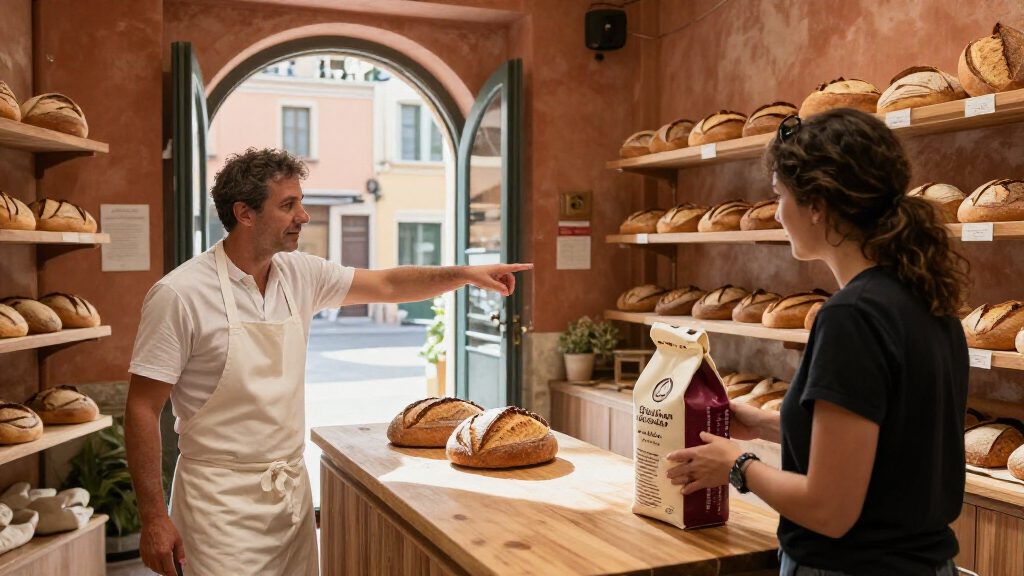
Here’s a practical shopping scenario: you’re browsing a Siena bakery before catching a train. A labeled box marked Ricciarelli di Siena PGI offers a clear regional reference; a loose almond cookie labeled only “ricciarelli” may be a baker’s variation. Either can make a lovely snack, but the label helps you understand what you’re buying.
Ricciarelli are especially linked to Christmas and festive occasions, yet Siena bakeries sell them throughout the year. Pick up a small box in winter to take home, or ask for one with an espresso after lunch in July. The seasonal tradition gives them extra warmth, but you don’t need to wait for December.
What ricciarelli taste like beside amaretti
Ricciarelli and amaretti both showcase almonds, but their texture and finish make them feel like different treats. Use this quick comparison when you’re choosing a cookie for coffee, a dessert plate, or a gift box.
| Cookie | Typical texture | What to expect |
|---|---|---|
| Ricciarelli | Soft and chewy inside | Powdered-sugar coating, often cracked; associated with Siena |
| Amaretti | Often firmer or crispier | Almond-forward flavor; recipes and textures vary by style |
Imagine you’re picking something to serve after a Tuscan-inspired supper. If you want a cookie that yields easily and leaves a soft almond finish, reach for ricciarelli. If you’d like more crunch with a cup of tea, amaretti may suit the moment better.
Neither name guarantees one fixed texture across every bakery and recipe. A home baker can make a firmer ricciarello by baking it longer, though that moves away from the classic soft center. Let the bite guide you, and ask the bakery what its version is like if texture matters.
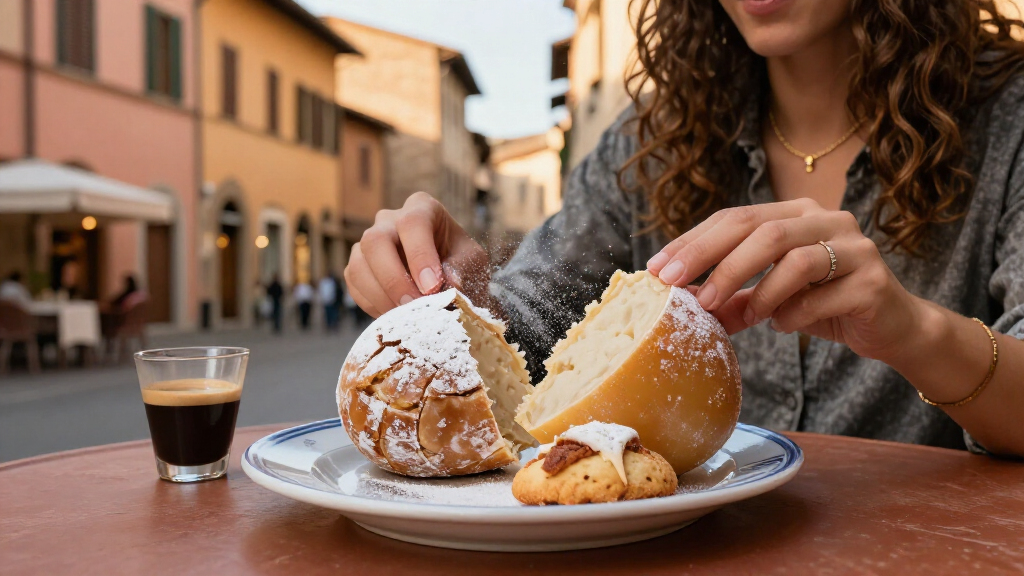
Bake a home-style batch with the right texture
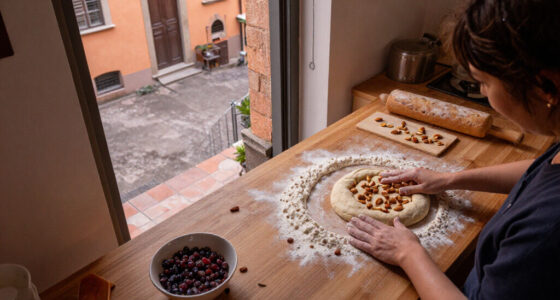
You can make home-style ricciarelli with ground almonds, sugar, and egg whites, then shape the mixture and dust each cookie with powdered sugar. Recipes differ, so use a trusted recipe for exact quantities and timing. The main aim is simple: set the outside while keeping the center tender.
- Start with finely ground almonds. A finer grind helps the dough hold together and gives the center a soft feel. If your almonds look coarse, pulse them briefly with some of the sugar so they don’t turn into paste.
- Mix in sugar and egg white. Add orange zest for a fragrant citrus note. The mixture should hold its shape; if it feels too loose to form, chill it before shaping.
- Shape small ovals or diamonds. Keep them similar in size so they bake evenly. A teaspoon-sized portion is easier to handle than a mound that spreads across the tray.
- Coat, bake, and cool. Dust generously with powdered sugar, bake according to your recipe, and remove the cookies while the centers still feel soft. They firm as they cool.
For instance, if you’re baking on a rainy Saturday, chill the shaped cookies while the oven heats. That pause makes a sticky almond mixture easier to handle, and you can arrange the ovals neatly on parchment. Don’t judge doneness only by color; ricciarelli should stay pale rather than turning deeply golden.
Because the mixture contains egg white, follow safe handling practices: keep raw dough chilled if you’re not baking it right away, wash hands and surfaces after contact, and bake the cookies fully according to your recipe. Almonds are a tree nut allergen and egg is a common allergen; tell guests what’s in the batch. Traditional recipes often contain no wheat flour, but check every ingredient and avoid cross-contact if you’re baking for someone who must avoid gluten.
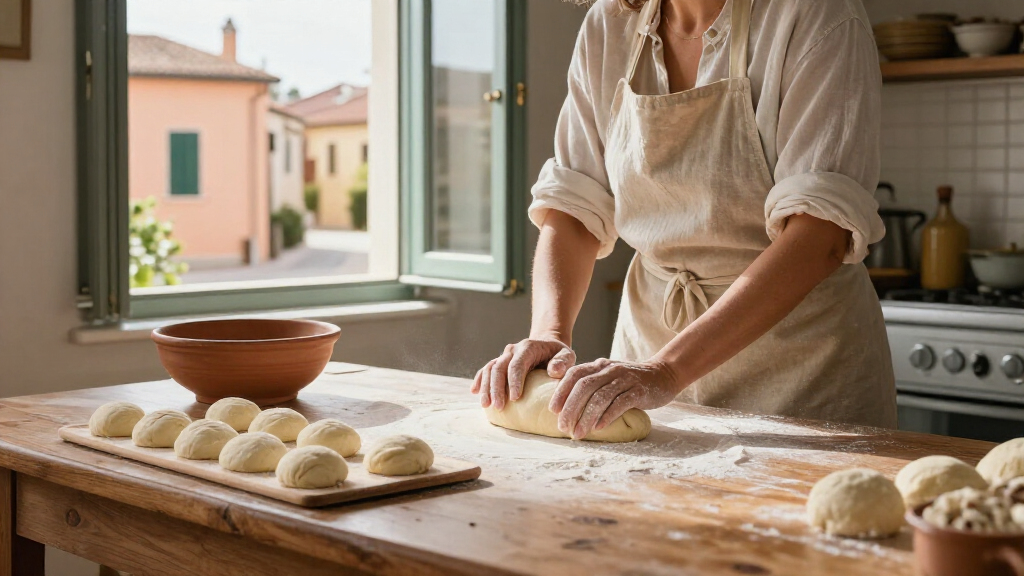
Choose a drink that lets the almond and citrus shine
Coffee, tea, and Vin Santo all pair well with ricciarelli, because their warmth balances the cookie’s sweetness and almond richness. A short espresso creates a bold contrast; black tea makes a gentler afternoon pairing; and the Tuscan dessert wine Vin Santo offers a traditional, sweet finish.
Try a small plate after lunch: place two ricciarelli beside espresso and a few orange slices. The citrus echoes zest in the cookie, while the coffee keeps the sugar from dominating. For a slower evening, serve one with tea and let it soften slightly as you sip.
In Tuscany, you may see Vin Santo alongside traditional sweets. If you choose it, remember it is an alcoholic drink for adults; serve modestly and drink responsibly. Coffee or tea gives you the same cozy pairing without alcohol, and both travel well from a café table to your kitchen at home.
Ricciarelli also work on a holiday dessert tray with fruit, plain biscotti, or other regional pastries. Their powdery surface stands out among darker baked goods, and the chewy center adds variety. For a simple presentation, dust the serving plate lightly with powdered sugar just before guests arrive, then set the cookies out with small cups of coffee.
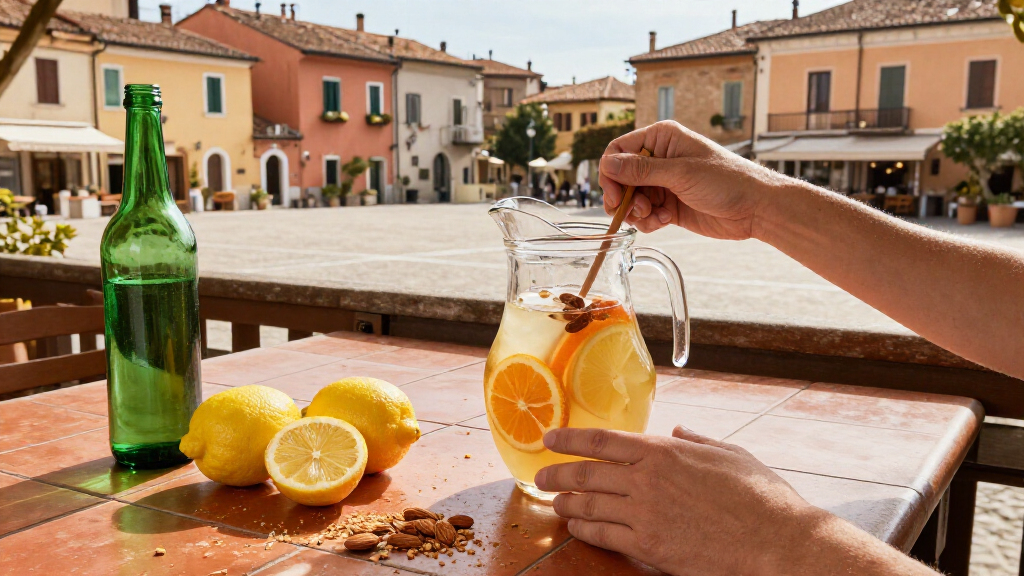
Keep ricciarelli tender and check the label for allergens
Store ricciarelli in an airtight container at room temperature to slow drying and protect their soft centers. They gradually lose moisture, so eat them while fresh and follow a bakery’s storage guidance for packaged cookies. Keep them away from a warm oven or a sunny windowsill, where heat can change their texture.
Suppose you buy a box in Siena on Saturday and plan to share it on Monday. Leave it sealed until serving, then move the cookies to a plate just before coffee. If you’ve opened the package, close it tightly between servings; the dry air in a heated kitchen can make a tender cookie firmer surprisingly quickly.
Many traditional recipes use almonds, sugar, and egg white without wheat flour, but “flourless” does not always mean safe for everyone who avoids gluten. Packaged versions may include other ingredients or face cross-contact in production. Read the label carefully if you need to avoid gluten, and ask the bakery about its handling practices when buying loose cookies.
Check for almonds and egg as well, since both are common allergens. Egg-free adaptations exist, but egg white helps bind the mixture and shape its characteristic texture; a substitute may produce a different cookie. If you’re serving guests, keep the package label or recipe nearby so you can answer clearly instead of guessing.
Frequently Asked Questions
Are ricciarelli gluten-free?
Many traditional recipes contain no wheat flour and use almonds, sugar, and egg white. Packaged or bakery versions can vary or face cross-contact, so check the ingredient label and ask about handling if you need to avoid gluten.
Why do ricciarelli crack on top?
The outside dries as the cookies bake while the center stays soft and moist. That contrast creates the delicate cracks in the powdered-sugar coating and helps distinguish their appearance.
Can I make ricciarelli without eggs?
Egg-free versions exist, but egg white binds the almond mixture and helps create the familiar tender texture. A substitute may change how the dough holds its shape and how the baked cookie feels.
How should I store ricciarelli?
Keep them in an airtight container at room temperature and follow the bakery’s advice for packaged cookies. They can dry out over time, so keep the container sealed between servings.
What should I serve with ricciarelli?
Coffee and tea are easy pairings, while Vin Santo is a traditional Tuscan option for adults. Serve alcohol responsibly; a small espresso alongside one cookie makes a satisfying afternoon treat.
Are ricciarelli the same as amaretti?
No. Both are almond cookies, but ricciarelli are known for soft, chewy centers and a powdered-sugar finish, while amaretti are often firmer or crisper. Recipes vary, so a bakery’s version may differ.
Conclusion
Remember the contrast: a faintly crisp, snowy surface and a soft almond center are what make ricciarelli special. Look for the Siena PGI name when you want a clear regional connection, or bake a home-style batch with finely ground almonds and orange zest.
Set one beside your coffee, break through the powdered sugar, and let the scent of almond and citrus carry you for a moment to a Siena pastry counter.