TL;DR
Torta sbrisolona is a traditional crumbly almond cake from Mantua, in Lombardy, made with a coarse mixture of flour, sugar, butter, and almonds, often with cornmeal. Its sandy texture is the point: cool it fully, break it into irregular pieces by hand, and serve small chunks with coffee or a dessert drink.
A knife can turn a beautiful torta sbrisolona into a plate of crumbs. In Mantua, that is no great loss: this crisp, almond-studded cake is meant to be broken by hand, with each piece falling into its own rough-edged shape.

Get kitchen staples and gadgets delivered free with Prime
- Fast, free delivery on millions of items
- Prime Video, Amazon Music and more included
- Member-only deals all year
Sbrisolona comes from Mantua, in Lombardy, where a sandy mixture of flour, sugar, butter, and almonds bakes into something quite different from a soft layer cake. Many versions include cornmeal for an extra grainy bite. Its name is linked to brisa, the local word for “crumb,” a reference to the texture you can hear when a piece snaps.
This guide will help you recognize the Mantuan classic, understand why its history is better told without a single fixed origin story, and bring its texture to your own table. You’ll find practical baking cues, serving ideas, and storage advice, whether you’ve just brought one home from a bakery or plan to make one for an afternoon coffee.
Torta sbrisolona is a crisp, crumbly almond cake associated with Mantua in Lombardy.
Its name is linked to brisa , the Mantuan dialect word for “crumb.”
Many versions combine wheat flour and cornmeal, but households and bakeries vary their ratios.
Mix only until coarse crumbs form, scatter them into the pan, and cool the baked cake fully before breaking it by hand.
Store it airtight in a dry place; serve mascarpone or other moist accompaniments separately to preserve the crunch.
Torta Sbrisolona A cake made to break
This crisp almond cake from Mantua is served in rough, hand-broken pieces. Its coarse crumb is the point, not a flaw.
A crumbly Mantuan classic
Its name is linked to brisa, the local word for “crumb.”
Dry and crisp
The sandy, brittle crumb breaks into irregular chunks instead of neat slices.
Almonds at the center
Flour, sugar, butter, and almonds make the coarse mixture; many versions also use cornmeal.
No single origin story
It is a longstanding specialty of Mantua and its surrounding countryside, with recipes that vary by household and bakery.
How to keep its signature crumb
Gentle mixing and a full cool-down help the cake set and break cleanly.
Stop when the ingredients form coarse crumbs; do not knead them smooth.
Spread the loose mixture in the pan and bake until golden.
Let it cool fully before breaking it by hand into rough pieces.
Make each version your own
The recipe has no universal formula, but almonds and a rough crumb define the classic.
| Choice | What it brings |
|---|---|
| More cornmeal | A grainier, sandier bite |
| Chopped almonds | Crunch throughout the crumb |
| Whole almonds on top | Visible, crisp nutty pockets |
| Lemon zest or vanilla | A fragrant note beside butter and almonds |
Serve and store for crunch
Small pieces suit its rich, brittle texture.
- Break off small chunks by hand.
- Pair with coffee, dessert wine, or a sweet liqueur.
- Offer mascarpone separately as a soft accompaniment.
- Cool the cake completely first.
- Keep it airtight in a dry place to help retain its crispness.
What makes sbrisolona so crisp and easy to recognize?
Torta sbrisolona is a traditional crumbly almond cake from Mantua, in Lombardy, northern Italy. It is made from a coarse mixture of flour, sugar, butter, and almonds; many traditional recipes combine wheat flour with cornmeal. The result is dry, crisp, and sandy rather than soft enough to cut into neat wedges.
The texture explains the name. Its name comes from the Mantuan dialect word brisa, meaning “crumb,” a reference to the fragments that scatter when you break off a piece. Locally, people may also call it sbrisolada. That name points you toward the eating experience: rough, irregular chunks, not a tidy slice with a forkful of frosting.
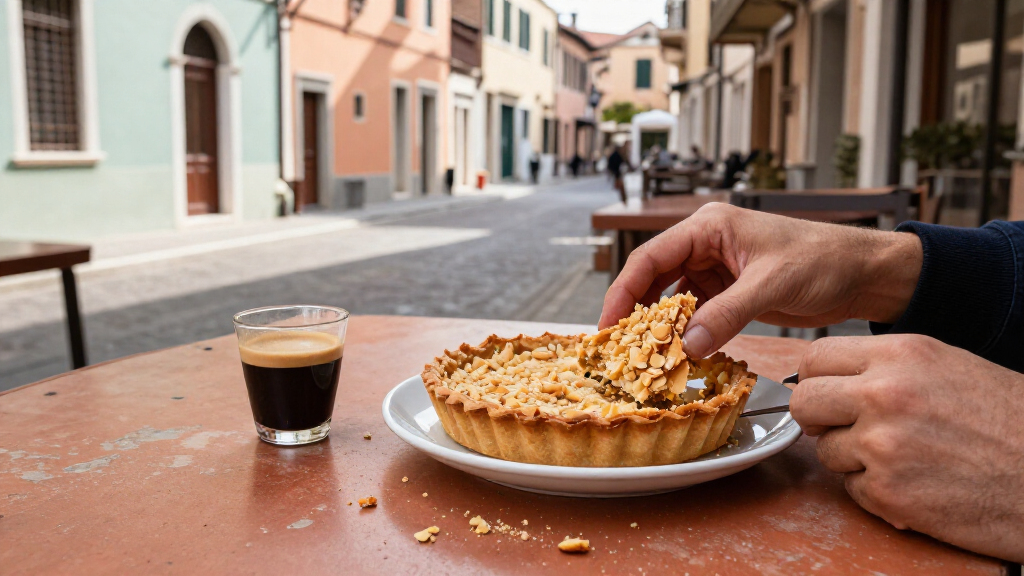
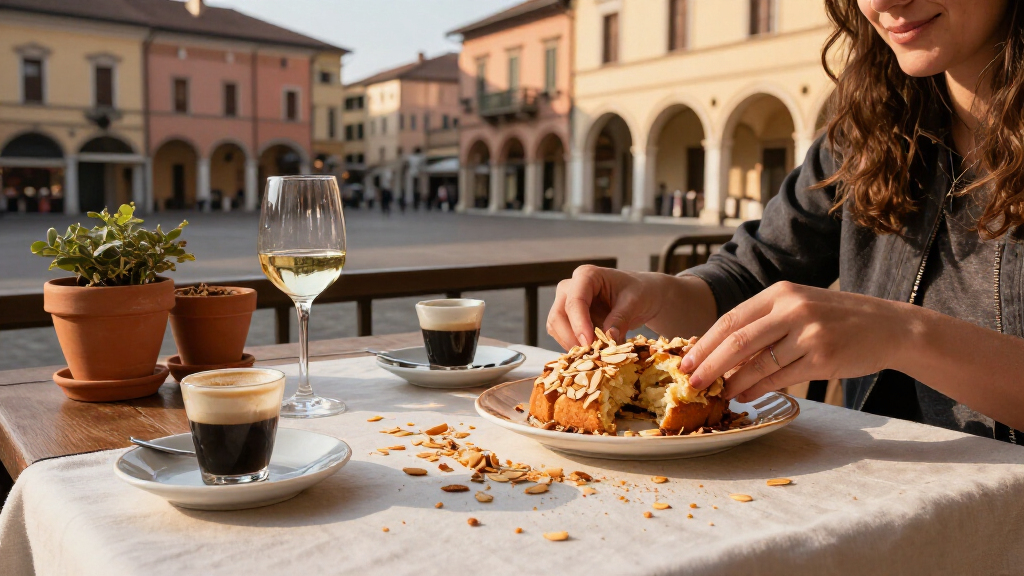
Imagine setting a round sbrisolona beside a pot of coffee after lunch. You press your fingers into its golden surface, catch the scent of toasted almonds and lemon, and snap off a piece that leaves a few crumbs on the board. That is not a baking accident. The coarse crumb is the cake’s signature, and breaking it by hand preserves its character better than pushing a knife through it.
It can look like a giant biscuit or a very rustic shortbread, but it is usually called a cake. Think of it as a cake that gives up the neat slice: a firm, buttery base with enough structure to hold together in your hand and enough brittleness to break with a satisfying crack. Almonds anchor the flavor, while cornmeal, where used, lends a faintly grainy bite.
Products Worth Considering

eufy Security eufyCam C37 4-Camera Kit with 360° Pan and Tilt, Auto Tracking, 2K Video, and Solar Panels

Hisense 65-Inch U8 Series Mini-LED 4K UHD Smart Google TV (65U8QG)

Dyson Cyclone V10 Origin Cordless Vacuum
As an affiliate, we earn on qualifying purchases.
Why Mantua’s country kitchens shaped this almond cake
Sbrisolona reflects the pantry cooking of Mantua and its surrounding countryside: a durable sweet built from familiar ingredients, rather than a delicate cake designed for a special mold or elaborate finish. Early versions are often described as humble household or farm food. Over time, richer recipes brought in more butter, sugar, and almonds.
The cake has been around for centuries, but accounts of exactly when and how it began differ. It is more accurate to call it a longstanding Mantuan specialty than to pin it to one inventor, date, or dramatic origin tale. You can still see how its practical character survives: a baked, sturdy sweet that is easy to offer in small pieces when family or neighbors stop by.
That history makes sense when you picture a Mantuan kitchen table after a meal. There is no need to portion perfect slices or dress each plate. Someone sets down the cake, breaks off a piece, and passes it along with coffee or a glass of something local. Its rustic form makes sharing simple, and its dry texture helps it keep longer than a soft, cream-filled dessert when stored properly.
Today, bakeries and home kitchens across the region keep sbrisolona familiar, even as recipes vary. A bakery near Mantua might favor a generous scattering of whole almonds on top; a family recipe might use more chopped almonds or a stronger note of lemon. Those differences are part of the tradition. If you taste two versions on a trip, pay attention to the crumb and almond flavor instead of hunting for one supposedly official formula.
How to bake a rough, golden crumb without kneading it smooth
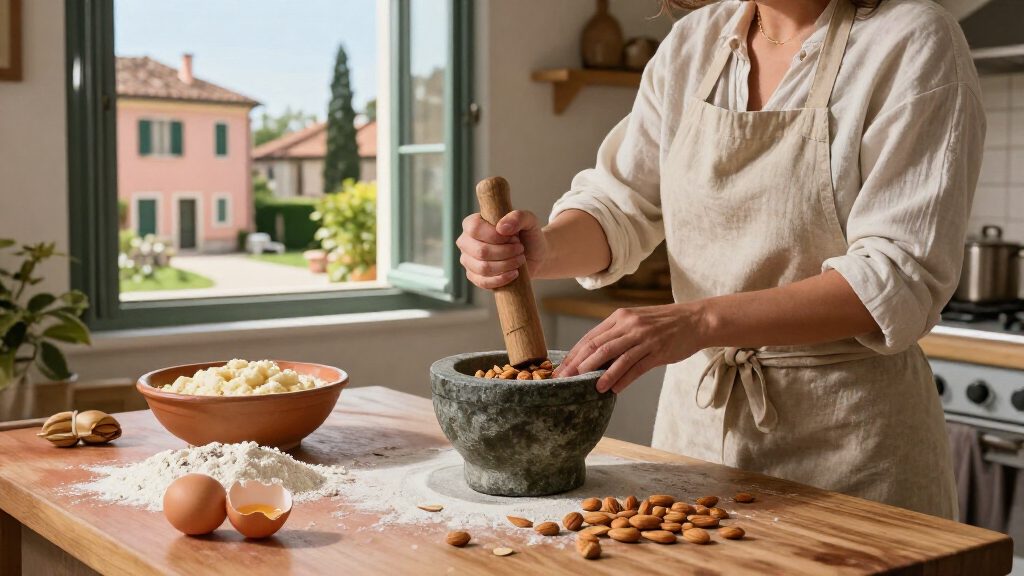
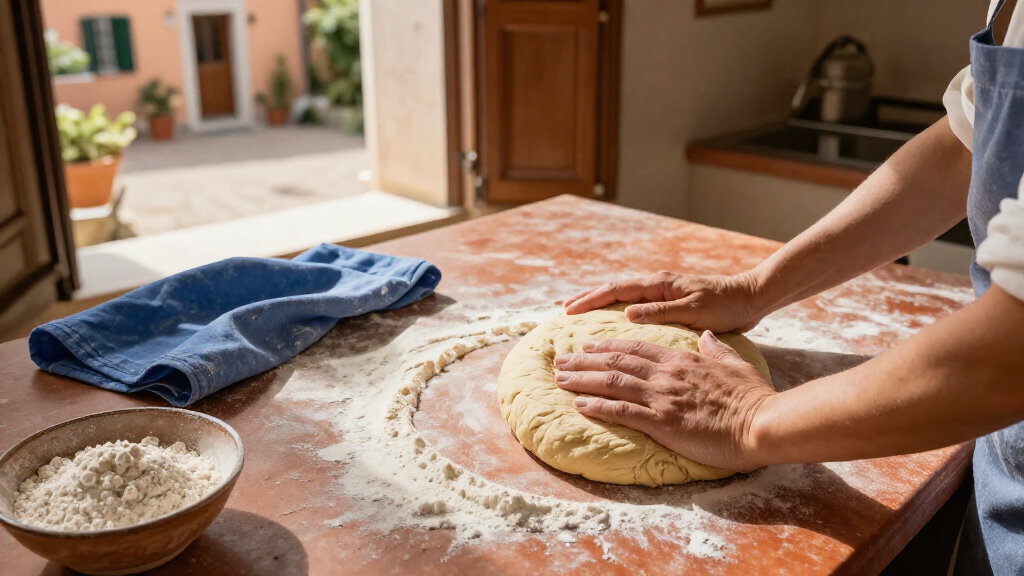
To make sbrisolona, mix the ingredients only until they form coarse crumbs, scatter them into a pan, and bake until golden. Do not knead the mixture into a smooth ball. The rough, uneven surface helps the cake keep its characteristic crisp texture and makes hand-breaking easier once it cools.
- Choose your flour mix. Many traditional versions pair wheat flour with cornmeal. Recipes differ in their proportions, so use a recipe you trust and treat the cornmeal as a texture choice: it adds a slightly grainier bite.
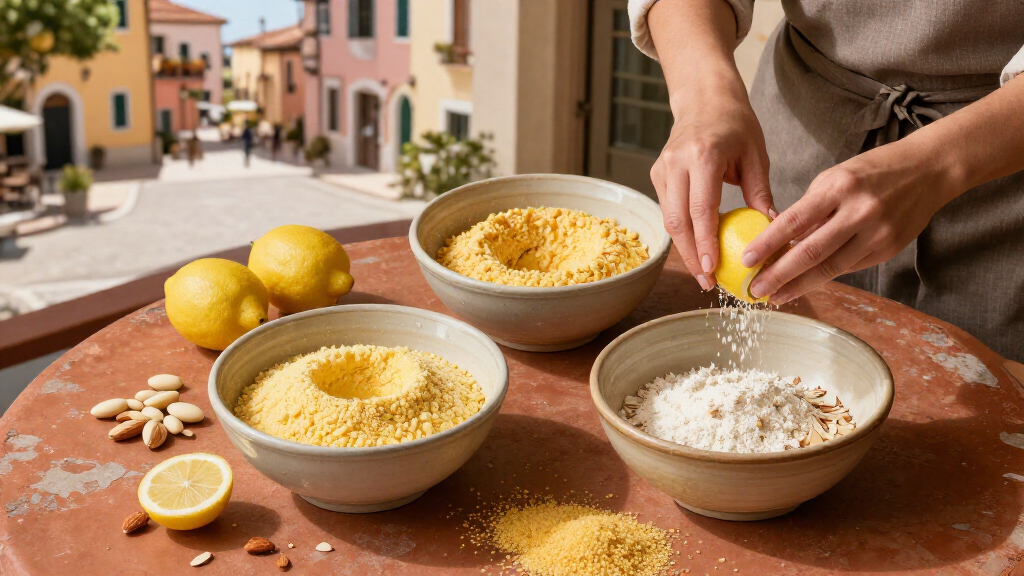
- Prepare the almonds. Blanched almonds may go into the dough whole or roughly chopped, with whole almonds often scattered on top. Chopped nuts distribute through the crumb; whole ones give you clear crunchy pockets.
- Mix lightly. Combine flour, sugar, butter, almonds, and any flavorings, such as lemon zest or vanilla, until the mixture looks like coarse crumbs. If it begins to feel like a smooth pastry dough, you have mixed it more than this cake needs.
- Scatter, bake, and cool. Distribute the crumbs in the pan without pressing them into a uniform layer. Bake until golden, then let the cake cool fully before handling so it can set and break cleanly.
For example, if you are baking for Sunday coffee, do not take the cake from the oven and try to move it while warm. The butter-rich crumb needs time to firm up. Wait until it has cooled completely, then break off a small test piece: it should snap and crumble instead of bending like a soft cookie.
There is no single universal formula across Mantuan households and bakeries. One baker might use more wheat flour for a tighter piece; another might lean on cornmeal for a grainier texture. Keep the method gentle and the almonds central, and you can adapt flavorings without losing the cake’s basic character.
How to choose between cornmeal, lemon, and almond variations
Traditional sbrisolona centers on almonds and a coarse crumb, while flour ratios and flavorings vary. Cornmeal often appears alongside wheat flour, but the exact balance differs. Lemon zest and vanilla are common additions; chopped almonds and whole almonds each bring a different texture.
| Choice | What it adds | When it suits your table |
|---|---|---|
| More cornmeal | A grainier, sandy bite | Choose this when you want a pronounced rustic texture. |
| More wheat flour | A somewhat more cohesive crumb | Useful if you want pieces that hold together a little more easily. |
| Chopped almonds | Small crunchy bits throughout | Good for even almond flavor in each bite. |
| Whole almonds on top | Visible, crisp nutty pockets | Best when you want the cake to look as rustic as it tastes. |
| Lemon zest or vanilla | A fragrant note beside the butter and almonds | Add one when you want a gentle aromatic lift. |
Suppose you are bringing dessert to a friend who likes coffee but avoids very sweet pastries. A version with a bright touch of lemon zest can balance the buttery richness without changing the cake’s identity. If you want a more pronounced crunch, leave some almonds whole and scatter them on top instead of chopping every nut finely.
Contemporary bakers sometimes use chocolate or other nuts, but those are variations, not a new standard for Mantua. Almonds remain central to the classic; an almond-free version would depart from its defining character. Likewise, don’t assume every authentic cake uses the same cornmeal ratio. When you buy one in Mantua, ask what the bakery puts in its dough; when you bake one at home, choose the texture you enjoy and keep the crumb rough.
How to serve sbrisolona with coffee, mascarpone, or a drink
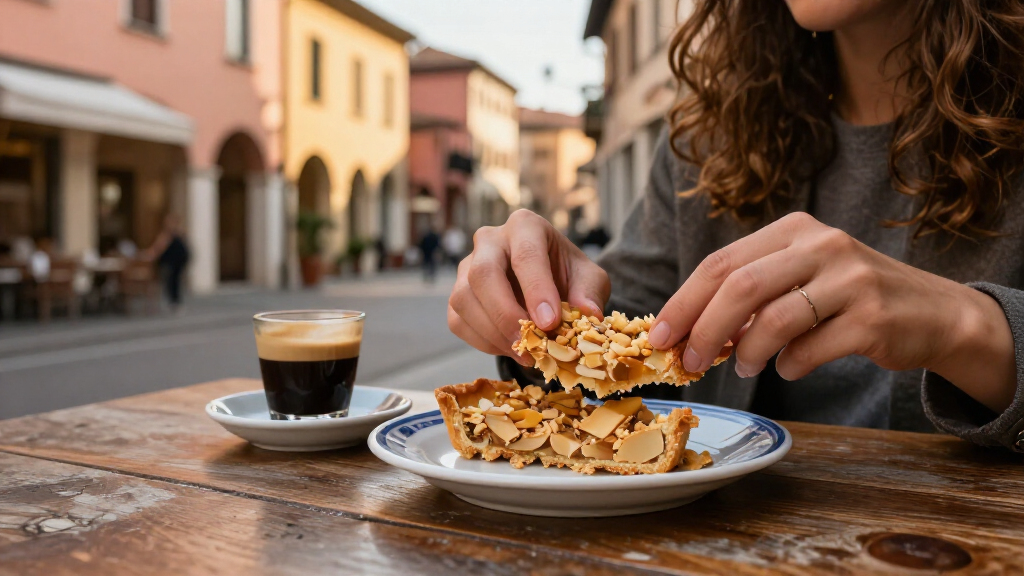
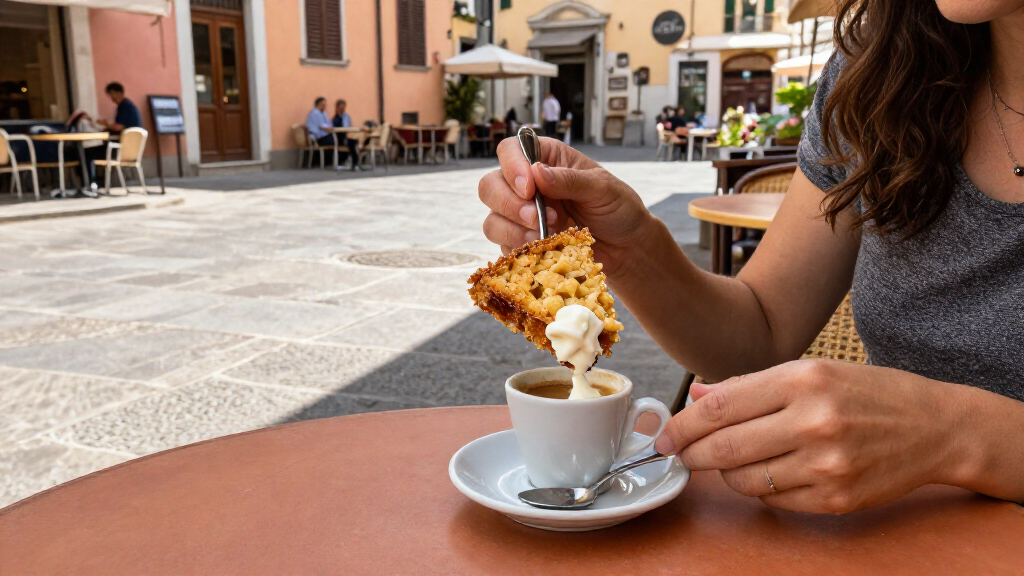
Serve sbrisolona in small hand-broken pieces, often with coffee, dessert wine, or a sweet liqueur. Its dry, crisp texture makes it easy to share after a meal, and its rich butter and almond flavor means a modest piece can feel satisfying. Some people dip a piece into a drink, though that is a matter of taste.
For an everyday afternoon, break off a few irregular chunks and set them beside espresso. The crisp edges soften slightly as you sip, while the toasted almond flavor stays clear. If you want a more modern plated dessert, add a spoonful of mascarpone or another soft accompaniment; its cool, creamy texture contrasts with the cake’s dry crunch.
In Mantua and the wider region, grappa or a local wine can accompany the cake. Alcohol is for adults of legal drinking age; enjoy it responsibly, and offer coffee or tea for guests who do not drink. The cake works well without alcohol, too. Pairing it with a warm drink is enough to make its buttery aroma feel especially inviting.
Plan on small portions rather than perfect slices. A round cake can go to the table whole, with a serving plate underneath to catch crumbs. Let guests break off the amount they want, or break a few pieces yourself before serving. If you are bringing it to a potluck, keep mascarpone chilled and serve it separately so the crisp cake does not sit against a moist topping.
How to store it so every piece stays crisp
Cool sbrisolona completely, then store it airtight in a dry place. Trapping moisture while it is still warm can soften the crumb, and leaving it uncovered allows humidity to dull the crisp texture. Stored well, it can keep for several days, though it tastes best while crisp.
Imagine baking on Saturday morning for guests arriving Sunday afternoon. Let the cake cool all the way on a rack before putting it in a tin or airtight container. If even a trace of warmth remains, condensation can collect inside the container and make the surface lose its snap. Once cool, store it whole or in large hand-broken pieces in a clean, dry container.
Keep soft accompaniments separate. If you serve mascarpone, spoon it beside the cake at the table rather than spreading it over the top hours ahead. The same goes for juicy fruit: a little pear or berry can be lovely on the plate, but direct contact softens the crumb. Dry storage protects the texture that gives the cake its name.
Traditional sbrisolona usually contains wheat flour, butter, and almonds, and it is not gluten-free. Almonds are a tree nut allergen; wheat contains gluten, and butter is dairy. Check packaged bakery labels and ask about shared equipment if allergies matter. A gluten-free adaptation needs a recipe developed for suitable alternative flours, since a simple one-for-one swap may change how the crumb holds together.
What to look for when you taste sbrisolona in Mantua
A good sbrisolona tastes buttery and almond-rich, with a crisp, uneven crumb that breaks cleanly by hand. When you visit Mantua, look for a golden surface, visible almonds, and pieces that feel firm rather than soft or cake-like. There is room for variation in color, graininess, and aroma, so focus on the balance rather than a single visual template.
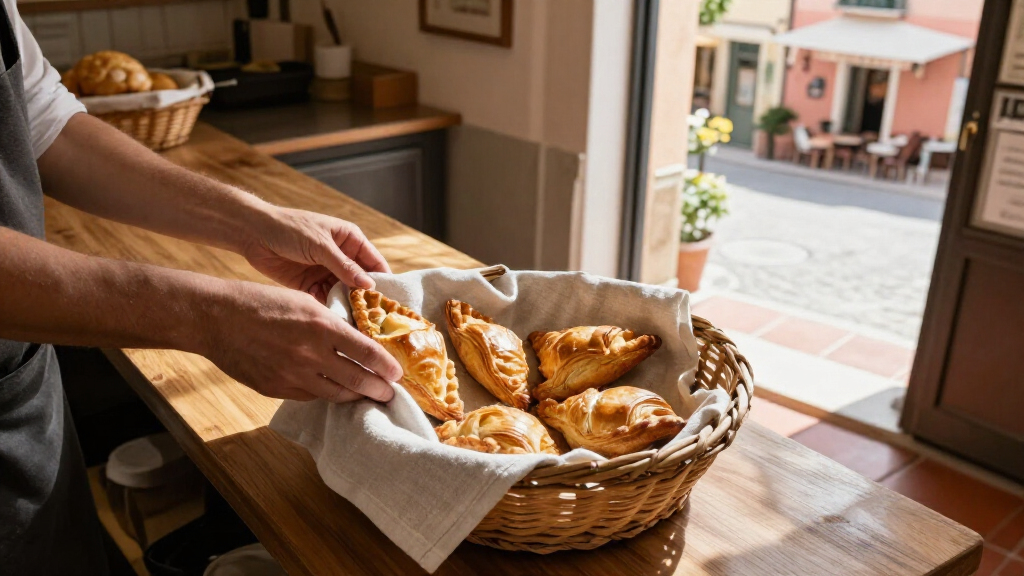
At a bakery counter, ask whether the dough includes cornmeal and whether the almonds are chopped or left whole. That quick question gives you a sense of the texture before you buy. If you are choosing a cake to take back to your lodging, ask for it to be packed dry and keep it level; the cake is sturdy, but a bag of groceries pressed against it can crush the brittle top.
Try it after a meal with a small espresso, then taste another piece the next morning with coffee. You may notice how the lemon or vanilla comes through more clearly when the cake is not competing with a rich dessert. Take note of the crumb, not just the sweetness: a very soft, uniform slice misses what makes this Mantuan specialty distinctive.
There is no need to find one definitive “authentic” recipe to appreciate it. Recipes differ from bakery to bakery and household to household, while the recognizable core remains almonds, a rough crumb, and a crisp finish. Bring that memory home by choosing a recipe that describes a coarse mixture and by resisting the urge to smooth it into an even, tender cake.
Frequently Asked Questions
What does “sbrisolona” mean?
Sbrisolona is linked to brisa, a Mantuan dialect word for “crumb.” The name fits the cake’s brittle, sandy texture, which scatters into irregular pieces when you break it.
Is sbrisolona a cake or a biscuit?
It is generally called a cake, although its dry, crisp texture can remind you of a large biscuit or shortbread. Unlike a soft cake, it is usually served in hand-broken chunks rather than neat slices.
Why do you break sbrisolona by hand?
Its coarse, brittle structure does not cut cleanly, and a knife can crush the crumb. Hand-breaking produces the irregular pieces that suit the cake’s rustic character.
Does traditional sbrisolona contain cornmeal?
Many traditional recipes include cornmeal alongside wheat flour, which helps create a grainy texture. Ratios vary, so there is no single formula used by every Mantuan household or bakery.
Does sbrisolona always contain almonds?
Almonds are central to the classic cake, whether a recipe uses whole almonds, chopped almonds, or both. An almond-free version is a departure from the traditional identity of sbrisolona.
Is traditional sbrisolona gluten-free?
Usually not: traditional recipes commonly contain wheat flour, so they contain gluten. A gluten-free version needs a suitable recipe with alternative flours, and people with allergies should check ingredient labels and shared-equipment practices.
How long does sbrisolona keep?
Once it has cooled completely, store it in an airtight container in a dry place; it can keep for several days. Its texture is best while crisp, so keep mascarpone and other moist accompaniments separate until serving.
Conclusion
Remember the crumb. A Mantuan sbrisolona should be coarse, crisp, and rich with almonds, with a texture that invites you to break it rather than slice it. Keep the dough rough, let the cake cool fully, and serve small pieces with coffee or a separate spoonful of mascarpone.
Then set the cake in the middle of the table and let each person snap off a piece. The little shower of golden crumbs is part of the pleasure—and a bit of Mantua you can bring to your own kitchen.