
TL;DR
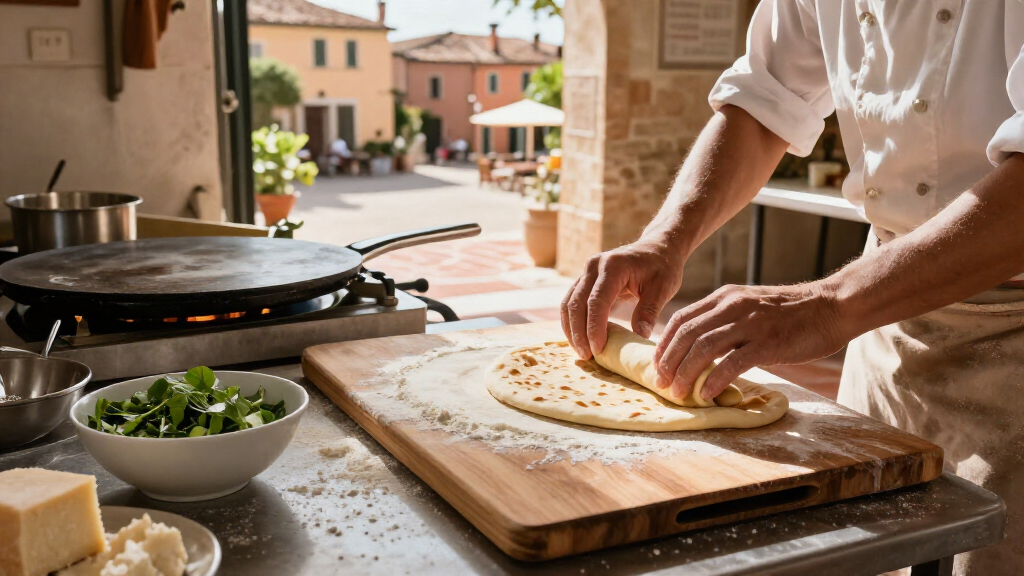
Piadina Romagnola is a thin, unleavened flatbread from Romagna in Emilia-Romagna, traditionally cooked on a hot flat surface and filled or folded while warm. You can make a home version with flour, water, salt, and lard or olive oil, then cook each rolled round for a few minutes per side in a dry skillet. Fill it with squacquerone, greens, and prosciutto, or use seasonal vegetables for a meat-free meal.
A bread that needs no yeast and no oven can still make dinner feel like a small trip to Romagna. Piadina Romagnola is a warm, thin flatbread from the eastern part of Emilia-Romagna, traditionally cooked on a hot flat surface and folded around a filling. Its dough is simple; the pleasure comes from the contrast between a tender, lightly blistered round and whatever you tuck inside.

Get kitchen staples and gadgets delivered free with Prime
- Fast, free delivery on millions of items
- Prime Video, Amazon Music and more included
- Member-only deals all year
That makes piadina a natural weeknight project. You can mix flour, water, salt, and fat while you slice vegetables or set out cheese, then cook the breads in a skillet as you would pancakes. This guide explains what makes piadina distinct, how to shape and cook a dependable home version, and how to choose fillings that connect your dinner to Romagnol tradition.
There is room for variation. Lard is traditional in many recipes, olive oil is a common home substitute, and the bread changes across the region: Rimini is known for a thinner style, while inland versions can be thicker and softer. Knowing that gives you a useful starting point, not a rulebook.
Piadina Romagnola is a warm, thin, usually unleavened flatbread from Romagna in Emilia-Romagna.
Lard is traditional in many recipes; olive oil is a practical substitute that changes the flavor and texture.
Roll rounds evenly and cook them in a hot, dry skillet for a few minutes per side; lower the heat if the outside chars before the center cooks.
Fill the bread while warm with squacquerone, arugula, and prosciutto, or use grilled vegetables and cheese for a meat-free meal.
The European Union PGI designation belongs to qualifying regional products; a homemade version is inspired by the tradition but does not automatically carry th…
Piadina Romagnola Flatbread for dinner
This warm, thin flatbread from Romagna needs no yeast or oven. Cook it in a dry skillet, then fold around a simple filling.
A simple skillet rhythm
Mix the dough while you prepare dinner, then cook the rolled rounds in batches.
Combine flour, water, salt, and lard or olive oil. Rest the covered dough so it rolls more easily.
Shape equal portions into rounds of consistent thickness for even cooking.
Cook in a hot, dry skillet for a few minutes per side. Fill and fold while warm.
Choose your dough style
Both fats work at home, with different flavor and texture.
| Fat | What it brings | When it fits |
|---|---|---|
| Lard | Traditional in many recipes; rich and tender | For a closer link to regional preparations |
| Olive oil | Convenient, with a distinct olive flavor | For a pantry-friendly or meat-free meal |
Make the filling your own
Keep the filling modest so the warm bread can fold around it.
Cheese, greens, prosciutto
Try squacquerone with arugula and prosciutto for a familiar Romagnol combination.
Seasonal vegetables
Grilled vegetables and cheese make a flexible meat-free dinner.
Small details help
Aim for a flexible, lightly browned bread rather than a crisp one.
- Lower the heat if the outside chars before the center cooks.
- Small bubbles are normal; prick large air pockets if needed.
- Keep cooked piadine under a clean towel to stay pliable.
Know what makes piadina a Romagnol flatbread
Piadina Romagnola is a thin, round flatbread from Romagna, the eastern part of Emilia-Romagna in northern Italy. Cooks traditionally make it from flour, water, salt, and fat, then cook it on a hot flat surface and eat it warm, folded around a filling. It is a quick-baking bread that can turn into a sandwich without a pocket or a rise.
The dough is usually unleavened, meaning it contains no yeast and needs no proofing time. That changes the role of the dough: instead of waiting for fermentation to create lift and flavor, the cook relies on rolling, fat, and direct heat to produce a tender bread with browned spots. Some recipes add a little baking soda or baking powder to make the texture softer or puffier, but that is a variation rather than a requirement. For a weeknight cook, the distinction matters because there is no rise to schedule; a short rest is mainly there to relax the dough so it rolls without springing back.
Piadina also has a formal connection to its home. Piadina Romagnola / Piada Romagnola PGI is protected by a European Union geographical designation, which recognizes its regional roots and sets requirements for products sold under that name. The designation makes regional identity more than a flavor description: it links the name to a place and specified production conditions. A homemade flatbread inspired by the tradition is easy to make elsewhere, though it does not automatically qualify for the protected designation.
Think of it as a skillet bread with a regional accent. If you have eaten a tortilla or pita, the broad idea of bread wrapped around food may feel familiar, but piadina is generally cooked as a solid round and folded around its filling. It has no pocket to open, so the filling rests against the bread rather than being enclosed inside it. That affects how much to add: a restrained layer stays put and lets the warm bread remain the main structure. On a Tuesday night, one round can act as both bread and plate, with a spoonful of cheese and a handful of greens becoming dinner.
Products Worth Considering

Roborock Q7 M5+ Robot Vacuum and Mop with Self-Emptying Dock

Shark AI Ultra Robot Vacuum with Matrix Clean and Self-Empty Base

Ring Wired Doorbell Pro (3rd Gen) and Floodlight Cam Pro (2nd Gen) Bundle
As an affiliate, we earn on qualifying purchases.
Mix a no-yeast dough while you prep dinner
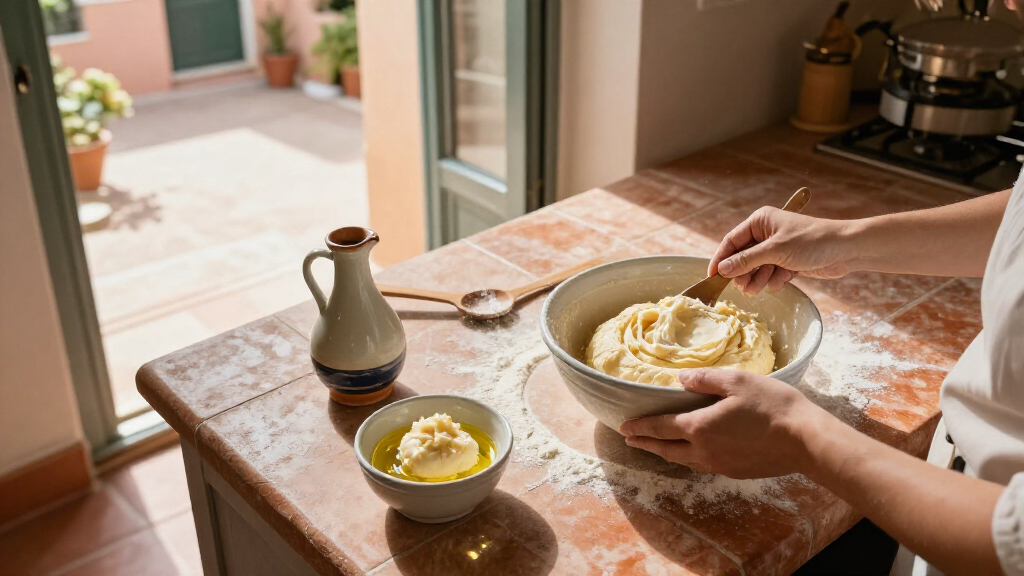
- Mix the dough. Combine flour, water, salt, and your chosen fat. Lard is traditional in many recipes; olive oil is a practical home alternative.
- Knead until smooth. Work the dough until it holds together and feels supple rather than crumbly. Add water a little at a time if dry patches remain.
- Rest it covered. Give the dough a short rest so it relaxes and rolls more easily. If you make it ahead, cover and refrigerate it, then let chilled dough warm up a little if it feels stiff.
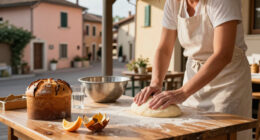
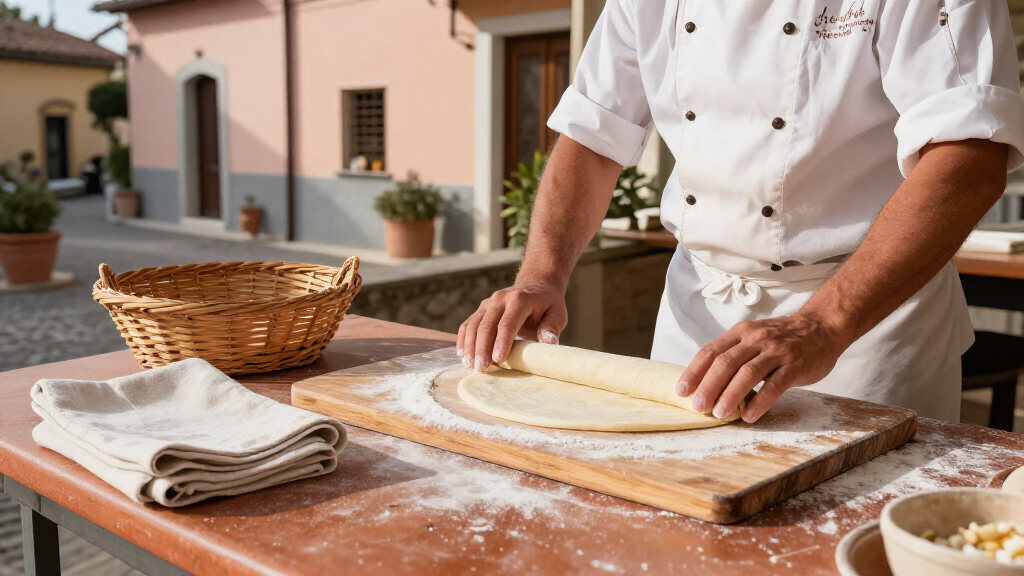
- Divide and roll. Shape equal portions into balls and roll each into an even round. A consistent thickness helps each bread cook at the same pace.
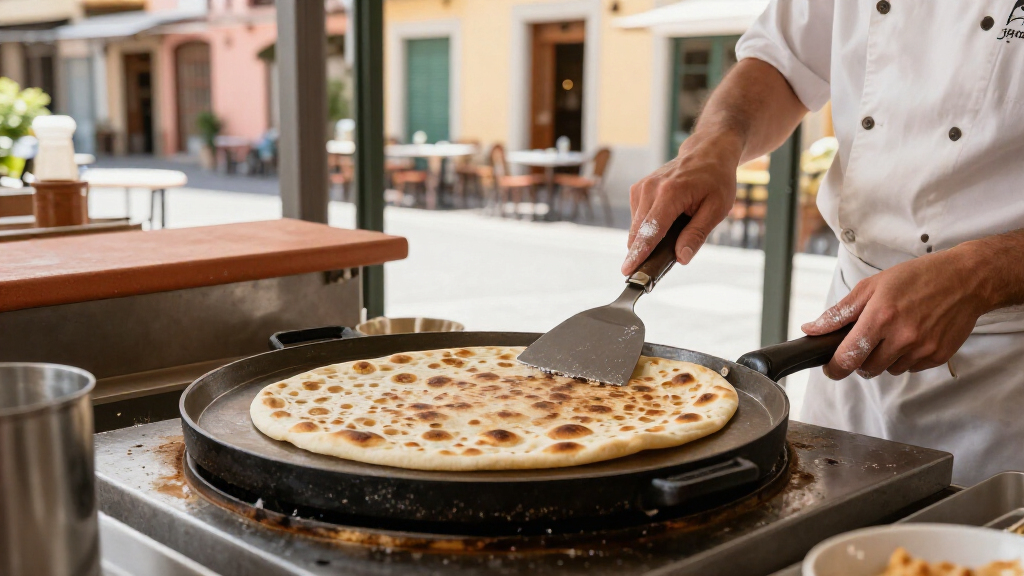
- Cook in a dry skillet. Set a skillet or griddle over medium to medium-high heat. Cook each round for a few minutes per side, watching for light brown spots and small bubbles.
- Keep the breads covered. Stack cooked piadine under a clean towel so they stay warm and pliable while you finish the batch.
The list gives you a rhythm: mix first, then chop the filling while the dough rests. Exact resting times and dough proportions vary among recipes, so use the feel of the dough as a guide rather than treating one timing as a regional rule. If a round springs back every time you roll it, let it rest a little longer. That pause gives the dough time to relax, which means less force is needed to shape it and less risk of tearing or ending up with an uneven round.
Picture a weeknight with a pan warming on the stove and arugula waiting beside a bowl of cheese. Rolling the dough evenly keeps the center from staying pale while the edges darken: the thinner parts heat and dry faster, while a thick center needs longer to cook through. If a large air pocket balloons during cooking, gently press it down or prick it; a few small bubbles are normal and give the surface its lively, mottled look. The aim is a flexible bread that can fold around dinner, so moderate browning is more useful than chasing a crisp, cracker-like finish.
Choose lard or olive oil for the texture you want
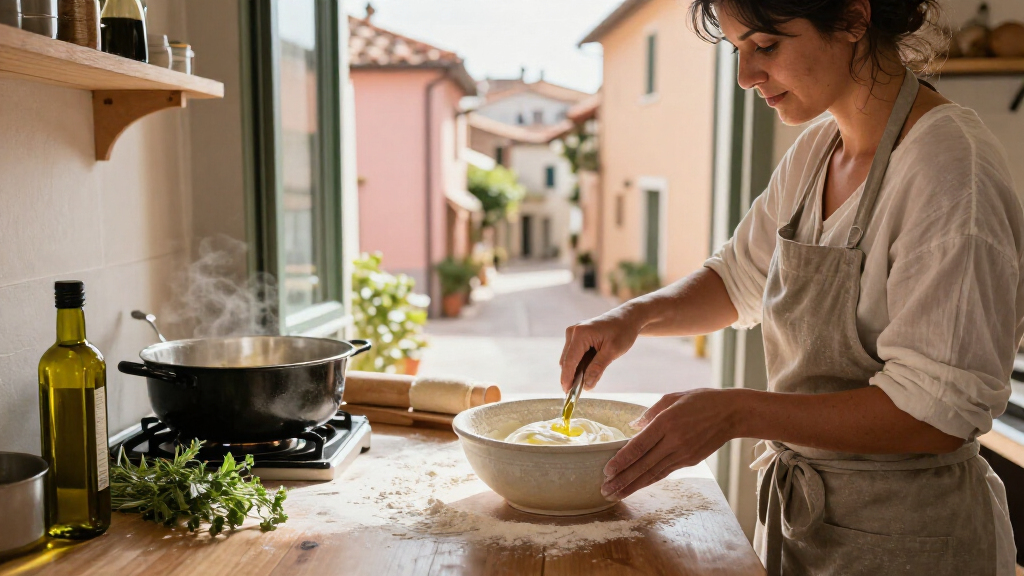
Lard and olive oil both make useful piadina dough, but they give the finished bread a different character. Lard is common in traditional versions and tends to bring a rich, tender quality; olive oil is easy to keep in the pantry and gives the flatbread its own fruitier note. The fat helps make a dough that can be rolled and folded without feeling as dry as a lean flour-and-water mixture. Neither choice removes the need to cook on a hot, dry surface, where the dough sets and browns.
| Choice | What it brings | When it fits |
|---|---|---|
| Lard | A traditional fat used in many Romagnol recipes | When you want a closer connection to familiar regional preparations |
| Olive oil | A convenient alternative with a distinct olive flavor | When you want a pantry-friendly dough or a meat-free meal |
That choice reflects the kind of variation you will find across Romagna. The piadina from Rimini is often thinner, while versions farther inland can be thicker and softer. Thinness changes more than appearance: a thin round cooks quickly and folds neatly around a modest filling, but can tear if heavily loaded. A thicker one feels more breadlike and can stand up to a hearty scoop of vegetables, though it takes longer to cook through and can crowd out delicate fillings.
For a practical dinner, choose the style to suit the filling. If you want prosciutto and soft cheese, a thinner bread keeps each bite balanced, since the bread will not overwhelm the salty and creamy layers. If you are piling on roasted peppers and white beans, a slightly thicker round makes a sturdier wrap. The bread should support the filling without turning into a heavy, doughy layer; matching thickness to the filling helps each component stay distinct.
Regional identity also has a legal side. The European Union PGI designation applies to products that meet requirements tied to Piadina Romagnola / Piada Romagnola; your home version is best described as inspired by the tradition. That distinction lets you enjoy the food and its place without claiming a protected label for a kitchen-made variation.
Fill warm piadina with cheese, greens, or vegetables
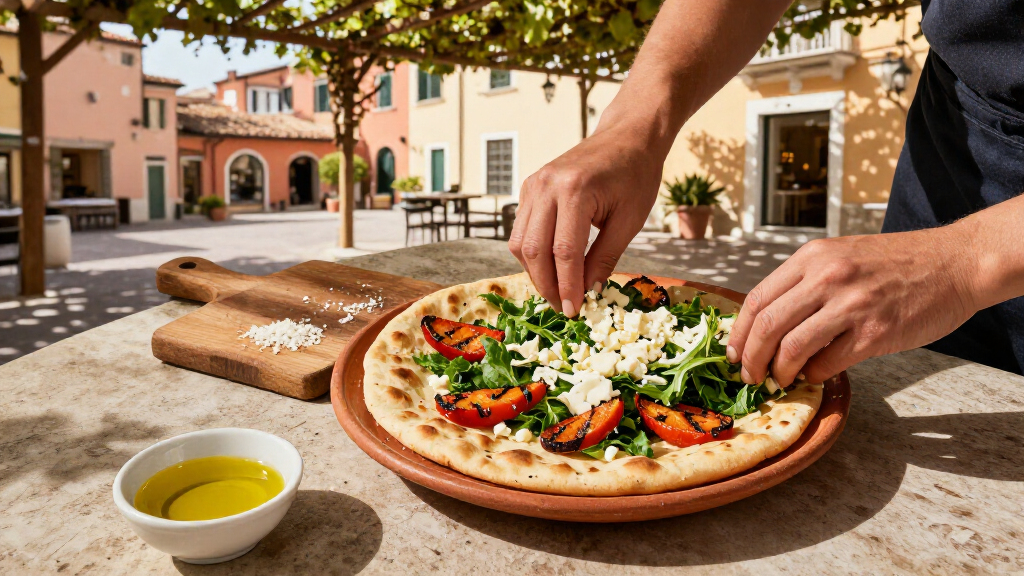
Fill piadina while it is warm, when the bread bends easily and the cheese softens against its surface. A familiar Romagnol combination brings together squacquerone, arugula, and prosciutto: creamy, peppery, salty. Squacquerone is a soft cheese associated with the region, and its gentle tang gives the cured meat and greens a cool counterpoint. The combination works because each filling has a clear job: cheese adds moisture, greens add freshness and bite, and prosciutto brings salt and savory depth.
If you cannot find squacquerone, try stracchino or cream cheese for a spreadable texture. The flavor will change, but the practical role stays the same: a soft layer that holds greens in place and keeps the filling from feeling dry. Set out small bowls rather than overfilling each bread; a modest spoonful folds more cleanly than a mountain that spills onto the plate. Since piadina has no pocket to contain its filling, the fold and the bread itself have to do that work.
For a meat-free version, pair grilled zucchini or roasted peppers with mozzarella and a few basil leaves. You can also use sautéed greens, white beans, and olive oil for a more substantial supper. Beans provide heft where prosciutto might otherwise make the filling satisfying, while the vegetables add moisture and texture. These are modern home-cooking choices, not claims about one fixed regional formula, and they make piadina an easy way to use the vegetables already in your fridge.
The assembly order helps. Spread cheese over one half, add greens or vegetables, then fold the bread while it is still warm. The cheese acts as a soft base, and putting firmer or leafy ingredients on top makes the fold easier to manage. If you are serving several people, keep the cooked rounds covered in a clean towel and let each person build their own. The stack stays soft, and dinner feels relaxed rather than like a race against a cooling pan.
Fix tough, dry, or overbubbled piadina at the pan
A tender piadina depends on even rolling, a supple dough, and controlled heat. A skillet that is too hot can char the outside before the center cooks; too much flour during rolling can leave the finished bread dry. Medium to medium-high heat is a useful starting point, but your pan and burner may need a small adjustment. These factors interact: a thin round on a very hot pan can turn brittle quickly, while a thicker round needs enough time for its center to set without scorching its surface.
Look for scattered light brown spots and a surface that has set before you turn the bread. Cooking takes only a few minutes per side in many recipes, so stay near the stove rather than walking away to wash dishes. If the first round turns dark in seconds, lower the heat; if it stays pale and limp, give the pan more time to warm. Color is a practical signal because it shows that the surface is browning, but the bread should still bend once cooked. Waiting for a deep, uniform brown can dry it out before the center benefits.
Small bubbles are expected. Steam can lift parts of the dough as it cooks, much like a little balloon forming under the surface. Large pockets can be pressed gently with a spatula or pricked so the bread cooks more evenly. Do not mistake every bubble for a failure; a few are part of the bread’s rustic appearance. A very large pocket can leave the surrounding surface unevenly cooked, which is why flattening it is useful when it forms.
If a piadina feels tough, check the dough before blaming the skillet. It may be too dry, too heavily dusted with flour, rolled too thin for the style you are making, or cooked too long. For example, if the first round cracks when folded, cover the remaining stack with a towel and shorten the cooking time on the next one. If it is also hard to roll, a short rest may help more than adding flour, since extra flour can make the finished bread drier. Small adjustments to moisture, thickness, or heat help you identify the cause rather than changing everything at once.
Plan ahead and store leftovers safely
You can make piadina dough ahead and keep it covered in the refrigerator, then let it move closer to room temperature if it feels stiff when you roll it. Resting and storage times vary by recipe, so treat the timing as practical guidance rather than a traditional rule. This flexibility is handy when you want to mix dough after lunch and cook it just before dinner. Chilling slows the dough’s relaxation, so warming it slightly can make rolling easier without needing to work it aggressively.
Cooked piadine can also wait briefly under a clean towel while you finish the batch. For leftovers, let the breads cool, wrap them well, and refrigerate or freeze them. Wrapping limits drying, which matters because a dry flatbread is more likely to crack when folded. Keep fillings such as soft cheese, cooked vegetables, and cured meats separate until serving, and refrigerate perishable ingredients promptly rather than leaving them out through a long meal.
Reheat a flatbread briefly in a skillet until it is warm and flexible again. A dry pan works well; a few moments on each side usually restores the soft fold without making the surface greasy. If you are pulling a frozen round out for a quick lunch, thaw it safely in the refrigerator or reheat it thoroughly from frozen if your method allows, checking that it warms through. Gentle reheating matters because extended heat drives off more moisture and can turn a pliable bread tough.
For a real weeknight scenario, cook an extra couple of rounds while the skillet is already hot. Refrigerate them wrapped, then use them the next day with leftover roasted vegetables and cheese. The bread becomes a flexible second meal, and you avoid turning leftover filling into a sad pile on toast. Keeping the components separate also lets you warm the bread without overheating the cheese or vegetables.
Frequently Asked Questions
Is piadina the same as a tortilla or pita?
Piadina is its own kind of flatbread. Like a tortilla, it can wrap around a filling, but it is traditionally associated with Romagna and cooked as a solid round on a hot flat surface. It is not pocket bread like pita.
Does authentic piadina have yeast?
Most piadina dough is unleavened, so it does not need yeast or a rising period. Some recipes add a small amount of baking soda or baking powder for a softer, puffier result. If you skip those, allow a brief rest so the dough rolls more easily.
Can I replace lard with olive oil?
Yes, olive oil is a common home substitute. It changes the taste and texture, but it makes a convenient dough from pantry ingredients. Use it when you want a meat-free flatbread, then fill the bread with vegetables, beans, or cheese.
What can I use instead of squacquerone?
Stracchino or cream cheese can stand in for squacquerone because both spread easily. The flavor will not be identical, but each gives the warm bread a creamy layer. Pair it with arugula and prosciutto, or use grilled vegetables for a meat-free filling.
Why did my piadina turn out tough or dry?
Too much flour, a dry dough, thin rolling, or overcooking can make piadina tough. Keep the dough covered while it rests and use only enough flour to prevent sticking. If the first round turns brittle, lower the heat or shorten the cooking time on the next one.
How should I store and reheat piadina?
Cool cooked piadine, wrap them well, and refrigerate or freeze them. Keep perishable fillings separate and chilled. Reheat a flatbread briefly in a dry skillet until warm and flexible, then fill it just before serving.
Conclusion
Make the dough, keep the filling simple, and serve piadina warm. Start with olive oil if that is what you have, or use lard when you want to follow a common traditional approach. Give the dough time to relax, roll it evenly, and let the first round teach you whether the skillet needs more or less heat.
With a stack under a clean towel and bowls of cheese, greens, and vegetables on the table, dinner can feel both easy and rooted in place. Fold one warm round around its filling and let the skillet carry a little of Romagna into your kitchen.