The best natural food colorings balance useful color range with an ingredient source and format that suit your recipes. My best overall pick is Plant-Based Natural Food Coloring Gel, 16 Colors, which stands out for offering the broadest palette in the lineup. Color Kitchen’s six-color powder set is a strong choice for bakers who prefer dry ingredients, while OliveNation’s turmeric yellow offers a focused option for recipes that need one warm shade. The main tradeoffs are color intensity, how much liquid or powder a recipe can absorb, and whether you need a full palette or just one color. Read on for the full breakdown and a guide to choosing the right format for your kitchen.

Get kitchen staples and gadgets delivered free with Prime
- Fast, free delivery on millions of items
- Prime Video, Amazon Music and more included
- Member-only deals all year
Key Takeaways
- The 16-color gel set is the most versatile starting point, while single-shade OliveNation colors make more sense when you repeatedly need a particular hue.
- Powders can suit recipes where extra liquid is unwelcome, but they need careful mixing to avoid uneven color or a change in texture.
- Liquid sets are convenient for simple mixing, though adding more liquid to reach a stronger shade may affect delicate batters, icings, or doughs.
- Small, focused sets can be better buys than broad assortments if you mainly use a few colors; the 365 set covers four basic shades, while the 15-color set offers more variety.
- Plant-derived colors are not interchangeable dye-for-dye: turmeric yellow, spirulina green, beetroot pink, and tea-based brown each suit different shades and recipes.
| Plant-Based Natural Food Coloring Gel, 16 Colors |  | Best for Color Variety | Number of colors: 16 | Bottle size: 6 ml each | Color source: Fruit, vegetable, and plant extracts | VIEW LATEST PRICE | See Our Full Breakdown |
| Color Kitchen Natural Food Coloring Powder, 6-Color Plant-Based Set |  | Best for Dry-Ingredient Mixing | Colors: Blue, pink, red, yellow, orange, and green | Form: Powder packets | Ingredients: Plant-based, naturally derived | VIEW LATEST PRICE | See Our Full Breakdown |
| OliveNation Natural Yellow Liquid Food Coloring from Turmeric |  | Best Single-Color Pick for Cold Desserts | Form: Liquid | Color: Yellow | Color source: Turmeric | VIEW LATEST PRICE | See Our Full Breakdown |
| Plant-Based Natural Liquid Food Coloring Set, 6 Colors |  | Best for Everyday Decorating | Number of colors: 6 | Colors: Red, orange, yellow, green, blue, pink | Bottle size: 0.25 fl oz each | VIEW LATEST PRICE | See Our Full Breakdown |
| OliveNation Natural Brown Food Color – Water Soluble Liquid Tea Extract Coloring |  | Best for Natural Brown Tones | Color: Brown | Form: Liquid | Base: Water-soluble | VIEW LATEST PRICE | See Our Full Breakdown |
| Supernatural Dye-Free Food Coloring Powders, 4-Pack |  | Best for Heat-Stable Baking | Form: Powder | Package contents: 4 packets: red, yellow, orange, and Magic Blackberry | Heat resistance: Heat resistant | VIEW LATEST PRICE | See Our Full Breakdown |
| ENCO Natural Food Coloring Gel, Red, 1.41 oz (40 g) |  | Best for Precise Red Icing | Brand: ENCO | Color: Red | Form: Gel | VIEW LATEST PRICE | See Our Full Breakdown |
| 365 by Whole Foods Market Plant-Based Food Coloring Set, 4 Colors, 0.3 fl oz Each |  | Best for Beginners | Brand: 365 by Whole Foods Market | Colors: Red, yellow, green, and blue | Form: Liquid | VIEW LATEST PRICE | See Our Full Breakdown |
| OliveNation Natural Green Food Color – Water Soluble Liquid Coloring from Spirulina Extract & Turmeric |  | Best for Cold Green Applications | Brand: OliveNation | Color: Green | Form: Liquid | VIEW LATEST PRICE | See Our Full Breakdown |
| Nomeca Natural Food Coloring Set, 7 Colors, 7 x 6 ml |  | Best for a Broad Baking Palette | Brand: Nomeca | Form: Liquid food coloring | Colors: Red, pink, orange, yellow, green, blue, and purple | VIEW LATEST PRICE | See Our Full Breakdown |
| Natural Food Coloring Set, 15 Colors, 10 ml Bottles |  | Best for Color Variety | Number of colors: 15 | Bottle size: 10 ml (0.35 fl oz) each | Formula: Food-grade, non-GMO, free from FD&C and artificial dyes | VIEW LATEST PRICE | See Our Full Breakdown |
| India Tree Nature’s Colors Liquid Food Coloring Set – Plant-Based, Non-GMO, Allergen-Free (Red, Yellow, Blue) |  | Best for Sensitive Kitchens | Brand: India Tree | Product line: Nature’s Colors | Bottle count: 3 | VIEW LATEST PRICE | See Our Full Breakdown |
| Pixie Dust Natural Food Coloring Powder Set (Red, Yellow, Blue, Green) |  | Best Powder Set for Frostings | Colors: Red, yellow, blue, and green | Quantity per jar: 0.17 oz (5 grams) | Coverage: 1+ cup of frosting per jar | VIEW LATEST PRICE | See Our Full Breakdown |
| Nutricost Pink Plant-Based Food Coloring from Organic Beet Root Powder |  | Best Single-Color Pick | Color source: Organic pink beet root powder | Servings: 60 per container | Type: Plant-based food coloring | VIEW LATEST PRICE | See Our Full Breakdown |
| natural food coloring | Form |
|---|---|
| Plant-Based Natural Food Color | Gel |
| Color Kitchen Natural Food Col | Powder packets |
| OliveNation Natural Yellow Liq | Liquid |
| Plant-Based Natural Liquid Foo | Liquid |
| OliveNation Natural Brown Food | Liquid |
| Supernatural Dye-Free Food Col | Powder |
| ENCO Natural Food Coloring Gel | Gel |
| 365 by Whole Foods Market Plan | Liquid |
| OliveNation Natural Green Food | Liquid |
| Nomeca Natural Food Coloring S | Liquid food coloring |
| Natural Food Coloring Set | — |
| India Tree Nature’s Colors Liq | — |
| Pixie Dust Natural Food Colori | Powder |
| Nutricost Pink Plant-Based Foo | — |
More Details on Our Top Picks
Plant-Based Natural Food Coloring Gel, 16 Colors
Sixteen plant-extract shades make this the most flexible palette in this group for bakers who want to mix custom colors without starting from a few primaries. The precision-spout bottles give more control than powder packets such as Color Kitchen Natural Food Coloring Powder, particularly when adding color gradually to frosting or batter. The formula is described as heat-resistant and odorless, so it is suited to a wider range of baked and chilled treats than OliveNation’s turmeric yellow, which is intended for cold or low-temperature use. The tradeoff is that each bottle holds only 6 ml, and the listing does not identify the plant source for each shade. I’d choose it for breadth, but skip it if you need ingredient-level clarity or larger quantities of a favorite color.
Pros:- Sixteen colors offer more variety than the six-color liquid set
- Plant-extract coloring is described as free of artificial dyes
- Precision spouts support controlled, gradual dispensing
- Described as heat-resistant and odorless
Cons:- Each bottle contains just 6 ml
- Individual color ingredients are not specified
Best for: Home bakers who want a broad range of plant-based shades for decorating and recipe experiments
Not ideal for: Bakers who need large quantities of one color or want the source ingredients listed for every shade
- Number of colors:16
- Bottle size:6 ml each
- Color source:Fruit, vegetable, and plant extracts
- Form:Gel
- Dispenser:Precision-spout squeeze bottles
- Stated properties:Heat-resistant and odorless
- Suggested uses:Macarons, cakes, cookies, ice cream, and other edible creations
Our verdict“Choose this set if shade variety and controlled dispensing matter more than bottle capacity or ingredient-by-color detail.”
Color Kitchen Natural Food Coloring Powder, 6-Color Plant-Based Set
Powder packets give this set a different advantage from the liquid and gel options: they can be mixed into dry ingredients before liquid is added, which suits bakers who want color distributed through a recipe rather than dripped into it at the end. Color Kitchen offers six blendable shades and clear dietary attributes, including vegan, gluten-free, soy-free, non-GMO, and kosher. That makes it easier to match a set to several common dietary needs than the Plant-Based Natural Liquid Food Coloring Set, whose supplied details list fewer dietary claims. The tradeoff is a less immediate workflow: the powder needs mixing, and the stated yield is one packet per pint. I’d favor it for planned baking and frosting batches, not for quick touch-ups where squeeze bottles are more convenient.
Pros:- Powder can be mixed into dry ingredients as well as prepared frosting
- Six shades can be blended into custom colors
- Plant-based coloring without synthetic dyes
- Listed as vegan, gluten-free, soy-free, non-GMO, and kosher
Cons:- Requires mixing rather than direct dispensing
- One packet is specified per pint, which may limit batch flexibility
Best for: Bakers who mix color into dry recipes or prepared frosting and want clearly stated dietary attributes
Not ideal for: Decorators who need fast, drop-by-drop color adjustment or want a ready-to-use liquid
- Colors:Blue, pink, red, yellow, orange, and green
- Form:Powder packets
- Ingredients:Plant-based, naturally derived
- Dietary attributes:Vegan, gluten-free, soy-free, non-GMO, kosher
- Usage:Mix into dry ingredients or prepared frosting
- Yield:One packet per pint
Our verdict“Pick this set for dry-mix recipes and dietary-label clarity, but choose a liquid or gel set for faster color adjustments.”
OliveNation Natural Yellow Liquid Food Coloring from Turmeric
For buyers who need yellow rather than a full palette, turmeric-based, water-soluble color keeps this focused bottle more practical than buying a multi-color set such as the Plant-Based Natural Food Coloring Gel, 16 Colors. It is aimed at frosting, icing, drinks, and frozen desserts, where its low-temperature use avoids the main weakness of this formula: color can fade under high heat and bright light. Shade also depends on acidity and quantity, with the most vibrant range stated as pH 4–5, so results may vary between recipes. The suggested starting amount gives a useful point for adjusting a batch, but this is not an all-purpose yellow for oven-bound baking. I’d choose it for cold applications and pass if reliable color through baking is the priority.
Pros:- Uses turmeric and contains no artificial dyes
- Water-soluble for use in cold or frozen applications
- Listed as non-GMO, gluten-free, kosher, and vegan
Cons:- Color may fade with high heat
- Bright light can reduce color intensity
- Final shade varies with acidity and amount used
Best for: Beverage makers and dessert decorators who need a natural yellow for icing, frosting, or frozen treats
Not ideal for: Bakers who need yellow to hold through high-heat cooking or prolonged bright-light exposure
- Form:Liquid
- Color:Yellow
- Color source:Turmeric
- Solubility:Water-soluble
- Best for:Cold, frozen, and low-temperature applications
- Suggested starting amount:0.5–0.75% of total volume
- Dietary attributes:Non-GMO, gluten-free, kosher, vegan
- Most vibrant pH range:4–5
Our verdict“Choose this single-color liquid for cold yellow applications, not for recipes where baking stability matters.”
Plant-Based Natural Liquid Food Coloring Set, 6 Colors
This six-color liquid set is a straightforward choice for cooks who want familiar shades in squeeze bottles rather than the packet-based workflow of Color Kitchen Natural Food Coloring Powder. Its red, orange, yellow, green, blue, and pink colors are made with turmeric, beet, and spirulina, and the listing describes them as odorless and tasteless—a useful fit when coloring drinks or delicate frosting. Drop-mouth bottles also let decorators add color in small increments, although the 0.25 fl oz capacity means each shade is limited. Compared with the 16-color gel set, it offers less room for custom shade mixing, and natural pigments may not match synthetic-dye results. I’d pick it for routine decorating across several food types, but not for high-volume work or exact color matching.
Pros:- Six familiar colors cover common decorating needs
- Made with turmeric, beet, and spirulina
- Described as odorless and tasteless
- Drop-mouth squeeze bottles support measured dispensing
Cons:- Each bottle holds only 0.25 fl oz
- Natural pigments may produce different shades from synthetic dyes
Best for: Home decorators who want a compact, ready-to-dispense palette for baking, drinks, and small projects
Not ideal for: Bakers who use large amounts of a single shade or require precise matches to synthetic colors
- Number of colors:6
- Colors:Red, orange, yellow, green, blue, pink
- Bottle size:0.25 fl oz each
- Ingredients:Turmeric, beet, and spirulina
- Form:Liquid
- Features:Plant-based, odorless, tasteless; gluten-free, nut-free, and free from animal products
- Dispensing:Drop-mouth squeeze bottles
- Suggested uses:Baking, decorating, drinks, and DIY crafts
Our verdict“Choose this set for convenient small-batch decorating across food and drinks, but look elsewhere for larger bottles or exact shade matching.”
OliveNation Natural Brown Food Color – Water Soluble Liquid Tea Extract Coloring
Tea-extract brown coloring fills a specific gap that the broader palettes in the Plant-Based Natural Food Coloring Gel, 16 Colors and Color Kitchen Natural Food Coloring Powder may not address as directly: muted, earthy brown for frosting, ice cream, and beverages. Its water-soluble liquid format is suited to cold and low-temperature recipes, and the product is listed as vegan, kosher, gluten-free, and non-GMO. That focused role comes with firm limits. The color can fade under high heat or bright light, and acidity affects the final hue, so it is a poor match for baking or recipes that need a consistent brown across varied ingredients. A suggested dosage of 0.5–0.75% offers a starting point, but adjustments may be needed. I’d choose it for cool-toned desserts, not as a general brown for the oven.
Pros:- Tea extract produces muted, earthy brown shades
- Water-soluble liquid suits cold desserts and beverages
- Listed as non-GMO, gluten-free, kosher, and vegan
Cons:- Not suited to high-heat baking or cooking
- May fade when exposed to bright light
- Final hue is affected by ingredient acidity
Best for: Dessert decorators and beverage makers seeking subdued brown tones in cold or low-temperature recipes
Not ideal for: Bakers who need brown coloring to remain stable during cooking or in bright display conditions
- Color:Brown
- Form:Liquid
- Base:Water-soluble
- Colorant source:Tea extract
- Dietary information:Non-GMO, gluten-free, kosher, vegan
- Best use:Cold and low-temperature applications
- Recommended dosage:0.5% to 0.75% of total volume
- Optimal pH:4–5
Our verdict“Choose this for earthy brown color in chilled foods and drinks, but not for oven-baked recipes or exact shade control.”
Supernatural Dye-Free Food Coloring Powders, 4-Pack
I’d choose this set when baking performance matters more than having a full rainbow of ready-made shades. Its four concentrated powders—red, yellow, orange, and Magic Blackberry—are heat resistant, and each packet can color up to 2 cups of frosting, 2 cake layers, or 24 cupcakes. That makes it better suited to repeated baking projects than OliveNation’s green liquid, which is intended for cold applications and can fade with heat. The Magic Blackberry packet changes color with the liquid: water makes it blue, milk purple, and lemon juice pink, adding range but also making results less predictable. These powders are vegan and certified kosher, with several ingredient exclusions. The tradeoff is that softer shades take some adjustment, and there’s no ready-made green or blue packet.
Pros:- Heat-resistant formula is suited to baked goods
- Each packet colors multiple servings
- Vegan and certified kosher
- Magic Blackberry shifts color according to the liquid used
Cons:- Only four packets are included, with no ready-made green
- Soft shades may take careful, incremental adjustment
- Magic Blackberry’s result depends on the mixing liquid
Best for: Home bakers who want concentrated, heat-resistant colors for cakes and cupcakes and are comfortable adjusting powder amounts.
Not ideal for: Shoppers who need an easy, complete rainbow of consistent ready-made shades or who prefer liquid coloring that mixes directly into a recipe.
- Form:Powder
- Package contents:4 packets: red, yellow, orange, and Magic Blackberry
- Heat resistance:Heat resistant
- Coloring capacity:Each packet colors up to 2 cups of frosting, 2 cake layers, or 24 cupcakes
- Dietary claims:Vegan and certified kosher
- Ingredient claims:No artificial colors or preservatives, allergens, GMOs, or gluten
- Magic Blackberry color mixing:Blue with water, purple with milk, or pink with lemon juice
Our verdict“Choose this powder set for concentrated, heat-tolerant baking colors; skip it if you need a straightforward full-spectrum kit.”
ENCO Natural Food Coloring Gel, Red, 1.41 oz (40 g)
For a baker who needs control over one specific shade, ENCO’s concentrated red gel is a more focused choice than the multi-color 365 by Whole Foods Market set. Gel lets you add color gradually to icing, buttercream, or fondant without starting with a broad selection of small liquid bottles. The product is made without artificial dyes or preservatives, and its baking guidance says most colors hold up during baking. That broad claim should not be mistaken for a guarantee across the range: spirulina-based blue and green shades may fade, though this listing is for red. The single-color format is the main tradeoff; buyers making varied designs will get more immediate options from 365’s four-color set. Kosher and vegan status applies only to select colors, not necessarily every ENCO shade.
Pros:- Concentrated gel allows gradual shade adjustment
- Suitable for icing, buttercream, fondant, and baked goods
- Made without artificial dyes or preservatives
- Most colors in the line are described as holding up during baking
Cons:- The listing provides only red, rather than a multi-color selection
- Kosher and vegan status applies only to select colors
- The stated baking exception for spirulina-based shades limits confidence when choosing other colors in the range
Best for: Bakers who regularly make red buttercream, icing, or fondant and want gradual color control from a concentrated gel.
Not ideal for: Bakers who need several colors in one purchase or require verified vegan or kosher status for this particular red shade.
- Brand:ENCO
- Color:Red
- Form:Gel
- Net weight:1.41 oz (40 g)
- Artificial dyes:None
- Preservatives:None
- Baking performance:Most colors hold up during baking; spirulina-based blue and green shades may not
- Certification:SQF
- Dietary options:Select colors are kosher and vegan
Our verdict“Pick ENCO for controlled red coloring in frosting and fondant, but choose a multi-color set if one bottle won’t cover your projects.”
365 by Whole Foods Market Plant-Based Food Coloring Set, 4 Colors, 0.3 fl oz Each
The 365 set is a simple starting point for someone who wants four familiar colors in small liquid bottles rather than specialty powders or a single-color gel. Red, yellow, green, and blue cover basic decorating and craft needs, while plant-based ingredients such as radishes and turmeric make the natural-coloring approach more transparent than Nomeca’s set, whose listed description does not identify its color sources. It is also vegan certified and gluten-free. Each bottle holds 0.3 fl oz, for 1.2 fl oz total, so this is a compact assortment rather than a bulk option for frequent baking. The instruction to shake well before use is easy to follow, but it adds a small step before mixing. Compared with Supernatural’s heat-resistant powders, the supplied details don’t specify heat performance.
Pros:- Includes red, yellow, green, and blue
- Plant-based ingredients include radishes and turmeric
- Vegan certified and gluten-free
- Liquid format is convenient for basic coloring and crafts
Cons:- Each bottle contains just 0.3 fl oz
- Bottles need shaking before use
- Heat performance is not specified in the product details
Best for: New bakers and occasional crafters who want a compact, plant-based set of four basic liquid colors.
Not ideal for: Frequent bakers who need documented heat stability or larger quantities of each color for repeated projects.
- Brand:365 by Whole Foods Market
- Colors:Red, yellow, green, and blue
- Form:Liquid
- Bottle size:0.3 fl oz each
- Total volume:1.2 fl oz
- Ingredients:Plant-based; includes radishes and turmeric
- Dietary features:Vegan certified and gluten-free
- Preparation:Shake well before use
Our verdict“Choose 365 for an approachable starter set of plant-based liquids, but look elsewhere if baking heat performance is a priority.”
OliveNation Natural Green Food Color – Water Soluble Liquid Coloring from Spirulina Extract & Turmeric
OliveNation is a specialty pick for buyers who want natural-looking green in cold or no-bake recipes, not a general-purpose baking color. Its water-soluble liquid uses spirulina extract and turmeric and is aimed at buttercream, ice cream, fillings, and beverages. That makes it a better fit for chilled desserts than Supernatural’s heat-resistant powder set, which is designed to handle baking. Here, however, heat is a real limitation: color can fade during cooking, and bright light can also reduce its staying power. Acidity affects the final shade, so recipes outside the stated optimal pH range of 4–5 may produce different results. The recommended dosage of 0.5% to 0.75% gives a starting point, but the single-green format won’t help shoppers seeking a flexible palette.
Pros:- Uses spirulina extract and turmeric instead of artificial dyes
- Water-soluble liquid is suited to cold mixtures and drinks
- Provides natural-looking pastel and earthy green shades
- Claims include vegan, kosher, gluten-free, and non-GMO
Cons:- Heat can fade the color, making it unsuitable for many baked applications
- Bright light can cause fading
- Acidity can alter the final shade
Best for: Dessert makers and beverage preparers who need a natural green liquid for chilled, no-bake recipes.
Not ideal for: Bakers who plan to cook the color into dough or batter, or anyone needing a light-resistant, multi-color set.
- Brand:OliveNation
- Color:Green
- Form:Liquid
- Solubility:Water soluble
- Ingredients:Spirulina extract and turmeric
- Dietary claims:Non-GMO, gluten-free, kosher, and vegan
- Best use:No-bake and cold applications
- Recommended dosage:0.5% to 0.75% of total volume
- Optimal pH:4–5
Our verdict“Choose OliveNation for green in cold desserts and drinks, not for baking or recipes where color consistency is hard to control.”
Nomeca Natural Food Coloring Set, 7 Colors, 7 x 6 ml
Nomeca offers the broadest ready-to-use palette in this group: seven liquid colors, including pink and purple alongside the basic shades. Its heat-stable formulation is designed for frosting, fondant, dough, batter, and macarons, giving it a wider baking role than OliveNation’s green liquid, which is intended for cold applications. The seven bottles also make it easier to start with a specific color than Supernatural’s four-packet powder assortment, though that set provides more detail about its ingredients and capacity per packet. Nomeca says its colors come from natural sources and excludes FD&C and artificial dyes, but the source ingredients are not specified. Liquid coloring may also take careful mixing to reach the desired intensity. It’s a useful range-first option, with less ingredient transparency than the other picks here.
Pros:- Seven colors include pink and purple as well as basic shades
- Made from natural sources and free of FD&C and artificial dyes
- Formulated to maintain color through oven heat
- Listed for frostings, fondant, dough, batter, macarons, and eggs
Cons:- Natural color sources are not identified
- Only 6 ml is included per color
- Liquid may require careful mixing to reach the intended shade
Best for: Bakers who want several ready-made colors for decorating and baking a variety of cakes, cookies, and macarons.
Not ideal for: Ingredient-conscious buyers who need named natural color sources, or anyone who prefers concentrated powders or gels.
- Brand:Nomeca
- Form:Liquid food coloring
- Colors:Red, pink, orange, yellow, green, blue, and purple
- Number of bottles:7
- Volume per bottle:6 ml
- Dye-free claim:Free of FD&C and artificial dyes
- Heat stability:Formulated to maintain color through oven heat
- Uses:Buttercream, royal icing, cream cheese frosting, fondant, dough, batter, macarons, and eggs
Our verdict“Choose Nomeca for the widest ready-made palette suited to baking, but skip it if ingredient-source transparency is a deciding factor.”
Natural Food Coloring Set, 15 Colors, 10 ml Bottles
For bakers who want many shades ready to use, this set’s 15 colors offer more immediate choice than India Tree Nature’s Colors Liquid Food Coloring Set, which supplies three primary colors for mixing. The 10 ml squeeze bottles support drop-by-drop dosing, a practical fit for tinting frosting, fondant, icing, cookies, and macarons without preparing colors from powders. Its food-grade formula is described as non-GMO and free from FD&C and artificial dyes, making it relevant to shoppers seeking natural alternatives. The tradeoff is the liquid format: it can add moisture to a recipe, so it is a weaker match than Pixie Dust Natural Food Coloring Powder for mixtures where keeping the texture dry matters. Choose it for broad shade selection and familiar liquid application, not for powder-only recipes.
Pros:- Includes 15 shades, reducing the need to blend every color from primary hues.
- Squeeze bottles allow controlled drop-by-drop application.
- Designed for frosting, icing, fondant, cookies, macarons, and other baking uses.
- Described as food-grade, non-GMO, and free from FD&C and artificial dyes.
Cons:- Liquid coloring may change the moisture balance of delicate recipes.
- Not suitable when a recipe specifically calls for powdered coloring.
Best for: Home bakers decorating several kinds of treats who want a broad range of ready-to-use liquid shades.
Not ideal for: Bakers following recipes that require powdered color or are especially sensitive to added liquid.
- Number of colors:15
- Bottle size:10 ml (0.35 fl oz) each
- Formula:Food-grade, non-GMO, free from FD&C and artificial dyes
- Application:Baking, frosting, icing, fondant, cookies, and macarons
- Format:Liquid
- Bottle style:Squeeze bottles
Our verdict“Choose this set if you want many natural-leaning liquid shades at hand; pick a powder set instead when recipe texture is the priority.”
India Tree Nature’s Colors Liquid Food Coloring Set – Plant-Based, Non-GMO, Allergen-Free (Red, Yellow, Blue)
India Tree’s strongest distinction is its top-nine-allergen-free formula, a useful attribute for families, classrooms, and shared kitchens managing common food sensitivities. The three plant-based primary colors—red, yellow, and blue—can be mixed into custom shades, unlike the 15 ready-made colors in Natural Food Coloring Set, 15 Colors, 10 ml Bottles. That makes this a more compact choice for buyers who prefer mixing, though it asks for a steadier hand and some color experimentation. The dropper tops suit small batches of batter, beverages, and frosting, while the 0.42 oz bottles may run short for frequent or large-scale use. Natural pigments can also be less vivid or stable than synthetic dyes, so this set is better for everyday coloring than for demanding, highly saturated results.
Pros:- Uses plant-based color sources including turmeric, beet, and spirulina.
- Free from the top nine allergens, according to the product description.
- Three primary colors can be blended into custom shades.
- Dropper tops support measured use in food, drinks, crafts, and classroom activities.
Cons:- Small 0.42 oz bottles may need frequent replacement for regular baking.
- Natural pigments may be less vibrant or stable than synthetic dyes.
- Mixing custom shades takes practice, particularly for beginners.
Best for: Parents, teachers, and home cooks who need plant-based coloring with a stated top-nine-allergen-free profile and are comfortable mixing primary colors.
Not ideal for: Heavy users who need larger bottles, or decorators seeking highly saturated colors with predictable performance.
- Brand:India Tree
- Product line:Nature’s Colors
- Bottle count:3
- Volume per bottle:0.42 oz
- Total volume:1.265 oz
- Colors included:Red, yellow, and blue
- Color sources:Turmeric, beet, and spirulina
- Dietary claims:Non-GMO, vegan, top-nine-allergen-free, no corn syrup, and no artificial flavors
- Packaging:Dropper tops
Our verdict“Pick India Tree for allergen-conscious kitchens that value primary-color mixing over a large set of ready-made shades.”
Pixie Dust Natural Food Coloring Powder Set (Red, Yellow, Blue, Green)
Pixie Dust is the most suitable pick here for buyers who want to avoid adding liquid to frosting, icing, creams, or drinks. Its four plant-based powders cover red, yellow, blue, and green, while resealable jars help keep the contents stored between decorating sessions. Compared with India Tree Nature’s Colors Liquid Food Coloring Set, this format is less likely to loosen a mixture, and the product is described as flavorless and odorless. Each 5-gram jar is stated to cover at least one cup of frosting. The main limitation is heat: these powders are not recommended for high-heat baking, so they suit finishing and decoration better than coloring dough that will bake for a long time. Colors may also need overnight rest to deepen, making them less convenient for last-minute projects.
Pros:- Powder format avoids adding liquid to frosting and other mixtures.
- Four plant-based shades include red, yellow, blue, and green.
- Described as flavorless and odorless, so it is less likely to affect food taste.
- Resealable, reusable jars support storage between projects.
Cons:- Not recommended for high-heat baking.
- Colors may need overnight resting time to deepen.
- Small 5-gram jars may require careful use for repeated large batches.
Best for: Decorators coloring frosting, icing, creams, or drinks who want a powder format that avoids adding liquid.
Not ideal for: Bakers who need color to hold through high-heat baking or who need fully developed shades immediately.
- Colors:Red, yellow, blue, and green
- Quantity per jar:0.17 oz (5 grams)
- Coverage:1+ cup of frosting per jar
- Ingredients:Turmeric, spirulina, paprika, and vegetable juice
- Dietary certifications:Kosher (ORB), vegan, gluten-free, and non-GMO
- Form:Powder
- Packaging:Resealable, reusable jars
- Heat guidance:Not recommended for high-heat baking
Our verdict“Choose Pixie Dust for plant-based coloring of frostings and other low-heat foods, but not for recipes that bake at high temperatures.”
Nutricost Pink Plant-Based Food Coloring from Organic Beet Root Powder
Nutricost takes a focused approach: instead of a multi-shade kit, it offers pink coloring from organic beet root powder. That makes it a more direct option than India Tree Nature’s Colors Liquid Food Coloring Set for someone who repeatedly wants pink and does not need to mix primary colors. The listed 60 servings may also suit routine use better than Pixie Dust’s small jars, though the products differ in format and color range. Nutricost’s GMP-compliant manufacturing and third-party testing provide quality-control details, but they do not change the main limitation: this is a single-color product, not a versatile baking palette. Beet pigments may also fade with heat or light, so it makes more sense for foods and drinks where the pink hue can be added or served without prolonged exposure.
Pros:- Uses organic pink beet root powder as its color source.
- Plant-based alternative described as free from artificial dyes and synthetic additives.
- Lists 60 servings per container for repeated use.
- Manufactured in a GMP-compliant facility and third-party tested.
Cons:- Provides pink only, with no other colors for a full decorating palette.
- Natural pigments may fade under high heat or light exposure.
Best for: Home cooks and bakers who regularly need a pink plant-based color and prefer a single-purpose beet-root option.
Not ideal for: Decorators who need several shades, custom color mixing, or pink pigments exposed to prolonged heat or bright light.
- Color source:Organic pink beet root powder
- Servings:60 per container
- Type:Plant-based food coloring
- Color:Pink
- Manufacturing:GMP-compliant facility
- Testing:Third-party tested
Our verdict“Choose Nutricost if pink is the only shade you need regularly; choose a multi-color set for broader decorating work.”
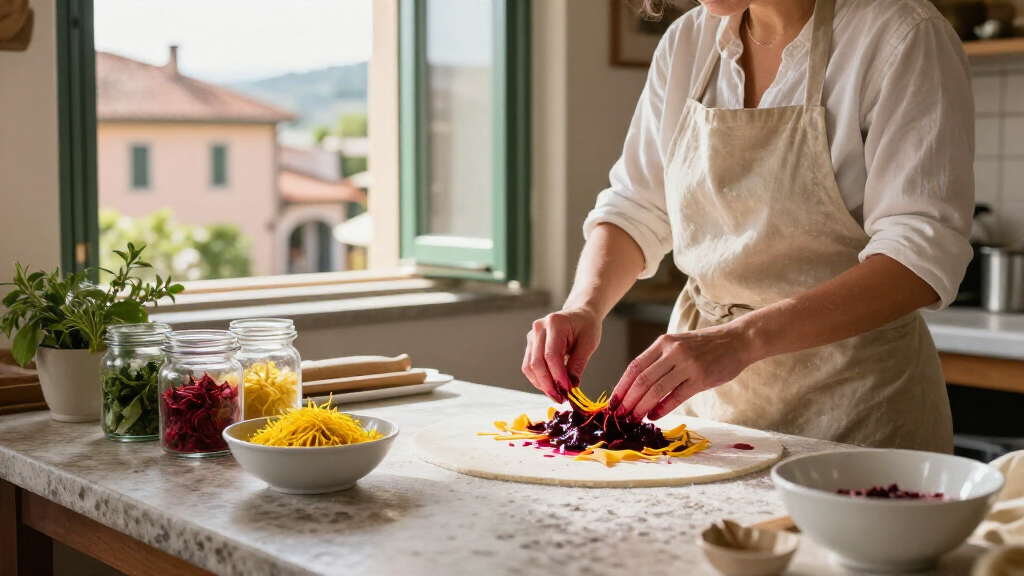
How We Picked
I compared the 14 options by the factors that affect everyday use: format, color range, ingredient source, and recipe flexibility. I gave more weight to products that appear useful across several common tasks, such as coloring icing, batters, or dough, than to products aimed at only one shade. I also considered whether a format could add unwanted liquid or require extra care to disperse, since those issues can matter as much as color choice.
The ranking reflects those differences rather than treating every set as a substitute for every other one. Broad palettes rank well for buyers who want one adaptable kit; powders are favored when limiting added liquid matters; and single-color extracts rank as targeted choices rather than all-purpose sets. Product names and listed formats guide these comparisons, but they do not establish exact shade strength or performance across every recipe, so I avoid claiming identical results from one use to another.
| natural food coloring | Form |
|---|---|
| Plant-Based Natural Food Color | Gel |
| Color Kitchen Natural Food Col | Powder packets |
| OliveNation Natural Yellow Liq | Liquid |
| Plant-Based Natural Liquid Foo | Liquid |
| OliveNation Natural Brown Food | Liquid |
| Supernatural Dye-Free Food Col | Powder |
| ENCO Natural Food Coloring Gel | Gel |
| 365 by Whole Foods Market Plan | Liquid |
| OliveNation Natural Green Food | Liquid |
| Nomeca Natural Food Coloring S | Liquid food coloring |
| Natural Food Coloring Set | — |
| India Tree Nature’s Colors Liq | — |
| Pixie Dust Natural Food Colori | Powder |
| Nutricost Pink Plant-Based Foo | — |
Factors to Consider When Choosing Best Natural Food Colorings
Choosing a natural colorant is less about finding one universal winner than matching the color source and format to your recipes. These broader checks can help prevent a mismatch before you buy.
Match the Format to the Recipe
Start with the recipe’s tolerance for added moisture. Liquids are easy to portion into wet mixtures, but a large amount can loosen icing or change a carefully balanced batter. Powders avoid adding liquid, though they may need thorough blending and can leave flecks if stirred in too late. Gels can offer a middle ground for controlled coloring, but their concentration and texture vary by product. For macarons, stiff frosting, or other recipes where consistency matters, choose a format that can be incorporated in small amounts. For a loose batter or drink, liquid coloring may be simpler.
Choose a Color Source That Fits the Shade
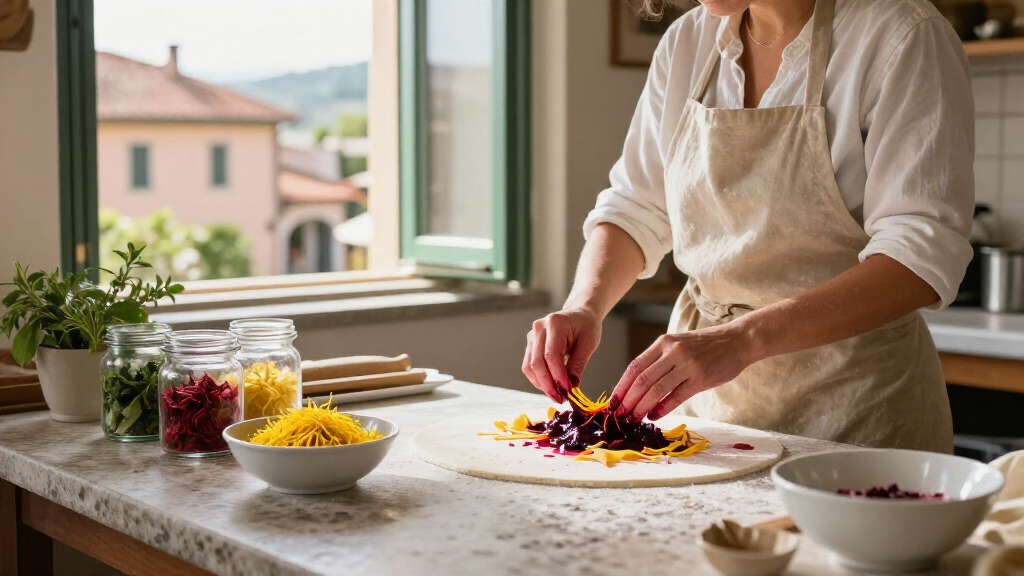
Plant-based colorants get their hues from different ingredients, so the source affects which shades are practical. Turmeric is associated with yellow, spirulina with green, beetroot with pink or red tones, and tea extracts with brown; a product built around one source is a targeted tool, not a complete palette. Natural shades may look less vivid or behave differently from synthetic dyes, especially when mixed into dark or strongly flavored foods. If you need several shades for decorations, a multi-color set gives more flexibility than buying a single extract. If you need one familiar color repeatedly, a focused option can reduce unused colors in your cupboard.
Think About Color Range Versus Waste
A large set sounds useful, but it only earns its place if you will use the range. For occasional baking, a compact set of primary colors may cover most needs through mixing. A broader assortment is more helpful for frequent decorating, themed treats, or households that want ready-made shades without experimenting. Remember that mixing natural colors can produce less predictable results than combining standard synthetic dyes. Before choosing a large kit, think about which colors you use in a typical month and whether you are comfortable blending them. A smaller set can be the more practical choice when your routine centers on a few basic shades.
Plan for Color Changes During Baking
The color in a bowl is not always the color you will see after baking. Heat, acidity, and the original shade of ingredients can shift a plant-derived pigment, so a pale cake batter may not retain the same appearance as an uncooked frosting. Dark ingredients such as cocoa can also mask lighter colorants. For a recipe where appearance matters, make a small trial batch before coloring a full quantity. Avoid correcting a weak shade by adding a large amount all at once; that can affect flavor, moisture, or texture. Gradual additions give you more control and make it easier to stop at a usable result.
Read Ingredient and Allergen Details for Your Household
“Natural” describes a broad category, not a guarantee that every product suits every diet or allergy concern. Check the full ingredient list and the manufacturer’s allergen information, especially when serving guests or cooking for children. A plant-derived color can still have other ingredients in its blend, and a named source such as beetroot or turmeric may matter to someone avoiding a particular ingredient. If you prefer minimal ingredients, compare the label rather than relying on the front-of-package description. Storage directions also matter: follow them to help preserve the product’s usefulness after opening.
Decide When a Specialized Color Is Worth It
Paying for a dedicated shade makes sense when you use that color often or need a specific plant source for a recipe. A single turmeric yellow or spirulina green can be more direct than buying a full set for one task. For occasional use, however, a multi-color kit may provide better practical coverage, even if it does not include every shade in a ready-to-use form. Consider the volume you realistically need, since small bottles or packets can be convenient for testing but may not suit repeated large batches. The right choice is the one that reduces unused product without forcing awkward recipe adjustments.
Frequently Asked Questions
Are natural food colorings suitable for cakes that need strong, bright colors?
They can add color to cakes, but a natural colorant may not produce the same vivid result as a synthetic dye. The shade depends on its source, the recipe, and how the color responds to baking. Dark batters can hide lighter pigments, and heat can alter some plant-derived hues. If a saturated finish matters, test the color in a small batch before making a full cake. A gel or powder may be easier to adjust without adding much liquid, though results still depend on the product and recipe.
Should I choose a powder, gel, or liquid food coloring?
Choose based on what your recipe can tolerate. Powders add little or no liquid, which can help with stiff frosting or dough, but they need to be distributed well to prevent specks. Liquids are straightforward to mix into wet recipes, though larger amounts can change consistency. Gels can be useful when you want controlled additions, but the feel and concentration differ among products. If you are unsure, use the format that matches the recipe’s existing texture and add it gradually.
Can I mix natural food coloring shades to create other colors?
Yes, but mixing may take more adjustment than with uniform synthetic dyes. The starting shades can vary by plant source, and food ingredients may affect the final blend. Begin with small amounts of two colors, mix thoroughly, and record the proportions that work. Avoid adding a large amount of a third color to correct the mixture, since that can shift flavor or consistency. For decorations where matching several batches matters, prepare enough of a shade at once rather than trying to recreate it later.
Will natural food coloring change the taste of my recipe?
It can, particularly when a recipe needs a substantial amount of coloring or when the color comes from a strongly flavored ingredient. The effect depends on the color source, concentration, and the other ingredients in the dish. A small amount may be imperceptible in a strongly flavored cake but more noticeable in a lightly flavored icing. Test a small portion when the recipe has a delicate taste. If flavor neutrality matters, compare ingredient lists and use only enough coloring to reach the shade you want.
Is a multi-color set better than buying one natural color?
A set is more useful when you bake a variety of treats or want to mix several shades from a compact collection. A single-color product is a better fit if you repeatedly need one hue, such as yellow, green, brown, or pink. Sets can leave you with colors you rarely use, while single shades limit your options for other projects. Think about your usual recipes and how often you decorate before choosing. For a first purchase, a small set can offer flexibility; for a recurring specialty recipe, a focused color may be the more practical match.
Conclusion
For most households, Plant-Based Natural Food Coloring Gel, 16 Colors is my best overall pick because its broad palette supports more kinds of baking and decorating than the single-shade options. For value-minded shoppers, the 365 by Whole Foods Market four-color set is a compact choice when basic shades are enough, while Color Kitchen’s powder set is the best premium-style fit for bakers who want a dry format and broader color options. Beginners may prefer a straightforward liquid set such as Plant-Based Natural Liquid Food Coloring Set, 6 Colors, provided their recipes can handle added moisture. For specific needs, choose OliveNation turmeric yellow, spirulina green, or tea-based brown, or Nutricost beetroot pink, rather than expecting one general set to provide every shade equally well. Match the format and color source to the recipes you actually make, and the tradeoffs become much easier to manage.