Olio nuovo is freshly milled extra-virgin olive oil from the current olive harvest, usually available in autumn or early winter depending on the region and year. Its grassy aroma and peppery, sometimes bitter taste make it especially good drizzled over warm bread, beans, soup, and vegetables; store it sealed, cool, and away from light.
The first taste of new olive oil can catch in your throat like a tiny green spark. That peppery finish is part of olio nuovo’s appeal: this freshly milled oil carries the vivid aroma of the current harvest, often grassy, leafy, and a little bitter.
In Italy, the harvest arrives at different times from region to region, so there is no single day when every mill opens its doors. You’ll learn what olio nuovo means, how to find a genuinely fresh bottle, and why a simple plate of warm bread or beans is often a better introduction than a complicated recipe.
Think of the bottle as a seasonal ingredient, not a collectible to admire from the cupboard. A few practical choices about buying, storing, and serving it can help you taste what makes this year’s oil special.
At a glance
Olio Nuovo: Why New Olive Oil Is a Seasonal Treat
Key insight
Olio nuovo describes an oil’s freshness and seasonal character, not a separate official grade; it can be extra-virgin olive oil, and cloudiness alone does not prove quality.
Key takeaways
1
Olio nuovo is freshly milled oil from the current harvest; it can be extra-virgin olive oil, not a separate official grade.
2
Harvest and availability vary by region and year, so check with mills or producers for current dates.
3
Cloudiness can come from suspended particles and does not prove higher quality; use harvest details, aroma, and taste.
4
Serve some raw over bread, beans, soup, or vegetables to preserve its fresh aroma; cooking is fine, but heat can mute it.
5
Store the bottle sealed in a cool, dark cupboard away from the stove, and follow the producer’s guidance.
Step by step
1
How to choose a fresh bottle with useful details
Look for a stated harvest date, a named producer, and packaging that protects the oil from light.
Olio Nuovo Arrives: Why New Oil Is a Seasonal Delicacy and How to Use It
The harvest, in a bottle · Seasonal field guide
Olio Nuovo Arrives: Why New Oil Is a Seasonal Delicacy and How to Use It
Freshly milled olive oil captures the vivid character of the current harvest: grassy, leafy, and often pleasantly peppery. Its season follows local olives and mills, so timing shifts from region to region and year to year.
Start simply: drizzle it over warm bread, beans, soup, or vegetables, and let this year’s flavor speak for itself.
The defining ideaFreshness, not a grade
Olio nuovo can be extra-virgin olive oil. “New oil” describes its seasonal character, not a separate official category.
First impressionA green spark
Fresh-cut grass, herbs, and a peppery catch in the throat are part of the sensory appeal.
A useful reminderCloudy ≠ better
Suspended olive particles can make new oil hazy; appearance alone does not establish quality.
OnceOlive harvest each year
Autumn–winterCommon Northern season
RawBest way to notice aroma
Cool + darkSimple storage rule
01 / What you’re tasting
Green aroma, balanced bite
Variety, fruit ripeness, growing conditions, and milling shape each oil’s character. Naturally occurring phenolic compounds contribute to bitterness and pepperiness, but these sensations are not a simple quality score. “Stronger” does not automatically mean “better.”
Aroma · often
Grass & leafy herbs
Fresh-cut grass, green leaves, artichoke, green tomato, or herbs can suggest a vivid harvest profile.
Flavor · varies
Bitterness & pepper
A peppery warmth may catch at the back of the throat. Bitterness can balance rich foods and brighten mild ones.
Appearance · no shortcut
Clear or cloudy
Unfiltered or lightly filtered oil may hold tiny olive particles. Cloudiness describes appearance, not quality.
Choose for the plate: an assertive oil can add lift to beans or lentils, while a softer one may suit delicate fish. Look for a clean, balanced taste that adds interest without masking the food.
02 / A seasonal window
Harvest sets the calendar
Olio nuovo arrives after olives are harvested and milled, commonly in autumn or early winter in the Northern Hemisphere. Region, variety, weather, and harvest decisions all shift the timing.
Region & variety
Weather
Picking choice
Influences timing and style; no fixed calendar date
01
Olives ripen
Local conditions shape the fruit.
02
Harvest begins
Picking dates vary by place and year.
03
Mill the fruit
Freshly milled oil carries the season’s profile.
04
Taste while vivid
Enjoy the aroma before it gradually softens.
03 / Find a bottle worth opening
Follow the harvest details
A best-before date alone cannot tell you when olives were picked or how long oil has been sitting. Ask a specialty shop or producer when it was milled and how it has been stored.
01 · Harvest
Look for a date
A stated harvest date helps you assess whether the bottle comes from the current season. Check with the producer if details are unclear.
02 · Source
Find the producer
A named producer and specific origin help with traceability. Toscano IGP and Terra di Bari DOP identify defined origins and standards, not a guaranteed taste.
03 · Packaging
Protect from light
Choose packaging that shields oil from light. If samples are available, smell and taste for a lively, clean aroma.
Read claims carefully: “First cold pressed” is often used loosely in modern retail. Contemporary extra-virgin oil is generally extracted mechanically; the phrase alone does not prove freshness or quality.
04 / Serve it simply
Put the fresh aroma up front
Use olio nuovo where its flavor can be noticed. Cooking is fine, but high heat and long cooking can mute its fresh aromas, so save some to drizzle after cooking.
Warm breadA direct, classic first taste.
Beans & lentilsBitterness can balance their richness.
Soup & cooked greensFinish each bowl just before serving.
Vegetables & potatoesDrizzle over grilled or roasted produce.
Salads & pastaAdd a final pour for a fresh lift.
FishTry a softer oil with delicate flavors.
05 / Quick answers
What to know before you pour
When is it available?
After the local harvest and milling, commonly in autumn or early winter. Dates shift with region and year; contact producers for current availability.
Is it extra-virgin?
It can be. “Olio nuovo” describes freshness and seasonal character, not a separate official grade.
Does cloudy mean better?
No. Suspended particles may create haze, but cloudiness alone does not establish quality.
How long does it stay “new”?
There is no universal cutoff. Fresh aromas fade over time; check the harvest details and follow the producer’s best-before and storage guidance.
Is it a health upgrade?
Composition varies. Phenolic compounds contribute to sensory character, but olio nuovo is not a treatment or guaranteed health upgrade.
Can I cook with it?
Yes. For its clearest seasonal flavor, use some raw or add it at the end of cooking.
What olio nuovo tastes like, and why it can look cloudy
Olio nuovo is freshly milled olive oil from the current harvest, often sold unfiltered or lightly filtered. It can be extra-virgin olive oil, but “new oil” describes its freshness and seasonal character rather than a separate official grade. The first clue is usually the aroma: fresh-cut grass, green leaves, or artichoke, depending on the olives and the mill.
Its flavor can bring bitterness and peppery warmth, sometimes felt at the back of your throat. Naturally occurring phenolic compounds contribute to those sensations, but they aren’t a simple quality score. They are part of the oil’s sensory character: bitterness can balance rich foods, while pepperiness can make a mild dish feel more vivid. A green, assertive oil from early-harvest olives may suit lentils or beans, while a softer oil might be a better match for delicate fish. The tradeoff is that a forceful oil can overwhelm subtle ingredients, so choose by what you want the oil to do on the plate.
New oil can look cloudy because tiny olive particles remain suspended in it. That rustic haze is not, by itself, a sign that the oil is superior or defective; it tells you little about the full quality of what’s in the bottle. Unfiltered oil may feel more rustic and retain visible particles, but those particles and any residual moisture can shorten its keeping quality. Filtering gives the oil a clearer appearance and may help it keep longer, though it does not guarantee better flavor. If you’re comparing two oils at a shop, smell and taste them if samples are available, and check the producer and harvest details rather than treating cloudiness as a shortcut.
Cloudy describes appearance, not quality. Look for a lively, clean aroma and useful harvest information instead.
Imagine pouring a spoonful over a slice of toasted bread. One oil may taste like green tomato and pepper; another may lean toward almond and herbs. Olive variety, fruit ripeness, local conditions, and milling all shape that difference, so “stronger” does not automatically mean “better.” A clean, balanced oil is the useful measure: its bitterness and pepper should add interest rather than mask the food.
Products Worth Considering
Philips Hue White and Color Ambiance Smart Light Starter Kit, 2 A19 Bulbs with Hub
TCL 65 Inch QM8L Series SQD-Mini LED QLED 4K Smart Google TV
Levoit Vital 100S-P Air Purifier with Washable Pre-Filter
As an affiliate, we earn on qualifying purchases.
Why new oil belongs to autumn and early winter
Olio nuovo arrives after local olives are harvested and milled, commonly in autumn or early winter in the Northern Hemisphere. The date shifts with region, variety, weather, and harvest decisions. In Tuscany, Umbria, and Puglia, for example, you may hear about new oil at different times; a warm or difficult growing season can shift the timing again. This variation matters if you’re shopping or planning a visit: a calendar date is only a rough clue, while a producer can tell you whether the local fruit has actually been milled.
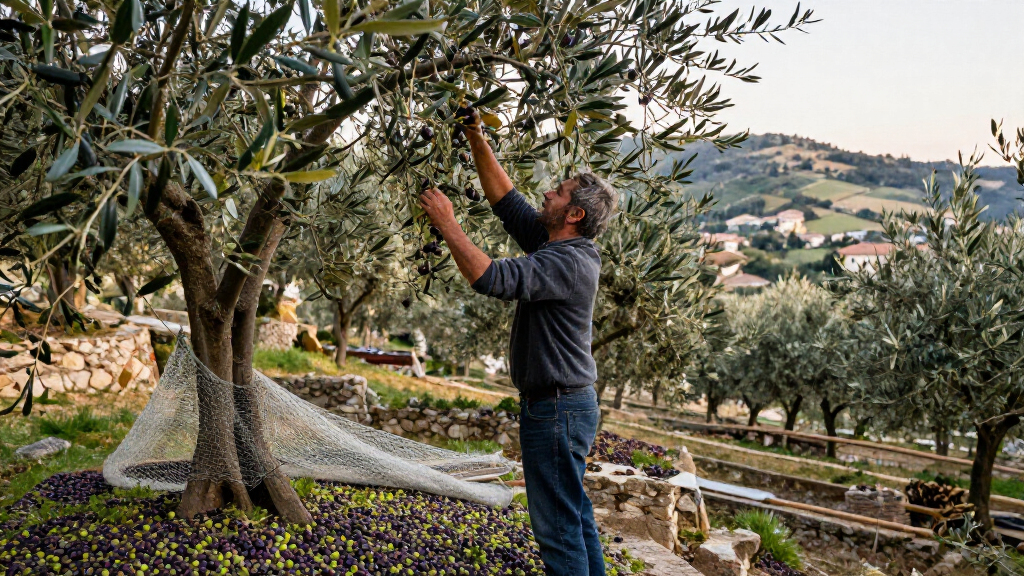
Olives are harvested once a year, and early picking often produces greener, more intensely flavored oil in smaller quantities. Picking earlier can preserve a vivid, assertive style, but it generally means less oil from the same amount of fruit than waiting for later ripeness. That choice affects both supply and taste: early harvest may be appealing if you want peppery intensity, while later fruit can produce a softer profile. Neither timing alone guarantees quality; sound fruit and careful milling matter, and preferences differ.
Fresh aromas fade as oil meets oxygen, light, and heat. Unfiltered oil may also retain moisture or olive particles that affect how well it keeps, which is one reason producers may recommend enjoying it sooner than a carefully filtered oil. This seasonal window is about the oil’s most vivid character, not a sudden expiration date: it can remain usable after its green aromas soften, but it may no longer taste like a fresh pressing. There isn’t one universal cutoff for when it stops being “new”; ask the producer how and when it was milled, then follow the bottle’s storage and best-before guidance.
Climate conditions such as heat and drought can affect the fruit, harvest timing, and available yield from one year to the next. So if you’re planning a visit to a mill, confirm dates directly with local producers rather than relying on a fixed calendar. A trip to an Umbrian mill in November might line up beautifully one year and miss the freshest pressing the next. Calling ahead turns the seasonal uncertainty into useful information and can help you find a tasting while the oil is at its most expressive.
How to choose a fresh bottle with useful details
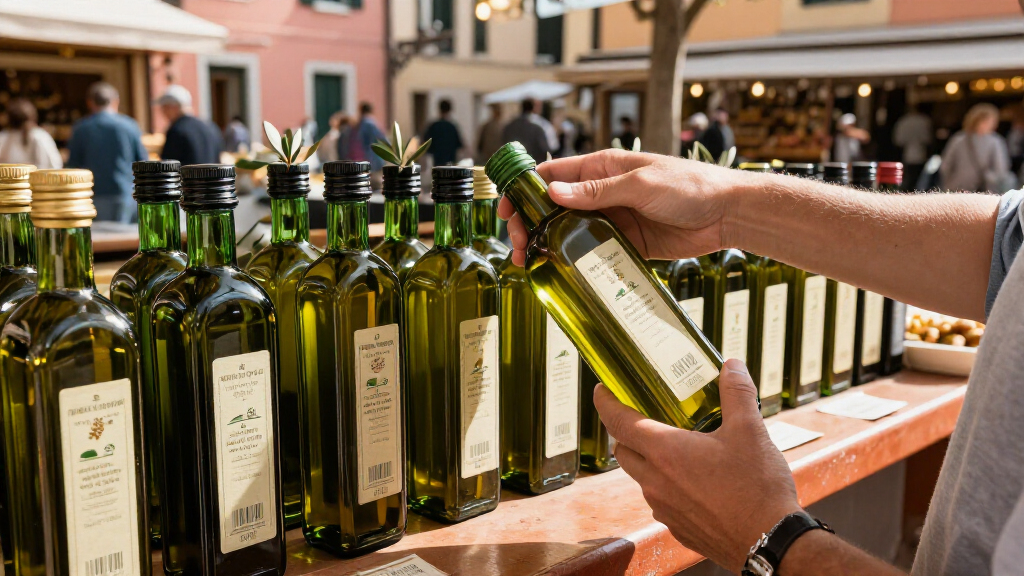
Look for a stated harvest date, a named producer, and packaging that protects the oil from light. Those details help you understand what you’re buying; vague freshness language by itself does not. The harvest date is especially useful because a distant best-before date can’t tell you when the olives were picked or how long the oil has been sitting. At a specialty shop, ask whether the seller knows when the olives were milled and how the bottle has been stored.
Origin can help you explore style, especially when you see a specific region or olive variety. Italy has protected designations such as Toscano IGP and Terra di Bari DOP, which connect a product to defined production areas and rules. A designation gives you information about origin and production standards, but it is not a tasting guarantee and does not replace the harvest date when you’re seeking oil from the current season. Together, origin and harvest details help explain both where the oil comes from and whether it fits your seasonal search.
Labels can use terms such as “first cold pressed” loosely. Modern extra-virgin oil is generally extracted mechanically, and that phrase alone doesn’t establish freshness or quality. If a bottle says “harvested in October” and identifies its producer, that is more useful to your seasonal search than a grand-sounding phrase without dates. Clear, specific details make it easier to compare bottles and ask a seller focused questions.
Use this quick check when you shop:
Find the harvest date. Prefer a clearly stated season or date over a label that only gives a distant best-before date. This helps you judge freshness, though it cannot tell you how the oil was handled afterward.
Check the packaging. Dark glass or a sealed tin helps limit light exposure; clear glass on a bright shelf offers less protection. Packaging lowers one source of deterioration, but good packaging can’t make old or poorly stored oil fresh.
Ask about storage. A shop that keeps bottles away from sun and heat is treating the oil with care. Storage history matters because heat and light can dull aroma even in a recently harvested oil.
Taste if you can. Fresh oil should smell lively and clean, without rancid, musty, or unpleasant notes. Tasting connects label details to the experience you’ll get at home and helps you decide whether the oil’s intensity suits your cooking.
For instance, if two bottles are labeled extra-virgin, one with a named producer and current harvest date gives you a clearer trail than one whose only clue is a claim about being “premium.” It may still cost more or taste more assertive, so use the details to make an informed choice rather than assuming a label promises one ideal flavor.
Serve olio nuovo where its flavor can take the lead
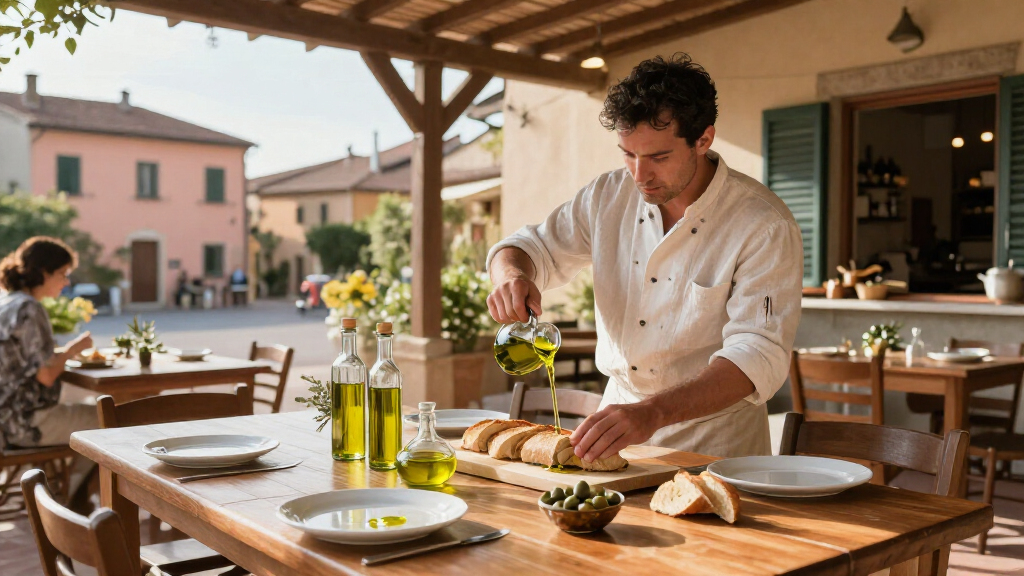
The simplest way to taste olio nuovo is to finish a plain, warm dish with it. Pour it over toasted bread, beans, grilled vegetables, soup, or roasted potatoes, where its grassy aroma and peppery edge won’t disappear under heavy seasoning. A spoonful over a bowl of cannellini beans with salt is a small, useful tasting exercise: first smell the oil, then taste it with the food. Warmth releases aroma, while the plain beans let you notice how bitterness and pepper balance their mild, creamy flavor.
Try it with Tuscan-style ribollita, the hearty bread and vegetable soup, or over fagioli (beans) warmed with garlic and herbs. In Puglia, a drizzle over grilled greens and crusty bread makes a similarly simple seasonal meal. These are practical starting points, not rigid rules; choose foods that leave room for the oil to speak. A more delicate oil can complement mild vegetables or fish, while a robust one can stand up to beans, bitter greens, and hearty soup.
Olio nuovo also works as a finishing oil on salad, cooked greens, pasta, or fish. Add it after cooking, especially if you want to keep its fresh aroma prominent. You can cook with it, too, but high heat and long cooking can bury the flavor that makes the new harvest distinctive. If a recipe starts with oil in a hot pan, use an everyday cooking oil and save a little olio nuovo for the final drizzle. This lets you use the bottle flexibly: cooking with it is fine, but saving some uncooked preserves the qualities you bought it to enjoy.
Think of the finishing pour as the last brushstroke on a dish. For roasted potatoes, toss them with salt and herbs in the oven, then add new oil at the table. The potatoes will still be crisp, but the oil’s green, peppery notes will stay bright instead of spending an hour in the heat.
Olive oil is not one of the major allergens required to be highlighted in the same way as nuts or dairy, but a full recipe can contain common allergens such as wheat in bread, dairy in soup toppings, or fish in a main course. If you’re serving guests, name those ingredients clearly. A simple beans-and-oil tasting can be naturally free of many common allergens if you choose suitable accompaniments and check labels.
Store the bottle so its green aroma lasts
Keep olio nuovo tightly closed in a cool, dark place away from the stove. Oxygen, light, and heat dull its fresh aromas, so a cupboard is usually a better home than a sunny counter or shelf beside the oven. Reach for it with clean, dry hands and close the cap promptly. These steps slow the loss of aroma; they don’t stop it entirely, which is why buying an amount you’ll use while it is lively can matter as much as storage.
Unfiltered oil may have more suspended olive particles and residual moisture than filtered oil. That can affect its keeping quality, so follow the producer’s instructions and use the oil while it still smells and tastes lively. If you’ve bought a large tin, decant a small amount into a dark, clean bottle for daily use and keep the rest sealed in the cupboard. This limits how often the main supply meets air and light, while keeping a convenient amount at hand.
Refrigeration usually isn’t necessary. Cold can make olive oil cloudy or partly solid, which is a temporary change in appearance rather than a sign that it has spoiled; let the bottle return to room temperature before judging it. For example, if your kitchen is warm and bright, a cool interior cupboard may protect the oil better than leaving it by the window, even if the bottle looks attractive there. The aim is steady, moderate conditions, not extreme cold.
Use your senses alongside the label. A smell like waxy crayons, stale nuts, or damp cardboard can signal rancidity or other unwanted deterioration. Freshness fades gradually rather than switching off on a universal date, so the harvest date, packaging, storage history, and the oil’s aroma together give you the best guide. If it has lost its lively character, it may still be usable in cooking, but it will no longer bring the vivid finish that makes olio nuovo special.
Light and heat are poor companions for fresh oil. Close the cap and put the bottle away after each pour.
Plan a harvest visit around the mill, not a fixed date
To taste olio nuovo at its freshest, check with a local mill or producer before you travel. Harvest timing changes from year to year, and the first press from one area may happen before another. A late-autumn visit to an olive-growing town can bring you close to the season, but it cannot promise that a particular mill will be pressing that week. Planning around the producer’s schedule matters because the freshest oil may be available for only a short period, and small mills can sell through a limited batch quickly.
Ask when the olives were harvested, when milling began, and whether the producer offers tastings or direct sales. If you’re driving through Umbria, for instance, call ahead before planning a stop for a tasting of local oil on bread. A small mill may sell out quickly, while another nearby producer may still be working through the harvest. These questions also help you understand what you’re tasting: different harvest dates and varieties can produce different levels of green flavor and pepperiness.
Some producers and shops now share more about olive varieties, harvest dates, and traceability. These details help you make a more informed choice, but label language and marketing claims vary. An origin designation such as Toscano IGP can tell you something about where and how an oil is made; the producer’s harvest information helps answer whether it is from the current season. Taken together, those details give context for the oil, though tasting remains the best way to learn whether its style suits you.
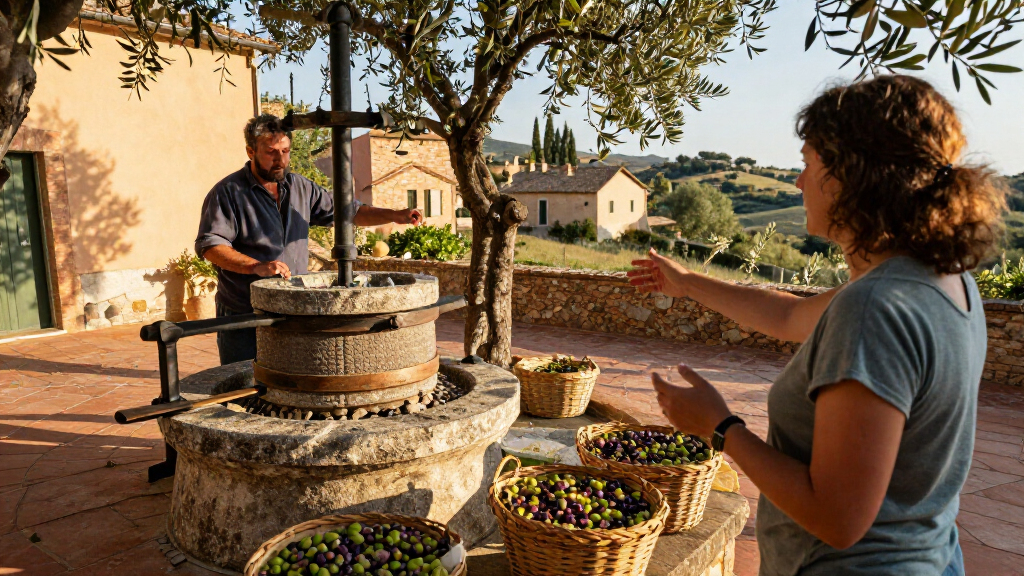
A visit also gives the season a human scale. You can see crates arrive from the grove, smell crushed olives near the mill, and taste oil on plain bread before buying a bottle. If you can’t travel, seek out a regional producer or specialty shop that states the harvest and bottling details, and ask how the oil was stored. That same question is useful whether you’re shopping in Florence or at home: it connects the story on the label to the oil’s condition now.
Frequently Asked Questions
When can I buy olio nuovo?
It usually becomes available after local olives are harvested and milled, often in autumn or early winter in the Northern Hemisphere. Timing varies by region and year, so check with a producer or mill for the current harvest.
Is olio nuovo the same as extra-virgin olive oil?
Olio nuovo describes freshly milled oil from the current harvest, not a separate official grade. It can be extra-virgin olive oil; check the bottle for its grade, producer, and harvest information.
Why does new olive oil look cloudy?
It may be unfiltered or lightly filtered, leaving tiny olive particles suspended in the oil. Cloudiness alone does not establish quality, so also check the aroma, taste, harvest details, and producer.
Is olio nuovo healthier than regular olive oil?
Fresh, robust oils can contain phenolic compounds, but composition varies with olives and production. Olio nuovo is not a treatment or a guaranteed health upgrade, so choose it for its flavor and use it as part of a varied diet.
How should I store olio nuovo?
Keep it tightly closed in a cool, dark place away from the stove and sunlight. Refrigeration is usually unnecessary; cold may temporarily make oil cloudy or partly solid, and the change reverses as it warms.
Can I cook with new olive oil?
Yes. High heat and long cooking can mute its fresh aromas, so reserve some oil to drizzle over the finished dish. It’s especially easy to taste over warm beans, soup, grilled vegetables, or bread.
Conclusion
When you find olio nuovo, taste it simply: warm bread, a pinch of salt, and a generous drizzle. Check the harvest date, keep the bottle away from heat and light, and let the oil’s grassy, peppery character finish a dish rather than disappear into a long cooking process.
That first green spark won’t stay exactly the same all year. Enjoy it while the harvest is fresh, and let one spoonful carry you from your kitchen to an Italian olive grove.
Uncover the irresistible charm of Italy's most popular dishes, from unique risotto creations to decadent lasagna variations, promising a culinary adventure beyond compare.