TL;DR

Get kitchen staples and gadgets delivered free with Prime
- Fast, free delivery on millions of items
- Prime Video, Amazon Music and more included
- Member-only deals all year
The Valnerina is the Nera River valley in southeastern Umbria, where truffles sit alongside Norcia’s cured meats, Sibillini lentils, handmade pasta, mushrooms, and seasonal vegetables. Start in Norcia or Scheggino, check which truffle varieties are in season, and confirm current restaurant, event, road, and guided-hunt details before you travel.
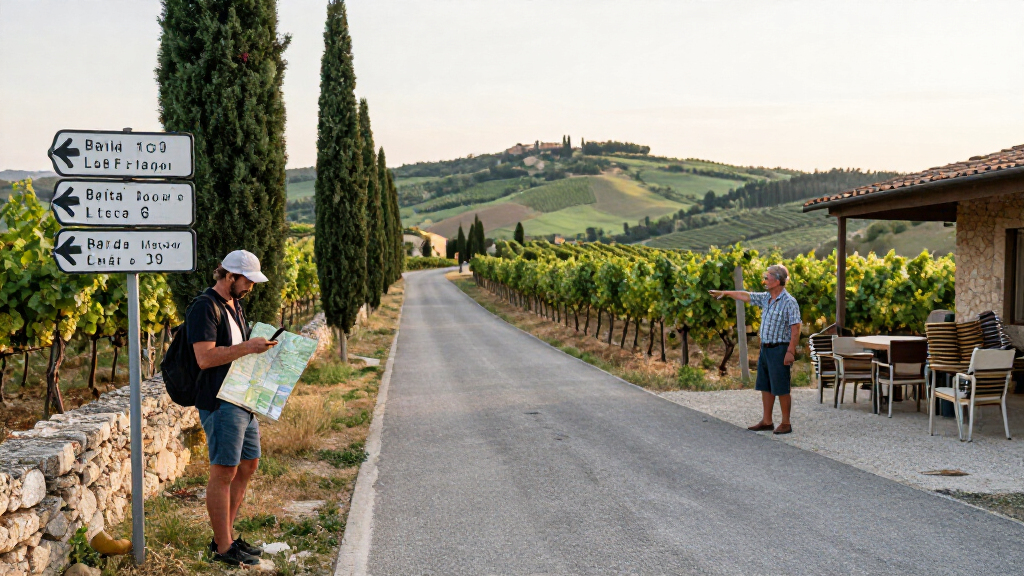
A plate of fresh truffle can smell like damp leaves after rain: earthy, dark, and unmistakably tied to the ground it came from. In the Valnerina, that aroma leads you beyond the restaurant table, into a valley shaped by the Nera River, wooded slopes, mountain farms, and small medieval towns.
This guide helps you plan a food trip through southeastern Umbria with truffles as your starting point. You’ll learn where to go, what else to order, how to think about the changing harvest calendar, and how to make room for experiences such as a guided hunt, a producer visit, or a slow lunch in a village trattoria.
Norcia and Scheggino make useful anchors, but the valley’s pleasures reach further. Bring an appetite for regional cooking, a flexible schedule, and a habit of checking local details before you set out; the best meal may depend on the season and the small kitchen you find along the way.
Begin in Norcia for its historic norcineria and cured meats, then consider Scheggino for a river-valley and black-truffle focus.
Check the current harvest calendar for the specific truffle variety you want; black and white truffles do not share one season.
Ask whether a truffle dish uses fresh or preserved truffle, and check the menu price before ordering.
Look beyond truffles to Sibillini-area lentils, local cheeses, mushrooms, handmade pasta, soups, and seasonal vegetables.
Confirm restaurant hours, festival programs, guided outings, and road access close to your travel dates.
A seasonal food guide · Southeastern Umbria
Food and Dining Experiences in Umbria: Truffle Towns of the Valnerina
Follow the Nera River through wooded hills and medieval towns, with truffles as your starting point. Norcia and Scheggino anchor a food trip that can also include cured meats, mountain lentils, handmade pasta, mushrooms, and the slow pleasures of a village lunch.
01 / Towns and tastes
Start in Norcia. Follow the river.
The Valnerina is southeastern Umbria’s Nera River valley: wooded slopes, small medieval towns, mountain farms, and food shaped by season and local producers. Each stop brings a different part of that story to the table.
Norcia
The valley’s best-known food stop and historic center of pork curing. Look for prosciutto, salumi, sausages, and black-truffle products.
Scheggino
A riverside town closely associated with black truffles and truffle-focused events. Ask about local dishes and producer visits.
Preci
Known for its historic ties to surgery and medicine; nearby villages offer a quieter countryside setting for food-focused visits.
Castelluccio di Norcia
Famous for lentils and the summer flowering of the Piana di Castelluccio. A mountain landscape and food tradition beyond truffles.
Make room for the journey
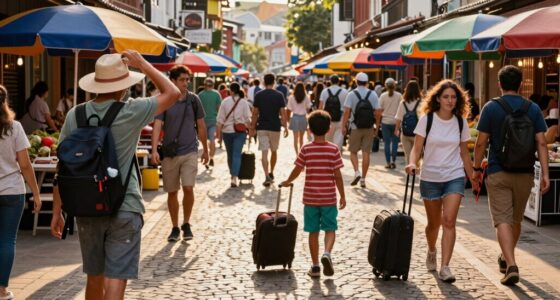
A two-night visit could pair Norcia’s food shops with a Scheggino lunch and a separate mountain drive. A car helps reach smaller villages and countryside restaurants; check driving times and current road access before setting out.
- 01 · BrowseNorcia’s norcinerie and food shops
- 02 · TasteChoose a seasonal dish in town
- 03 · FollowDrive the Nera valley toward Scheggino
- 04 · Slow downLunch, river scenery, or a village walk
02 / Harvest calendar
“Truffle season” is not one date.
Black and white truffles have different regulated harvest periods. Weather and local conditions affect availability, so use this visual as a planning reminder—not a promise of what will be on a menu.
Ask by variety. Black truffles are especially prominent in the Valnerina’s food identity and may be shaved over pasta, eggs, or meat, or folded into a sauce. White truffle is more strongly associated with autumn and is often served simply so its aroma leads.
Before ordering, ask which variety the dish uses and whether it is fresh or preserved. Check the price and portion too: preparations and costs vary by kitchen and season.
Check the current harvest calendar for your target species, then contact the restaurant or event organizer about expected availability on your dates.
03 / Beyond the prized ingredient
Build a wider Umbrian food day.
A satisfying meal can tell the valley’s story without putting truffle on every plate. Regional cooking is hearty and ingredient-led, with recipes that shift between villages and seasons.
Cured meats
In Norcia, browse for prosciutto, salumi, and sausages tied to the local norcineria tradition.
Lentils and legumes
Sibillini-area lentils, beans, and soups bring the mountain landscape into the meal.
Pasta and mushrooms
Look for handmade pasta and seasonal mushrooms, with preparations that depend on the kitchen.
Cheese and vegetables
Ask what local cheese or seasonal vegetable the kitchen recommends that day.
04 / Experiences beyond the table
Choose a visit that fits your pace.
Pair a meal with a guided outing, a producer visit, or a walk by the river. Confirm dates and details directly: activities, openings, and festival programs can change.
Guided truffle hunt
Where offered, a local guide and trained dog search the countryside by scent. It is an outing, not a guarantee of finding truffles.
Producer visit
Ask about farm, cellar, or workshop visits that explain curing, cheese-making, and seasonal harvests.
Festival or market
Scheggino truffle events and Norcia food events are worth investigating for your travel dates.
05 / Your practical checklist
Make the trip flexible.
Let the season shape the menu, and let current local information shape the route. A good Valnerina food day leaves room for what is available when you arrive.
Before you book
- Check the current harvest calendar for the truffle variety you want.
- Ask restaurants whether dishes use fresh or preserved truffle, and confirm prices.
- Verify event programs, guided outings, and producer visit availability.
Before you set out
- Confirm restaurant hours, road access, and driving times close to your dates.
- Stay flexible: choose pasta, mushrooms, cheese, lentils, or vegetables if fresh truffle is unavailable.
- Tell the kitchen about dietary needs and confirm ingredients directly.
Start with Norcia, then follow the Nera toward Scheggino
The Valnerina’s truffle towns make the most sense as a small-town itinerary: begin in Norcia for its food shops and pork-curing heritage, then continue toward Scheggino for a river-valley setting closely associated with black truffles. The valley follows the Nera through a landscape of wooded hills, small medieval towns, and the Monti Sibillini area, so a short drive can change the scenery as much as the menu. [1]
Norcia is the region’s best-known food stop and a historic center of norcineria, the craft of preparing and curing pork. In town, you may find prosciutto, salumi, sausages, and black-truffle products in shops or on restaurant menus. Treat those as related parts of the local food culture, not as one fixed tasting menu: what a restaurant serves depends on the kitchen, the season, and what it has sourced.
Scheggino offers a different pace. The Nera runs through the town, and its association with black truffles makes it a natural place to ask about local dishes, producer visits, or truffle-focused events. Preci and nearby villages can add a quieter countryside stop, while Castelluccio di Norcia brings you to a high plateau famous for lentils and summer flowers rather than truffles. A two-night visit could pair Norcia’s shops with a Scheggino lunch and a separate mountain drive.
For a practical route, check driving times and current road access before you go. A car makes it easier to reach countryside restaurants and smaller villages, while public transport can be limited for a day built around several food stops. Norcia and nearby communities were affected by the 2016–17 earthquakes; recovery has continued, but openings and access vary by site, so check current local updates rather than relying on an old itinerary. [1] As an affiliate, we earn on qualifying purchases.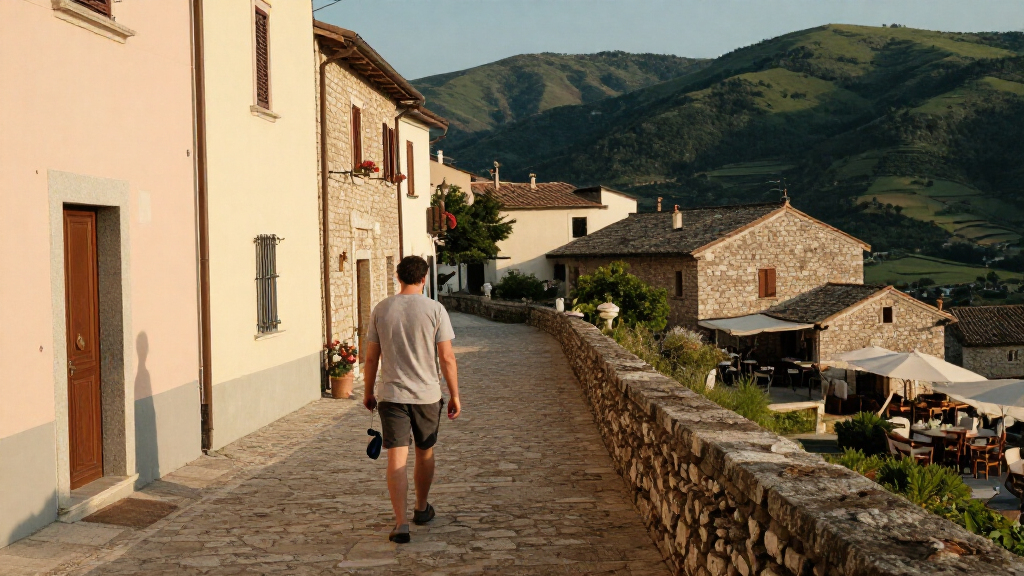
Products Worth Considering

Bose SoundLink Plus Portable Bluetooth Speaker, Black

Philips Hue Festavia Globe Outdoor String Lights, 8 Bulbs, 22 ft

Arlo Pro Wireless Security Camera, 2K HDR, 6th Generation, 4-Camera Kit
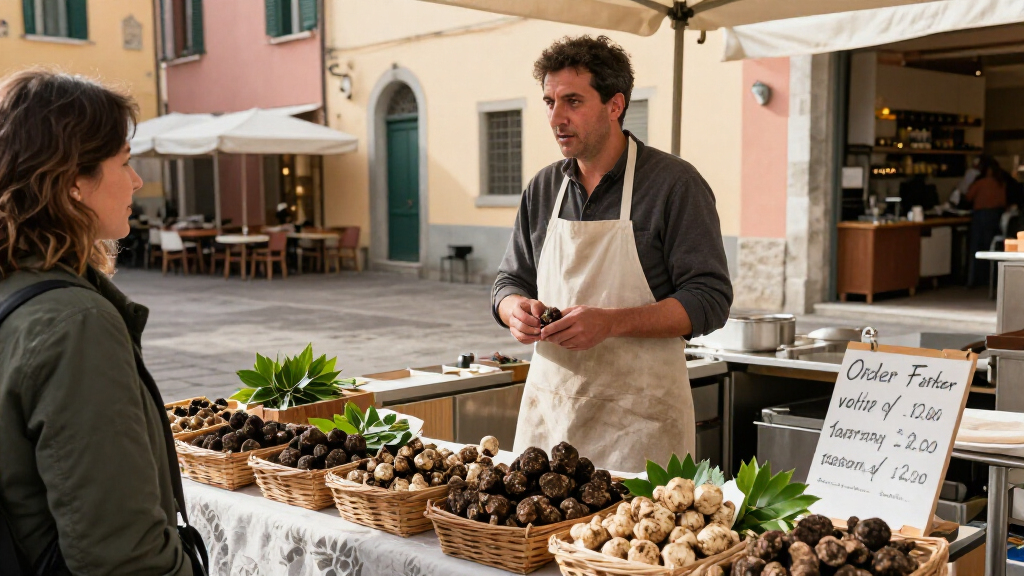
Order truffle by variety and season, not by a single calendar date
Truffle season in the Valnerina varies by species, because black and white truffles have different regulated harvest periods. That means there is no single date that guarantees every truffle dish, or even the same variety from one trip to the next. Harvest conditions and availability can also shift with weather and the year’s local conditions. [1]
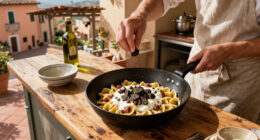
Black truffles are especially prominent in the valley’s food identity. A restaurant may shave them over pasta, eggs, or meat, or fold them into a sauce. White truffles are more strongly associated with autumn and are often served simply, with the kitchen allowing their aroma to lead. Ask which variety the dish uses and whether it is fresh or preserved; both questions help you understand what arrives at the table and why its price may differ.
Imagine you book a November weekend hoping for fresh truffle. A menu might offer one variety while another is unavailable, or a kitchen might feature a preserved product instead. That does not make the meal less local, but it changes the flavor and the price. Truffle dishes can cost more than standard menu items, so check the menu or ask about the portion and preparation before ordering.
Use this simple planning sequence when you choose dates:
- Check the current harvest calendar for the species you hope to taste.
- Contact the restaurant or event organizer to ask what they expect to serve on your dates.
- Stay flexible and choose a seasonal dish if fresh truffle is unavailable.
For example, a traveler whose dates fall outside a desired harvest period can still build a satisfying meal around handmade pasta, mushrooms, local cheese, or lentils. The valley’s food story is bigger than a single ingredient.
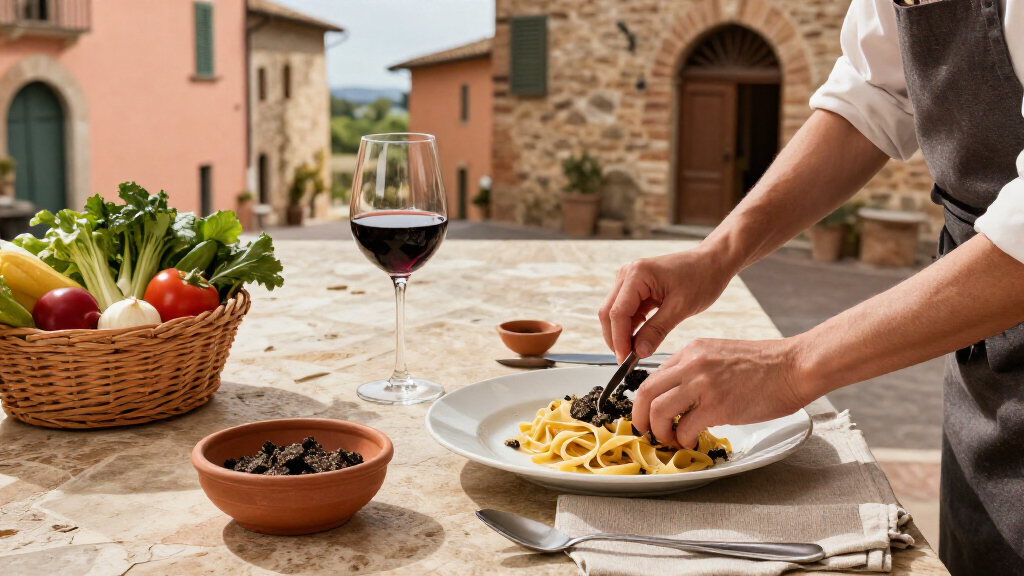
Make a truffle meal part of a wider Umbrian food day
A good Valnerina food day includes more than truffles: Norcia’s cured meats, Sibillini-area lentils, local cheeses, handmade pasta, mushrooms, soups, and seasonal vegetables all give you a broader sense of the valley. Its food culture is strongly tied to seasonality and local producers, so menus can change from village to village and month to month. [1]
In Norcia, you might browse a norcineria for prosciutto or salumi before sitting down to a truffle pasta. Later, a bowl of lentils or soup can make the meal feel rooted in the mountain landscape rather than built around one prized ingredient. Castelluccio di Norcia is particularly known for lentils and the summer flowering of the Piana di Castelluccio, the Castelluccio plain. It is not primarily a truffle destination, but that contrast helps you understand how varied local food can be.
Ask how a dish is made when the menu leaves room for questions. A soup may use meat stock even if the ingredients sound vegetable-based, and a pasta sauce may include dairy or other allergens. If you avoid meat, dairy, gluten, or another ingredient, contact the restaurant ahead and confirm the kitchen can accommodate you. Traditional recipes and menus vary; a dish name alone may not tell you what is in the pot.
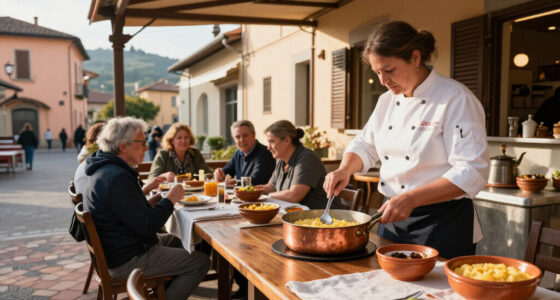
For a real-world pairing, plan a late lunch after a morning walk by the river or through a town’s historic center. Start with a modest portion of cured meat if you eat pork, choose one truffle dish to share, then ask what seasonal vegetable or legume the kitchen recommends. This leaves space for the kind of meal the Valnerina does well: generous, ingredient-led, and paced to the afternoon.
Choose a guided hunt, producer visit, or festival that fits your trip
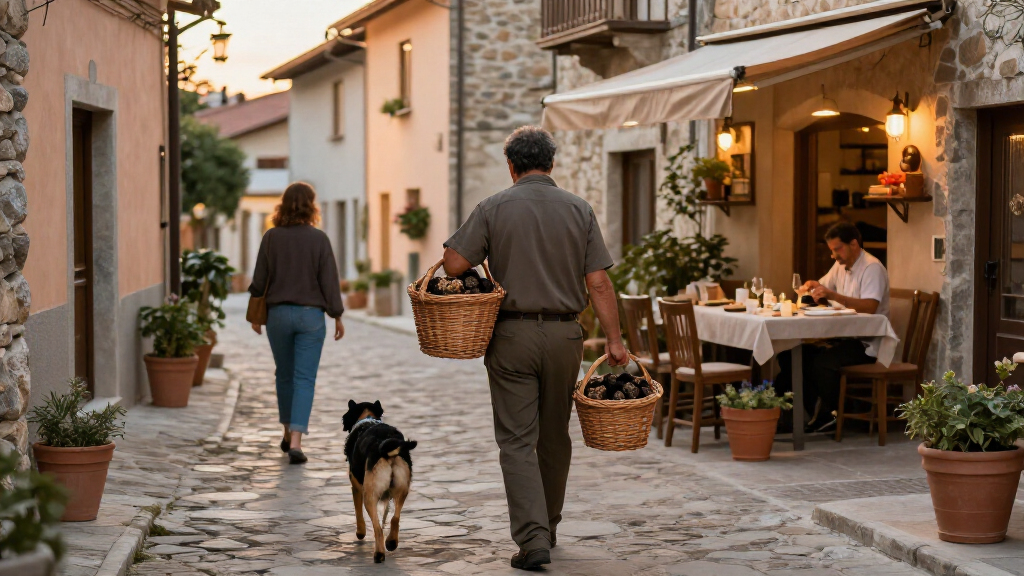
Truffle hunting is a guided outing, not a promise of a full basket. Where offered, local guides take visitors into the countryside with trained dogs, which search the ground by scent. Availability, duration, cost, and the chance of finding truffles vary, so contact the guide directly and ask what the outing includes before you book. [1]
The appeal is as much about watching the dog work as it is about the harvest. You might walk beneath oak trees, listen for the handler’s cues, and see the dog pause at a patch of earth that looks no different from the ground around it. Even if the outing finds nothing, you leave with a clearer sense of the landscape and the skill behind an ingredient that can seem mysterious when it arrives already shaved over pasta.
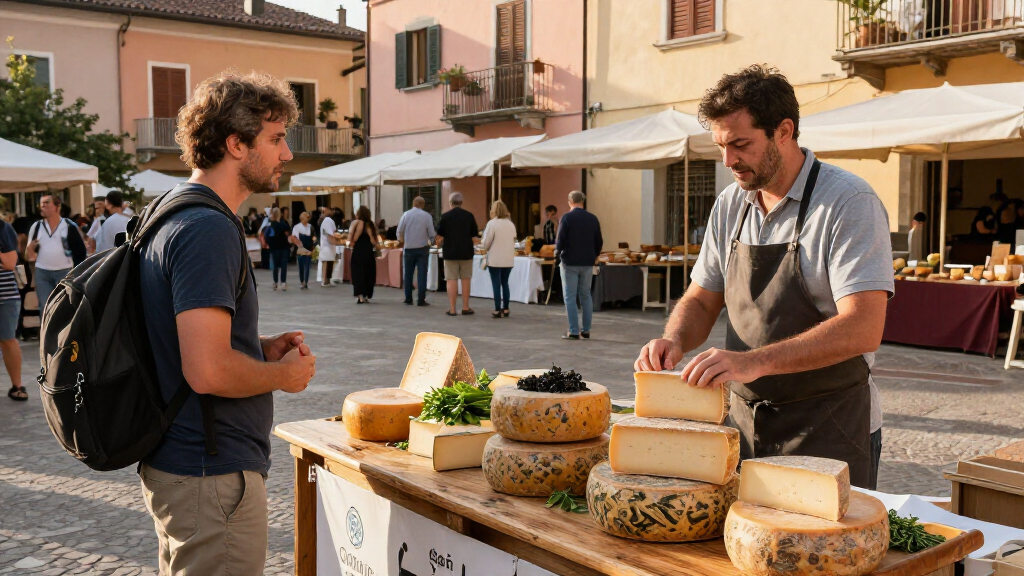
Other visits can bring you closer to the valley’s food traditions. Ask about farm, cellar, or producer visits that explain curing, cheese-making, or a seasonal harvest. In Norcia, a shopkeeper may be able to tell you how a cured meat differs from another product in the case; in Scheggino, local event listings may point toward truffle-focused gatherings. These are useful ways to connect a meal with the people and work behind it.
Food festivals and markets can put many specialties in one place, but schedules and programs change each year. Scheggino’s truffle events and Norcia’s food events are worth checking for your dates, not assuming. A sensible plan is to verify the current program with the local tourism office or event organizer, then book a meal separately; a festival visit can be lively, while a quieter trattoria lunch gives you time to ask questions and linger.
Use these town stops to see how the valley’s food changes
Each Valnerina stop adds a different food and landscape detail: Norcia foregrounds pork-curing traditions, Scheggino links black truffles with the Nera, and Castelluccio di Norcia brings lentils and high-plateau scenery into the picture. Preci and Cascia add other kinds of context, from countryside food traditions to pilgrimage travel. [1]
Preci is known for its historic connection to surgery and medicine, while the surrounding area offers a quieter setting for food-focused visits. You could use it as a pause between busier stops: take a country drive, look for a local restaurant, and ask what is being cooked that day. The point is not to expect a signature dish at every table, but to notice how nearby farms and seasonal ingredients shape the options.
Cascia is best known as a pilgrimage destination, yet the rural surroundings also reflect the valley’s food traditions. A visitor there might plan a meal around legumes, soup, cheese, or seasonal vegetables, then let the town’s religious and historic character shape the rest of the day. In contrast, the high Piana di Castelluccio is a dramatic choice for lentils and open views, especially when the flowering landscape is in season. Weather and road conditions can affect access, so check local updates before setting out.
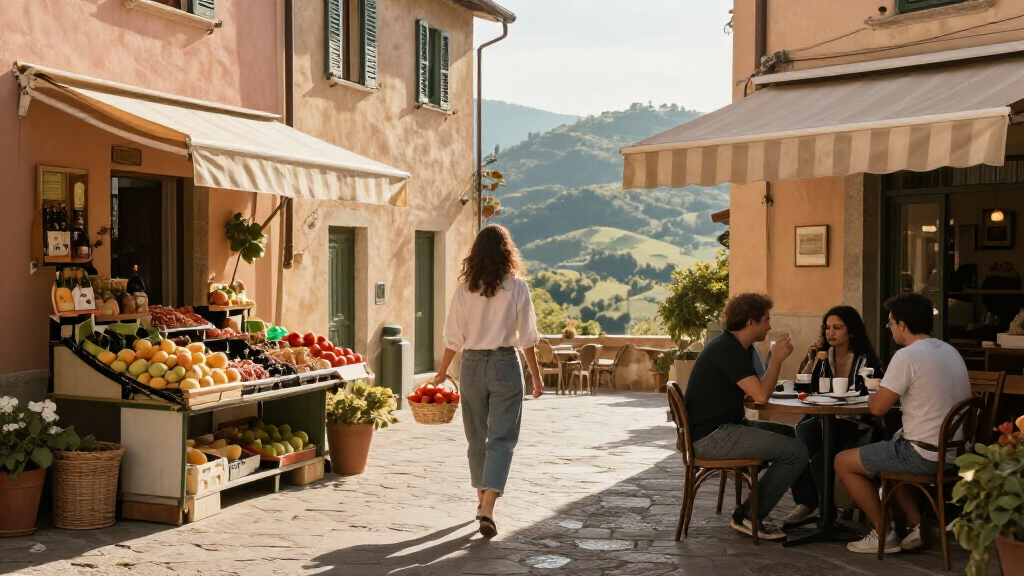
Think of the itinerary as a set of short chapters rather than a checklist. One day might pair a Norcia shop visit with a truffle lunch; another could follow the river to Scheggino, then continue to a smaller village. If your trip is brief, choose two or three stops and leave room for a long meal. Small towns reward a slower pace, and the best discovery may be a menu item you had not planned to order.
Plan around changing roads, restaurant hours, and harvest conditions
Confirm the practical details close to your travel dates, because harvest conditions, road access, restaurant openings, guided outings, and event schedules can change. Umbria promotes rural, food, and nature tourism, and the Valnerina remains appealing for those experiences, but an old travel listing may not reflect what is operating now. [1]
Start by checking a restaurant’s current hours and reservation policy, especially if you are traveling outside a busy festival period. Then confirm any guided hunt directly: ask where to meet, how long the walk lasts, what footwear to bring, and whether the fee covers a tasting or meal. If you hope to attend a market or festival, verify the dates and program with the organizers rather than building your whole trip around an unconfirmed listing.
Road and site access deserve the same attention. Norcia and neighboring communities were affected by the 2016–17 central Italy earthquakes, and reconstruction and recovery have continued. Many communities welcome visitors, but individual sites and services may have different operating status. A quick check with official local sources can save you a wasted drive and help you support places that are open.
Weather can shape a truffle trip in less visible ways, too. It affects the harvest and can change availability and prices, so avoid assuming a “record” season or guaranteed supply without current local information. Pack layers for a countryside walk, wear shoes you can handle on uneven ground, and keep a second dining option in mind. That small flexibility makes a rainy afternoon or a sold-out restaurant easier to absorb.
Frequently Asked Questions
When is truffle season in the Valnerina?
It depends on the truffle variety, because black and white truffles have different regulated harvest periods. Check the current local calendar and ask restaurants what they expect to serve during your dates; availability can also change with yearly conditions.
Where should I go for truffles in the Valnerina?
Norcia and Scheggino are strong starting points: Norcia is known for its food shops and norcineria, while Scheggino is closely associated with black truffles and the Nera River. Preci and nearby villages can add a quieter countryside stop.
Can visitors go truffle hunting?
Local guides may offer outings with trained dogs, but availability and the chance of finding truffles vary. Book directly, and ask about duration, cost, meeting point, footwear, and what the booking includes.
What should I eat besides truffles?
Look for Norcia cured meats, lentils from the Sibillini area, local cheeses, handmade pasta, mushrooms, soups, and seasonal vegetables. Menus vary by village and season, so ask what the kitchen is making that day.
Do I need a car to visit the Valnerina’s food towns?
A car makes it easier to reach smaller villages, countryside restaurants, and guided outings. Public transport can be limited for multi-stop itineraries, so check routes and schedules for your specific dates before you rely on them.
Are truffle festivals held every year?
Truffle-focused and food events recur, but dates and programs can change. Check the current schedule with the local tourism office or event organizer before planning a trip around one.
Can I find vegetarian food in the Valnerina?
Often, but menus and traditional preparations vary. Ask whether soups use meat stock and whether pasta or sauces contain dairy, eggs, or other ingredients you avoid; contacting the restaurant ahead gives the kitchen time to respond.
Conclusion
Plan your Valnerina trip around a town, a season, and one meal you are excited to eat. Start with Norcia or Scheggino, check which truffle variety is available, and leave space for lentils, cured meats, mushrooms, or whatever the kitchen is cooking that day.
Then take the long way between towns if the road and weather allow. The Nera valley is at its best when dinner still carries a little of the countryside with it: the scent of damp leaves, warm bread, and truffle rising from the plate.