TL;DR

Get kitchen staples and gadgets delivered free with Prime
- Fast, free delivery on millions of items
- Prime Video, Amazon Music and more included
- Member-only deals all year
A Good Housekeeping report recommends eight fall and early-winter foods for Mediterranean-style meals: butternut squash, lentils, pears, kale, citrus, walnuts, olive oil and pomegranate. The suggestions focus on seasonal cooking and nutrient content; they are not evidence that adding any one food prevents or treats disease.
Good Housekeeping has published a seasonal guide to eight foods that can fit Mediterranean-style fall meals, including butternut squash, lentils, pears, kale, citrus, walnuts, olive oil and pomegranate. The report highlights ways to use them in soups, salads, grain dishes and snacks, while describing nutrients associated with the ingredients; it does not establish that eating them will prevent or treat disease.
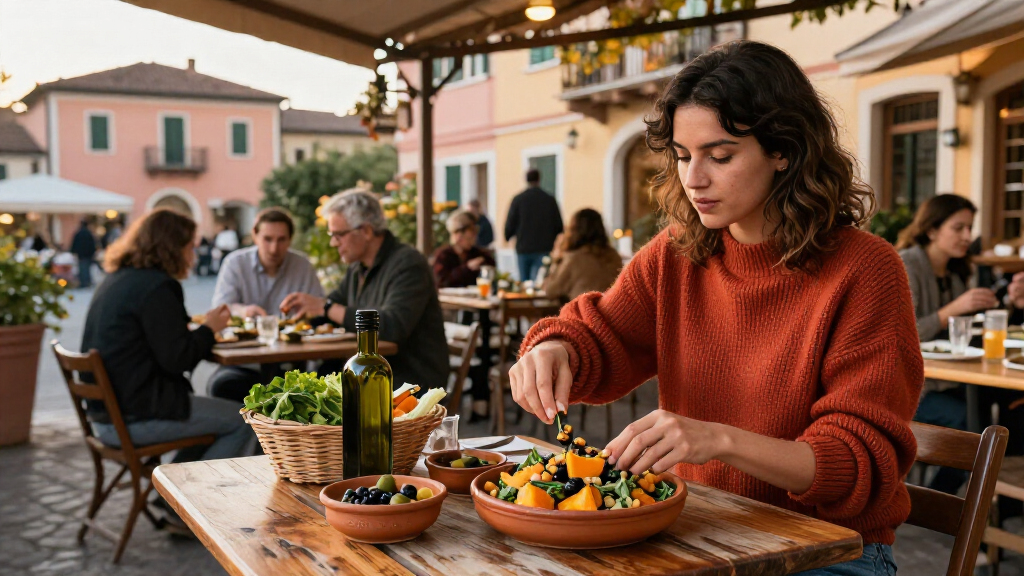
The guide presents butternut squash and lentils as hearty options for colder-weather cooking. It suggests roasting squash with olive oil and herbs, blending it into soup or adding it to pasta and salads. Squash contains fiber and beta carotene. Lentils can serve as a base for soups, stews and salads, and provide plant-based protein, fiber and iron. A warm lentil salad with roasted root vegetables is one suggested meal.
For produce and texture, the report points to pears, kale and citrus. Pears are described as a fall fruit and a source of dietary fiber and vitamin C; sliced pears can go in a salad with walnuts and feta or be baked with cinnamon. Kale supplies vitamins A, C and K, and the guide recommends massaging it with olive oil and lemon to soften it before using it raw, or adding it to soups and stews.
November marks the start of citrus season, the report says, and lemons and oranges can brighten dishes such as lentil and kale stew or squash and white bean salad. It also recommends walnuts for their crunch and plant-based fats, and olive oil as a versatile cooking fat and dressing ingredient. Pomegranate seeds, in season in late fall and early winter, can top salads, roasted vegetables, grain bowls or yogurt. The article suggests these as practical meal ideas, not a prescribed menu.
Seasonal Foods, Flexible Meals
The list offers readers a way to adapt Mediterranean-style eating to fall produce without relying on a single recipe or specialty ingredient. Squash, lentils and kale can form the base of warm meals, while pears, citrus and pomegranate add fruit to salads, snacks and sides. Olive oil and walnuts contribute flavor and texture across several dishes.
The health framing needs care. The source describes nutrients and cites possible links between some foods and health outcomes, but those statements do not show that any one item guarantees a benefit. The practical takeaway is about meal variety and ingredient choices, not a medical treatment or promise of disease prevention.
Products Worth Considering

Dyson Airwrap i.d. Multi-Styler for Straight and Wavy Hair

eufy Security E30 4K Indoor Camera, 2-Pack

TCL T7 Series 85-Inch 4K 144Hz QLED Smart Google TV
As an affiliate, we earn on qualifying purchases.
A Fall Take on Mediterranean Eating
The report uses the Mediterranean diet as a pattern of foods and cooking, rather than as a list of fall-only ingredients. Its recommendations combine vegetables, legumes, fruit, nuts and olive oil, with examples that pair those foods in familiar dishes. For instance, lemon can add acidity to lentils and kale, while walnuts complement pears in a salad.
The seasonal timing varies by food. Good Housekeeping says citrus season begins in November and pomegranates are available in late fall and early winter. The guide also notes that kale does well in cooler weather. These are broad seasonal cues; availability can differ by location and retailer.
“Fall is the perfect time to enjoy butternut squash, a fantastic addition to the Mediterranean diet.”
— Stuart, quoted in Good Housekeeping
Health Claims Need Qualification
The source excerpt does not provide study citations, methods or effect sizes for its statements about possible health benefits. It says some data suggest pears may support heart health and describes potential benefits linked to compounds in citrus, walnuts and olive oil. Those descriptions should be read as reported associations or research possibilities, not proof that eating a particular food prevents or treats a condition.
The excerpt also does not identify the full names or qualifications of the quoted experts, or provide a specific publication date for the seasonal guide. Individual health needs vary, and the article does not give tailored dietary advice.
Putting the Suggestions on the Plate
The report offers food combinations rather than a required plan: try lentils with roasted root vegetables, kale and lemon; add pears and walnuts to a salad; or finish roasted squash with olive oil. Readers can use the ideas to plan meals around what is locally available and their own preferences.
No follow-up study or policy development is described in the source. The next practical step for readers is to choose seasonal ingredients and prepare them in ways that suit their diet. Anyone managing a medical condition or following a restricted diet should seek advice from a qualified health professional.
Key Questions
Which fall foods does the report recommend?
It highlights butternut squash, lentils, pears, kale, lemons and oranges, walnuts, olive oil and pomegranate for Mediterranean-style meals.
How can I use lentils in a fall meal?
The guide suggests lentil soups, stews and salads, including a warm salad with roasted root vegetables. It also proposes adding lemon to a lentil, kale and orzo stew.
Does the report say these foods prevent disease?
No. It describes nutrients and possible health associations, but the excerpt does not establish that eating these individual foods prevents or treats disease.
When are citrus and pomegranates in season?
According to Good Housekeeping, citrus season begins in November, while pomegranates are in season in late fall and early winter. Availability can vary by region.
Source: goodhousekeeping.com