TL;DR

Get kitchen staples and gadgets delivered free with Prime
- Fast, free delivery on millions of items
- Prime Video, Amazon Music and more included
- Member-only deals all year
Valtellina is a narrow Alpine valley in northern Lombardy where Nebbiolo, locally called Chiavennasca, grows on steep terraces above the Adda River. Its Sfursat (also spelled Sforzato) is made from partially dried grapes, creating a fuller, more powerful dry red that keeps Nebbiolo’s acidity and tannin; try it with braised meat, mushrooms, or aged cheese.
Some of Lombardy’s most striking vineyards cling to slopes so steep that the rows look like stone stairways above the Adda River. Here, in a narrow Alpine valley close to the Swiss border, Nebbiolo takes on a local name: Chiavennasca. The wine it makes can feel lifted and fragrant, with red cherry, rose, herbs, and earthy notes.
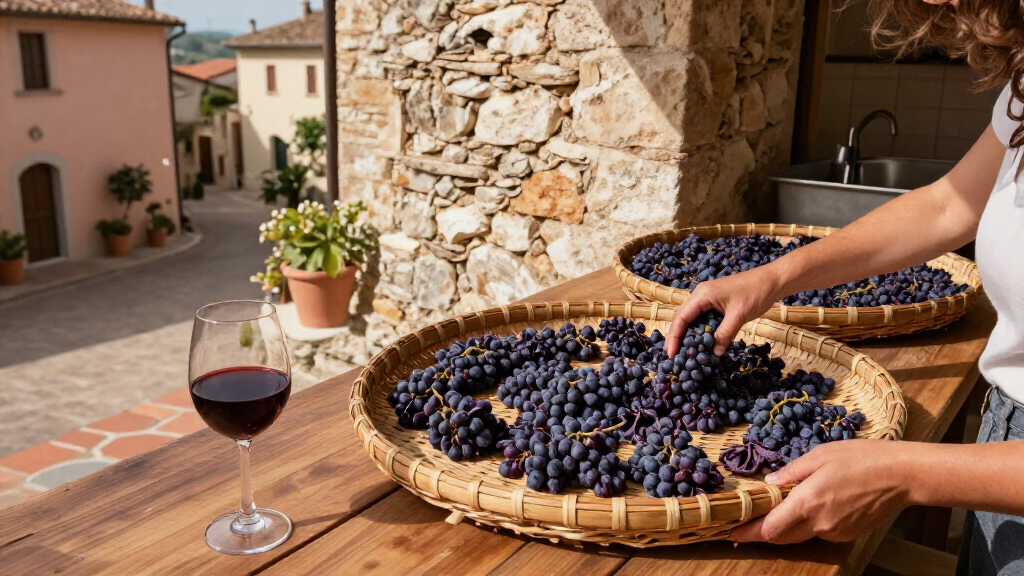
Valtellina also has a more concentrated expression: Sfursat, the local name for Sforzato di Valtellina DOCG. Growers partially dry selected grapes after harvest before fermenting them, giving the finished wine extra weight and power while keeping Nebbiolo’s firm structure. Once you know the difference between Sfursat and the region’s other reds, you can choose a bottle with more confidence, plan a food pairing, or spot the name on a Lombardy wine list.
This guide explains how the valley shapes its wines, what grape drying changes, and what to look for in the appellations. You’ll also get practical serving ideas and a few details to keep in mind if you visit the terraces themselves.
Valtellina is an Alpine wine region in northern Lombardy; its Nebbiolo is traditionally called Chiavennasca.
Sfursat and Sforzato are local and standard names for the same wine style under Sforzato di Valtellina DOCG.
Sfursat uses partially dried grapes, creating a more concentrated, generally dry red that retains Nebbiolo’s acidity and tannin.
Valtellina Superiore DOCG includes Grumello, Inferno, Maroggia, Sassella, and Valgella; treat them as local expressions, not a fixed quality ladder.
Pair Sfursat with braised or roasted meat, rich mushrooms, game, or aged cheese, and check producer guidance for serving and aging.
Lombardy · Alpine wine field guide
Sfursat and Valtellina: Lombardy’s Alpine Nebbiolo Secret
Above the Adda River, steep stone terraces shape a distinctive expression of Nebbiolo—locally called Chiavennasca. Its concentrated red, Sfursat, turns partially dried grapes into a powerful yet structured dry wine.
01 / Place & grape
Terraces give Nebbiolo an Alpine accent
The valley’s terrain is part of the wine story—and part of the work behind every harvest.
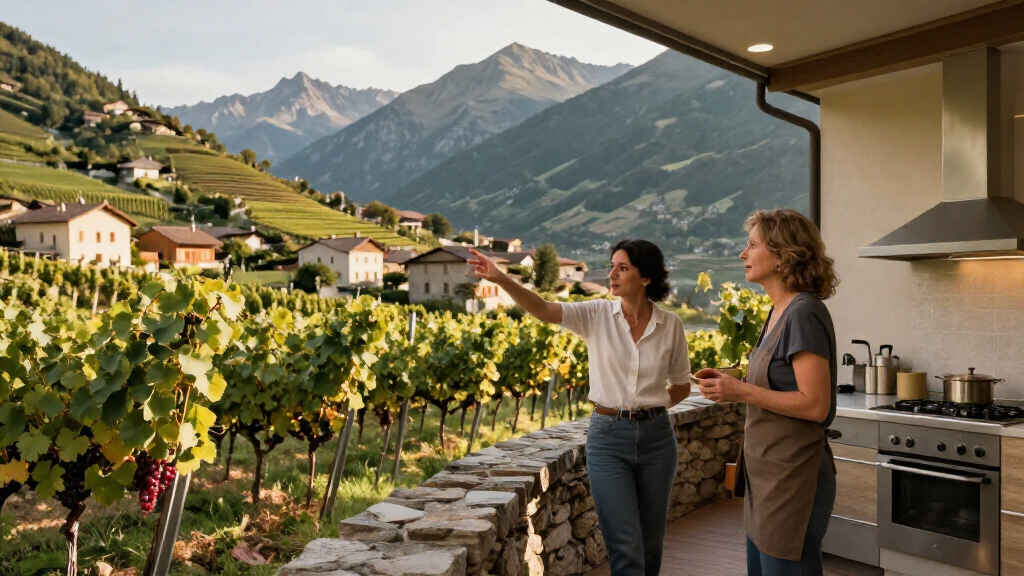
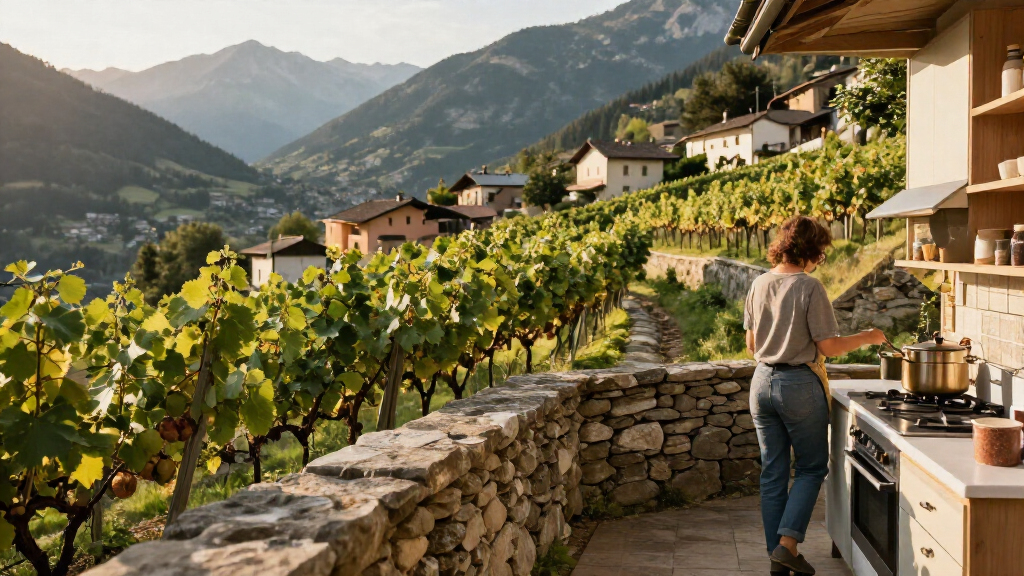
Valtellina is a narrow Alpine valley in northern Lombardy, close to the Swiss border. Sunny slopes rise above the Adda River, where dry-stone walls make cultivation possible on steep ground. Narrow rows limit machinery, so vineyard work often depends on hand labor and continuing terrace care.
Stone steps in the sun
Terraced slopes create cultivable strips on otherwise difficult terrain. Maintaining the walls is central to keeping vineyards in production.
Chiavennasca
Valtellina’s traditional name for Nebbiolo. Acidity and tannin lend structure; red cherry, rose, herbs, and earthy notes add aromatic lift.
Freshness with grip
Some bottlings appear paler and more fragrant than famous Piedmont examples. Site, vintage, ripeness, and cellar choices make every bottle different.
02 / The Sfursat method
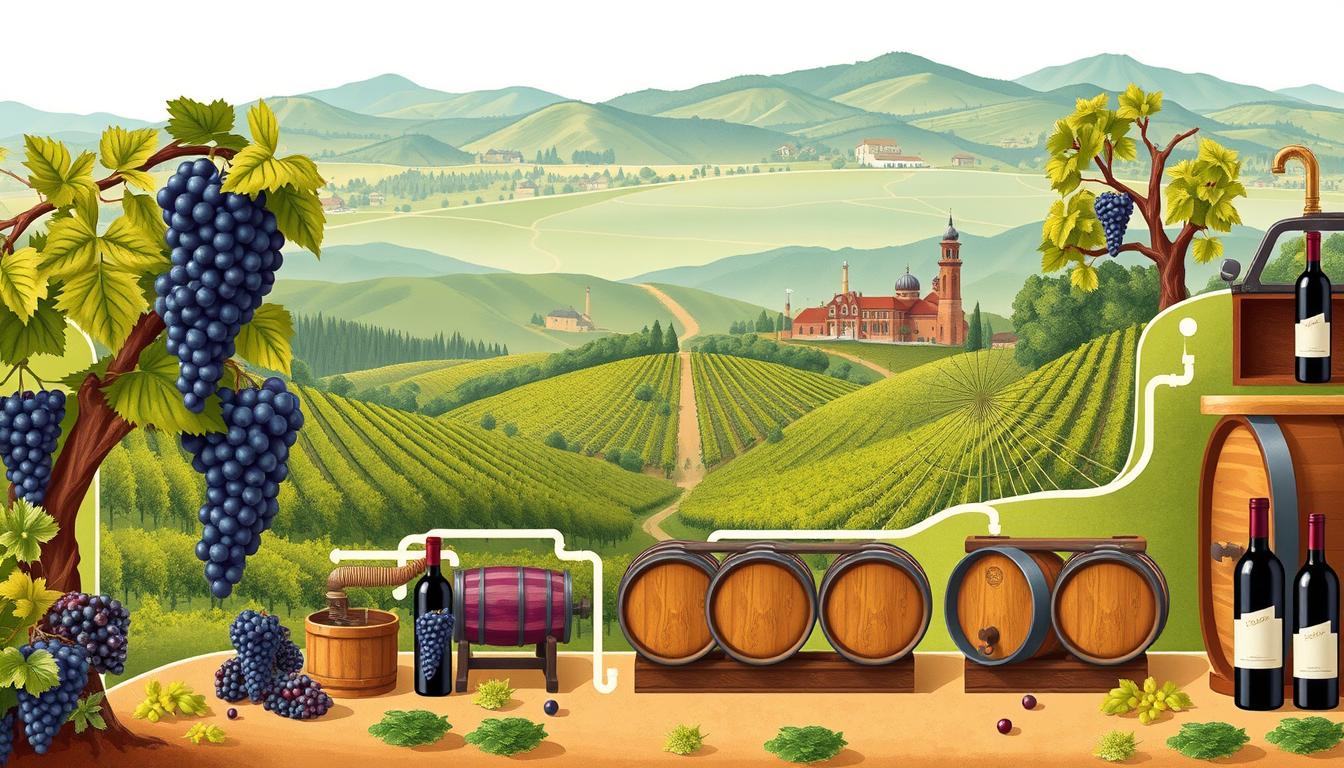
Drying grapes concentrates the wine
Water loss changes the fruit before fermentation begins. The result is richer in feel, while Nebbiolo’s structure remains in view.
Select
Growers set aside selected grapes after harvest.
Partially dry
Berries lose water as sugars and flavors become more concentrated.
Ferment
Yeast converts the concentrated grape sugars into alcohol.
Balance
Weight meets Nebbiolo acidity and tannin in a generally dry red.
03 / Read the label
Three appellations, different starting points
Labels signal style and origin. Producer and vintage still shape the wine in your glass.
| Label | What it signals | A practical place to start |
|---|---|---|
| Rosso di Valtellina DOC | A regional Nebbiolo red and often a more approachable entry to the area. | Try with roast chicken, simple pasta, or a weeknight mushroom dish. |
| Valtellina Superiore DOCG | A dry red that may name one of five subzones. | Compare bottles from different areas at a tasting. |
| Sforzato di Valtellina DOCG | A more concentrated red made from partially dried grapes; locally called Sfursat. | Pair with a savory dish of matching intensity, or sip slowly on its own. |
Think of the subzones as local expressions shaped by terrain, exposure, elevation, and producer choices—not a fixed quality ladder or a guaranteed flavor profile.
04 / From grape to glass
How concentration changes the profile
A style map, not a measured scale: producers and vintages can shift the balance.
Relative style cues only—not alcohol percentages, quality scores, or a ranking. Sforzato shares grape-drying techniques with Amarone, but its Chiavennasca, Alpine origin, and Nebbiolo structure give it its own identity.
05 / Pairing & serving
Match the wine’s weight at the table
Richness welcomes savory depth; acidity refreshes, and tannin meets texture.
Braised beef or aged cheese
Slow-cooked meat and mature cheese bring enough savory depth to stand beside Sfursat’s concentration. Nebbiolo’s firm structure can meet the food’s texture, while acidity helps refresh the palate.
06 / Take it with you
From terrace to wine list
Four quick cues to help you choose a bottle or understand the place behind it.
Why Valtellina’s Terraces Give Nebbiolo an Alpine Accent
Valtellina’s wines come from a narrow Alpine valley in northern Lombardy, where steep slopes and dry-stone terraces shape both farming and the choices growers make. Rows climb above the Adda River on sunny faces. The walls turn otherwise difficult ground into narrow, cultivable strips, but they also limit how easily machinery can move through a vineyard. Much of the work must be done by hand, so the landscape has a direct effect on the time and cost required to grow the grapes.
The grape is Nebbiolo, traditionally called Chiavennasca in Valtellina. Its acidity and tannin give the wines structure, while red cherry, rose, herbs, and earthy tones provide much of their aromatic appeal. Compared with many well-known examples from Piedmont, some Valtellina bottlings come across as paler and more aromatic. That can make them feel agile at the table, but it is a broad impression, not a rule: site, vintage, ripeness, and cellar choices all affect the balance.
Picture tasting a glass after walking a sunlit terrace path. Bright red fruit may arrive first, followed by herbs and a stony impression. These sensations are not a simple flavor stamp supplied by altitude. Slope, exposure, elevation, local grape material, and winemaking interact: growers choose how to manage ripeness and harvest, while producers decide how much to emphasize freshness, texture, or structure. “Alpine” helps explain the setting and the conditions of production; it does not predict exactly what every bottle will taste like.
The terraces matter beyond the view because their upkeep is part of keeping vineyards in production. Dry-stone walls need ongoing care, and narrow rows make labor demanding. That tradeoff helps explain why the wine’s identity is tied to a working landscape: the steep ground can produce distinctive wines, but it takes sustained human effort to farm it. When you look at a Valtellina label, you’re looking at wine made where the vineyard’s infrastructure is visible in every stone step and narrow row.
Products Worth Considering

Dyson Ball Animal 2 Plus Corded Vacuum

Dyson Ball Animal 3 Extra Upright Vacuum

Philips Hue Large Smart Light Tube, Black – White and Color Ambiance LED Color-Changing Light – 1 Pack
As an affiliate, we earn on qualifying purchases.
What Sfursat Is—and Why Drying the Grapes Changes the Wine
Sfursat is a fuller, more concentrated red made by partially drying selected Valtellina grapes after harvest, then fermenting them. The standard appellation spelling is Sforzato di Valtellina DOCG; Sfursat is its local form. As berries lose water, sugars and flavor compounds become more concentrated. Fermentation then turns the grapes’ sugars into alcohol, so this process can contribute to a wine with greater weight and typically higher alcohol than a conventional Valtellina red. The result depends on the fruit and producer, but the method explains why Sfursat often feels more imposing in the glass.
Concentration does not mean the wine is sweet. Sfursat is generally made dry, though ripe fruit and alcohol warmth can create a sweet impression on the palate. Nebbiolo’s acidity and tannin help balance that richness: they give the wine shape and grip, and make it a better match for food with savory depth than for a light dish that could be overwhelmed. A bottle can feel rich without tasting sugary.
The process invites comparison with Amarone, which also uses partially dried grapes. The shared technique is useful context, but it does not make the wines interchangeable. Sfursat comes from Valtellina’s Nebbiolo tradition, where Chiavennasca grows among Alpine terraces; its acidity, tannin, and aromatic profile reflect that grape and place. If you enjoy the texture of a concentrated red, Sfursat offers a way to explore that style while retaining Nebbiolo’s structure rather than simply repeating Amarone’s character.
For dinner, try it with slow-braised beef or aged cheese. The wine’s concentration can stand up to the savory richness, while acidity helps refresh the palate and tannin can meet the protein and texture of the food. A delicate dish may leave the wine’s alcohol and firmness too prominent, so pairing it well is partly a matter of matching intensity. Drying periods and other production details are governed by appellation rules; check current regulations for exact requirements rather than relying on an outdated number.
How Valtellina Superiore and Rosso Compare on the Label
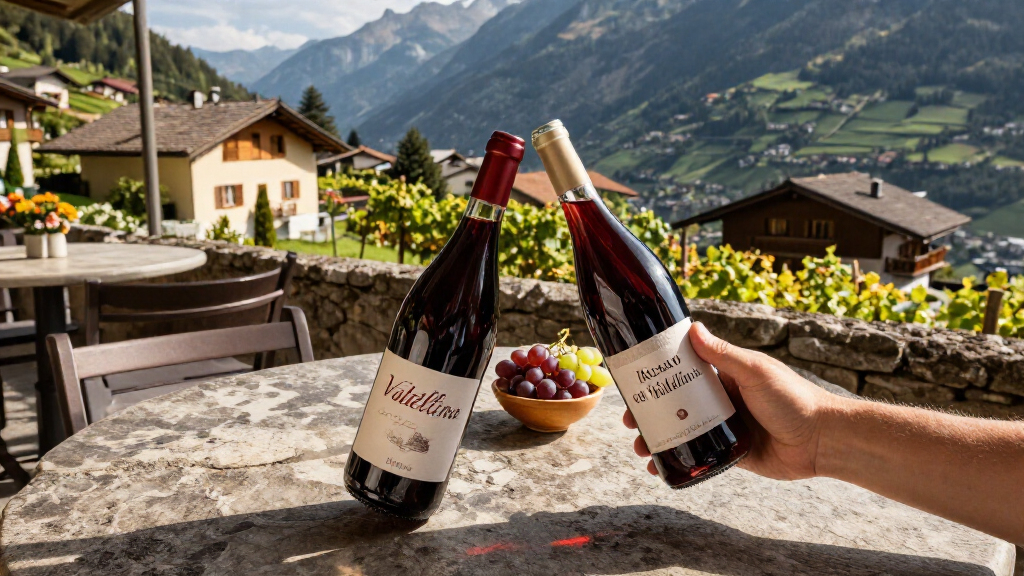
Valtellina Superiore DOCG is generally a dry Nebbiolo red, while Rosso di Valtellina DOC often offers a more approachable entry point to the region. Sfursat sits in its own appellation, Sforzato di Valtellina DOCG, and uses partially dried grapes for a more concentrated style. The distinction is useful when shopping because it signals different starting points for weight and intensity. It does not tell the whole story: producer and vintage still shape how structured, aromatic, or ready to drink a particular bottle will be.
Valtellina Superiore includes named subzones: Grumello, Inferno, Maroggia, Sassella, and Valgella. Their differences reflect local terrain, exposure, elevation, and winemaking choices. A subzone name gives you a more specific place to explore, but it is not a guarantee of a particular flavor or quality rank. Comparing wines from two areas can help reveal how site and producer interact; comparing only the names cannot. One producer’s Sassella may tell a different story from another’s.
| Label | What it signals | A practical place to start |
|---|---|---|
| Rosso di Valtellina DOC | A regional red that can be a more approachable introduction | Try it with roast chicken, a simple pasta, or a weeknight mushroom dish |
| Valtellina Superiore DOCG | A dry red with one of five named subzones on some labels | Compare bottles from different subzones at a tasting |
| Sforzato di Valtellina DOCG | A more concentrated red made from partially dried grapes | Pour it with braised meat or aged cheese |
At a wine shop, start by telling the staff what you’re serving and whether you want an easygoing red or a richer, more deliberate glass. For a first taste of Chiavennasca, Rosso di Valtellina or Valtellina Superiore can show the valley’s red-fruit and herbal character without Sfursat’s extra concentration. Choose Sfursat when the meal has enough savory depth to meet it. This makes the appellation a practical filter: it narrows the style you’re considering, then the producer, vintage, and bottle description help you choose within it.
How to Choose, Serve, and Pair a Bottle of Sfursat
Choose Sfursat when you want a dry red with concentrated fruit, noticeable structure, and enough weight to share the table with hearty food. Its style suits braised or roasted meats, game, rich mushroom dishes, and aged cheeses. A lighter or younger-feeling bottle may work with less heavy food, but the producer’s description and the wine’s actual balance should guide you. The key tradeoff is intensity: a richer wine can reward a substantial meal, yet may dominate food that is delicate or simply seasoned.
Picture a cool evening meal of slow-cooked beef, polenta, and a few slices of aged cheese. A concentrated Valtellina red can echo the dish’s savory depth, while Nebbiolo’s acidity gives each bite a fresher edge. For mushrooms, try a preparation with browned edges and herbs; earthiness and savory browned flavors can link the food to the wine’s herbal and earthy notes. The point is to connect the wine’s weight and structure with the meal, not to match a single tasting note mechanically.
Use this simple sequence when planning a bottle around dinner:
- Read the appellation. Decide whether you want Sfursat’s concentrated profile, Valtellina Superiore, or a more approachable Rosso di Valtellina.
- Match the meal’s weight. Save Sfursat for richly flavored dishes, or ask about a lighter style if you’re serving simpler food.
- Ask about the bottle. Producer, vintage, and aging affect how a particular wine drinks; ask a wine seller or consult the producer’s advice.
- Serve at a sensible temperature. Avoid pouring it warm from a heated room. Follow producer guidance, and if the wine feels hot or heavy, let it cool slightly before your next glass.
Give the wine time in the glass and taste again with food. The first sip may emphasize ripe fruit and warmth; a few minutes later, rose, herbs, acidity, and tannin can become easier to notice. Tasting it alongside a bite also shows whether the food softens the structure or whether the wine still feels too forceful. If the bottle includes serving guidance, follow it, since Sfursat’s concentration and age vary from one wine to another.

What a Visit to the Vineyards Can Teach You About the Wine
A visit to Valtellina makes the labor behind its wines impossible to miss: the vines occupy steep, sun-facing terraces held by dry-stone walls, and those walls need ongoing care. The valley is close to the Swiss border, with vineyard landscapes following the Adda. Seeing the slopes in person gives “mountain wine” a concrete meaning—rows, paths, and stonework shaped by terrain that also affects how growers work.
Plan a winery visit around the exact place you want to understand, not a checklist of every subzone. Valtellina Superiore’s names—Grumello, Inferno, Maroggia, Sassella, and Valgella—point to local areas whose terrain and exposure differ. If you taste two bottlings side by side, ask the producer how the sites and cellar choices shape each wine. The comparison can reveal how choices and place work together; expecting each name to guarantee one flavor would miss that complexity.
The experience can also change how you read a bottle at home. After walking a terrace path, a wine’s structure may feel connected to the slope rather than abstractly “powerful.” In the glass, look for the red cherry, rose, herbal notes, acidity, and tannin often associated with Chiavennasca, while staying open to variation from bottle to bottle. The landscape offers context for those impressions, not a shortcut to predicting them.
Make room in your itinerary for the landscape itself. Dry-stone terraces are not just a postcard backdrop; they are working vineyard infrastructure built and maintained across generations. Because vineyard work on steep ground is demanding, a respectful visit means arranging tastings ahead and following the producer’s guidance around private or active vineyard areas. Seeing the walls and narrow rows helps explain why preserving the region’s wine tradition involves both care for the vines and care for the structures that make cultivation possible.
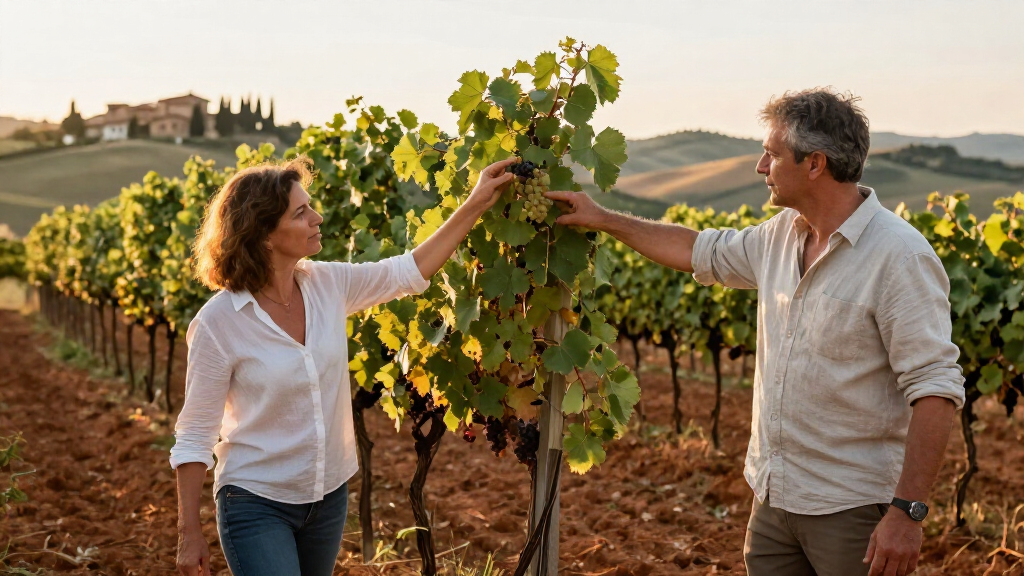
Why Valtellina’s Future Depends on More Than the Vintage
Valtellina’s future depends on how growers handle a changing Alpine climate while keeping steep terraces viable. Warmer conditions can affect harvest timing, acidity, and water availability, but the effects vary by site and year. Earlier ripening might help in some conditions, while heat or water stress can create challenges in others. Elevation, exposure, and seasonal weather shape those tradeoffs, so a single valley-wide prediction would hide the differences growers have to manage.
Terrace maintenance brings another pressure. Dry-stone walls make cultivation possible on steep ground, yet upkeep and vineyard work require substantial manual labor. This creates a practical tension: the terraces preserve access to slopes that help define the region, but maintaining them takes time and people. Those costs influence what is feasible for growers, as well as how much effort goes into keeping vineyards productive across generations.
When you read reports about a particular vintage, look for local detail rather than a sweeping claim about the whole valley. Harvest dates, water stress, and acidity can vary across sites. If you’re buying for a special occasion or cellar, ask the producer how the vintage performed and how that bottle is expected to develop. Many quality Nebbiolo wines can age, but potential depends on the producer, vintage, and wine; a bottle intended for earlier drinking may offer more immediate pleasure than one whose structure calls for patience.
These practical questions help keep the conversation grounded: which slope supplied the grapes, what was the harvest like, and how does the producer suggest drinking the wine? Climate and labor challenges matter because they shape both farming decisions and the wines that reach the market. Each bottle still represents a particular place and season, making those details a better starting point for understanding Valtellina than a blanket prediction about its future.
Frequently Asked Questions
Are Sfursat and Sforzato the same wine?
Yes. Sforzato is the standard spelling used in Sforzato di Valtellina DOCG, while Sfursat is the local form of the name. Both refer to Valtellina’s concentrated red made from partially dried grapes.
What grape goes into Sfursat?
Sfursat is based on Nebbiolo, traditionally called Chiavennasca in Valtellina. The grapes grow on steep, often terraced slopes in northern Lombardy.
Is Sfursat sweet?
Sfursat is generally made as a dry red wine. Ripe fruit and higher alcohol can create a sweet impression, but that does not make it a dessert wine.
How does Sfursat compare with Amarone?
Both styles use partially dried grapes, but they come from different regions and grape traditions. Sfursat is based on Valtellina’s Nebbiolo, or Chiavennasca, and has its own Alpine identity.
What should I serve with Sfursat?
Try Sfursat with braised or roasted meat, game, rich mushroom dishes, or aged cheese. Match the wine’s concentration with food that has enough savory depth, and ask about a lighter bottle if your meal is simple.
Can Valtellina Nebbiolo age?
Many quality Nebbiolo wines can develop in the bottle, but aging potential depends on the producer, vintage, and specific wine. Check the producer’s advice for the bottle you have rather than assuming every Valtellina red will age the same way.
What does Inferno mean on a Valtellina label?
Inferno is the name of one Valtellina Superiore DOCG subzone. It is a place name, not a tasting description or a claim that the wine tastes hot.
Conclusion
Remember the relationship between the place and the glass: Valtellina’s steep terraces grow Chiavennasca, and Sfursat concentrates selected grapes through partial drying. The result is a dry, fuller red with Nebbiolo’s structure and a character rooted in Lombardy’s Alpine slopes.
Next time you see Sforzato di Valtellina DOCG on a list, pair it with a savory meal and give it time in the glass. Let the red fruit, herbs, and mountain-grown structure tell you where the wine began.