TL;DR

Get kitchen staples and gadgets delivered free with Prime
- Fast, free delivery on millions of items
- Prime Video, Amazon Music and more included
- Member-only deals all year
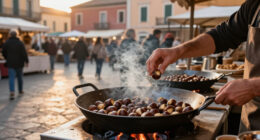
Tortellini in brodo is a classic dish of Emilia-Romagna, especially associated with Bologna and Modena: small, often meat-filled pasta served in hot meat broth. Cream may suit other pasta dishes, but it changes the defining balance of this one, where clear, savory broth lets the filling and pasta speak.
A bowl of tortellini can arrive under a blanket of cream, but in Emilia-Romagna, the classic image is smaller and clearer: pasta parcels floating in golden broth. That broth is not a sauce poured on at the end. It is part of the dish, carrying the savory flavor of the filling while giving each tender bite a warm, delicate setting.
Tortellini in brodo—“tortellini in broth”—is a classic dish of Emilia-Romagna, especially associated with Bologna and Modena. Families have their own fillings and broth habits, so tradition does not mean one universal recipe. It does mean that the broth belongs in the bowl.
Here, you’ll see why cream changes the character of the dish, what goes into traditional tortellini and broth, and how to make a practical version at home. Whether you’re planning a winter meal or ordering lunch in Bologna, you’ll know what to look for: small filled pasta, fragrant meat broth, and perhaps a little Parmigiano-Reggiano at the table.
Tortellini in brodo means tortellini served in broth; the broth is part of the dish.
The classic style uses meat broth such as beef, chicken, capon, or a combination.
Traditional fillings often include pork, prosciutto, mortadella, and Parmigiano-Reggiano, though recipes vary by family and town.
Cream changes the dish’s texture and balance; use clear broth when you want the Emilia-Romagna tradition.
You can prepare broth ahead, then cook the pasta close to serving time and offer grated Parmigiano-Reggiano at the table.
Emilia-Romagna · A bowl with a story
Tortellini in Brodo: Why Broth, Not Cream, Is the True Tradition
Small filled pasta, fragrant meat broth, and a balance that lets each speak. In the classic dish of Bologna and Modena, broth belongs in the bowl—it is not a sauce added at the end.
01 / The bowl
Why broth belongs with tortellini
The liquid is part of the serving, shaping the flavor and feel of the dish from the first spoonful.
One balanced bite
Broth carries the filling’s savory flavor while giving tender pasta a warm, delicate setting. Neither has to dominate.
Flavor, not force
A good broth tastes rounded and fragrant. If it is too salty or strong, it can overwhelm the small pasta parcels.
A shared form
Household recipes differ across towns and families. What remains recognizable is tortellini served in broth.
Brodo means broth. The phrase describes how tortellini are served: in hot broth, commonly made with beef, chicken, capon, or a combination—not coated in cream.
02 / The contrast
What cream changes
Both styles can be enjoyable. They bring different textures, flavors, and expectations to the table.
Tortellini in brodo
A clear, savory broth lets the pasta, filling, and liquid remain distinct in each spoonful.
- Warm, spoonable bowl
- Filling stays prominent
- Broth is the defining partner
Tortellini with cream
A thicker sauce clings to the pasta and shifts the balance toward dairy richness.
- Coating, richer texture
- Sauce can dominate the bite
- A different pasta preparation
For the Emilia-Romagna classic, stay toward the broth end. Save cream for a separate sauce where its lush texture can take center stage.
03 / Inside the pasta
A concentrated, savory filling
Common ingredients offer depth in a small bite, while local and family recipes keep the details varied.
Pork
Adds a rounded, savory base to many traditional filling recipes.
Prosciutto & mortadella
Bring distinctive cured-meat flavor. Proportions and seasonings vary by kitchen.
Parmigiano-Reggiano
Adds a salty, nutty note to filling and can be offered grated at the table.
No single ingredient list represents every family or town. If choosing packaged tortellini, check the label for ingredients and allergens such as milk, wheat, and eggs.
04 / From pot to table
Build a practical bowl
Prepare the broth ahead if you like; bring the pasta and hot liquid together close to serving.
Choose broth
Use beef, chicken, capon, or a mix. Homemade or good-quality prepared broth both work.
Taste & season
Check salt before serving; cured meat and cheese in the filling can add savoriness.
Cook gently
Cook tortellini in broth or separately, following the pasta directions. Avoid overcooking.
Serve hot
Add hot broth and offer grated Parmigiano-Reggiano at the table, if desired.
Make-ahead cue: Broth can be prepared in advance. Fresh pasta is best cooked close to serving time; store packaged pasta as directed.
The takeaway / In one spoonful
Follow the flavor back to the broth
A small pasta parcel, a measured filling, and a fragrant liquid make a bowl that feels complete without a heavy sauce.
Broth
Warm, savory setting
Pasta
Tender folded wrapper
Filling
Concentrated savory bite
Cheese
Optional nutty finish
Tradition
Served together in broth
Why Tortellini in Brodo Belongs in a Bowl of Broth
Tortellini in brodo is a classic dish of Emilia-Romagna in which small filled pasta is served in hot broth, usually made from meat. The broth is part of the serving, not a sauce added for decoration: it shapes how the pasta tastes. Each spoonful combines the filling’s concentrated savoriness with the broth’s warmth and depth, so neither has to carry the whole dish alone.
The word brodo means “broth,” and in brodo tells you how the tortellini reach the table. Imagine a winter lunch in Modena: a steaming bowl, clear broth catching the light, and little pasta rings just visible below the surface. The order of flavors matters: broth arrives first, then the pasta and filling together. The liquid also makes the meal feel generous without requiring a large portion of rich filling.
That balance explains why broth should be flavorful but restrained. A strongly salted or heavy broth may overwhelm the small pasta parcels; one that is too weak can make the filling seem isolated and leave the bowl tasting thin. A gentle beef and chicken broth, for example, can provide depth while keeping the filling distinct. Taste the broth alongside a piece of pasta before serving, since salt from cured meat and cheese in the filling can change how the finished bowl tastes. A little grated cheese may add a nutty finish, but the broth remains the element that connects the bite.
The format also suits a holiday meal. Hot broth keeps the pasta warm, and its gentle, spoonable character makes the bowl restorative on a cold day. Families may differ on the exact broth or filling; those choices give cooks room to use local ingredients and family preferences. The shared form is what remains recognizable: pasta served in broth. If a menu says tortellini in brodo, expect a soup-like dish, not cream-coated pasta. [1] As an affiliate, we earn on qualifying purchases.
How Cream Changes the Taste and Texture
Tortellini in brodo is traditionally served in clear meat broth, not cream, because the broth lets you taste both the pasta and its filling without coating them. Cream creates a thicker, richer dish with a different texture and flavor. It can be delicious in another recipe, but it changes what makes this preparation recognizable.
Think of broth as a clear window and cream as a soft blanket. Through the broth, you can notice the savory filling, the pasta’s tender bite, and the broth’s own meat flavor. Cream wraps the surface of each tortellino, so every mouthful leans toward dairy richness. If you grew up eating cream-based tortellini, that familiar version can still be comforting; it simply tells a different story.
The difference becomes obvious when you compare two bowls side by side. In broth, a spoonful can include pasta, liquid, and a little grated cheese, with each element distinct. In cream, the sauce clings to the pasta and dominates the spoon. That coating can make a rich meat filling feel heavier, especially when you serve a generous portion at lunch.
Modern restaurants and home cooks may use cream for convenience, richness, or contemporary appeal. You can enjoy that adaptation without calling it the classic preparation. When you want the Emilia-Romagna style, order or cook the pasta in hot broth; save cream for a separate sauce, where its lush texture can take center stage. [1]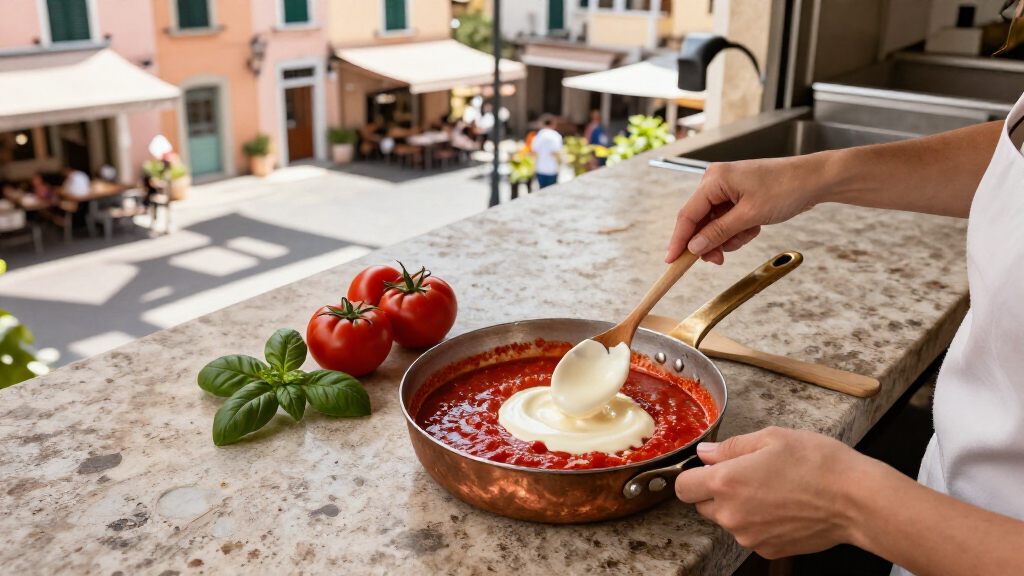
What Traditional Tortellini Filling Brings to Each Spoonful
Traditional tortellini are small pasta parcels commonly filled with a savory mixture that can include pork, prosciutto, mortadella, and Parmigiano-Reggiano. Recipes vary by family and town, so no single filling list stands for every kitchen. The important point is that the filling is seasoned and concentrated enough to flavor a small bite while the broth stays balanced.
That compact shape is part of the pleasure. A tortellino holds its filling inside folded pasta, so you get a soft, chewy wrapper followed by a rich, savory center. Prosciutto and mortadella bring cured-meat depth; pork adds body; Parmigiano-Reggiano contributes a salty, nutty note. Each family may adjust the proportions or seasonings, much as two neighbors might make different broths for the same holiday table.
When shopping for ingredients, look for Parmigiano-Reggiano DOP—protected designation of origin cheese from its defined production area—if you can find it. Its aged, savory character suits the filling and the final grating at the table. Read the label on packaged tortellini, too: many convenient versions use a meat filling, but ingredients differ, and the package tells you whether it contains milk, wheat, eggs, or other allergens.
For a concrete dinner plan, choose fresh or packaged tortellini with a meat filling, a restrained broth, and a small bowl of grated cheese for guests. The pasta supplies the concentrated bite; the broth opens it up. That relationship is why a light, clear serving can feel complete without a heavy sauce. [1]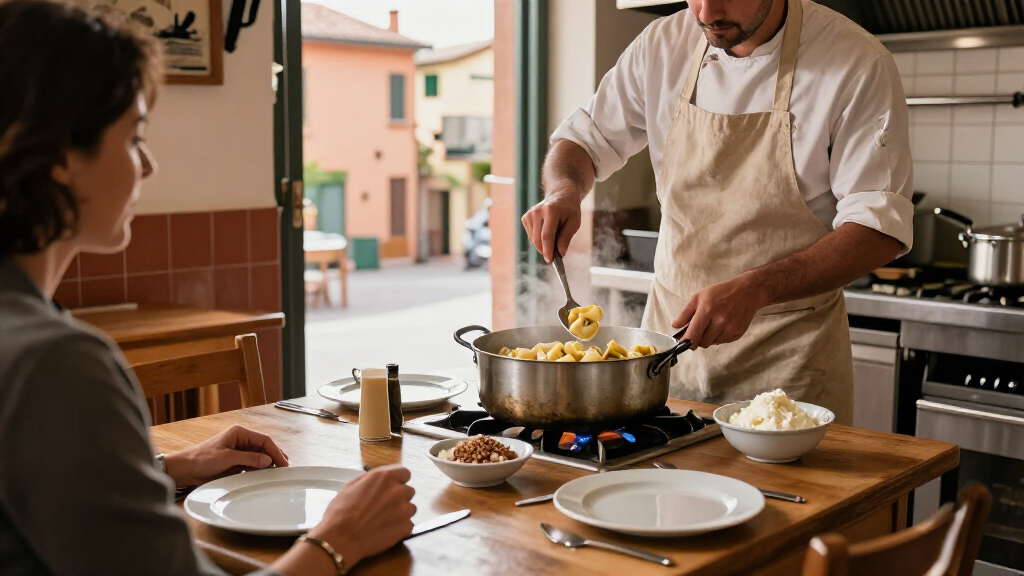
Choose a Broth That Supports the Pasta
A good broth for tortellini tastes savory and rounded, but it should not overwhelm the filling. Beef, chicken, capon, or a combination can all work, depending on the recipe and family tradition. The right bowl feels fragrant and warm, with enough body to carry the pasta and enough restraint to keep each bite clear.
In a home kitchen, a mixed broth can be a useful middle ground: beef brings depth, while chicken or capon can lend a gentler, rounded flavor. If your tortellini filling already contains salty cured meats and cheese, taste the broth before adding salt. A broth that seems mild on its own may become just right once the pasta and filling join it.
Homemade broth gives you control over flavor and seasoning, but a good prepared broth can make a weeknight bowl possible. Choose one that tastes pleasant on its own rather than harsh or overly salty. Warm it separately, taste it, and adjust before serving. For example, if a boxed broth feels too concentrated, dilute it with a little water and taste again; if it tastes flat, a modest pinch of salt may help.
Keep food safety in mind when making broth ahead: cool it promptly, refrigerate it, and reheat it until steaming hot before serving. For safe handling, use a food thermometer and bring reheated leftovers to 165°F (74°C). These simple habits let you make the broth a day ahead, then focus on cooking the pasta just before dinner. [1]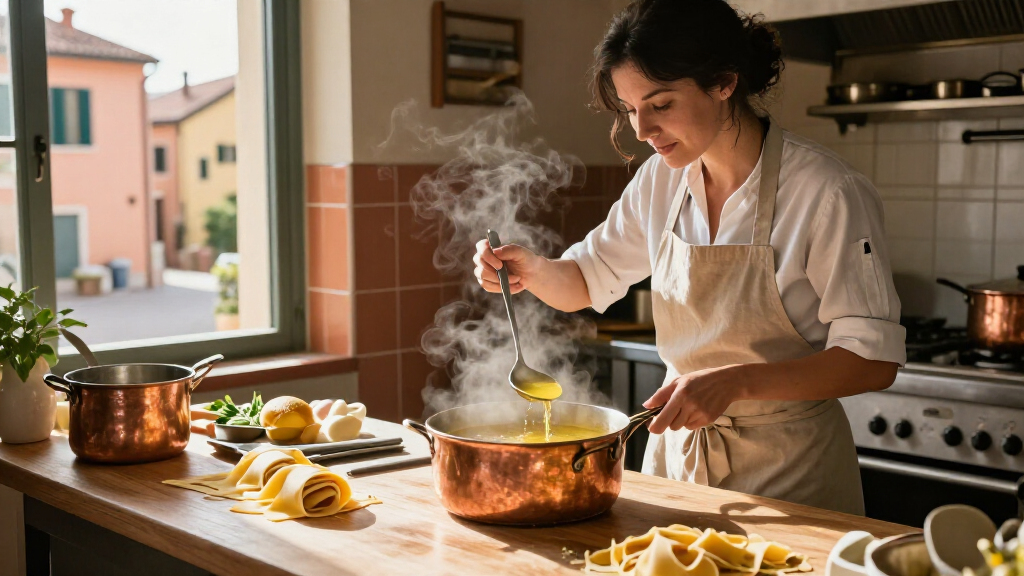
Serve Tortellini in Brodo Like a Holiday Dish
Tortellini in brodo is strongly associated with cold weather, family gatherings, and festive meals in parts of Emilia-Romagna, particularly around Christmas. Its appeal is practical as well as ceremonial: a hot bowl of pasta and broth warms the table, while handmade tortellini can turn a cooking session into something shared across generations. You can serve it beyond the holidays, but winter gives the tradition its natural setting.
Picture a family lunch where one person brings out the broth, another tends the pasta, and a bowl of grated Parmigiano-Reggiano waits within reach. The dish arrives hot and simple. A little cheese is an option, often added at the table, not a thick layer that hides the broth. That restraint leaves room for the pasta’s filling to shine.
To serve at home, warm the bowls if your kitchen is cold, bring the broth to a gentle simmer, and cook the tortellini according to their recipe or package directions. Some cooks simmer the pasta directly in the broth; others cook it separately and add it to the bowls. The best method depends on the pasta and the broth. Either way, avoid overcooking: a torn wrapper can release filling and cloud the clear liquid.
Set out Parmigiano-Reggiano for guests to grate themselves, and keep portions modest enough that broth and pasta stay in balance. Remember that tortellini often contain wheat, egg, milk, and meat; check labels and ask guests about allergies or dietary needs. The result is a festive bowl that feels generous without needing cream. [1]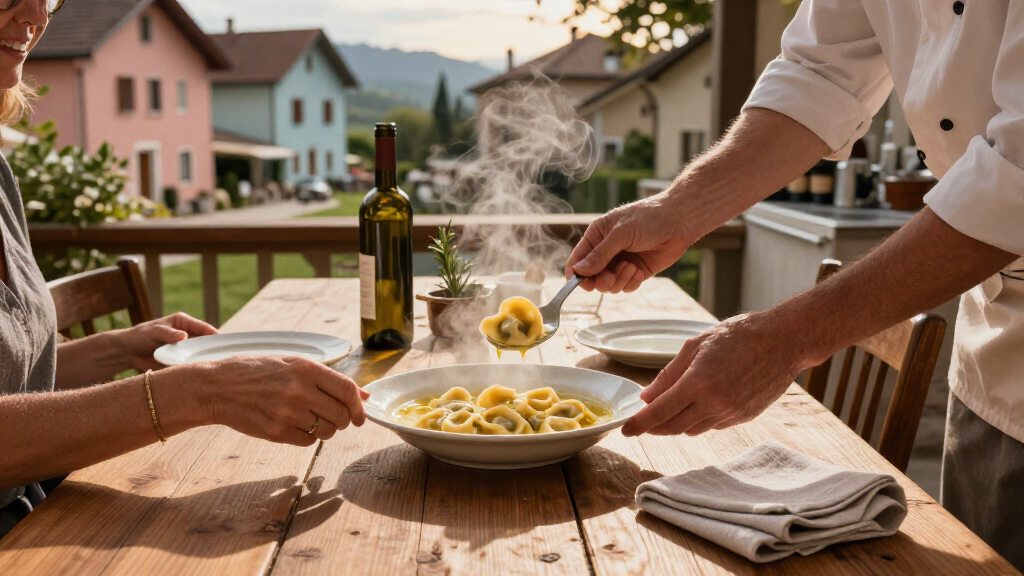
Make a Practical Bowl Without Losing the Tradition
You can make a satisfying bowl of tortellini in brodo without making every component from scratch. The practical version still follows the defining idea: serve filled pasta in a flavorful broth, and let the broth remain visible and distinct. A carefully chosen prepared broth and packaged tortellini can get dinner on the table while preserving that balance.
Start by reading the pasta label and choosing tortellini with a filling you like. Warm the broth in a separate pot and taste it before the pasta goes in. If it is too salty or intense, add a little water. If it tastes thin, simmer it briefly to concentrate it, watching the salt as it reduces. This small tasting step can rescue a rushed weeknight meal.
Then follow the package directions. If the pasta needs a short boil, cook it gently and transfer it to bowls with a slotted spoon; ladle hot broth over the top. If the maker recommends cooking directly in broth, use enough liquid to keep the pasta covered and stir carefully. For fresh pasta, serve promptly so the wrappers stay tender rather than waterlogged.
A vegetarian version is possible with vegetable broth and a suitable filling, though it is an adaptation rather than the classic meat-based preparation. Check for eggs and dairy in the pasta, and make sure the broth is genuinely vegetarian. Whether you make the traditional meat version or a thoughtful adaptation, remember the core: broth in the bowl, not cream wrapped around the pasta. [1]
Frequently Asked Questions
Is tortellini in brodo traditionally served with cream?
No. Tortellini in brodo means tortellini served in hot broth, usually a meat broth. Cream changes the dish’s texture and flavor, though it can be enjoyable in other pasta preparations.
What kind of broth should I use for tortellini in brodo?
Beef, chicken, capon, or a combination are common choices. Pick a broth that tastes savory without overpowering the filling, and taste it before adding salt because the tortellini may contain cured meat and cheese.
Can I use store-bought broth?
Yes. A good prepared broth is a practical option when you do not have homemade broth ready. Taste it first, then dilute it if it is too salty or concentrated, or adjust the seasoning if it tastes flat.
Do I cook the tortellini directly in the broth?
You can cook tortellini directly in broth or cook them separately and add them to the bowl. Follow the pasta maker’s directions and avoid overcooking, which can split the wrappers and cloud the broth.
What is usually inside traditional tortellini?
Recipes vary, but common filling ingredients include pork, prosciutto, mortadella, and Parmigiano-Reggiano. Check package labels or ask the maker about ingredients, since recipes and allergens differ.
Is tortellini in brodo a Christmas dish?
It is strongly associated with Christmas and other festive family meals in parts of Emilia-Romagna. You can enjoy it any time of year, though its hot broth makes it especially welcome in cold weather.
Conclusion
When you want to taste tortellini as Emilia-Romagna serves them, let the broth stay clear and the pasta stay visible. Choose a savory meat broth, cook the tortellini gently, and offer a little Parmigiano-Reggiano at the table. Cream has its place in other pasta dishes, but this bowl is built around broth.
On a cold evening, bring the steaming pot to the table and let the first spoonful carry the warmth of the broth, the tenderness of the pasta, and the savory heart of the filling.
Columbus Day / Indigenous Peoples' Day Picks
long weekend sales
As an affiliate, we earn on qualifying purchases.