TL;DR

Get kitchen staples and gadgets delivered free with Prime
- Fast, free delivery on millions of items
- Prime Video, Amazon Music and more included
- Member-only deals all year
Prosciutto di Parma and Prosciutto di San Daniele are both PDO hams made from pork legs and salt, but Parma ages for at least 12 months while San Daniele ages for at least 13. Parma is commonly delicate and gently sweet; San Daniele often has a more pronounced, savory aroma. Taste thin slices at room temperature, plain first, and choose based on the character you enjoy.
You’ll learn what their PDO names guarantee, what flavors to look for, and how to stage a fair tasting at home. That makes your next antipasto board more than a pretty arrangement: you’ll know what to buy, how to serve it, and why your favorite slice tastes the way it does.
Prosciutto di Parma comes from Parma province in Emilia-Romagna and has a minimum aging period of 12 months.
Prosciutto di San Daniele comes from San Daniele del Friuli in Friuli-Venezia Giulia and has a minimum aging period of 13 months.
Parma is commonly delicate and gently sweet; San Daniele is often more savory and aromatic, though individual hams vary.
For a fair comparison, serve thin slices at room temperature, taste them plain first, then add unsalted bread.
Check for the full PDO name and official marking, keep sliced ham refrigerated and sealed, and follow the package directions.
Prosciutto di Parma vs San Daniele: A Taste-Off Worth Having
Both begin with pork and salt. Place, production rules, and aging shape two distinctive expressions of Italy’s celebrated cured ham. Taste them side by side and decide which character belongs on your table.
Parma: 12 months minimum.
San Daniele: 13 months minimum.
Two places. Two accents.
Both names connect a ham to a defined place and regulated production standards. Flavor descriptions are helpful tendencies, not guarantees: individual hams vary with production and aging.
Parma comes from Parma province in Emilia-Romagna and ages for at least 12 months.
San Daniele comes from San Daniele del Friuli in Friuli-Venezia Giulia; its minimum is 13 months.
Parma is commonly delicate and gently sweet; San Daniele often feels more savory and aromatic.
For a fair taste-off, serve thin slices at room temperature and taste them plain first.
Check the full PDO name and official marking. Keep sliced ham refrigerated and sealed.
What the PDO names tell you
PDO means Protected Designation of Origin. It links a product to a defined area and its production standards. The name offers useful context before you open the package; it does not promise that every slice will taste identical.
Shopping clue
“Italian prosciutto” alone does not establish either PDO origin. Check for the complete name and its official marking or certification.
Recipe swap
Either ham can usually work in sandwiches and antipasti. Served plain, their regional character is easier to compare.
What the name means
Think of PDO as a map on the label: it connects the ham to a place and its standards, while leaving room for natural variation.
How the two hams differ
Breeding and diet, curing conditions, salting, resting, and aging all shape the final result. San Daniele’s leg retains the foot and is pressed during production; Parma’s rules govern the pigs, curing area, and maturation.
Prosciutto di Parma
Often the gentler, rounder impression, with a balanced profile and a softly sweet-meaty note.
Prosciutto di San Daniele
Often more expressive on the nose, with a savory character and distinctive production identity.
| Compare | Prosciutto di Parma | Prosciutto di San Daniele |
|---|---|---|
| Origin | Parma province, Emilia-Romagna | San Daniele del Friuli, Friuli-Venezia Giulia |
| Protection | ✓ Protected Designation of Origin (PDO) | ✓ Protected Designation of Origin (PDO) |
| Minimum aging | 12 months | 13 months |
| Typical profile | Delicate, gently sweet, balanced | Often more pronounced, savory, aromatic |
| Production detail | Rules govern the pigs, curing area, and maturation | The leg retains its foot and is pressed during production |
What might stand out?
These are broad flavor tendencies, not measured scores. Your slices may surprise you; compare similarly cut ham and let your own palate decide.
Slice thickness, age, and the individual ham can change what you perceive. A thicker piece may seem chewier or saltier simply because each bite contains more cured meat.
Run a fair two-ham taste-off
Give both hams the same conditions: thin slices, room temperature, and a plain first bite. Compare aroma, salt, sweetness, texture, fat, and finish before strong pairings enter the picture.
Choose
Buy a small amount of each. Check the full PDO names; compare similar ages when the package says.
Prepare
Keep ham refrigerated until serving. Follow package directions and let it lose its chill briefly.
Slice
Ask for both to be sliced thinly and similarly. Use two separate plates, labeled or blind.
Taste plain
Smell first. Compare saltiness, sweetness, texture, fat, and the flavor that lingers.
Add neutral bread
Try unsalted bread next. Save fruit, strong cheese, olives, and wine for afterward.
Which one should you choose?
There is no objective winner. Parma may suit a preference for mild balance and gentle sweetness; San Daniele may appeal if you enjoy a more savory aroma. Neither name guarantees a fixed flavor or a reliably saltier bite.
Soft & balanced
Start with Prosciutto di Parma. Notice its delicate character, then decide whether its gentle sweetness is your favorite.
Savory & aromatic
Start with Prosciutto di San Daniele. Pause over the aroma and texture, then compare its lingering finish with Parma.
What the two PDO names tell you before the first bite
Prosciutto di Parma and Prosciutto di San Daniele are both Italian PDO hams made from pork legs under rules tied to a specific place. Their names identify more than a style: they signal regulated origin and production, with minimum aging of **12 months for Parma** and **13 months for San Daniele**.[1] PDO means Protected Designation of Origin, a European designation that links a product to its defined production area and standards.Parma comes from **Parma province in Emilia-Romagna**. San Daniele comes from the town of **San Daniele del Friuli in Friuli-Venezia Giulia**. Both Italian protected-designation hams begin with a short ingredient list—pork and salt—but the rules around where and how producers make them set them apart.[1] A package that says only “Italian prosciutto” doesn’t establish either PDO origin.
That distinction helps when you’re shopping for Saturday’s antipasto. If a recipe simply calls for prosciutto, either ham may work; if you want a specific regional character, check the full name and official PDO marking on the label. For example, a Parma ham sandwich and a San Daniele tasting plate can share the same thin bread, yet the protected name tells you to expect two different expressions of cured pork.
Think of the PDO as a map printed on the label: it connects the ham in your hand to a place and its production rules. It doesn’t promise that every leg tastes identical, so use it as a reliable starting point rather than a guarantee of a single flavor. Individual hams vary with aging and production, but the name gives you meaningful context before you open the package.

As an affiliate, we earn on qualifying purchases.
How Parma and San Daniele build different flavors
Prosciutto di Parma is commonly described as **delicate and gently sweet**, while Prosciutto di San Daniele often tastes **more pronounced, savory, and aromatic**. Those are useful tendencies, not promises for every slice: breeding and diet, curing conditions, salting, resting, and aging all shape a ham’s final character.[1]Place and technique add another layer. San Daniele’s production includes **pressing the ham** and retaining the foot on the leg, distinctive details that contribute to its production identity and are associated with its texture and aroma.[1] Parma’s rules govern the pigs, curing area, and maturation. Neither detail means you can identify every slice with one sniff, but they give you a reason to pause over the difference instead of treating both as interchangeable deli meat.
| What you’re comparing | Prosciutto di Parma | Prosciutto di San Daniele |
|---|---|---|
| Origin | Parma province, Emilia-Romagna | San Daniele del Friuli, Friuli-Venezia Giulia |
| Minimum aging | 12 months | 13 months |
| Common flavor description | Delicate, gently sweet, balanced | More pronounced, savory, aromatic |
| Production detail | Rules govern the pigs, curing area, and maturation | The leg retains its foot and is pressed during production |
For a concrete comparison, try a slice of each with no cheese nearby. Parma may seem rounder and softer on the palate; San Daniele may leave a stronger savory aroma. If one tastes saltier, don’t rush to call it a regional rule—the exact ham, its age, and your slice thickness can change how salt registers.

How to run a fair two-ham tasting at home
A fair taste-off gives both hams the same serving conditions: **thin slices, room temperature, and a plain first bite**. You can taste the contrast in aroma, salt, sweetness, texture, fat, and finish without a strong topping steering your judgment. The setup takes only a few minutes, making it easy to try before dinner or as a small weekend antipasto.- Buy a small amount of each. Look for the full PDO names on the labels, and choose similarly aged products when the package provides that detail.
- Let the ham lose its refrigerator chill briefly. Follow the package instructions, keep it refrigerated until serving, and avoid leaving it out for a long stretch.
- Serve each ham separately. Use two plates and identify them by name, or ask someone to set up a blind tasting.
- Taste them plain first. Notice the aroma before biting, then compare saltiness, sweetness, texture, and the lingering finish.
- Try unsalted bread next. It gives your palate a neutral partner without covering the ham’s flavor.
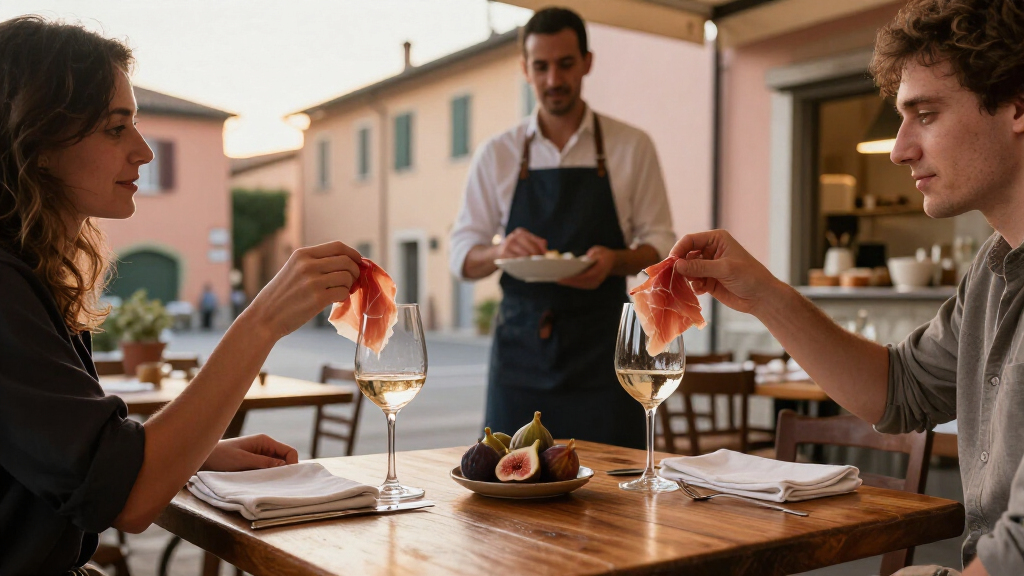
Imagine hosting friends after a walk through Bologna’s porticoes: a few slices on two small plates turn the kitchen counter into an easy tasting table. Ask each person to describe one thing they smell and one thing they feel on the tongue. You may get “soft and sweet” for Parma and “savory with a longer aroma” for San Daniele—or the reverse, depending on the hams.
Save fruit, strong cheese, olives, and wine for after the plain comparison. These can be lovely with either ham, but bold flavors may drown out subtler differences. If you pour wine, keep it for adults of legal drinking age, serve responsibly, and offer water; the ham deserves attention whether or not you pair it with alcohol.

Which ham tastes sweeter, saltier, or more aromatic?
Parma is the more reliable pick if you’re seeking a **delicate, gently sweet profile**; San Daniele is often the more expressive choice for **savory aroma and character**. Saltiness is harder to rank: it varies by individual ham and serving conditions, so a single comparison can’t establish that one name always means a saltier bite.[1]Start by looking at the slice. Thin ham feels tender and lets its fat soften quickly; a thicker piece can seem chewier and more salty simply because there’s more cured meat in each bite. If you’re comparing deli-counter samples, ask for both to be sliced similarly. That simple step makes your tasting fairer than trying to judge two very different cuts at once.
Now smell before you taste. Parma may bring a mild, sweet-meaty scent; San Daniele may announce itself with a deeper savory note. Taste each slowly, then wait a moment: the finish is the flavor that stays after you swallow. At a small dinner party, you could jot down three words for each ham—perhaps “soft, balanced, sweet” and “aromatic, savory, lingering”—instead of asking guests for an abstract winner.
Those descriptions are a guide, not a scorecard. A longer-aged example or a different producer can shift what you notice, and room temperature changes how readily fat and aroma come forward. The useful question is not “Which one is objectively better?” but “Which style fits what I want to eat today?” That answer may change between a quiet slice with bread and a layered sandwich.

Choose the right ham for an antipasto board or a recipe
Use **Parma for a mild, balanced note** and **San Daniele when you want a more aromatic presence**, but substitute either ham freely in most everyday dishes. The differences show up most clearly when you eat the ham on its own; other ingredients can soften or mask them. For a board, put each ham in its own loose folds so guests can taste them separately before mixing flavors.Say you’re laying out an antipasto before a simple pasta dinner. Pair Parma with unsalted bread and a mild cheese, then offer San Daniele beside it with the same bread. Keeping the accompaniments consistent lets each ham speak for itself. A bowl of olives or a few slices of pear can join the board afterward, once everyone has taken a plain bite.
In a sandwich, a sharper condiment or ripe tomato may matter more than the subtle differences between these two hams. Either can add a tender, salty layer. For a recipe that cooks the ham, its nuances may recede further; consider whether the ham is meant to be the star or simply one savory ingredient. You can usually replace one with the other in sandwiches, antipasti, and recipes without changing the basic method.
- For a first tasting: serve each ham plain, at room temperature.
- For a gentle board: choose Parma, unsalted bread, and a mild accompaniment.
- For a more aromatic bite: try San Daniele on its own before adding stronger flavors.
- For a recipe: substitute either ham when the dish needs thin slices of cured pork, then taste for salt before seasoning further.
These hams are dry-cured and ready to eat; they are not cooked ham.[1] They are typically made from pork and salt, but check the package for added ingredients and allergy or dietary information. Neither ham suits someone avoiding pork, and a crowded board can bring other common allergens such as milk, wheat, or nuts through accompaniments.
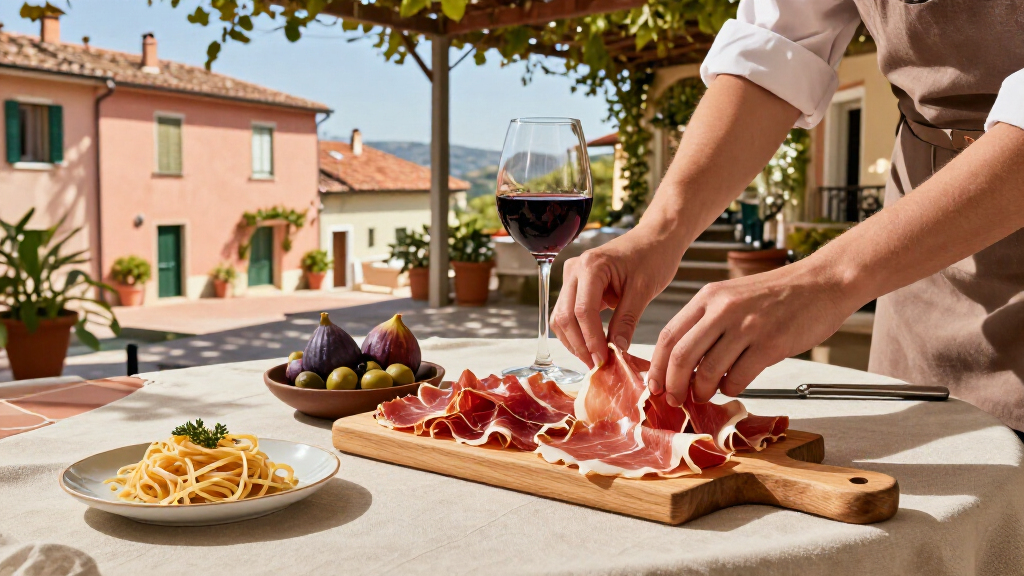
How to buy, store, and serve authentic prosciutto
To identify authentic ham, look for the **full PDO name and its official marking or certification** on the package. The word “prosciutto” by itself tells you it is ham; it doesn’t prove it came from Parma or San Daniele or followed either PDO’s standards.[1] That label check is the most practical first step when you’re choosing between two packages at a grocery store.Once home, follow the package’s storage instructions. Keep sliced ham **refrigerated and sealed**, and bring out only what you plan to serve. Before eating, let it come briefly toward room temperature so its aroma and fat can show more clearly. Don’t leave it sitting out for hours; a small plate can warm while you set the table, while the rest stays chilled.
For example, if you’re serving antipasto at 7 p.m., keep the unopened or remaining ham cold while you prepare bread and vegetables. Arrange a modest portion shortly before guests sit down. If the package gives a use-by date or specific directions after opening, follow those instructions rather than relying on a generic timeline.
Read the ingredient list if you have dietary restrictions. Traditional versions use pork and salt, but labels give the final word on added ingredients and potential cross-contact. If you’re building a shared board, mark or separate accompaniments containing **milk, wheat, or nuts** so guests can make informed choices. These are allergens in the surrounding foods, not a claim that the ham itself contains them.
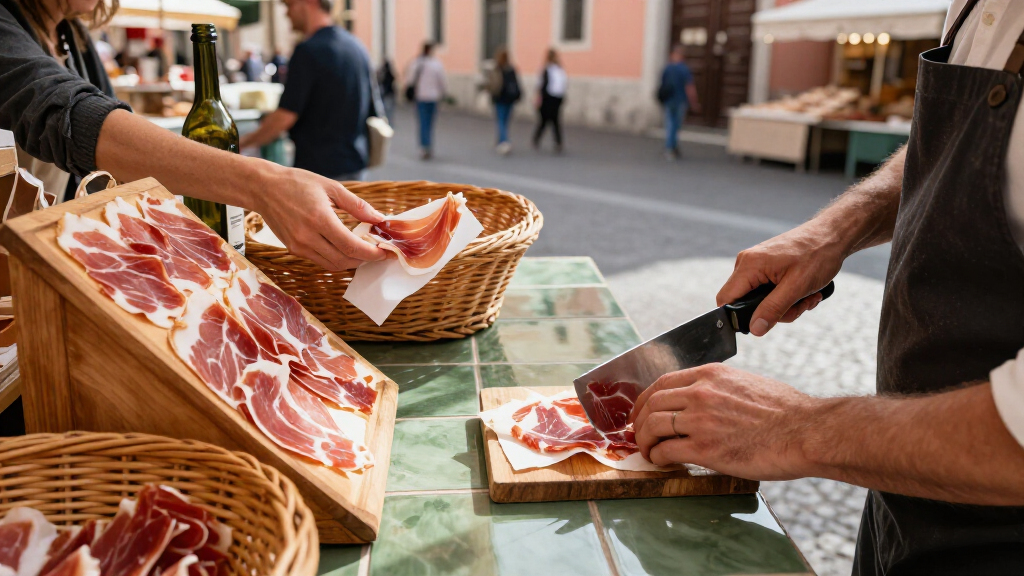
What to remember when the tasting ends
The best ham is the one whose character suits your palate and plate: **Parma often brings delicacy and balance**, while **San Daniele often brings a stronger savory aroma**. Both come from tightly defined Italian origins, share pork and salt as their simple base, and have minimum aging rules set by their PDO standards.[1] A tasting helps you notice those patterns without turning them into rigid rules.Picture two friends splitting a small plate after a market morning in Friuli. One reaches for San Daniele because its aroma stands up to crusty bread; the other prefers Parma’s gentler sweetness for a quiet snack. They can both be right. A ham’s age, cut, and serving temperature shape the experience, and personal preference does the rest.
If you’re planning a trip, the names also give you a route to follow: Parma in Emilia-Romagna, then San Daniele del Friuli in Friuli-Venezia Giulia. If travel isn’t on the calendar, a two-plate tasting brings a small piece of that regional contrast to your own kitchen. Choose a plain accompaniment, compare slowly, and take note of the detail you enjoy most.
That note can guide your next purchase more reliably than a universal ranking. Maybe you want a gentle slice for breakfast toast, or an aromatic centerpiece for antipasto. Either way, the label tells you which tradition you’re bringing home; your own palate tells you what to buy again.
Frequently Asked Questions
Which tastes sweeter, Parma or San Daniele?
Prosciutto di Parma is commonly described as delicate and gently sweet. San Daniele is often more pronounced and savory, though the taste of any individual ham can vary with aging and production.
Which prosciutto is saltier?
You can’t reliably rank one as saltier in every case. Compare similarly thin slices from the same serving conditions; thickness and accompaniments affect how salty each bite seems.
Can I substitute Parma for San Daniele in a recipe?
Usually, yes. Either works in sandwiches, antipasti, and many recipes that call for thin slices of cured ham; the regional differences are easiest to notice when you serve them plain.
How can I tell if the ham is authentic?
Look for the full PDO name—Prosciutto di Parma or Prosciutto di San Daniele—and its official marking or certification. The word “prosciutto” alone doesn’t confirm either origin.
How should I store and serve sliced prosciutto?
Keep it refrigerated and sealed, follow the package directions, and bring a serving briefly toward room temperature before eating. These are dry-cured, ready-to-eat hams, not cooked ham.
Are Parma and San Daniele prosciutto gluten-free?
They are typically made from pork and salt, but check the package for added ingredients and consider your own dietary needs. On a shared board, accompaniments such as bread and some cheeses or spreads may contain common allergens.

Conclusion
Taste Prosciutto di Parma and San Daniele side by side, with thin slices and no strong accompaniments at first. Notice which one feels sweeter, which leaves the longer savory aroma, and which you want to reach for again. The labels connect each ham to a distinct Italian place; your palate gets the final vote. A good taste-off ends not with a trophy, but with the last delicate slice disappearing from the plate.Fall Picks
fall essentials
As an affiliate, we earn on qualifying purchases.