
TL;DR

Get kitchen staples and gadgets delivered free — and shop member deals
- Fast, free delivery on millions of items
- Access to Prime Big Deal Days deals on October 6–7
- Prime Video, Amazon Music and more included
Gianduia is Turin’s chocolate and hazelnut confectionery tradition, made in forms that range from spreadable creams to boat-shaped gianduiotti. At home, roast fresh hazelnuts gently, grind them into a paste, and blend with melted chocolate; adjust the chocolate ratio for a soft spread or a firmer confection, and store the batch according to its ingredients.
Gianduia names a wider Piedmontese family of chocolate and hazelnut confections; a spread is one form, and a gianduiotto is a distinct boat-shaped sweet.
Nocciola Piemonte IGP, also called Tonda Gentile Trilobata, is prized for aroma, sweetness, and texture, but not every gianduia product uses it.
Roast hazelnuts gently and grind them until they form a paste; stop sooner for a rustic texture and blend longer for a smoother result.
Use dark chocolate for a more intense blend and milk chocolate for a sweeter, softer one; adjust the ratio to make a spread or firmer confection.
Store homemade batches according to their ingredients, and clearly flag hazelnuts, dairy, and any other allergens when sharing.
A Piedmontese confectionery tradition · A home kitchen guide
Gianduia at Home: Turin’s Chocolate-Hazelnut Tradition Beyond the Jar
Roasted hazelnuts and chocolate can become a silky spread, a filling, or a confection that sets with a clean bite. Learn where gianduia comes from, how to choose ingredients, and how to shape a batch for the way you want to enjoy it.
Gianduia is a family of sweets. A spread is one form; a gianduiotto is a Turin classic with its own shape and story.
More than a chocolate-hazelnut spread
Think of gianduia as a flexible confectionery family. Ingredients and texture vary by maker, so the name alone does not promise one universal formula.
Spread
A softer blend designed to glide over bread or stir into warm milk. More nut paste or a little neutral oil can help keep it spreadable.
Praline or bar
Chocolate, hazelnut, and sometimes sugar or milk set into a firmer bite. A higher proportion of chocolate helps the blend hold its shape.
Gianduiotto
A small, individually wrapped confection with a traditional boat-like form. It is one distinctive expression of gianduia, not another name for every spread.
How Turin made scarcity part of its flavor
During the Napoleonic era, cacao was scarce and expensive. Turin confectioners extended chocolate with hazelnuts grown in the surrounding region.
Resourceful beginnings
Local hazelnuts helped make costly cacao go further, creating a blend with its own warm, rounded character. The origin story is often simplified; credit the wider confectionery tradition rather than a single inventor.
A name with local ties
Gianduja is also a traditional Piedmontese carnival character, commonly shown in a tricorn hat. The chocolate is associated with him, though accounts differ on exactly when the name became established.
A nut with a reputation
Nocciola Piemonte IGP, also called Tonda Gentile Trilobata, is prized for aroma, sweetness, and texture. The protected designation identifies a regional product; not every gianduia uses it.
Brings sweetness, aroma, body, and a gentle toasted note.
Adds depth and helps set the texture as the batch cools.
Change the ingredients or their proportions and the whole confection changes.
Build the batch around the way you’ll use it
Start with fresh hazelnuts and chocolate you enjoy eating on its own. There is no single required cacao percentage or hazelnut ratio.
Dark or milk?
Dark chocolate makes a more intense blend, useful for cake filling or balancing a sweet dessert. Milk chocolate tends to make a sweeter, softer version that can suit breakfast toast.
Toast gently
A light, even roast deepens the hazelnut aroma. Too much heat pushes the nuts toward bitterness and can make the finished batch taste scorched. Taste pre-roasted nuts before blending.
Shopping note: Nocciola Piemonte IGP is prized, but it is not used in every gianduia product. Check the ingredient label if hazelnut origin matters to you, and describe the origin accurately if you share or gift your batch.
From whole nut to silky paste
A food processor makes the work easier, but patience and careful heat matter just as much. Stop grinding earlier for a rustic texture; continue for a finer result.
Toast
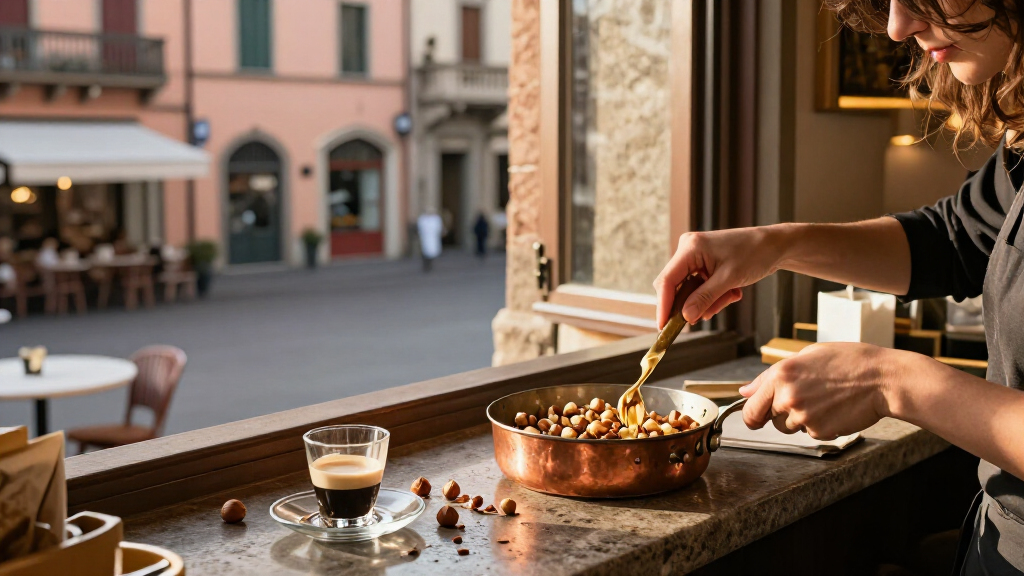
Warm the hazelnuts in a single layer until fragrant. Watch closely so they do not darken too far; cool enough to handle, then rub away loose skins with a clean towel.
Grind
Process the nuts from crumbs to paste, scraping down the bowl as needed. Let the machine rest if the mixture gets warm.
Melt
Melt chocolate gently, stirring often. Keep water and steam out of it so the chocolate does not seize into a stiff mass.
Blend & set
Blend the chocolate into the nut paste. Taste and adjust for your intended use, then cool or shape the mixture as needed.
Adjust the balance, then taste
Recipes vary in chocolate, hazelnut, sugar, and milk. Use these as directional cues, not fixed measurements.
There is no universal formula.
Begin with a small batch and change one thing at a time. More nut paste tends toward a softer, more spoonable blend; a higher chocolate proportion tends toward a firmer confection. Added dairy may affect how long a homemade batch keeps.
One tradition, several forms
Shape and use help distinguish a jarred spread from other gianduia confections. A home adaptation can be inspired by Turin without being a traditional gianduiotto.
| Form | Texture | Typical use | Traditional gianduiotto? |
|---|---|---|---|
| Spread | Soft and spoonable | Bread, toast, warm milk | No |
| Filling | Soft to set | Cakes, filled chocolates | No |
| Bar or praline | Firm, clean bite | Snacking or gifting | No |
| Gianduiotto | Firm, melt-in-the-mouth | Individually wrapped sweet | Yes · boat-shaped |
Keep it fresh and clear: Homemade versions usually have a shorter shelf life than commercial products, especially when made with fresh ingredients or added dairy. Store according to the ingredients and preparation you used. Flag hazelnuts, dairy, and any other allergens when sharing.
From regional harvest to your kitchen
Follow the ingredients through the process, then choose the form that fits the moment.
Piedmont
Hazelnuts grow in the region surrounding Turin.
Roast & grind
Gentle heat and patient processing release their aroma and oils.
Blend
Melted chocolate meets hazelnut paste; balance shapes texture.
Make it yours
Serve as a spread, filling, or simple set confection.
What Makes Gianduia More Than Chocolate-Hazelnut Spread?
Gianduia is a family of Piedmontese chocolate and hazelnut confections, not one fixed recipe or another name for a spread. Makers shape the blend into bars, pralines, filled chocolates, and gianduiotti—small, individually wrapped sweets with a traditional boat-like shape. A jar of spread belongs in the wider story, but it is only one possible form.
The distinction matters when you shop or cook. A spoonable cream needs enough fat and softness to spread across toast; a molded gianduia should set into a clean bite. A gianduiotto has a recognizable shape and place in Turin’s sweet-making tradition. If you stir a home batch into warm milk or spread it on a slice of bread, you have made a useful gianduia-style preparation, but not necessarily a traditional gianduiotto.
Think of the blend as a small orchestra: hazelnut, chocolate, sugar, and sometimes milk each play a different part. Change the chocolate or nut ratio and the whole piece changes—more bitter, more sweet, softer, or firmer. For example, a dark batch can make a rich cake filling, while a sweeter milk chocolate batch may work better on breakfast toast.
So when a label says “gianduia,” check the details instead of expecting one universal formula. Ingredients, texture, and intended use vary by maker. That variety is part of the tradition, and it gives you a practical guide for shaping your own batch.
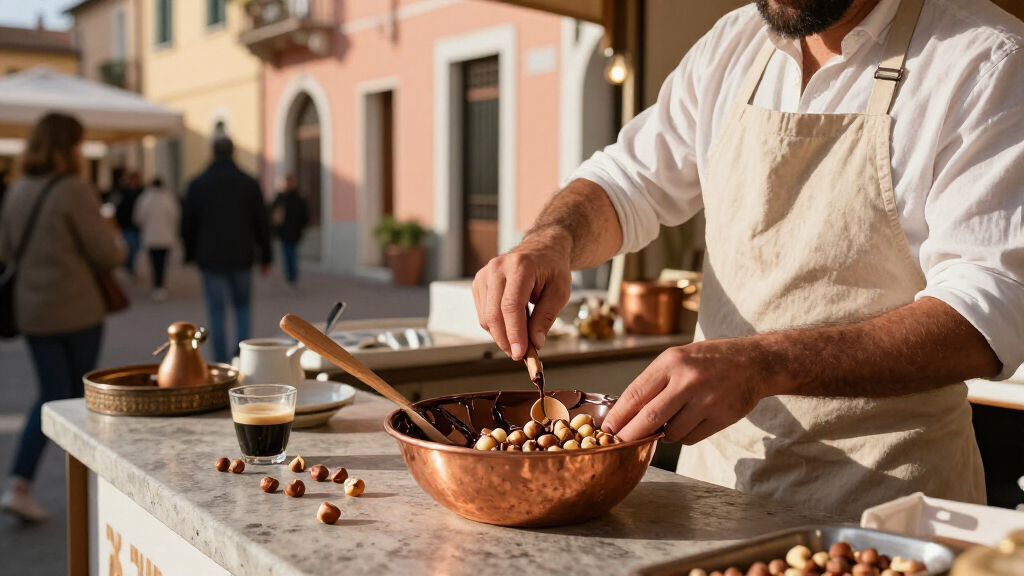
hazelnut roasting and skinning tools
As an affiliate, we earn on qualifying purchases.
As an affiliate, we earn on qualifying purchases.
How Did Turin Turn Scarce Cacao Into a Local Classic?
Gianduia took shape in 19th-century Turin, when cacao became scarce and expensive during the Napoleonic era. Confectioners extended chocolate with hazelnuts grown in the surrounding region, making a costly ingredient go further while creating a blend with its own character. The story is often simplified, so it’s better to credit a tradition of Turin confectionery than to name a single inventor without solid evidence.
The result tied a city’s chocolate shops to Piedmont’s countryside. In the kitchen, you can taste the logic of that pairing: chocolate brings depth, while roasted hazelnut supplies sweetness, aroma, and body. The nut isn’t a garnish sitting on top. Ground fine enough, it becomes part of the mixture itself, like a warm, nutty thread running through the chocolate.
The name has a local connection, too. Gianduja is also a traditional Piedmontese carnival character, often shown as a cheerful figure in a tricorn hat. Accounts differ on precisely when and how his name became attached to the chocolate, so treat the association as part of the tradition rather than a tidy origin date.
That history gives a home cook a useful lesson: local ingredients can shape a recipe, not just decorate it. If you’re visiting Turin, look for gianduiotti in a confectioner’s window and notice their small, boat-shaped form. Back home, tasting one beside your own batch makes the differences in texture and sweetness easier to understand.

Which Hazelnuts and Chocolate Give You the Flavor You Want?
Fresh, well-roasted hazelnuts and chocolate you enjoy eating on their own are the best starting point for gianduia at home. Piedmont’s prized Nocciola Piemonte IGP—also known as Tonda Gentile Trilobata—is valued for its aroma, sweetness, and texture. The protected designation identifies a regional product; it does not mean every gianduia maker uses those hazelnuts, so read the ingredient label if origin matters to you.
Roast level sets the mood. A gentle toast brings out a sweet, buttery smell; too much heat can push the nuts toward bitterness and make your finished batch taste scorched. If you buy already roasted nuts, taste one before blending. A stale or overly dark nut will be hard to hide once it’s mixed into chocolate.
Chocolate is your other big choice. Milk chocolate tends to make a sweeter, softer blend, while dark chocolate gives you a more intense result. Picture making two small batches for a birthday cake: the milk chocolate version could make a mellow filling between vanilla layers; the dark one could cut through a sweet buttercream. Your preference and intended use matter more than chasing a single “correct” percentage.
Recipes vary in cacao, hazelnut, sugar, and milk, so the word gianduia doesn’t promise one set proportion. Not every product uses Nocciola Piemonte IGP, and a home adaptation needn’t use it either. Choose fresh nuts with a clear origin when you can, then describe that origin accurately if you share or gift the result.
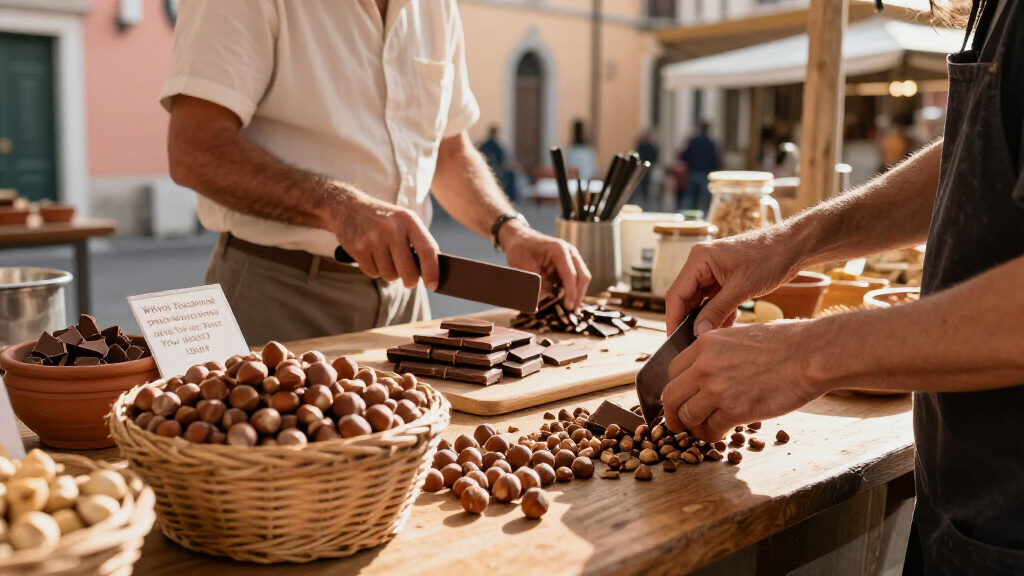
How Can You Make a Smooth Batch of Gianduia at Home?
To make gianduia at home, roast and skin the hazelnuts, grind them into a paste, then blend in melted chocolate. A high-powered food processor makes a finer result, but patience matters as much as equipment: pause to scrape down the bowl and let the machine rest if the nuts warm up. The list below gives you a practical sequence; adjust the finished texture to suit a spread or a firmer sweet.
- Toast gently. Spread the hazelnuts in a single layer and warm them until fragrant, keeping an eye on them so they do not darken too far. Rub off loose skins with a clean towel after they cool enough to handle.
- Grind the nuts. Process them until the pieces become a paste. Early on, the nuts may look like crumbs; keep going, scraping the bowl as needed. Stop when the texture suits your plan: a little rustic for toast, finer for a filling.
- Melt the chocolate carefully. Use a gentle method, stirring often. Keep water and steam out of the chocolate, which can make it seize into a stiff mass.
- Blend and adjust. Add chocolate to the nut paste and process until combined. Taste, then decide whether the balance needs more chocolate for firmness or more nut paste for a softer, rounder result.
- Choose its form. Spoon it into a clean jar for a spread, pipe it into truffles, or press it into small molds and chill until set.
For a Saturday kitchen project, start with a small quantity and make notes about the chocolate and roast. Stopping the processor early leaves a rustic texture; blending longer makes the paste feel smoother. A spoonful can go into warm porridge, but let hot food cool a little first so the chocolate aroma doesn’t disappear into steam.
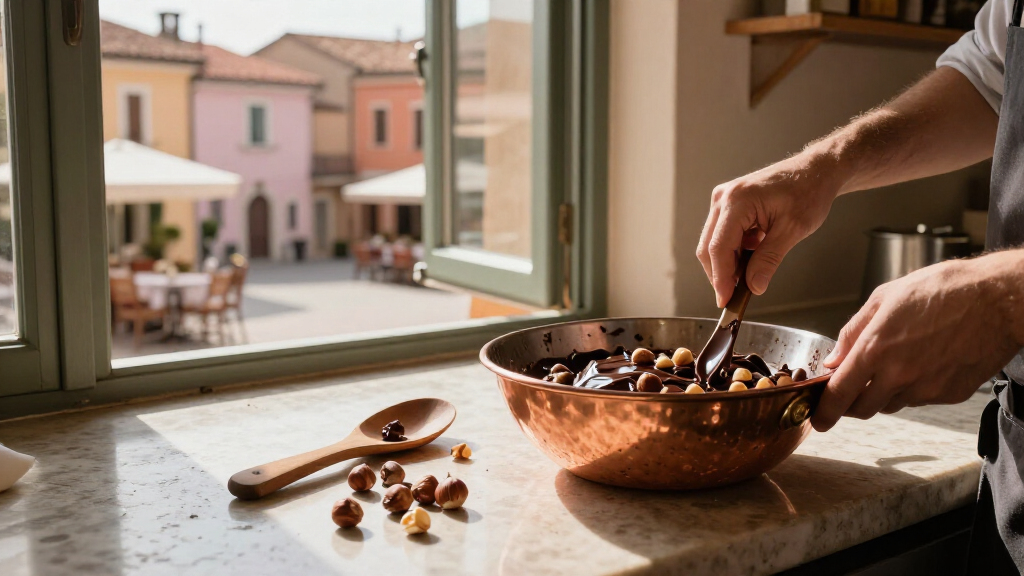
How Do You Make One Blend Work as a Spread, Filling, or Sweet?
The chocolate-to-hazelnut balance determines whether gianduia spreads, pipes, or sets. A higher proportion of nut paste usually gives you a softer, more spoonable blend; more chocolate tends to create a firmer confection once it cools. A little neutral oil is sometimes used to soften a spread, but add it sparingly because too much can make the mixture feel greasy.
For breakfast, spoon a soft batch over toasted bread or swirl it into oatmeal. For a cake, let the mixture cool until it holds its shape, then spread a thin layer between sponge cakes. For truffles, chill it until scoopable and roll small portions in cocoa or finely chopped hazelnuts. The same blend becomes a different treat through temperature and proportion, like one piece of fabric cut into a scarf or a pocket square.
Homemade gianduia is an adaptation, not automatically a Turin gianduiotto. To explore that distinction, make small molded pieces and compare them with the traditional boat-shaped confection you might find in Turin. A home mold can give you a neat shape, but the identity comes from more than appearance: the gianduiotto belongs to a specific local confectionery tradition.
Recipes may include milk or other ingredients, and changing them affects flavor and storage. If you want a firmer bite, chill the blend and see how it sets before filling a whole mold. If you want to use it as a spread tomorrow morning, keep the texture soft enough to scoop without forcing it onto the bread and tearing the crumb.
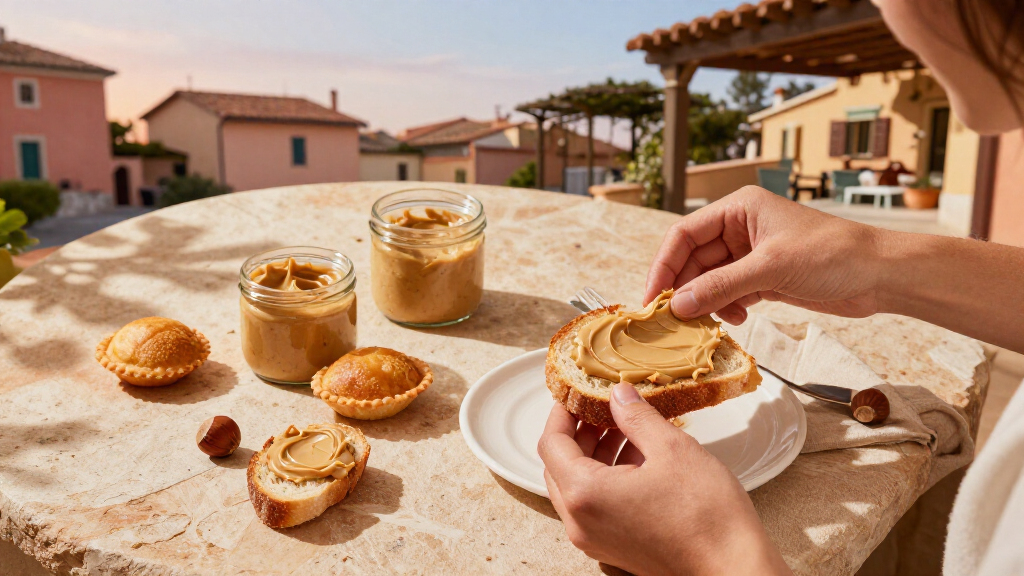
How Can You Fix Grainy, Oily, or Bitter Gianduia?
Grainy gianduia usually means the hazelnuts need more grinding, while an oily surface often comes from nut oil separating. Scrape down the processor bowl, blend in short bursts, and check the texture again before adding anything. A small amount of oil can often be stirred back in; if the mixture tastes scorched, though, extra chocolate won’t erase the bitter roast.
Hazelnuts change as they break down. First they look like dry crumbs, then they clump, and finally their natural oil helps form a paste. If you stop while the nuts are still sandy, the final blend may feel gritty against the tongue. That texture can work in a rustic tart filling, but it may disappoint if you expected a glossy, smooth spread.
Overheating is the mistake to avoid. A dark, bitter nut flavor can dominate the chocolate, much like burned toast fills a room even after you’ve opened a window. Roast in a single layer and check often; if the nuts smell sharp or smoky, set them aside for another use rather than expecting them to improve in the processor.
If you don’t own a food processor, finely chopped nuts or a suitable nut butter can serve as a shortcut. The result will differ in texture and flavor, especially if the butter contains salt, sugar, or added oil. Check its label first, then taste the blend as you go so the sweetness and seasoning don’t surprise you.

How Should You Store Homemade Gianduia and Check Allergens?
Store homemade gianduia sealed in a cool place and follow food-safety guidance for every perishable ingredient in your recipe. Shelf life depends on the ingredients, preparation, and storage conditions; a batch with fresh dairy needs different care from one made only with chocolate and hazelnuts. Commercial products should follow their labels, and a homemade batch should not be treated as shelf-stable just because it contains chocolate.
For a small weekend batch, use a clean, dry jar and avoid dipping in a buttered knife or a spoon that has touched other food. If your recipe includes cream, milk, or another ingredient that requires refrigeration, keep the finished mixture refrigerated and use it promptly according to safe handling guidance for that ingredient. When in doubt about whether a batch has been stored safely, discard it.
Hazelnuts are tree nuts, and milk chocolate contains dairy. Check labels for allergens and possible cross-contact, especially if you’re serving someone with an allergy. Gluten-free or vegan status also depends on the full ingredient list and how the product was made; don’t assume either from the word gianduia.
That care matters when you share a jar as a host gift. Write down the ingredients, mention the nuts and any dairy, and tell the recipient how you stored it. A ribbon around the lid looks lovely, but a clear note about allergens and refrigeration is more useful.
What Should You Remember Before Your Next Batch?
Start with the ingredients and the texture you want, then let the history guide your choices. Gianduia’s Turin roots connect chocolate to Piedmont hazelnuts; its many forms show how one pairing can become a spread, filling, bar, or molded confection. You don’t need a perfect replica of a confectioner’s recipe to make a thoughtful batch at home.
If you’re standing in a grocery aisle, compare the labels for hazelnut origin, chocolate type, and added milk before you choose. If you’re in your kitchen, taste one hazelnut before roasting and another after; that small comparison makes the effect of heat easy to notice. Then record whether your chocolate blend stayed soft enough for toast or firm enough to shape.
Use fresh nuts, roast them gently, and grind them as finely as your equipment allows. Choose dark chocolate for more intensity and milk chocolate for a softer, sweeter profile. Make a small batch first; you can adjust the next one instead of trying to rescue a large bowl of overly bitter or oily gianduia.
A trip through Turin’s sweet shops may give you a new favorite, but you can bring the region’s flavors into a home kitchen without claiming to reproduce every local specialty. Keep the hazelnut at the center, respect the differences between a spread and a gianduiotto, and let each spoonful smell like toasted nuts meeting warm chocolate.
Frequently Asked Questions
Is gianduia the same as Nutella?
No. Gianduia is a broad Piedmontese chocolate and hazelnut confectionery tradition that includes spreads, bars, pralines, filled chocolates, and gianduiotti. Nutella is a particular commercial spread with its own recipe and texture.
What is the difference between gianduia and gianduja?
They are spelling variants. Gianduia is the Italian spelling, while gianduja is widely used in English-language confectionery. Both refer to the chocolate and hazelnut tradition.
What is a gianduiotto?
A gianduiotto is a small Turin confection made from gianduia, traditionally shaped like a little boat and individually wrapped. It is one expression of the wider tradition, not another name for every chocolate-hazelnut spread.
Do I need Piedmont hazelnuts to make gianduia?
No. Nocciola Piemonte IGP is a regionally prized choice, but fresh, flavorful hazelnuts from another origin can work at home. If you share the batch or describe it, name the nut’s origin accurately.
Why is my homemade gianduia grainy or oily?
Graininess often means the nuts need more grinding; oil on top can mean their natural fat separated during processing. Blend in short bursts, scrape down the bowl, and stir a small amount of separated oil back in if the mixture smells and tastes fresh.
How should I store homemade gianduia?
Keep it sealed and cool, and follow safe storage guidance for the recipe’s ingredients. A batch with fresh dairy needs different care from a simple chocolate-and-hazelnut blend. When you’re unsure whether it was stored safely, discard it.
Is gianduia vegan or gluten-free?
That depends on the recipe and production process. Milk chocolate contains dairy, and cross-contact can matter for allergies or dietary needs. Check the full ingredient list and label rather than assuming.
Conclusion
Make a small batch of gianduia with fresh hazelnuts, roast them gently, and choose chocolate to match the way you plan to use it. Taste as you blend, then label the jar with its ingredients and storage needs. Turin’s tradition began with a resourceful pairing; your version can begin with one warm handful of nuts and the rich smell of chocolate in the kitchen.Halloween Picks
halloween
As an affiliate, we earn on qualifying purchases.