
TL;DR

Get kitchen staples and gadgets delivered free — and shop member deals
- Fast, free delivery on millions of items
- Access to Prime Big Deal Days deals on October 6–7
- Prime Video, Amazon Music and more included
An Italian formaggi board works best as a guided tasting of three to five cheeses, arranged from mild to strong and chosen for differences in milk, texture, and flavor. Plan 60–90 grams per person after a meal, let most cheeses sit out for 30–60 minutes, and keep the bread, fruit, and condiments simple enough to let each cheese speak.
A good Italian cheese board can take you from a cool, milky bite to a salty shard of aged cheese in four stops. The trick is to make each one feel like the next chapter, rather than piling every cheese you like onto a platter.
In Italy, formaggi means cheeses, and a cheese course can reflect the region, the season, or simply what tastes best together. You’ll learn how to choose a focused group, arrange it for tasting, pick restrained accompaniments, and serve the cheeses at their best. That gives you a board with a clear path: perhaps fresh ricotta, buttery Taleggio, savory Pecorino Toscano, then crystalline Parmigiano Reggiano DOP.
Use the guide for an after-dinner course or a casual gathering. For the first, plan 60–90 grams per person; for a board that stands in for dinner, increase the amount and add bread and fruit. A few labels and separate knives help guests taste confidently, especially if they’ve never met a cheese from Lombardy or Tuscany.
Choose three to five cheeses with distinct milks, textures, or intensities so each bite has a purpose.
Arrange the board from fresh and mild to aged, salty, or blue; use separate knives where possible.
Plan 60–90 grams per person after a meal and more when the board is the main food.
Let most cheeses sit out for about 30–60 minutes, with less time for very fresh cheese and warm rooms.
Use DOP/PDO labels to understand origin and production rules, and keep accompaniments simple.
A guided Italian tasting · Four thoughtful stops
The Cheese Course, Italian Style: Building a Formaggi Board That Makes Sense
Build a board with a clear path from cool, milky freshness to the nutty, salty finish of aged cheese. Choose a focused mix, serve it at its best, and let simple accompaniments leave room for every flavor.
Four cheeses, four different voices
Vary milk, texture, and intensity so each stop adds something new. These Italian examples make a balanced first board; adjust the lineup to your region or guests.
Ricotta
Soft and milky, a gentle opening. Serve with a small spoon or clean knife.
Taleggio
Yielding and fuller in aroma, bringing a creamy contrast to the fresh start.
Pecorino Toscano DOP
Sheep’s-milk savor. Choose a table-style pecorino for a measured middle note.
Parmigiano Reggiano DOP
Firm, savory, and crystalline: a satisfying finish in shards or small wedges.
Often buttery or nutty.
Can be rich and savory.
Often tangy and bright.
Let each bite set up the next
Salt, aroma, and blue veining can linger on the palate. Start delicately and move toward more assertive flavors, giving each cheese its own space.
Fresh & mild
Ricotta or mozzarella. Begin with a clean, milky taste.
Soft & aromatic
Taleggio brings a yielding texture and fuller aroma.
Firm & savory
Pecorino Toscano or Provolone adds a more substantial middle.
Bold & aged
Finish with Parmigiano Reggiano, or place Gorgonzola late.
Give the cheese time to open up
Cold can mute aroma and firm up texture. Use the timing as a starting point, adjusting for the room, the cheese, and the size of each piece.
Per person after a meal. For a board serving as dinner, plan more cheese and round it out with bread, fruit, and a few savory extras.
Room-temperature guide
Bring out about 30–60 minutes before serving.
Mozzarella and other fresh cheeses may need less time.
Small pieces warm faster; follow package storage directions and avoid extended time out.
Leave room to taste
Keep cheeses apart, with a little space for crumbs and a few simple accompaniments.
Keep flavors distinct
Use separate knives where possible. Wipe shared knives between soft or strongly flavored cheeses.
Make discovery easy
Name the cheese, milk type, and region so guests can follow the tasting confidently.
Simple pairings leave room for cheese
Offer a few contrasts, not a crowded spread. A plain base, seasonal fruit, or a restrained sweet note can complement the board without masking the cheeses.
Plain bread or crackers, seasonal fruit, nuts, honey, or a little mostarda.
A crisp white wine is a useful starting point.
Try a fuller-bodied red; sweet wines can balance salty or blue cheeses.
Choose 3–5 Italian Cheeses That Tell a Story
An Italian cheese board works best with three to five cheeses that differ in texture, milk, and intensity. That range gives each cheese room to be noticed and keeps you from buying a platter’s worth of near-duplicates. Think of the board as a short walk across a region: each stop should show you something new. The number matters because tasting is comparative: a creamy cheese feels creamier beside a firm one, while several similar aged cheeses can blur together even if each is excellent on its own.
For a balanced first board, pair a fresh cheese such as ricotta with a soft-ripened Taleggio, a table pecorino, and an aged hard cheese such as Parmigiano Reggiano DOP. Ricotta brings a soft, milky start; Taleggio offers a yielding texture and fuller aroma; Pecorino Toscano DOP contributes sheep’s-milk savor; Parmigiano Reggiano finishes with a firm, nutty bite. You can swap one cheese for Gorgonzola if your guests enjoy blue cheese. That swap changes the tasting’s center of gravity: blue’s salt and pungency can dominate delicate cheeses, so place it late and serve a modest piece.
Milk gives you another useful guide. Cow’s milk cheeses often taste buttery or nutty, sheep’s milk cheeses can be rich and savory, and goat’s milk cheeses often bring a tangy brightness. These are tendencies rather than guarantees, since aging and production also shape flavor. Texture matters just as much: creamy, springy, firm, crumbly, and crystalline cheeses create contrast you can feel as well as taste. Choosing across both milk and texture gives guests more ways to notice differences, though a regional theme may mean fewer milk types and a more focused story.
Pick a theme when you shop. A Tuscany-focused board might include Pecorino Toscano DOP in different ages, while a northern Italian selection could move from fresh ricotta to Taleggio and Grana Padano DOP. A DOP/PDO label identifies defined origin and production rules; it helps you understand what you’re buying, but it does not replace your own taste. Ask a cheesemonger for one mild option, one savory option, and one cheese with a stronger finish. If a particular cheese is unavailable, keep the role it played—fresh, soft, or aged—and choose a substitute that preserves the board’s progression.

Italian cheese board serving knives
As an affiliate, we earn on qualifying purchases.
As an affiliate, we earn on qualifying purchases.
Arrange the Board So Every Bite Has a Clear Next Step
Arrange an Italian cheese board from mild and fresh to strong and salty, giving each cheese space and, where possible, its own knife. This simple order lets your palate follow the flavors without a blue cheese or sharp pecorino taking over too early. A guided tasting works better than a collection because each bite has a place in the sequence. Strong salt and aroma linger, so tasting them first can make a mild cheese seem dull; a clear order helps guests notice subtler flavors before their palates are saturated.
- Start with the lightest cheese. Set fresh ricotta or mozzarella at the beginning, with a small spoon or clean knife.
- Move to soft and aromatic. Place Taleggio next, with its own knife so its aroma and creamy texture stay distinct.
- Continue to firm, savory cheese. Add Pecorino Toscano or Provolone, depending on how tangy or mild you want the middle of the tasting.
- Finish with the boldest bite. Put Pecorino Romano or Gorgonzola near the end, followed by a few shards of aged Parmigiano Reggiano if you want a nutty finish.
For a dinner with six guests, imagine a board with ricotta, Taleggio, Pecorino Toscano, and Parmigiano Reggiano. Place them in that order around a large platter, then add small labels with the name, milk type, and region. If you have separate knives for each one, guests can taste at their own pace without carrying blue cheese onto the ricotta. If you only have a couple of knives, put a clean knife beside each soft or strongly flavored cheese and wipe shared knives between uses; the goal is to prevent flavors from traveling, not to buy special equipment.
Keep each cheese in a piece large enough to cut at the table. Pre-cutting everything can dry the edges and leave guests guessing which cheese they’re tasting. Space also makes room for crumbs and a little fruit without blurring the tasting path. Leaving a cheese partly whole gives it a more inviting presentation and helps preserve its surface, while cutting one small sample wedge can show guests where to begin without requiring them to handle an untouched wheel.
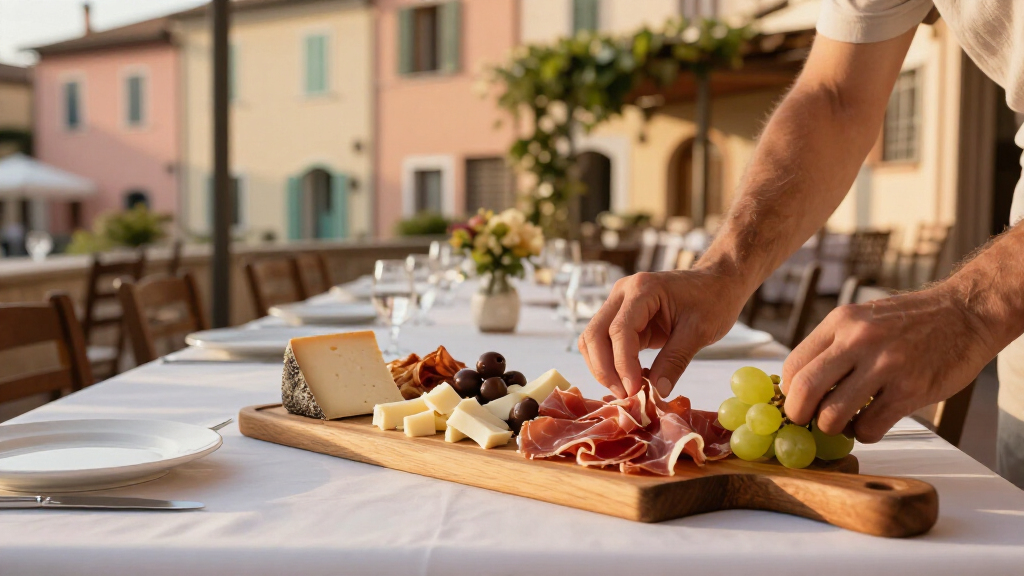
Serve Enough Cheese, at the Right Temperature
For an after-dinner course, buy 60–90 grams of cheese per person; use more if cheese will be the main food. Take most cheeses from the refrigerator about 30–60 minutes before serving, adjusting for the room and the size of each piece. Cheese needs a little time to soften and release its aroma, much like a song needs a moment before its melody comes through. Cold dulls aroma and firms texture, so a cheese served straight from the fridge may taste less expressive than the cheesemaker intended. The range gives you a starting point, not a timer: a small piece warms sooner than a large wedge.
Very fresh cheeses, including mozzarella, may need less time at room temperature than a large wedge of aged Parmigiano Reggiano. On a warm afternoon in Rome, a small piece will warm faster than it would in a cool kitchen in October. Check the cheese by touch and follow storage directions on its packaging; don’t leave perishable foods sitting out for an extended gathering. Serving everything at once is convenient, but you can bring out fresh cheeses closer to tasting time and leave hard cheeses out a little longer. That extra attention improves texture while limiting the time more perishable items spend unrefrigerated.
If the board is the main event, make it a more substantial meal. For four people, you might buy roughly 500–600 grams of cheese, then add plain bread, fruit, and a bowl of olives or vegetables. That gives everyone enough without requiring a dozen varieties. If dinner came first, the smaller per-person estimate leaves room for a leisurely taste rather than a second meal. The tradeoff is simple: a smaller selection keeps the course light, while a meal-sized board needs enough cheese and filling sides that guests are not relying on a few tasting portions as dinner.
Set out serving knives before guests arrive, and label unfamiliar cheeses with a word or two about their character: “creamy,” “sheep’s milk,” or “salty and aged.” For guests who avoid certain foods, identify common allergens clearly. Cheese usually contains milk, and accompaniments may include nuts or wheat; check labels and keep separate utensils available for guests with allergies. Clear labels reduce guesswork, while separate utensils help prevent traces from moving between foods.

Pair Bread, Fruit, and Condiments Without Hiding the Cheese
Choose plain bread or crackers, seasonal fruit, nuts, honey, or a small spoonful of mostarda so the cheese stays at the center of the board. Each accompaniment should offer a contrast—crisp against creamy, sweet against salty—without shouting over the flavor you came to taste. One or two thoughtful additions can do more than a crowded spread. A neutral bite can also reset the palate between cheeses; a strongly seasoned cracker may be delicious on its own but makes it harder to tell what the next cheese tastes like.
Try pear slices with a salty Pecorino Romano, or a little honey beside Gorgonzola. A handful of walnuts can work with aged Parmigiano Reggiano, while plain bread gives ricotta a soft, clean partner. Mostarda, a fruit condiment with a mustardy kick, pairs well with cheeses that can stand up to its sharp sweetness; offer it in a small dish so guests control the amount. The portion is part of the pairing: a dab can lift a salty cheese, but too much sweetness or spice can replace the cheese’s own finish.
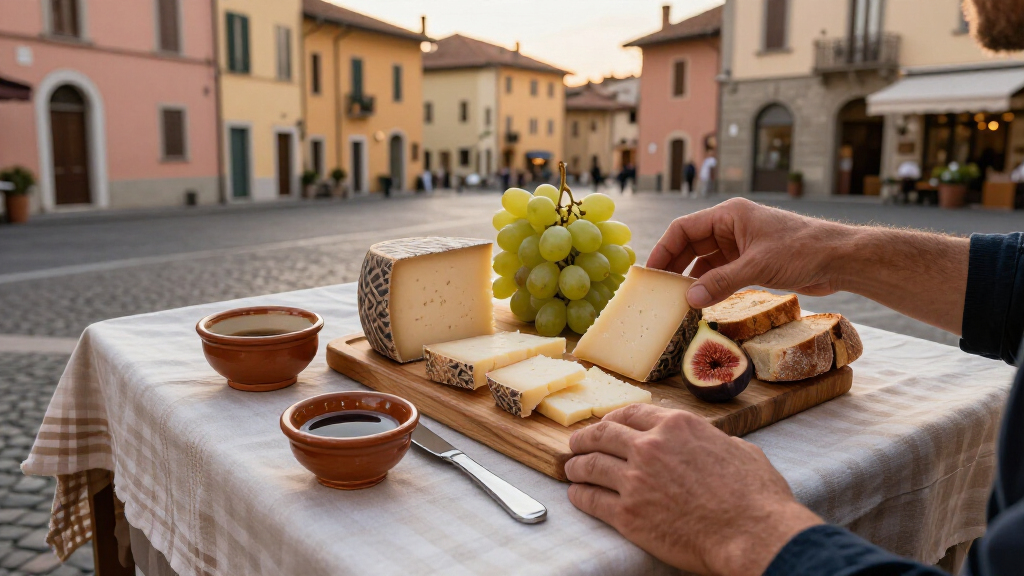
Season helps you choose. In late summer, ripe figs or peaches bring juice and fragrance to a board; in winter, pears or a few slices of apple provide a crisp, tart counterpoint. For a Saturday lunch after a walk through a Tuscan market, you could serve Pecorino Toscano with pears and unsalted bread. The fruit makes a bright pause between savory bites. Juicy fruit also adds freshness, but it can soften bread and leave moisture on the platter, so add it shortly before guests arrive and keep it in a separate cluster.
Keep powerful flavors apart. A very garlicky cracker, a heavily spiced jam, or a bowl of strongly flavored olives can flatten a delicate mozzarella or fresh ricotta. Put condiments at the edge rather than directly on every cheese, and give guests a clean bite of cheese first. Then they can try the pairing and decide what changes. This order makes the contrast easier to notice and lets guests skip an accompaniment if it overwhelms their preferred cheese.

Match Wine to the Cheese’s Weight and Salt
Pair drinks with a cheese’s weight, salt, and intensity rather than following a rigid rule. Crisp white wine can suit fresh or tangy cheese, fuller-bodied reds can stand alongside aged savory cheeses, and sweet wine often complements salty or blue cheese. These are starting points, not guarantees; the wine should leave you wanting another bite. A cheese’s salt can make a dry wine taste more bitter or sharp, while a very powerful wine can bury a delicate cheese, so balance matters more than matching by color alone.
For a fresh mozzarella or ricotta course, try a crisp white wine from the same part of Italy if you have one. With a firmer, aged cheese such as Grana Padano DOP, a fuller red may make sense, while a sweet wine can soften the sharp salt of Pecorino Romano or Gorgonzola. If a cheese is especially pungent, a simple sparkling water between tastes can reset your palate. The same pairing will not suit every guest or bottle, so offer small pours and let people try the cheese before the wine; that makes it easier to tell whether the drink is adding balance or masking flavor.
Picture a small dinner where the board follows a meal of roasted vegetables and pasta. Rather than opening a new bottle for every cheese, offer one white that suits the fresher choices and a modest pour of red for the aged selections. Guests can compare how each sip changes the cheese; the same Taleggio may seem rounder with one drink and more savory with another. Limiting the choices also keeps the course relaxed and avoids treating every cheese as a separate pairing puzzle.
Wine is optional. If you serve alcohol, make it for adults, keep pours moderate, and offer water or a nonalcoholic option alongside it. A chilled sparkling water with a slice of lemon gives guests a refreshing pause without competing with the cheeses.

Shop for Regional Identity, Not Just Familiar Names
Use a cheese’s region and label to learn what style you’re bringing home, then taste it for yourself. DOP, the Italian abbreviation for “Protected Designation of Origin,” and PDO, its English equivalent, mark products made under defined origin and production rules. The designation offers useful information about place and method; it is not a promise that every palate will prefer that cheese. It can narrow the choices when a shop has many similar-looking wedges, but your preferred age, texture, and intensity still depend on the particular cheese and your taste.
Italian cheeses can look similar on a shelf and behave very differently on the board. Pecorino Romano is typically saltier and sharper than many table pecorinos, so it may work better as a small, bold finish than as the main sheep’s-milk cheese. Pecorino Toscano DOP can give you a different regional expression. Parmigiano Reggiano DOP and Grana Padano DOP are both hard, aged cheeses, but they have separate production rules and distinct identities; sample them side by side if you want to see what those differences mean to your taste. That comparison is useful when choosing between them, though buying both may add redundancy if the rest of the board already includes several aged cheeses.
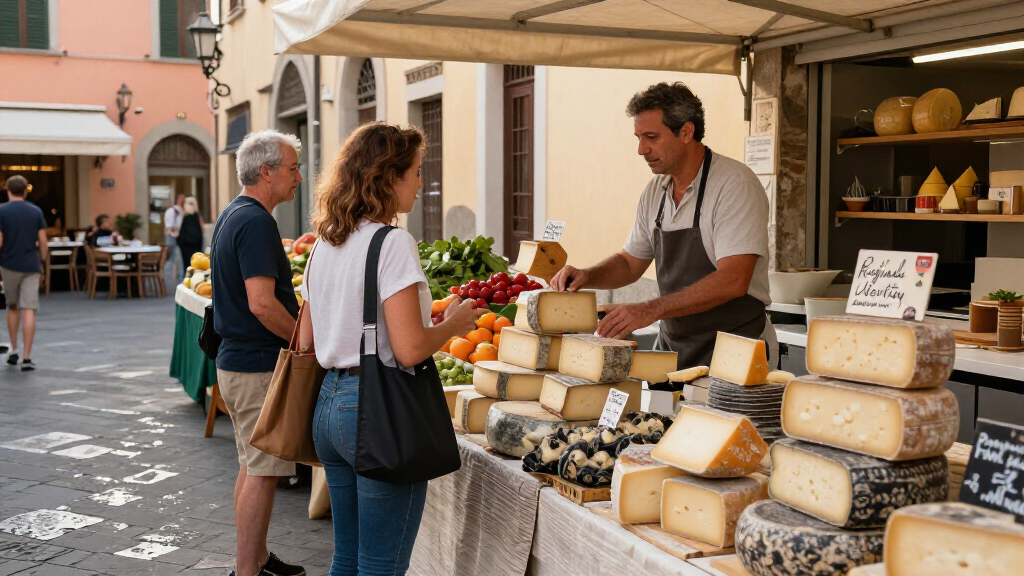
Ask a cheesemonger where the cheese comes from, what milk it uses, and how strongly it tastes. Those three answers can turn a confusing shop visit into a practical decision. For a host in Boston planning an Italian-themed dinner, a local shop might have only one Pecorino Toscano; pairing it with Parmigiano Reggiano and Taleggio can still make a board with clear contrasts and regional anchors. If you have a budget or limited availability, prioritize differences in style over collecting famous names: one cheese from a less familiar region can make the board more interesting than several costly cheeses with similar textures.
Labels also help guests navigate unfamiliar names. Write “Lombardy, cow’s milk, soft” beside Taleggio, or “Emilia-Romagna, hard, aged” beside Parmigiano Reggiano. A few words make the board feel welcoming and help everyone remember which bite they liked. Keeping the notes short lets them guide the tasting without turning the board into a lecture.
Keep Leftovers Safe and Ready for Another Good Bite
Store leftover cheese promptly in the refrigerator, wrapped to protect it from drying out and from picking up nearby odors. Keep fresh cheeses such as ricotta and mozzarella according to their package instructions, since they hold more moisture than aged hard cheeses. Good storage keeps tomorrow’s pasta or snack from tasting like everything else in your refrigerator. Wrapping each type separately also helps preserve its own aroma and texture; a shared container can let a pungent cheese overwhelm a mild one.
After the board, return cheeses to the fridge rather than leaving them out overnight. Wrap different cheeses separately, especially aromatic or blue varieties, and note the date if you have removed the original labels. A wedge of Parmigiano Reggiano can become a quick grating for soup, while leftover Pecorino Toscano makes a savory addition to a simple lunch. Save soft cheeses for dishes where their moisture suits the recipe, and use them promptly according to the package guidance rather than treating all leftovers as equally long-lasting.
Food safety depends on the cheese, how it was handled, and who will eat it. If someone is pregnant or immunocompromised, check current local public-health guidance and the product label, and ask a healthcare professional when needed. Don’t assume a cheese is suitable based only on its name or the fact that it appears on a traditional board. Clear information matters because cheeses differ in moisture, processing, and storage requirements, and guests may need individual guidance.
For a practical next-day meal, shave leftover aged cheese over warm beans or fold it into a frittata, and use soft cheese only if it has been kept and handled according to its storage directions. Clear wrapping and prompt refrigeration make it easier to tell what you have and use it while it’s still at its best. If a cheese’s storage history is uncertain, the safer choice is to follow its label or discard it rather than trying to judge safety by appearance alone.
Frequently Asked Questions
How many cheeses should I put on an Italian board?
Choose three to five cheeses for a home board. A fresh cheese, a soft cheese, a firm cheese, and an aged or bold option give guests variety without crowding the platter. For example, ricotta, Taleggio, Pecorino Toscano, and Parmigiano Reggiano create a clear progression.
How much cheese should I buy per person?
Plan about 60–90 grams per person when you serve cheese after a meal. Buy more if the board is the main food, and add bread and fruit to make it more filling. For six people after dinner, that works out to roughly 360–540 grams total.
What is the difference between Parmigiano Reggiano and Grana Padano?
Both are hard Italian cheeses with DOP/PDO designations, but they follow separate origin and production rules. They also have distinct flavors and identities, so taste them side by side if you can. Use shards of either on a board or save some for grating over a meal.
How long should cheese sit out before serving?
Most cheeses benefit from about 30–60 minutes outside the refrigerator so their texture softens and aroma opens up. Very fresh cheeses often need less time, and a warm room speeds the process. Follow package directions and return leftovers to refrigeration promptly.
What should I serve with Italian cheeses?
Start with plain bread or crackers, then add one or two seasonal contrasts such as pears, figs, nuts, honey, or a little mostarda. Pear can balance salty Pecorino Romano, while honey makes a pleasing partner for Gorgonzola. Keep strongly flavored condiments in small dishes so they don’t cover the cheese.
Can pregnant or immunocompromised guests eat every cheese on the board?
Suitability depends on the specific cheese and the person’s health, so don’t make a blanket assumption based on the cheese’s name. Check current local public-health guidance and package information, and direct guests to their healthcare professional for personal advice. Clear labels help guests make an informed choice.
Conclusion
Build your next formaggi board around four distinct bites: something fresh, something soft, something firm, and something aged or bold. Set them out in that order, add plain bread and one seasonal fruit, and give each cheese space to show its character.
That is enough to turn a platter into a small Italian journey. Start with the pear and pecorino, then follow the trail wherever the next bite takes you.

Halloween Picks
halloween
As an affiliate, we earn on qualifying purchases.