TL;DR

Get kitchen staples and gadgets delivered free with Prime
- Fast, free delivery on millions of items
- Prime Video, Amazon Music and more included
- Member-only deals all year
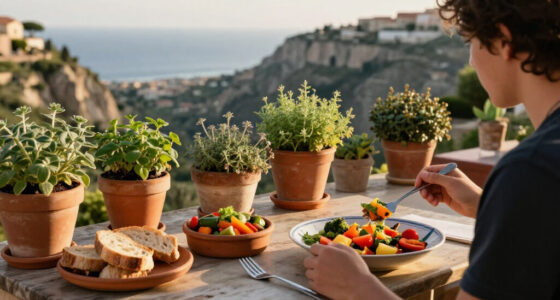
The Italian pantry is built on twenty durable staples — olive oil, dried pasta, rice, polenta, flour, canned tomatoes, tomato paste, dried beans, tinned fish, anchovies, capers, olives, wine vinegar, dried porcini, garlic, onions, chile, oregano, breadcrumbs, and salt. Organized into functional zones (foundations, fats and seasonings, acid, umami, texture), these staples cook dozens of everyday Italian dishes when combined with seasonal fresh ingredients and layered technique.
An Italian nonna can look at a nearly empty kitchen and still produce dinner. Not because she’s magical, but because her pantry works as a system: a relatively small collection of durable ingredients that covers fat, acidity, starch, tomato, legumes, aromatics, salt, heat, and concentrated umami. Fresh vegetables and cheese show up on top of that foundation, whatever the season brings.
The Italian pantry is less a fixed shopping list than a practical cooking method. Same twenty staples, transformed night after night through technique — browning garlic, dissolving anchovies in oil, reducing tomatoes, emulsifying pasta water. That’s the whole trick, and you can learn it.
In this guide you’ll get the twenty staples, how they organize into zones, the techniques that make them sing, and the misconceptions to drop on your next trip to the Italian market.
The Italian pantry is a system of twenty durable staples organized by function — foundations, fats and seasonings, acid, umami, texture — not by recipe.
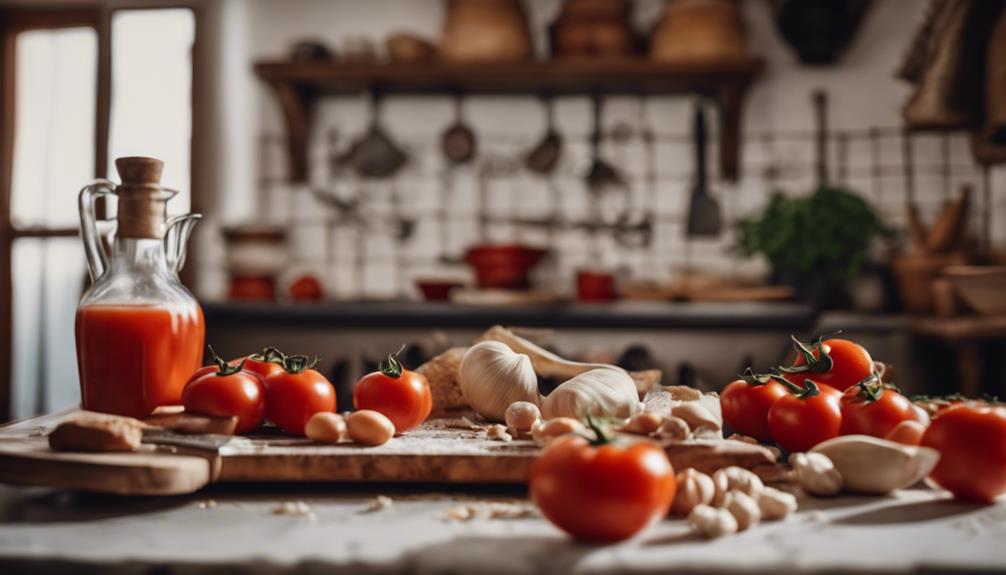
Whole peeled canned tomatoes, not pre-seasoned sauce, give you the most flexibility: crush, purée, or leave chunky depending on the dish.
Technique transforms the staples: soffritto, frying tomato paste, blooming chile in oil, emulsifying pasta water, and finishing with vinegar.
Skip the myths: garlic is used with restraint, Parmesan doesn’t go on seafood, wine vinegar (not balsamic) is the everyday Italian vinegar, and ’00’ refers onl…
Start with ten staples (oil, pasta, tomatoes, beans, garlic, onions, salt, chile, vinegar, breadcrumbs) and build the rest as your cooking habits develop.
How the Italian Pantry Is Organized: Twenty Staples That Cook Everything
An Italian nonna can look at a nearly empty kitchen and still produce dinner — not because she’s magical, but because her pantry works as a system: a small collection of durable ingredients covering fat, acidity, starch, tomato, legumes, aromatics, salt, heat, and concentrated umami.
Organize by Zone, Not by Recipe
When your cabinet is organized into foundations, seasonings, acid, umami, and texture, meal planning becomes assembly rather than searching. A jar of capers isn’t for one dish — it’s salt, acid, and floral punch for salads, braises, and fried garnishes alike.
Meal Foundations
Pasta, rice, polenta, flour, dried beans — the starch and body that anchor every plate.
Fats & Seasonings
Olive oil, salt, garlic, onions, chile, oregano — aromatics and controlled heat.
Acid & Balance
Wine vinegar, capers, olives, tomatoes — brightness that cuts richness.
Concentrated Umami
Anchovies, tinned fish, tomato paste, dried porcini — depth in small doses.
Texture & Finishing
Toasted breadcrumbs, finishing olive oil — crunch and gloss on top.
The Empty-Fridge Proof
Broccoli and nothing else fresh? Foundation shelf + seasonings + toasted pangrattato = dinner in 20 minutes.
The Zone Table: What Each Shelf Contributes
Zone thinking saves money too. You stop buying specialty items for one recipe and start buying versatile staples that serve twenty.
| Zone | Staples | What It Contributes |
|---|---|---|
| Meal foundations | Pasta, rice, polenta, flour, legumes | Starch and body — the base of nearly every meal |
| Fats and seasonings | Olive oil, salt, garlic, onions, chile, oregano | Aromatics and heat — the flavor layer built first |
| Acid and balance | Wine vinegar, capers, olives, tomatoes | Brightness — cuts richness, lifts oil-based dishes |
| Concentrated umami | Anchovies, tinned fish, tomato paste, porcini | Depth in small doses — replaces stock you don’t have |
| Texture and finishing | Breadcrumbs, finishing olive oil | Crunch and gloss — contrast for soft dishes |
Five Techniques That Turn Staples Into Dinner
Master these and you can cook Italian without opening a recipe. Think spaghetti aglio, olio e peperoncino: five ingredients, zero freshness required, entirely dependent on technique.
Aromatic Base
Soffritto — onion, carrot, celery cooked slowly in fat — or simply garlic gently golden in olive oil.
Layered Flavor
Fry tomato paste in oil. Dissolve anchovies early. Warm chile in oil before anything else. Everything at once = flat food.
Pasta-Water Emulsion
The starchy water binds fat and liquid into a glossy sauce. Finish the pasta in the sauce, not under it.
Acid Balance
A splash of wine vinegar on braised greens or beans keeps oil-based dishes from sitting heavy.
Contrast
Toasted breadcrumbs, crisped polenta, fried capers — give soft dishes something to push against.
One Ingredient, Many Meals
Why does such a short list go so far? Because the staples are chosen to overlap — each one works across multiple dish categories.
The Weeknight Proof
With twenty staples plus seasonal produce, you can cook dozens of canonical Italian dishes without specialty shopping — from Sicily to the Veneto.
- Spaghetti aglio, olio e peperoncino
- Pasta with tomato and anchovy
- Pasta e ceci
- Tuna–olive–caper sauce
- Pangrattato-topped pasta
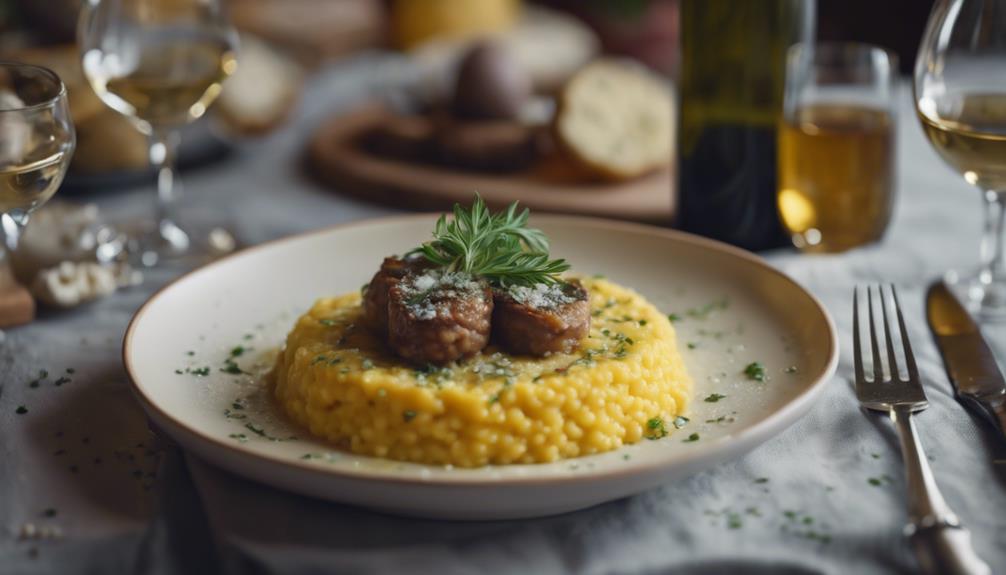
- Porcini risotto
- Rice salad with tuna and olives
- Polenta with mushroom ragù
- Crisped and grilled polenta
- White-bean and tomato soup
- Ribollita-style bread soup
- Tomato-braised beans
- Braised greens with garlic and chile
- Chickpea salad with capers & vinegar
- Stuffed vegetables with breadcrumbs
- Agrodolce braises
- Fresh pizza and focaccia from flour
Garlic is used with restraint. Parmesan doesn’t go on seafood. Balsamic isn’t the everyday Italian vinegar — wine vinegar is. And “00” describes grind fineness only, not protein content.
Oil, pasta, tomatoes, beans, garlic, onions, salt, chile, vinegar, breadcrumbs. Build the remaining ten as your cooking habits develop — the pantry is a method, not a shopping list.
The Twenty Staples That Do All the Work
The Italian pantry rests on twenty durable staples: extra-virgin olive oil, dried pasta, rice, polenta, wheat flour, canned whole peeled tomatoes, tomato paste, dried beans, tinned fish, anchovies, capers, olives, wine vinegar, dried porcini, garlic, onions, dried chile, dried oregano, breadcrumbs, and salt. That’s it. Everything else in Italian cooking is a seasonal addition layered on top.
Notice what’s not on the list: fresh basil, Parmesan, balsamic. They’re wonderful, but they’re perishable or supplementary. A true pantry list favors things that wait patiently in a dark cabinet for three weeks until you need them.
Some specifics matter. Rice means short- and medium-grain varieties like Arborio, Carnaroli, and Vialone Nano, the risotto workhorses of the north. Tomatoes mean whole peeled, not pre-seasoned sauce — whole tomatoes can be crushed, puréed, or left chunky, so they do every job. And Italian “00” flour describes fineness of grind, not protein level; it isn’t automatically right for every dough.
- Meal foundations: pasta, rice, polenta, flour, beans
- Fat and seasonings: olive oil, salt, garlic, onions, chile, oregano
- Acid and balance: wine vinegar, capers, olives, tomatoes
- Concentrated umami: anchovies, tinned fish, tomato paste, dried porcini
- Texture and finishing: breadcrumbs, finishing oil
Think of it like a wardrobe: a few well-chosen pieces, endlessly recombined, beat a closet full of singles every time.

Products Worth Considering

Philips Hue White and Color Ambiance A19 Smart Bulb Starter Kit, 2-Pack

Levoit Eleva 300X Air Purifier with Sealed HEPA Filtration

Samsung QN65LS03FAFXZA 65 The Frame QLED 4K Art Mode Vision AI Smart TV (2025)
As an affiliate, we earn on qualifying purchases.
How to Organize Your Pantry by Zone (Not by Recipe)
Organizing your pantry by functional zone beats organizing by recipe, because it lets you build dinner from roles rather than follow a rigid script. When your cabinet is organized into foundations, seasonings, acid, umami, and texture, meal planning becomes assembly rather than searching.
Here’s a real scenario. It’s Tuesday, you have broccoli and nothing else fresh. Zones tell you: pasta from the foundation shelf, garlic and chile from seasonings, breadcrumbs toasted in oil for texture. That’s pasta con broccoli e pangrattato — a genuine southern Italian dish, on the table in twenty minutes.
| Zone | Staples | What It Contributes |
|---|---|---|
| Meal foundations | Pasta, rice, polenta, flour, legumes | Starch and body |
| Fats and seasonings | Olive oil, salt, garlic, onions, chile, oregano | Aromatics and heat |
| Acid and balance | Wine vinegar, capers, olives, tomatoes | Brightness that cuts richness |
| Concentrated umami | Anchovies, tinned fish, tomato paste, porcini | Depth in small doses |
| Texture and finishing | Breadcrumbs, finishing olive oil | Crunch and gloss |
Zone thinking also saves money. You stop buying specialty items for one recipe and start buying versatile staples that serve twenty. A jar of capers isn’t for one dish — it’s salt, acid, and floral punch for salads, braises, and fried garnishes alike.

Five Techniques That Turn Staples Into Dinner
Five core techniques make the twenty staples work: an aromatic base, layered flavor, pasta-water emulsion, acid balance, and contrasting texture. Master these and you can cook Italian without opening a recipe.
- Start with an aromatic base. Soffritto — onion, carrot, and celery cooked slowly in fat — or simply garlic in olive oil. The raw chopped mix is battuto; once gently cooked, it becomes soffritto.
- Build flavor in layers. Fry tomato paste briefly in oil to remove its raw edge. Dissolve anchovies early. Warm chile in oil before anything else. Adding everything at once produces flat food.
- Use pasta water as an ingredient. The starchy water binds fat and liquid into a glossy sauce. Finish the pasta in the sauce, not under it.
- Balance richness with acidity. A splash of wine vinegar on braised greens or beans keeps oil-based dishes from sitting heavy.
- Create contrast. Toasted breadcrumbs, crisped polenta, or fried capers give soft dishes something to push against.
Consider spaghetti aglio, olio e peperoncino — garlic, oil, chile. Five ingredients, zero freshness required, and entirely dependent on technique: gently golden garlic, chile bloomed in warm oil, pasta water emulsified at the end. Done wrong, it’s oily noodles. Done right, it’s one of the great dishes of Naples and Rome.

What Twenty Staples Actually Cook: The Weeknight Proof
With these twenty staples plus seasonal produce, you can cook dozens of canonical Italian dishes without specialty shopping. The pantry isn’t a limitation — it’s the engine of everyday Italian home cooking, from Sicily to the Veneto.
- Pasta: spaghetti with garlic, oil, and chile; pasta with tomato and anchovy; pasta e ceci (chickpea pasta); tuna-olive-caper sauce; pangrattato-topped pasta
- Rice and polenta: porcini risotto; rice salad with tuna and olives; polenta with mushroom ragù
- Soups and braises: white-bean and tomato soup; ribollita-style bread and vegetable soup; tomato-braised beans; braised greens with garlic and chile
- Everything else: chickpea salad with onion, capers, and vinegar; stuffed vegetables with breadcrumbs and herbs
Why does such a short list go so far? Because the staples are chosen to overlap. Beans appear in pasta, soup, and salad — one ingredient, three textures and three meals. Anchovies disappear into sauces, delivering salt and umami where a recipe might call for stock you don’t have. Tomatoes work whole, crushed, or concentrated as paste, which means one can covers a quick weeknight sauce and a slow braise. The tradeoff is freshness: this system won’t give you a summer caprese in January, and it leans hard on technique to compensate for a short ingredient list. That’s precisely why Italians invested centuries in methods like slow soffritto and pasta-water emulsion — when ingredients are few, execution carries the flavor.
Notice, too, how breadcrumbs stretch a dish and add crunch where cheese is unsuitable — as in many traditional southern preparations, and famously with seafood, where Parmesan is generally not used. This points to something deeper: the pantry encodes substitutions born of poverty and geography. Breadcrumbs became the poor cook’s grated cheese; dried porcini gave inland kitchens mushroom depth without forests nearby. Cooking this way isn’t just economical — it’s historically faithful.
This is also a naturally plant-forward system. Legumes, grains, vegetables, and olive oil were the backbone of cucina povera — the cooking of rural households in Tuscany, Puglia, and Calabria — long before it became a contemporary trend. The implication for a modern cook is significant: you eat less meat by default, spend less by default, and waste less, because everything in the cabinet has multiple jobs waiting for it.

Myths Worth Unlearning Before You Shop
Several stubborn myths distort how people stock an Italian pantry: excessive garlic, balsamic on everything, and Parmesan as a universal finisher are the big three. Unlearning them will make your cooking more regional and more accurate.
First, there is no single national Italian pantry. An Alpine kitchen in Alto Adige leans on butter and rye; a Sicilian one on olive oil, chile, capers, and preserved fish. Olive oil dominates nationally, but butter and lard carry serious regional traditions in the north.
Second, garlic restraint is the norm. Whole cloves gently infused in oil, then sometimes removed — that’s classic technique, not the heavy chopped garlic of restaurant clichés. Tomatoes, too, arrived late in Italy’s long culinary history; the cuisine is not uniformly tomato-based.
Third, know your labels. Balsamic vinegar ranges from Tradizionale DOP aged for years in Modena and Reggio Emilia to inexpensive commercial condiments — they are not interchangeable, and neither is the default Italian vinegar. Wine vinegar is. DOP and IGP labels indicate origin and production rules, not automatic suitability for your recipe or budget.

Rule of thumb: simplicity is not carelessness. In a five-ingredient dish, ingredient quality, heat control, and timing are all the listener hears.
Storage and Shopping: Keep Twenty Staples Fresh and Useful
Storing these staples correctly preserves their value: olive oil hates heat and light, dried herbs hate humidity, and opened anchovies and tomato products belong in the refrigerator. A pantry is only as good as the condition of what’s in it — and unlike a recipe mistake, storage mistakes are invisible until they cost you a dish.
The reason is chemistry, not fussiness. Olive oil oxidizes when exposed to heat, light, and oxygen, losing the polyphenols that give good oil its bite and health profile. Dried oregano and chile lose their volatile aromatic compounds steadily after harvest, which is why a two-year-old jar smells like dust no matter what the date on the tin claims. The implication: buy smaller quantities more often. A giant bottle of oil at a bargain price is a false economy if half of it goes dull before you finish it.
Buy olive oil in quantities you’ll use within a couple of months. Keep the bottle tightly closed and away from the stove — heat and oxygen degrade it faster than age alone. Look for a harvest date on the label; traceability has become a major trend as climate pressures and price volatility affect olive oil, wheat, rice, and tomato harvests. That volatility is also why shopping by harvest date, not just price, matters more each year: a fresh mid-range oil usually outperforms an old premium one.
- Extra-virgin olive oil can be heated — it’s routinely used for cooking. Just avoid prolonged overheating or smoking it.
- Dried herbs and chile: airtight, cool, dark. Replace when the aroma fades, not when the date says so.
- After opening: refrigerate anchovies, tomato paste, and canned goods transferred to covered containers.
- Beginner’s first ten buys: olive oil, pasta, canned tomatoes, beans, garlic, onions, salt, chile, vinegar, breadcrumbs.
Do you need expensive oil? Not for cooking — heat flattens the subtle aromatics you pay premium prices for, so the tradeoff favors a sound, fresh everyday oil for the pan and a more distinctive bottle reserved for finishing. That two-oil setup is what most Italian households actually use, and it reflects a simple principle: match the cost of the ingredient to how much of its character will survive the cooking.
Frequently Asked Questions
Is this the definitive Italian pantry?
No. It’s a flexible core for everyday cooking. A Sicilian pantry emphasizes capers, olives, and preserved fish; a Venetian one leans on rice and butter; a Tuscan one on beans and bread. Regions differ in fats, grains, and aromatics.
Why aren’t fresh basil and Parmesan on the list?
Because they’re perishable. The list prioritizes durable ingredients that wait in the cabinet. Parmesan keeps well refrigerated and is worth having, but basil is at its best only when fresh and in season.
Should pasta water be as salty as the sea?
No. That phrase encourages oversalting. Season the water well, then adjust based on how salty your sauce ingredients — anchovies, capers, cheese — already are.
Are canned beans an acceptable substitute for dried?
Yes. Rinsed canned beans are convenient and perfectly useful. Dried beans give you more control over texture and yield a flavorful cooking liquid, but they require soaking and planning.
Can I skip the anchovies?
You can, but know what you’re skipping: mostly salt and umami, not fishiness. Anchovies dissolve invisibly into sauces. Mushrooms, olives, capers, or aged cheese can substitute, though each shifts the flavor.
Which pasta shapes should a small pantry stock?
Three cover most needs: one long shape (spaghetti or linguine), one short ridged or tubular shape (rigatoni or penne), and one small shape for soups (ditalini). Shape matters because ridges and cavities hold sauces differently.
Conclusion
If you take one thing from this, let it be this: stock twenty durable staples, organize them by the job they do, and let technique do the rest. That’s how Italian home kitchens have turned modest cabinets into extraordinary food for generations — a jar of anchovies here, a splash of vinegar there, pasta water doing the invisible work of binding it all together.
Start with the ten basics this week. Toast some breadcrumbs in olive oil, crush a can of tomatoes, and see how far twenty ingredients can actually travel.