TL;DR

Get kitchen staples and gadgets delivered free with Prime
- Fast, free delivery on millions of items
- Prime Video, Amazon Music and more included
- Member-only deals all year
Prosecco describes a large family of wines, not one uniform drink. Valdobbiadene and Cartizze identify increasingly specific places, while Col Fondo describes a bottle-refermented tradition in which the yeast sediment remains; read origin, production method, and sweetness as three separate label clues.
Prosecco can taste like crisp pear, ripe peach, warm bread dough, or even dried herbs. That range surprises anyone expecting every bottle to deliver the same sweet, fizzy aperitivo. A supermarket Prosecco DOC and a cloudy Col Fondo may share Glera grapes, yet they can feel like distant relatives at the table.
The difference starts in northeastern Italy, where flat vineyards and steep hillsides create very different raw material. It continues in the cellar, where a winemaker may build clean bubbles in a pressurized tank or conduct another fermentation inside each bottle. Some wines leave the cellar crystal clear; others carry a soft layer of spent yeast called fondo.
You will learn how to separate Valdobbiadene, Cartizze, and Col Fondo, read counterintuitive sweetness terms, and serve each style with food that makes sense. You will also see why DOCG does not automatically mean better, why cloudy wine is not necessarily faulty, and why a bottle labeled Dry may taste sweeter than one labeled Brut. Once you treat origin and method as separate clues, the Prosecco shelf becomes far easier to read.
Read origin and production method separately: Valdobbiadene and Cartizze name places, while Col Fondo describes a bottle-refermented tradition with retained ye…
Look for a named Rive and vintage when you want a more site-specific Conegliano Valdobbiadene DOCG bottle.
Buy Brut Nature, Extra Brut, or Brut when you want less sweetness; Extra Dry and Dry contain progressively more residual sugar.
Serve serious Rive and Col Fondo around 8–9°C in a white-wine glass so cold temperature does not hide their aromas.
Pour Col Fondo slowly for a clearer glass or gently invert the closed bottle to distribute the lees for a cloudier, more savory pour.
Prosecco Is Not One Thing
Valdobbiadene and Cartizze identify increasingly precise origins. Col Fondo identifies a bottle-refermented tradition with retained yeast sediment. Read those clues separately, and the shelf becomes much easier to navigate.
The origin ladder narrows from a broad region to one tiny hillside
DOC, DOCG, Rive, and Cartizze describe geographical specificity. They do not tell you whether the wine was tank-fermented, bottle-refermented, clear, cloudy, Brut, or Dry.
Prosecco DOC
A large protected area across Veneto and Friuli-Venezia Giulia. Expect accessible fruit, fresh bubbles, and wide variation in producer quality and sweetness.
Conegliano Valdobbiadene DOCG
A smaller hilly zone where steep vineyards require more handwork and can yield brighter acidity, finer bubbles, and clearer site differences.
Rive
One of 43 recognized communes or localities. Look for “Rive di” or “Rive de,” followed by the place name, plus a declared vintage.
Cartizze DOCG
Approximately 107 hectares near Santo Stefano, Saccol, and San Pietro di Barbozza, known for ripe fruit and traditionally generous sweetness.
| Label clue | What it identifies | Likely profile | Best buying cue |
|---|---|---|---|
| Prosecco DOC | Broad regional origin | Pear, apple, peach, citrus, white flowers | Check producer and sweetness category |
| Valdobbiadene DOCG | Steeper, more defined hillside origin | Brighter acidity, finer bubbles, longer finish | Read vintage, dosage, and producer |
| Rive | One named commune or locality | More site-specific fruit, herbs, minerals, or savory notes | Find the name following “Rive di” or “Rive de” |
| Cartizze DOCG | Approximately 107 hectares within Valdobbiadene | Ripe pear, peach, apricot, citrus blossom, almond | Check dosage: traditional Dry is relatively sweet |
| Col Fondo / Sui Lieviti | Bottle refermentation with retained lees | Apple skin, lemon, bread dough, herbs, savory yeast | Decide whether to pour clear or mix the sediment |
The same Glera grape can become polished and bright—or cloudy and savory
Tank fermentation protects fresh fruit and floral aromas. Col Fondo adds a final fermentation inside the bottle and retains the spent yeast, changing texture, clarity, and flavor.
Read the origin
DOC, DOCG, Rive, or Cartizze tells you where the grapes grew.
Find the method
Tank-fermented, bottle-refermented, Col Fondo, or Sui Lieviti.
Decode sweetness
Brut is drier than Extra Dry, and Extra Dry is drier than Dry.
Check the bubbles
Spumante is fully sparkling; frizzante is softer and gentler.
Look for vintage
A declared year is especially informative on a named Rive.
Second fermentation in a pressurized tank
This method is especially effective for aromatic Glera. It preserves pear, apple, citrus, and white-flower character while creating a clean, consistent mousse.
Final fermentation inside the bottle
The spent yeast remains rather than being disgorged and filtered. Cloudiness is therefore intentional, not automatic evidence of a fault.
The label language runs in the opposite direction many buyers expect
“Extra Dry” contains more residual sugar than Brut, while “Dry” is sweeter again. Read the category as a technical range, not as everyday English.
Treat serious Prosecco like wine, not merely a cold aperitivo
A little warmth and a wider glass reveal more aroma. Col Fondo also gives the drinker a deliberate choice between a clearer, brighter pour and a cloudier, more savory one.
Fried zucchini flowers
Clean fruit, acidity, and active bubbles cut through crisp batter without overwhelming delicate vegetables.
Seafood, herbs, and spring vegetables
Site-specific citrus, meadow-herb, and mineral notes suit restrained dishes with fresh green flavors.
Fruit tarts and salty cheese
Ripe fruit and sweetness meet either a gently sweet dessert or the contrasting salt of mature cheese.
Cured meat, polenta, and mushrooms
Savory yeast, apple skin, herbs, and textured bubbles complement earthy and deeply flavored foods.
The five-clue bottle-reading chain
Use Two Questions to Understand Every Bottle
Prosecco Is Not One Thing: Understanding Valdobbiadene, Cartizze, and Col Fondo starts with two questions: where did the grapes grow, and how did the winemaker create the bubbles? Origin tells you about landscape and farming. Method tells you about texture, clarity, yeast character, and often sweetness.
Think of it like ordering pasta. The flour and local tradition set the foundation, while the sauce and cooking method shape the finished plate. In the same way, Valdobbiadene identifies origin, but tank fermentation or bottle refermentation determines whether the wine feels polished, creamy, cloudy, or rustic. One clue cannot replace the other.
Prosecco DOC is the broadest protected appellation, stretching across a large area of Veneto and Friuli-Venezia Giulia. Its principal grape is Glera, generally at least 85 percent of the blend. Most bottles receive their second fermentation in a pressurized tank through the Martinotti, often called Charmat, method, which keeps pear, apple, citrus, and white-flower aromas bright.
Move into the hills between Conegliano and Valdobbiadene, and you enter Conegliano Valdobbiadene Prosecco Superiore DOCG. Steeper vineyards demand more handwork, while different slopes can give the wine sharper acidity, finer bubbles, and a longer finish. The UNESCO World Heritage List recognized this cultivated hillside landscape in 2019, including its small plots, woodland, and grassy ciglioni, or terraces [1].
A practical example makes the split clear. You could buy a steep-slope Valdobbiadene DOCG made in a clean tank-fermented Brut style, then place it beside a bottle-refermented Col Fondo from the same wider area. Geography links them; cellar technique separates them. That is why price, cloudiness, and sweetness alone cannot tell you what kind of Prosecco sits in your glass.
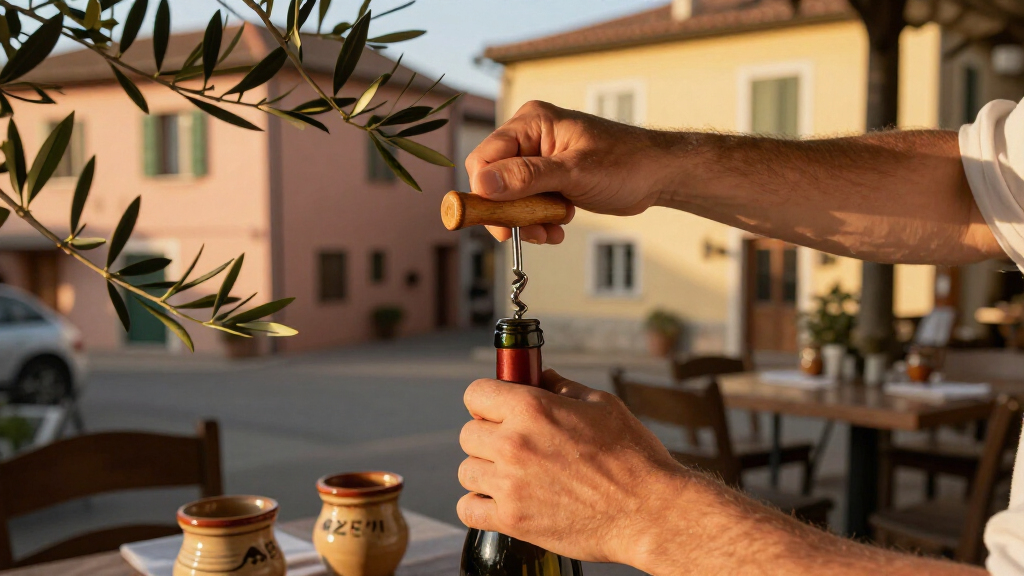
Prosecco wine bottle with sediment
As an affiliate, we earn on qualifying purchases.
As an affiliate, we earn on qualifying purchases.
See the Prosecco Family at a Glance
Prosecco Is Not One Thing: Understanding Valdobbiadene, Cartizze, and Col Fondo becomes easier when you compare place, method, and likely flavor side by side. DOC, DOCG, Rive, and Cartizze describe geographical levels. Col Fondo crosses that ladder because it describes how a wine was fermented and presented.
| Label clue | What it identifies | What you may taste | Useful buying cue |
|---|---|---|---|
| Prosecco DOC | Broad area across Veneto and Friuli-Venezia Giulia | Pear, apple, peach, citrus, white flowers | Check Brut versus Extra Dry before buying |
| Conegliano Valdobbiadene DOCG | Hilly zone between Conegliano and Valdobbiadene | Brighter acidity, finer bubbles, longer finish | Look for producer, vintage, and dosage details |
| Rive | One of 43 recognized communes or localities | More site-specific fruit, herbs, minerals, or savory notes | Read the place named after Rive di or Rive de |
| Cartizze DOCG | Approximately 107 hectares near Santo Stefano, Saccol, and San Pietro di Barbozza | Ripe pear, peach, apricot, citrus blossom, almond | Check sweetness because traditional Dry is fairly sweet |
| Col Fondo or Sui Lieviti | Bottle refermentation with contact with retained lees | Apple skin, lemon, bread dough, herbs, savory yeast | Choose whether to pour clear or mix the sediment |
The table also shows why higher classification and different method are not synonyms. A Rive may be tank-fermented and brilliantly clear. A Col Fondo may come from DOC land, DOCG hills, or another permitted northeastern Italian origin, depending on the bottle. Read every full designation instead of stopping at the largest word on the front label.
Imagine choosing wine for a summer lunch near Treviso. An inexpensive Prosecco DOC Brut can be ideal with fried zucchini flowers because its clean fruit and active bubbles cut through the batter. For a slower dinner, a named Rive may reward a white-wine glass and ten quiet minutes, revealing lemon peel, meadow herbs, and a stony finish.
The contrast is not cheap versus worthy. It is simple pleasure versus greater specificity. Tank fermentation suits aromatic Glera very well, while hillside fruit and longer lees contact can add layers. A careful DOC producer can outperform a careless DOCG producer, because farming, yields, timing, and cellar work still matter after the appellation rules have done their part.
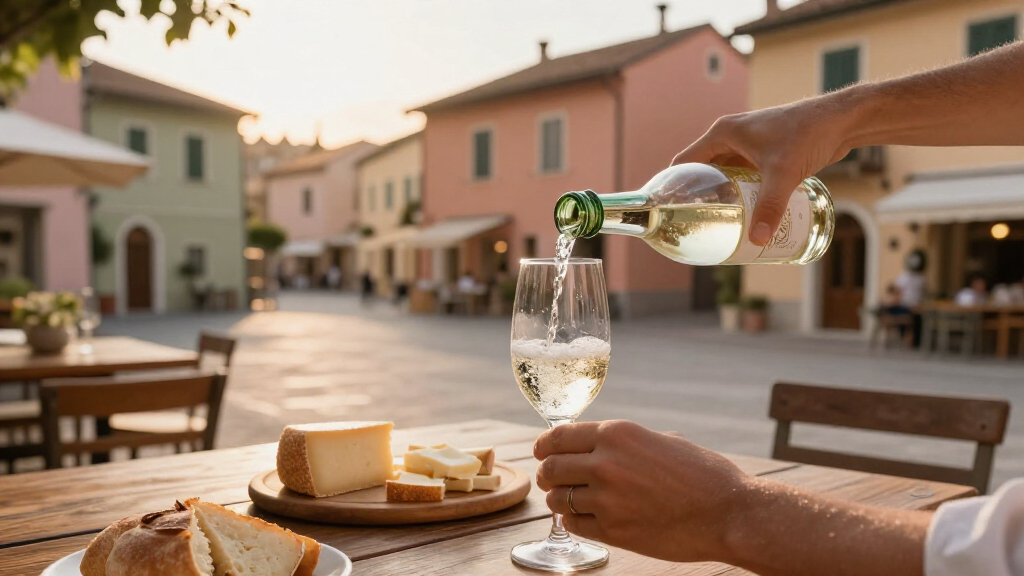
Find More Character in Valdobbiadene and the 43 Rive
Prosecco Is Not One Thing: Understanding Valdobbiadene, Cartizze, and Col Fondo leads many drinkers toward Valdobbiadene for greater site detail. Its hills can produce wines with vivid acidity, persistent bubbles, and clearer vintage differences, but the name promises a specific origin and stricter rules rather than automatic greatness.
The DOCG zone runs through the folded green country between Conegliano and Valdobbiadene. Conegliano has long ties to wine education and research, while Valdobbiadene sits near many of the steepest vineyard sites. On some slopes, machinery cannot work safely, so crews harvest by hand and carry crates through narrow rows. More labor and lower speed help explain the higher cost.
For more precision, look for Rive followed by a place name. The appellation recognizes 43 Rive, a local word associated with steep hillsides. These wines come from one named commune or locality, use hand-harvested grapes, follow reduced yield limits, and carry a declared vintage under DOCG production rules [2].
Suppose you taste two Rive bottles from the same year. One from a cooler, less exposed slope might suggest green apple, lemon, and mountain herbs; another from a warmer site might lean toward yellow pear and peach. Producer choices still shape the result, yet the place name gives you something concrete to revisit. It turns tasting from a vague quality contest into a map you can learn.
That map becomes useful when planning a trip. Drive the roughly east-to-west route from Conegliano toward Valdobbiadene, stop where the roads tighten, and watch broad fields give way to vineyard folds that look stitched into the hills. Ask producers about slope exposure, harvest date, and dosage. Those three answers often tell you more than a decorative label or the word Superiore.
Superiore is an origin and classification term, not a sweetness level and not a guarantee that every DOCG bottle will beat every DOC bottle.
At home, give a serious Rive a little room. Serve it at about 8–9°C rather than ice-cold, and use a small white-wine glass. A narrow flute displays bubbles, but the wider bowl lets apple blossom, citrus peel, and the wine’s savory hillside character rise toward you.
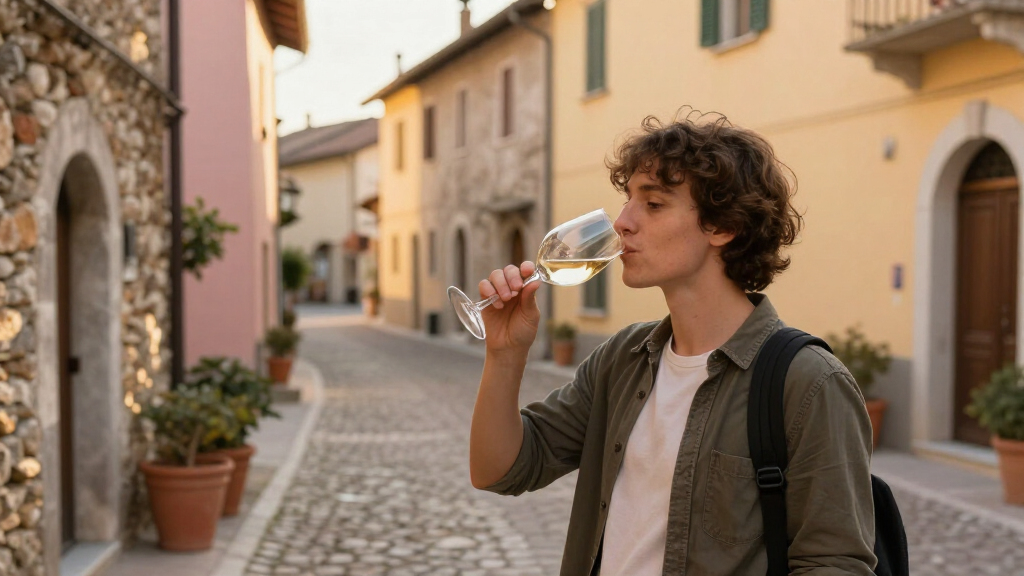
Know What You Are Paying for in Cartizze
Cartizze is a tiny geographical subzone within the Valdobbiadene hills, not a grape, production method, or synonym for dry Prosecco. Its approximately 107 hectares surround Santo Stefano, Saccol, and San Pietro di Barbozza, where favorable exposures help Glera ripen with generous fruit and texture.
Scarce land, steep slopes, manual vineyard work, and limited production make a prized Cartizze more expensive than ordinary DOC bottlings. The price reflects a rare place, though rarity does not dictate your personal preference. If you love lean acidity and almost no sugar, a taut Rive Extra Brut may suit you better than a traditional Cartizze Dry.
The word Dry is the trap. On sparkling-wine labels, Dry sits on the sweeter side, above Extra Dry and Brut in residual sugar. Traditional Cartizze often uses that richer category, pairing ripe pear, peach, apricot, citrus blossom, almond, and gentle herbal notes with enough acidity to keep the wine from feeling heavy.
Think of a September lunch in the hills. A chilled glass of Cartizze Dry arrives beside a slice of pear crostata, its pastry edges browned and buttery. The wine echoes the baked fruit, while its bubbles lift the custard and crust. With a savory course, try it beside Gorgonzola DOP; sweetness softens the cheese’s salty blue bite.
Brut and lower-dosage Cartizze bottlings also exist. That choice shifts the balance toward citrus, herbs, and mineral or savory detail, so read the sweetness category instead of assuming every Cartizze tastes alike. This is antithesis in a glass: lush fruit, firm lift; famous name, individual producer.
When serving dessert, keep the basic pairing rule in view: the wine should taste at least as sweet as the food. Very sugary cake can make Cartizze seem thin, while a restrained fruit tart lets it glow. Pastries may contain wheat, eggs, milk, or nuts, and blue cheese contains milk, so flag those allergens when serving guests.
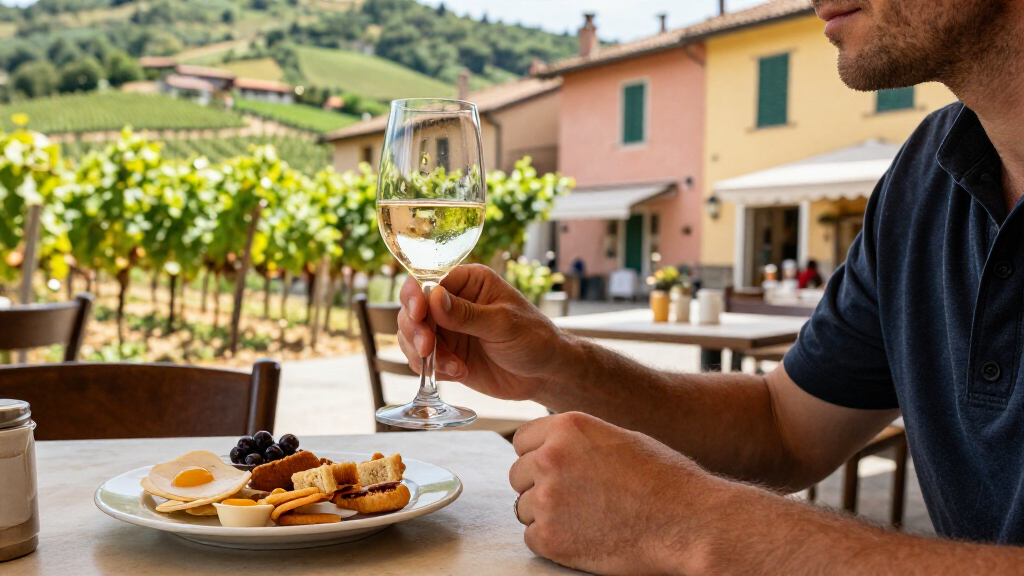
Choose the Col Fondo Pour You Actually Want
Prosecco Is Not One Thing: Understanding Valdobbiadene, Cartizze, and Col Fondo reaches its clearest contrast with Col Fondo, meaning with the sediment. The final fermentation occurs in the bottle, and the spent yeast remains rather than being removed through disgorgement and filtration.
The result often looks cloudy and tastes markedly drier than mainstream Prosecco. You may find bread dough, biscuit, apple skin, lemon, and herbs, carried by gentler bubbles and a savory finish. The sediment is intentional, not dirt, and properly made Col Fondo is not faulty simply because you cannot see through it.
Col Fondo and pét-nat overlap, but they are not perfect synonyms. Pét-nat is a broad contemporary term, often used for wine bottled before its first fermentation finishes. Col Fondo belongs to a northeastern Italian tradition and may involve ancestral fermentation, a separate bottle refermentation, or another producer-specific sequence. Check the technical sheet when method matters to you.
Inside Conegliano Valdobbiadene DOCG, Sui Lieviti means on the lees and gives bottle-refermented wines a formal designation linked to this tradition. Col Fondo itself remains less uniform across producers and appellations. The label should tell you the geographical designation, pressure level, vintage, and formal style; the producer can explain fermentation and residual sugar.
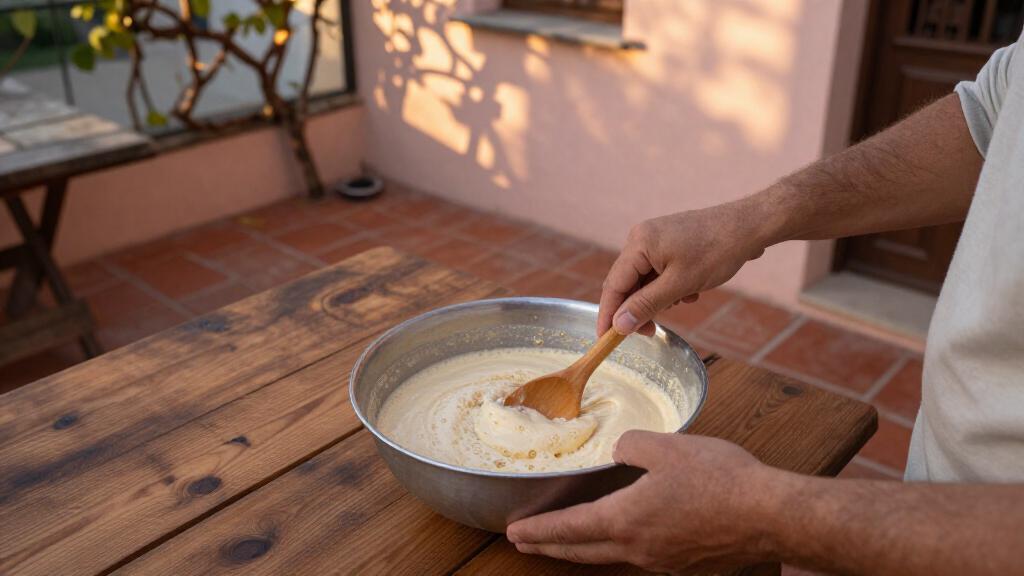
You also control the final texture. For a clearer first glass, stand the bottle upright, chill it well, and pour slowly so the pale sediment stays near the bottom. For a fuller, yeastier glass, gently invert the closed bottle once or twice. Do not shake it, since pressure and suspended solids can produce a foamy rush when opened.
At a table in the Veneto countryside, Col Fondo makes sense beside sopressa Vicentina DOP, aged cheese, roast chicken, or crisp fried polenta. Its acidity cuts fat, while the yeasty flavor meets cured meat and toasted crust on equal ground. It behaves less like a neutral party sparkler and more like a rustic, food-minded wine.

Yeast sediment is generally safe to drink, but keep an opened bottle refrigerated under a sparkling-wine stopper and finish it within one or two days for the best pressure and flavor.
Decode Sweetness, Bubbles, and Vintage Before You Buy
A Prosecco label becomes manageable when you read it in a fixed order: origin, place detail, sweetness, bubbles, and method. Each term answers a different question. Following the same sequence every time keeps words such as Superiore, Extra Dry, and Sui Lieviti from blurring together.
- Find the full appellation. Prosecco DOC covers the broad zone, while Conegliano Valdobbiadene Prosecco Superiore DOCG points to the hills. Cartizze names the small subzone.
- Look for smaller place names. Rive di or Rive de followed by a locality identifies one of 43 recognized hillside origins. A vintage should appear with a Rive.
- Read the sweetness term literally by legal order. Brut Nature is driest, followed by Extra Brut, Brut, Extra Dry, Dry, and Demi-Sec.
- Check the bubble level. Spumante means fully sparkling, frizzante means gentler pressure, and tranquillo means still. The last style is uncommon.
- Identify the fermentation clue. Col Fondo or Sui Lieviti points toward bottle refermentation and lees contact; most conventional Prosecco uses pressurized tanks.
Sweetness causes the most mistakes. Brut Nature generally contains 0–3 grams per liter of residual sugar, Extra Brut 0–6, and Brut less than 12. Extra Dry usually sits at 12–17, while Dry reaches 17–32 grams per liter. A shopper asking for dry Prosecco will often be happier with Brut or Extra Brut than with a bottle legally labeled Dry.
Bubble terms change the drinking experience too. Spumante has firmer pressure and a lively stream of bubbles, useful when you want a bright aperitivo. Frizzante feels softer and often suits Col Fondo, where the lees and apple-skin flavors carry more of the conversation. Tranquillo has no sparkle, showing how far the family of wines extends beyond the familiar party bottle.
Vintage offers another clue. Most large-volume Prosecco aims for consistency and may be non-vintage, while Rive must declare a year. Heat, rain, hail, and harvest timing can change acidity and ripeness from one season to the next. A vintage date is not proof of quality, but it gives you a reference point for comparing sites and producers.
Do not mistake pink color for Valdobbiadene origin. Prosecco DOC Rosé began with the 2020 vintage, combining Glera with Pinot Nero and requiring extended second fermentation compared with standard DOC practice. It belongs to Prosecco DOC, not Cartizze or Conegliano Valdobbiadene DOCG. That small line of text matters more than the rosy glow.
Serve Each Style So Its Best Flavors Reach the Glass
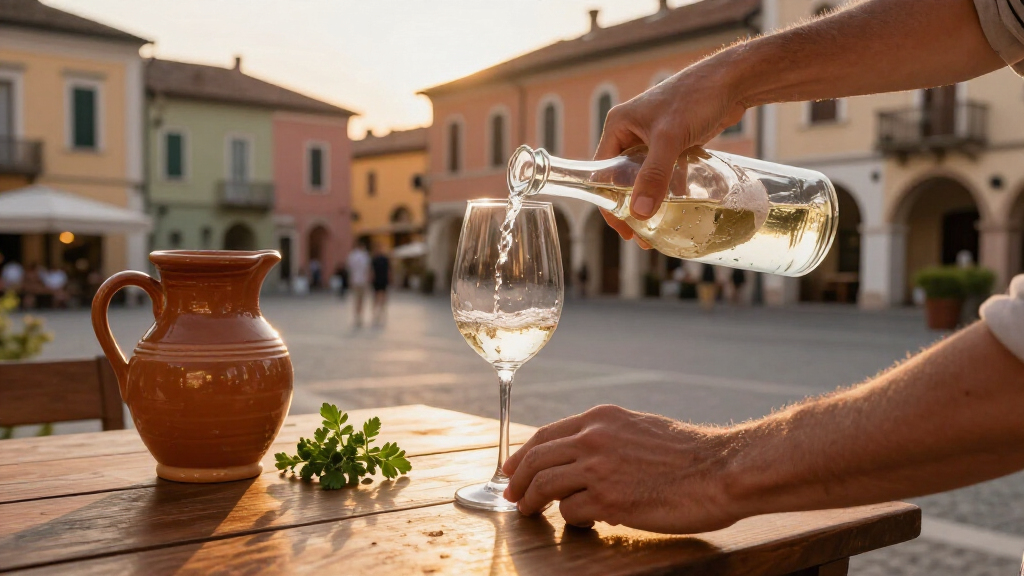
Serve clear Prosecco at roughly 6–9°C, but keep detailed Rive and Col Fondo closer to the warmer end so their aromas remain expressive. Use a white-wine glass when flavor matters more than a dramatic tower of bubbles; its wider bowl releases pear, flowers, herbs, and yeast.
Temperature works like a dimmer switch. At refrigerator-cold levels, bubbles feel sharp and fruit seems tight. As the wine warms by a few degrees, aroma and texture become brighter, much as butter softens enough to reveal its full flavor. Too warm, though, and the wine loses snap while pressure escapes faster.
- Brut Prosecco DOC: pair it with seafood, sushi, light antipasti, or fried vegetables. Lemon-bright acidity and bubbles clear oil from your palate.
- Extra Dry: try prosciutto, a mildly spicy dish, or an appetizer with peach or pear. Its small amount of extra sweetness settles chili heat.
- Rive or DOCG Brut: serve with risotto, grilled fish, or roast poultry. Greater acidity and site detail can stand beside a full plate.
- Cartizze Dry: choose fruit pastries, blue cheese, or spicy food. Ripe flavors and residual sugar meet salt, fruit, and heat.
- Col Fondo: bring out salumi, aged cheese, fried polenta, or roast chicken. Savory lees echo browned crust and cured meat.
For a concrete tasting, pour three 75-milliliter servings: Prosecco DOC Brut, a Valdobbiadene Rive, and Col Fondo. Taste them from the same type of glass. Note fruit, sweetness, bubble texture, and finish before checking the labels again. The exercise makes origin and method feel tangible within fifteen minutes.
Handle food carefully as well as wine. Keep seafood and cooked poultry properly chilled before serving; poultry should reach an internal temperature of 165°F or 74°C. Sushi and seafood may contain fish, shellfish, soy, or sesame, while fried dishes can contain wheat, eggs, or shared-fryer traces. Cheese and pastry commonly add milk, nuts, wheat, or eggs.
Prosecco contains alcohol and is for adults only. Offer water, food, and nonalcoholic choices, pour modest tasting amounts, and drink responsibly. Re-seal leftovers with a proper sparkling-wine stopper, refrigerate promptly, and avoid opening a warm bottle that has been shaken. Cold wine holds pressure more calmly and keeps its bubbles longer.
Frequently Asked Questions
Is Valdobbiadene better than ordinary Prosecco?
Valdobbiadene usually represents a more demanding hillside origin with stricter DOCG rules, greater labor needs, and more potential for site character. It does not guarantee that every bottle will outperform a careful Prosecco DOC. Compare the producer, sweetness, vintage, and method as well as the appellation.
Is Cartizze a grape, and why does it cost more?
Cartizze is a geographical subzone, not a grape; Glera remains the principal variety. Its roughly 107 hectares, scarce land, steep slopes, and manual work limit supply and raise costs. Traditional Cartizze often tastes richly fruity and noticeably sweet, though Brut versions exist.
Is Col Fondo the same as pét-nat?
Col Fondo and pét-nat overlap, but the terms are not exact synonyms. Col Fondo belongs to a northeastern Italian bottle-refermentation tradition with retained yeast, while pét-nat broadly describes wine bottled before fermentation has finished. Ask about the exact fermentation sequence if technical method matters to you.
Is the sediment in Col Fondo safe to drink?
The sediment is generally safe and consists mainly of spent yeast and natural wine solids. It adds a cloudier appearance, fuller texture, and stronger bread-dough flavor. Keep the bottle upright for a clearer pour, or gently invert it while closed to distribute the lees.
Which Prosecco style is the driest?
Brut Nature is the driest category, followed by Extra Brut and Brut. Extra Dry is sweeter than Brut, and Dry is sweeter again, despite what those names suggest. For a lean aperitivo with seafood or fried vegetables, start with Extra Brut or Brut.
Can Valdobbiadene, Cartizze, or Col Fondo age?
Most Prosecco is made for early drinking, when its fruit and floral aromas remain vivid. Well-made Rive, Cartizze, and bottle-refermented wines can gain savory, nutty, or lees-derived character over several years, but potential varies by producer and vintage. Do not age a bottle based on the word Prosecco alone.
Conclusion
Your best move is simple: read every Prosecco bottle on two tracks. Find the place first, then find the method. Valdobbiadene tells you that the grapes came from the DOCG hills, Cartizze narrows the map to about 107 hectares, and Col Fondo tells you to expect bottle refermentation and retained lees.
On your next wine-shop visit, place a DOC Brut, a named Rive, and a Col Fondo side by side. Check their sweetness before chilling them, then pour all three into white-wine glasses with a plate of regional cheese or fried polenta. In those three glasses, Prosecco stops being one anonymous fizz and becomes what it has always been: a landscape, a method, and a choice.
Halloween Picks
halloween
As an affiliate, we earn on qualifying purchases.