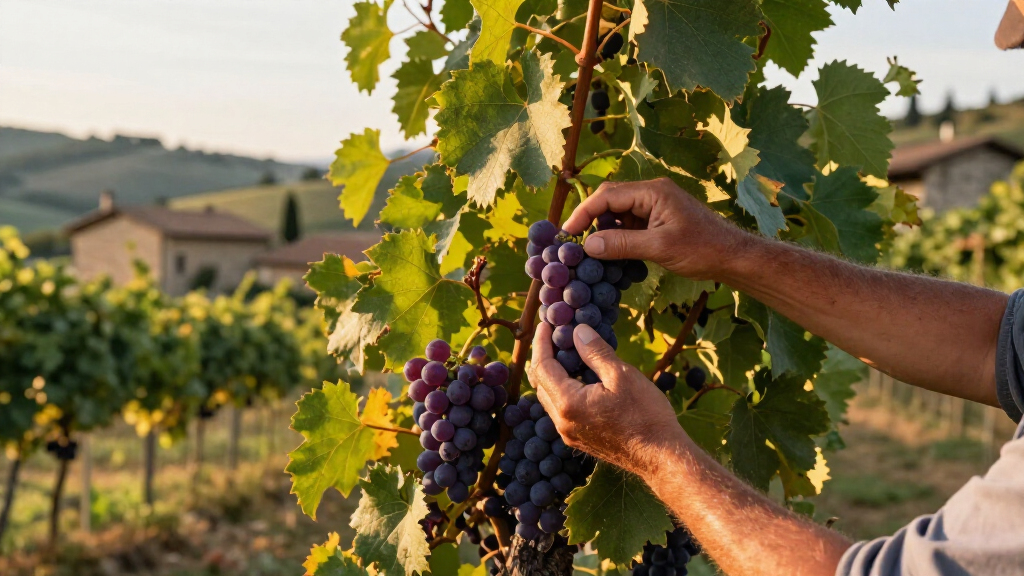
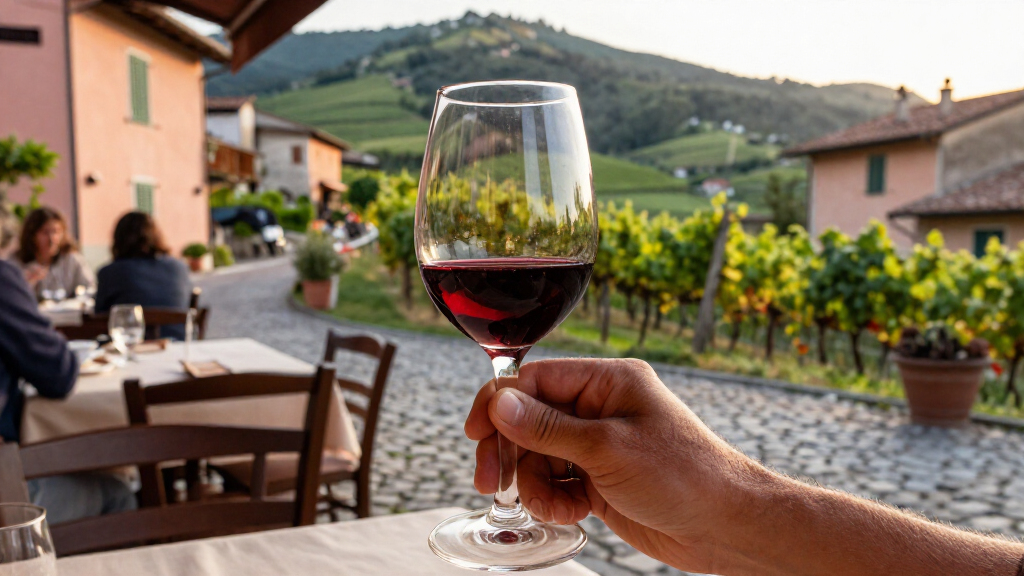
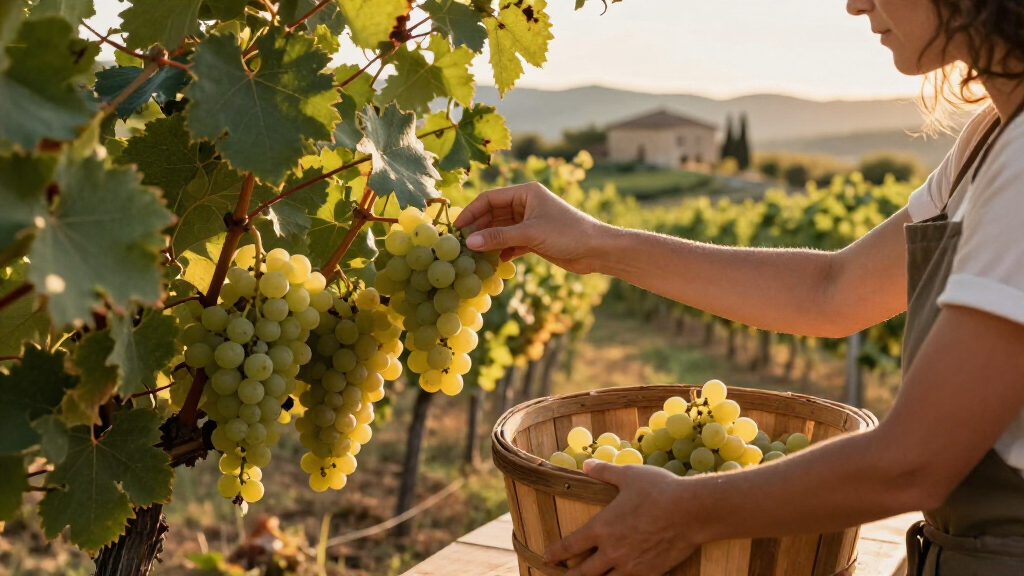
La vendemmia is Italy’s annual grape harvest, usually running from August through October, with some late picking in November. You can experience it through winery visits, supervised picking, cellar tours, seasonal meals, and village festivals, but dates vary by region, grape, altitude, weather, and wine style.
A vineyard can wait all year for a decision that takes one cool morning to carry out. When the call comes, scissors flash between the leaves, tractors begin humming before breakfast, and crates of warm, dusty grapes disappear toward the cellar. This is la vendemmia, Italy’s grape harvest, and its timing can shape the freshness, aroma, color, and structure of the wine eventually poured into your glass.
For you, harvest season offers far more than a photogenic walk among vines. It reveals how Italy’s agricultural and cultural calendar works at ground level: families return to old vineyards, seasonal crews race approaching rain, restaurants cook richer autumn dishes, and villages hold festivals tied to local grapes. The romance is real, but so are the forklifts, sharp tools, slippery floors, and sleepless cellar teams.
This guide shows you when vendemmia happens, how producers choose the picking date, and where to experience it from Franciacorta to Mount Etna. You will also learn what a winery visit may include, how to tell a genuine educational experience from a staged activity, and what to pack. The goal is simple: help you arrive as a welcome guest who understands the work behind the wine.
At a glance
La Vendemmia Is Coming: Where to Experience It
Key insight
An Italian winery may harvest neighboring vineyard parcels on different days because each block reaches its preferred balance of sugar, acidity, flavor, and skin maturity at a different moment.
Key takeaways
1
Plan broadly for September or early October, then refine your dates around the region, grape variety, altitude, and intended wine style.
2
Ask a winery whether its vendemmia program includes active picking, a demonstration, cellar access, or only a seasonal meal.
3
Choose Tuscany for an accessible first visit, Piedmont for later harvest and autumn food, Sicily for early and volcanic landscapes, or northern regions for mou…
4
Reconfirm every harvest appointment shortly before arrival because rain, heat, ripeness, labor, and cellar capacity can change the schedule.
5
Wear closed shoes, respect restricted work areas, disclose food allergies, and treat wine tasting as an adults-only, drink-responsibly activity.
Step by step
1
Plan a Harvest Visit That Feels Real, Not Staged
A rewarding vendemmia visit starts with direct questions and flexible expectations.
La Vendemmia Is Coming: What Italy’s Grape Harvest Means and Where to Live It
Italy • Annual Grape Harvest
La Vendemmia Is Coming
One cool morning can decide the fate of a vineyard’s entire year. Italy’s harvest turns ripeness into action—bringing cutters, tractors, cellar teams, seasonal meals, and village traditions together around the grapes.
Core window: August–OctoberLate picking: NovemberBest broad visit: September–early October
The central decisionWhen to pick
Sugar, acidity, flavor, skin maturity, weather, labor, and cellar capacity must align.
One vineyardMany dates
Neighboring parcels can be harvested days apart because exposure, altitude, and ripeness differ.
Visitor realityWork first
The romance is genuine, but so are sharp tools, forklifts, slippery floors, and sleepless teams.
Typical span3 months
August through October
Safest travel windowSep–Oct
Then refine by place and grape
ReconfirmDays ahead
Weather can reset the plan
Golden ruleStay flexible
The grapes set the schedule
01 • The picking equation
What the grapes are saying
Harvest is the doorway between a year of farming and the work of the cellar. Producers taste berries, chew skins, inspect seeds, measure the juice, search for disease, and study the forecast before making the call.
Chemistry
Sugar
Rising sugar points toward potential alcohol and signals advancing ripeness.
Freshness
Acidity & pH
Earlier fruit often preserves the brightness prized in traditional-method sparkling wine.
Texture
Skin & seeds
Color, tannin, aroma, and flavor maturity matter especially for structured red wines.
Risk
Forecast
Heat can accelerate ripening; rain may trigger a rapid pick or a pause while fruit dries.
“The calendar advises, but the grapes make the argument.”A south-facing Sangiovese parcel may be ready while a cooler, higher row still needs several days.
02 • The moving calendar
Italy does not harvest all at once
Latitude, altitude, variety, wine style, and weather pull the schedule in different directions. Even Sicily can contain dramatically different harvest seasons.
Early season
August
Western Sicily whites and grapes intended for fresh sparkling styles may begin while summer heat still dominates.
Peak activity
September
Tuscany, Lombardy, Veneto, central Italy, and many coastal sites enter their busiest period.
Later sites
October
Nebbiolo in Piedmont, high vineyards, inland zones, and Mount Etna can remain active.
Special cases
November
Some late-harvest fruit remains, but this is a targeted opportunity rather than a national norm.
Earlier ≠ better
Sparkling-wine grapes may be picked early for acidity. Nebbiolo may stay longer for aromatic and tannic development. The intended wine style changes the ideal moment.
03 • Choose your landscape
Where to live la vendemmia
Select a region by travel date, favorite wine style, desired scenery, and the level of visitor activity. Appointments remain essential at working estates.
Region
What you may see
Best fit
Timing signal
Tuscany
Sangiovese in Chianti Classico, Montalcino, and Montepulciano
First visit Agriturismi, vineyard lunches, and accessible cellar tours
September into October
Piedmont
Later Nebbiolo picking across the Langhe, Roero, and Monferrato
Autumn food Barolo, Barbaresco, hazelnuts, and Alba truffle culture
Often later, especially October
Veneto
Valpolicella grapes selected and laid in drying rooms for appassimento
Technique Travelers curious about Amarone’s drying process
Varies by site and style
Sicily
Early western harvests or high volcanic terraces on Mount Etna
Contrast Indigenous grapes, warm weather, and volcanic scenery
August west; later at altitude
Lombardy
Early Franciacorta fruit or handwork on Valtellina’s steep terraces
Drama Sparkling wine or demanding mountain vineyards
Early sparkling; extended at elevation
Friuli-Venezia Giulia
Hillside harvests in Collio and Friuli Colli Orientali
White wine Expressive whites and borderland food culture
September is a useful broad target
Umbria & Marche
Sagrantino near Montefalco or Verdicchio around Jesi
Fewer crowds Rolling hills and a quieter wine-country rhythm
September into October
04 • Read the experience
Real access or staged activity?
Both can be enjoyable, but they are not the same. Ask direct questions before booking so the experience matches your expectations—and the winery’s working reality.
Educational access
Signs of substance
The estate explains whether you will pick, observe, or watch a demonstration.
A guide discusses ripeness, parcel selection, safety, and current cellar work.
Restricted zones are clearly defined during active production.
The itinerary can change when weather or grapes require it.
Visitor theater
Questions to clarify
Is the “harvest” a prepared photo opportunity rather than active picking?
Does the package include cellar access or only a seasonal meal?
Are the grapes connected to current production or supplied for visitors?
Will technical questions be answered by vineyard or cellar staff?
Ask before paying
“Will we participate in active picking, see a demonstration, enter the working cellar, or attend only a harvest-themed meal?”
05 • Traceability
From vineyard decision to your glass
Harvest defines the condition of the fruit entering the winery. It matters enormously, but weather, farming, fermentation, aging, and blending complete the story.
01
Monitor
Taste berries, measure maturity, inspect health, and watch weather.
02
Pick
Select the parcel, crew, method, and coolest practical working window.
03
Sort
Move fruit quickly, remove damaged bunches, and protect quality.
04
Transform
Press or crush, ferment, extract, and choose the vessel.
05
Shape
Age, blend, bottle, and reveal the vintage in the finished wine.
06 • A changing harvest
Tradition meets precision
Earlier ripening, extreme weather, labor pressure, and uneven vineyard conditions are changing how estates prepare. The bars show relative strategic importance—not measured national percentages.
Parcel-by-parcel dataVery high relevance
Sensors, forecasts, satellite imagery, and repeated sampling help manage uneven ripening.
Soil and water resilienceHigh relevance
Moisture retention, efficient irrigation where permitted, and healthier soils reduce stress.
Higher or cooler sitesGrowing response
Altitude, orientation, canopy choices, and reconsidered varieties can slow ripening.
Selective mechanizationContext dependent
Machines bring speed, but steep terrain, vineyard design, rules, and quality goals can limit them.
Hand harvestingEssential in key sites
Especially important for delicate bunches, steep slopes, prestige parcels, and careful selection.
07 • Arrive as a welcome guest
Book smart. Pack safely.
Reserve the opportunity, then let weather hold the wheel. Contact the estate two to four weeks before arrival and reconfirm several days ahead.
Wear
Closed shoes
Choose sturdy soles, practical layers, sun protection, and clothes that can handle dust or grape juice.
Respect
Working zones
Follow staff instructions around tractors, blades, presses, wet floors, tanks, and moving equipment.
Confirm
Food & transport
Disclose allergies, arrange a sober driver, and treat tastings as adults-only, drink-responsibly activities.
1
The most useful mindset: plan broadly, confirm narrowly, and expect the schedule to move. A genuine harvest visit follows the needs of the grapes—not the convenience of the brochure.
What La Vendemmia Reveals About the Wine in Your Glass
La vendemmia is Italy’s annual grape harvest, but it also marks the moment when a year of vineyard work becomes a cellar decision. Picking time helps determine the character of the wine: earlier fruit can retain bright acidity, while longer ripening may bring deeper color, softer tannins, and richer flavors.
Imagine two rows of Sangiovese outside Montalcino after a hot September. One parcel faces south and tastes of ripe cherry; another sits higher, catches cooler wind, and still has firm skins. A careful producer may pick the first row today and leave the second for several days. The calendar advises, but the grapes make the argument.
Winemakers taste berries and measure sugar, acidity, and pH. They chew skins, inspect seeds, check for rot, and study the forecast. Grapes for Franciacorta’s traditional-method sparkling wines often come in earlier because producers want freshness. Nebbiolo in Piedmont commonly stays on the vine later, building the aromatic and tannic structure associated with Barolo DOCG and Barbaresco DOCG.
The harvest shapes quality, but it cannot rescue an entire growing season. Spring frost may reduce the crop before flowering. Hail can scar bunches in minutes, while summer drought may leave berries small and concentrated. Cellar choices matter too: fermentation temperature, extraction, vessel, aging, and blending all guide what happens next.
Harvest is a doorway, not the whole house. It determines the condition of the fruit entering the winery, while weather, farming, and cellar work build the finished wine around it.
When to Arrive So You Actually See Grapes Being Picked
La vendemmia is usually underway from August through October, with a few late-harvest grapes remaining into November. Your safest general travel window is September through early October, but no single week covers Italy because latitude, altitude, grape variety, weather, and wine style pull the schedule in different directions.
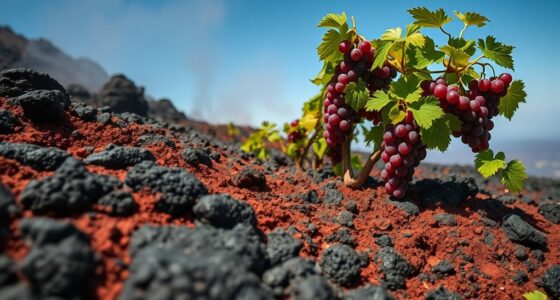
Western Sicily may begin harvesting white grapes in August, when the afternoon air still shimmers above the road. On Mount Etna, elevation slows the clock; grapes growing on dark volcanic terraces can remain outside much later. It is a striking antithesis: one island, two harvest seasons.
In Lombardy, Franciacorta DOCG producers pick Chardonnay and Pinot Nero relatively early to preserve the acidity needed for sparkling wine. Farther north and east, vineyard elevation can stretch the calendar across several weeks. In Valtellina, crews carry Nebbiolo, locally called Chiavennasca, from steep stone terraces where ordinary machinery has little room to move.
Piedmont rewards an October visit because the later Nebbiolo harvest overlaps with hazelnuts, cool evenings, and the white-truffle season around Alba. Yet a date that worked last year may miss the action this year. Heat can accelerate ripening, while rain can push a winery to pick quickly or pause until the fruit dries.
Book the region first, then ask the estate about its likely window two to four weeks before arrival. Confirm again several days ahead. Treat the date like a sailing trip: you reserve the opportunity, but weather still holds the wheel.
Choose the Italian Harvest Region That Fits Your Trip
La vendemmia is best experienced in a region that matches your dates, preferred wines, and appetite for visitor activity. Tuscany offers an easy first visit, Piedmont pairs late harvests with autumn food, Sicily spans early coastal picking and later volcanic vineyards, while northern mountain regions offer dramatic scenery and demanding terrain.
Region
What you may see
Best fit for your trip
Tuscany
Sangiovese harvests in Chianti Classico DOCG, Brunello di Montalcino DOCG, and Vino Nobile di Montepulciano DOCG
First-time visitors seeking agriturismi, cellar tours, and vineyard lunches
Piedmont
Later Nebbiolo picking in the Langhe, Roero, and Monferrato
Autumn food, Barolo and Barbaresco, hazelnuts, and Alba truffle culture
Veneto
Grapes selected for Amarone della Valpolicella DOCG and laid in drying rooms for appassimento
Travelers curious about how drying changes grapes before fermentation
Sicily
Early western harvests or later picking among Etna’s high volcanic terraces
Warm-weather trips, indigenous grapes, and strong landscape contrasts
Lombardy
Early Franciacorta fruit or labor-intensive picking on Valtellina terraces
Sparkling-wine fans or travelers drawn to mountain vineyards
Friuli-Venezia Giulia
Hillside harvests in Collio DOC and Friuli Colli Orientali DOC
Expressive white wines and a borderland food culture near Slovenia
Emilia-Romagna works beautifully when food shares equal billing with wine. A day in Lambrusco country might pair cellar activity with tortellini, Parmigiano Reggiano DOP, or traditional balsamic vinegar from Modena. The atmosphere can feel more relaxed than in heavily visited wine villages, though working wineries still require appointments.
For fewer crowds, look toward Umbria and Marche. Montefalco Sagrantino DOCG territory offers dense, tannic reds, while Verdicchio dei Castelli di Jesi DOC country brings crisp whites and rolling Adriatic hills. A traveler based near Spello could visit a Montefalco estate in the morning and eat strangozzi pasta with local olive oil that evening.
Southern Italy offers a different palette. Campania gives you Aglianico around Taurasi DOCG and vines near Mount Vesuvius; Puglia brings Primitivo and sun-baked red soils; Basilicata offers Aglianico del Vulture DOC on an extinct volcano. These regions suit you if you value indigenous grapes and working landscapes over polished tasting-room choreography.
Plan a Harvest Visit That Feels Real, Not Staged
A rewarding vendemmia visit starts with direct questions and flexible expectations. Ask whether you will enter an active vineyard, watch a demonstration, visit the crush pad, or simply attend a harvest-themed meal. Those experiences can all be worthwhile, but they are not the same activity, and the distinction protects you from disappointment.
Choose a specific wine area. Replace a broad plan such as Tuscany in September with Chianti Classico during the likely Sangiovese window.
Contact wineries or agriturismi directly. Ask what participation includes, how long it lasts, which language the guide speaks, and whether harvest changes may alter the program.
Confirm access and mobility needs. Check walking distance, slopes, stairs, mud, restroom access, and age limits for children.
Reconfirm shortly before the visit. Ripeness, rain, machinery problems, and cellar capacity can change the day’s work.
Leave room around the appointment. Avoid building a tight schedule that collapses if picking starts early or the cellar tour runs long.
Suppose you reserve a September weekend near Greve in Chianti. The estate may invite you to clip two or three supervised bunches, taste fresh must, tour the fermentation room, and sit down to ribollita and local pecorino. That is genuine hospitality and education, even if you are not joining the paid crew for an eight-hour shift.
A working harvest behaves like an airport during a storm: priorities can change quickly, and every available hand has a job. Visitors cannot expect staff to stop a press or delay incoming fruit for a tasting. Patience earns better access; entitlement closes cellar doors.
Never enter vineyard rows or touch grapes without permission. Participation is normally a guest activity unless you have a formal paid-work agreement. Italy has labor, insurance, and safety rules, and a cheerful invitation to cut one bunch does not turn a vacation into farm employment.
See How Heat, Technology, and Labor Are Rewriting Harvest
La vendemmia is moving earlier in many vineyards as hotter growing seasons speed ripening and increase weather pressure. Producers now combine inherited knowledge with sensors, detailed forecasts, satellite images, and parcel-by-parcel picking. Tradition still speaks, but data has pulled up a chair at the farmhouse table.
According to the International Organisation of Vine and Wine, climate pressure and extreme weather increasingly affect wine production patterns [1]. The European Environment Agency also identifies heat, drought, flooding, and shifting growing conditions as mounting risks for European agriculture [2]. In a vineyard, those broad trends become immediate choices: pick before a heatwave, wait for flavor, or risk losing acidity.
Growers are adapting through higher-elevation sites, shade-preserving canopy work, soil cover, drought-tolerant rootstocks, and better moisture retention. Some reconsider vineyard orientation or grape varieties. This works well when land, appellation rules, and finances allow it; a centuries-old terraced site cannot simply march uphill.
Mechanization also changes the sound of harvest. A machine harvester can cover ground quickly at night, when cooler grapes reach the winery with less oxidation and require less chilling. Yet steep slopes, narrow terraces, old vines, and selection standards often favor hand picking. In Valtellina or parts of the Cinque Terre, human hands remain more adaptable than a large machine.
Hand harvesting is not automatically superior, and machine harvesting is not automatically careless. The right choice depends on terrain, vineyard layout, timing, cost, and the intended wine. A fast machine picking healthy fruit before heavy rain may protect quality better than a crew arriving two days late. Precision matters more than nostalgia.
Pack and Behave Like a Guest the Vineyard Wants Back
You should arrive at vendemmia dressed for farm work, prepared for changing weather, and ready to follow instructions. Wear closed shoes with solid grip, light layers, sun protection, and clothes that can collect dust or grape juice. Bring water, but keep food and personal items away from processing areas.
Closed shoes: Vineyard soil can be rocky, muddy, or steep, while cellar floors may become wet.
Layers and sun protection: September mornings can feel cool before warm afternoon sun settles over the rows.
Work gloves only when supplied or approved: Loose or unsuitable gloves can make pruning shears harder to control.
A small washable bag: Keep it out of tractor paths, loading areas, and rooms where grapes are processed.
Patience: A harvest schedule follows fruit and weather, not your lunch reservation.
Families should ask about age limits before booking. A child may love tasting a sweet Sangiovese berry and watching grapes tumble into a bin, but active sites contain sharp shears, moving tractors, hoses, insects, and slippery surfaces. A harvest festival or guided demonstration may suit young children better than a crush-pad visit.
Freshly pressed grape must tastes cloudy, floral, and intensely sweet, but it is a perishable product that can begin fermenting quickly. Drink it only when the host offers it safely. If you take pasteurized must home, follow the producer’s storage directions; once opened, keep it at 40°F or below and use it promptly.
Harvest meals may contain milk, eggs, wheat, nuts, or fish, depending on the regional menu. Wine commonly contains sulfites, so discuss allergies and dietary needs when you reserve. Wine tastings are for adults of legal drinking age; sip slowly, eat, drink water, arrange a driver, and drink responsibly.
Grape stomping is usually ceremonial. Modern commercial wineries typically process fruit with controlled, hygienic equipment, so enjoy the barefoot tub as a celebration rather than a lesson in standard production.
Frequently Asked Questions
When is the grape harvest in Italy?
Italy’s grape harvest usually runs from August through October, with some late harvests continuing into November. Southern, coastal, and sparkling-wine areas often begin earlier, while northern, inland, and high-altitude vineyards may pick later. Ask the winery for its expected window and reconfirm shortly before your visit.
Can tourists actually pick grapes during vendemmia?
Some wineries and agriturismi offer supervised picking, often for a short period followed by a cellar tour or lunch. Many estates restrict access because of machinery, insurance, staffing, or food-hygiene rules. Ask whether you will join real vineyard activity or a visitor demonstration; both can be enjoyable when described honestly.
Which Italian region is easiest for a first harvest trip?
Tuscany is often the easiest first choice because Chianti Classico, Montalcino, Montepulciano, Bolgheri, and the Maremma have many visitor-friendly estates and agriturismi. Piedmont suits you if you prefer a later trip with Nebbiolo, hazelnuts, and white-truffle season. Reserve early in either region.
Why do some Italian wineries harvest grapes at night?
Night picking keeps grapes cooler, which can help preserve acidity and delicate aromas while reducing oxidation during transport. Cooler fruit also needs less energy-intensive chilling at the winery. It works best in vineyards that are safe and accessible after dark; steep terraces may still require daylight and hand labor.
Does an early vendemmia mean the vintage will be better?
An early harvest does not automatically signal better wine. It may reflect warm weather, rapid sugar accumulation, or a deliberate choice to retain acidity. Vintage quality also depends on healthy fruit, balanced ripeness, yields, rainfall, disease pressure, and careful cellar work.
Can I arrive at a winery without a reservation during harvest?
You should not rely on an unannounced visit during vendemmia. Harvest is the winery’s busiest and most safety-sensitive period, and staff may be receiving fruit or managing fermentations. Book directly, state your interests, and accept that weather or ripeness may change the program at short notice.
Conclusion
Choose one place, one grape, and one honest experience. A supervised hour clipping Sangiovese in Chianti Classico, watching Corvina enter an appassimento drying room in Valpolicella, or tasting Nebbiolo berries in the Langhe will teach you more than racing through five anonymous tasting rooms. Book directly, ask precise questions, and let the estate’s real harvest schedule guide the day.
Remember that vendemmia belongs to the growers and cellar crews before it belongs to visitors. Arrive with sturdy shoes, curiosity, and respect for the work. Then listen: the snip of shears, the rattle of crates, and the low mechanical growl from the cellar are the sounds of next year’s wine beginning.
Wie vulkanischer Boden den Weinen von Ätna ihre feurige Persönlichkeit verleiht
Unter dem vulkanischen Boden des Ätna verbirgt sich ein feuriges Geheimnis, das die lebendige Säure und die mineralische Komplexität seiner Weine prägt—entdecken Sie, wie dieses Terroir ihren kühnen Charakter entfacht.