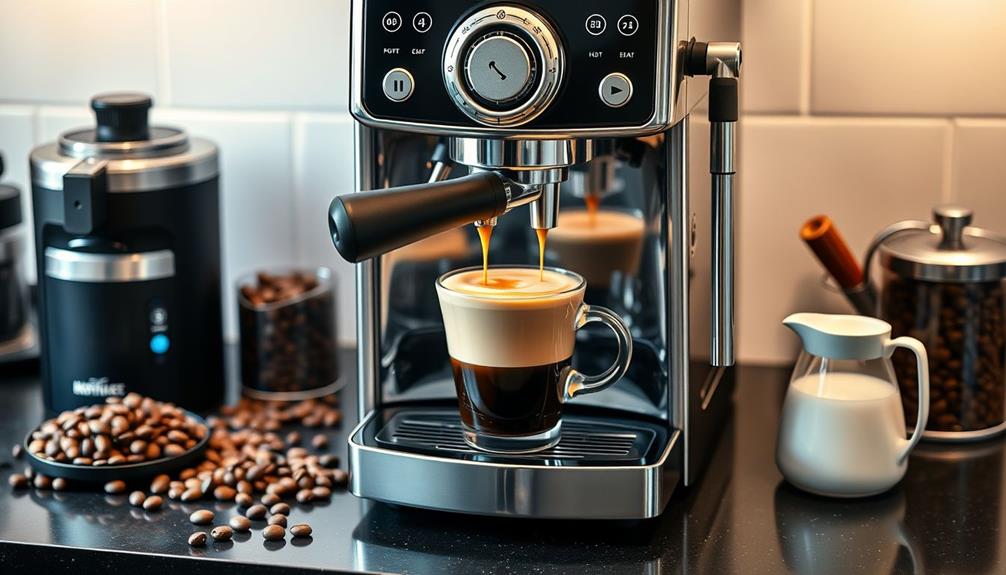

A semi auto espresso machine gives you manual control over the shot while automating temperature and pressure, which is why this category appeals to everyone from first-time home baristas to serious coffee hobbyists. The Breville Barista Express Impress (BES870XL series sibling) earns my best overall pick for its assisted tamping and integrated grinder that remove the two biggest beginner pain points. The Gaggia Classic Evo Pro stands out as the enthusiast choice with commercial-grade parts, while the Breville Bambino is the pick if counter space and budget are tight. The main tradeoffs in this category are between built-in grinders versus separate ones, steam wand power versus convenience, and how much hands-on skill each machine demands. Continue reading for the full breakdown of all 15 machines.

Get kitchen staples and gadgets delivered free with Prime
- Fast, free delivery on millions of items
- Prime Video, Amazon Music and more included
- Member-only deals all year
Complete the kit


Key Takeaways
- Breville dominates the mid-range: five of the 15 machines are Brevilles, and the Barista Express Impress stands out because its assisted taming solves the most common cause of bitter, uneven shots.
- Machines without integrated grinders (Gaggia Classic Evo Pro, Bambino, CASABREWS models) cost less upfront but demand a separate grinder purchase, which often narrows the real price gap to nearly nothing.
- The 20-bar pumps on budget models like AIRMSEN and Arecovas are marketing numbers, not quality indicators; a stable 9-bar extraction with good temperature control matters far more.
- Touchscreen controls (AIRMSEN, Arecovas) look modern but add failure points, whereas the Gaggia’s simple rocker switches and the Bambino’s push-button dosing will likely age better.
- KitchenAid‘s two entries differ mainly in finish and capacity; the Cast Iron Black 2.5L version suits larger households, while the standard model fits single-users who want a smaller tank.


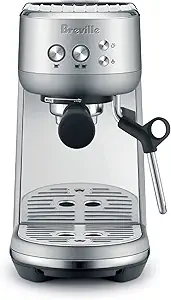


| semi auto espresso machine | Water Tank Capacity | Power |
|---|---|---|
| AIRMSEN Espresso Machine with | 61 oz | 1350W |
| Breville Barista Express Espre | 67 oz | 1600 Watts |
| KitchenAid Semi-Automatic Espr | — | — |
| De’Longhi Linea Classic Espres | — | — |
| Arecovas Espresso Machine with | 1.2L / 40 oz | 1300 Watts |
| Breville Barista Express Espre | 67 oz | 1600 Watts |
| CASABREWS 3700 Essential Stain | 43.9 oz, removable | — |
| CASABREWS CM5418 Compact Espre | 34 oz, removable | 1350 W |
| CHULUX Slim Espresso Machine w | 40 oz | 1350 watts |
| Breville Bambino Espresso Mach | — | 1560 Watts |
| Breville Barista Touch Espress | 67 oz | 1680 Watts |
| XIXUBX Espresso Machine with M | 42 oz | — |
| KitchenAid Semi-Automatic Espr | — | — |
| Gaggia Classic Evo Pro Semi-Au | — | — |
| Breville Barista Express Impre | 2 L | — |
More Details on Our Top Picks
AIRMSEN Espresso Machine with Conical Burr Grinder, 20 Bar Pressure, Milk Frothing Steam Wand, Touchscreen Control
This AIRMSEN model stands out for packing bean-to-cup convenience into a compact, budget-friendly package. The integrated conical burr grinder with 10 settings and anti-static design keeps grounds consistent and counters tidy, which puts it in direct competition with the Breville Barista Express — though the Breville’s PID temperature control gives it an edge in shot-to-shot consistency. Where the AIRMSEN holds its own is automation of the workflow: the full LED touchscreen simplifies operation, and the 20-bar pump with pre-infusion delivers solid crema for the price. The tradeoff is that the manual steam wand demands practice, and there’s no digital temperature regulation to rescue an uneven grind. Compared with the grinder-less De’Longhi Linea Classic, it saves you a separate grinder purchase entirely.
Pros:- Integrated conical burr grinder with anti-static technology for consistent, mess-free grounds
- 20-bar pump with pre-infusion extracts richer shots than standard 15-bar machines
- Compact footprint still accommodates cups up to 4.1 inches tall
- Tool-free cleaning of the steam wand and grinder
Cons:- Manual steam wand requires practice for quality microfoam
- No PID temperature control, so extraction consistency lags pricier rivals
- Steeper learning curve than fully automatic machines
Best for: Budget-minded buyers who want fresh-ground espresso without buying a standalone grinder or a premium machine
Not ideal for: Milk-drink lovers who want forgiving, automated frothing — the manual wand punishes beginners
- Pressure:20 Bar
- Power:1350W
- Grinder Type:Conical Burr (3Cr13 Stainless Steel)
- Grind Settings:10
- Water Tank Capacity:61 oz
- Control Interface:Full Touchscreen
- Dimensions:7.9″ L x 10.2″ W x 14.6″ H
- Warranty:2-Year Limited
Our verdict“This pick makes the most sense for first-time bean-to-cup buyers who prioritize an integrated grinder and touchscreen ease over temperature precision.”
Breville Barista Express Espresso Machine (BES870XL), Brushed Stainless Steel
The Breville Barista Express remains the benchmark for home semi-automatic espresso because it solves the two problems that ruin most shots: stale grounds and unstable temperature. Its integrated conical burr grinder with dose control grinds directly into the portafilter, while digital PID temperature control keeps extraction steady — a feature the AIRMSEN lacks entirely and the reason this machine justifies its premium. Compared with the De’Longhi Linea Classic, it eliminates the need for a separate grinder, and its generous accessory bundle (Razor trimming tool, milk jug, water filter) means you’re pulling shots from day one. The honest tradeoff: this is a manual craft machine. Expect a learning curve on grind size and dose, and plan on regular grinder and steam wand cleaning. Buyers wanting push-button automation should look at the Breville Barista Touch instead.
Pros:- Integrated burr grinder delivers fresh grounds directly into the portafilter
- Digital PID temperature control for consistent, repeatable extraction
- Powerful steam wand produces microfoam suitable for latte art
- Brews from beans to espresso in under a minute
Cons:- Meaningful learning curve on grind size, dose, and tamping
- Requires regular cleaning of grinder and steam wand
- Occupies more counter space than compact rivals like the Arecovas
Best for: Home baristas willing to learn manual technique in exchange for café-quality shots and fresh-ground flavor
Not ideal for: Set-it-and-forget-it drinkers who want one-touch lattes without practicing technique
- Model:BES870XL
- Power:1600 Watts
- Voltage:120 Volts
- Water Tank Capacity:67 oz
- Bean Hopper Capacity:1/2 lb
- Grinder Type:Integrated Conical Burr
- Temperature Control:Digital PID
- Warranty:1 Year Limited
Our verdict“If you want the best balance of automation, fresh grinding, and shot quality in one machine, this is the one to beat.”
KitchenAid Semi-Automatic Espresso Machine with Integrated Burr Grinder, 2.5L, Cast Iron Black
KitchenAid’s entry earns its premium role through hardware the others don’t offer: a commercial-grade 58mm portafilter with a flat tamping base and smart dosing technology that meters consistent volume for one or two shots. That larger portafilter diameter mirrors what pro cafés use, giving tamping stability the Breville Barista Express (54mm) can’t match, and the multi-angle steam wand adds flexibility the fixed wands on the AIRMSEN and Arecovas lack. The metal-clad construction and fast-heating system round out a machine built to feel permanent on the counter. The real cost is literal and physical — at 23.5 pounds and over 13 inches wide, it’s the heaviest, bulkiest option here, and buyers are paying a premium for build and dosing automation rather than dramatically better espresso than the Breville delivers.
Pros:- Smart dosing grinder delivers consistent grounds volume for one or two shots
- Commercial-grade 58mm portafilter with flat base for stable tamping
- Multi-angle steam wand offers flexibility for varied milk textures
- Fast-heating system cuts wait time before brewing
Cons:- Heavy at 23.5 pounds and large footprint for compact kitchens
- Premium price over similarly capable rivals
- Still requires manual technique despite dosing assistance
Best for: Enthusiasts who want pro-style 58mm equipment and consistent automated dosing in a durable, design-forward machine
Not ideal for: Small-kitchen renters or anyone who wants to stash the machine between uses — it’s heavy and wide
- Model:KES6551BK
- Type:Semi-Automatic Espresso Machine
- Capacity:2.5 Liters
- Wattage:1500 Watts
- Grinder Type:Integrated Burr Grinder
- Portafilter Size:58mm
- Material:Metal (Cast Iron Black finish)
- Dimensions:11″ D x 13.1″ W x 15.4″ H
- Weight:23.5 lbs
Our verdict“This model is better suited to committed hobbyists who value café-grade hardware and automated dosing over compact convenience.”
De’Longhi Linea Classic Espresso Machine with Adjustable Milk Frother
The De’Longhi Linea Classic wins the beginner slot by removing the hardest variable: grinding. Because it accepts pre-ground coffee, new users can focus purely on brewing technique, and the customizable single and double espresso presets automate shot volume for consistent results while you learn. The Thermoblock heating system reaches brewing temperature fast, and the visual pressure gauge gives real-time feedback that the touchscreen-only Arecovas doesn’t provide — a genuinely useful teaching tool. Its two-setting adjustable steam wand is more forgiving than the fully manual wands on the Breville Barista Express or AIRMSEN. The tradeoff is serious: no built-in grinder means no bean-to-cup freshness, and pre-ground espresso will never match the flavor ceiling of freshly ground shots from pricier rivals.
Pros:- Customizable single and double presets automate shot volume for beginners
- Visual pressure gauge provides real-time extraction feedback
- Thermoblock heating reaches temperature quickly with stable control
- Compact stainless design with adjustable drip tray fits tight counters
Cons:- No integrated grinder, requiring a separate purchase for fresh beans
- Manual operation still demands skill for optimal extraction
- 15-bar pump delivers less headroom than 20-bar rivals
Best for: Espresso newcomers who want preset-driven, low-cost brewing with helpful feedback while they build skills
Not ideal for: Fresh-bean purists — you’ll need a separate grinder, and the flavor ceiling is lower than bean-to-cup machines
- Model:Linea Classic
- Pump Pressure:15-bar
- Heating System:Thermoblock
- Material:Stainless Steel
- Frother Type:Adjustable Steam Wand (2 settings)
- Features:Visual Pressure Gauge, Adjustable Drip Tray, Customizable Presets
Our verdict“This option stands out for first-time buyers who value guided presets and simplicity over bean-to-cup freshness.”
Arecovas Espresso Machine with 20-Bar Pressure, Touch Screen, and Milk Frother
At just 5.2 inches wide and 2.6 pounds, the Arecovas is the space-saver of this lineup — slimmer than the AIRMSEN and far lighter than the 23.5-pound KitchenAid. Despite the tiny footprint, it packs PID temperature control and pre-infusion technology, features usually reserved for larger machines, plus dedicated buttons for single, double, and Americano shots that automate drink selection nicely. The touchscreen keeps operation intuitive for a machine this size. The compromises follow directly from the dimensions: there’s no grinder, so you’re grinding separately (or using pre-ground), and the limited cup clearance under the spout rules out taller mugs and travel cups. Compared with the similarly grinder-less De’Longhi Linea Classic, you trade the pressure gauge and preset flexibility for a much smaller footprint and PID precision.
Pros:- PID temperature control delivers consistent extraction in a mini format
- Pre-infusion reduces channeling for balanced flavor
- Ultra-compact 5.2-inch width fits nearly any counter
- Dedicated single, double, and Americano buttons simplify drink selection
Cons:- No integrated grinder, so beans must be ground separately
- Low spout clearance limits cup sizes
- Featherlight 2.6-pound build can feel less stable during tamping
Best for: Small-space dwellers — dorms, offices, tiny apartments — who already own a grinder and want PID-controlled shots
Not ideal for: Buyers wanting an all-in-one setup or who brew into tall mugs — no grinder and low spout clearance
- Pressure:20 Bar
- Power:1300 Watts
- Voltage:120 Volts
- Water Tank Capacity:1.2L / 40 oz
- Control Type:Touch Screen with LED Display
- Dimensions:12″ D x 5.2″ W x 11.9″ H
- Weight:2.6 lbs
- Material:Stainless Steel
Our verdict“This pick makes the most sense for space-constrained buyers who value PID precision and preset buttons over all-in-one convenience.”
Breville Barista Express Espresso Machine, Black Truffle
The Barista Express stands out for one reason above all: it collapses the entire espresso workflow — grinding, dosing, tamping, extracting — into a single machine that goes from beans to espresso in under a minute. Compared with the CASABREWS 3700, which demands a separate grinder and more guesswork, this model’s integrated conical burr grinder removes the most common source of bad shots: stale or inconsistently ground coffee. The PID temperature control keeps extraction stable shot after shot, something entry-level machines can’t promise.
The tradeoff is real skill demand and real maintenance. Unlike the Breville Bambino, which simplifies the grinder question entirely, the Barista Express requires you to learn grind settings, dose, and steam wand technique — and clean both the grinder and wand regularly. Buyers who want push-button simplicity should look at the Barista Touch instead.
Pros:- Integrated conical burr grinder delivers fresh grounds straight into the portafilter
- PID temperature control keeps extraction consistent
- Powerful steam wand produces true microfoam for latte art
- Complete accessory kit including milk jug, tamper, and cleaning tools
Cons:- Steep learning curve — grind, dose, and tamping all affect the result
- Regular cleaning of both the grinder and steam wand is required
Best for: Home baristas ready to learn the full manual workflow and want fresh-ground espresso without buying a separate grinder
Not ideal for: Buyers who want push-button automation — the manual grinding, dosing, and steaming require practice and routine upkeep
- Power:1600 Watts
- Grinder:Integrated conical burr grinder
- Temperature Control:PID digital
- Water Tank Capacity:67 oz
- Bean Hopper Capacity:1/2 lb
- Portafilter Size:54mm
- Warranty:1 Year Limited
Our verdict“This is the pick for anyone who wants the whole bean-to-cup setup in one footprint and is willing to put in the practice to master it.”
CASABREWS 3700 Essential Stainless Steel Espresso Machine with Steam Wand
The CASABREWS 3700 earns its place by keeping the semi-automatic formula simple: a 20-bar pump, a 1350-watt heating system, a working steam wand, and a stainless steel body that doesn’t feel disposable. Compared with the Breville Barista Express, you give up the integrated grinder and PID control — meaning you’ll need your own grinder and accept more temperature variance — but the core ability to pull shots and texture milk for lattes is fully intact.
The removable 43.9 oz tank is larger than the CHULUX Slim’s 40 oz and refills without moving the machine, which matters for daily multi-drink routines. Just know the semi-automatic reality: a first-use priming cycle is needed before brewing, and the steam wand demands cleaning after every milk session or performance degrades fast.
Pros:- Functional steam wand supports milk frothing and basic latte art
- Larger 43.9 oz removable water tank handles multiple drinks
- Compact stainless steel build suits both home and office counters
- Includes both one-cup and two-cup filter baskets
Cons:- Requires a priming cycle before the first brew
- Steam wand needs cleaning after each use to stay functional
Best for: Budget-conscious beginners or office users who already own a grinder and want real espresso drinks without a premium price
Not ideal for: Buyers expecting café-grade temperature stability — without PID control, shot consistency depends heavily on user technique
- Type:Semi-automatic espresso machine
- Pump Pressure:20 bar
- Wattage:1350 watts
- Water Tank Capacity:43.9 oz, removable
- Milk Frothing:Steam wand
- Input:Ground coffee
- Material:Stainless steel
Our verdict“A sensible entry point that covers the essentials of semi-automatic espresso, as long as you accept that consistency comes from your technique, not the machine.”
CASABREWS CM5418 Compact Espresso Machine with Milk Frothing Wand
The CM5418 differentiates itself from its sibling, the CASABREWS 3700, with one meaningful feature: a built-in pressure gauge. That gauge turns the machine into a teaching tool — it shows whether your grind, dose, and tamp are landing in the right extraction zone, which is exactly the feedback beginners lack on machines like the CHULUX Slim. If your shots run fast and thin, the gauge tells you why.
The compromise is a smaller 34 oz tank and a single-boiler workflow that forces a cooldown period after steaming milk before you can brew again — a real annoyance when making back-to-back lattes. Extraction also takes tuning; out of the box, expect to adjust grind size and tamping pressure before shots improve. For a one-to-two-person household willing to iterate, that’s a fair deal.
Pros:- Built-in pressure gauge helps diagnose grind and tamping problems
- Single and double shot filter baskets included
- Compact brushed stainless steel design fits tight counters
- Removable 34 oz tank is easy to refill at the sink
Cons:- Must cool down after frothing before brewing again
- Extraction quality depends on user-adjusted grind and tamp — not consistent out of the box
Best for: Beginners who want visual feedback on their technique and only make one or two milk drinks at a time
Not ideal for: Households making multiple lattes in a row — the mandatory cooldown after steaming slows every second drink
- Operation Mode:Semi-automatic
- Pump Pressure:20 bar
- Power:1350 W
- Water Tank Capacity:34 oz, removable
- Milk Frother:Steam wand
- Special Feature:Pressure gauge
- Material:Brushed stainless steel
Our verdict“Best suited to learners who want the gauge to coach them toward better shots, provided they rarely serve a crowd.”
CHULUX Slim Espresso Machine with Milk Frother
At just 5.5 inches wide, the CHULUX Slim is the narrowest machine in this lineup by a wide margin — the Breville Bambino is compact too, but the Slim takes space savings to an extreme that suits dorms, RVs, studio apartments, and cramped office nooks. The 30-second preheat and a 40 oz tank mean it’s genuinely usable daily, not just a novelty, and the included steam wand covers basic milk drinks.
The tradeoffs stem directly from that footprint. Cup height is limited, so taller mugs and travel cups may not fit under the portafilter, and the mostly plastic construction feels less substantial than the stainless CASABREWS models. There’s no PID here either, so temperature consistency trails the Bambino’s ThermoJet system. This pick makes sense when counter space is the deciding factor — otherwise the Bambino justifies its premium.
Pros:- Ultra-slim 5.5-inch width fits nearly any counter
- 30-second preheat with 1-3 minute brew times
- Includes steam wand for microfoam drinks
- Simple controls ideal for first-time users
Cons:- Narrow footprint restricts cup sizes under the spout
- Plastic construction feels less premium than stainless rivals
Best for: Apartment dwellers, students, and travelers with minimal counter space who still want real espresso with steamed milk
Not ideal for: Buyers who drink from large mugs or want durable metal construction — the slim frame and plastic build impose real limits
- Pump Pressure:20 bar (Italian pump)
- Power:1350 watts
- Preheat Time:30 seconds
- Width:5.5 inches
- Water Tank Capacity:40 oz
- Auto Shut-off:25 minutes
Our verdict“The clear choice when counter space is the constraint, as long as small cups and plastic build don’t bother you.”
Breville Bambino Espresso Machine, Brushed Stainless Steel
The Breville Bambino is the machine that proves small footprint and serious espresso aren’t mutually exclusive. Its ThermoJet heating system hits brewing temperature in 3 seconds — faster than anything else here, including the CHULUX Slim’s 30-second preheat — and PID temperature control delivers extraction consistency the CASABREWS models can’t match. Compared with the Barista Express, the Bambino skips the grinder entirely, which is actually its strength: buyers who already own a quality burr grinder get better shots for less machine.
The manual steam wand rewards skill but punishes beginners — microfoam takes practice, and there’s no assisted frothing to fall back on. The 110-120 volt restriction also limits international use. But for someone pairing it with a separate grinder, this is the most capable compact semi-automatic in the batch.
Pros:- 3-second heat-up is the fastest in the lineup
- PID temperature control for repeatable, balanced shots
- Compact footprint fits small kitchens without sacrificing the 54mm portafilter
- Comprehensive accessory kit including milk jug, tamper, and descaling powder
Cons:- Manual steam wand has a learning curve for good microfoam
- No integrated grinder — fresh shots require a separate one
Best for: Coffee enthusiasts who already own a burr grinder and want fast, temperature-stable espresso from a compact machine
Not ideal for: Buyers who want everything in one unit — with no grinder on board, you’ll need a separate one for fresh-ground shots
- Power:1560 Watts
- Heating System:ThermoJet — 3 second heat-up
- Temperature Control:PID
- Portafilter Size:54mm
- Voltage:110-120 Volts
- Steam Wand:Manual microfoam wand
- Warranty:1 Year Limited
Our verdict“The strongest pick for grinder-owners who want near-instant, PID-stable espresso in a compact body — just be ready to practice your steaming.”
Breville Barista Touch Espresso Machine (BES880BSS), Brushed Stainless Steel
If the appeal of a semi auto espresso machine is hands-on shot control without hands-on milk work, this option sits at the top of the list. The automatic steam wand textures milk to latte-art-grade microfoam on its own — a genuine rarity in this category, and the single biggest thing separating it from the Breville Barista Express Impress, which leaves milk texturing entirely to you. The touchscreen with eight saved drink profiles pushes daily brewing close to one-touch convenience while still letting you dial in grind and dose manually.
The tradeoff is placement in the lineup: compared with the Gaggia Classic Evo Pro, this model feels more automated and less like a learning tool. Purists who want to feel every variable will find it a step removed from the craft.
Pros:- Automatic steam wand produces microfoam without manual technique
- ThermoJet heating reaches temperature in about 3 seconds
- Integrated conical burr grinder means no separate grinder needed
- Touchscreen stores up to 8 personalized drink settings
Cons:- Higher tier of the category, so it costs more than grinder-free rivals like the XIXUBX
- Only a 2-year limited warranty
Best for: Milk-drink lovers and multi-person households who want fresh-ground shots with genuinely automatic microfoam and saved per-person drink settings
Not ideal for: Hands-on enthusiasts who enjoy manually steaming milk and tweaking every variable — the automation removes the practice the Gaggia Classic Evo Pro rewards
- Model:BES880BSS
- Power:1680 Watts
- Heating System:ThermoJet (3-second heat-up)
- Water Tank Capacity:67 oz
- Bean Hopper Capacity:1/2 lb
- Portafilter Size:54mm
- Display:Touchscreen
- Warranty:2 Year Limited
Our verdict“This pick makes the most sense for buyers who want semi-automatic shot control paired with the closest thing to fully automatic milk drinks.”
XIXUBX Espresso Machine with Milk Frother
Not everyone needs an integrated grinder, and this model proves it. At its core are the basics done simply: a 20-bar pump, a 42 oz water tank that comfortably outlasts the smaller tanks on compact rivals like the CASABREWS CM5418, and a detachable, rotating steam wand that simplifies cleanup. The bundled stainless frothing pitcher is a nice touch that similarly priced machines often omit.
The tradeoffs are real, though. Unlike the Breville Barista Touch, there is no grinder, no assisted dosing, and no automation — you buy beans separately, grind them elsewhere, and steam milk by hand. It also lacks the brand track record of established names, so long-term support is more of an unknown.
Pros:- 42 oz tank supports multiple drinks between refills
- Detachable steam wand eases cleaning
- Includes a stainless steel frothing pitcher
- Compact footprint fits tight counters
Cons:- No integrated grinder — you must supply ground coffee
- Manual milk frothing with a learning curve
- Shorter 1-year warranty and unproven brand support
Best for: First-time espresso buyers with pre-ground coffee or an existing grinder who want an inexpensive, space-saving machine for occasional drinks
Not ideal for: Anyone who wants fresh-ground beans or automated milk texturing — this machine demands full manual effort for every step
- Pressure:20 bar
- Water Tank Capacity:42 oz
- Steam Wand:360° rotating, detachable
- Body Material:Stainless steel
- Included Accessory:Stainless steel milk frothing pitcher
- Warranty:1 year
Our verdict“A sensible entry point for budget-conscious buyers who already have a grinder and accept doing everything by hand.”
KitchenAid Semi-Automatic Espresso Machine with Integrated Burr Grinder, Juniper
This KitchenAid splits the difference between the manual-first Gaggia Classic Evo Pro and the automation-heavy Breville Barista Touch. Its standout is the commercial-grade 58mm portafilter — the same size serious machines use — paired with smart dosing that keeps grind volume consistent shot after shot. That combination means you get café-style equipment with guardrails, which is a friendlier path to consistent extraction than the Gaggia’s fully manual workflow.
The multi-angle steam wand offers more positional flexibility than fixed wands on budget models like the XIXUBX, though it is still fully manual texturing. The main drawbacks are practical: at 23.5 pounds it is the heaviest machine here, and the grinder demands regular cleaning cycles to stay consistent.
Pros:- 58mm commercial-grade portafilter for stable tamping and even extraction
- Smart dosing grinder delivers consistent grounds volume
- Multi-angle steam wand offers versatile milk texturing positions
- Fast-heating system cuts wait time before the first shot
Cons:- 23.5 lb weight makes it hard to move or store
- Requires regular cleaning and maintenance cycles
- No automatic milk steaming — microfoam depends on your technique
Best for: Aspiring home baristas who want pro-sized 58mm equipment with dosing assistance while they build their skills
Not ideal for: Buyers who want pushbutton milk drinks or a machine they can easily stash away — it is heavy, stationary, and fully manual on the steam side
- Model:KES6551JP
- Wattage:1500 Watts
- Capacity:2.5 Liters
- Grinder Type:Integrated Burr Grinder with smart dosing
- Portafilter Size:58mm commercial-grade
- Dimensions:11″D x 13.1″W x 15.4″H
- Weight:23.5 lbs
Our verdict“The strongest choice for buyers who want to grow into café-grade shot quality without starting from a purely manual machine.”
Gaggia Classic Evo Pro Semi-Automatic Espresso Machine, Brushed Stainless Steel
This is the pick for people who want to learn espresso properly. The Gaggia’s 9-bar extraction and 58mm commercial-style portafilter mirror what professional machines do, without any assisted dosing or automatic steaming to soften the learning curve. Compared with the KitchenAid semi-automatic, which adds a smart-dosing grinder and guardrails, the Gaggia assumes you already own a grinder and know your technique — and rewards you with more direct control.
Flexibility is a quiet strength: it accepts ground coffee and ESE pods, so lazy mornings stay possible. The updated quieter pump mounting and scale-resistant boiler address classic durability complaints. The tradeoff is time: dialing in shots takes weeks, not minutes, and at 20 pounds it is meant to live permanently on the counter.
Pros:- True 9-bar extraction with commercial-style 58mm portafilter
- Accepts both ground coffee and ESE pods for flexibility
- Updated boiler resists scale buildup and corrosion
- Quieter pump mounting reduces brewing noise
Cons:- No integrated grinder — a separate purchase is required
- Fully manual operation demands real technique practice
- 20 lb weight makes relocation awkward
Best for: Coffee enthusiasts and upgraders who already own a quality grinder and want a durable, Italian-built machine they can modify and master over years
Not ideal for: Beginners or convenience-focused buyers — no grinder, no automation, and a steep technique curve make the Breville Barista Touch a far easier daily driver
- Extraction Pressure:9 bar
- Portafilter:58 mm commercial-style
- Wattage:1200 watts
- Water Capacity:2.1 liters
- Coffee Input:Ground coffee and ESE pods
- Dimensions:8 × 9.5 × 14.2 inches
- Weight:20 pounds
- Country of Origin:Italy
Our verdict“The purest semi-automatic experience here, best suited to committed enthusiasts who see the learning curve as part of the appeal.”
Breville Barista Express Impress Espresso Machine, Brushed Stainless Steel
This model occupies a smart middle ground in Breville’s own lineup: it offers far more hands-on involvement than the Barista Touch but coaches you through the hardest step — dosing and tamping. The assisted tamping lever delivers consistent pressure every time, which solves the single most common beginner failure. With 25 grind settings and PID-controlled temperature, there is plenty to experiment with as your palate develops, and the generous accessory bundle (milk jug, Razor trimmer, cleaning tablets) means fewer add-on purchases than the Gaggia Classic Evo Pro setup requires.
The compromise: milk texturing is entirely manual, so latte quality depends on your steaming practice, and the sheer number of adjustable settings can overwhelm someone who just wants a button to press.
Pros:- Assisted dosing and tamping removes the biggest beginner variable
- 25 grind settings plus PID temperature control for real dial-in flexibility
- Integrated conical burr grinder with 250 g hopper
- Complete accessory bundle including milk jug and cleaning tablets
Cons:- Manual milk texturing with no automatic steam option
- Multiple adjustable settings create a learning curve
- 54mm portafilter is smaller than the 58mm on the Gaggia and KitchenAid
Best for: Motivated beginners who want to graduate from pod coffee to real espresso with guided dosing and room to experiment
Not ideal for: Set-and-forget buyers — the many settings take time to learn, and manual milk texturing will frustrate anyone who wants automatic microfoam
- Model:BES876BSS
- Grind Settings:25
- Bean Hopper Capacity:250 g
- Water Tank Capacity:2 L
- Portafilter:54 mm stainless steel
- Heating System:Thermocoil with PID control
- Included Accessories:480 ml milk jug, filter baskets, water filter, Razor tool, cleaning tablets
Our verdict“The ideal stepping-stone machine for buyers who want structure and support while building genuine barista skills.”

How We Picked
I ranked these semi auto espresso machines on four buyer-relevant factors: extraction consistency (temperature stability, pressure regulation, and whether the machine includes a grinder capable of espresso-fine grinding), milk steaming performance (wand power, manual versus automatic frothing, and recovery time between drinks), and skill floor — how forgiving the machine is for a beginner versus how much control it gives an experienced user. Build quality and long-term serviceability also weighed heavily, since a machine with replaceable parts like the Gaggia Classic Evo Pro can outlast several cheaper competitors.
The ranking logic follows a value curve: machines that combine an integrated burr grinder with forgiving operation (Breville Barista Express Impress, KitchenAid Semi-Automatic) rank highest because they solve the complete workflow. Standalone machines rank based on how well they perform for buyers who already own a grinder. Budget models like the CHULUX and XIXUBX appear lower not because they are bad, but because their lighter build and less stable temperatures demand more skill to produce a good shot — a tradeoff worth naming honestly.
Factors to Consider When Choosing Semi Auto Espresso Machine
Before picking a specific machine, it helps to understand what actually drives espresso quality and long-term satisfaction. These are the factors that separate a machine you will use daily from one that ends up in a cabinet.Grinder First, Machine Second
The most common mistake new buyers make is spending the entire budget on the machine and grinding with stale, pre-ground coffee. Espresso demands a burr grinder that can grind fine and consistently, and this single factor affects shot quality more than pump pressure or boiler type. Machines with integrated grinders like the Barista Express and KitchenAid solve this in one purchase, but the tradeoff is that if the grinder fails, the whole machine goes in for service. If you already own a quality grinder, buying a machine without one, such as the Gaggia Classic Evo Pro, gives you better components for the money. My advice: decide your grinder strategy before comparing machines at all.
Pump Pressure and Temperature Stability
Nearly every machine in this category advertises 15 or 20 bars of pressure, and nearly all of them extract at roughly 9 bars — the rest is marketing. What actually separates good machines from frustrating ones is temperature stability. Single-boiler machines like the CASABREWS and Gaggia require a wait between brewing and steaming, while Breville’s ThermoJet system heats in seconds and holds temperature well across consecutive shots. If you make one or two drinks a day, a single-boiler design is perfectly fine. If you regularly pull shots for guests, faster heat-up and recovery will matter more than any spec sheet number.
Manual Versus Assisted Workflow
Semi automatic means you control the shot, but machines differ widely in how much help they provide. The Barista Express Impress automates tamping, which removes the technique-dependent step that ruins most beginner shots. The Gaggia Classic Evo Pro does the opposite: it gives you raw control and rewards developed skill with café-quality results. Neither approach is better; the question is honest self-assessment. Buyers who want to learn espresso as a hobby will outgrow assisted features, while buyers who want a reliable morning cappuccino with minimal fuss will resent a machine that punishes imperfect technique.
Steam Wand Quality and Milk Drinks
If lattes and cappuccinos are part of your routine, the steam wand deserves as much attention as the portafilter. Commercial-style wands like the Gaggia’s produce microfoam suitable for latte art, while panarello-style frothers on the De’Longhi Linea Classic make acceptable milk with less skill required. Adjustable automatic frothers, like those on the Barista Touch, sit in between: consistent results with little learning curve, but less texture control. Also check recovery time — cheaper single-boiler machines can take a minute or more between brewing and steaming, which adds up when making multiple drinks.
Build Quality and Repairability
Espresso machines live hard lives: daily heating cycles, scale buildup, and constant handling. Stainless steel housings and replaceable commercial parts, as found on the Gaggia Classic Evo Pro, mean a machine can be repaired rather than replaced. Budget machines with plastic internals and touchscreens are harder to service, and a single failed control board can total the unit. Check whether the manufacturer sells spare parts like gaskets, shower screens, and baskets — this is a strong signal of long-term support. A slightly more expensive repairable machine usually beats a cheaper disposable one over a five-year horizon.
Footprint, Water Tank, and Daily Reality
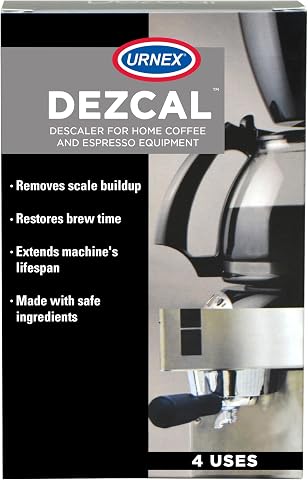
Measure your counter space before buying, because machines with integrated grinders run wide and deep — the Barista Express line needs serious clearance, while the Bambino and CHULUX Slim fit tight apartments. Water tank size matters for households: a 2.5L reservoir like the KitchenAid’s handles several drinks before refilling, while compact tanks under 1.5L need constant attention. Also think about water hardness in your area, since scale is the number one killer of espresso machines regardless of price. A descaling routine and filtered water will extend machine life more than any feature on the spec sheet.
Frequently Asked Questions
Do I need a machine with a built-in grinder, or should I buy a separate one?
Separate grinders almost always outperform integrated ones at the same total cost, because the manufacturer isn’t splitting the budget between two components. However, an integrated grinder like those on the Barista Express or KitchenAid guarantees grind-to-brew freshness with zero counter-space penalty, which is why these all-in-one machines suit most households. Choose a separate grinder if you already own one, plan to upgrade later, or want to pursue espresso as a hobby with dial-in precision. Choose integrated if you value simplicity and one-touch workflow. The worst outcome is buying a grinder-less machine and using pre-ground coffee, which wastes the machine’s potential entirely.
Is the Gaggia Classic Evo Pro worth it over cheaper Breville models?
The Gaggia rewards a specific type of buyer: one willing to learn puck preparation, manage brew temperature through surfing or a mod, and eventually upgrade parts like the shower screen. Its commercial 58mm portafilter and three-way solenoid valve produce shots that cheaper machines can’t match once technique catches up. But out of the box, a Breville Barista Express Impress will make a better drink for a beginner because it controls grind, dose, and tamp for you. If your goal is a great cappuccino with minimal learning, the Gaggia’s demands will feel like a chore. If your goal is developing barista skills, the Gaggia is the better long-term platform.
How much do the 20-bar budget machines really give up versus mid-range options?
The pressure number itself gives up nothing, since all pump machines extract around 9 bars regardless of the marketing claim. What budget machines like the AIRMSEN, Arecovas, and XIXUBX actually sacrifice is temperature stability, steam power, and build durability. Temperature swings of several degrees between shots make consistent espresso nearly impossible, and weak steam wands stretch milk-texturing time considerably. These machines can still produce enjoyable coffee, but expect a steeper learning curve and more shot-to-shot variation. They make the most sense as first machines or for occasional use rather than daily driver duty.
What’s the difference between the Breville Bambino and the full Barista Express line?
The Bambino is a brew-only machine: it has Breville’s fast ThermoJet heater and a proper 54mm portafilter, but no grinder, so you must supply your own. The Barista Express adds an integrated conical burr grinder and larger footprint at a higher price. If you already own a capable espresso grinder, the Bambino plus your grinder will outperform the Barista Express, because dedicated grinders grind more consistently. If you own nothing, the Barista Express is the better complete-package value. The Bambino also suits small kitchens and people who mainly drink straight espresso or americanos rather than multiple milk drinks.
Are touchscreen controls on espresso machines a good idea?
Touchscreens like those on the AIRMSEN and Arecovas look modern and simplify the interface, but they carry real risks in a machine that lives around steam, water, and heat. Physical buttons and rocker switches, as on the Gaggia and CASABREWS models, are more resistant to moisture and far cheaper to replace if they fail. Screen failures on budget machines often render the unit unusable, since replacement control boards may not be available. The exception is premium touchscreens like the Barista Touch’s, where the manufacturer backs the interface with better sealing and support. For most buyers, especially at entry-level prices, traditional controls are the safer long-term bet.
Conclusion
Best overall goes to the Breville Barista Express Impress, which combines an integrated grinder, assisted tamping, and automatic milk texturing into the most forgiving complete package in this lineup. Best value is the CASABREWS 3700 Essential, delivering stainless build and a workable steam wand at a price that leaves room in the budget for a decent grinder. Best premium belongs to the Gaggia Classic Evo Pro, whose commercial-grade components and repairability make it the machine enthusiasts will still be upgrading in a decade. Best for beginners is the Breville Bambino — its fast heat-up, preset doses, and small footprint lower the barrier to entry without hiding the learning process. Best for small kitchens is the CHULUX Slim or CASABREWS CM5418, while best for milk-drink lovers who want automation is the Barista Touch with its guided touchscreen workflow. Match the machine to your grinder situation, your patience for technique, and your counter space, and the right choice from this list becomes obvious.
Fall Picks
fall essentials
As an affiliate, we earn on qualifying purchases.