TL;DR
Moscato d’Asti DOCG is a sweet, gently sparkling wine made from Moscato Bianco grapes in Piedmont, usually at about 5–6% ABV. Its peachy aroma and acidity suit fruit desserts, panna cotta, and almond biscuits, but residual sugar and alcohol still add calories, so pour a modest glass and check the bottle label.
Look for “Moscato d’Asti DOCG” to identify the specific Piedmont wine made from Moscato Bianco.
Expect a sweet, gently sparkling style, usually around 5–6% ABV; check the bottle for its actual alcohol percentage.
Pair it with desserts such as peaches, fruit tart, panna cotta, mild cheesecake, almond biscotti, or light cake.
Lower alcohol does not mean low sugar, calorie-free, or healthy; pour a modest glass and check available nutrition details.
Chill to about 6–8°C, seal an opened bottle with a sparkling-wine stopper, refrigerate it, and aim to finish it within a few days.
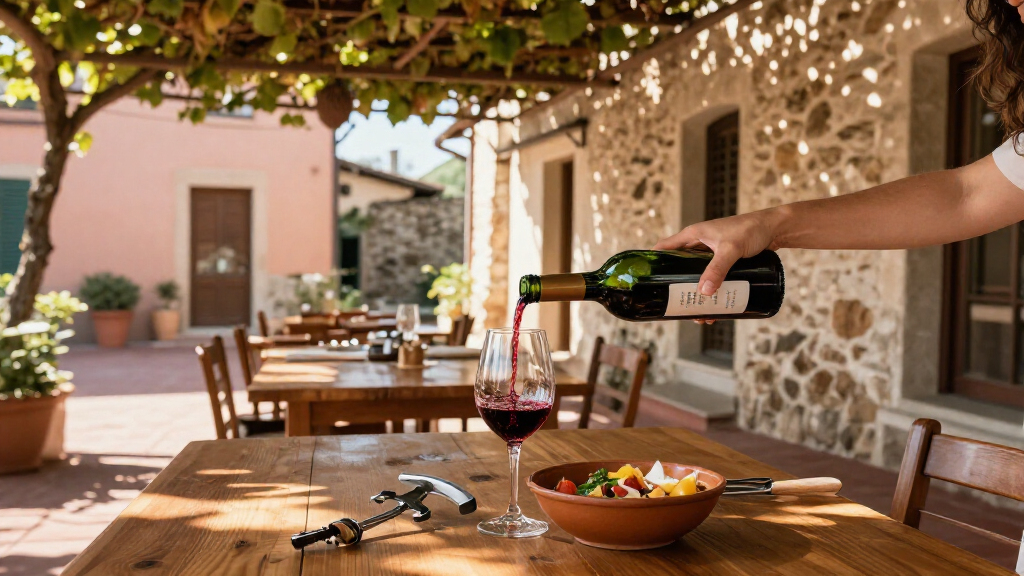
Moscato d’Asti with Dessert Sweet wine, enjoyed mindfully
This gently sparkling Piedmont wine brings peachy, floral aromas to dessert. Its lower alcohol does not make it low in sugar or calorie-free, so enjoy a modest pour.
What’s in the glass?
Look for the specific Piedmont wine and expect soft bubbles, sweetness, and fresh fruit aromas.
Moscato d’Asti DOCG
Made from Moscato Bianco grapes in Asti and neighboring areas of Piedmont.
Sweet and gently sparkling
Peach, apricot, citrus, orange blossom, and fresh grape aromas meet lively acidity.
Check the exact bottle
DOCG identifies this specific wine. Asti Spumante is generally more fully sparkling.
Pair by flavor and texture
Choose a dessert as sweet as, or less sweet than, the wine so its delicate fruit character can shine.
- Peaches, berries, and fruit tart
- Panna cotta, custard, or mild cheesecake
- Almond biscotti and light cake
- Mild blue cheese with fruit
- Very rich chocolate can overwhelm its aromas
- A much sweeter dessert can make the wine taste sharper
- Try a small sip before choosing the pairing
Keep the treat in perspective
Alcohol and residual sugar both contribute calories, and the amount varies by bottle and serving size.
Use the bottle’s ABV and available nutrition details as your guide.
Choose a small glass or flute and measure your first pour.
Pour at about 6–8°C to keep the gentle sparkle refreshing.
Seal, refrigerate, and aim to finish the opened bottle within a few days.

Get kitchen staples and gadgets delivered free with Prime
- Fast, free delivery on millions of items
- Prime Video, Amazon Music and more included
- Member-only deals all year
What Moscato d’Asti tastes like, and what the label tells you
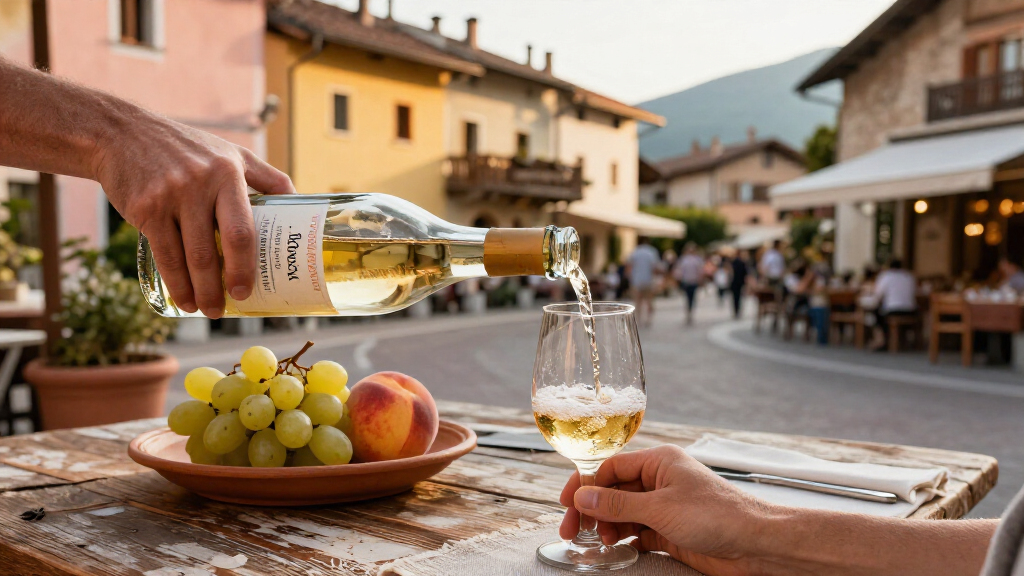
Moscato d’Asti is a sweet, gently sparkling wine from Piedmont, made with Moscato Bianco grapes grown in the province of Asti and neighboring areas. Its aromas often bring to mind ripe peach, apricot, citrus, orange blossom, and fresh grapes. The bubbles are usually soft rather than forceful, and the wine’s acidity gives its sweetness a lively edge. That balance is useful at dessert: the fruit aromas can echo what’s on the plate, while acidity and bubbles help each sip feel fresh between bites. It doesn’t remove the sugar or richness of the wine, but it can keep a small pour from feeling cloying.
Look for “Moscato d’Asti DOCG” on the label. DOCG identifies a protected Italian wine designation with rules tied to its origin and production. The name is more specific than “Moscato,” which can describe a grape or a variety of wines. For example, if you’re browsing a wine shop for something to serve with a fruit tart, that DOCG wording helps you identify the Piedmontese wine rather than a different Moscato style. The designation helps establish what kind of wine you’re buying; it doesn’t guarantee that every producer’s bottle will taste identical. Vintage, producer, and serving temperature can all affect how its sweetness and aromas come across.
Don’t confuse it with Asti Spumante. Asti Spumante is generally more fully sparkling, while Moscato d’Asti is typically frizzante, meaning gently sparkling. That difference changes the feel of the pairing: the softer bubbles are less forceful alongside delicate fruit or custard, while a more fully sparkling wine can make a livelier match. The exact sweetness and alcohol profile can vary, so let the bottle label guide you. At the table, expect a wine that smells like a basket of ripe fruit and produces a soft tickle of bubbles, not the brisk fizz of a celebratory sparkling wine.
Products Worth Considering

Levoit Vital 100S-P Air Purifier with Washable Pre-Filter

Levoit Eleva 300X Air Purifier with Sealed HEPA Filtration

Roborock Q7 M5+ Robot Vacuum and Mop
As an affiliate, we earn on qualifying purchases.
Why a lower alcohol level doesn’t make this wine guilt-free
Moscato d’Asti is usually about 5–6% ABV, but it is still an alcoholic, sweet wine. Its alcohol level tends to be modest because fermentation stops while some grape sugar remains in the wine. That balance gives you its signature sweetness and fragrance, but it also means low alcohol is not the same as low sugar. For someone comparing bottles, ABV is a measure of alcohol concentration, not a complete measure of what a serving contributes. A lower percentage may mean less alcohol per equal volume than a stronger wine, but a larger pour can narrow that difference, and residual sugar still contributes calories.
A typical wine pour might contribute roughly 100–150 calories, though the total depends on the serving size, alcohol, and sugar in that particular wine. A small glass at dinner can fit a special occasion; a generous pour followed by another can add up quickly. The range is only an estimate, not a reliable number for every bottle, because both the wine’s composition and the amount in the glass vary. If you’re tracking intake, check the label for nutrition information where available, and measure the first pour rather than filling the glass by eye.
That is the honest meaning of “without the guilt”: choose a portion you genuinely want, enjoy it slowly, and don’t mistake a lower-ABV style for a health drink. Alcohol carries health risks, and people who don’t drink shouldn’t start for health reasons. For a friend avoiding alcohol or added sugar, serve sparkling water with peach slices instead; the fruit’s fragrance and fizz still make the dessert feel festive. This option also makes the table welcoming without requiring anyone to explain their choice.

Which desserts bring out its peachy, floral side?
Moscato d’Asti pairs best with desserts that are as sweet as, or less sweet than, the wine. Its fruit and floral aromas suit peaches, berries, fruit tart, panna cotta, custard, mild cheesecake, almond biscotti, and light cakes. A slice of peach tart on a warm afternoon, for instance, echoes the wine’s stone-fruit notes instead of competing with them. Sweetness level matters because a very sweet dessert can make the wine taste comparatively tart and less expressive; matching or slightly lowering the dessert’s sweetness lets the wine keep its soft fruit character.
Try to keep the dessert’s richness in proportion to the wine’s gentle body. A spoonful of panna cotta with fresh berries gives the wine creamy texture to meet, while the fruit’s freshness keeps each sip lively. Almond biscotti offer a different contrast: their crisp bite makes the wine’s soft bubbles feel more pronounced. These pairings work through different kinds of balance: cream adds weight for the wine to meet, fruit echoes its aromas, and a crisp biscuit emphasizes its gentle fizz. For a sweet-and-salty finish, try a little mild blue cheese and fruit, then pour just enough to see whether the contrast suits your palate.
Very rich chocolate desserts can overwhelm Moscato d’Asti’s delicate aromas. If you’ve baked a dark chocolate torte, test a bite with a small sip before committing the pairing; the wine may seem too light beside the cocoa. The same caution applies to desserts much sweeter than the wine, which can make it taste sharper or less sweet by comparison. When that happens, serve a smaller tasting pour or choose a more intense dessert wine. The tradeoff is simple: preserving the wine’s delicate character may mean choosing a subtler dessert, while a bold dessert may call for a wine with more body or sweetness.
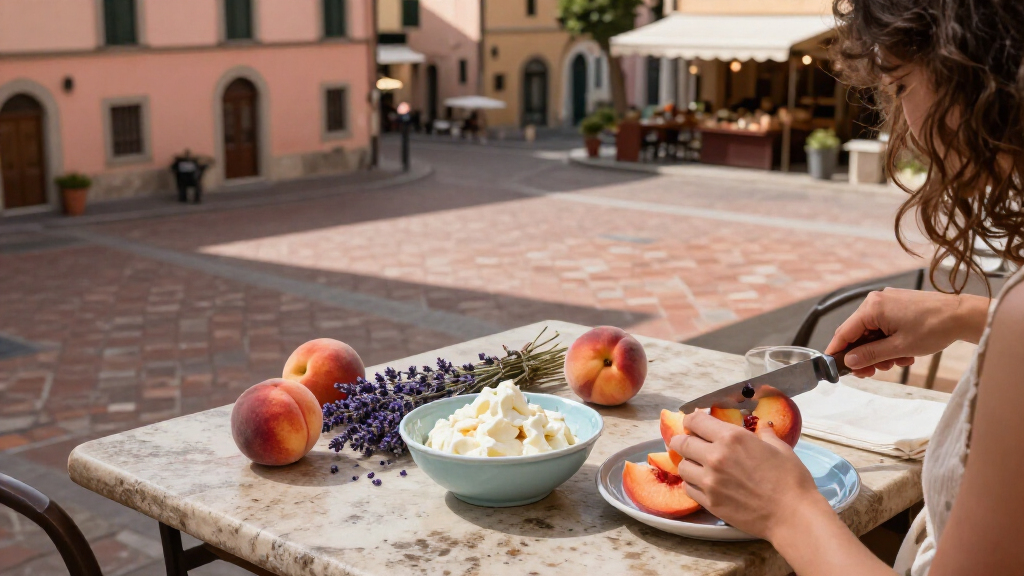
- Fresh and fragrant: peach slices, berries, or fruit tart.
- Creamy: panna cotta, custard, or mild cheesecake.
- Crisp: almond biscotti or a light cake.
- Sweet and salty: mild blue cheese with fruit.
How to serve a modest glass at its best
Serve Moscato d’Asti chilled at about 6–8°C (43–46°F), in a small wine glass or flute. Chilling keeps its gentle sparkle refreshing and helps its sweetness feel balanced. You want the aromas to open as you sip, so don’t serve it so cold that peach and orange-blossom notes disappear behind the chill. Temperature is a tradeoff: colder wine can feel crisper and less sweet, while warmer wine releases more aroma but may make the sweetness and alcohol more noticeable. If the first sip seems muted, let the wine warm briefly in the glass before deciding the bottle lacks fragrance.
If you’re hosting four people for dessert, chill the bottle ahead of time, then offer a small pour and let guests decide whether they want more. A small glass gives everyone room to taste the wine alongside a slice of fruit tart without turning dessert into a large drink. There is no single serving size that works for every person or occasion; pay attention to the bottle’s alcohol percentage, your own preferences, and any guidance you follow about alcohol. Starting small is practical because guests can assess how the wine tastes with the food and choose whether they want more, instead of being committed to a full glass.
Use this simple sequence to make the bottle and dessert work together:
- Chill the bottle until it reaches roughly 6–8°C.
- Read the label for the ABV and any nutrition details provided for your market.
- Pour a modest glass, then taste it with the dessert before topping up.
- Serve the dessert in a portion you’ll enjoy, rather than pouring extra wine to match a larger slice.
For a practical example, serve one small glass with a palm-sized piece of almond cake and a few apricots. The fruit echoes the wine; the cake gives each sip a crisp, nutty partner. If the cake is especially sweet, the wine may come across sharper, so taste first and adjust the portion or pairing rather than assuming a larger pour will solve the mismatch.

How to choose a bottle without guessing at the sweetness
Start with the DOCG name and the ABV on the bottle. “Moscato d’Asti DOCG” tells you the wine’s defined Piedmontese origin and style, while the alcohol percentage gives you a useful clue about its strength. It does not tell you exactly how sweet the wine will taste or how many calories your glass contains, so look for nutrition details when the bottle provides them. Treat these label details as different kinds of information: the designation identifies the wine category, ABV reports alcohol concentration, and nutrition information can help with calories or sugar when it is available.
Sweetness can vary by producer, and your palate matters too. One bottle may strike you as bright and grape-like, another as richer and more peachy. If you’re choosing wine for a dessert table, check the bottle against the food you plan to serve: a delicate fruit tart needs less intensity than a thick chocolate cake. When you can’t taste before buying, ask a wine seller for a Moscato d’Asti that suits the dessert rather than asking for a generic “sweet wine.” That specific request helps narrow the choice by style and pairing, though it cannot guarantee an exact sweetness level; producers and individual bottles still differ.
Wine labels and nutrition disclosures can differ according to production date and market. Some markets have introduced stronger requirements for wine ingredient and nutrition information, but you should check the actual bottle and the local rules instead of assuming every label displays the same details. For a dinner at home, that simple habit helps you avoid relying on the front label’s style words alone. It also makes it easier to compare bottles when you want a fragrant wine with lower alcohol but don’t want to assume it is low in sugar. If the details you need aren’t printed on the bottle, ask the seller or producer rather than treating ABV or the word “sweet” as a substitute for nutrition facts.
How to store an opened bottle and keep the bubbles lively
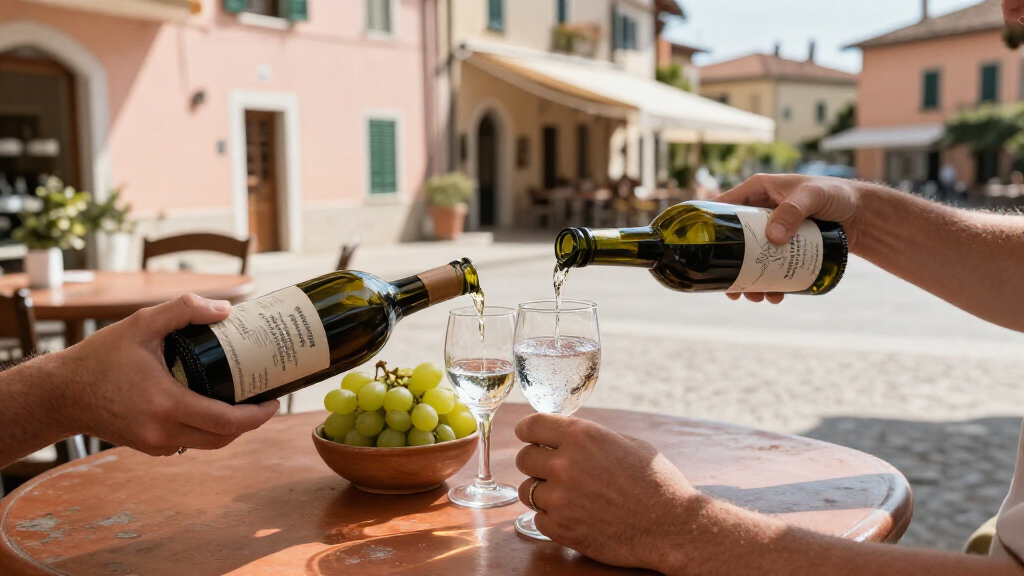
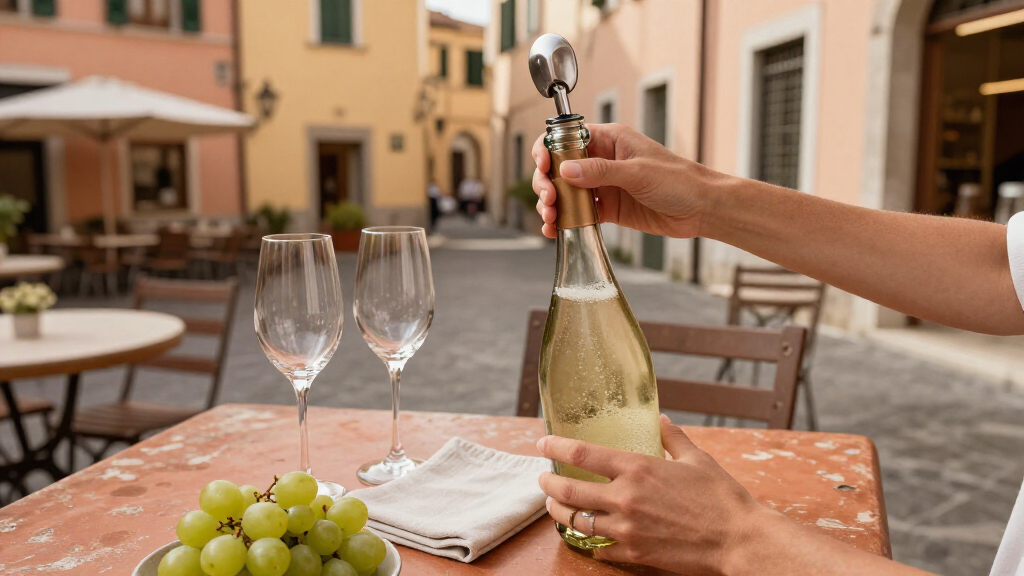
Refrigerate an opened bottle with a sparkling-wine stopper and aim to finish it within a few days for the freshest bubbles and aromas. Once the bottle meets air, its fizz gradually fades and its vivid grape and floral scents become less lively. A stopper slows that decline, but it cannot bring back the first pour’s crisp sparkle. Cold storage helps slow the loss of freshness, while limiting air exchange helps preserve carbonation; neither method restores what has already escaped.
Imagine you open a bottle on Saturday to serve with panna cotta. Seal it as soon as dessert ends, keep it cold, and pour another small glass on Sunday with leftover berries. If the wine tastes flat or its fruit aromas have dulled, it may still be drinkable, but the texture and pairing will feel different. Use your senses and the storage time as practical guides, and avoid leaving the opened bottle warm on the counter overnight. The wine’s condition matters to the pairing: fading bubbles can make the sweetness feel heavier, so a bottle that was refreshing on Saturday may seem less balanced the next day.
Keep the bottle upright in the refrigerator, away from strong-smelling foods if possible. Moscato d’Asti’s perfume is one of its pleasures, and a chilled, well-sealed bottle preserves more of that fresh peach and orange-blossom character. If you know you’ll only want one glass, consider sharing the bottle at the table or planning a second pairing within a couple of days. A modest pour is easier to enjoy when you have a plan for the rest of the bottle. If you prefer the wine at its freshest, invite others to share it rather than keeping it open longer than you expect to enjoy it.
What to remember before you pour
Moscato d’Asti is a Piedmontese dessert wine to enjoy for its fragrance and gentle sparkle, not a drink to label guilt-free. It is usually lower in alcohol than many wines, at about 5–6% ABV, but it remains sweet and contains both alcohol and residual sugar. That distinction matters when you choose a portion, serve a guest who avoids alcohol, or compare bottles for a dessert pairing.
For a simple weekend menu, chill a bottle, slice fresh peaches, and add a few almond biscotti. Pour a small glass with dessert, taste the pairing, and let the wine’s grape and floral aromas do the work. If you prefer panna cotta, add berries to cut through the cream; if you’re serving dark chocolate, try a small bite-and-sip before choosing the wine.
Choose the DOCG label, check the ABV and any nutrition information, and serve it in a portion you’ll enjoy. A careful pour doesn’t spoil the pleasure. It lets the wine’s soft bubbles, ripe fruit, and Piedmontese character have their moment beside the last sweet bite.
Frequently Asked Questions
Is Moscato d’Asti very sweet?
Yes, it is usually sweet, with residual grape sugar left after fermentation stops. Acidity and gentle bubbles can make the wine feel lighter than its sweetness suggests, so taste it with the dessert before pouring a larger glass.
Is Moscato d’Asti the same as Asti Spumante?
No. Moscato d’Asti DOCG is typically gently sparkling, or frizzante, while Asti Spumante is generally more fully sparkling. They are distinct Piedmontese styles, and their sweetness and alcohol profiles can differ.
How much alcohol does Moscato d’Asti have?
It is often around 5–6% ABV, though the exact percentage varies. Check the individual bottle label, especially if you’re comparing it with another wine or choosing a smaller serving.
Does Moscato d’Asti have fewer calories than other wines?
It may have fewer calories from alcohol than a higher-ABV wine, but it still contains residual sugar. A typical pour may contribute roughly 100–150 calories, depending on the wine and serving size; use the bottle’s nutrition information where available.
What desserts pair best with Moscato d’Asti?
Try fruit desserts, panna cotta, custard, mild cheesecake, almond biscotti, or light cake. A wine should be at least as sweet as the dessert, so very rich chocolate can overwhelm this gentler style. Test a bite with a sip before serving a full pairing.
How should I store an opened bottle?
Seal it with a sparkling-wine stopper and refrigerate it. Aim to drink it within a few days, while its bubbles and fresh fruit aromas remain lively. The fizz fades after opening even when you store the bottle cold.
Is Moscato d’Asti suitable for someone avoiding alcohol or sugar?
No; it contains both alcohol and residual sugar. If someone at your table avoids either, offer sparkling water with peach slices or another suitable nonalcoholic option. People who do not drink should not start for health reasons.