Traditional Japanese knives are renowned for their exceptional craftsmanship, sharpness, and precision. The best options, like the Kakuse Koumei Nakamua set, combine traditional techniques with modern durability. Standout choices such as the Tojiro VG10 Chef Knife excel in performance, while more affordable options like the KAI Seki Magoroku Watakake Nakiri offer great value. The biggest tradeoffs involve balancing craftsmanship, edge retention, and ease of use—more refined knives often require careful handling and maintenance. Continue reading for a detailed comparison that helps you find the perfect match for your culinary needs.

Get kitchen staples and gadgets delivered free — and shop member deals
- Fast, free delivery on millions of items
- Access to Prime Big Deal Days deals on October 6–7
- Prime Video, Amazon Music and more included
Key Takeaways
- The highest-quality knives feature VG10 or AUS-8 steel for superior edge retention and sharpness.
- Construction methods, such as hand-forging vs. stamped blades, significantly impact durability and feel.
- Complete knife sets provide convenience but may include tools you won’t use often, affecting value.
- Different blades like Gyuto, Santoku, and Yanagiba cater to specific tasks, influencing your choice based on your cooking style.
- Price correlates strongly with craftsmanship, materials, and brand reputation, but premium options aren’t always necessary for casual use.
| Kakuse Koumei Nakamua Japanese Knife Set of 5 (2019 New Version) |  | Best Overall Japanese Knife Set for Versatility and Craftsmanship | Number of knives: 5 | Material: High-carbon stainless steel | Blade types included: Chef, Santoku, Utility, Nakiri, Slicer | VIEW ON AMAZON | See Our Full Breakdown |
| Tojiro Japan Professional Chef Knife – 8.2″ (21cm) – Hand Made, VG10 Steel, Flagship Model |  | Best for Professional-Grade Performance and Precision | Blade length: 8.2 inches (21cm) | Material: VG10 steel | Made in: Japan | VIEW ON AMAZON | See Our Full Breakdown |
| KAWAHIRO 8.27″ Japanese Kiritsuke Chef Knife, Hand-Forged VG10 Steel Core |  | Best for Artisanal Craftsmanship and Elegant Design | Blade length: 8.27 inches | Steel type: VG10 steel | Construction: Hand-forged | VIEW ON AMAZON | See Our Full Breakdown |
| JapanBargain Japanese Yanagiba Knife, 2 Pack, 10.5 Inch Sashimi & Sushi Knives |  | Best for Precision Slicing of Fish and Seafood | Number of knives: 2 | Blade length: 10.5 inches | Material: High carbon stainless steel | VIEW ON AMAZON | See Our Full Breakdown |
| Traditional Japanese Professional Gyuto Kitchen Chef’s Knife – 8-inch High Carbon Stainless Steel with Single Bevel Edge and Rosewood Handle |  | Best for Precision and Versatility with Single Bevel Edge | Blade material: 420HC stainless steel | Blade length: 8 inches | Edge type: Single bevel, 15° on right side | VIEW ON AMAZON | See Our Full Breakdown |
| Japanese Chef Knife Set 3 Pcs – Damascus Kitchen Knives with VG10 Steel Core and Ocean-Blue Handles |  | Best Overall for Style and Versatility | Number of Pieces: 3 | Blade Lengths: 8″, 7″, 3.5″ | Steel Core: VG10 | VIEW ON AMAZON | See Our Full Breakdown |
| SHANGDAO Japanese Kitchen Knife Set, 3 Piece Sushi Chef Knives, 10″ Yanagiba, 7″ Deba, 5″ Utility |  | Best for Sushi and Fish Preparation | Blade Lengths: 10″, 7″, 5″ | Material: German stainless steel DIN: 1.4116 | Hardness: HRC56-58 | VIEW ON AMAZON | See Our Full Breakdown |
| Santoku Knife Classic, Japanese Kitchen Knife, Made in Japan |  | Best Lightweight and Balanced Everyday Knife | Handle Material: Stainless steel | Made in: Japan | Blade Type: Santoku | VIEW ON AMAZON | See Our Full Breakdown |
| KAI Seki Magoroku Watakake Nakiri Knife 165mm – Made in Japan |  | Best for Precise Vegetable Chopping | Blade Length: 165mm | Made in: Japan | VIEW ON AMAZON | See Our Full Breakdown | |
| TONMA Chef Knife, 8.2” Japanese AUS-8 Stainless Steel Kitchen Knife, TCK-1 |  | Best for Versatile, Everyday Use | Blade Length: 8.2 inches | Material: AUS-8 stainless steel | Handle Material: Pakkawood | VIEW ON AMAZON | See Our Full Breakdown |
| Traditional Japanese Professional Kitchen Chef Knife Set |  | Best Versatile Complete Set for Home and Professional Chefs | Blade Material: 420HC stainless steel | Number of Pieces: 4 | Handle Material: Rosewood | VIEW ON AMAZON | See Our Full Breakdown |
| traditional japanese knife | Handle material | Made in | Blade length |
|---|---|---|---|
| Kakuse Koumei Nakamua Japanese | Wood | Japan | — |
| Tojiro Japan Professional Chef | — | Japan | 8.2 inches (21cm) |
| KAWAHIRO 8.27" Japanese Kirits | Red cinnamon wood with ebony and turquoise inlay | — | 8.27 inches |
| JapanBargain Japanese Yanagiba | Wood | Japan | 10.5 inches |
| Traditional Japanese Professio | Rosewood | — | 8 inches |
| Japanese Chef Knife Set 3 Pcs | Stabilized wood and ocean-blue resin | — | — |
| SHANGDAO Japanese Kitchen Knif | Solid rosewood | — | — |
| Santoku Knife Classic | Stainless steel | Japan | — |
| KAI Seki Magoroku Watakake Nak | — | Japan | 165mm |
| TONMA Chef Knife | Pakkawood | Japan | 8.2 inches |
| Traditional Japanese Professio | Rosewood | — | — |
More Details on Our Top Picks
Kakuse Koumei Nakamua Japanese Knife Set of 5 (2019 New Version)
This set stands out for offering a comprehensive collection of high-quality knives crafted with traditional Japanese techniques, making it an excellent choice for both professional chefs and serious home cooks. Compared with individual knives like the Tojiro VG10, this set provides variety, eliminating the need to purchase multiple blades separately. However, the absence of detailed specifications and the higher price point make it less accessible for casual users. The set’s durability and sharpness across all five knives demonstrate excellent craftsmanship, but the cost can be a barrier for those on a tight budget. Overall, this set makes the most sense for those seeking a complete, versatile array of knives with a focus on quality and tradition.
Pros:- High-quality Japanese craftsmanship across multiple blades
- Versatile set suitable for various culinary tasks
- Durable, sharp blades that maintain edge well
Cons:- No detailed specifications limits understanding of individual knife performance
- Potentially expensive for casual or infrequent users
Best for: Professional chefs or dedicated home cooks who want a full set of Japanese knives with proven durability
Not ideal for: Casual cooks or beginners who prefer a single, affordable, entry-level knife
- Number of knives:5
- Material:High-carbon stainless steel
- Blade types included:Chef, Santoku, Utility, Nakiri, Slicer
- Made in:Japan
- Handle material:Wood
- Edge type:Varying, depending on knife
Our verdict“This set is ideal for those who value variety and quality in a comprehensive Japanese knife collection.”
Tojiro Japan Professional Chef Knife – 8.2″ (21cm) – Hand Made, VG10 Steel, Flagship Model
This flagship model from Tojiro is designed for serious chefs who demand high performance, with handmade craftsmanship and VG10 steel providing exceptional edge retention. Unlike the Kawhiro Kiritsuke, which emphasizes style and versatility, the Tojiro focuses on precision and durability for everyday professional use. Its high-quality steel and handcrafted construction justify the premium price, but it may require careful maintenance and sharpening due to its handmade nature. This knife’s excellent edge retention makes it a reliable choice for demanding tasks, though the cost might be prohibitive for casual cooks. In short, this knife targets professionals and dedicated home chefs seeking longevity and performance.
Pros:- Handmade craftsmanship ensures high-quality performance
- VG10 steel offers excellent edge retention
- Lifetime warranty provides added confidence
- Professional-grade performance suitable for daily use
Cons:- Requires careful maintenance and sharpening
- Premium price point may be a barrier for some
Best for: Professional chefs or serious home cooks who prioritize durability and precision in their main kitchen knife
Not ideal for: Casual users or those on a tight budget, as the handmade craftsmanship commands a higher price and care needs
- Blade length:8.2 inches (21cm)
- Material:VG10 steel
- Made in:Japan
- Warranty:Lifetime
Our verdict“This knife is best suited for those seeking a durable, high-precision tool for professional or dedicated home use.”
KAWAHIRO 8.27″ Japanese Kiritsuke Chef Knife, Hand-Forged VG10 Steel Core
The KAWAHIRO Kiritsuke excels in combining traditional hand-forged VG10 steel with artistic design, making it a top choice for those who appreciate aesthetics alongside performance. Its 8.27-inch blade and three-layer construction offer sharpness and durability that rival the Tojiro VG10, but with a more distinctive, luxurious handle featuring inlays of ebony, turquoise, and cinnamon wood. While the handle enhances comfort and style, it may require upkeep to prevent cracking or drying. The limited size at 8.27 inches may not suit all preferences, especially for those needing larger or smaller blades. This knife is best for collectors or cooks who want a stunning, functional piece with a touch of artistry.
Pros:- Exceptional craftsmanship with hand-forged VG10 steel
- Elegant, artistic handle with inlays for style and comfort
- Durable, sharp edge with 62 HRC hardness
- Beautiful presentation in an elegant gift box
Cons:- High price may be prohibitive for some
- Handle requires maintenance to preserve appearance
- Limited to 8.27-inch blade size
Best for: Enthusiasts and professionals seeking a beautifully crafted, hand-forged knife for everyday or display
Not ideal for: Beginners or cooks needing a larger or more versatile all-purpose knife, due to its specific size and artistic focus
- Blade length:8.27 inches
- Steel type:VG10 steel
- Construction:Hand-forged
- Hardness:62 HRC
- Handle material:Red cinnamon wood with ebony and turquoise inlay
- Included components:Certificate of authenticity, manual, wipe cloth
Our verdict“Ideal for collectors or chefs who want a high-end, artistically crafted knife that balances performance with beauty.”
JapanBargain Japanese Yanagiba Knife, 2 Pack, 10.5 Inch Sashimi & Sushi Knives
This set of two Yanagiba knives offers precision for sashimi and sushi preparation, making it the ideal choice for seafood-focused chefs or enthusiasts. The 10.5-inch blades made from high carbon stainless steel provide sharpness and easy maintenance, similar to the Japanese Yanagiba in quality but with the convenience of a two-pack for multiple uses. The lightweight wooden handles help with control, but the long blades can be intimidating for beginners or those with smaller hands. While perfect for seafood slicing, these knives are less suited for general kitchen tasks and require careful care to prevent rusting. Overall, they are best for those who prioritize fish and seafood presentation and precision.
Pros:- Sharp, precise blades ideal for sashimi and sushi
- Made in Japan with traditional craftsmanship
- Lightweight wooden handles for control
Cons:- Limited to slicing fish and seafood, not versatile for other tasks
- Requires careful maintenance to prevent rust
- Long blades may be challenging for beginners
Best for: Seafood chefs or home cooks focused on sashimi and sushi who need precise, lightweight blades
Not ideal for: Cooks seeking an all-purpose knife or those unfamiliar with handling long, delicate blades
- Number of knives:2
- Blade length:10.5 inches
- Material:High carbon stainless steel
- Made in:Japan
- Handle material:Wood
Our verdict“This set is perfect for seafood specialists seeking high precision in slicing fish and sashimi.”
Traditional Japanese Professional Gyuto Kitchen Chef’s Knife – 8-inch High Carbon Stainless Steel with Single Bevel Edge and Rosewood Handle
This 8-inch Gyuto emphasizes precision with its single bevel edge, providing extraordinary control for slicing vegetables, meats, and sashimi alike. Unlike the Tojiro VG10, which has a double bevel for general use, this knife’s 15° single bevel is ideal for chefs who want razor-sharp, clean cuts, but it demands careful sharpening and handling. The full-tang rosewood handle balances weight and durability, though it may need maintenance to prevent cracking over time. Its high-carbon stainless steel resists corrosion, making it versatile across various kitchen tasks, but the single bevel design limits use to right-handed users. This pick is best for professional chefs or experienced home cooks focused on achieving precise, thin slices.
Pros:- Incredibly sharp single bevel edge for precise cuts
- Full-tang rosewood handle offers balance and durability
- Corrosion-resistant high-carbon stainless steel
- Versatile for various kitchen tasks
Cons:- Requires careful sharpening due to single bevel design
- Handle may need maintenance to prevent cracking
- Limited to right-handed users
Best for: Experienced chefs or dedicated home cooks needing a precise, single-bevel knife for specialized slicing
Not ideal for: Beginners or those seeking an all-purpose, double-bevel chef’s knife for everyday use
- Blade material:420HC stainless steel
- Blade length:8 inches
- Edge type:Single bevel, 15° on right side
- Handle material:Rosewood
- Full-tang:Yes
Our verdict“Best suited for experienced cooks who value precision and are comfortable with single bevel knives.”
Japanese Chef Knife Set 3 Pcs – Damascus Kitchen Knives with VG10 Steel Core and Ocean-Blue Handles
This 3-piece set stands out for combining stunning Damascus aesthetics with high-performance VG10 steel, making it ideal for home cooks who want a complete, attractive kit. Compared with the SANTOKU Knife Classic, it offers more variety with a chef, santoku, and paring knife, though at a significantly higher price. The layered Damascus pattern isn’t just decorative; it also provides excellent corrosion resistance, and the ergonomic handles reduce fatigue during extended prep. However, the premium cost and delicate Damascus surface demand careful maintenance, and it’s not dishwasher safe. This set makes the most sense for those who value craftsmanship and presentation as well as performance, willing to invest in a long-lasting collection.
Pros:- High-quality VG10 steel core for exceptional sharpness and edge retention
- Beautiful 67-layer Damascus pattern with corrosion resistance
- Ergonomic handles enhance comfort and reduce fatigue
- Elegant gift box suitable for special occasions
Cons:- Premium price may be prohibitive for casual users
- Requires careful hand-washing and maintenance to preserve Damascus pattern
Best for: Home cooks or professional chefs who appreciate premium materials and want a versatile, elegant set for frequent use.
Not ideal for: Casual cooks on a tight budget or those who prefer low-maintenance, dishwasher-safe knives, as this set requires careful upkeep.
- Number of Pieces:3
- Blade Lengths:8″, 7″, 3.5″
- Steel Core:VG10
- Layer Count:67 layers
- Handle Material:Stabilized wood and ocean-blue resin
- Hardness:62 HRC
- Blade Angle:12° per side
Our verdict“This set is best for those seeking a visually stunning, versatile, and durable collection willing to invest in quality and upkeep.”
SHANGDAO Japanese Kitchen Knife Set, 3 Piece Sushi Chef Knives, 10″ Yanagiba, 7″ Deba, 5″ Utility
This set excels in crafting traditional Japanese sushi and sashimi with a focus on precision, featuring high-quality German stainless steel blades. Unlike the KAI Seki Magoroku Watakake Nakiri, which is optimized solely for vegetables, the SHANGDAO set offers specialized knives for different tasks, including a long Yanagiba for clean sashimi slices. The solid rosewood handles provide comfort during lengthy prep, though they require occasional maintenance to prevent drying. The set’s limited number of knives means you won’t find a versatile all-in-one solution, but it delivers professional-grade tools for specific Japanese dishes. Its traditional forged design ensures sharpness, but handle care and lack of protective sheaths can be drawbacks. This pick makes sense for serious sushi chefs or enthusiasts focused on fish slicing.
Pros:- High-quality German stainless steel blades for sharpness and corrosion resistance
- Traditional handmade forged design with precise edges
- Comfortable rosewood handles reduce hand fatigue
- Specialized knives for sashimi, deboning, and utility tasks
Cons:- Limited to only three knives, reducing versatility for broader cooking tasks
- Handle maintenance needed to prevent cracking or drying
Best for: Sushi chefs or home cooks dedicated to authentic sashimi, seeking specialized, high-quality knives.
Not ideal for: Casual cooks or those looking for a general-purpose set, as it lacks a wider variety of kitchen tools and protective accessories.
- Blade Lengths:10″, 7″, 5″
- Material:German stainless steel DIN: 1.4116
- Hardness:HRC56-58
- Handle Material:Solid rosewood
- Number of Items:3
Our verdict“Ideal for enthusiasts and professionals focused on precise fish slicing, willing to handle delicate maintenance.”
Santoku Knife Classic, Japanese Kitchen Knife, Made in Japan
This santoku combines Japanese craftsmanship with simplicity, making it perfect for everyday vegetable, meat, and fish prep. Compared with the KAI Seki Magoroku Watakake Nakiri, which is specialized for vegetables, this santoku is more versatile and easier to handle for general tasks. Its seamless stainless steel handle contributes to hygiene and a lightweight feel, reducing fatigue for extended use. While it offers excellent balance and cutting performance, the lack of detailed info on blade material suggests it may be less durable if not properly maintained. This knife suits those who want a reliable, all-purpose kitchen tool without fuss or excessive weight, ideal for home cooks seeking quality at a modest price.
Pros:- High-quality Japanese craftsmanship
- Versatile for various ingredients
- Lightweight and well-balanced
- Hygienic seamless stainless steel handle
Cons:- Potentially delicate if not maintained properly
- Lacks detailed specifications on blade material and durability
Best for: Home cooks who need a versatile, lightweight, and easy-to-maintain all-purpose knife.
Not ideal for: Professional chefs or users needing heavy-duty, specialized blades, as it may lack the robustness for demanding tasks.
- Handle Material:Stainless steel
- Made in:Japan
- Blade Type:Santoku
- Use:Vegetables, meat, fish
Our verdict“This santoku is a practical choice for everyday use, combining ease of handling with Japanese quality standards.”
KAI Seki Magoroku Watakake Nakiri Knife 165mm – Made in Japan
This Nakiri excels in vegetable prep with its sharp, thin blade, offering clean, precise cuts that make chopping effortless. Compared to the TONMA Chef Knife, which is designed for a broader range of tasks, the Nakiri is specialized, making it ideal for dedicated vegetable work. Its Japanese craftsmanship ensures durability and a fine edge, but it requires regular sharpening to maintain performance. The 165mm blade length is compact, perfect for controlled slicing, though it limits versatility beyond vegetables. This knife makes the most sense for cooks who prioritize vegetable prep or need a precise, lightweight tool for delicate cuts.
Pros:- Sharp, precise cutting performance
- High-quality Japanese craftsmanship
- Ideal size for detailed vegetable work
- Durable blade construction
Cons:- Requires regular sharpening to maintain edge
- Limited to vegetable tasks, not suitable for other kitchen prep
Best for: Vegetable-focused cooks or those seeking a dedicated, precise vegetable knife for daily prep.
Not ideal for: Cooks needing a multi-purpose chef’s knife or for those who prefer larger blades for bulk chopping.
- Blade Length:165mm
- Made in:Japan
Our verdict“Perfect for vegetable enthusiasts who need a precise, dedicated tool for vegetable chopping.”
TONMA Chef Knife, 8.2” Japanese AUS-8 Stainless Steel Kitchen Knife, TCK-1
The TONMA Gyuto offers a reliable balance of performance and traditional craftsmanship, making it suitable for a wide range of kitchen tasks. Compared with the Japanese Chef Knife Set 3 Pcs, which provides a curated selection, the TONMA focuses on delivering a single, high-quality blade capable of handling meats, fish, and vegetables with ease. Its AUS-8 stainless steel ensures corrosion resistance and a sharp edge, though it requires careful handling to avoid dulling. The ergonomic pakkawood handle adds comfort, but the handcrafted nature can lead to slight variations between units. This knife makes sense for home cooks who want a durable, all-rounder at a reasonable price, willing to maintain its edge.
Pros:- High-quality AUS-8 stainless steel for sharpness and corrosion resistance
- Ergonomic pakkawood handle for comfort
- Suitable for meats, fish, vegetables, and fruits
- Traditional Japanese craftsmanship
Cons:- Premium price might be high for casual users
- Requires careful handling to preserve sharpness
Best for: Home cooks seeking a versatile, durable Japanese-style chef’s knife for everyday use.
Not ideal for: Professional chefs or those needing specialized blades for sashimi or vegetable prep, as this is a general-purpose tool.
- Blade Length:8.2 inches
- Material:AUS-8 stainless steel
- Handle Material:Pakkawood
- Made in:Japan
- HRC:59±1
Our verdict“This Gyuto is a dependable all-purpose knife for home cooks who want quality and versatility in one package.”
Traditional Japanese Professional Kitchen Chef Knife Set
This 4-piece set stands out for offering a comprehensive selection of Japanese knives, including a Gyuto, Santoku, Nakiri, and Petty, making it ideal for those seeking a full range of kitchen tools in one package. Compared with the Tojiro VG10 or KAWAHIRO VG10 knives, this set provides versatility without sacrificing quality, though the use of 420HC stainless steel means it may require more frequent sharpening to maintain a keen edge. The full-tang construction and rosewood handles contribute to excellent balance and durability, but they demand careful maintenance to prevent cracking or drying out over time. The stainless steel blades resist corrosion well, making these suitable for busy kitchens, though premium materials could lead to a higher price point. Overall, this set makes the most sense for cooks who need a variety of sharp, durable knives but are willing to invest in ongoing care.
Pros:- Complete set covering all essential kitchen tasks
- High-quality corrosion-resistant stainless steel blades
- Full-tang construction for durability and balance
- Elegant rosewood handles add aesthetic appeal
Cons:- Handles may require regular maintenance to prevent cracking
- 420HC steel may dull faster and need frequent sharpening
- Higher cost compared to single knives or simpler sets
Best for: Home cooks or professional chefs who want a complete, versatile Japanese knife set with durable handles and corrosion resistance.
Not ideal for: Beginners or those on a tight budget, since the premium materials and full set can be costly and require maintenance.
- Blade Material:420HC stainless steel
- Number of Pieces:4
- Handle Material:Rosewood
- Full Tang:Yes
- Set Includes:Gyuto, Santoku, Nakiri, Petty
- Blade Lengths:Gyuto: 8-10 inches, others vary
Our verdict“This set is perfect for serious cooks seeking a versatile, durable collection of traditional Japanese knives with a premium feel.”
How We Picked
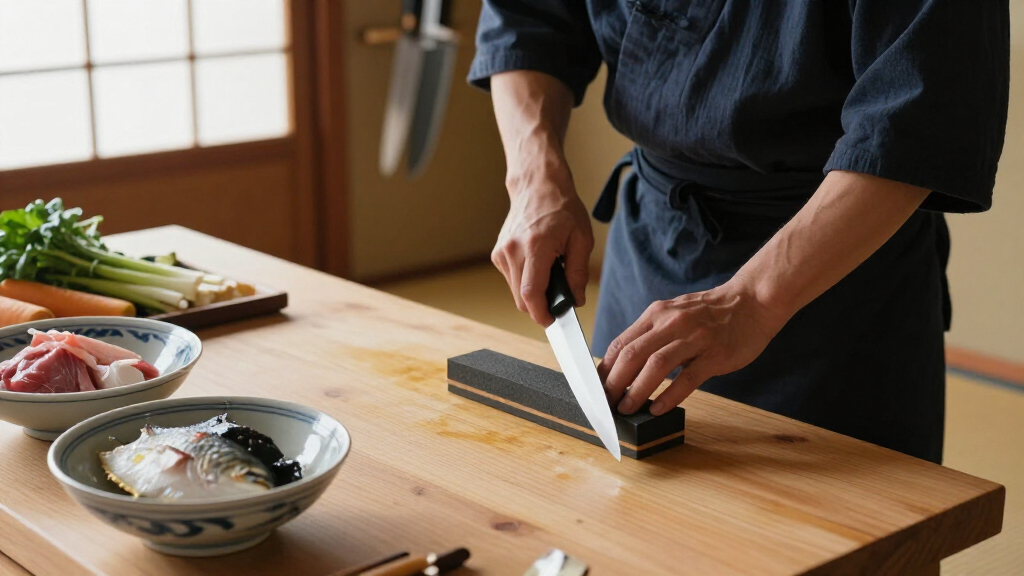
These knives were evaluated based on a combination of craftsmanship, steel quality, edge retention, usability, and overall value. Preference was given to traditional hand-forged blades made with high-quality steels such as VG10 and AUS-8, which are hallmarks of premium Japanese knives. Durability and ease of sharpening also influenced rankings, ensuring the knives perform well over time. We considered user versatility, with options suited for professionals, home cooks, and beginners alike. Price was factored in to highlight the best balance of quality and affordability, emphasizing knives that deliver real value for their price point.Factors to Consider When Choosing Traditional Japanese Knives
Choosing a traditional Japanese knife involves more than just picking the most popular brand. Understanding key factors such as steel type, blade shape, and craftsmanship can dramatically affect your satisfaction and results. By considering these factors, you can avoid common pitfalls like buying a knife that’s too delicate or not suited for your cooking style, ensuring a better fit for your needs.Steel Quality and Blade Edge
Steel type directly impacts edge retention, ease of sharpening, and corrosion resistance. High-carbon steels like VG10 are prized for their sharpness and longevity but require careful maintenance to prevent rust. Conversely, stainless steels like AUS-8 offer greater resistance to corrosion with slightly less edge hold. Your choice depends on your willingness to maintain the blade versus needing a low-maintenance option that still performs well in daily use.
Blade Shape and Specialty
Different blade profiles serve specific tasks: the Gyuto resembles a Western chef’s knife but with a sharper edge, ideal for slicing and general use. The Santoku offers versatility with a slightly shorter, more rounded shape, great for everyday chopping. Yanagiba knives specialize in slicing sashimi and sushi, with a long, narrow blade for precision cuts. Understanding these differences helps prevent buying a knife that doesn’t suit your cooking style or needs.
Construction Method: Hand-Forged vs. Stamped
Hand-forged blades are crafted from a single piece of steel and tend to be more durable, with a finer edge and better balance. Stamped knives are cut from a sheet of steel, making them lighter and usually more affordable, but they may lack the same level of craftsmanship and longevity. Knowing this tradeoff helps you decide whether to prioritize longevity and feel or budget and lightweight handling.
Handle Material and Comfort
Traditional Japanese knives often feature d-shaped handles made from wood or composite materials. Wood handles like rosewood or magnolia can be beautiful and provide a warm grip, but they require maintenance. Synthetic handles offer durability and lower maintenance but may feel less natural. Consider your comfort and how much upkeep you’re willing to commit when choosing a handle type.
Price and Overall Value
Premium Japanese knives can be quite expensive, but they often justify the cost through superior craftsmanship and performance. For casual cooks, mid-range options like Tojiro balance quality and affordability effectively. Be wary of extremely cheap knives, which may compromise on steel quality and durability, leading to frustration. Target a price point that aligns with your usage frequency and expectations for longevity.
Frequently Asked Questions
Do I need a professional-grade Japanese knife for home cooking?
Not necessarily. While professional-grade knives like those made with VG10 steel offer exceptional sharpness and durability, they can be expensive and require proper maintenance. For most home cooks, a high-quality but more affordable option, such as a well-made Gyuto or Santoku with stainless steel, provides excellent performance without the need for specialized care. Consider your cooking frequency and willingness to maintain the blade before investing in top-tier options.
How often should I sharpen a traditional Japanese knife?
The frequency of sharpening depends on usage, but generally, high-quality Japanese knives should be sharpened every few months if used regularly. Proper honing with a whetstone helps maintain the edge between sharpenings. Regular honing can extend the time between professional sharpening sessions, ensuring your knife stays sharp for precise cuts. Avoid using ceramic or steel rods that may damage delicate edges if not used carefully.
Are hand-forged knives worth the higher price?
Hand-forged knives typically offer better balance, a finer edge, and improved durability thanks to their craftsmanship. They are often made from superior steels and shaped with traditional techniques, making them a favorite among professional chefs and serious home cooks. However, they also require more care to prevent rust and chipping. For those who value craftsmanship and plan to care for their knives properly, the investment can be well justified.
What blade shape is best for slicing fish and sushi?
A Yanagiba knife is designed specifically for slicing sashimi and sushi with minimal tearing of the delicate flesh. Its long, narrow blade allows for smooth, single-stroke cuts that preserve the texture of fish. If you frequently prepare sushi or sashimi at home, investing in a good Yanagiba can significantly improve your results and presentation.
Should I buy a complete set or individual knives?
Buying a set can be convenient and cost-effective, especially if you’re building a collection from scratch. However, sets often include knives you may not need or use regularly, which can lead to unnecessary expense. Purchasing individual knives that suit your specific cooking style allows for better customization and potentially higher quality tools tailored to your needs. Consider your cooking habits and whether the set includes the essential blades you will actually use.
Conclusion
For those new to Japanese knives or casual home cooks, a high-quality Santoku or Gyuto offers a versatile, reliable option that balances performance and ease of maintenance. Serious chefs or enthusiasts seeking the best craftsmanship and longevity should consider premium hand-forged options like the Tojiro VG10 Chef Knife or the Kakuse Koumei Nakamua set. Budget-conscious buyers will find excellent value in mid-range models such as the KAI Seki Magoroku Watakake Nakiri, which deliver solid performance without a hefty price tag. Beginners should prioritize ease of use and maintenance, while professionals will benefit from investing in traditional, handcrafted blades that can handle complex tasks for years to come.
As an affiliate, we earn on qualifying purchases.Fall Picks
fall essentials