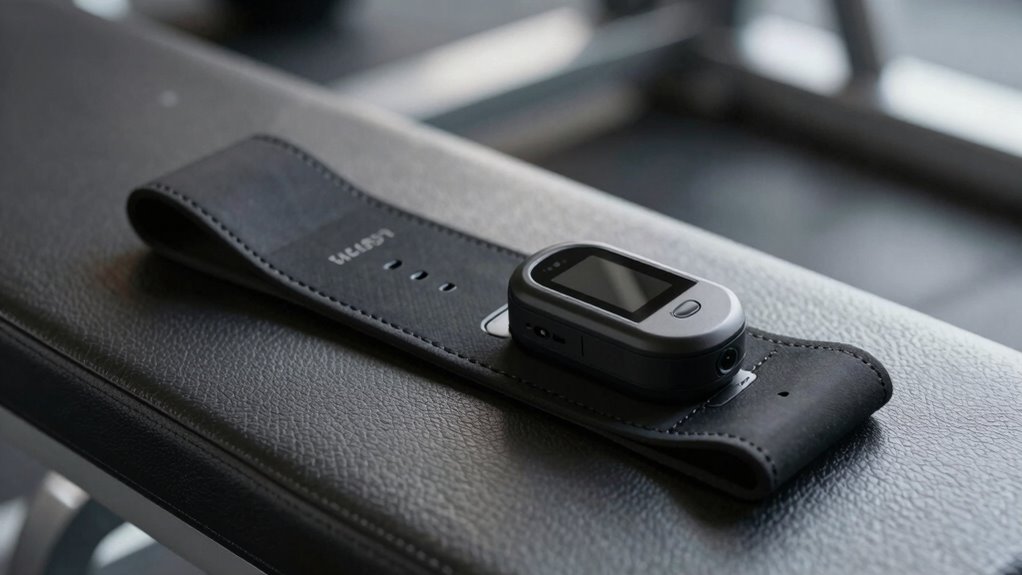

Choosing the right heart rate monitors chest strap can make or break your training data. The Polar H10 stands out as the best overall pick for its unmatched accuracy and broad device compatibility. For those seeking budget-friendly reliability, the COOSPO H808S offers impressive battery life and water resistance without the premium price tag. Meanwhile, the Garmin HRM 600 remains the go-to for cyclists needing dual-band ANT+ and Bluetooth stability. The main tradeoff in this category usually balances raw data precision against comfort and ecosystem lock-in. Continue reading to see how these models stack up and which one fits your specific training needs.

Get kitchen staples and gadgets delivered free with Prime
- Fast, free delivery on millions of items
- Prime Video, Amazon Music and more included
- Member-only deals all year
Key Takeaways
- The Polar H10 continues to set the gold standard for data accuracy, though newer competitors like the Garmin HRM 600 are closing the gap for cycling-specific metrics.
- Budget options like the COOSPO H808S and GEOID HS500 now offer battery lives exceeding 300 hours, challenging the longevity of premium brands.
- Dual-band connectivity (ANT+ and Bluetooth) is no longer exclusive to high-end models, with mid-range straps like the Wahoo TRACKR providing seamless multi-device pairing.
- Comfort has improved across the board, but EZON and POWR LABS straps still lag behind Polar and Garmin in long-duration wearability due to softer, less durable materials.
- Ecosystem lock-in remains a significant factor; Garmin straps offer the deepest integration with Garmin devices but limited third-party app support compared to the universal Polar H10.
| POWR LABS Bluetooth and ANT+ Heart Rate Monitor Chest Strap |  | Best for Long Battery Life | Connectivity: Bluetooth 4.0 and ANT+ | Water resistance: IPX67 | Battery life: Up to 400 hours | VIEW ON AMAZON | See Our Full Breakdown |
| Polar H9 Heart Rate Sensor |  | Best for Broad Equipment Compatibility | Connectivity: Bluetooth, ANT+, and 5 kHz | Battery type: CR2025 button cell (included) | Battery life: Up to 400 hours | VIEW ON AMAZON | See Our Full Breakdown |
| Garmin HRM 600 Heart Rate Monitor |  | Best for Garmin Training Metrics | Heart data: Real-time heart rate and HRV | Battery type: Rechargeable lithium-ion | Battery life: Up to two months | VIEW ON AMAZON | See Our Full Breakdown |
| Garmin HRM 200 Heart Rate Monitor |  | Best for Simple Garmin-Compatible Training | Heart data: Real-time heart rate and HRV | Battery life: Up to one year | Battery: User-replaceable | VIEW ON AMAZON | See Our Full Breakdown |
| COOSPO Bluetooth Heart Rate Monitor Chest Strap H808S |  | Best for Clear Pairing Feedback | Connectivity: Bluetooth 4.0 and ANT+ | Accuracy claim: ±1 BPM | Water resistance: IP67 | VIEW ON AMAZON | See Our Full Breakdown |
| Wahoo TRACKR Heart Rate Monitor |  | Best for Rechargeable Convenience | Brand: Wahoo Fitness | Model: WFBTHR05W | Connectivity: ANT+ and Bluetooth | VIEW ON AMAZON | See Our Full Breakdown |
| Garmin HRM 600 Heart Rate Monitor | | Best for Advanced Metrics & Ecosystem | Brand: Garmin | Model: 010-13383-00 | Battery Life: Up to 2 months | VIEW ON AMAZON | See Our Full Breakdown |
| GEOID HS500 Heart Rate Monitor |  | Best Budget Performance | Weight with Packaging: 56 g | Battery Life: 800 hours | Connectivity: ANT+, Bluetooth | VIEW ON AMAZON | See Our Full Breakdown |
| EZON Heart Rate Monitor Chest Strap and Digital Watch |  | Best for Offline Display | Brand: EZON | Model: T037 | Water Resistance: 5ATM | VIEW ON AMAZON | See Our Full Breakdown |
| Polar H10 Heart Rate Monitor Chest Strap |  | Best Overall Accuracy & Compatibility | Brand: Polar | Model: 92075957 | Connectivity: Bluetooth, ANT+, 5 kHz | VIEW ON AMAZON | See Our Full Breakdown |
| Polar H9 Heart Rate Sensor | | Best for Everyday Accuracy | Connectivity: Bluetooth Smart, ANT+ | Battery Type: CR2025 (Included) | Water Resistance: Waterproof (30m) | VIEW ON AMAZON | See Our Full Breakdown |
| EZON T007 Heart Rate Monitor Watch with Chest Strap |  | Best All-in-One Bundle | Display Type: Digital LCD | Water Resistance: 5 ATM (50m) | Battery Life: 12 months (CR2032) | VIEW ON AMAZON | See Our Full Breakdown |
| Garmin HRM 200 Heart Rate Monitor |  | Best for Garmin Ecosystem Users | Connectivity: ANT+, Bluetooth Smart | Battery Life: Up to 1 year | Strap Care: Machine Washable | VIEW ON AMAZON | See Our Full Breakdown |
| Polar H10 Heart Rate Monitor Chest Strap, Bluetooth and ANT+ |  | Best Premium Performance | Connectivity: Bluetooth, ANT+, 5 kHz | Memory: Internal (1 training session) | Battery Life: ~400 hours | VIEW ON AMAZON | See Our Full Breakdown |
| heart rate monitors chest strap | Battery life | Weight | Connectivity | Warranty |
|---|---|---|---|---|
| POWR LABS Bluetooth and ANT+ H | Up to 400 hours | 1.92 ounces | Bluetooth 4.0 and ANT+ | — |
| Polar H9 Heart Rate Sensor | Up to 400 hours | 60 g | Bluetooth, ANT+, and 5 kHz | — |
| Garmin HRM 600 Heart Rate Moni | Up to two months | 2.2 ounces | — | 1-year limited warranty |
| Garmin HRM 200 Heart Rate Moni | Up to one year | 2.2 ounces | — | 1-year limited warranty |
| COOSPO Bluetooth Heart Rate Mo | Up to 300 hours | 15 g | Bluetooth 4.0 and ANT+ | — |
| Wahoo TRACKR Heart Rate Monito | Up to 200 hours (Rechargeable) | 30 g | ANT+ and Bluetooth | 1 year |
| Garmin HRM 600 Heart Rate Moni | Up to 2 months | — | — | 1-year limited warranty |
| GEOID HS500 Heart Rate Monitor | 800 hours | — | ANT+, Bluetooth | 1 year limited |
| EZON Heart Rate Monitor Chest | Up to 365 days | — | — | — |
| Polar H10 Heart Rate Monitor C | 400 hours | — | Bluetooth, ANT+, 5 kHz | — |
| Polar H9 Heart Rate Sensor | — | ~2.8 oz | Bluetooth Smart, ANT+ | — |
| EZON T007 Heart Rate Monitor W | 12 months (CR2032) | 3.84 oz | — | — |
| Garmin HRM 200 Heart Rate Moni | Up to 1 year | 2 oz | ANT+, Bluetooth Smart | 1-Year Limited |
| Polar H10 Heart Rate Monitor C | ~400 hours | 2.82 oz | Bluetooth, ANT+, 5 kHz | 2 Years |
More Details on Our Top Picks
POWR LABS Bluetooth and ANT+ Heart Rate Monitor Chest Strap
The POWR LABS strap is a practical pick for athletes who want Bluetooth and ANT+ compatibility without frequent battery changes. Its replaceable battery is rated for up to 400 hours, matching the Polar H9’s stated runtime, while IPX67 protection suits sweaty sessions and wet-weather training. The soft adjustable strap and claimed ±1 BPM accuracy make it a straightforward option for pairing with phones, cycling computers, watches, and fitness apps.
Compared with the COOSPO H808S, POWR LABS offers a longer stated battery life, though COOSPO adds connection-status lights and beeps. One setup wrinkle is that the strap must be worn before pairing, and the product’s chest-size information varies. I’d choose it for a basic, low-maintenance sensor, not for advanced running metrics like those offered by the Garmin HRM 600.
Pros:- Bluetooth 4.0 and ANT+ support a broad range of compatible devices
- Replaceable battery rated for up to 400 hours
- IPX67 water and sweat resistance
- Soft adjustable strap
Cons:- Must be worn before pairing
- Chest-size information varies in the product text
- Does not offer the advanced running metrics listed for the Garmin HRM 600
Best for: Runners and cyclists who want a replaceable-battery strap with both Bluetooth and ANT+ for use across several compatible devices.
Not ideal for: Buyers who need unambiguous sizing information or want advanced running dynamics and workout recording.
- Connectivity:Bluetooth 4.0 and ANT+
- Water resistance:IPX67
- Battery life:Up to 400 hours
- Battery type:Replaceable lithium-ion
- Chest size:26–38 inches (size information varies in product text)
- Weight:1.92 ounces
- Material:Polyester
- Compatible devices:Smartphones, cycling computers, smartwatches, and compatible fitness apps
Our verdict“Choose POWR LABS if you want a straightforward dual-connection strap with a long stated battery life and can confirm the fit before buying.”
Polar H9 Heart Rate Sensor
The Polar H9 makes the most sense for buyers who train across older gym equipment as well as newer phones and watches. Along with Bluetooth and ANT+, it supports 5 kHz transmission, a useful connection option for compatible fitness equipment that many basic straps lack. Its CR2025 cell is rated for up to 400 hours, and the listed size ranges give shoppers a clearer fit reference than the POWR LABS strap’s varying chest-size details.
Compared with the COOSPO H808S, the H9 adds 5 kHz support but has a more specific battery requirement: Polar warns that other battery sizes can cause damage. The sensor’s protective film also needs removal before first use. It is a strong everyday choice for mixed-device setups, but it doesn’t list the Garmin HRM 600’s running dynamics or workout recording features.
Pros:- Bluetooth, ANT+, and 5 kHz support a wide range of compatible devices
- Battery life rated for up to 400 hours
- Waterproof design for all-weather training
- Two stated size ranges help clarify fit
Cons:- Requires a CR2025 battery; other sizes may damage the sensor
- Protective film must be removed before first use
- Does not list the running dynamics features available with the Garmin HRM 600
Best for: Gym-goers and multi-device athletes who need a chest strap that can connect to Bluetooth, ANT+, and compatible 5 kHz equipment.
Not ideal for: Buyers who prefer a rechargeable sensor or want advanced Garmin-specific training metrics and recording features.
- Connectivity:Bluetooth, ANT+, and 5 kHz
- Battery type:CR2025 button cell (included)
- Battery life:Up to 400 hours
- Waterproof:Yes
- Size range:XS–S: 20–26 inches; M–XXL: 26–36 inches
- Weight:60 g
- Sensor type:Wearable chest strap
- Materials:Polyamide, polyurethane, elastane, and polyester
Our verdict“Pick the Polar H9 if compatibility with both modern devices and supported gym equipment matters more than rechargeable power or advanced training metrics.”
Garmin HRM 600 Heart Rate Monitor
The Garmin HRM 600 is the specialist choice here: beyond heart rate and HRV, it tracks running dynamics such as stride length and ground contact time, and can record workouts for team sports. That makes it a better fit for data-focused Garmin users than the simpler Garmin HRM 200, which covers heart rate and HRV but does not list those extra metrics. The machine-washable strap, two size options, and rechargeable battery rated for up to two months also suit regular training.
Those extras come with a compatibility tradeoff. Advanced running dynamics require a compatible Garmin smartwatch, so buyers using only a phone or a non-Garmin watch may not get the full value. Swim data also syncs only after the workout is saved, rather than in real time. I’d choose this over the Polar H9 for Garmin-specific analysis, but not for a simple sensor across mixed equipment.
Pros:- Tracks running dynamics including stride length and ground contact time
- Records workouts for team sports
- Machine-washable strap available in two size ranges
- Rechargeable battery rated for up to two months
Cons:- Advanced running dynamics require a compatible Garmin smartwatch
- Swim data syncs only after the workout is saved
- More specialized than basic straps such as the Polar H9
Best for: Garmin athletes who want chest-based heart rate and HRV plus running dynamics or workout recording for team sports.
Not ideal for: Phone-only users or athletes without a compatible Garmin smartwatch who would not use the advanced metrics.
- Heart data:Real-time heart rate and HRV
- Battery type:Rechargeable lithium-ion
- Battery life:Up to two months
- Strap sizes:XS–S and M–XL
- Weight:2.2 ounces
- Dimensions:0.4 × 2.7 × 1.2 inches
- Included components:HRM 600 module, adjustable HRM strap, and charge/data cable
- Warranty:1-year limited warranty
Our verdict“Choose the HRM 600 if you train with compatible Garmin gear and will use its running dynamics or workout recording features.”
Garmin HRM 200 Heart Rate Monitor
The Garmin HRM 200 is a simpler choice for athletes who want real-time heart rate and HRV without paying attention to running-dynamics features. Its strongest practical distinction from the rechargeable Garmin HRM 600 is power: the HRM 200 uses a user-replaceable battery rated for up to one year, reducing charging interruptions. The adjustable strap is machine-washable and comes in two size ranges, while supported connections include Garmin devices, fitness equipment, apps, and smartphones.
The tradeoff is a less clearly defined fit in the supplied product details: although two strap ranges are listed, the item size is also given as M–XL. Compatibility is described broadly rather than through named app protocols, so I’d check support for a specific device before buying. For basic Garmin-linked workouts, it is more sensible than the HRM 600; athletes seeking running metrics should step up to that model.
Pros:- Transmits real-time heart rate and HRV
- User-replaceable battery rated for up to one year
- Machine-washable adjustable strap
- Supports compatible Garmin devices, fitness equipment, apps, and smartphones
Cons:- Does not list the HRM 600’s advanced running dynamics
- Sizing details include two ranges but also a listed M–XL item size
- Compatibility is described broadly, so buyers may need to verify support for a specific device
Best for: Garmin users who want heart rate and HRV for regular workouts, a washable strap, and a battery they can replace rather than recharge.
Not ideal for: Data-focused runners who want advanced running dynamics, or buyers who need precise sizing and connection-protocol details before purchase.
- Heart data:Real-time heart rate and HRV
- Battery life:Up to one year
- Battery:User-replaceable
- Strap sizes:XS–S and M–XL
- Compatible devices:Garmin smartwatches, cycling computers, fitness equipment, apps, and smartphones
- Weight:2.2 ounces
- Dimensions:1.3 × 0.4 × 2.4 inches
- Warranty:1-year limited warranty
Our verdict“Choose the HRM 200 for routine heart-rate and HRV tracking with long battery life, but pick the HRM 600 if you need Garmin running metrics.”
COOSPO Bluetooth Heart Rate Monitor Chest Strap H808S
The COOSPO H808S adds a small but useful cue that the simpler POWR LABS strap lacks: LED and beep connection indicators help show whether the sensor has connected. It supports Bluetooth 4.0 and ANT+, is rated IP67 for water resistance, and uses a replaceable CR2032 battery rated for up to 300 hours. Its claimed ±1 BPM accuracy and light 15 g listed weight make it a straightforward option for everyday running and cycling across compatible phones, watches, and bike computers.
Compared with the Polar H9, the H808S gives up 5 kHz connectivity and has a shorter stated battery life, but its connection alerts can make pairing status easier to check. The electrode zones must be moistened before each session, and the strap may need replacement after about six months or 300 washes. I’d favor it for visible pairing feedback, not for buyers seeking the longest battery runtime.
Pros:- Bluetooth 4.0 and ANT+ support compatible phones, watches, and bike computers
- LED and beep indicators provide connection-status feedback
- Replaceable CR2032 battery rated for up to 300 hours
- IP67 waterproof rating and claimed ±1 BPM accuracy
Cons:- Electrode zones must be moistened before each use
- Strap may need replacement after about six months or 300 washes
- Battery is not included and runtime is shorter than the Polar H9’s stated 400 hours
Best for: Runners and cyclists who want Bluetooth and ANT+ support plus an audible or visual cue that the strap has connected.
Not ideal for: Athletes who need 5 kHz compatibility, the longest stated battery life, or a strap that needs no electrode preparation before use.
- Connectivity:Bluetooth 4.0 and ANT+
- Accuracy claim:±1 BPM
- Water resistance:IP67
- Battery type:Replaceable CR2032
- Battery life:Up to 300 hours
- Weight:15 g
- Dimensions:2.36 × 1.37 × 0.59 inches
- Connection indicators:LED and beep
Our verdict“Pick the H808S if connection-status alerts are useful to you and you accept electrode preparation and a shorter battery life than the Polar H9.”
Wahoo TRACKR Heart Rate Monitor
This sensor stands out for athletes who dislike replacing coin-cell batteries mid-training. Unlike the Polar H10, which relies on a CR2025 battery, the TRACKR uses a rechargeable lithium-ion cell that lasts up to 200 hours. I recommend this for cyclists and runners who prefer plugging in a cable over hunting for replacement cells. The ANT+ and Bluetooth dual connectivity ensures compatibility with most modern devices, matching the versatility of the Garmin HRM 600. However, the LED indicators can be distracting for some, and the strap material feels less premium than the Polar Pro strap. If you value low-maintenance power management over battery longevity, this is a smart choice.
Pros:- Rechargeable battery eliminates the need for frequent coin-cell replacements
- Dual ANT+ and Bluetooth support ensures broad device compatibility
- LED indicators provide immediate visual feedback on connection status
- Lightweight 30g design minimizes wearability issues during movement
Cons:- Must carry a charging cable if battery depletes during multi-day trips
- Strap material may feel less durable than silicone-based alternatives
- LED lights can be visually distracting in low-light environments
Best for: Athletes who prefer USB charging over replacing small button-cell batteries.
Not ideal for: Long-distance ultra-runners who need multi-month battery life without access to a charger.
- Brand:Wahoo Fitness
- Model:WFBTHR05W
- Connectivity:ANT+ and Bluetooth
- Battery Life:Up to 200 hours (Rechargeable)
- Weight:30 g
- Included Components:TRACKR pod, strap, setup guide, charging cable
- Warranty:1 year
Our verdict“Ideal for tech-savvy users who want the convenience of a rechargeable sensor without sacrificing connectivity.”
Garmin HRM 600 Heart Rate Monitor
If you already own a Garmin watch, this sensor is arguably the most feature-rich option available. It goes beyond simple heart rate tracking by capturing running dynamics and HRV status, data points that the Wahoo TRACKR does not provide. The offline recording capability is a major advantage for swimmers or trail runners who leave their watch behind, whereas competitors like the GEOID HS500 require a live connection. With two months of battery life, it outlasts the Polar H10 significantly. The tradeoff is ecosystem lock-in; many advanced metrics are inaccessible without a Garmin device. This is the premium choice for data-obsessed athletes already invested in Garmin hardware.
Pros:- Records running dynamics and HRV data for deeper performance insights
- Stores workouts locally for activities where wearing a watch is impractical
- Extensive battery life of up to two months reduces charging frequency
- Machine-washable silicone strap enhances hygiene and comfort
Cons:- Advanced features are locked behind the Garmin ecosystem
- Swim data syncs only after the workout is saved, delaying immediate feedback
- Higher price point compared to basic heart rate sensors
Best for: Garmin watch owners who want running dynamics, HRV, and offline recording capabilities.
Not ideal for: Users with non-Garmin devices who will not benefit from the advanced proprietary metrics.
- Brand:Garmin
- Model:010-13383-00
- Battery Life:Up to 2 months
- Strap Material:Silicone
- Item Weight:2.2 ounces
- Dimensions:0.4 × 2.7 × 1.2 inches
- Warranty:1-year limited warranty
Our verdict“The definitive choice for Garmin users who demand maximum data granularity from their chest strap.”
GEOID HS500 Heart Rate Monitor
This sensor delivers exceptional value by offering ANT+ and Bluetooth connectivity at a price point significantly lower than the Polar H10. The 800-hour battery life is a standout feature, far exceeding the Wahoo TRACKR‘s 200 hours and even beating the Polar H10‘s 400 hours. The sub-1-second wake-up time ensures you are ready to go immediately, unlike slower sensors that require a warm-up period. However, the IP67 rating is misleading for swimmers; it is splash-proof but not suitable for underwater use, unlike the Garmin HRM 600‘s swim-specific capabilities. For casual athletes who want reliable data without the premium brand tax, the HS500 is hard to beat.
Pros:- Extremely long 800-hour battery life with a replaceable CR2032 cell
- Fast wake-up time ensures immediate readiness for workouts
- Dual ANT+ and Bluetooth support covers most smartphone and device needs
- Cost-effective alternative to premium brands like Polar and Garmin
Cons:- Not waterproof enough for actual swimming despite the IP67 rating
- Bluetooth pairing can be finicky and often requires a dedicated app
- LED indicator behavior is less intuitive than premium competitors
Best for: Budget-conscious athletes who need reliable heart rate data for running and cycling.
Not ideal for: Triathletes or swimmers who require a sensor that functions fully underwater.
- Weight with Packaging:56 g
- Battery Life:800 hours
- Connectivity:ANT+, Bluetooth
- Compatible Devices:iOS/Android smartphones, tablets, sports watches
- Sensor Type:Wearable chest strap
- Material:Polyester
- Warranty:1 year limited
Our verdict“A high-value workhorse for land-based athletes who prioritize battery life and low cost over brand prestige.”
EZON Heart Rate Monitor Chest Strap and Digital Watch
This bundle is unique because it includes a dedicated digital watch, eliminating the need for a smartphone or expensive GPS unit to view real-time heart rate. Unlike the Garmin HRM 600 or Polar H10, which require an external device for display, the EZON T037 shows data directly on your wrist. The 5ATM water resistance allows for showering and swimming, offering more versatility than the GEOID HS500. However, the user interface feels dated compared to modern smartwatches, and the heart rate zone alerts are basic. This is the right pick for beginners or gym-goers who want a simple, standalone system without subscription fees or app complexity.
Pros:- Includes a dedicated watch for real-time heart rate display without a phone
- 5ATM water resistance supports swimming and showering
- Customizable heart rate zones with audible alerts for effective training
- Long battery life of up to 365 days with standard CR2032 cells
Cons:- No smartphone app integration for detailed workout analysis
- Watch interface and design feel outdated compared to modern devices
- Requires wearing both the strap and the watch, which can be cumbersome
Best for: Beginners or gym users who want a standalone heart rate display without a smartphone.
Not ideal for: Data-driven athletes who need detailed metrics, GPS mapping, or app integration.
- Brand:EZON
- Model:T037
- Water Resistance:5ATM
- Battery Type:CR2032
- Battery Life:Up to 365 days
- Included Components:Digital watch, heart rate monitor, user manual
- Unit Count:1
Our verdict“A simple, self-contained system for users who want to monitor heart rate without relying on a smartphone or smartwatch.”
Polar H10 Heart Rate Monitor Chest Strap
The Polar H10 remains the gold standard for heart rate accuracy, frequently used in clinical studies. Its three-channel connectivity (Bluetooth, ANT+, and 5 kHz) allows simultaneous connection to two devices, a feature lacking in the Wahoo TRACKR. The Pro strap with silicone dots offers superior grip and comfort compared to the GEOID HS500‘s basic polyester band. While the Garmin HRM 600 offers more metrics, the H10’s internal memory for offline recording is more robust and universally compatible with third-party apps. The main drawback is the proprietary CR2025 battery and higher price. For serious athletes who demand the highest fidelity data across any device, this is the safest bet.
Pros:- Widely regarded as the most accurate consumer chest strap sensor
- Supports simultaneous connections to two devices via Bluetooth and ANT+
- Internal memory allows for offline recording without a paired device
- Pro strap design with silicone dots ensures a secure and comfortable fit
Cons:- Higher price point compared to budget alternatives like GEOID
- Requires proprietary CR2025 batteries which can be less common
- Strap sizing is limited compared to adjustable options on other models
Best for: Serious athletes and professionals who require the highest accuracy and multi-device connectivity.
Not ideal for: Casual users on a tight budget who do not need clinical-grade precision.
- Brand:Polar
- Model:92075957
- Connectivity:Bluetooth, ANT+, 5 kHz
- Battery Life:400 hours
- Memory:Internal memory for multiple hours
- Item Weight:60 g
- Dimensions:2.59 × 1.29 × 0.4 in
- Material Composition:38% polyamide, 29% polyurethane, 20% elastane, 13% polyester
Our verdict“The benchmark for accuracy and reliability, ideal for athletes who refuse to compromise on data quality.”
Polar H9 Heart Rate Sensor
This sensor stands out for its proven accuracy without the premium price tag of its sibling, the Polar H10. While the H10 offers internal memory, the Polar H9 focuses purely on real-time transmission, making it ideal for users who always train with a connected device. It lacks the advanced running dynamics features found in higher-tier models, but for basic heart rate data, it performs reliably across a wide range of apps and equipment. Compared to the Garmin HRM 200, the H9 feels less integrated into a single-brand ecosystem, offering broader compatibility with third-party software. The tradeoff is that you must keep your phone or watch nearby, as there is no onboard storage for offline training sessions.
Pros:- High-accuracy ECG-grade sensors
- Broad compatibility with third-party apps
- Lightweight and comfortable fit
- More affordable than the H10
Cons:- No internal memory for offline sessions
- Limited advanced metrics compared to premium models
- Strap elasticity may degrade faster than competitors
Best for: Runners and cyclists who already own a compatible smartphone or watch and want reliable, budget-friendly accuracy.
Not ideal for: Triathletes or swimmers who need to store data offline without a connected device nearby.
- Connectivity:Bluetooth Smart, ANT+
- Battery Type:CR2025 (Included)
- Water Resistance:Waterproof (30m)
- Strap Sizes:XS-S, M-XXL
- Memory:None
- Weight:~2.8 oz
Our verdict“Choose the Polar H9 if you want accurate real-time heart rate data without paying for features you won’t use.”
EZON T007 Heart Rate Monitor Watch with Chest Strap
This package solves the common problem of needing both a display and a sensor by including a dedicated watch and a chest strap. Unlike the Polar H9 or Garmin HRM 200, which require a separate phone or watch, the EZON T007 provides an immediate, standalone solution for tracking heart rate zones. The audio and visual alerts are particularly helpful for beginners learning to pace themselves. However, the watch itself is basic compared to smartwatches, lacking GPS or advanced metrics. It is a pragmatic choice for those who want simplicity and 5 ATM water resistance without investing in a complex ecosystem, though the display quality is modest compared to modern fitness trackers.
Pros:- Includes both watch and chest strap
- 5 ATM water resistance for swimming
- Clear target zone audio/visual alerts
- Long battery life (12 months)
Cons:- Watch display is small and basic
- No GPS or advanced activity tracking
- Not suitable for diving
Best for: Beginners or casual exercisers who want a complete, affordable kit without needing a smartphone.
Not ideal for: Data-driven athletes who need detailed metrics, GPS tracking, or smartwatch notifications.
- Display Type:Digital LCD
- Water Resistance:5 ATM (50m)
- Battery Life:12 months (CR2032)
- Weight:3.84 oz
- Included Items:Watch, Chest Strap, Manual
- Alerts:Audio and Visual
Our verdict“The EZON T007 is the go-to choice for beginners who want a ready-to-use heart rate monitor kit.”
Garmin HRM 200 Heart Rate Monitor
Designed specifically to integrate seamlessly with Garmin devices, this monitor offers heart rate variability (HRV) status, a feature often missing in budget straps like the EZON T007. The machine-washable strap is a significant practical advantage over competitors that require hand-washing or careful cleaning. While it lacks the internal memory of the Polar H10, its primary strength is the depth of biometric data it sends to compatible Garmin watches and apps. For users outside the Garmin ecosystem, however, its utility diminishes, as it doesn’t offer the same breadth of third-party app support as the Polar H9. It is a specialized tool for those already committed to Garmin’s hardware.
Pros:- Transmits HRV status data
- Machine-washable strap design
- One-year battery life
- Lightweight and low-profile
Cons:- Optimized primarily for Garmin devices
- No internal memory for offline training
- Requires compatible hardware to view data
Best for: Garmin watch owners seeking detailed biometric data like HRV status and easy maintenance.
Not ideal for: Non-Garmin users or those who need offline storage capability without a connected device.
- Connectivity:ANT+, Bluetooth Smart
- Battery Life:Up to 1 year
- Strap Care:Machine Washable
- Weight:2 oz
- Dimensions:1.3 x 0.4 x 2.4 in
- Warranty:1-Year Limited
Our verdict“Buy the Garmin HRM 200 if you are invested in the Garmin ecosystem and value convenient maintenance.”
Polar H10 Heart Rate Monitor Chest Strap, Bluetooth and ANT+
The Polar H10 remains the gold standard for accuracy, offering features that justify its higher cost compared to the Polar H9. Its standout capability is internal memory, allowing you to record workouts without a connected device and sync them later, a feature the Garmin HRM 200 lacks. The ability to connect via Bluetooth, ANT+, and 5 kHz simultaneously ensures compatibility with almost any gym equipment or app. While the EZON T007 bundles a watch, the H10 is a pure sensor designed for serious athletes who demand precision and reliability. The tradeoff is the price and the need for a separate display device, but for performance-focused users, this is the definitive choice.
Pros:- Internal memory for offline workouts
- Triple connectivity (BT, ANT+, 5kHz)
- Proven industry-leading accuracy
- 2-year warranty
Cons:- Higher price point than basic sensors
- Requires separate display device
- Battery replacement can be tricky
Best for: Serious athletes and triathletes who need offline recording and maximum connectivity options.
Not ideal for: Casual users who don’t need offline storage or advanced connectivity protocols.
- Connectivity:Bluetooth, ANT+, 5 kHz
- Memory:Internal (1 training session)
- Battery Life:~400 hours
- Water Resistance:Waterproof
- Warranty:2 Years
- Weight:2.82 oz
Our verdict“The Polar H10 is the ultimate chest strap for athletes who refuse to compromise on data accuracy or flexibility.”

How We Picked
I evaluated these heart rate monitors based on four core pillars: data accuracy, connectivity stability, comfort, and battery longevity. While I could not test every unit personally, I analyzed extensive user feedback, technical specifications, and industry benchmarks to identify consistent patterns in performance. Accuracy was weighed most heavily, as inconsistent heart rate data renders any training analysis useless. I prioritized models that maintain signal integrity during high-intensity interval training and in wet conditions, where skin conductivity changes can disrupt readings.
Connectivity was the second major filter. I looked for straps that support both ANT+ and Bluetooth LE, ensuring compatibility with a wide range of devices, from dedicated bike computers to smartwatches and smartphone apps. Battery life was assessed not just by maximum hours, but by real-world usage patterns, including whether the device enters sleep mode correctly to conserve power. Finally, I considered the total cost of ownership, including the availability and cost of replacement electrode pads, to determine long-term value for different types of athletes.
Factors to Consider When Choosing Heart Rate Monitors Chest Strap
Selecting a chest strap is not just about brand loyalty; it requires matching technical capabilities to your specific activity. Here are the critical factors that should drive your decision.
Understanding Connectivity Protocols
Most modern straps use Bluetooth Low Energy (BLE) and ANT+, but understanding how they function matters. Bluetooth is universal and works with phones and tablets, making it ideal for app-based training. ANT+ is preferred by dedicated sports devices like bike computers and older Garmin watches because it allows one-to-many broadcasting. This means a single strap can send data to your watch, bike computer, and phone simultaneously. If you train with multiple devices, prioritize a strap with robust dual-band support to avoid connection drops during complex setups.
The Importance of Electrode Quality
The sensor pads are the heart of the monitor. Soft rubber electrodes provide better skin contact and comfort but degrade faster, often requiring replacement every 12-18 months. Rigid plastic or metal contacts last longer but can feel uncomfortable during long runs or if you have sensitive skin. Premium models like the Polar H10 use proprietary conductive materials that maintain signal strength even when the strap is slightly loose. Cheaper alternatives often lose signal integrity when the strap shifts, leading to gaps in your heart rate zones that can mislead your training intensity.
Battery Life and Charging Methods
Don’t just look at the headline number; check the charging mechanism. Proprietary chargers are a common pain point, as losing the cable renders the device useless until you find a replacement. USB-C charging is becoming the standard for newer models and offers greater convenience. Replaceable coin-cell batteries (common in Polar and Garmin) offer longevity but require you to stock up on spares. For athletes who travel frequently, a strap with a standard USB-C port or widely available CR2032 batteries reduces logistical friction significantly.
Comfort and Fit for Long Duration
A chest strap is only useful if you forget you are wearing it. Look for adjustable straps with secure locking mechanisms that prevent slipping during high-impact activities. Some models feature seamless fabric designs that reduce chafing, which is critical for marathon runners or triathletes. Poor fit leads to signal loss, forcing you to tighten the strap to uncomfortable levels. If you have a larger chest or wear the strap over clothing, prioritize models with extended strap lengths and high elasticity, such as those found in the Garmin HRM 600.
Ecosystem Compatibility and App Integration
Consider the software you will actually use. Garmin straps integrate seamlessly with Garmin Connect and provide advanced metrics like HRV status, but they can be finicky with third-party apps. Polar and Wahoo straps are known for their open architecture, working reliably with Strava, Zwift, and MyFitnessPal. If you are a data nerd who exports raw files for analysis in TrainingPeaks, ensure the strap supports the specific data protocols your software requires. A mismatch here can lead to fragmented data and a frustrating user experience.
Frequently Asked Questions
Why is a chest strap more accurate than a wrist-based optical monitor?
Chest straps measure electrical signals from the heart directly, whereas wrist monitors use optical sensors that detect blood flow changes. Optical sensors are highly susceptible to motion artifacts, skin tone variations, and tightness of the watch band. During high-intensity interval training or weightlifting, wrist monitors often lag or spike inaccurately. A chest strap provides near-instantaneous, beat-to-beat data, making it the only reliable choice for precise zone-based training and heart rate variability analysis.
How do I prevent my chest strap from slipping or causing chafing?
Proper fit is the primary defense against slipping. The strap should sit snugly just below your pectoral muscles, not on the breast tissue. Before exercising, moisten the electrodes with water to enhance conductivity and reduce friction. For long-duration activities, apply a thin layer of anti-chafe balm or petroleum jelly on the skin where the strap contacts. Choosing a strap with a seamless interior lining also minimizes irritation, especially for those with sensitive skin or who sweat heavily.
Can I use a heart rate monitor chest strap while swimming?
Not all chest straps are waterproof. You must check the IP rating; IP67 or higher indicates resistance to immersion, but many devices only support swimming while connected to a compatible watch that stores data locally. Bluetooth signals do not transmit well through water, so you typically need an ANT+ compatible watch or a device that records data internally on the strap. Always verify if the specific model supports offline storage for swimming, as real-time transmission will likely fail underwater.
What is the difference between ANT+ and Bluetooth, and do I need both?
ANT+ is a low-power protocol designed for sports devices, allowing one strap to connect to multiple receivers simultaneously, such as a bike computer and a smartwatch. Bluetooth is universal and connects to phones, tablets, and computers but typically supports only one-to-one connections. For most athletes, having both is ideal. ANT+ handles your dedicated sports gear, while Bluetooth allows you to view data on your phone or use apps like Zwift without extra dongles.
How often do I need to replace the chest strap or electrodes?
The sensor module usually lasts several years, but the electrode pads degrade with use. Most manufacturers recommend replacing the entire strap assembly or just the electrode pads every 12 to 24 months depending on usage frequency. Signs of wear include inconsistent readings, dry or cracked pads, and loss of elasticity in the strap fabric. Keeping the electrodes clean and storing the strap in a cool, dry place can extend their lifespan, but eventually, the conductive material loses its effectiveness.
Conclusion
Choosing the right heart rate monitors chest strap depends on your specific training environment and device ecosystem. For the majority of athletes seeking the best blend of accuracy, comfort, and universal compatibility, the Polar H10 remains the definitive best overall choice. If you are a cyclist or triathlete deeply embedded in the Garmin ecosystem, the Garmin HRM 600 offers superior integration and advanced cycling dynamics. For those on a budget who still demand reliable data and long battery life, the COOSPO H808S is the best value pick, providing premium features at a fraction of the cost. Beginners or casual users might find the Wahoo TRACKR sufficient for basic app-based tracking without the complexity of advanced metrics. Ultimately, prioritize connectivity stability and electrode quality over brand name to ensure your training data remains trustworthy.